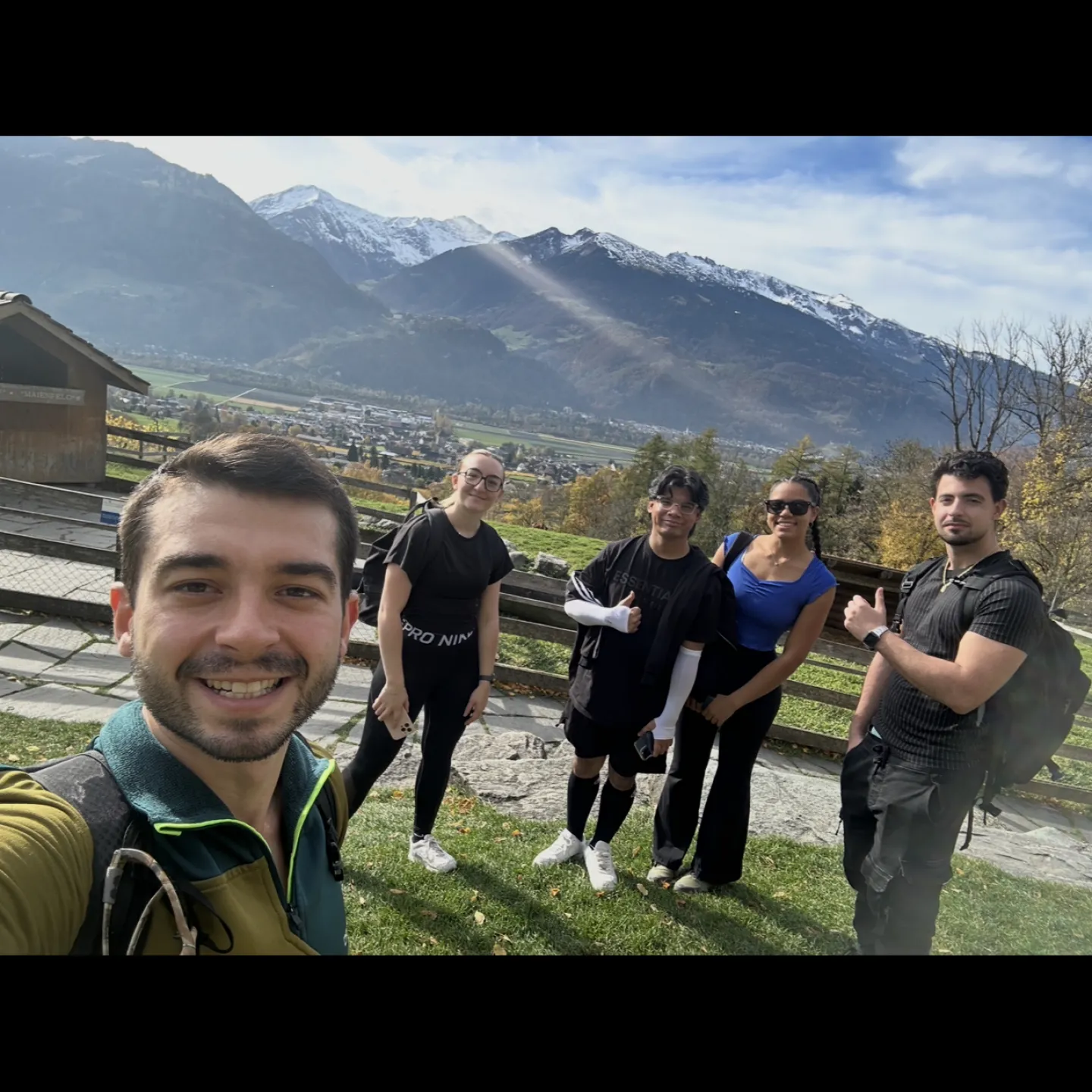
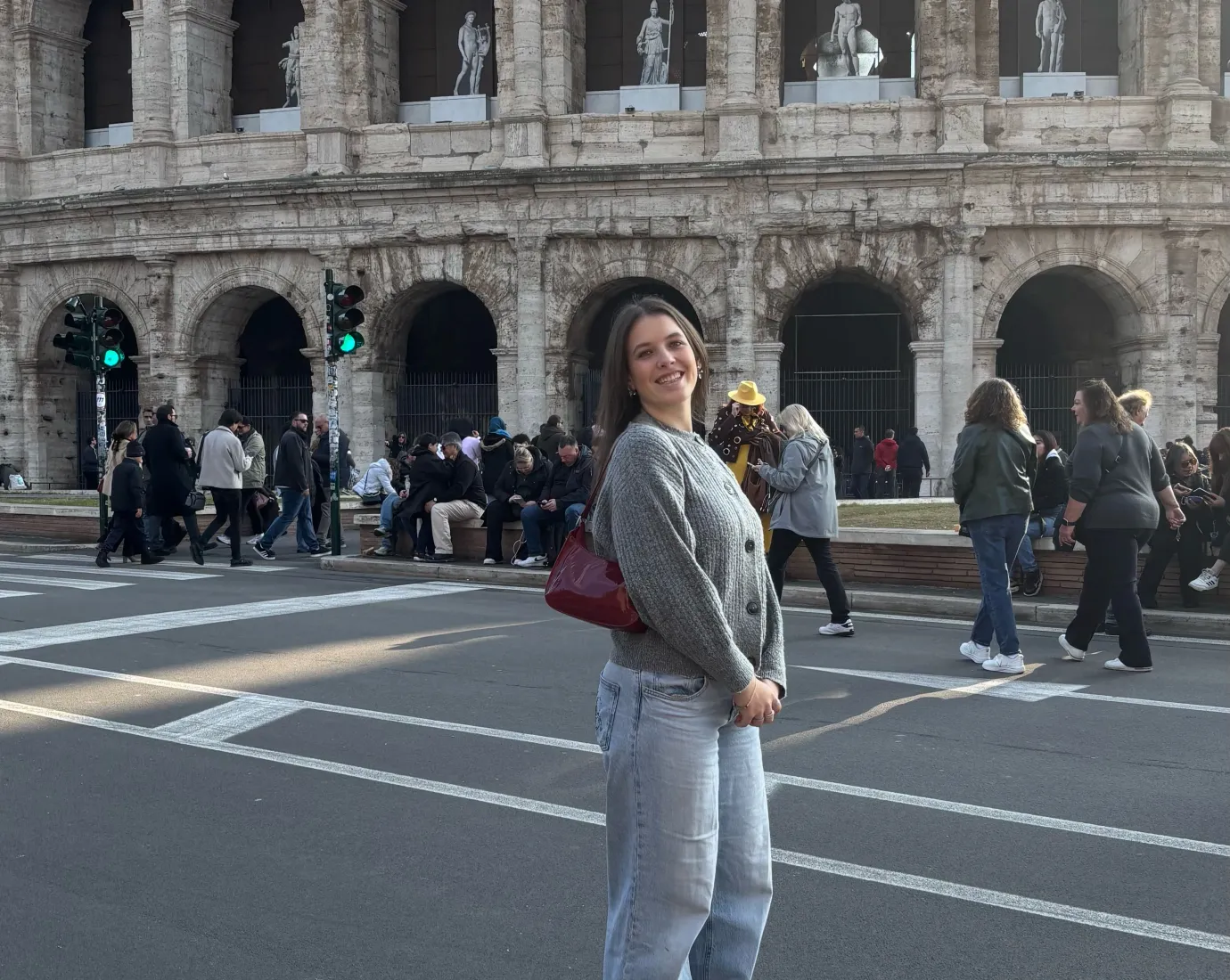
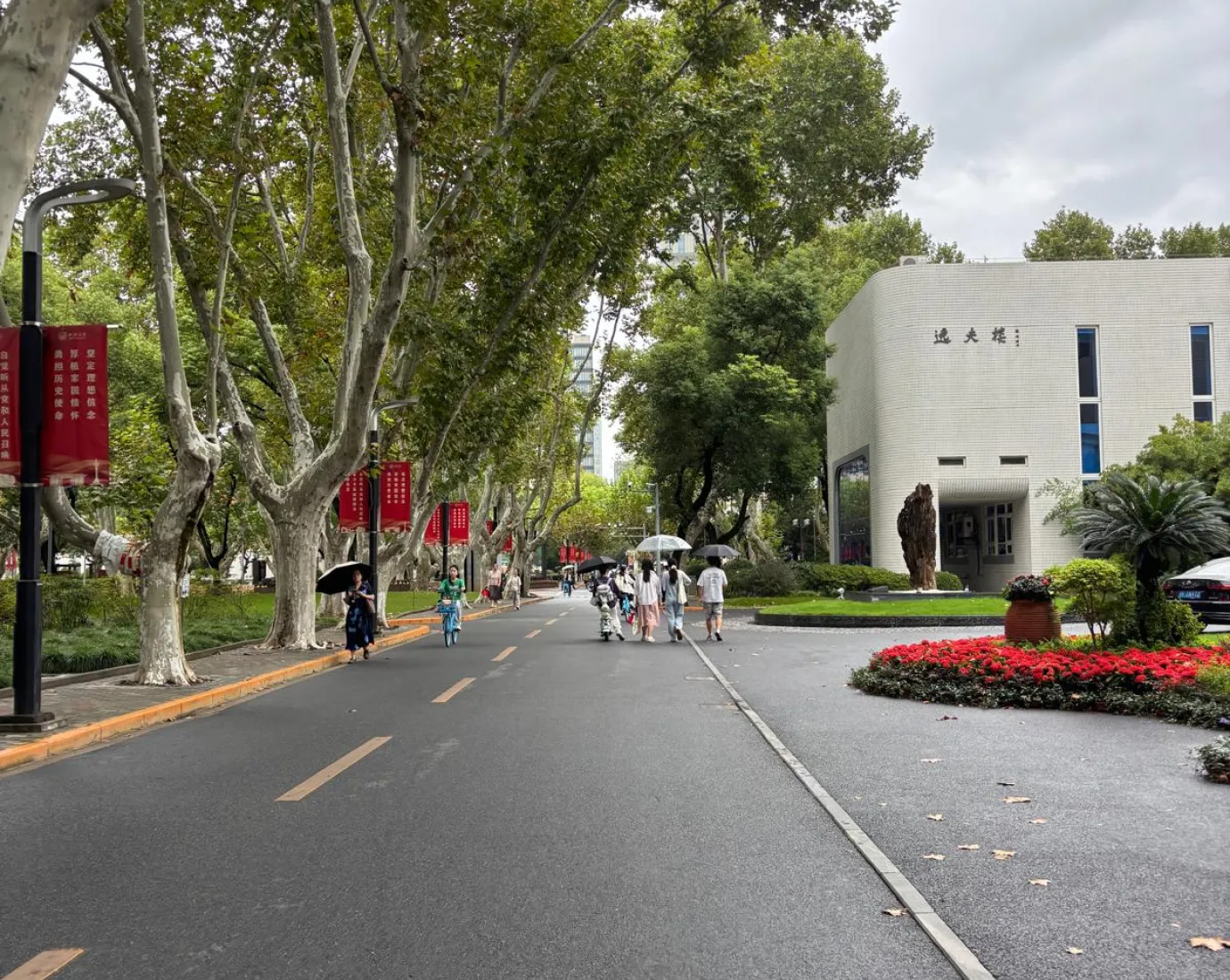
Liechtenstein - Vaduz
Liechtenstein - Vaduz
Reflection on Social Popularity in My Host Country
One of the most unexpected and pleasant discoveries I’ve made since arriving in Liechtenstein has been observing how social popularity is structured among young people. Coming from a country where social dynamics among teenagers and young adults often reward rebellion and indifference, I was surprised to find a completely different hierarchy here. In my home country, the most “popular” person tends to be the one who acts like a delinquent, shows no concern for studies or responsibilities, and often tries to appear as a “tough guy.” Popularity is frequently linked to confidence, yes, but also to carelessness, and even to a kind of anti-establishment attitude that values being “cool” more than being kind or hardworking.
In Liechtenstein, however, I’ve seen a totally different set of values shaping social interactions. People my age seem to take themselves seriously, not in a pretentious way, but in a mature and self-respecting one. They dress elegantly and behave with a quiet sense of confidence. Many of them already have clear goals for their future: whether it’s pursuing a degree, learning a trade, or starting their own business. What has struck me most is that social value here is not given to those who act superior to others, but to those who show commitment, politeness, and dedication. The students who work hard and invest in building a future are not seen as “nerds” or outsiders; on the contrary, they are admired.
This cultural contrast made me reflect deeply on myself and the social environment I came from. I’ve always been someone who cares about the future: I take my education seriously, and I’ve never wanted to waste time. But living in a society where the collective mindset rewards self-discipline and effort made me realise that small traces of that more “laid-back” attitude were still present in me. I noticed it in my clothing style, in how I sometimes underestimated the importance of first impressions, and even in the way I expressed myself.
It was a subtle but important realisation: the environment we grow up in shapes us more than we like to admit. When you’re surrounded by people who treat carelessness as a form of identity, you unconsciously absorb parts of that mentality, even if you don’t share its core values. Being here has helped me distance myself from that mindset and redefine what I consider truly admirable. I began making small changes as dressing in a more polished and professional way, communicating with more intention, and being more selective about how I spend my time. None of these changes were superficial; they reflected a deeper shift in how I see personal growth.
By stepping out of my comfort zone and observing things from the outside, I understood that personal development is not only about what you achieve but also about the kind of person you decide to become in everyday situations. It’s about integrity, discipline, and the subtle messages you send through your actions and appearance. In a way, Liechtenstein’s culture of quiet ambition has inspired me to refine my own.
I also started to notice how this attitude extends beyond individuals to the society as a whole. There’s a collective sense of responsibility, people seem to take pride in contributing to their community, maintaining order, and respecting public spaces. It’s not about fear of punishment but rather about shared values. I find it fascinating how these small, consistent habits build trust and stability. In my home country, rules are often seen as restrictions, something to be “outsmarted.” Here, they’re understood as tools that help everyone coexist better. This difference in mentality influences not only how people behave but also how they perceive success and reputation.
Living in this environment has also helped me redefine my idea of popularity. I’ve come to see that true social value doesn’t come from being admired for superficial traits but from earning respect through authenticity and effort. Popularity here is not about standing out but about being reliable, capable, and considerate. It’s a quieter, more stable form of recognition: one that is built on mutual respect rather than attention-seeking.
I feel that this experience has made me more grounded and aware of what kind of impression I want to leave on others. It has also taught me that adapting to a new culture doesn’t mean losing your identity; it means enriching it. I still carry my roots, my sense of humor, and my spontaneity but now they coexist with a greater appreciation for discipline, refinement, and social harmony.
In conclusion, what began as a simple observation about how young people interact has turned into a much deeper personal transformation. Opening myself to new cultural values has helped me grow not only as a student abroad but as a person. I hope this process continues throughout my stay in Liechtenstein, and that I can bring some of these lessons back home to contribute, in my own way, to a culture that values not just charisma, but also character.