Skip to Main Content

LBS Degree Programmes and Professional Education

Liechtenstein Business School

Study Programmes

Gruppe analysiert Finanzplanung und SWOT-Analyse an der Universität Liechtenstein.

Our educational portfolio includes a BSc in Business Administration, three MSc programmes in Entrepreneurship, Finance and Information Systems, as well as an MBA in Technology and Innovation. It is complemented by executive education offerings such as certificates in Blockchain, Fintech, Sustainable Finance and Digital Leadership. Our successful PhD programme with specialisations in Economics, Finance, Entrepreneurship and Information Systems prepares students for international careers in academia and business, demonstrating our commitment to future-oriented topics and current industry trends.

Gruppe analysiert Finanzplanung und SWOT-Analyse an der Universität Liechtenstein.

Facts

Student arbeitet im Büro an der Universität Liechtenstein und liest ein Dokument.

The Liechtenstein Business School is characterised by dedicated lecturers and an international student body. Eleven professors and around 25 research staff (including postdocs) contribute their knowledge and research findings to teaching. They are supported by external instructors who add practical relevance to the degree programmes with their expert knowledge. With approximately 500 students, this results in an excellent student-to-staff ratio.

Student arbeitet im Büro an der Universität Liechtenstein und liest ein Dokument.

Degree Programmes

Our teaching combines scientific foundation with practical application and fosters personal development. We teach theory-based, student-centred and practice-oriented, focusing on current trends and individual needs. A broad portfolio of courses, innovative formats such as live cases and problem-based learning offer practical experience. Theses on topics in entrepreneurship, management, finance, economics, information systems and computer science complete the programme and support students at all academic levels.

Professional Education

Our professional education programmes are specifically tailored to the needs of working students and support them in taking their next career step. These courses are characterised by a clear content focus and modern teaching and learning methods. Depending on their scope, we distinguish between certificate, diploma and professional education master’s programmes, following the Swiss system. The LBS’s professional education offerings are complemented by workshops and events that cover future-oriented topics and current industry trends.

Events
Start Your Higher Education. Shape Your Professional Education. Secure Your Future.

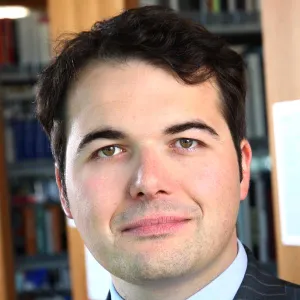
Dr. Bernd Schenk

Academic Programme Director BSc in Business Administration - Liechtenstein Business School
Employee
Start Your Higher Education. Shape Your Professional Education. Secure Your Future.

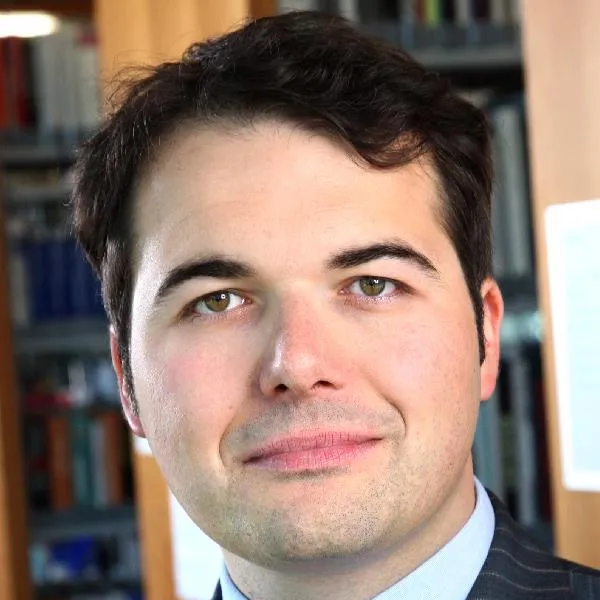
Prof. Dr. Martin Angerer

Academic Programme Director MSc in Innovative Finance - Liechtenstein Business School
Employee
Start Your Higher Education. Shape Your Professional Education. Secure Your Future.

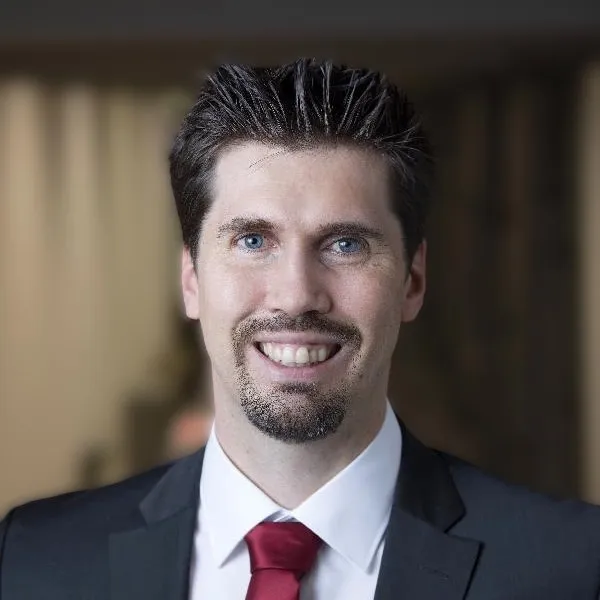
Prof. Dr. Marco Furtner

Academic Programme Director MSc in Entrepreneurship and Management - Liechtenstein Business School
Employee
Start Your Higher Education. Shape Your Professional Education. Secure Your Future.

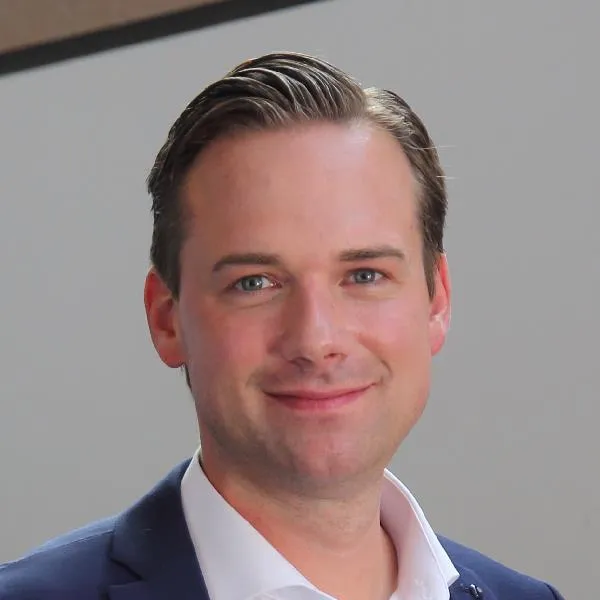
Prof. Dr. Pavel Laskov

Academic Programme Director MSc in Information Systems - Liechtenstein Business School
Employee
Start Your Higher Education. Shape Your Professional Education. Secure Your Future.

Prof. Dr. Michael Hanke - Liechtenstein Business School

Academic Programme Director PhD in Business Economics
Employee

LBS Research

Liechtenstein Business School

Research

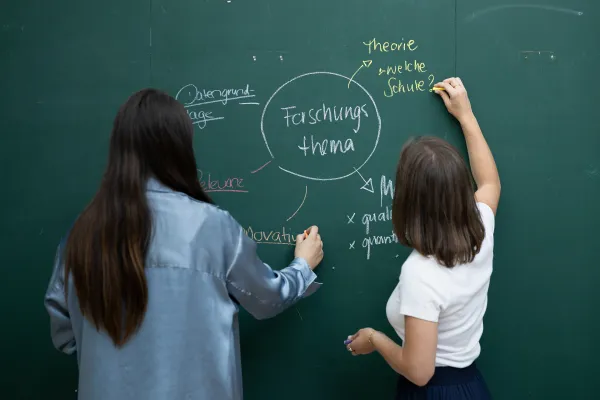
Zwei Studierende entwickeln ein Forschungsthema auf einer beschrifteten grünen Tafel mit Kreide und Farben.

Our research focuses on key areas of regional relevance, reflected in our professorships. The quality of research is ensured by regularly presenting findings at international conferences and publishing them in renowned academic journals.

Zwei Studierende entwickeln ein Forschungsthema auf einer beschrifteten grünen Tafel mit Kreide und Farben.
Highlight

Digital Closeness: How Authentic Relationships Develop in Social Networks

Studentin mit VR-Brille lacht und bewegt Controller im Klassenzimmer.

A study published in the A*-ranked Journal of the Association for Information Systems, featuring Assoc Prof Dr Johannes Schneider (University of Liechtenstein), analysed over 440,000 social media messages. It shows that personality, curiosity, respect and sharing foster high-quality relationships. Social networks thrive not on their structure but on the quality of interactions, with important implications for human-centred digital platforms.


Further information available at Capturing the “Social” in Social Networks

Studentin mit VR-Brille lacht und bewegt Controller im Klassenzimmer.
Highlight

Artificial Intelligence for Early Detection of Banking Crises: Research Team at the University of Liechtenstein Presents Promising Results

Dozent präsentiert mathematische Funktion an Flipchart, während eine Teilnehmerin aktiv mitschreibt.

At the Finance Forum Liechtenstein, Prof Dr Michael Hanke and doctoral candidates Merlin Bartel and Sebastian Petric presented research on AI-supported prediction of banking crises. Using the 2023 US regional banking crisis as a case study, they demonstrated how machine learning identifies early warning signals and offers investors actionable recommendations. The study highlights the potential of data-driven models to reduce risk and strengthens the University of Liechtenstein’s role in financial research.


Further information available at Artificial Intelligence for Early Detection of Banking Crises

Dozent präsentiert mathematische Funktion an Flipchart, während eine Teilnehmerin aktiv mitschreibt.

Forschungsseminare

Die Zielsetzung der vom Department für Finance und Economics veranstalteten Forschungsseminare besteht darin, aktuelle Forschungsideen und Forschungsprojekte zu präsentieren und vor einem Fachpublikum zu verteidigen, um ein Feedback zu erhalten. Diese Seminare tragen zur Weiterqualifizierung des wissenschaftlichen Personals bei.

Weitere Informationen zum Finance Research Seminar und zum Wirtschaftspolitischen Seminar Alpenrhein finden Sie unter: 


Zu allen Forschungsseminaren

Upcoming Events

Research Projects

Publications

Liechtenstein School of Architecture_Mission Statement

Liechtenstein School of Architecture

Mission Statement

The Liechtenstein School of Architecture stands for sustainable design and construction.

At the heart of research and teaching are spatial responses to climate change, resource scarcity and urbanisation processes. The LSA creates, imparts and cultivates knowledge for the benefit of society and the environment. The goal is to educate competent architects who can address global and local challenges with innovative, sustainable and livable solutions.


In an international, personally supervised and family-like environment, aspiring architects learn to initiate and successfully implement sustainable projects at various scales. Diverse learning formats encourage students to act responsibly and in the common good. Internships provide early networking and support within professional practice.

Through collaboration with international partners from academia and practice, the LSA is the research and competence centre for sustainable architecture and spatial development for Liechtenstein, the Alpine Rhine Valley and the German-speaking four-country region. As a cosmopolitan think tank for critical and creative discussion and action, the LSA links global questions and answers with regional challenges.

Against the background of societal transformation and the responsible use of energy, land and material resources, the strategic fields of action of the LSA focus on:


  • Resilient settlement structures and mobility
  • Sustainable materials and local value creation
  • Care and further development of existing buildings and building culture
Architektur_Portrait-von-LSA-Dekan-Daniel-Stockhammer-an-der-Liechtenstein-School-of-Architecture
Yesterday, the focus was on optimising the existing, reducing consumption and pollutants. Today, it is recognised that building must leave no footprint. From now on, we need buildings that help to compensate for the damage caused. New buildings must absorb more pollutants than they produce and generate more energy than they consume. New architecture is climate positive.” 

Daniel Stockhammer, Professor, Liechtenstein School of Architecture

Graduation Ceremony

Ceremonial Conclusion

Graduation Ceremony

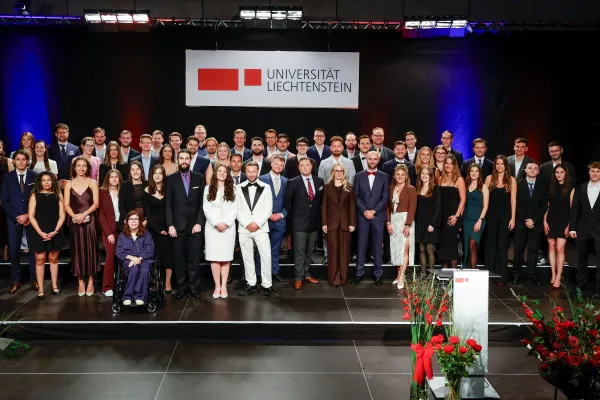
Diplomfeier 27. Sept

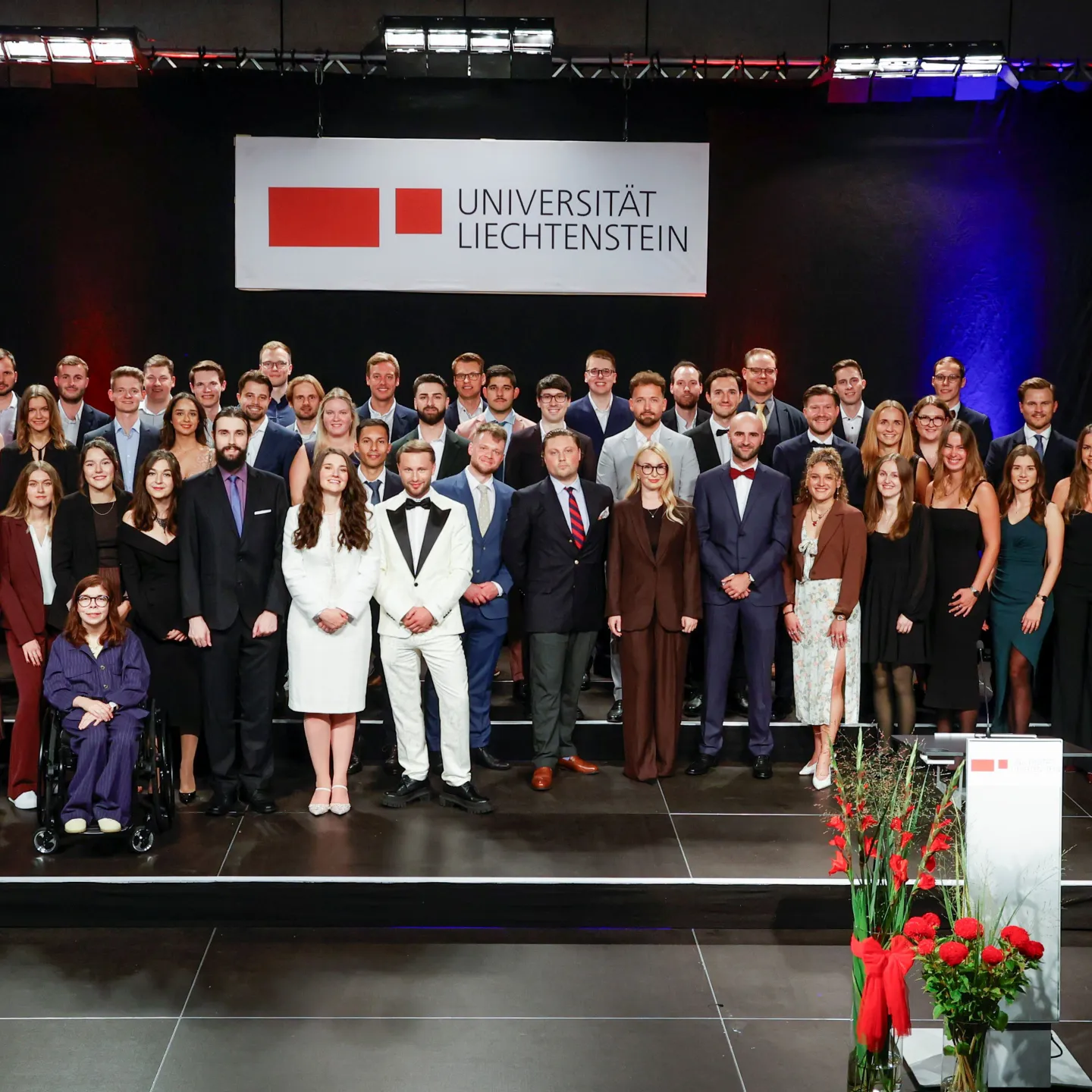
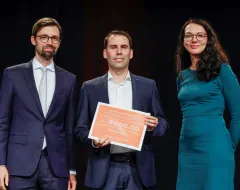
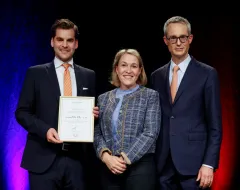
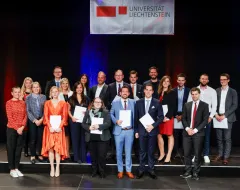
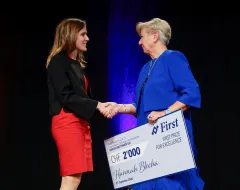
The graduation ceremonies take place twice a year (in spring and autumn) in a formal setting at the University of Liechtenstein and represent a highlight of the academic year at the University.

We would already like to congratulate all graduates and look forward to celebrating this special occasion together.

Graduation Ceremony Registration
Diplomfeier 27. Sept

The graduation ceremony for the 2026 summer semester will be held on Friday, 27 March, in the University of Liechtenstein Auditorium. 

Registration takes place at the main reception on campus. You and your guests are invited to relax on the campus grounds or in the cafeteria until the start of the ceremony, dress rehearsal, and group photo. We kindly ask that you arrive in good time to register.


Doctoral, Bachelor’s and Master’s Graduation Ceremony Registration: 

  • Registration: 3.00 p.m. to 3.45 p.m. on campus at the reception
  • Rehearsal: 3.45 p.m.
  • Group photo: 4.00 p.m.
  • Ceremony: 5.00 p.m.
  • Aperitif: from 7.00 p.m.

The prerequisite for participating in the graduation ceremony as a graduate is the successful completion of your studies. The invitation with all further information will follow by email in mid-February. Please also check your spam folder.

The ceremony will be held in German. A simultaneous translation will be available for international guests.

Each graduate may bring up to three guests. All guests are also warmly invited to the reception afterwards.
 

Register for graduation

Important: If you are unable to attend, please let us know by sending a short email to diplomfeier@uni.li, stating your full name and programme of study.

Degree certificates can only be presented to registered graduates who are present. Please ensure you are available for the group photo session, as it is part of the official programme.

Please note: Prizes and awards will also only be presented to graduates who are present and registered.

We recommend using public transport where possible, as parking spaces on campus are limited. General information on how to get here can be found on our website

Impressions

Graduation Ceremony March 2025 to Rewatch

We need your consent
To view this YouTube video, you must accept data processing under the category “Third-party marketing”. Further details on data processing can be found here.
Display Cookie Settings
Still Have Questions?

We Are Here for You

Beatrice Kaiser-Kharishman
Event Manager - Liechtenstein Executive School
Employee

Coaching and Training

Our Offerings and Services

Advice and Training

“Being efficient” means that students and researchers achieve the best possible result with the least possible effort, in other words, using time, energy and resources in a targeted way to work productively, purposefully and successfully.


In our sessions, we show you in practical terms how to find academic information effectively, use it appropriately and organise it well. This knowledge helps you to work more efficiently and achieve greater success in your studies and research.

Our Training Sessions and Tours at a Glance

  • General library introduction and registration with swisscovery.li
  • Students of all disciplines, first-semester and exchange students
  • Presentation and workshop
  • 60 min
  • English
  • Each semester

  • General library tour
  • Students & staff, external visitors
  • Guided tour
  • 30 min
  • English/German
  • On request by email

  • Introduction to reference management with Citavi
  • Students and staff
  • Presentation and workshop
  • 30–60 min
  • English/German
  • Course-related or individual advice on request by email 


4 Steps to Citavi

  1. Choose and download Citavi for your operating system
  2. Follow the Citavi installation wizard
  3. Log in using your UniLi email address and password
  4. Confirm login and then sign in to Citavi Cloud


The Citavi Web version is recommended for macOS.

Citavi was developed specifically for Microsoft Windows and does not have a native version for Apple's macOS. For users on other platforms, Citavi is available as a web version — “Citavi Web” — which works in any browser and is independent of the operating system. To access Citavi Web, you need to create a Citavi account.

  • Go to https://citaviweb.citavi.com/
  • Select your affiliation group (student or employee).
  • Enter your UniLi email address and click “Continue.” You will receive a confirmation email — follow the link in the email to verify your account.
  • Once your UniLi email address is confirmed, you can set a password for your Citavi account.
  • You can log in to your Citavi account at https://citaviweb.citavi.com/login. After logging in, you can immediately start using Citavi Web, create new cloud projects, and access existing ones.

Citavi Manual


Haben Sie Fragen?

Fachspezifische Schulungen, Literaturverwaltung, Publikationsberatung und individuelle Beratung

Dipl.-Bibl. (FH) Ekaterina Vardanyan
Head - Library
Employee

Subjects and Databases

Our Offerings and Services

Subjects and Databases

Do you want to explore the resources available for your specific discipline, whether in Architecture, Business, or Business Law? Here you will find a curated selection of printed and digital media as well as subject-specific advisory services tailored to your field.

DZI
The library supports me in many ways with my courses. I benefit from quick access to high-quality academic resources and teaching materials that I can use purposefully in my teaching. In addition, the wide range of services and research tools helps me to continuously update my course content and align it with the latest academic findings."
Djordje Zivkovic, Postdoctoral Researcher, Liechtenstein Business School
Still Have Questions?

Subject Specialists Architecture, Finance and Academic Working Methods

Dipl.-Bibl. (FH) Ekaterina Vardanyan
Head - Library
Employee

Journals

Our Offerings

Journals

Bibliothek Zeitschriften Journals

The collection focuses largely on the subject areas of economics, law and social sciences, as well as architecture and art.


You can quickly find our journals using the Journal Search in swisscovery.li. Here, you can search for both e-journals and print journals. You also have the option of searching thematically for journal titles by using the facet search on the left.


If you cannot find a document in our journal collection, you are welcome to order the desired article. Information on ordering options and procedures can be found under Courier & Interlibrary Loan.


Bibliothek Zeitschriften Journals

You will find around 200 academic journals in print in our collection. The current issues of most active subscriptions are available in the library in the journal display next to the circulation desk.


Use of individual issues and journal volumes is governed differently:

  • Library and Closed Stacks Location: borrowable, 14 days, no renewal
  • Reference Collection Location (Schools’ Research Libraries): use on request, directly at the respective reference collection

The university offers online access to around 15,000 licensed e-journals.


At the title or article level, you have various options for searching licensed content:

The Electronic Journals Library (EZB) is our entry platform for searching electronic journals. Using the EZB, you can see whether the university provides the journal you are looking for in electronic form and for which period it is licensed. Searching for individual articles is not possible in the EZB.


Access to full text is indicated by a traffic-light system:

  • Green: freely accessible for everyone – Open Access
  • Yellow: available to University of Liechtenstein members
  • Yellow-red: partially available to University of Liechtenstein members
  • Red: not accessible to University of Liechtenstein members

e-periodica is a platform of the ETH Library for digitised Swiss journals. All journals on this platform are freely accessible. Depending on agreements with individual publishers, there may be an embargo period (moving wall) of up to five years for more recent issues.


For the University of Liechtenstein, the over 200 digitised journals in the field of architecture & art available on this platform are especially relevant.


A selection:
• Anthos 1962 – 2020
• Archi 1998 – 2017
• Bauen + Wohnen = Construction + habitation = Building + home 1947 – 1979
• Collage: Zeitschrift für Raumentwicklung from 1994
• Heimatschutz Patrimoine 1906 – 2018
• Hochparterre from 1998 – 2-year embargo
• k+a Kunst und Architektur in der Schweiz from 1994 – 3-year embargo
• Pamphlet from 2005 – 2-year embargo
• Parkett: the Parkett series with contemporary artists 1984 – 2017
• Scholion from 2001
• TEC 21 2001 – 2017
• Werk, Bauen und Wohnen from 1980 – 5-year embargo


Eine Auswahl:
• Anthos 1962 - 2020
• Archi 1998 -2017 
• Bauen + Wohnen = Construction + habitation = Building + home 1947 – 1979
• Collage : Zeitschrift für Raumentwicklung from1994
• Heimatschutz Patrimoine 1906 - 2018
• Hochparterre from 1998 - 2-year embargo
• k+a Kunst und Architektur in der Schweiz from 1994 - 3-year embargo
• Pamphlet from 2005 - 2-year embargo
• Parkett : the Parkett series with contemporary artists 1984 - 2017
• Scholion from 2001
• TEC 21 2001 - 2017
• Werk, Bauen und Wohnen from 1980 - 5-year embargo

As part of the Swiss National Licences, you have access to over 2 million academic articles, with an embargo period (moving wall) of between 2 and 5 years.


The following four electronic journal archives are available:

  • Cambridge Journals Archive
  • De Gruyter Journals Archive
  • Oxford Journals Archive
  • Springer Journals Archive


Further details on content and access can be found at Nationallizenzen.ch.

Still Have Questions?

Contact Our Journals Team

Philipp Trottmann MAS FHO
Stellvertretender Leiter - Library
Employee
Still Have Questions?

Contact Our Journals Team

Emil Giersberg
Library Assistant - Library
Employee

Safe Working Culture

Together

Safe and Appreciative Working Culture

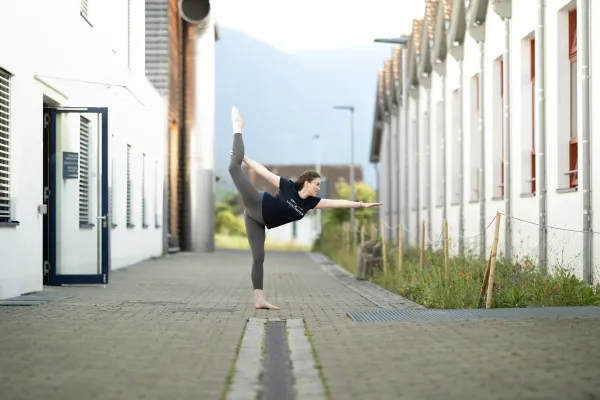
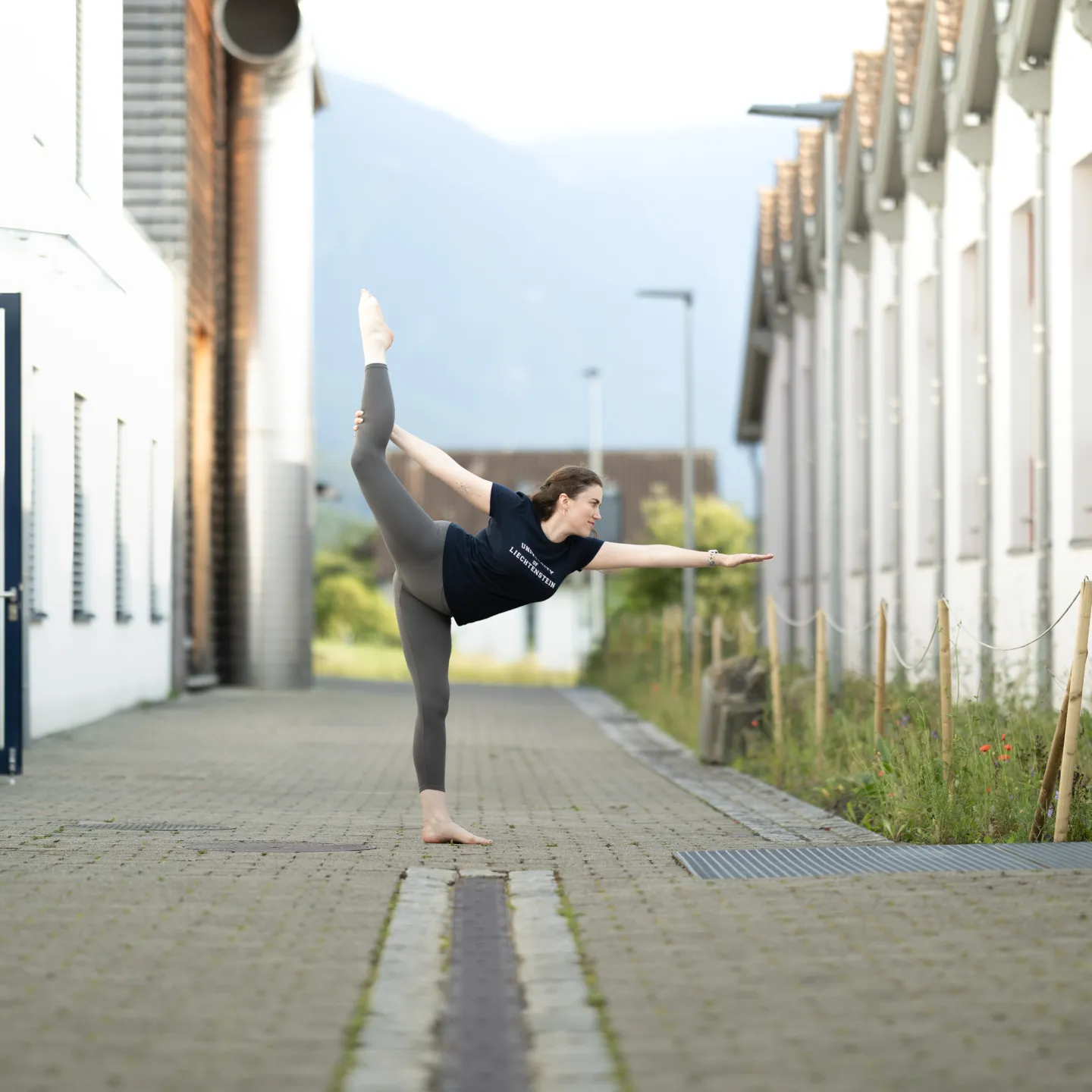
Frau in Yoga-Pose auf dem Campus der Universität Liechtenstein im Freien.

At the University of Liechtenstein, we place great importance on a respectful, healthy and discrimination-free working environment. Whether it is physical and mental well-being, the protection of personal integrity or a constructive approach to diversity, we support our staff in their daily work through targeted services and points of contact. The following information provides an overview of key topics for ensuring fair and sustainable collaboration in the workplace.

Frau in Yoga-Pose auf dem Campus der Universität Liechtenstein im Freien.

Points of Contact

In situations where support is needed, whether as an affected or accused person or as a colleague, the following points of contact are available.

As part of our Occupational Health Management, all employees of the university have access to a neutral, external point of contact, available 24 hours a day, seven days a week. It offers confidential and professional support for work-related, personal, health, financial and integration-related issues.


In addition, it plays an important role in protecting personal integrity in the workplace. Personal integrity includes an individual’s physical, psychological, intellectual and moral well-being. Well-known forms of integrity violations include bullying, sexual harassment, discrimination, and violence or threats.


Collegiality, integrity and professionalism are among the values upheld by our staff. We therefore do not tolerate any violation of people’s dignity or personal rights.

The Ombuds Office is an external complaints and mediation service. It is designed for out-of-court dispute resolution and is staffed by an independent and impartial trusted person. Complaints and reports can be submitted in writing via the email address below and will be treated confidentially.

However, the Ombuds Office is not a general advisory service and does not provide legal advice.


Email: ombudsstelle@ombudsstelle-uni.li

The Gender and Diversity Officer offers confidential advice and mediates in conflict situations. She is responsible for ensuring the protection and well-being of affected individuals. In cases of breaches of applicable law, she is obliged, particularly within the scope of the university’s duty of care, to investigate the matter thoroughly and, if necessary, initiate appropriate measures.

Further information on the topic can be found here.

Still Have Questions?

We Are Here for You

Martina Haas
HR Specialist - Human Resources
Employee

Research and Publishing

Our Services for Researchers

Research and Publishing

Bibliothek Publizieren

We offer researchers a wide range of specialised services and resources to support them in all phases of the research process, from literature search to publication.

Bibliothek Publizieren

About Open Access

Open access enables free access to scholarly publications via the internet and is supported worldwide by universities, libraries and research organisations. The aim is to make research results available more quickly and widely, especially publicly funded studies. This increases visibility, promotes collaboration and facilitates scholarly use. The University of Liechtenstein Library actively supports researchers in making their publications openly accessible.


In practice, there are two routes to open access:

  • Green route: Conventionally published works are republished in institutional or subject-specific repositories.
  • Gold route: Scholarly articles are published directly in quality-assured open access journals that follow a peer-review process.

We are happy to advise you on questions about contract terms with content providers, legal uncertainties and the publication requirements for your articles or thesis.

About Read & Publish Agreements

We maintain Read & Publish agreements with numerous academic publishers. These agreements enable researchers at the university to publish open access articles in the journals of these publishers free of charge.

The article fees are covered by the library as part of the agreements. In addition to open access publication, the agreements also ensure reading rights to the publishers’ existing journal collections for the university.

Please note that with some publishers, the option for open access publication is limited by an annual quota, and free OA publication is not possible in all of their journals.

Our researchers can

  • read articles from many academic journals free of charge
  • publish open access free of charge, with no personal publication fees
  • easily meet the requirements of funding organisations (e.g. SNSF)
  • benefit from streamlined publication processes

  • With certain publishers, only a limited number of publications can be published Open Access—until the article quota is reached.
  • As soon as a manuscript has been accepted by the publisher, it counts toward the article quota.
  • Once this quota has reached its maximum, our members can no longer publish Open Access free of charge.
  • We will inform our members when the quota for the respective publisher has been used up.
  • The quota resets every year.

Criteria

Read & Publish Agreement 2026–2028: Update on the Negotiations

Negotiations with SAGE Publishing on the SAGE Read & Publish Agreement 2026–2028 began in early 2025 and have so far not resulted in a mutually acceptable agreement. As the current agreement expires on 31 December 2025, preparations have been made for a no-deal scenario from 2026 onwards.

Such a no-deal situation would affect both reading access and publishing within the SAGE portfolios. This overview outlines the consequences for reading and publishing and answers frequently asked questions.

The swissuniversities factsheet “How to get the article?” provides an overview of how to find full-text versions of research articles that are not accessible via a campus licence.


Criteria in a No-Deal Situation

  • Reading access to the SAGE Journals Collection: the publisher has decided to disable access to content published from 1 January 2026 onwards for the duration of the no-deal period.
  • Researchers can continue to publish in hybrid journals without charges; however, the articles will not be made Open Access by the publisher.
  • The Swiss National Science Foundation (SNSF) will no longer cover Article Processing Charges (APCs) for Gold Open Access journals published by SAGE. The SNSF recommends avoiding publication in SAGE journals and considering alternative publication venues.
  • When publishing in hybrid journals, authors can still comply with the SNSF’s Open Access requirements by applying the Rights Retention Strategy and depositing their accepted manuscripts in a repository (Green Open Access). In any case, the SNSF monitors compliance to its OA regulations sensibly and will account for a no-deal scenario accordingly.

Factsheet SAGE

Read & Publish Agreement 2026–2028: Update on the Negotiations

Negotiations with the publisher regarding the Springer Read & Publish Agreement 2026–2028 began in early 2025 and have so far not resulted in a mutually acceptable agreement. As the current agreement expires on 31 December 2025, preparations have been made for a no-deal scenario from 2026 onwards.

Such a no-deal situation would affect both reading access and publishing within the Springer portfolios. This overview describes the consequences for reading and publishing and answers frequently asked questions.

The swissuniversities factsheet “How to get the article?” provides an overview of how full-text research articles can be accessed.


Criteria in a No-Deal Situation

  • Reading access via Springer Nature Link: Access to new content from 2026 is possible until further notice. For the duration of the contract negotiations, Springer Nature is granting a grace period.
  • Perpetual access: Access is granted to content published from 2012–2025.
  • Publishing in hybrid journals: Researchers can continue to publish in hybrid journals without charges, but the articles will not be made Open Access by the publisher.
  • Open Access publication costs: Currently, APCs are not covered. It is therefore strongly discouraged to publish Open Access in hybrid Springer Nature journals, as these costs cannot be reimbursed. This applies to articles with an acceptance date from 1 January 2026 onwards.

Factsheet Springer Nature

Criteria

  • Current term: 2025-2027
  • Access: Reading Access remains available via Wiley Online Library
  • Included journals: Open Access in ca. 1.900 Journals (hybrid + gold journals) at no additional Cost.
  • Publication types: The agreement covers primary research and review articles.
  • Publication quota: There is no specific quota for publishing in Gold Open Access journals; however, there is an annual publication quota for articles published in hybrid journals.
  • Gold open access: Access the entire Wiley Journal Portfolio.
  • Relevant date for article eligibility:
  • Contract information
  • Wiley Author Services


Regulation on the Use of AI

The agreement now also explicitly regulates the use of artificial intelligence (AI) with licensed content and offers members of University Lechtenstein the greatest possible freedom in the use of AI tools to analyse Wiley publications in research, teaching and innovation.

Still Have Questions?

Contact Me

Dipl.-Bibl. (FH) Ekaterina Vardanyan
Head - Library
Employee

Course Reserve Collections

Required Reading for Teaching and Study

Course Reserve Collections

Semesterapparate Bibliothek Architektur

Course reserve collections contain essential reading for individual courses in the current semester. Lecturers can make important works from our library collection available to their students. To ensure that the selected items are available to all participants throughout the semester, they are excluded from the regular lending system.

Semesterapparate Bibliothek Architektur


Note

  • At present, course reserve collections are only set up for courses in the School of Architecture.
  • Essential reading for courses in the Business School, Business Law School and for interdisciplinary courses remains in the library collection and can be borrowed through the regular lending system.

  • Make essential reading centrally available for your students.
  • We take care of compiling, cataloguing and providing the materials.
  • The course reserve collection is accessible for the duration of the semester.


Lecturers in Architecture are asked to send the fully completed Course Reserve Application Form with the listed titles from our library collection to the library no later than four weeks before the start of the semester. Please note that new acquisitions are only possible to a limited extent and in consultation with the subject specialist.


Lecturers in Business and in interdisciplinary elective courses are invited to submit the Reading List Application Form to the library. The aim is to acquire the books, where possible in multiple copies or as e-books, in consultation with the subject specialist.


For questions or suggestions, please contact the library.

Course Reserve Collections Architecture Winter Semester 2025/2026

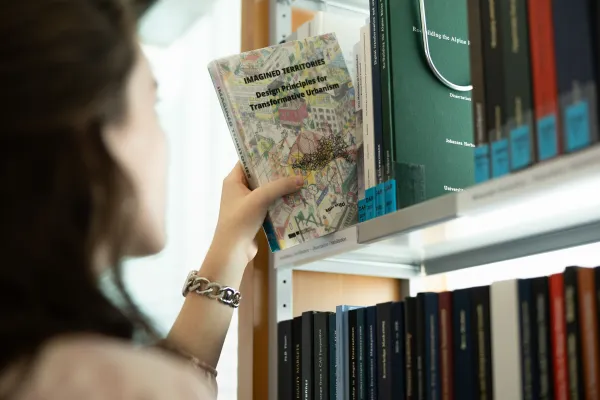
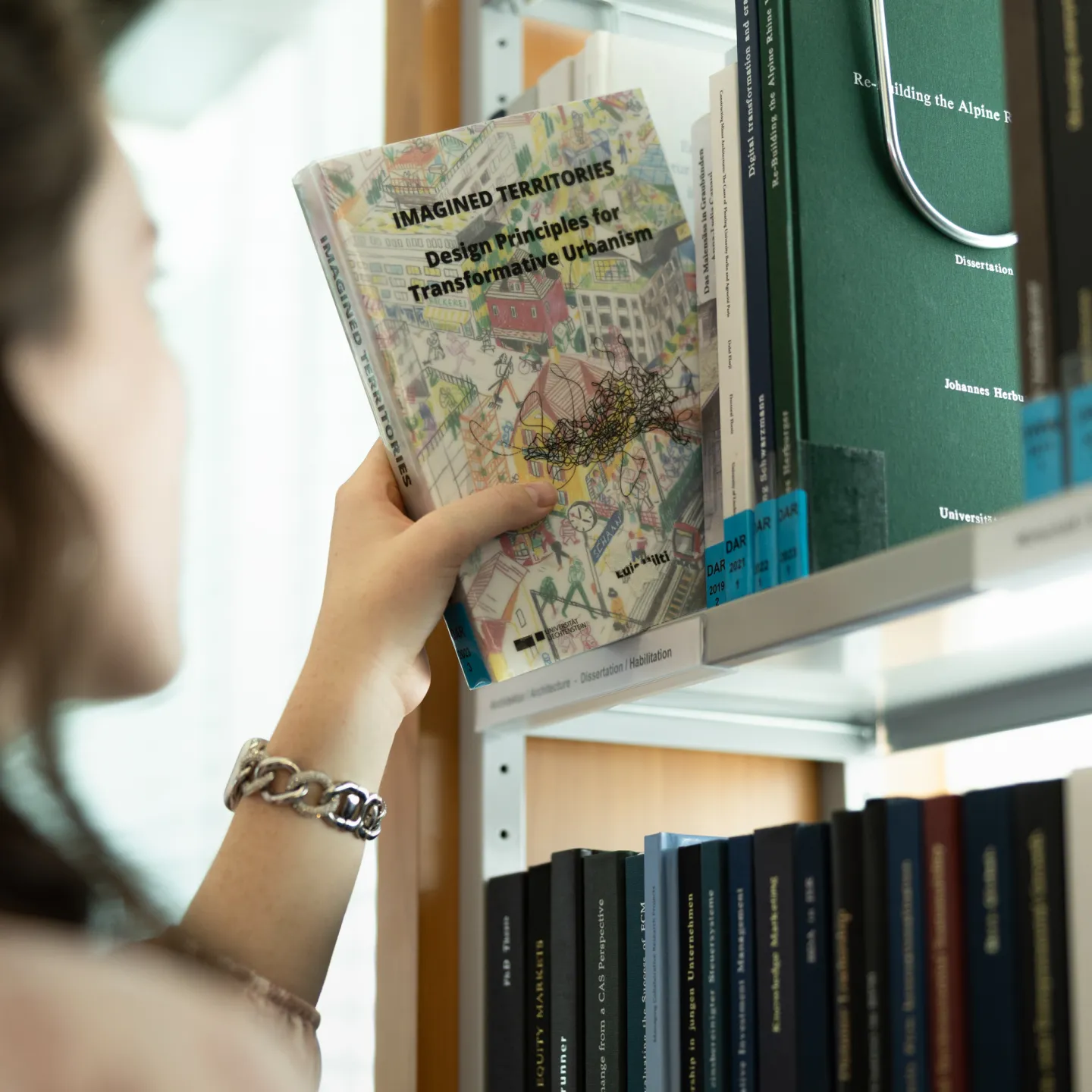
Studentin nimmt ein illustriertes Architekturfachbuch aus dem Regal der Universitätsbibliothek Liechtenstein.
  • The materials are located on a separate shelf on the gallery at the top of the west staircase.
  • The books may only be used in the architecture studios.
  • We offer short-term loans of items in course reserve collections under certain conditions. Please contact the staff at the lending desk.
  • Items from other collections may also be included in the reading list.
  • These are available at the lending desk and can be used in the library.
Studentin nimmt ein illustriertes Architekturfachbuch aus dem Regal der Universitätsbibliothek Liechtenstein.
Contact Our

Library Team

Employee
Subscribe to