Canada - Manitoba
Canada - Manitoba
Alcohol and Society in Canada

When I arrived in Winnipeg, Manitoba, about a month ago, I was naturally aware that many aspects of everyday life would be different from those in Austria. However, I did not expect that the approach to alcohol would differ so significantly from my home country. In the first few days, I noticed that beer and wine are not simply available on supermarket shelves, as they are in Austria, but only in special liquor stores. This fact, which is taken for granted in Canada, seemed almost strange to me at first.
In Austria, alcohol is an everyday companion. In the supermarket, between the milk and bread, you can find beer and wine in all price ranges. In restaurants or wine taverns, a glass of wine is also considered good form, and no one is surprised when students drink beer in the park on a warm summer evening. Alcohol is deeply rooted in our society whether at Oktoberfest, village festivals, après-ski or a cosy dinner with friends. It is part of socialising and often a symbol of togetherness.
In Winnipeg, I quickly learned that things are different here. The stricter laws are already noticeable: in Manitoba, the minimum age for purchasing alcohol is 18, and in other provinces it is even 19. Alcohol may not be consumed in public, a beer on the riverbank or a picnic with wine in the park, as is common in Vorarlberg in the summer, would be unthinkable here. In addition, alcohol is significantly more expensive than in Austria. Spontaneous parties with several crates of beer, as I know them from home, are therefore less common.
The atmosphere at parties and in bars is also different. Of course, people celebrate and drink in Canada too but drinking seems more controlled. There are often rules about how many drinks you can buy, and the police are very present when it comes to alcohol on the streets. While it is almost normal in Austria to see people heavily intoxicated on the streets on weekends, public drunkenness is highly stigmatised in Winnipeg.
At first, I found this restraint a little strange. In Austria, I learned that alcohol is a natural part of the culture. It was only during my stay here that I realised how much we have normalised consumption in my home country. It is hard for us to imagine attending a folk festival without beer or having dinner without wine. In Canada, on the other hand, I have experienced that socialising works well even without alcohol. When meeting with Canadian students, we often eat together, play sports or just talk. Alcohol is at most a secondary consideration.
These differences made me think. They show that every culture has its own values. In Canada, responsibility is clearly at the forefront when it comes to alcohol, safety, control and consideration for the community. In Austria, on the other hand, we associate alcohol more strongly with socialising, tradition and joie. Both perspectives have their strengths, but also their downsides. While people in Canada may party less excessively, access to alcohol in Austria is so easy that problematic consumption can quickly be trivialised.
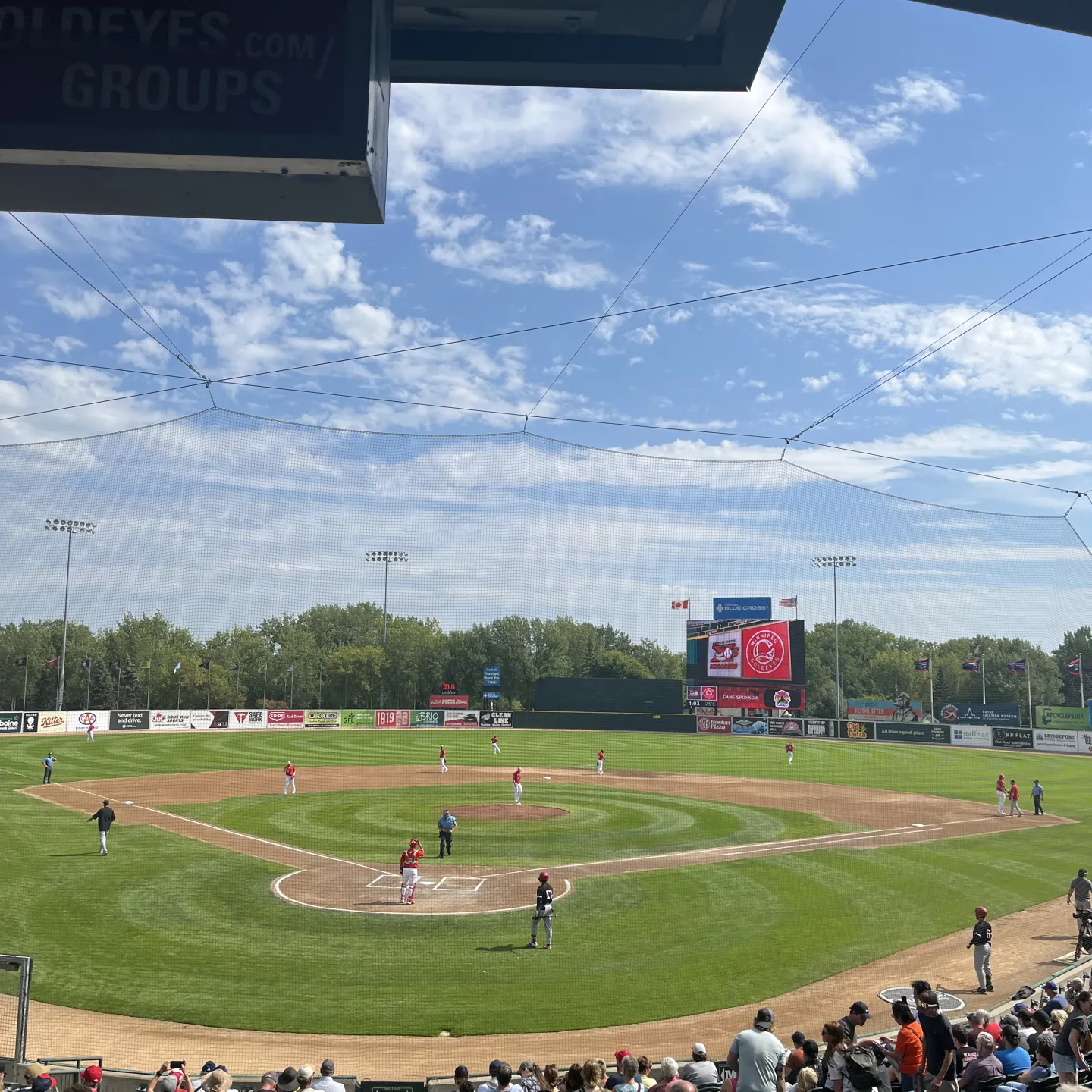
What I personally take away from this is the realisation that socialising does not necessarily have to be linked to alcohol. I have spent many evenings here simply sitting together, playing games or attending sporting events without alcohol playing a major role. At the same time, the comparison made me realise how much I am used to alcohol being almost always available and accepted at home. It was only when I was abroad that I really became aware of how much I take this for granted.
So my stay in Winnipeg not only broadened my view of a new culture, but also helped me to question my own culture. Perhaps in future I will pay more attention to when and why I drink alcohol. Because what I have learned here is that community and good conversation do not depend on a glass in your hand.