Japan - Tokyo
Japan - Tokyo
Reflecting on a particular aspect of life in Japan: respect and discipline
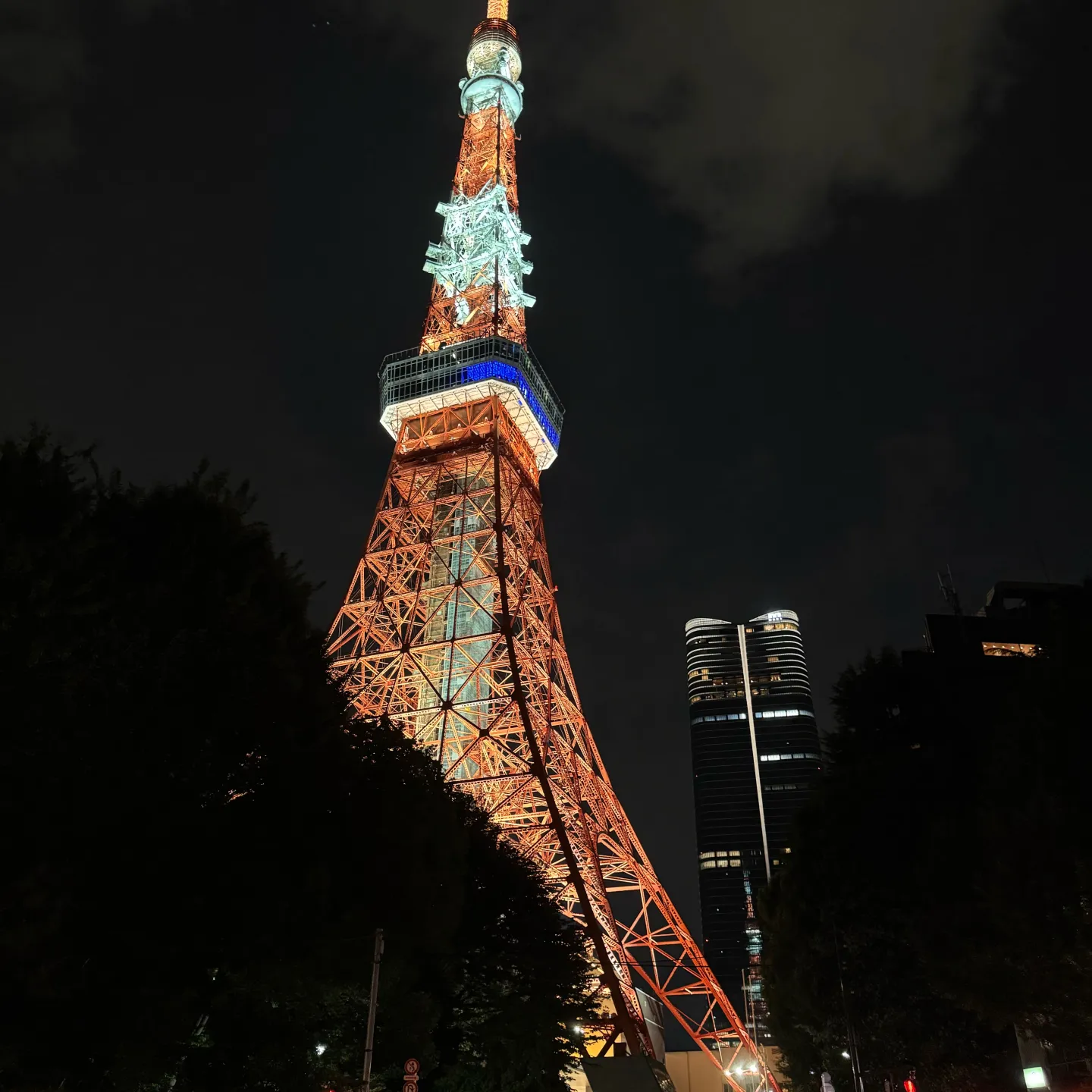
When I landed at Haneda Airport, I was tired from the 14 hour flight but also full of excitement. Not only because it was my first time in Japan, but also because I knew that I would now be spending an entire semester in a country that I had always wanted to visit and about which I had heard so many amazing things, like the incredible size of the city, the crowds, the trains, the shrines and skyscrapers. But I did not expect that already at the airport I would learn my first lesson about Japanese culture.
At the immigration counter, every single passenger was welcomed with a bow by the immigration staff. It was not just a quick nod but a calm, respectful gesture. In Japan, people do not greet each other with a handshake or a hug. Physical contact is mostly avoided, and it is customary to bow when greeting and saying goodbye. Men place their hands at their sides, women hold them in front of their body. With this polite Japanese greeting they showed every traveler the same respect. It was such a simple action, but for me it felt very impressive, as I am not used to this kind of politeness. I realized that here, respect is not something you show only when you know someone well, but something you show to everyone, always.
A few minutes later, my next learning about Japanese behavior that stayed with me from the very beginning happened at the baggage claim. I was ready to see the usual chaos of suitcases falling on the belt. Instead, a staff member stood there with a foam pad, catching each bag as it came down. She then placed it carefully in the right direction so that passengers could pick it up easily. It was so different from what I had seen in Europe. In Liechtenstein, people are also friendly, but this level of carefulness in such a small detail surprised me. From the very first minutes in the country, it showed me how discipline and respect for others are present in every part of daily life.
Leaving the airport and entering the city felt overwhelming at first. The prefecture of Tokyo has about 37 million people living in the metropolitan area. It is the most densely populated region in the world; nowhere else do so many people live in such a confined space. The railway network is one of the largest in the world with more than 2,700 kilometers of track. Shinjuku Station alone sees 3.6 million passengers every single day. The station is so large that you can walk for 45 minutes from one of the 200 exits to another. I was worried about how I would manage to find my way in this huge system and if I would end up being an obstacle for others.
My first train ride, however, showed me the exact opposite of what I had feared. The entire system was built on discipline. At the platforms, people waited behind clear lines on the floor. The train stopped exactly in front of the platform doors. First the passengers inside got out, then the others entered in an orderly way. Nobody pushed, nobody rushed. Inside the train it was almost completely silent. Nobody was talking on the phone as it is prohibited, and there were no conversations between passengers either. Even in rush hour, when trains come every two minutes and are filled to the very last space, the same calm and respectful behavior continued. People waited, people gave each other space, and because of that the trains left on time and the whole system kept working.
In convenience stores, restaurants, and even at tourist attractions, staff treated every customer with the same politeness. They greeted with a bow, spoke with respect, and made sure that everything was handled in an orderly way. At Tokyo Skytree, for example, staff stood at the elevators, guided visitors to the door and bowed again before sending them up. It was about making it right and giving the customer the best possible experience. Standing 450 meters above the ground and looking over the endless city was breathtaking. What stood out to me was not just the service itself but the discipline behind it. Quite frankly, some of the sentences and gestures seemed somewhat artificial in the long run. I imagine this behavior would be very exhausting over time.
Another surprise came during my first walks through the city. It was still very hot in September, with temperatures above 30 degrees and high humidity. I finished a water bottle and wanted to throw it away. But there were no trash cans anywhere. At first I thought I was just unlucky, but lit turned out that public bins had been removed for security reasons all over Japan. My first thought was: in such a huge city, this must create a big problem with litter. But once again, the streets were clean. People simply carry their trash with them until they can dispose of it at home or in one of the very rare bins at main stations or attractions. Smoking on the street is also forbidden, so there are no cigarette butts on the ground either. For a city of this size, the cleanliness is impressive.
Looking at all of this, I cannot help comparing it to Europe. In Liechtenstein or Germany, if public trash cans were removed, I doubt the streets would stay clean. Too many people would simply drop their waste. The difference is not in the system itself but in the mindset. In Japan, discipline and respect are values that people grow up with and practice naturally. In Europe, many people also follow rules, but not with the same consistency. You can already see this when entire city areas in Germany are dirty or covered in graffiti and dirt.
This made me reflect on myself. Here in Japan, I feel that I have to adapt to the way people behave. I do not want to disturb the order or show disrespect. I feel motivated to follow the rules, because everybody else does. Back home, although I’m a conscientious person, I sometimes notice that I am less strict with myself, because I know many others are not strict either. Here in Japan the opposite happens. The discipline of others makes me more disciplined as well.
In my first weeks here I have learned that respect and discipline are not just nice words. They are the reason why the biggest city in the world can function so well. They make everyday life more pleasant for everyone. It is impressive to see, and it makes me wonder what I can take home from this. Maybe the most important lesson is that real change starts when everyone in society takes responsibility, not only for themselves but also for others.