Japan - Tokyo
Japan - Tokyo
Familiarizing the unfamiliar: eating out alone
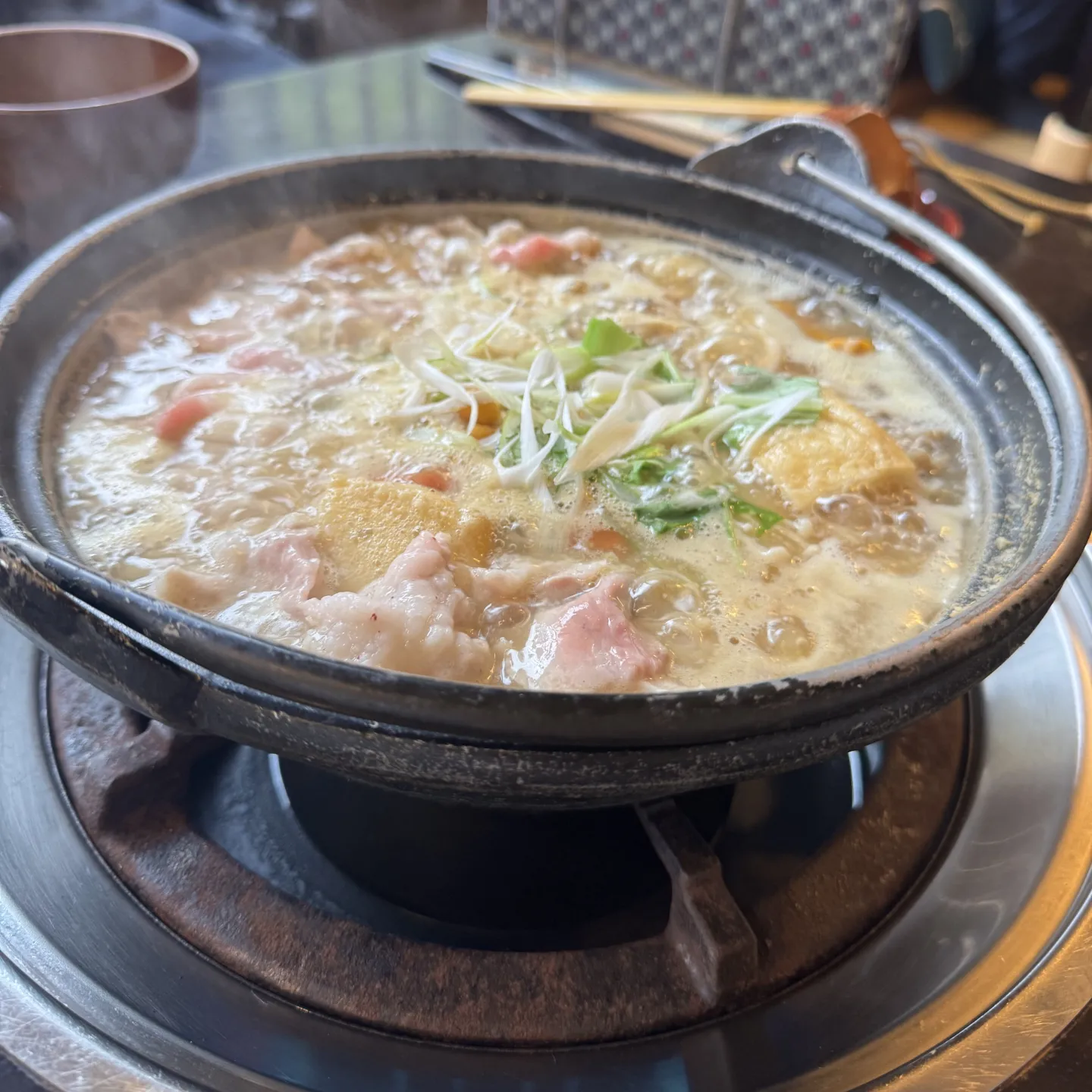
When I first arrived in Japan, I knew that many parts of daily life would be different from what I was used to at home in Liechtenstein. Japan is a country with its own culture, its own norms and its own rules that you only begin to understand after spending some time here. One of the things that felt unfamiliar at the beginning was something very simple: eating out alone. It was something I had almost never done before. Back home, people usually go to restaurants in pairs or in groups. Eating out is often a social occasion, something you share with friends or family. When you see someone sitting alone at a restaurant table in Europe, it is usually a business traveller or someone waiting for another person. It is not something that feels very common.
In Japan, however, I quickly learned that things are different. During my first week, I had already heard that solo dining was completely normal here, but hearing something and experiencing it yourself are two different things. Quite frankly, the first time I went to a restaurant alone, it felt a bit strange. I was not sure if I would look out of place or if other people would notice. But I soon realized that no one cared at all. People came in, ordered their food, ate quietly and left again. After a few minutes I wondered why it had felt unusual to me in the first place.
Japan is full of restaurants designed specifically for people who eat alone. A very well-known example is the chain Ichiran Ramen, where all the seats are arranged in a row with small dividers between them. If you come as a group, you can fold the divider away, but the whole concept is aimed at solo diners. And it is not just Ichiran. Many small restaurants here have long counters with seats next to each other, rather than tables where you sit opposite someone. It fits perfectly with the quiet way in which people move through their day. Eating out alone is quick, simple, inexpensive and completely normal.
Another reason why eating out is so common is the price level. Food in Japan is cheaper than in Liechtenstein and Europe as a whole. In addition, the yen is currently getting weaker compared to the Swiss franc or the euro so meals decreased in price for me during my stay. To stick with the example of Ichiran, a classic meal costs CHF 5.30, which is why cooking on your own isn’t necessary or cheaper. Good food is easy to find, and at almost every station or in every neighborhood there are countless small restaurants that serve great meals. Most are full every evening, but you still often find a seat because the turnover is quick. It is frowned upon to sit for a long time without ordering anything.
I also learned that Japan has a completely different approach to service. Tipping, for example, is not part of the culture at all. In fact, it is even considered impolite. The concept behind this is called Omotenashi, which means that good service should be taken for granted. If you leave money on the table, staff may feel uncomfortable or think you believe they are not properly paid. This was unusual for me at first, but it also made eating out very straightforward. You always know exactly what you will pay, without calculating extra costs.
In my sharehouse kitchen, only a few people cook regularly. Since eating out is cheap, convenient and offers so much variety, it became part of my daily routine. Japan’s dining culture is much stronger and much more accessible than at home. I noticed many salarymen eating alone after work, students having quick meals, or elderly people enjoying dinner by themselves. It is a normal part of life, across all ages and backgrounds.
Another thing I discovered is how little talking happens in restaurants. When many people eat alone, the overall atmosphere becomes quieter. People focus on their meal and do not spend much time chatting. It matches the general Japanese tendency to avoid noise or disturbance. Even ordering food is often designed to work with as little conversation as possible. In many restaurants you order through a touchscreen, a smartphone link or a vending machine that prints a paper ticket. You hand the ticket to the staff, sit down and wait. Everything is efficient and quiet.
One aspect that really stood out to me is that Japan has no real “to go” culture. Eating while walking is frowned upon, partly because it creates mess, and partly because it is considered disrespectful. Since Japan has very few public bins, people usually take their waste home, so eating on the go would only cause problems. There is “take out”, where food is neatly packed in a bag to eat at home, but not “to go” as we know it in Europe. Even at places that are well-known for „to go“ options like McDonald’s or Starbucks, you receive a bag and are expected to go home or sit somewhere to eat or drink properly. The idea is that eating deserves time and attention, not something you do while rushing from place to place.
Looking back, I am surprised by how quickly I adapted to all of this. What felt unfamiliar at first has now become normal. I appreciate the freedom it gives me. I can eat what I want, when I want, without needing to plan around others.
At the same time, I enjoyed eating with friends far more, and most of my favorite memories are from the many meals we shared together while exploring new restaurants across Tokyo. For me, the social aspect of eating is still an important part of daily life. But during a semester abroad there are naturally moments when you end up eating alone, and in those situations it was great to take advantage of that part of Japanese culture and not feeling uncomfortable.
Still, it is also important to see the other side of this trend. The widespread culture of eating alone may also reinforce the loneliness many people in Japan already feel. According to government surveys, up to 40 percent of people report feeling lonely at times. Solo dining fits well into the efficiency of daily life, but it also shows how common it is for people to go through everyday routines on their own without socializing.
I know that when I return home, my eating habits will change again. Eating out alone is not as common in Liechtenstein, and it is more expensive, so I will naturally cook more often at home again. However, I will take something valuable with me from Japan: the feeling that doing things alone is not strange or embarrassing. It can be completely normal, comfortable and even enjoyable. Japan has taught me that independence in everyday life is something positive, and that small cultural differences can change how you see yourself. I am grateful that I had the time here to make something unfamiliar feel familiar.