Skip to Main Content

Alumni Chapter Zurich: Year-End and Outlook for 2026

Alumni Chapter Zurich: Year-End and Outlook for 2026
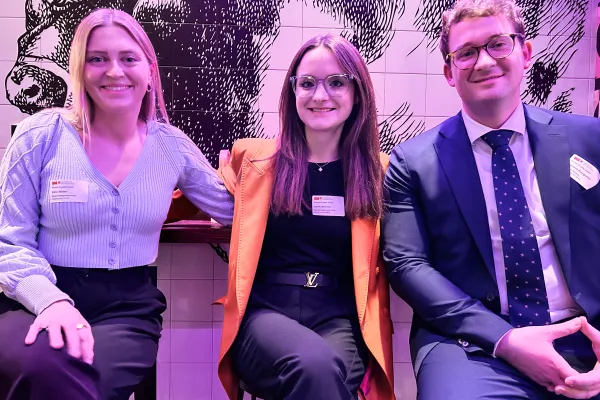
Alumni-Chapter Zürich - Team Ambassadors

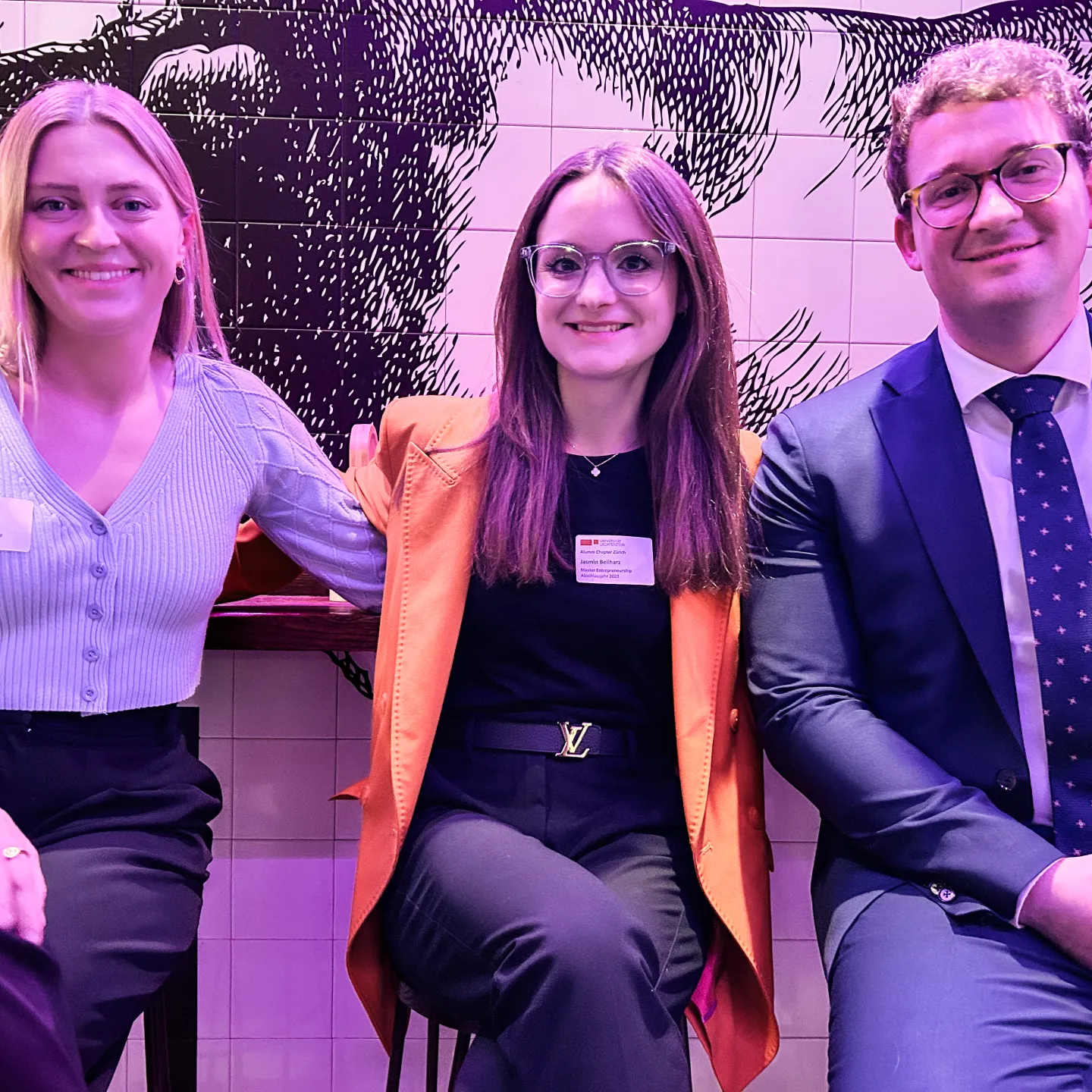
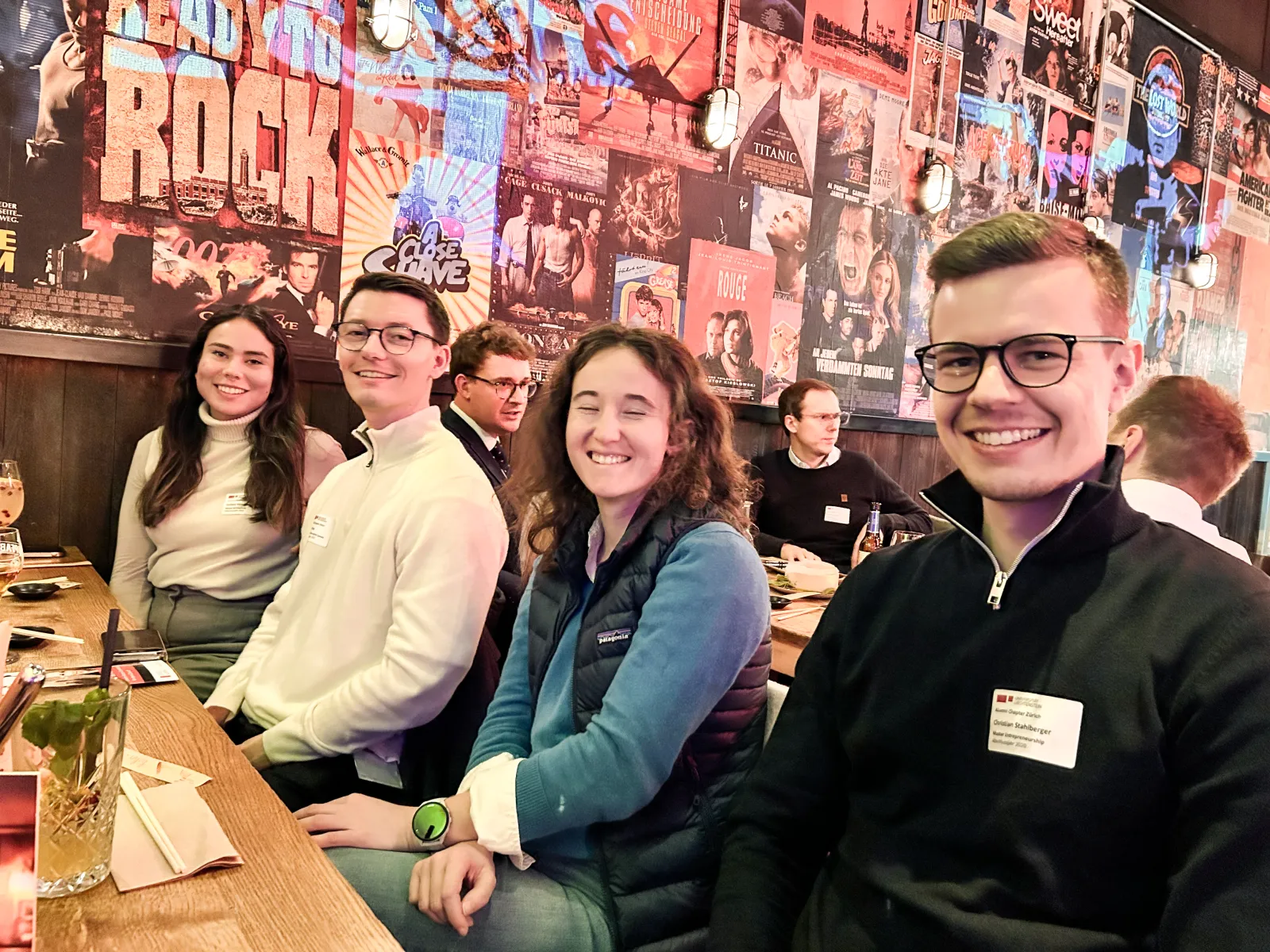
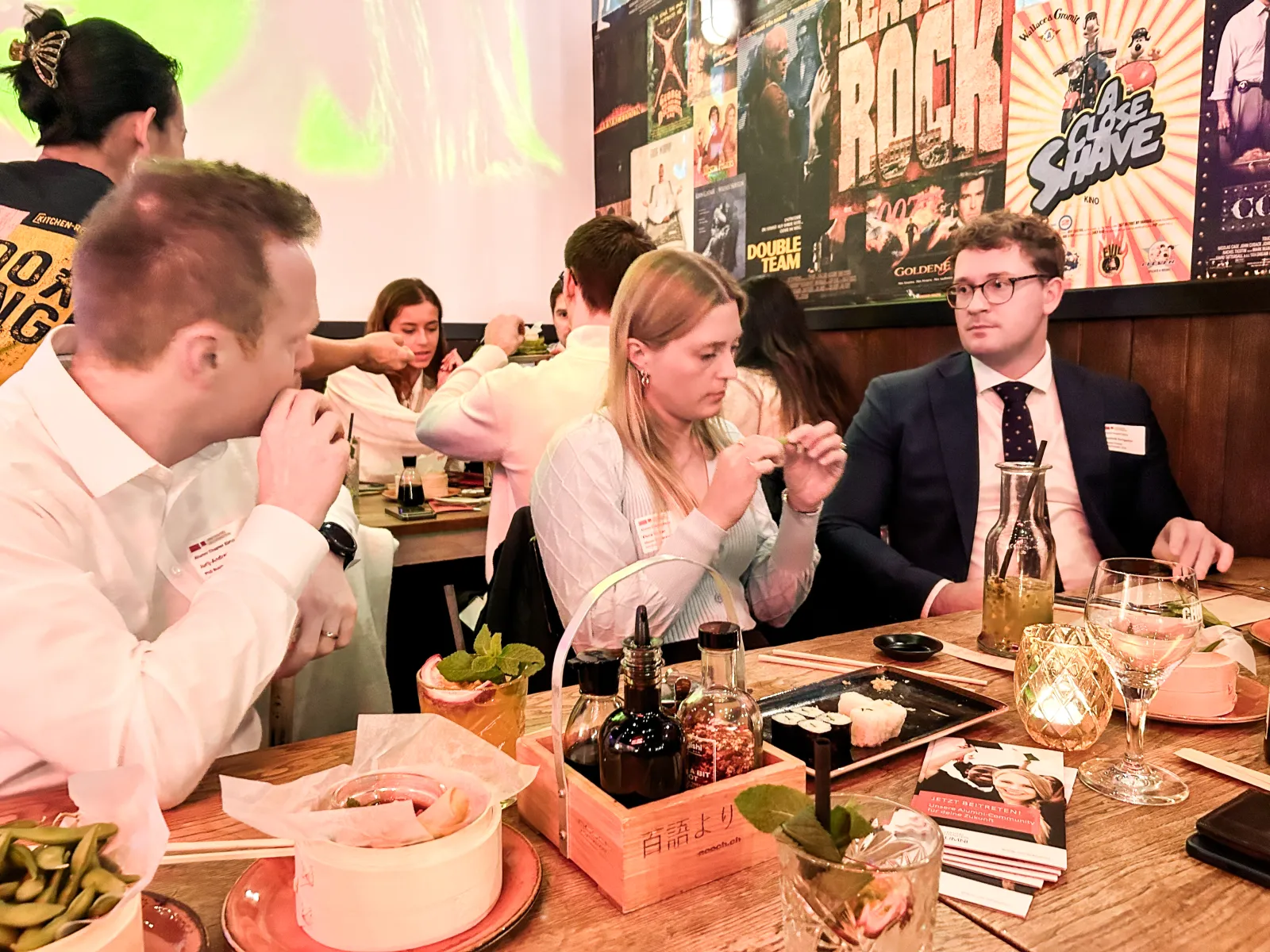
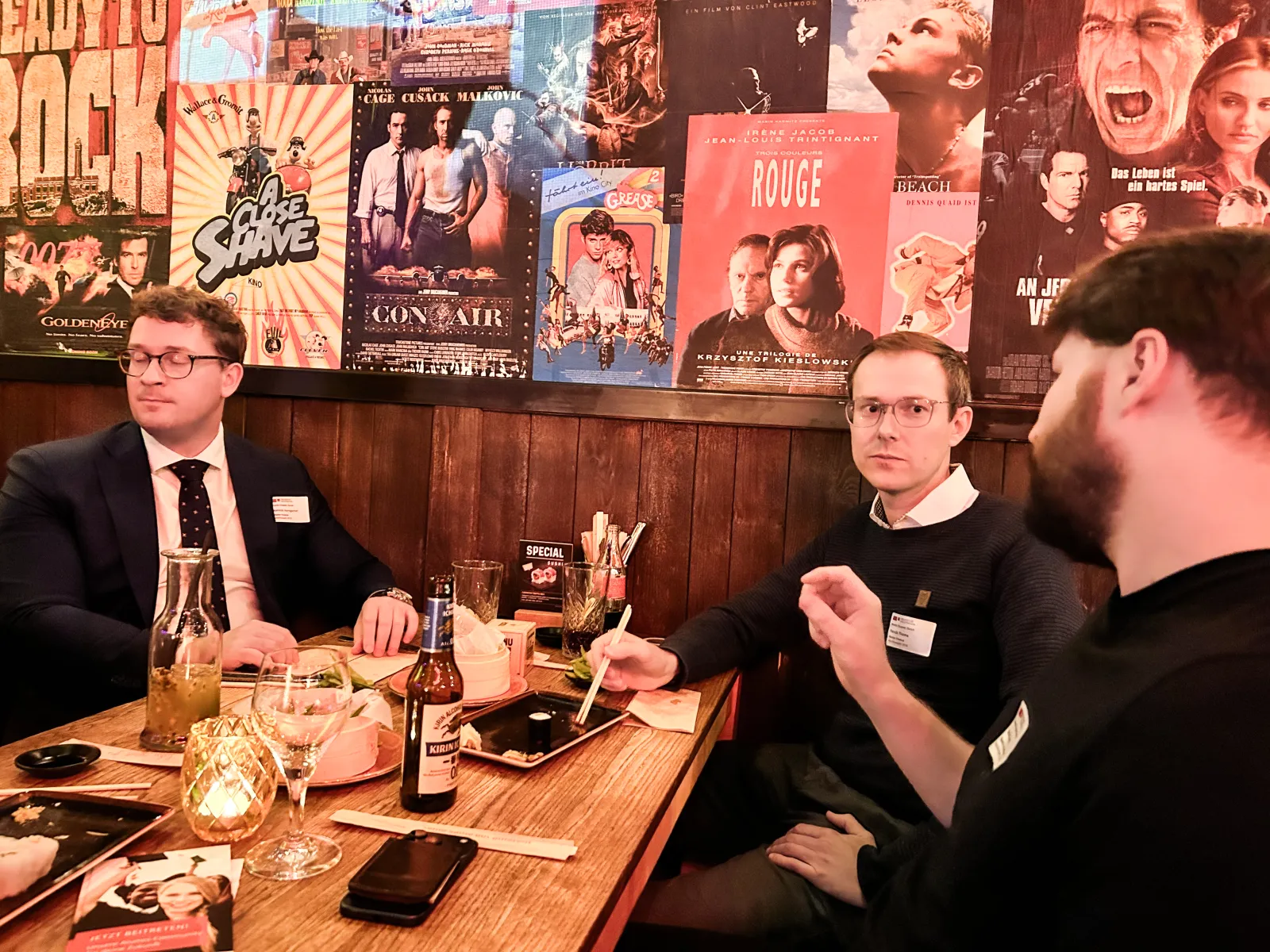
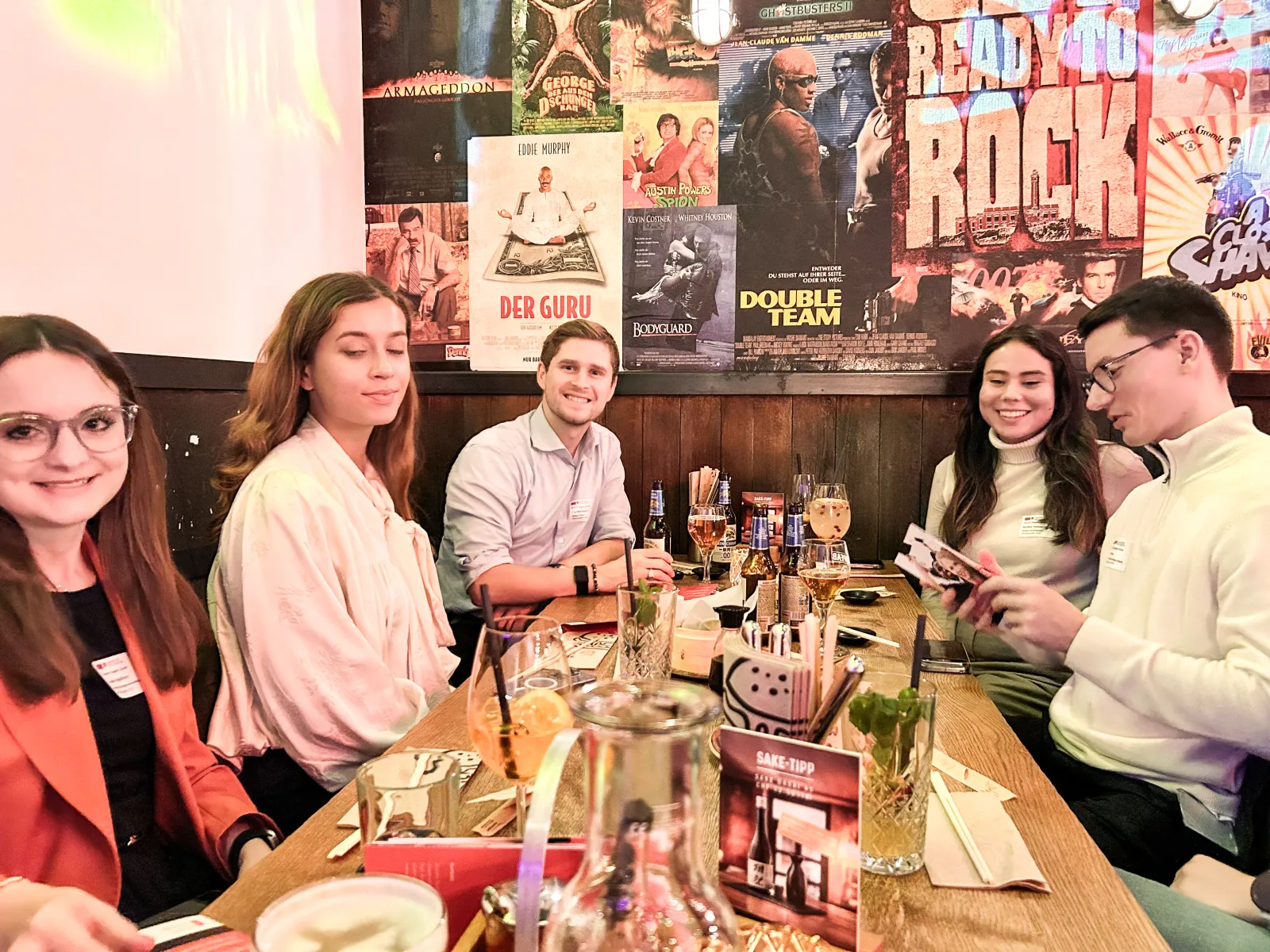
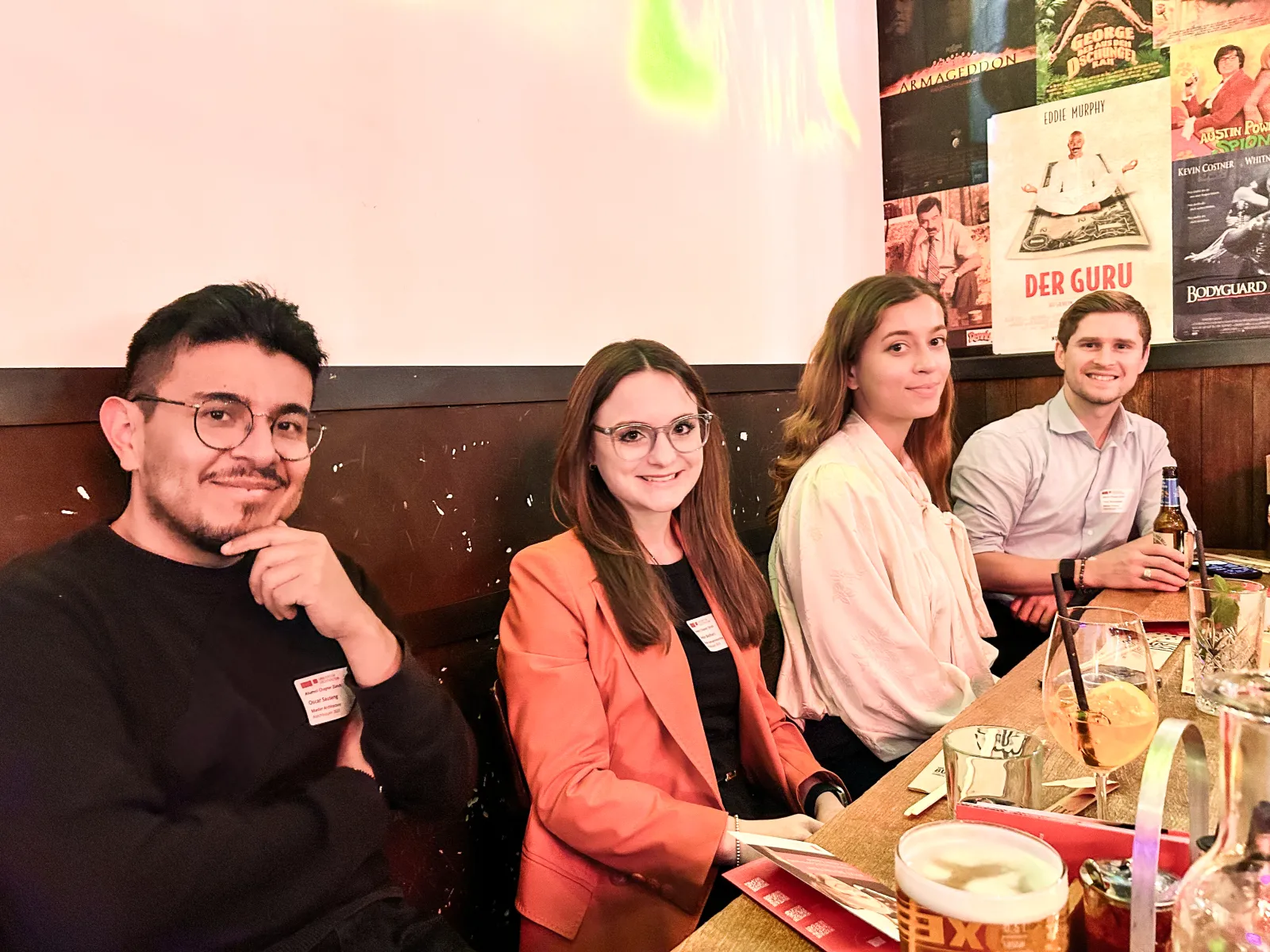
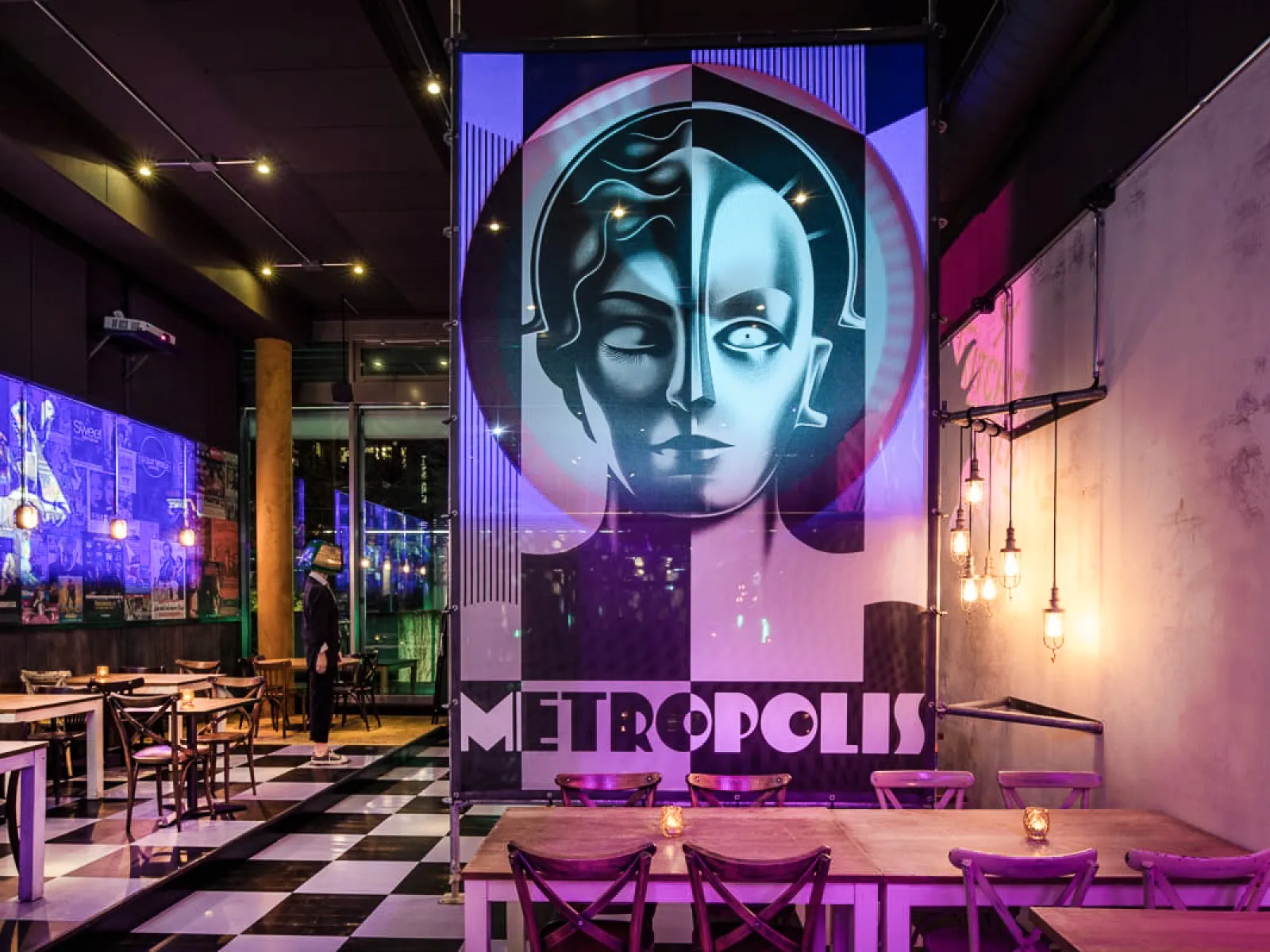
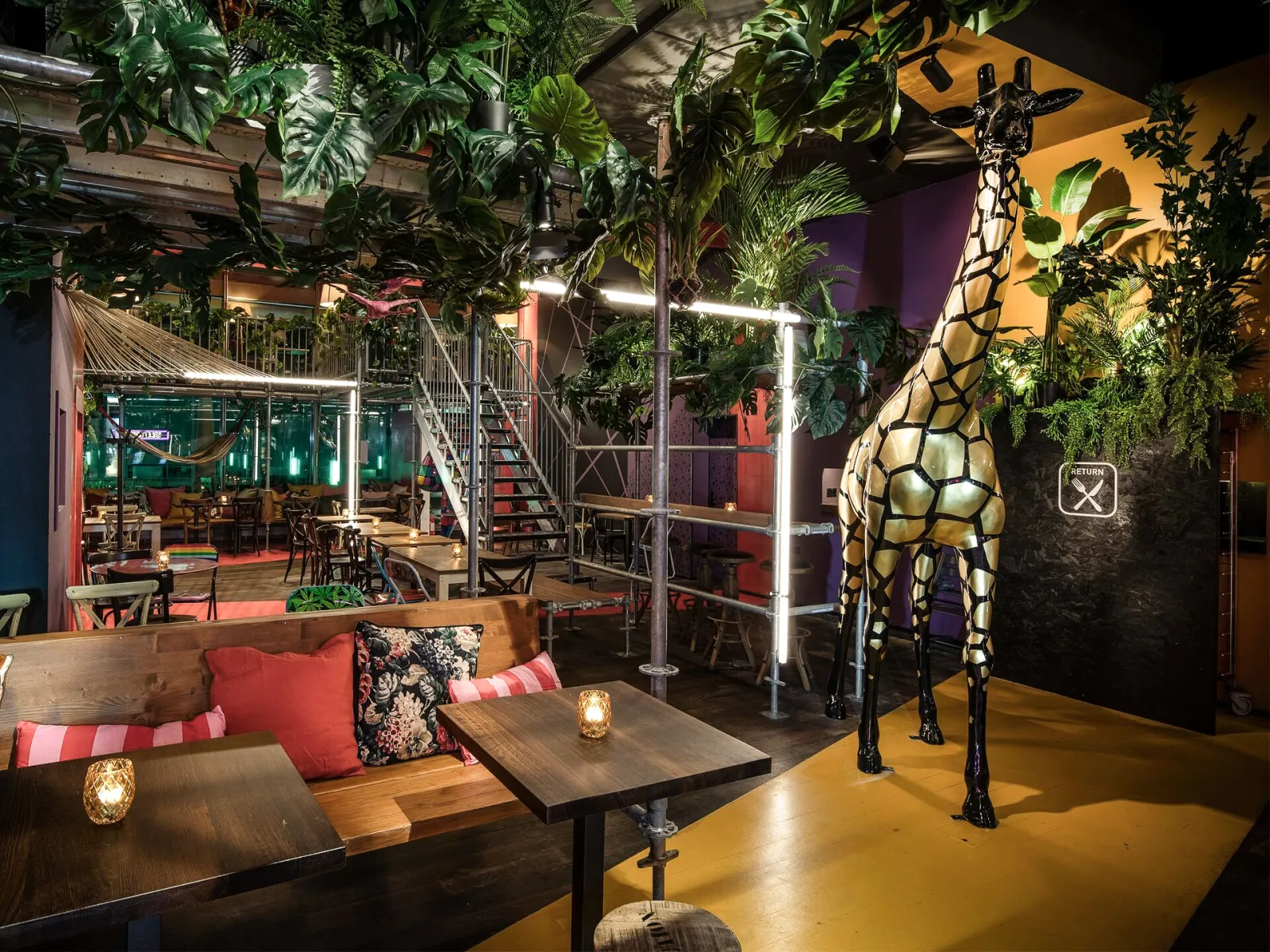
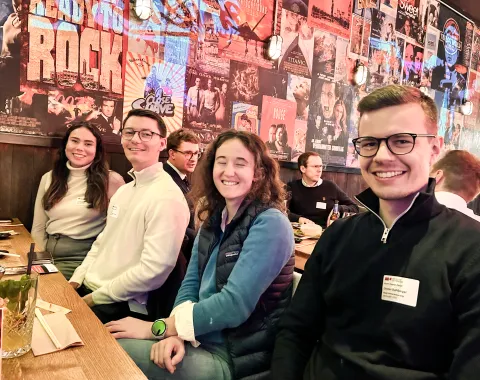
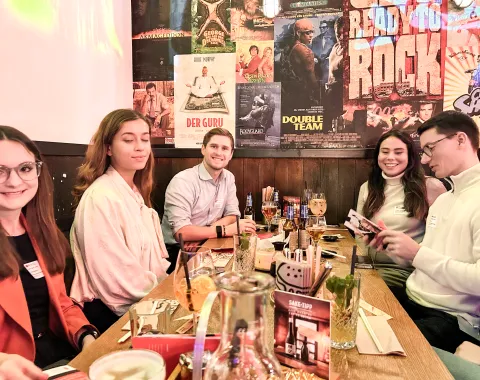
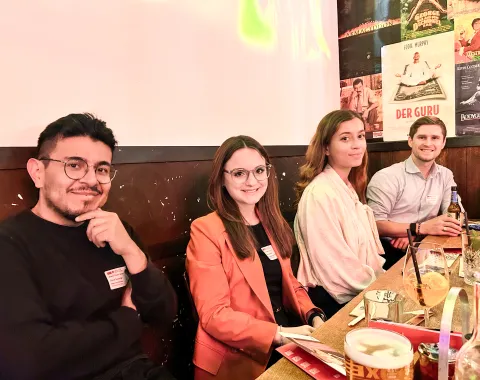
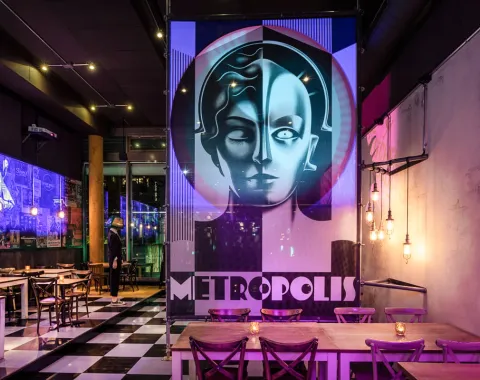
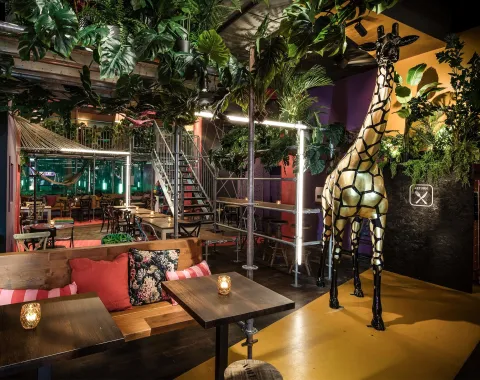
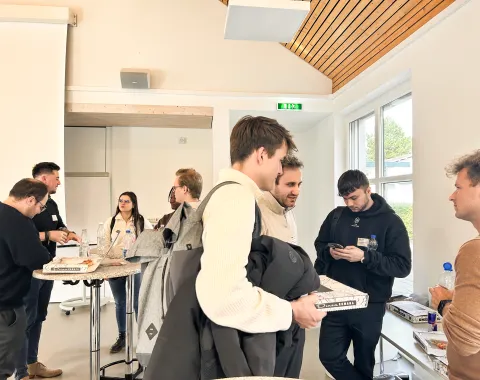
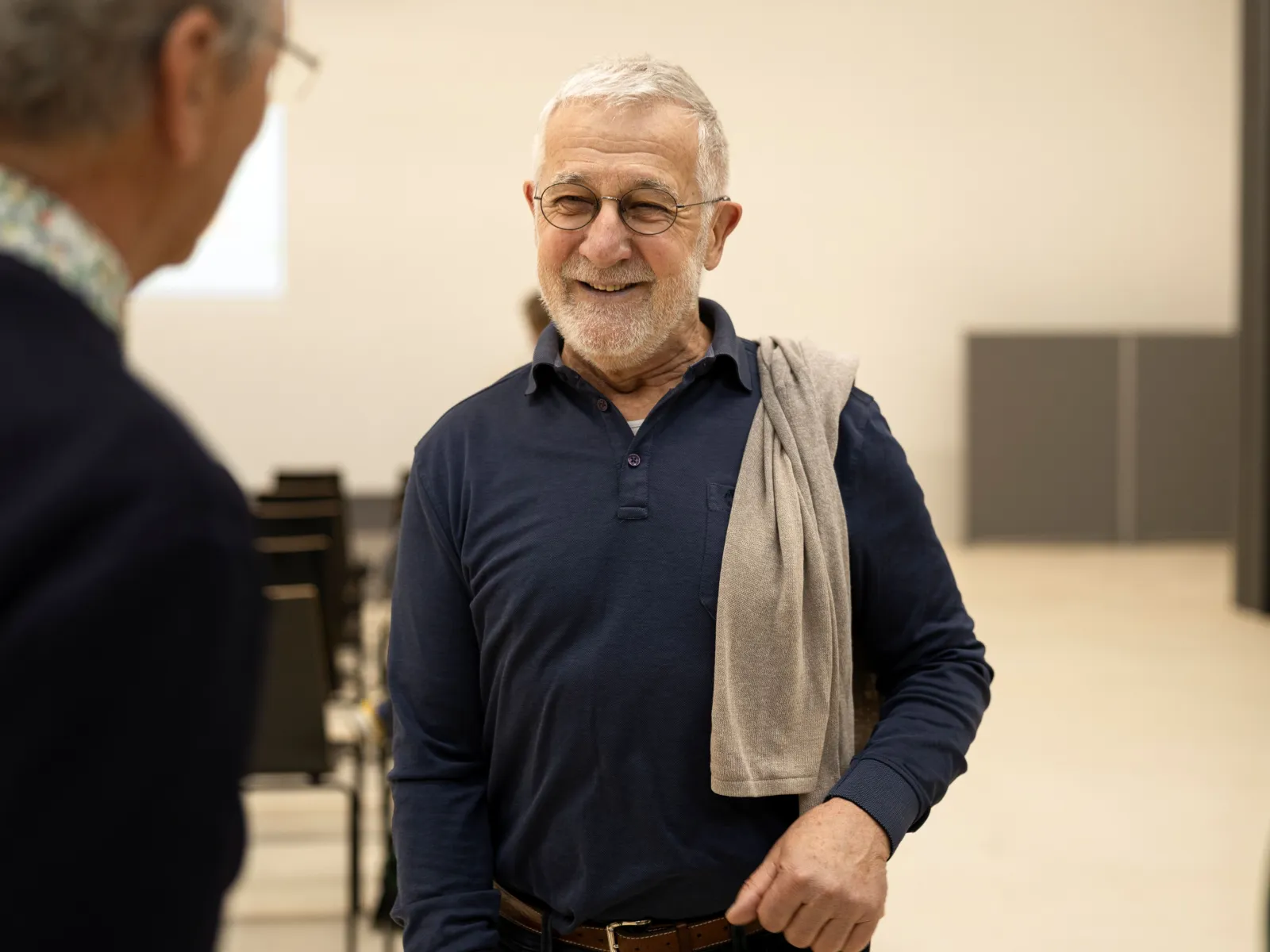
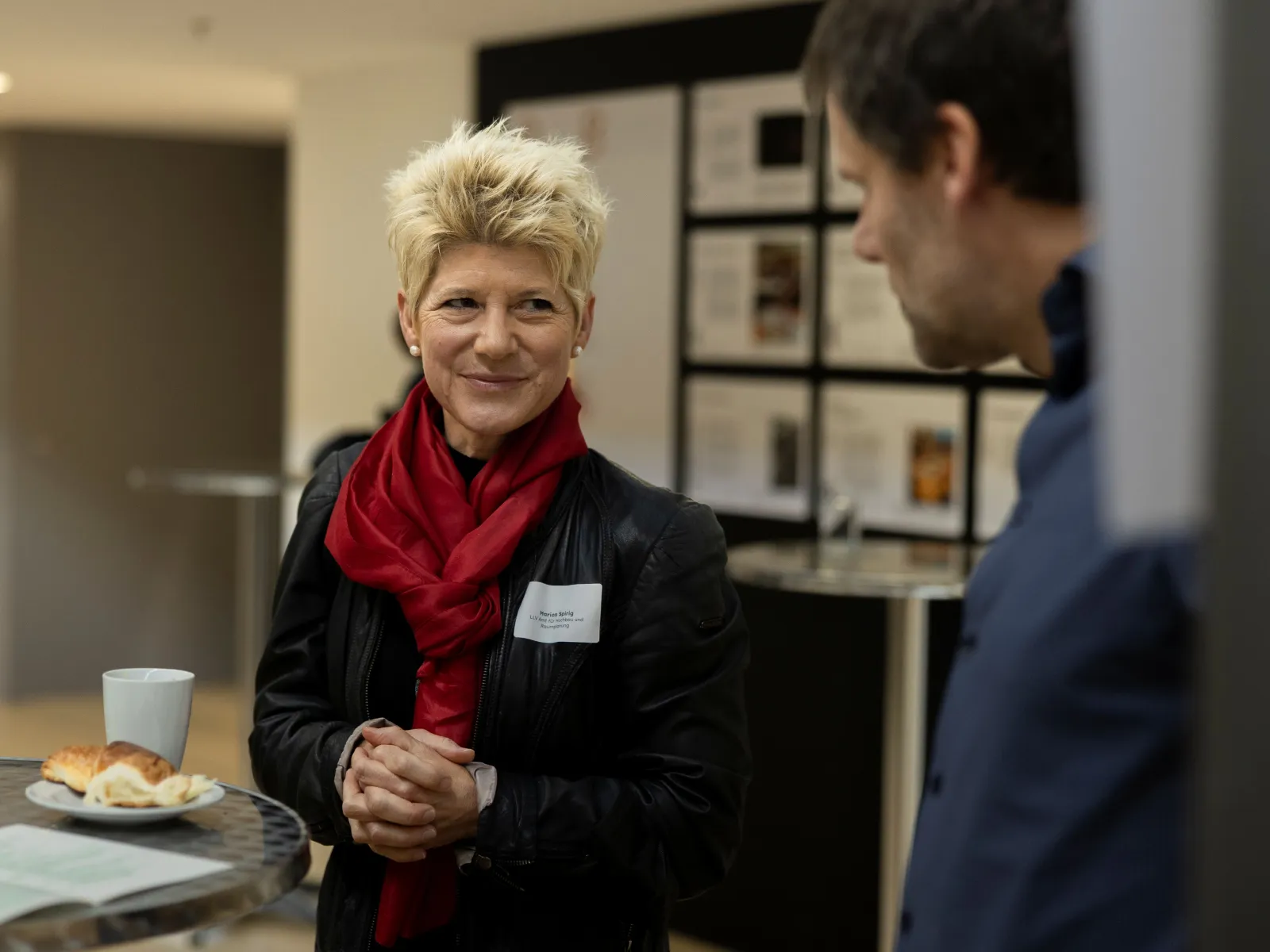
With a fourth meeting, the Zurich Alumni Chapter of the University of Liechtenstein concluded an eventful year 2025 on Thursday, 20 November. Over drinks and Asian snacks at Kitchen Republic Zurich, the team of Alumni Ambassadors was already making plans for 2026.

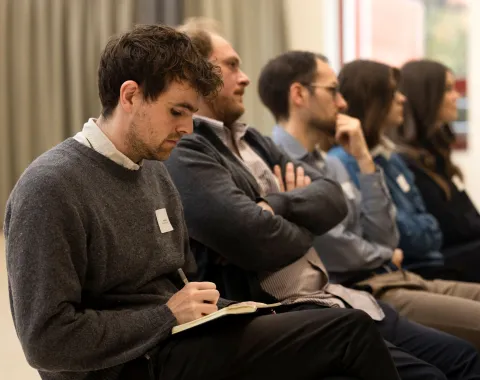
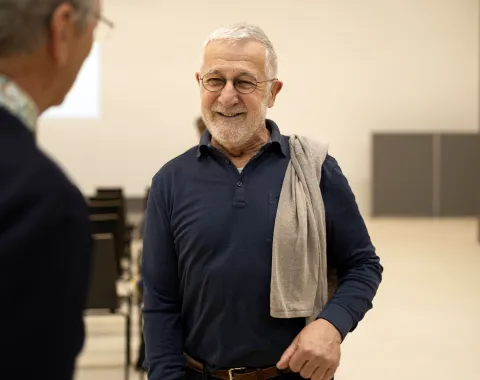
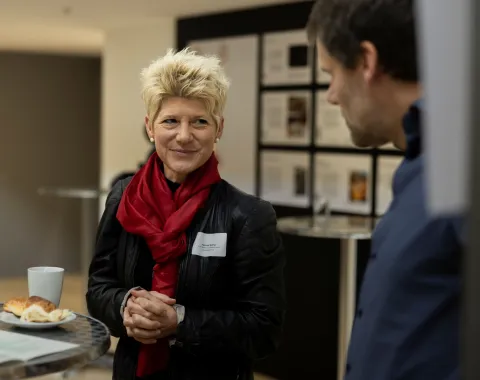
At this fourth meeting of the Zurich Chapter, former students from Architecture, Entrepreneurship, Finance, and Information Systems once again gathered. Once a quarter, alumni take the opportunity to expand their professional and personal networks on site, reconnect with former classmates, and exchange memories of their time studying. Together with the Alumni Officer of the University of Liechtenstein, Simone Brandenberg, ideas were also collected for a meeting in the first quarter of 2026 (details coming soon on the channels of the Alumni Community*).


Active Chapter in Zurich

Since the launch of the new Alumni Chapter format in Liechtenstein, Switzerland, Austria, and Germany at the end of 2024, the alumni hub in Zurich has also been represented by an active chapter. After a founding meeting in November 2024, the local alumni have already initiated two meetings themselves:

  • In March 2025, Noah Bellwald, alumnus of the Master’s in Entrepreneurship, invited the Zurich Chapter as the organizer to the Talent Pitch Switzerland 2025 at the Volkshaus Zurich.
  • And in June 2025, Entrepreneurship alumna Elena Weber brought together the alumni chapters of START Zurich and the University of Liechtenstein at a rooftop party overlooking Lake Zurich.


Alumni Ambassadors of the Zurich Chapter

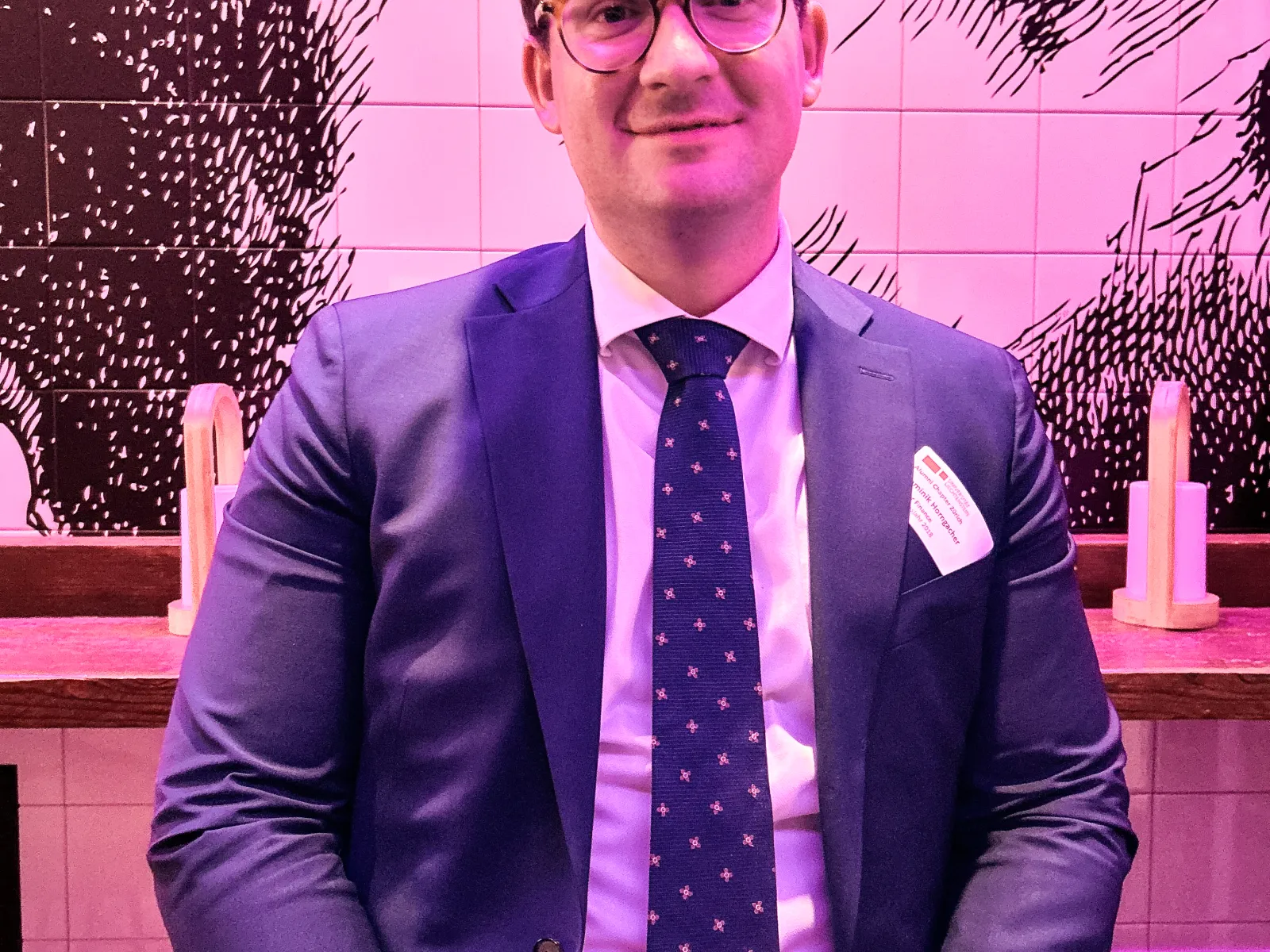
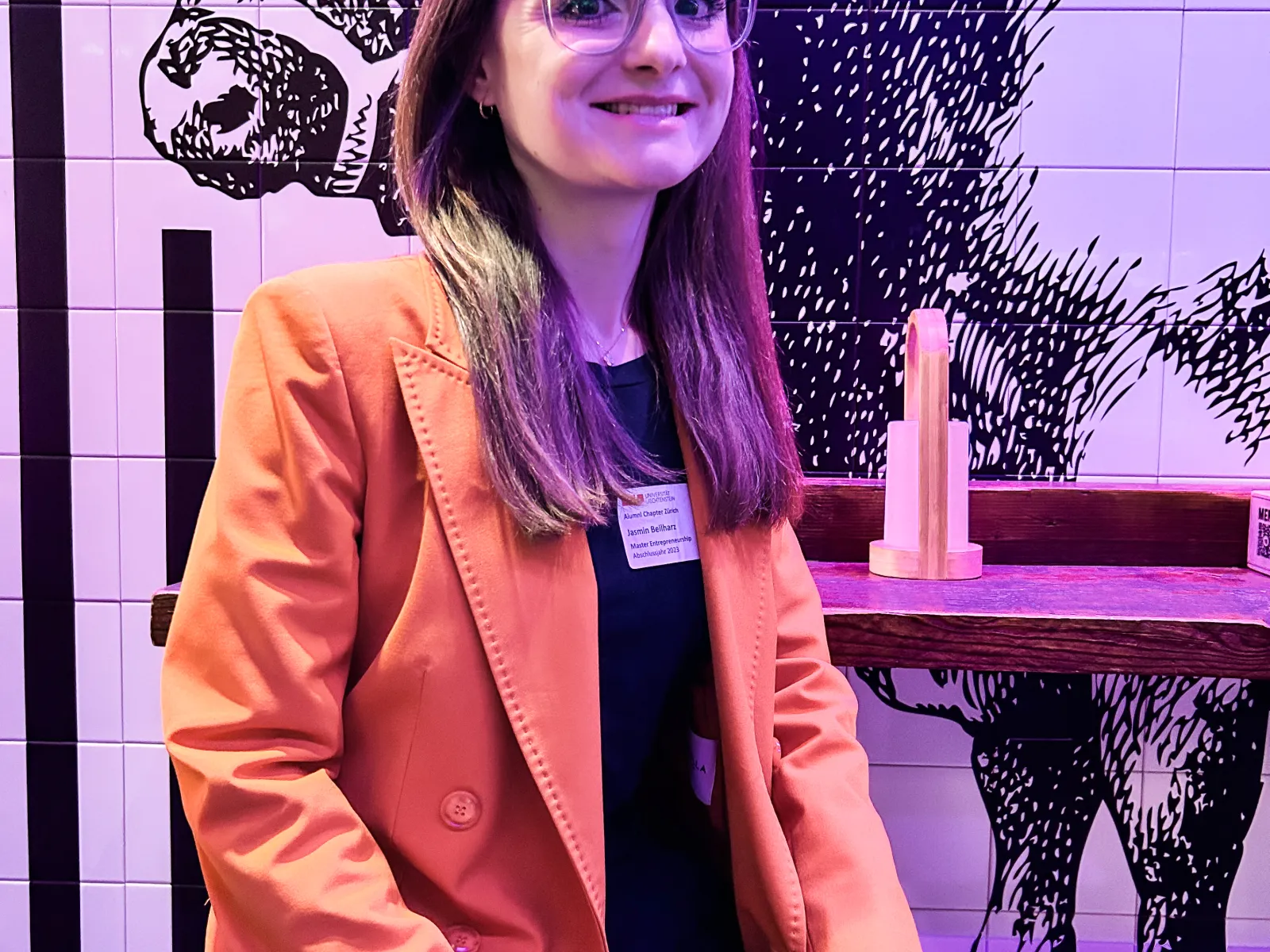
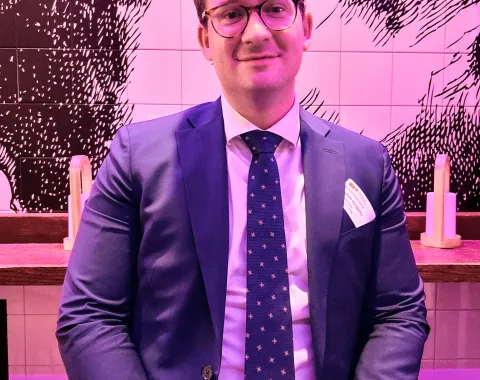
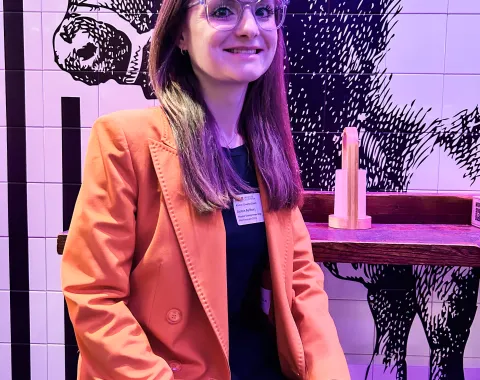
At the founding meeting in November 2024 at YNOS Kitchen Bar Zurich, a team of Alumni Ambassadors came together to shape and bring the chapter to life alongside the Alumni Officer. The personal connection of the four alumni is meant to ensure the relevance of each chapter meeting for local alumni.


Jasmin Beilharz

  • Master’s in Entrepreneurship | Graduated 2023
  • Financial Services Assurance / Audit Banking Assistant | EY

Dominik Horngacher

  • Master’s in Finance | Graduated 2018
  • Head of Wholesale German-Speaking Switzerland | Edmond de Rothschild

Fiona Koh

  • Master’s in Information Systems | Graduated 2023
  • Schwarzman Scholar 2026 | Master’s in Global Affairs at Tsinghua University
  • Senior Consultant | Deloitte (until July 2025)

Elena Weber

  • Master’s in Entrepreneurship | Graduated 2023
  • Accelerator and Bridge Program Manager | SINGA Switzerland
  • Expert Transformation & Sustainability | Businessincub


Upcoming Chapter Meetings

All alumni are warmly invited to attend the meetings of other chapters as well. Dates for the first quarter of 2026 will be announced as soon as possible on the Alumni Community channels:
Alumni-Chapter Zürich - Team Ambassadors
Alumni-Chapter Zürich - Treffen 4 im Kitchen Republic
Chapter-Treffen #4 - Alumni-Chapter Zürich
Alumni-Chapter Zürich - Ambassadors Dominik Horngacher
Alumni-Ambassador Dominik Horngacher - Alumni-Chapter Zürich
Alumni-Chapter Zürich - Ambassadors Elena Weber
Alumni-Ambassador Elena Weber - Alumni-Chapter Zürich
Alumni-Chapter Zürich - Ambassadors Jasmin Beilharz
Alumni-Ambassador Jasmin Beilharz - Alumni-Chapter Zürich
Alumni-Chapter Zürich - Treffen 4 Kitchen Republic
Chapter-Treffen 4 - Alumni-Chapter Zürich
Alumni-Chapter Zürich - Treffen 4 Kitchen Republic
Chapter-Treffen - Alumni-Chapter Zürich
Alumni-Chapter Zürich - Treffen 4 Kitchen Republic
Alumni-Chapter 4 - Alumni-Chapter Zürich
Alumni-Chapter Zürich - Treffen 4 Kitchen Republic
Chapter-Treffen #4 - Alumni-Chapter Zürich
Alumni-Chapter Zürich - Treffen 4 Kitchen Republic
Chapter-Treffen im Kitchen Republic - Alumni-Chapter Zürich
Alumni-Chapter Zürich - Treffen 4 Kitchen Republic
Chapter-Treffen Kitchen Republic - Alumni-Chapter Zürich
Alumni-Chapter Zürich - Treffen 4 im Kitchen Republic
Alumni-Chapter Zürich - Ambassadors Dominik Horngacher
Alumni-Chapter Zürich - Ambassadors Elena Weber
Alumni-Chapter Zürich - Ambassadors Jasmin Beilharz
Alumni-Chapter Zürich - Treffen 4 Kitchen Republic

Promising start: First Alumni Talk in Information Systems

Promising start: First Alumni Talk in Information Systems

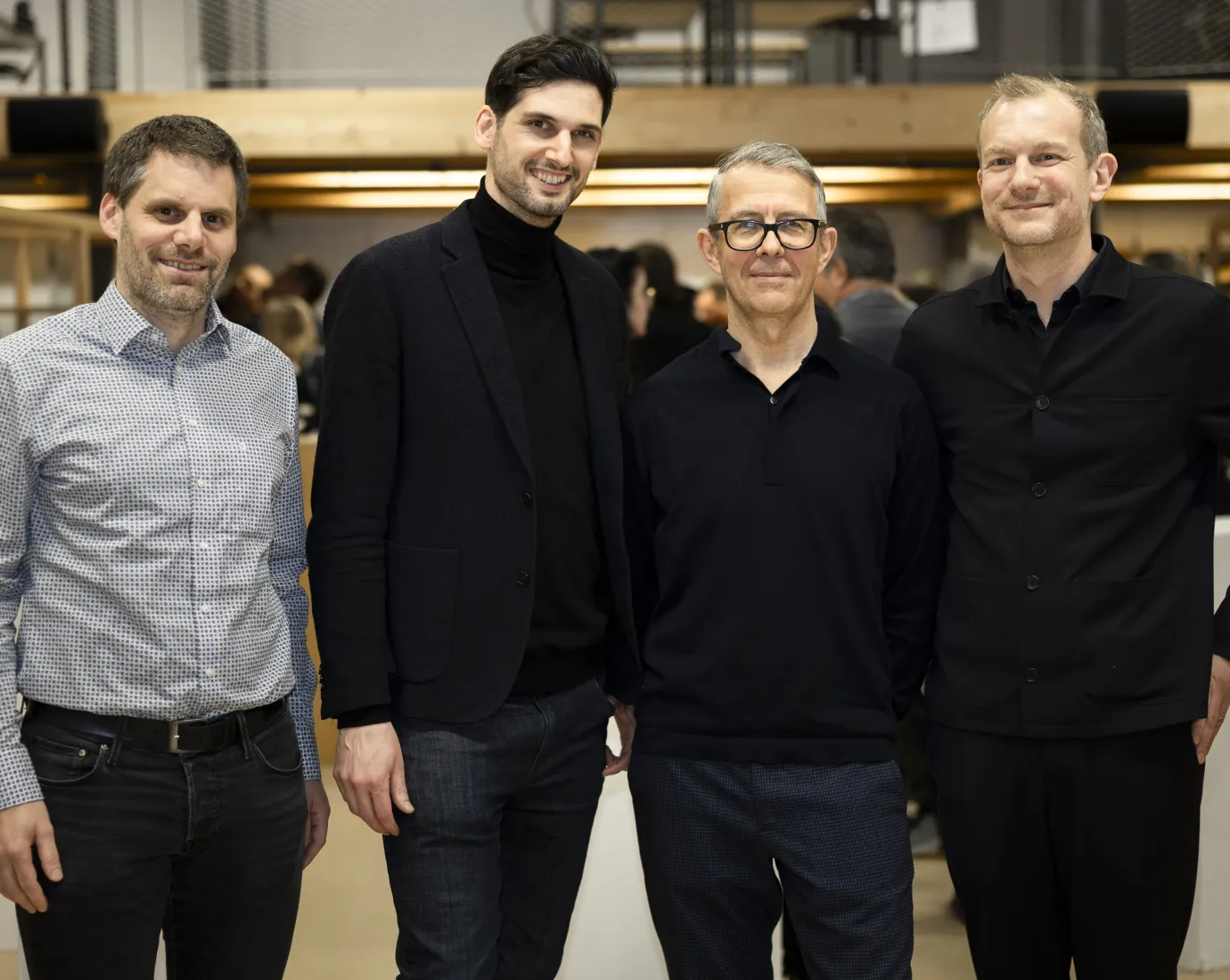
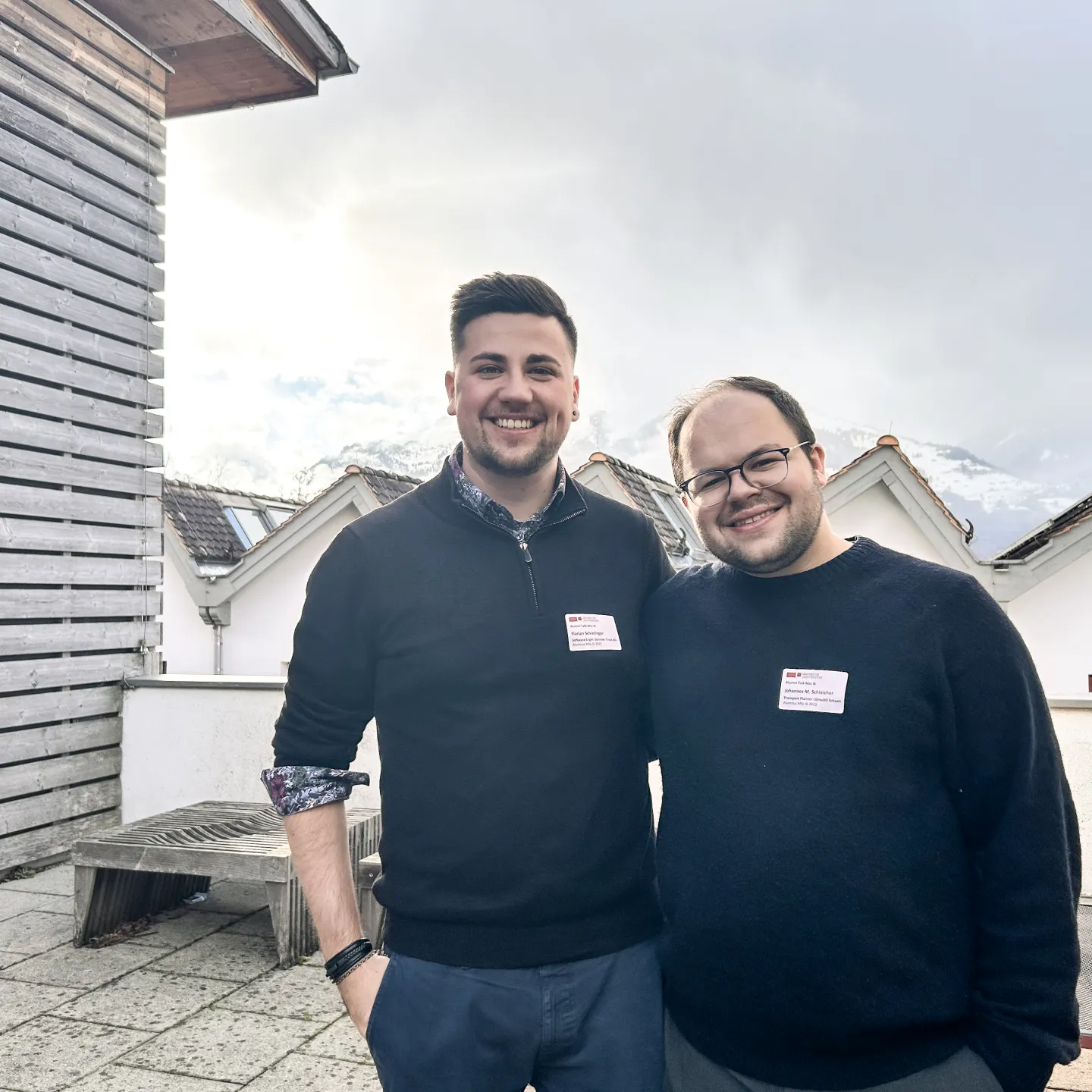
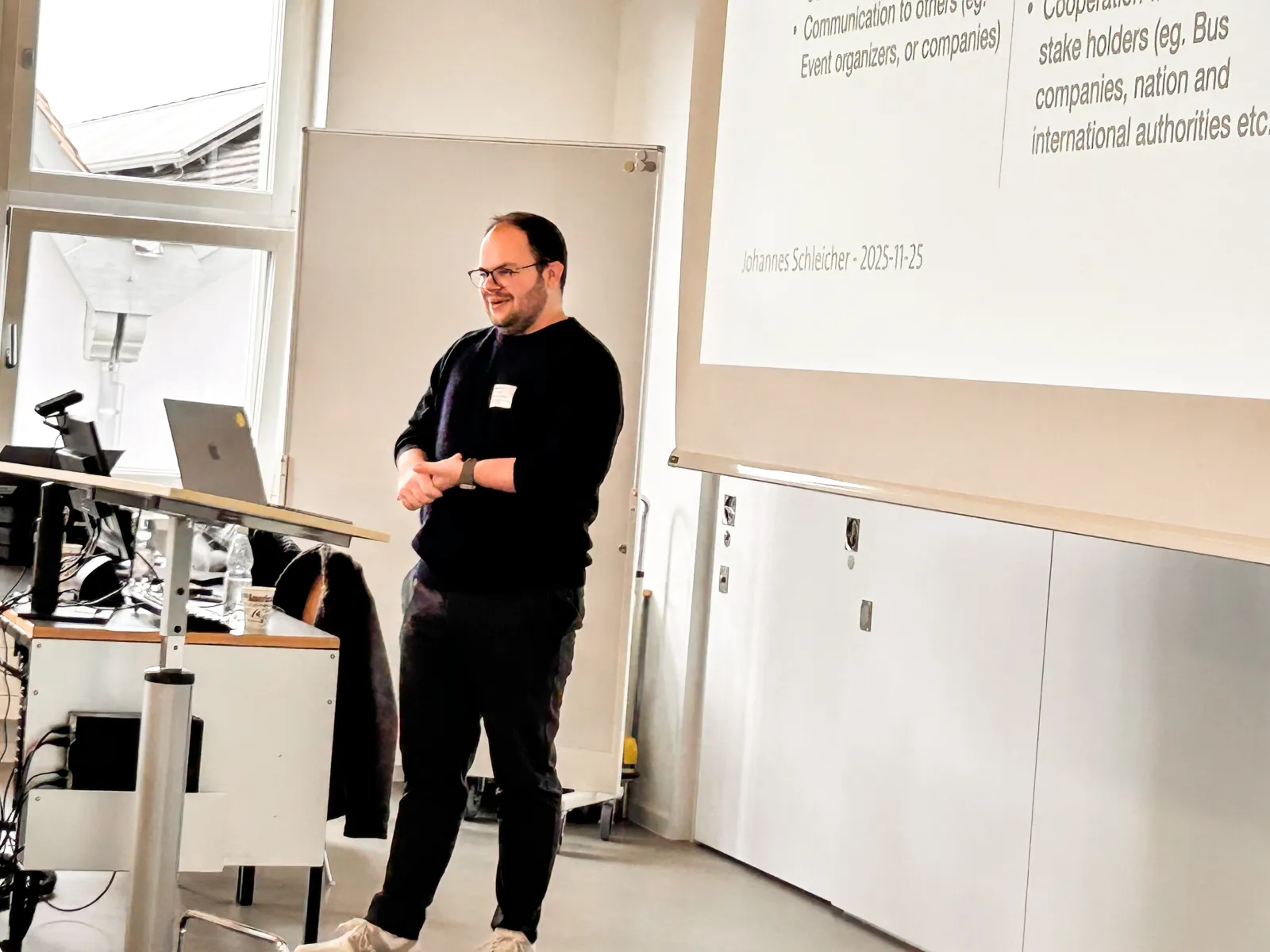
Florian Schietinger und Johannes Schleicher

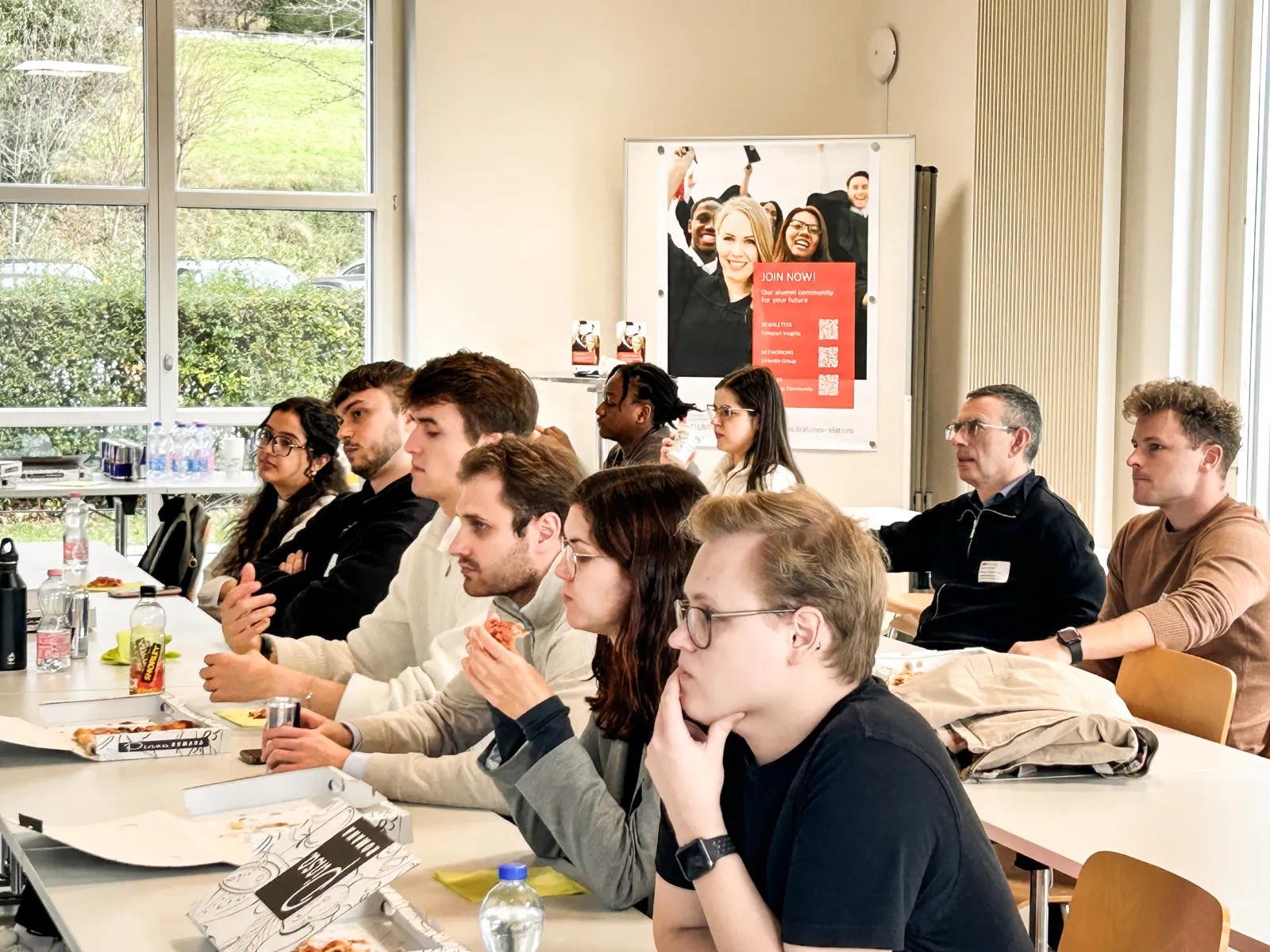
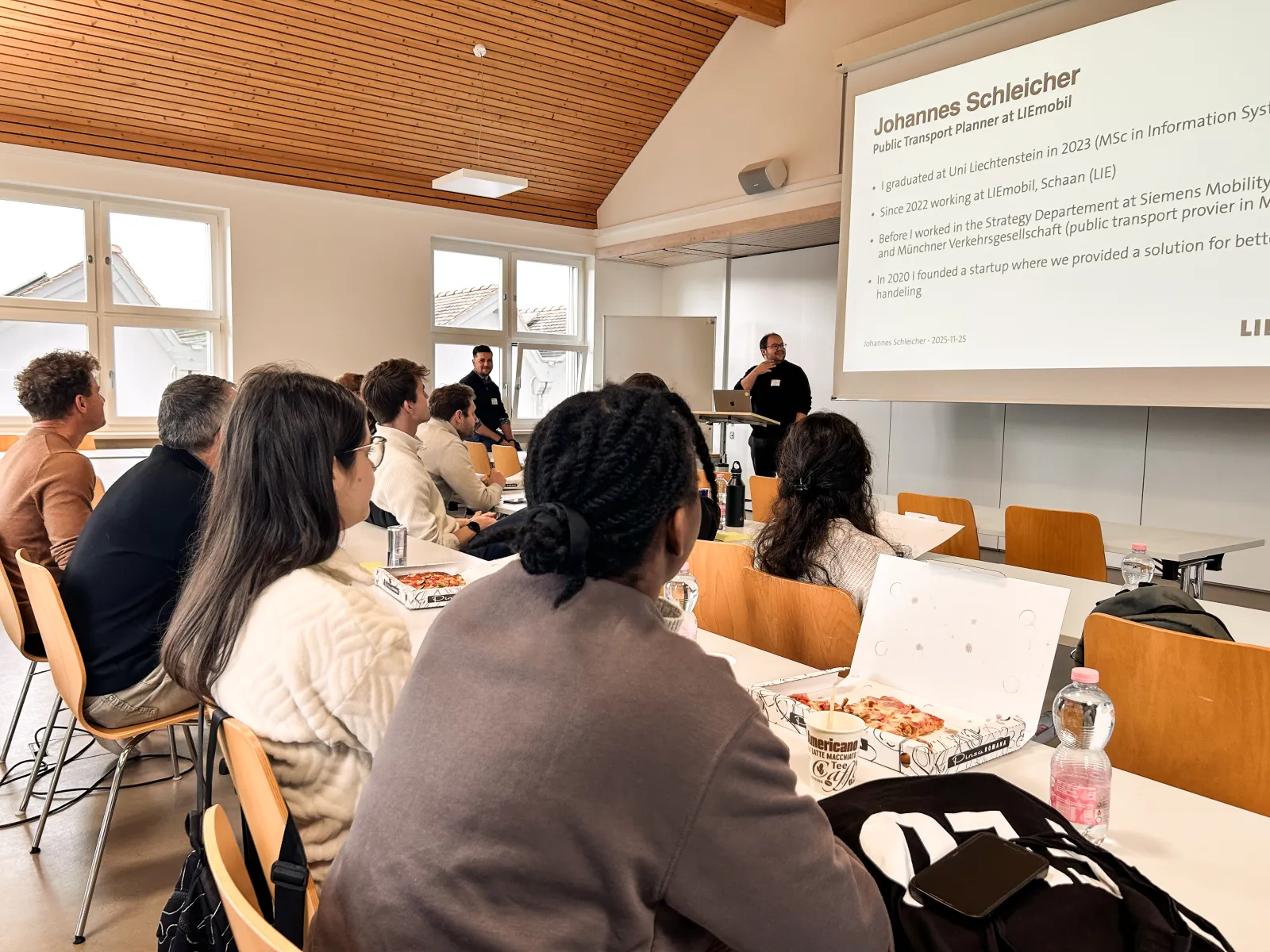
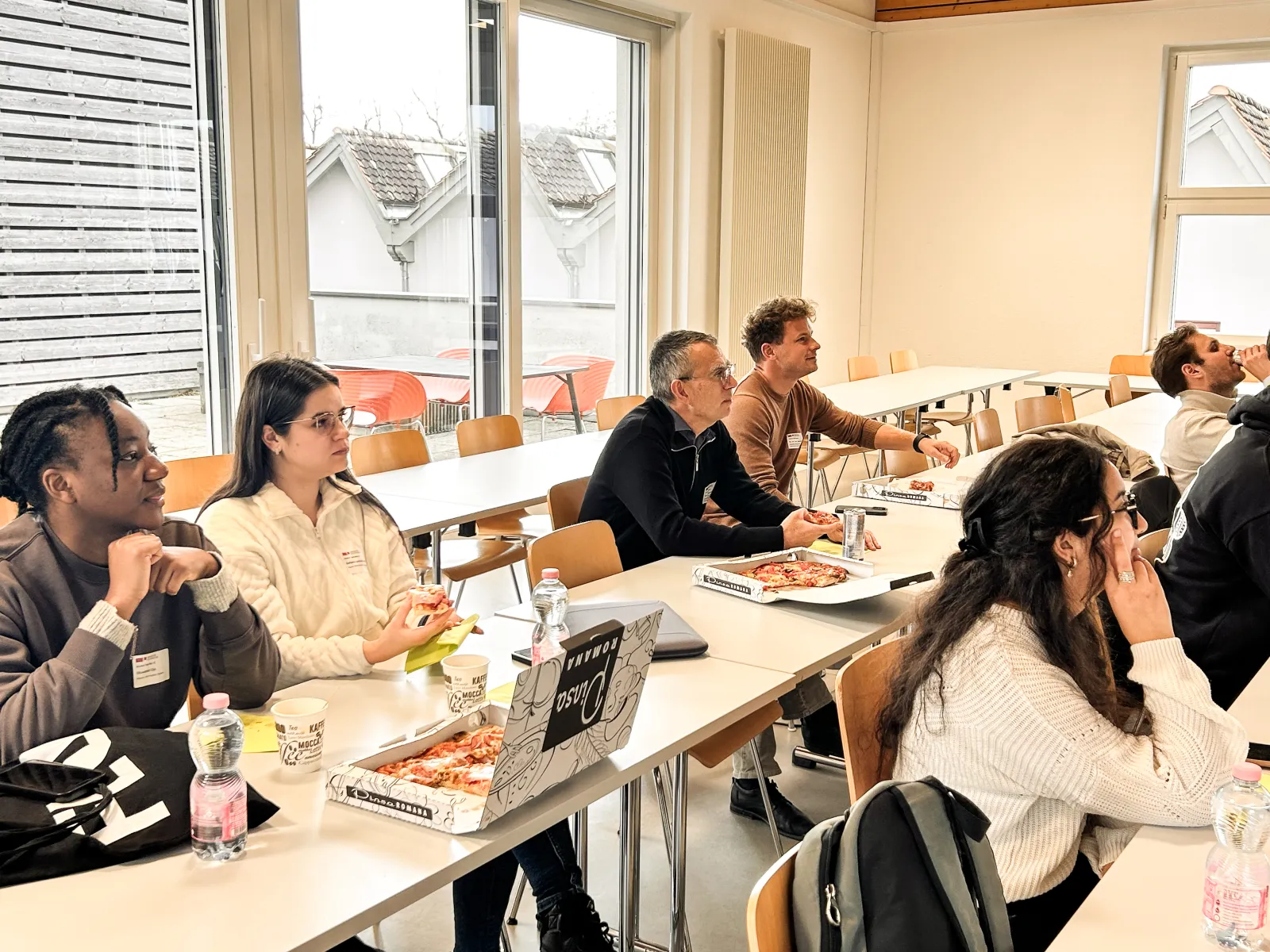
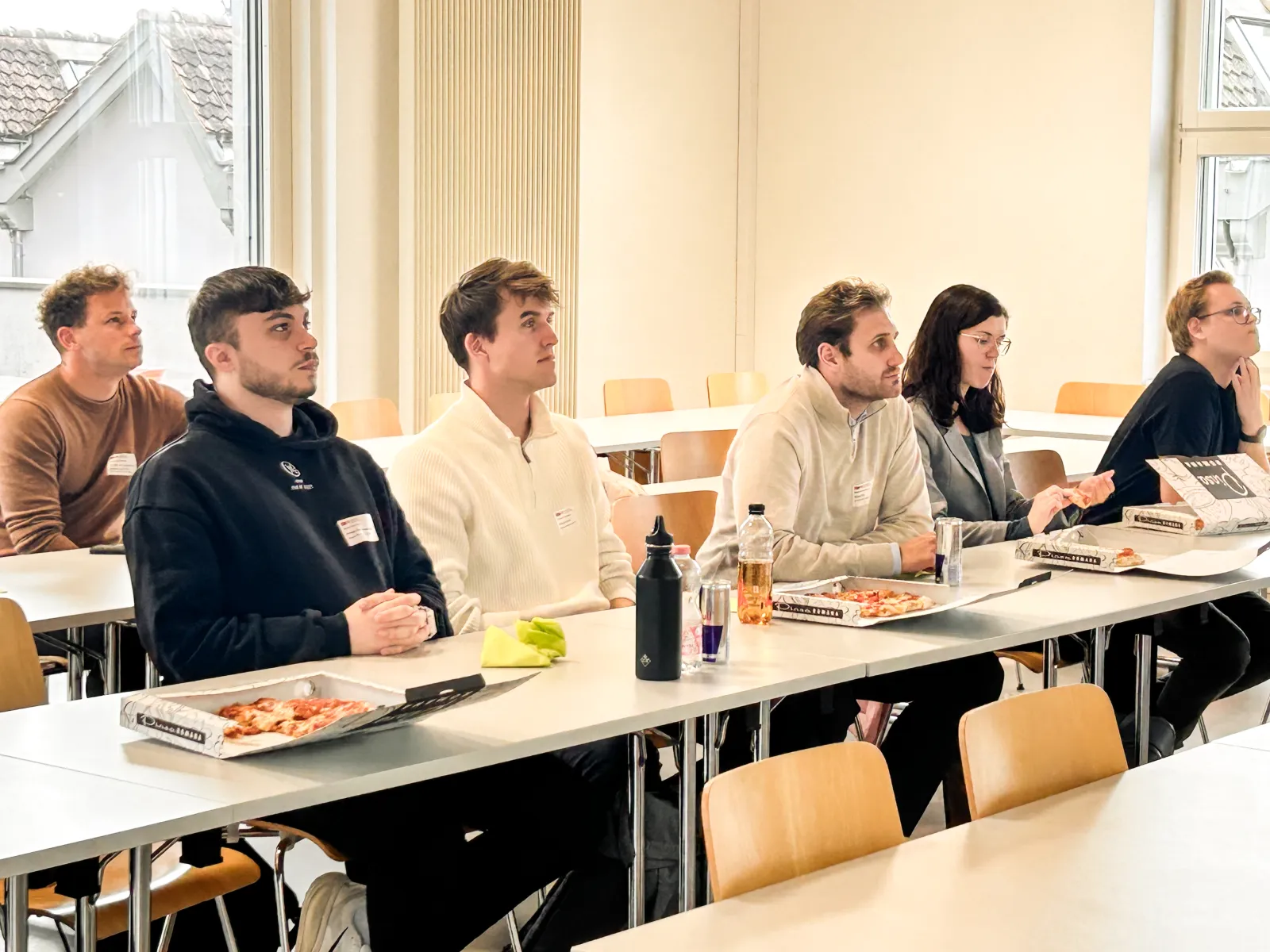
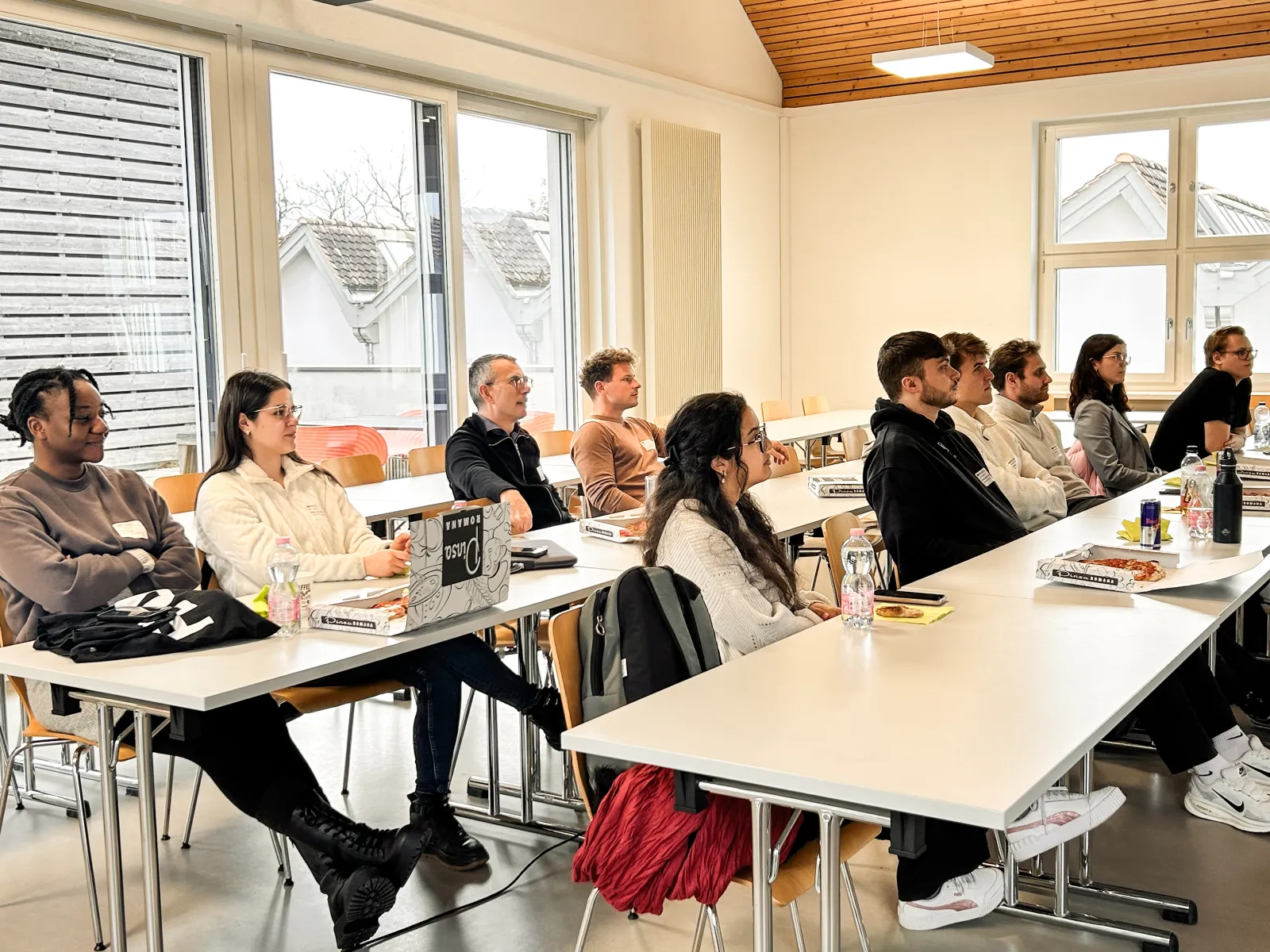
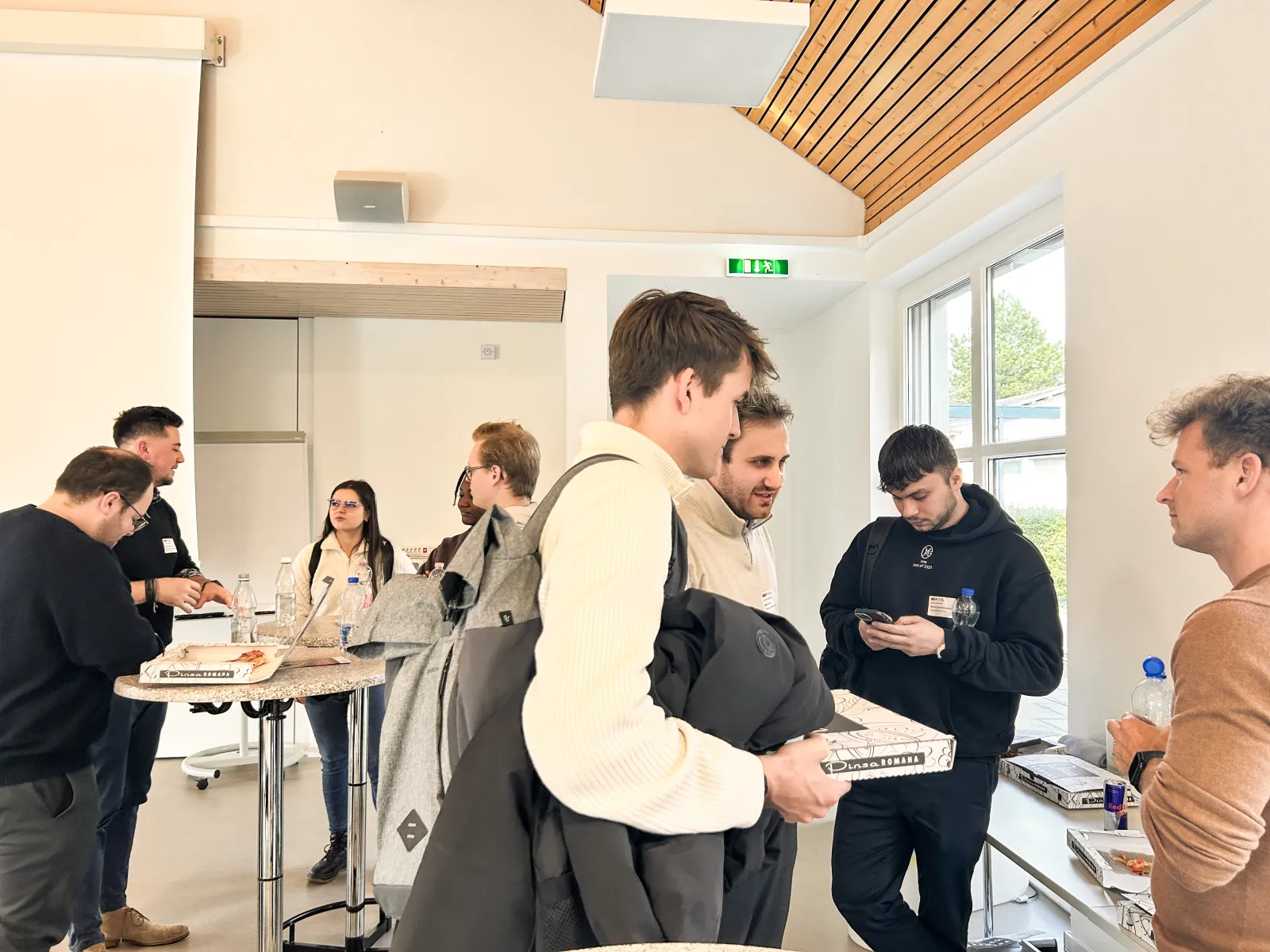
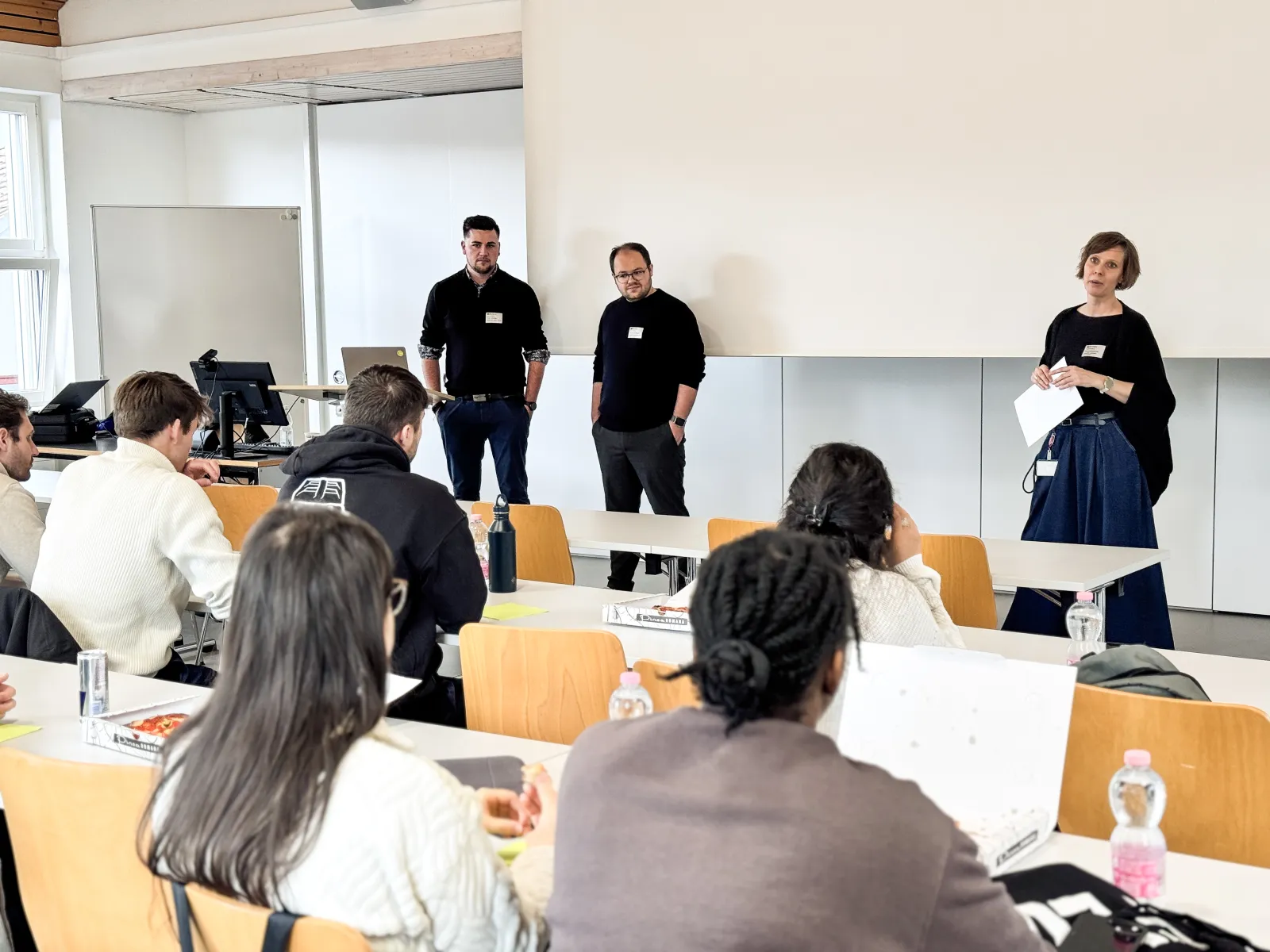
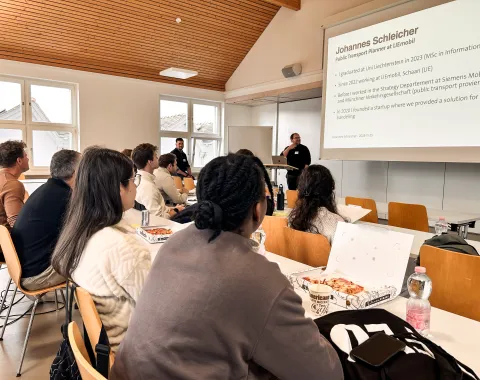
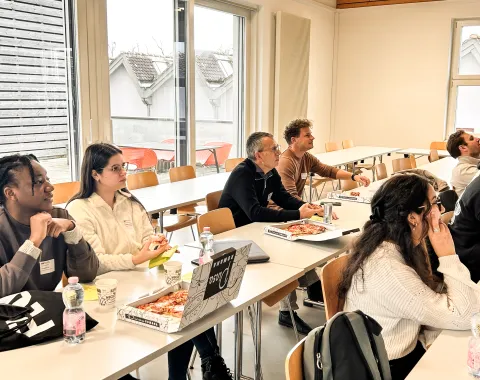
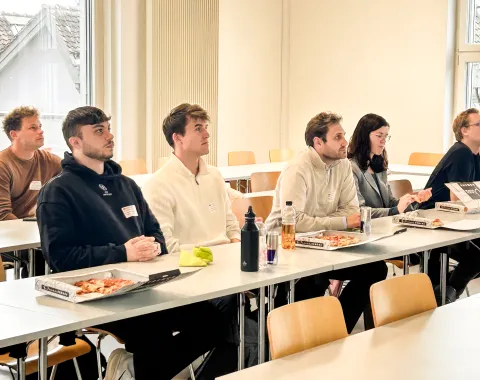
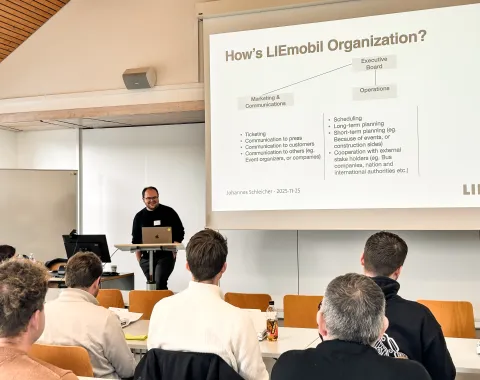
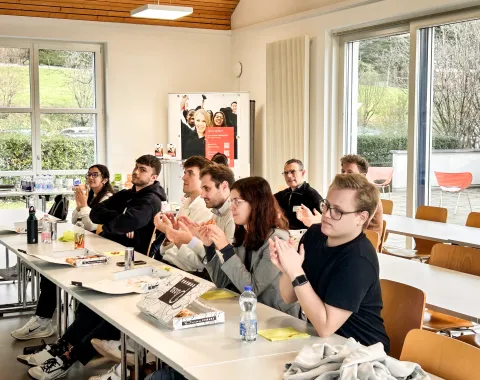
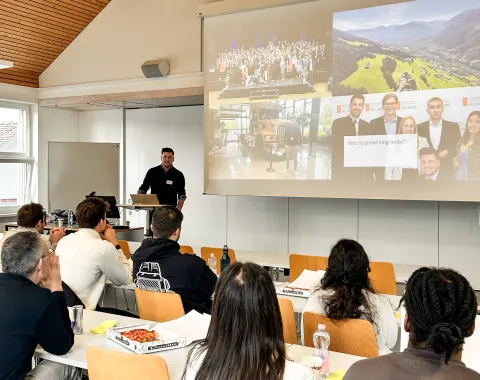
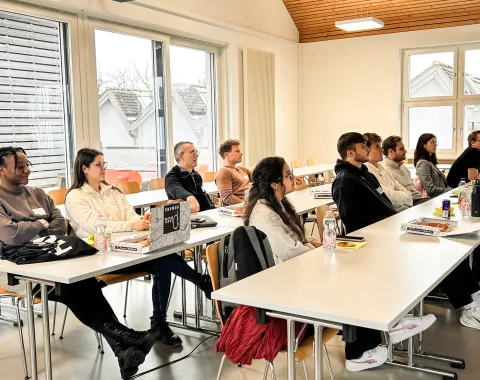
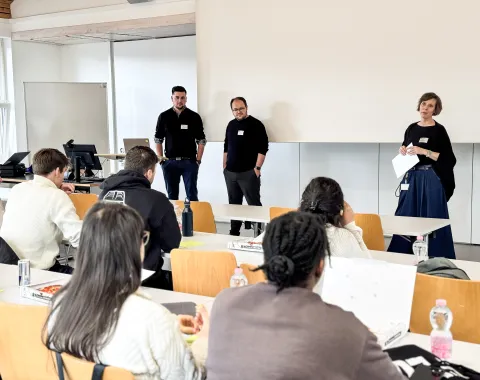
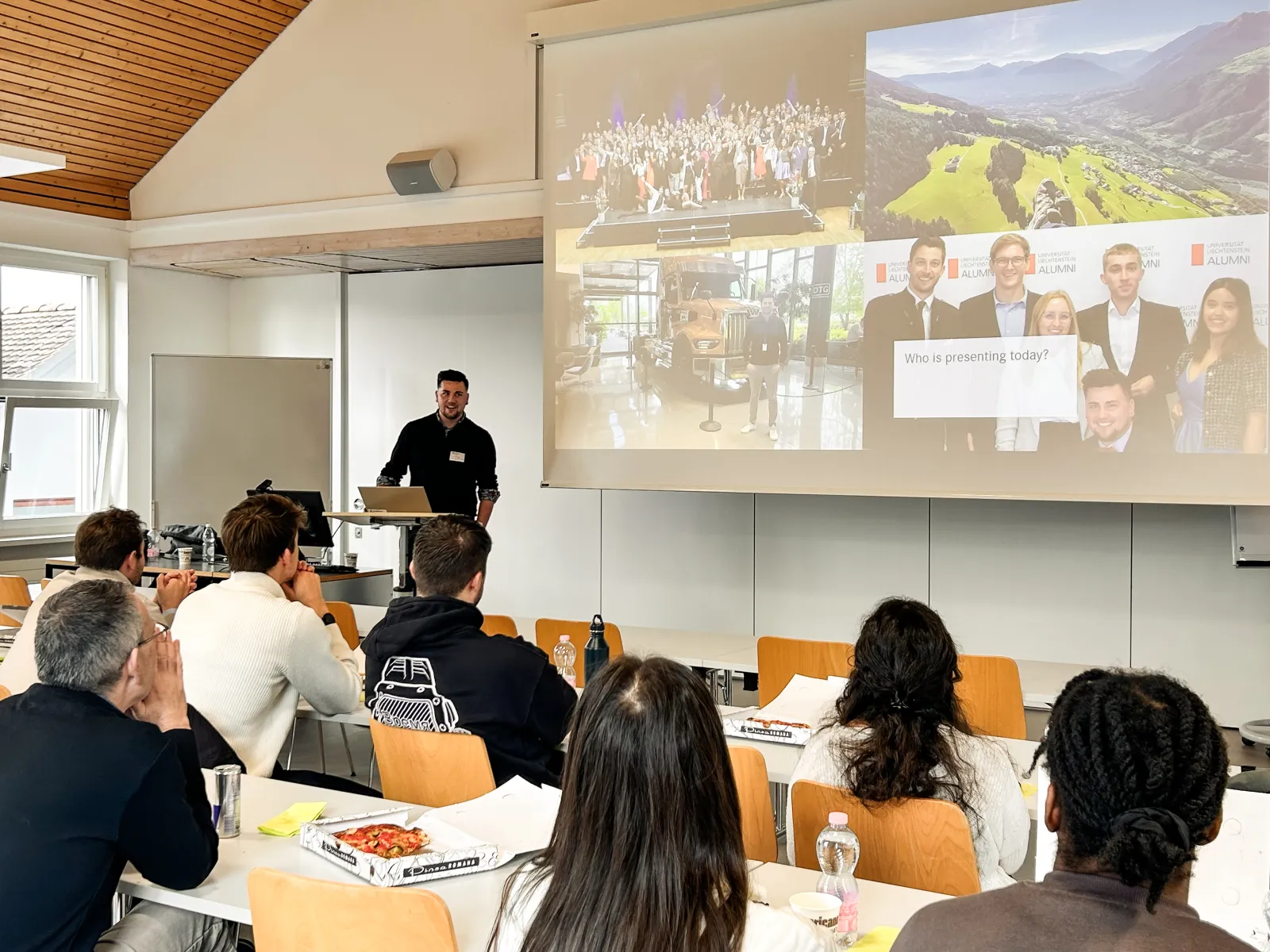
On Thursday, 20 November 2025, the new Alumni Talk series of the Master’s in Information Systems was launched. This compact lunchtime format offers students insights into industry practice and the opportunity to network with selected alumni of the University of Liechtenstein.


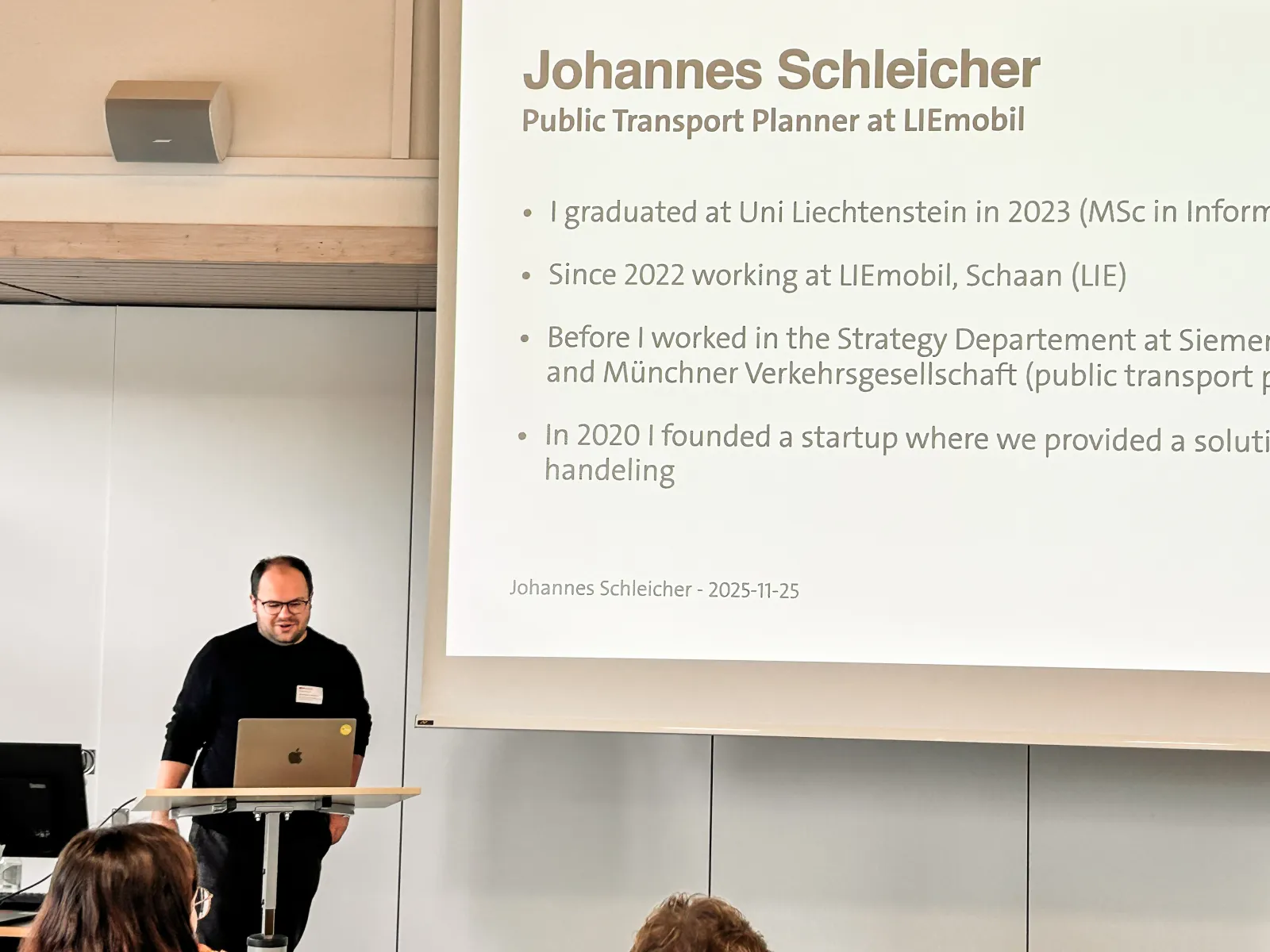
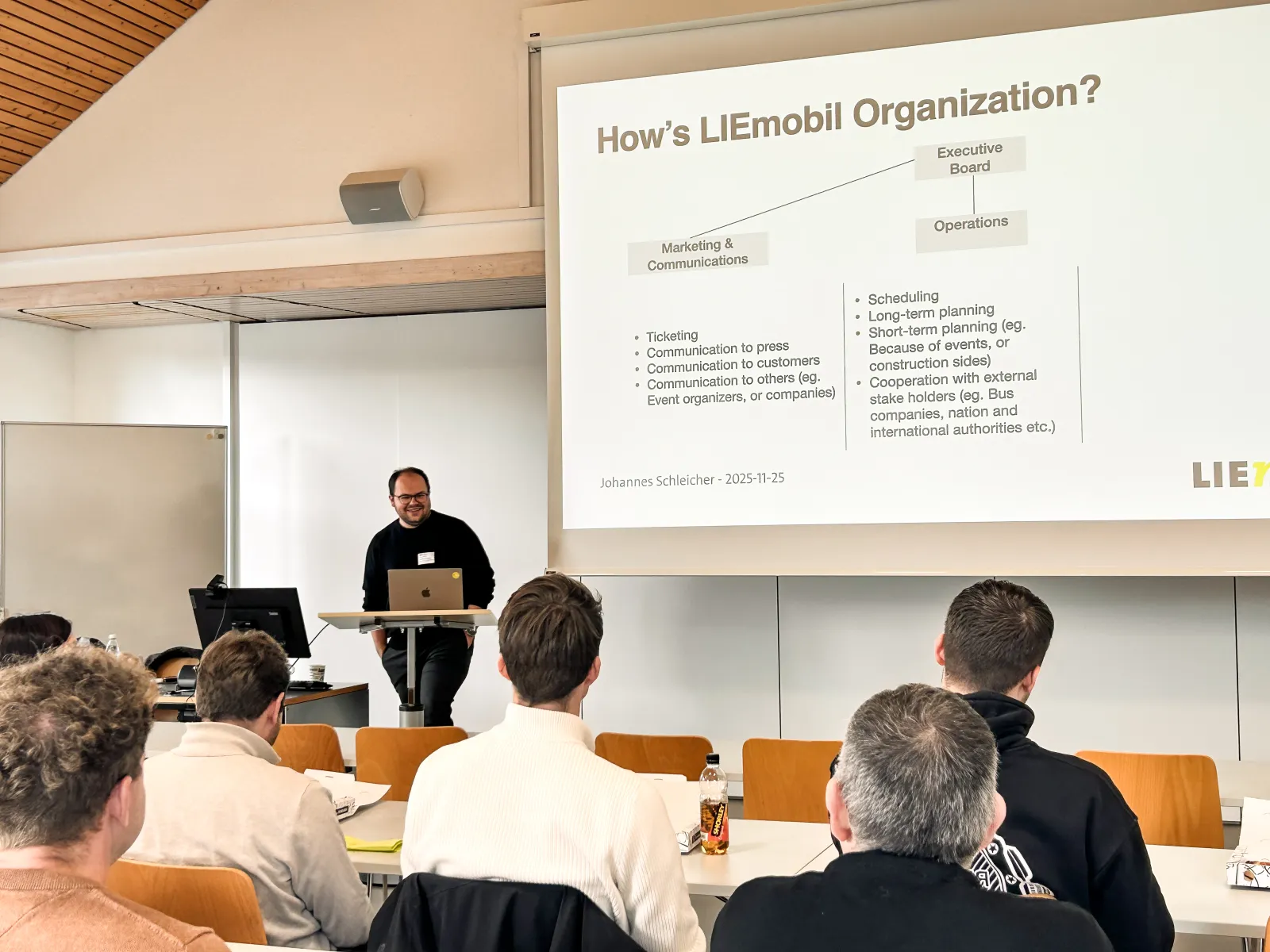
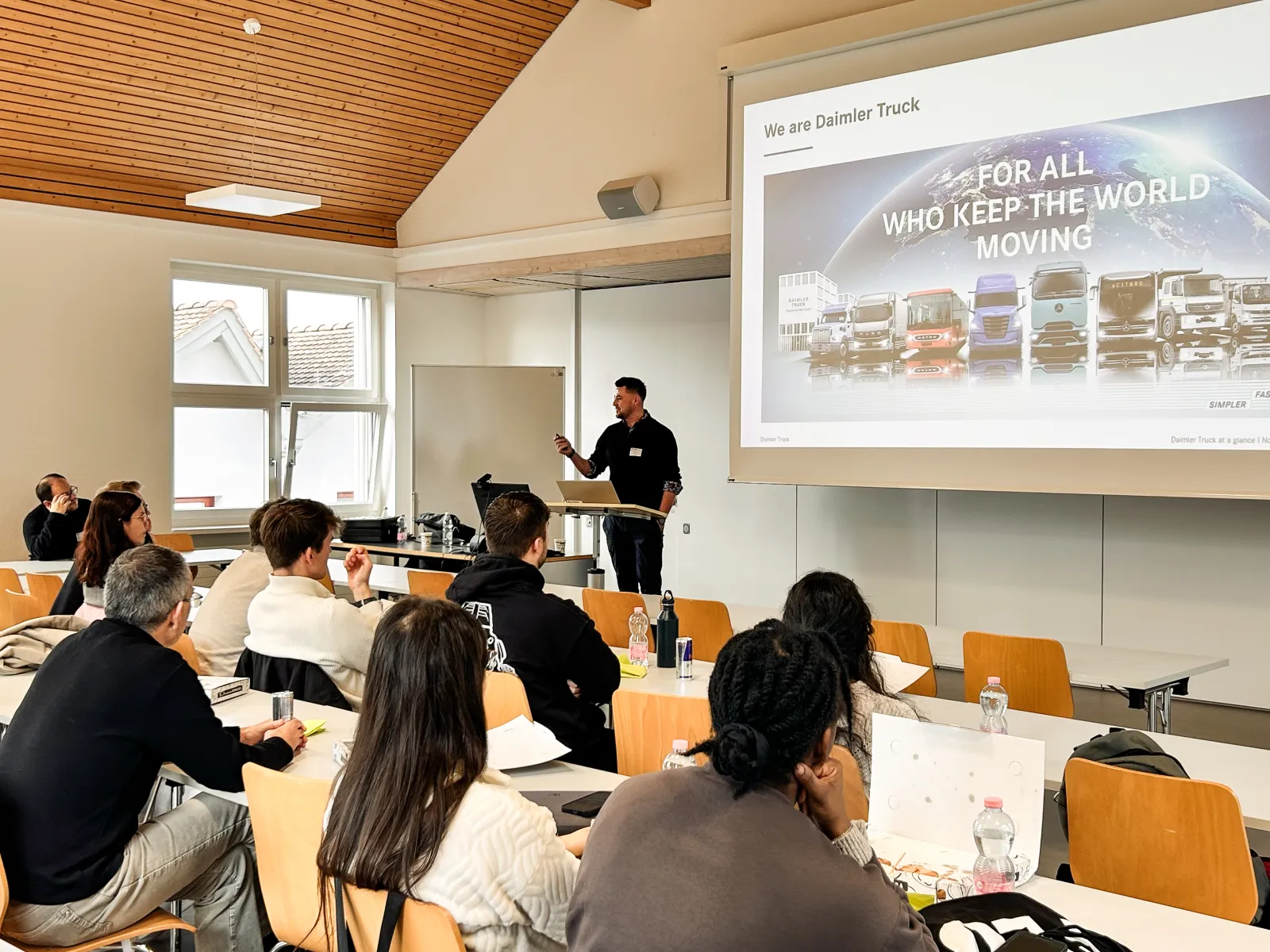
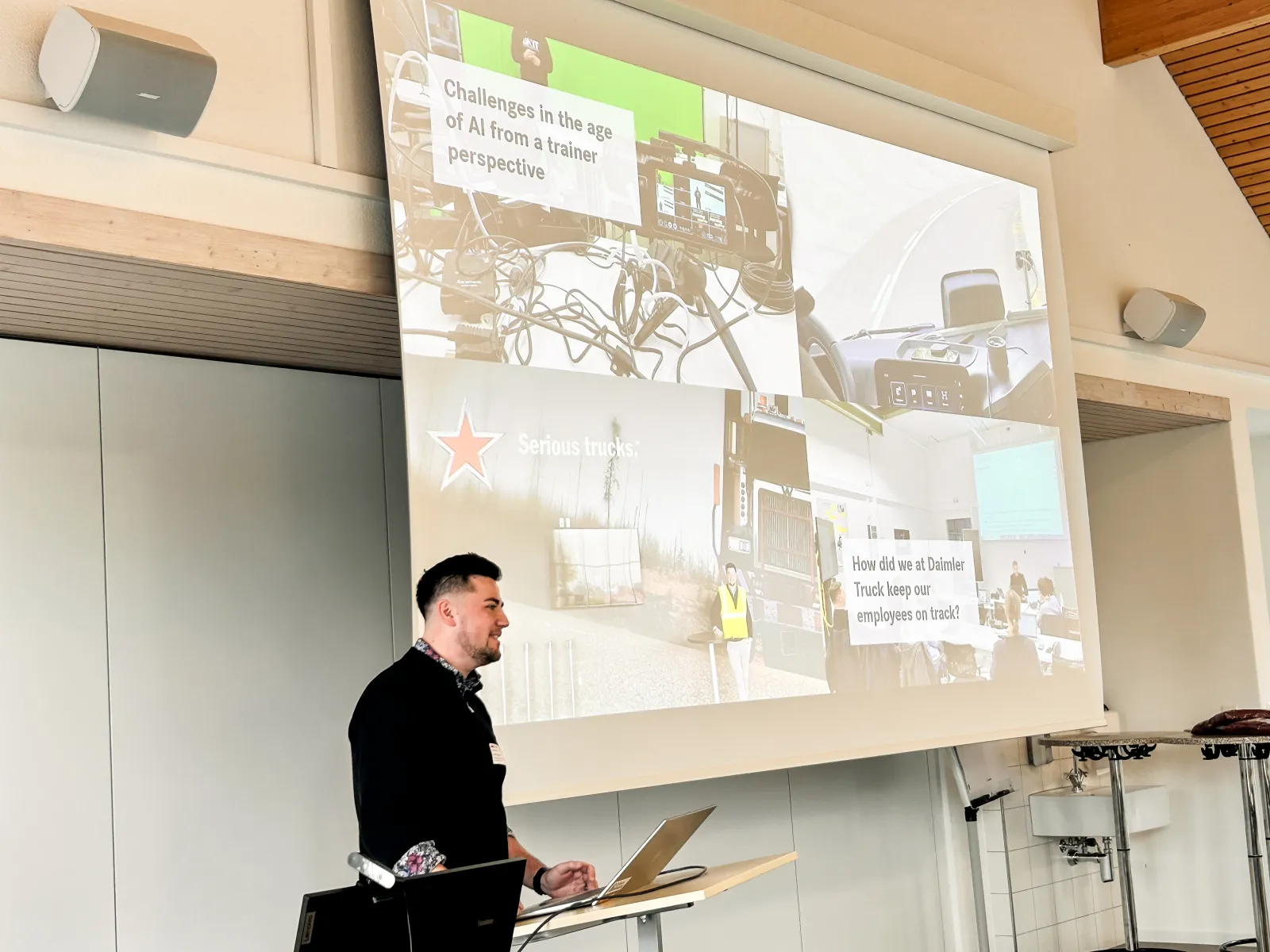
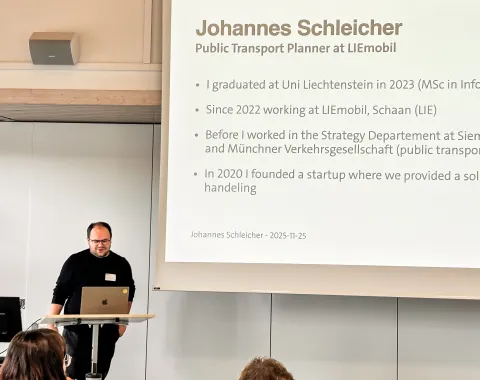
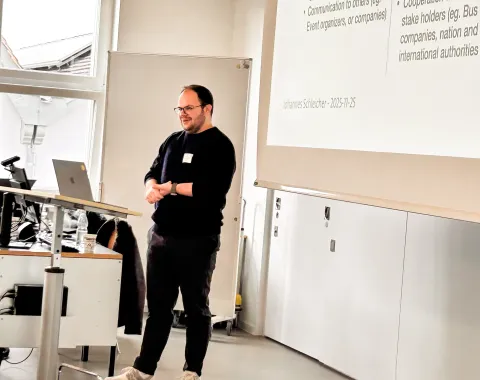
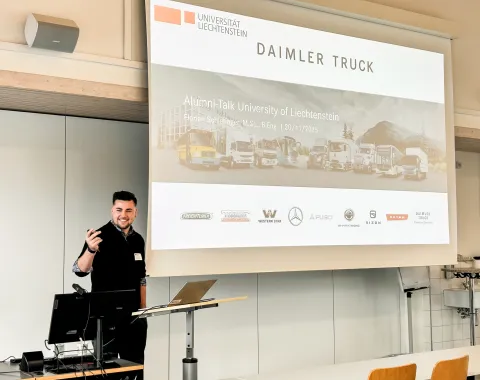
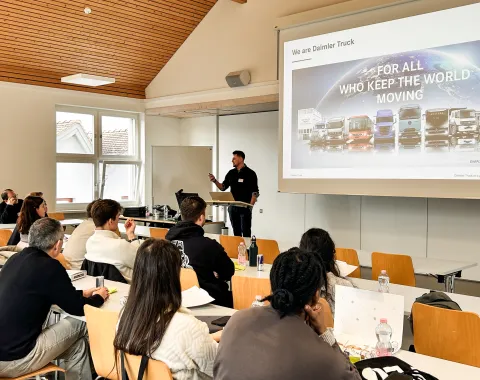
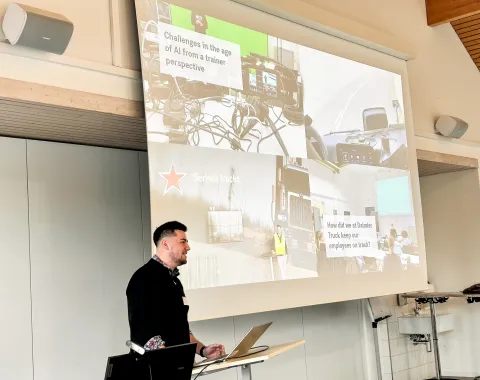
At the first Alumni Talk in Information Systems, two graduates of the Master’s programme shared their experiences with implementing AI in business processes. Johannes Schleicher, Transport Planner at LIEmobil, provided insights into the potential of AI to reduce workload in analysing passenger flows and processing around 20,000 data sets per day. Florian Schietinger, Trainer and Program Manager at Daimler Truck AG’s Learning Academy, offered a behind-the-scenes look at a global AI training initiative for more than 45,000 employees in six languages.
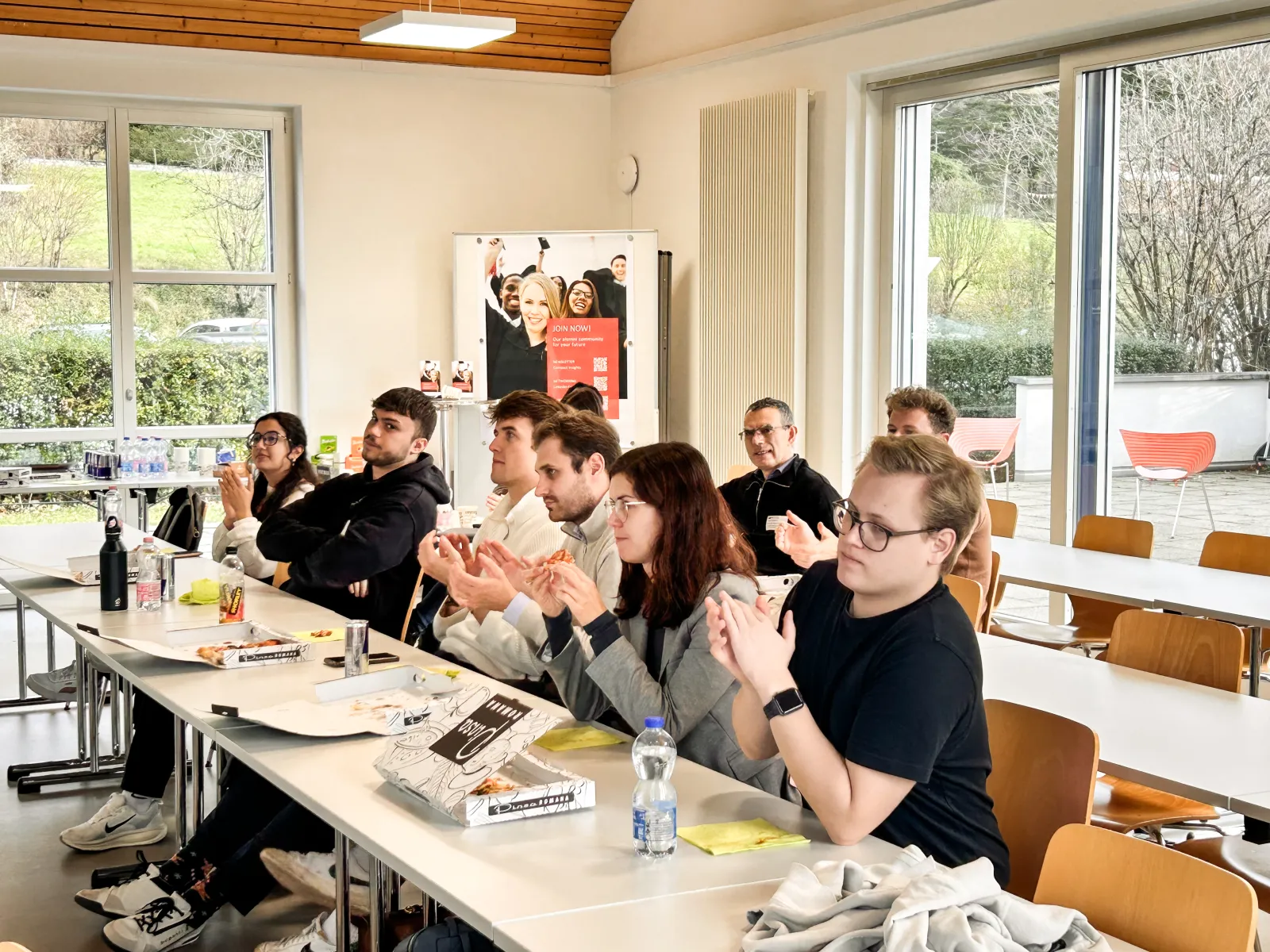
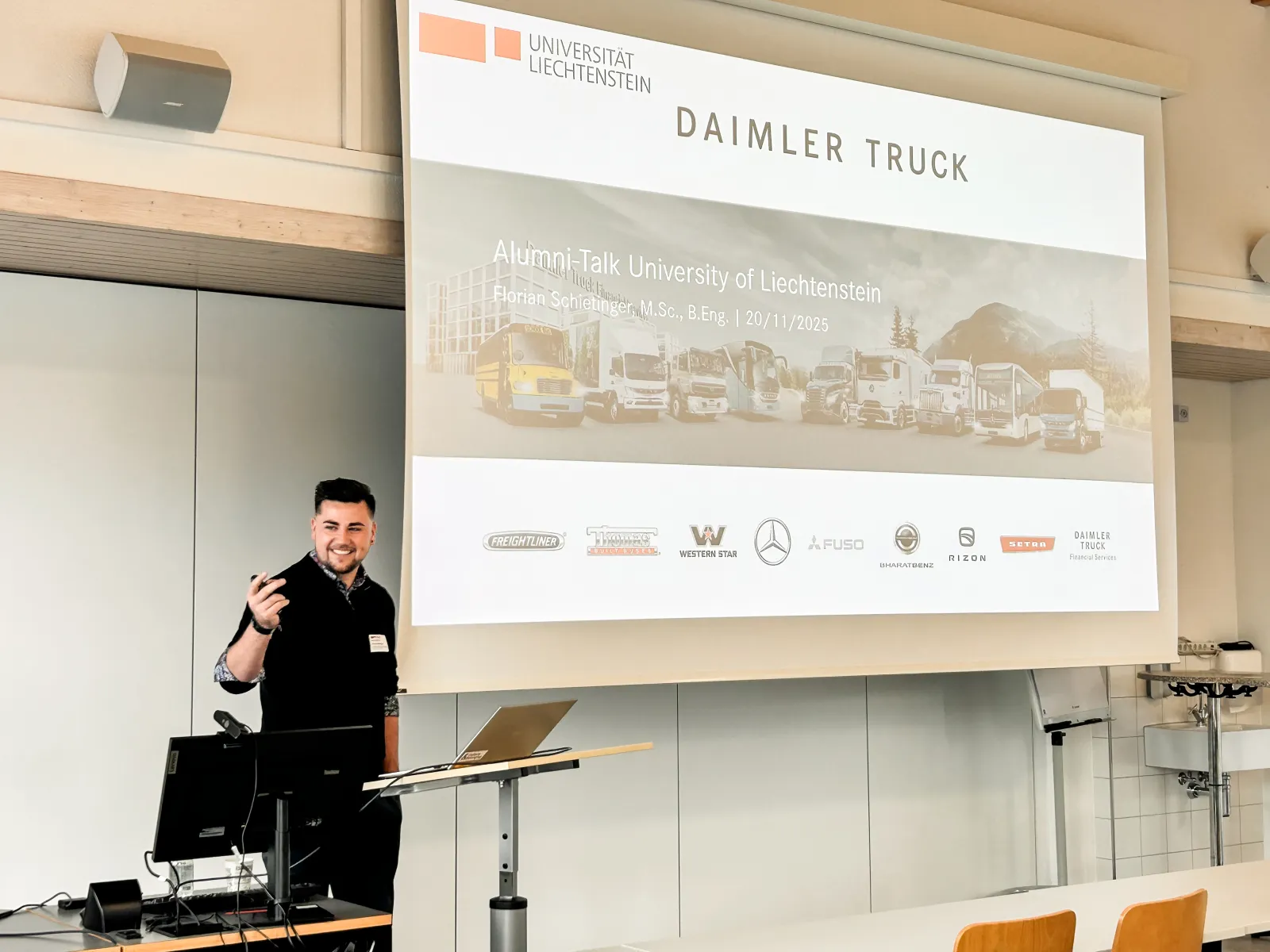
 

Practical insights and networking
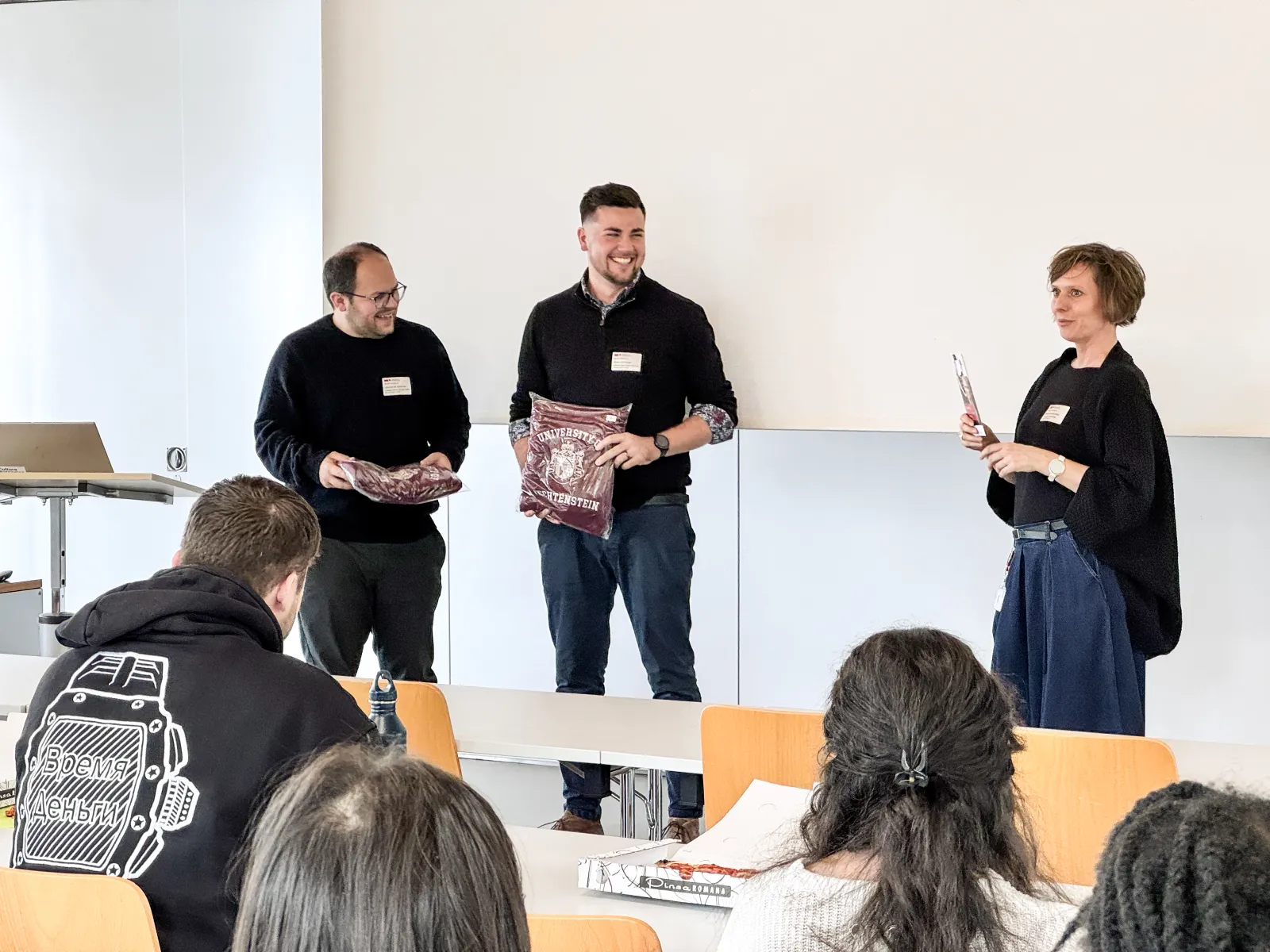
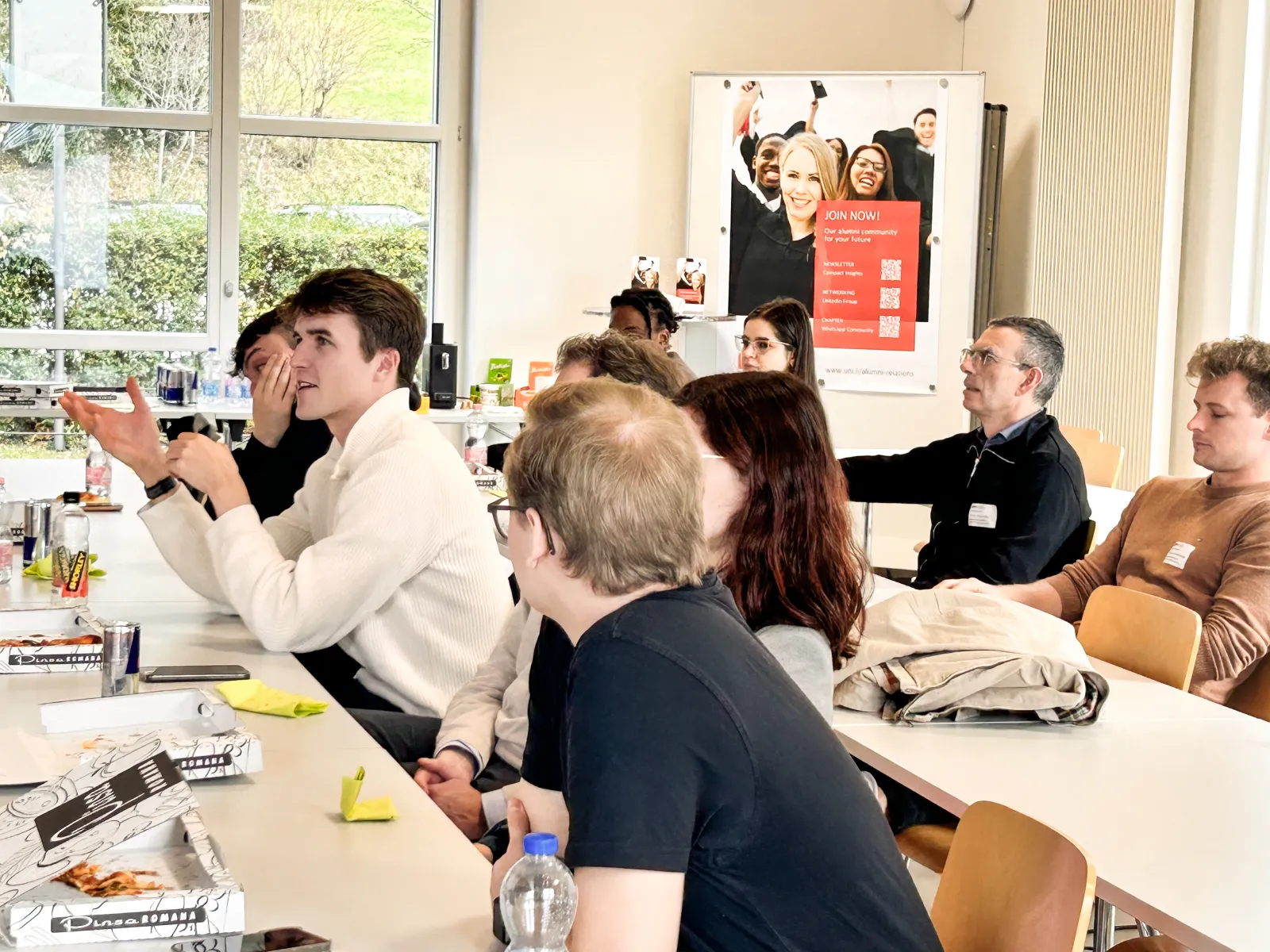
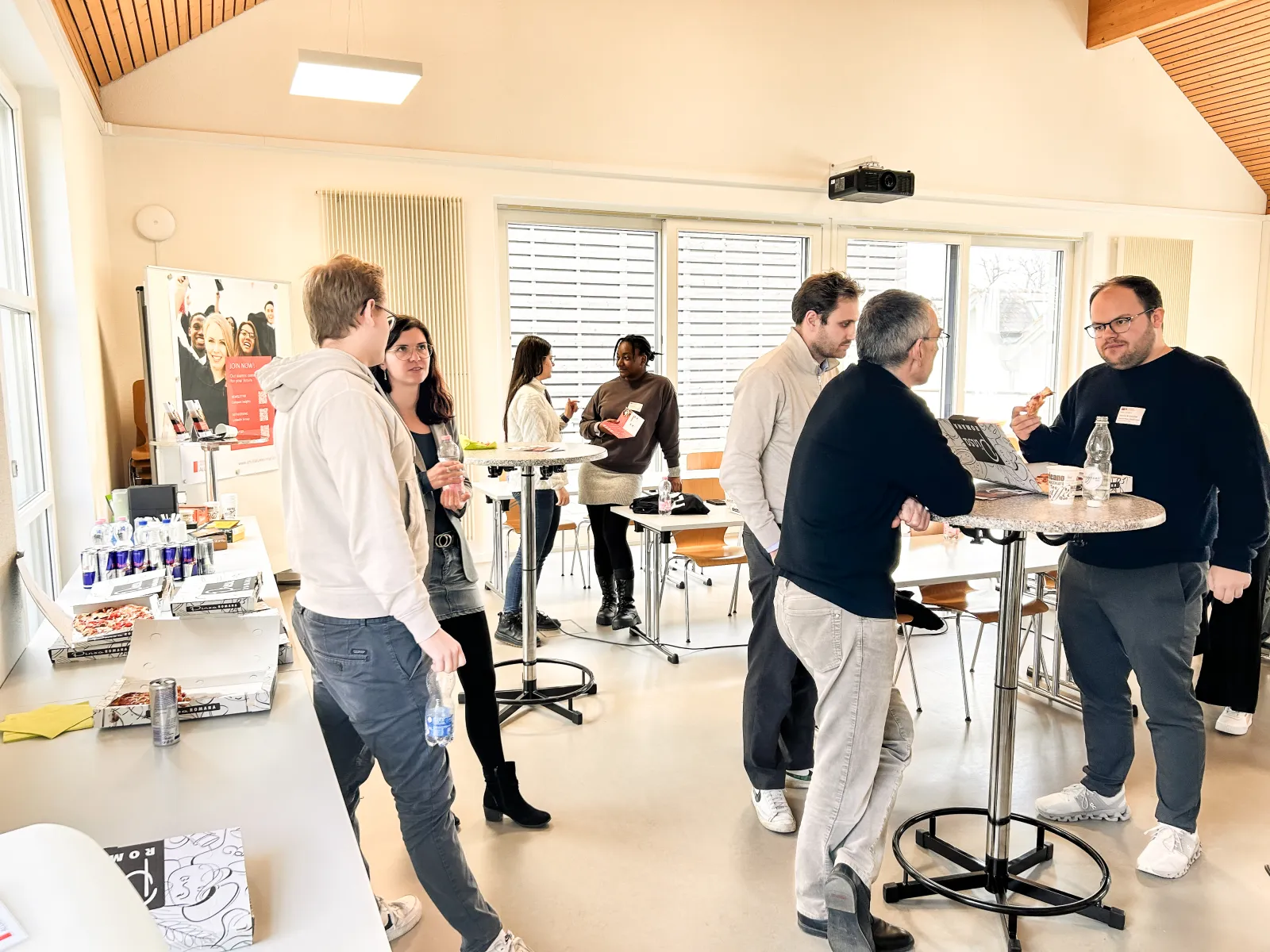
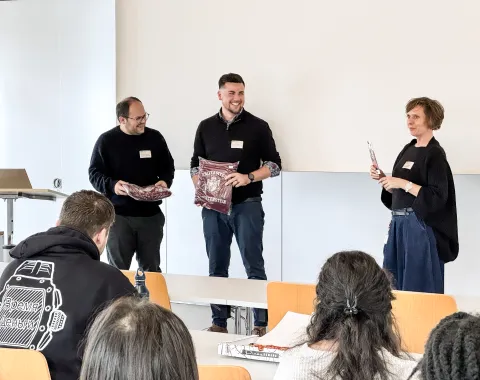
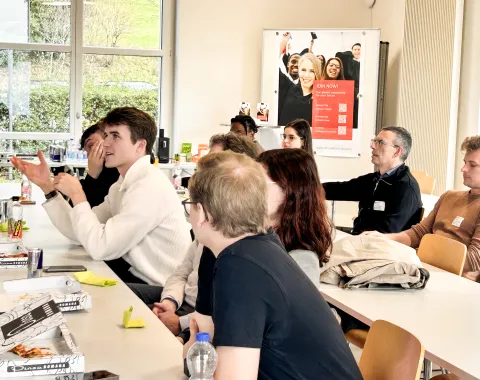
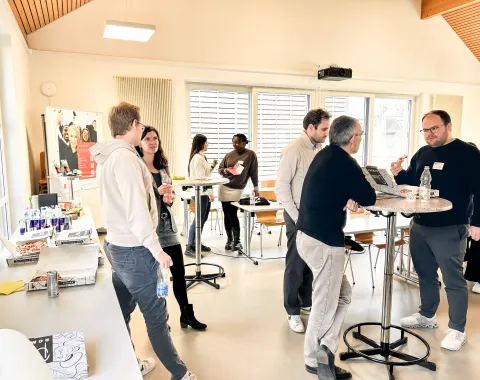
The event series aims to give students at the University of Liechtenstein early insights into professional practice and access to the university’s strong alumni network. During a lunch break, students took the opportunity to ask individual questions and network with the alumni and the Information Systems team, represented by Academic Director Prof. Dr. Pavel Laskov and Programme Manager and co-initiator of the Alumni Talk series, Dr. Daniel Knapp.


Next Alumni Talk in December
On Thursday, 11 December, alumni Paula Elsensohn, Strategic Program Manager at VP Bank Vaduz, and Leo Richard Irudayam, Senior SAP BTP Solution Advisor at SAP St. Gallen, will return to campus as part of the next Alumni Talk. Registrations are open until 8 December via this link.


----------------------------------------------------------------

*Johannes Schleicher
Transport Planner | LIEmobil (Schaan)
The mobility and data analysis specialist previously worked at Siemens Mobility and Stadtwerke München, where he was responsible for traffic surveys and timetable optimisation. In addition to his background in business development and consulting, he also brings experience from founding his own startup.

*Florian Schietinger
Trainer and Program Manager | Learning Academy, Daimler Truck AG (Stuttgart)
In addition to his experience in various software development roles and international practical experience in countries such as Spain and the USA, he also gained experience through his teaching activities at high schools and universities. He completed his Master’s in Information Systems with a double master’s degree in Liechtenstein and Würzburg.

Florian Schietinger und Johannes Schleicher

Rethinking Mobility in the Rhine Valley: Symposium at the University of Liechtenstein

Rethinking Mobility in the Rhine Valley: Symposium at the University of Liechtenstein

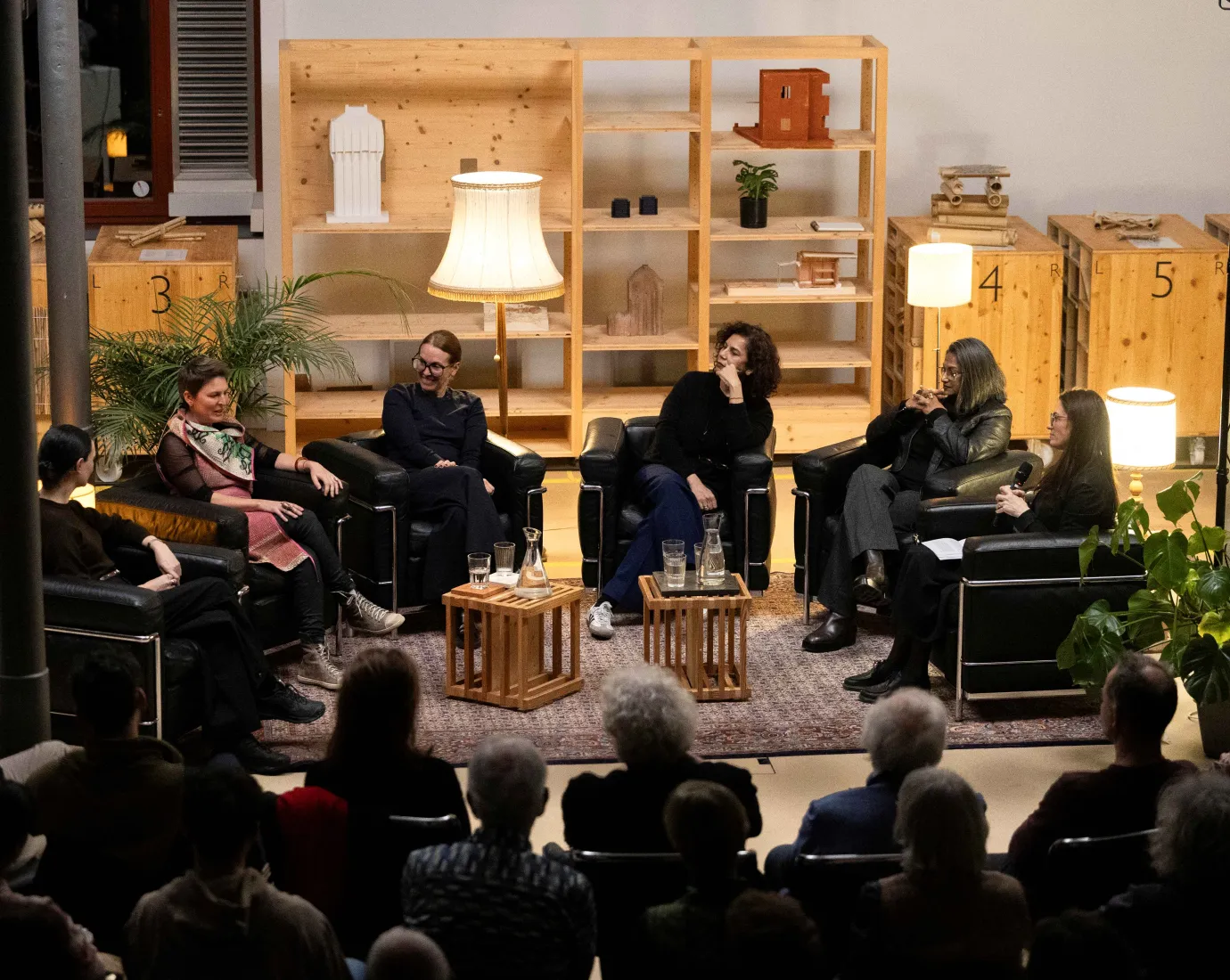
Podiumsdiskussion von sechs Personen

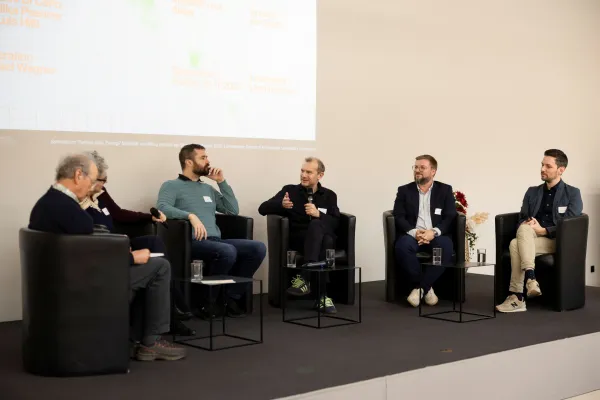
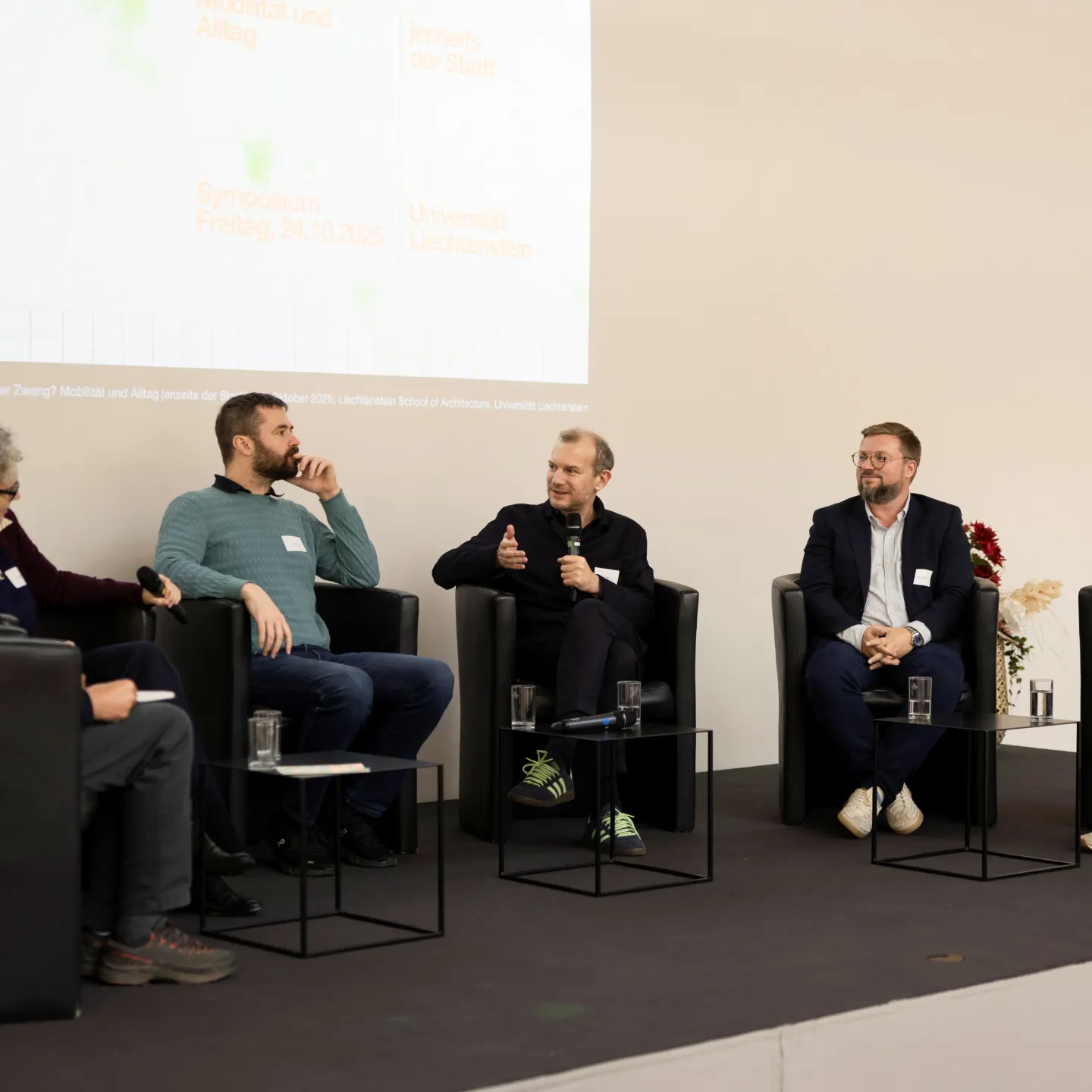
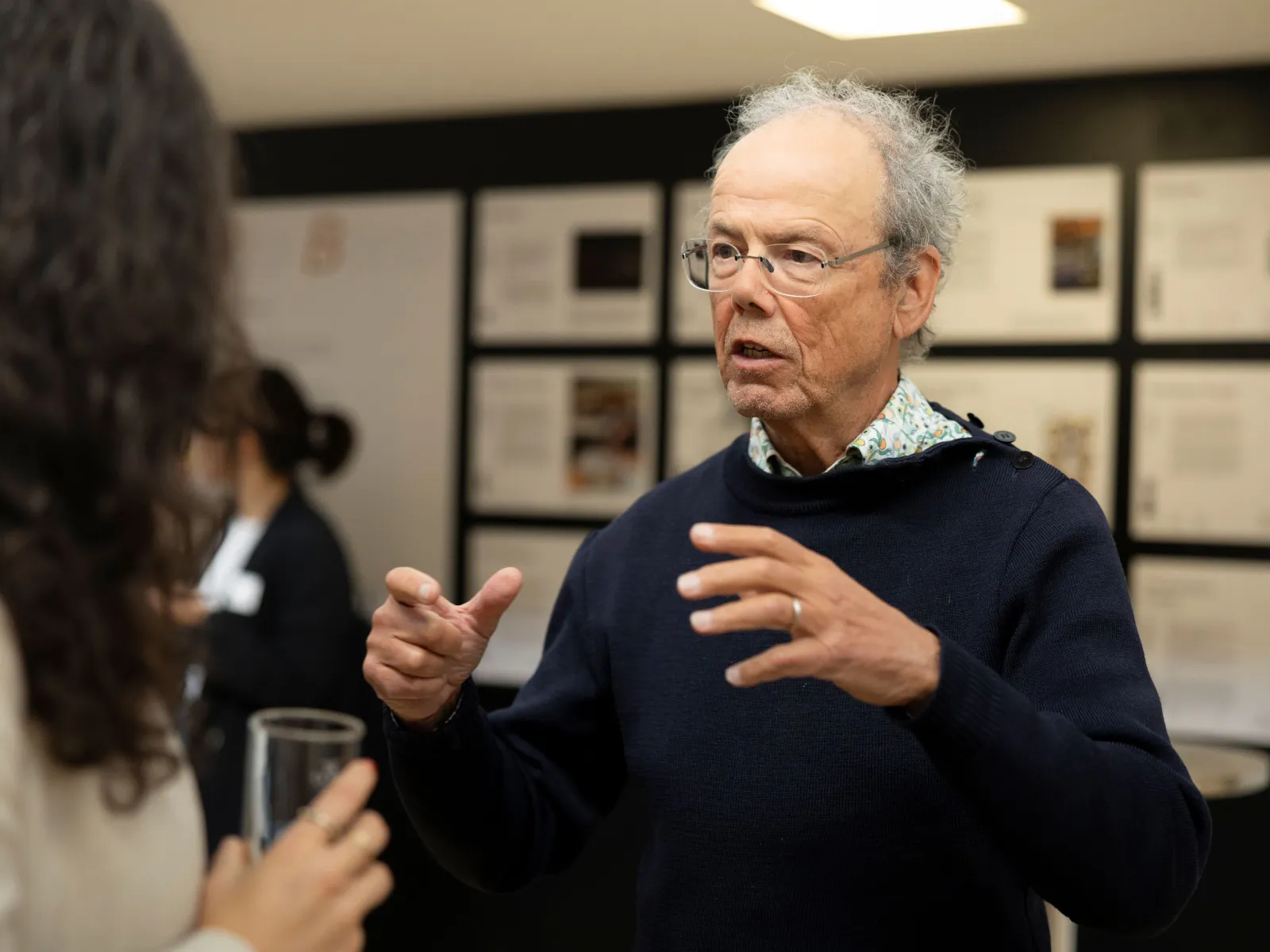
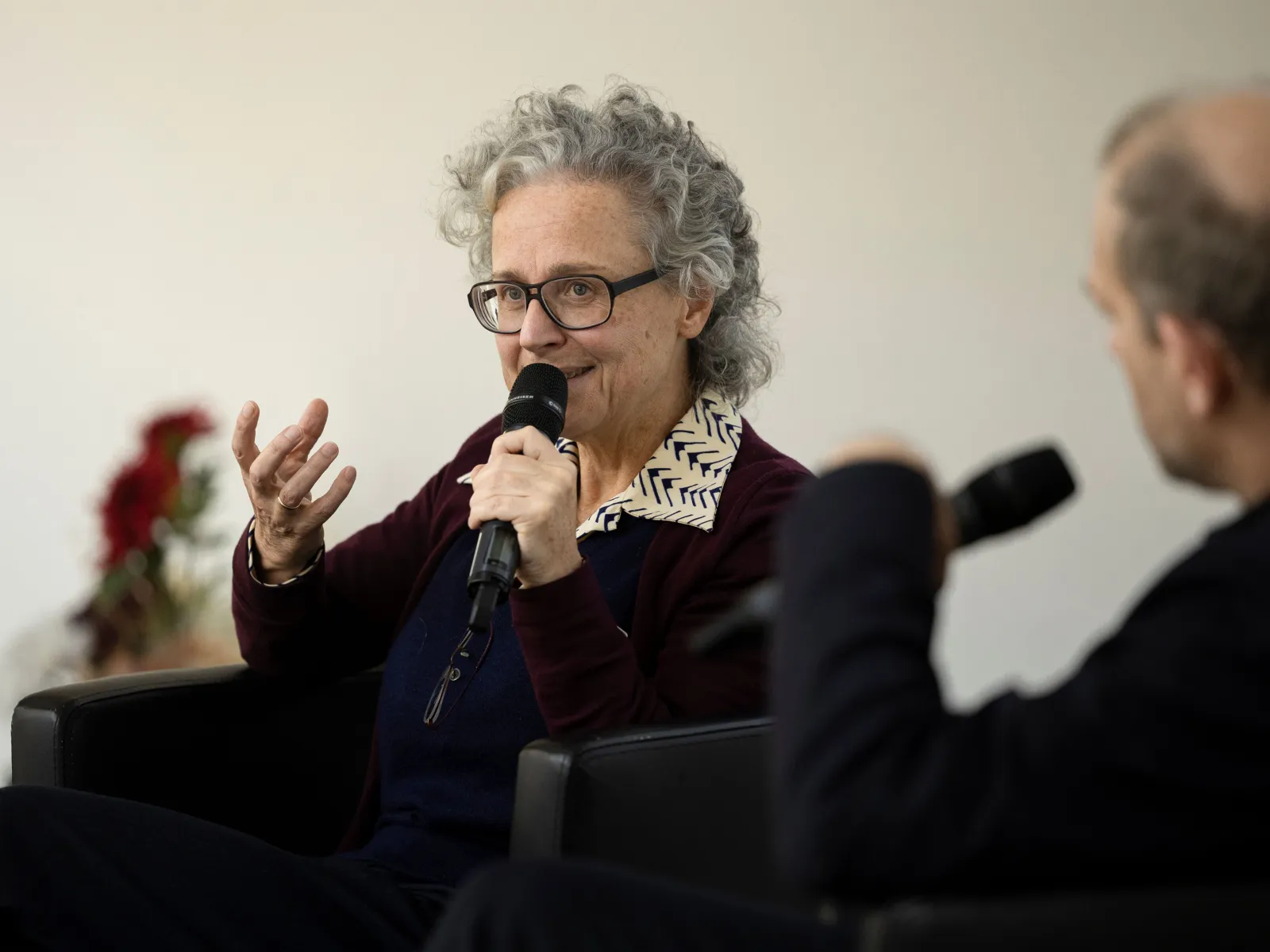
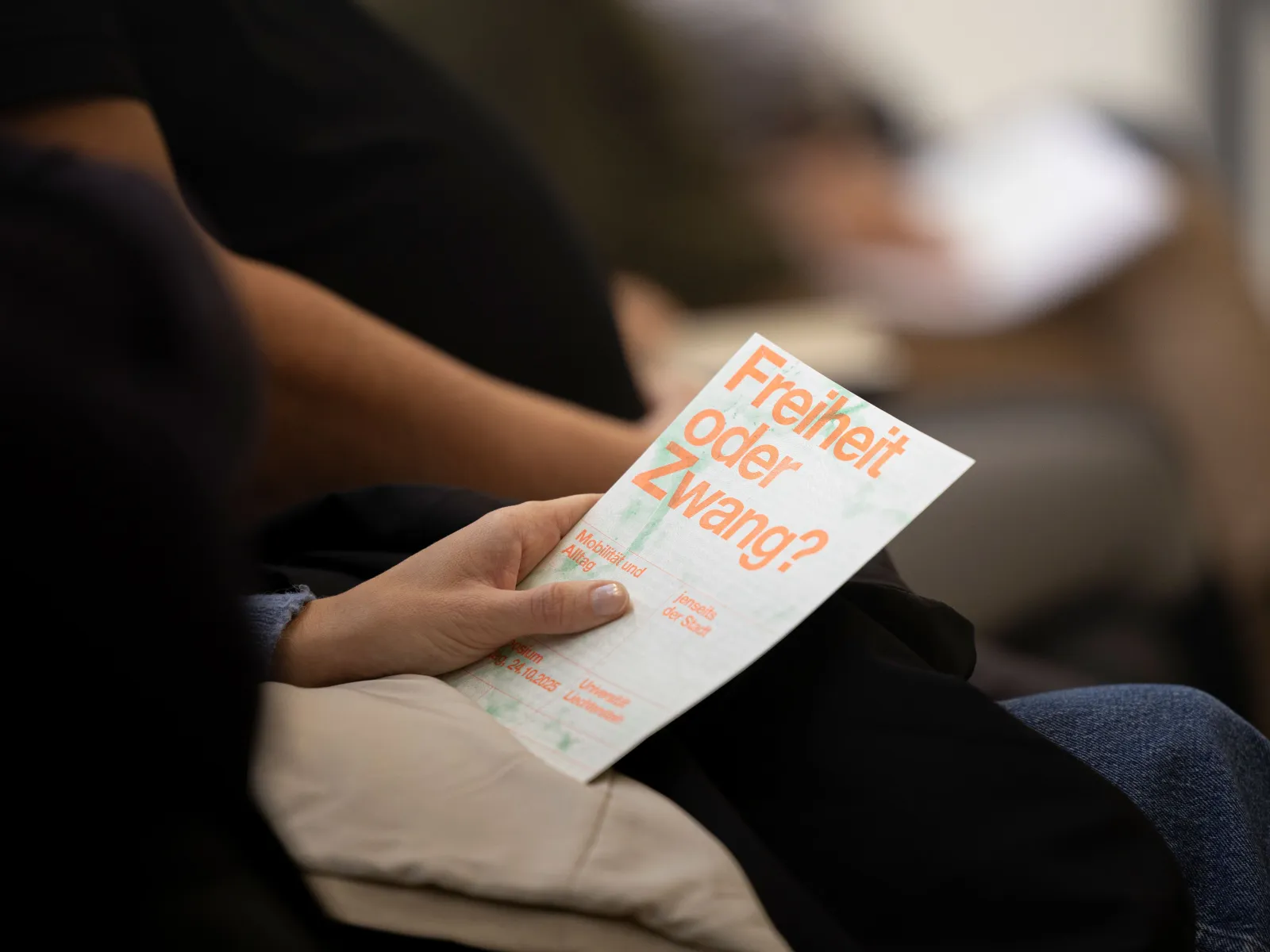
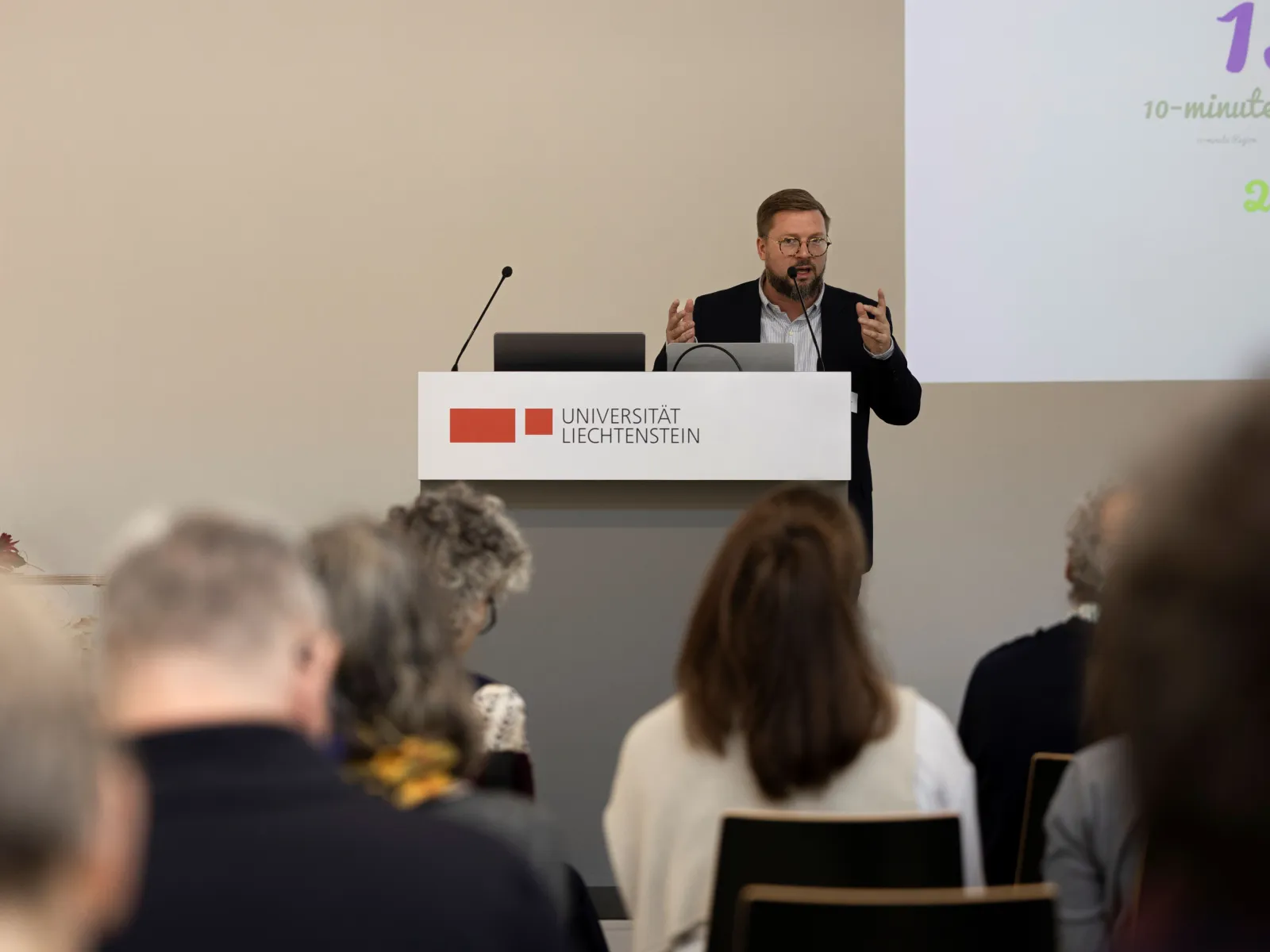
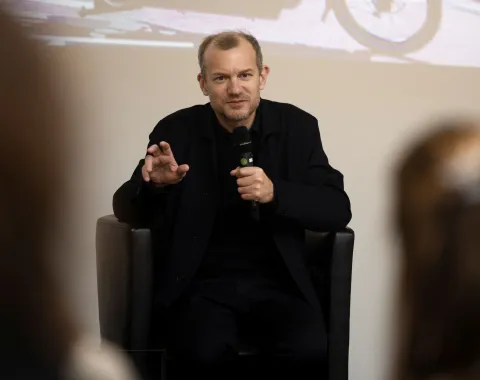
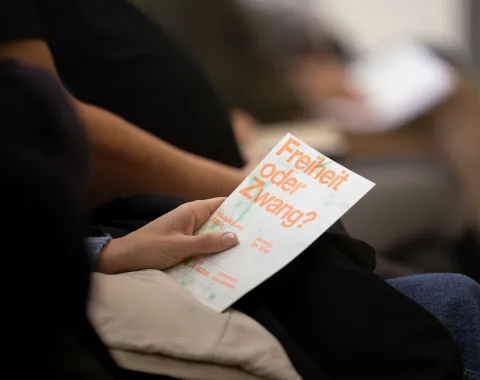
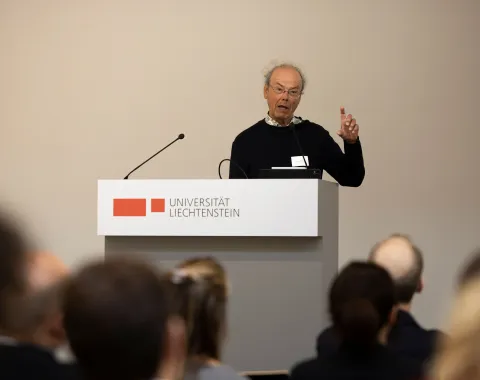
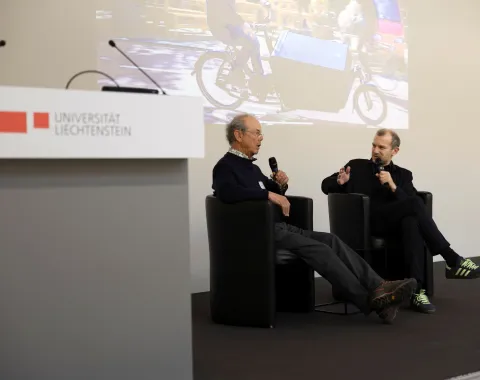
On Friday, 24 October 2025, the symposium «Freedom or Obligation? Mobility and Everyday Life Beyond the City» took place at the University of Liechtenstein. Around 30 experts from academia, planning and industry participated in the full-day event held in the university’s auditorium.

Focus on the X-Minute City

At the heart of the symposium was the question of how the concept of the so-called X-Minute City – also known as the city of short distances – can be transferred to regions with low to medium settlement density, such as the Rhine Valley. In the run-up to the event, regional media had already highlighted the country’s strong orientation towards motorised private transport and the associated spatial-planning challenges.

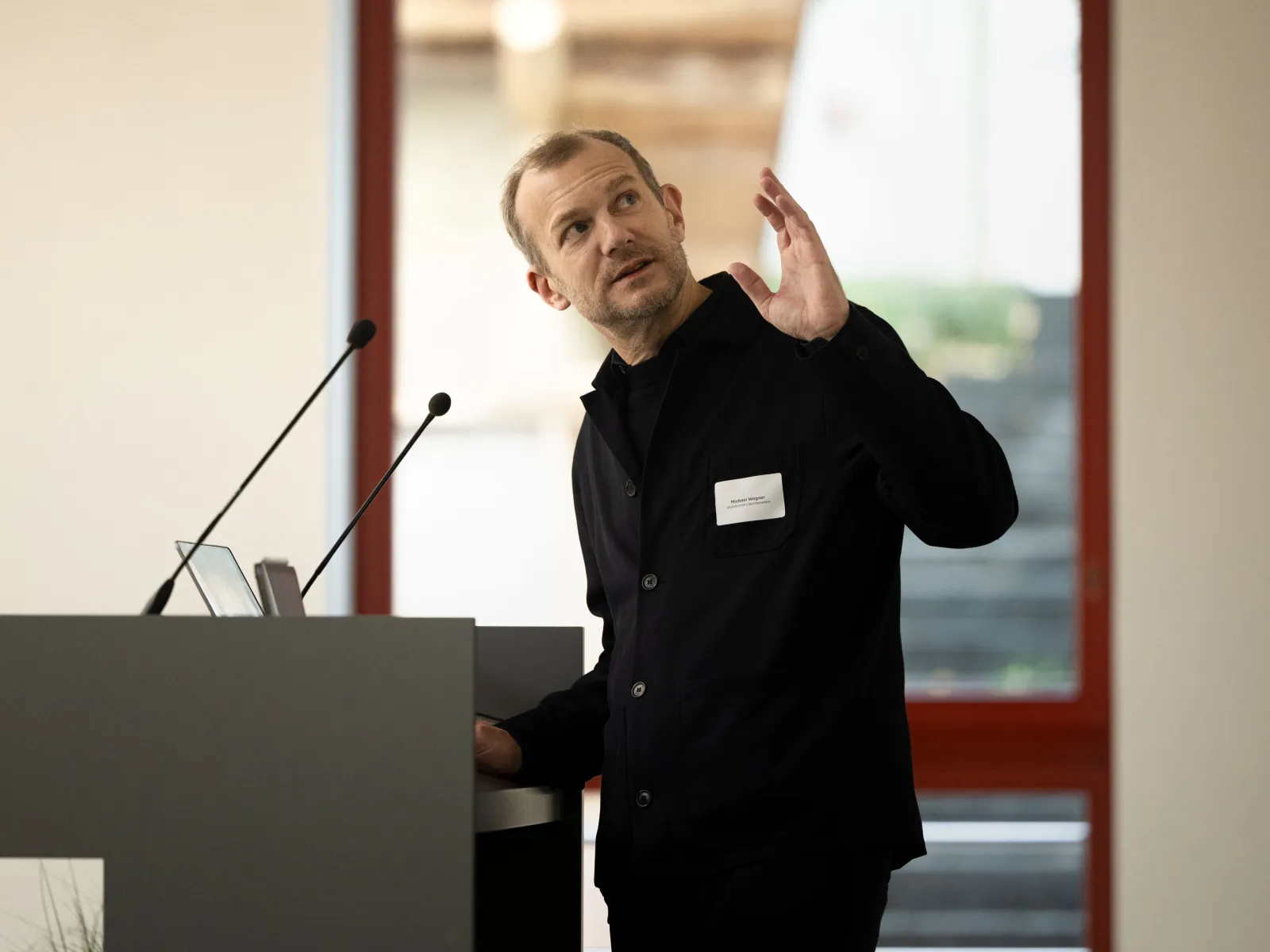
Michael Wagner, Professor of Architecture and Urban Design at the Liechtenstein School of Architecture, opened the symposium with an introduction to issues surrounding mobility, spatial planning and quality of life in the Rhine Valley.

Keynote by Kees Christiaanse

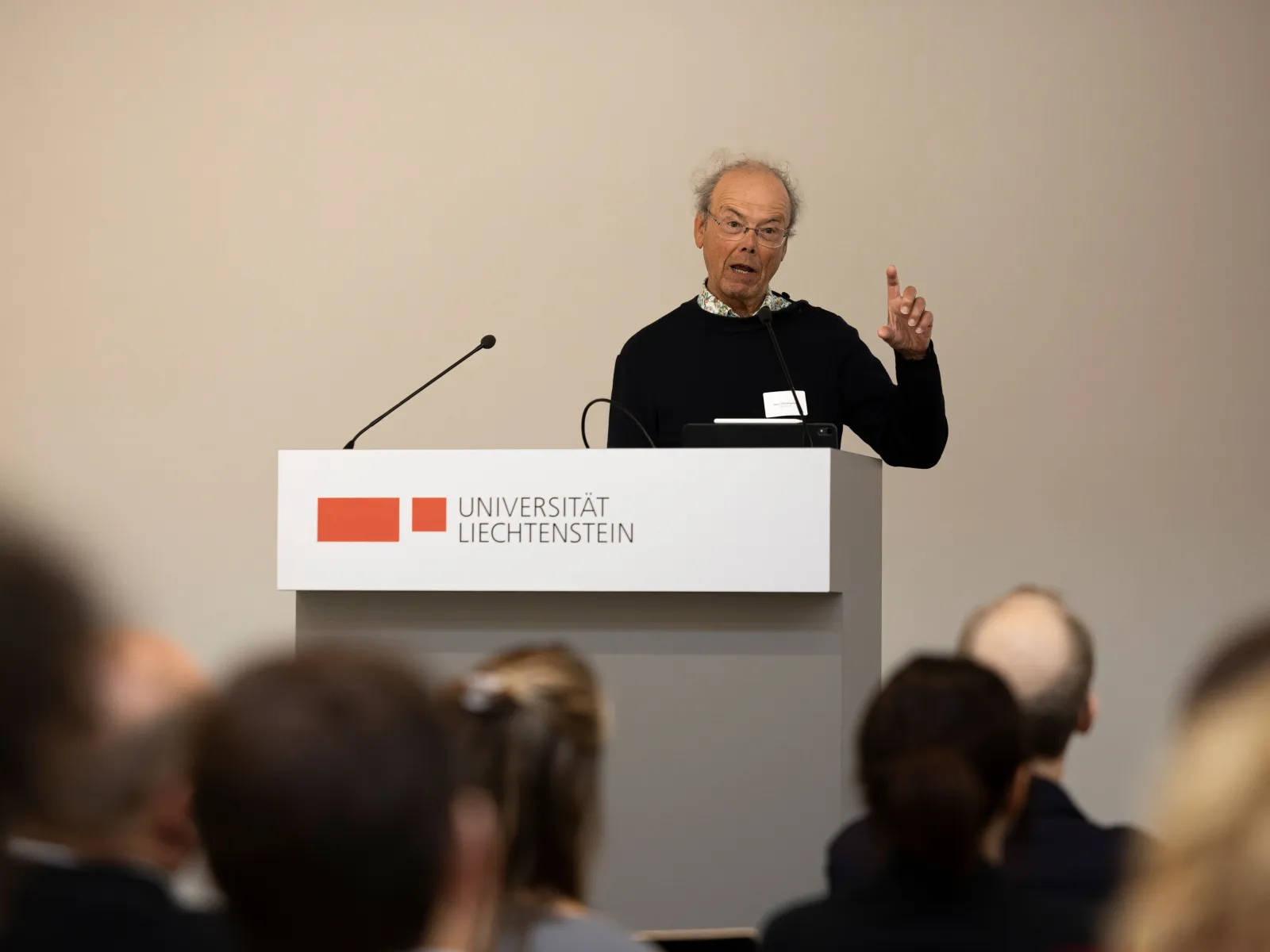
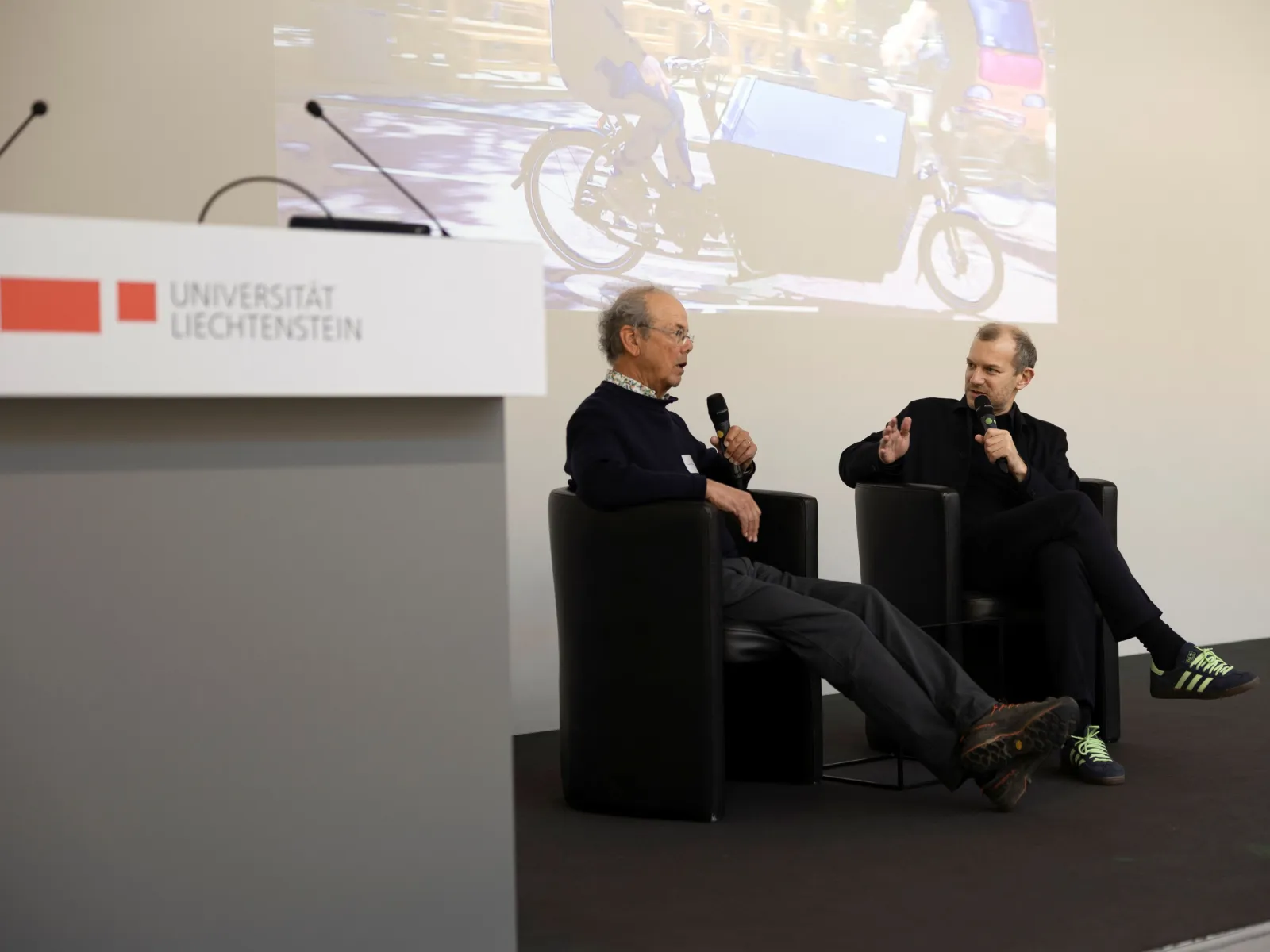
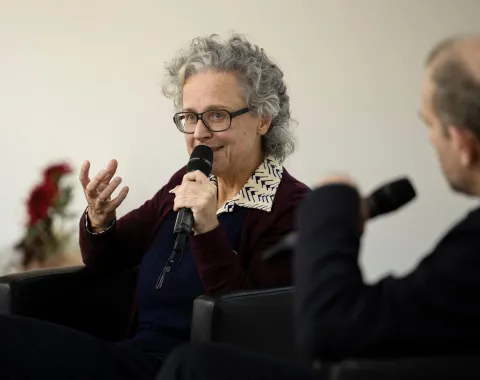
A highlight of the event was the keynote by Kees Christiaanse, Professor Emeritus of Architecture and Urban Design at ETH Zurich. In his lecture, he illustrated the interrelations between urban development and mobility and discussed strategies for future-oriented urban and peri-urban environments in which shorter distances, mixed uses and a reduction in car dependency play a central role.

Expert Contributions from Research and Practice

Throughout the day, speakers from research and practice presented different perspectives on the X-Minute City and its applicability to less densely populated areas.
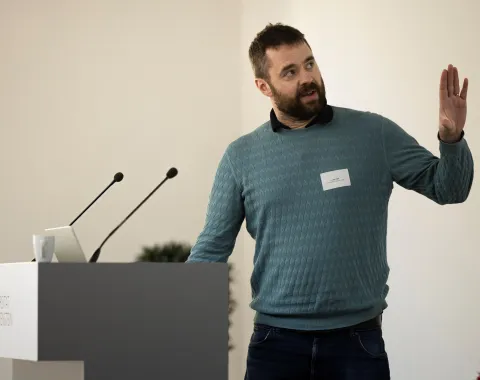
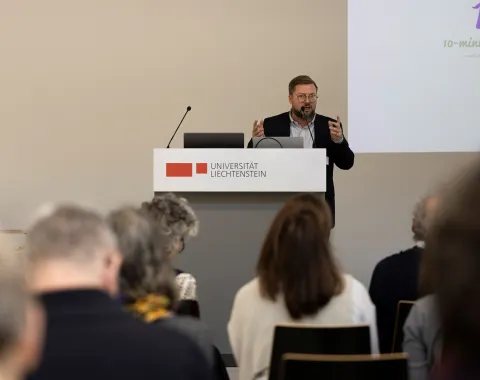
Benjamin Buettner (TU Munich) outlined the current discourse landscape on the X-Minute City and showed how the concept is being adopted and further developed in various international contexts.
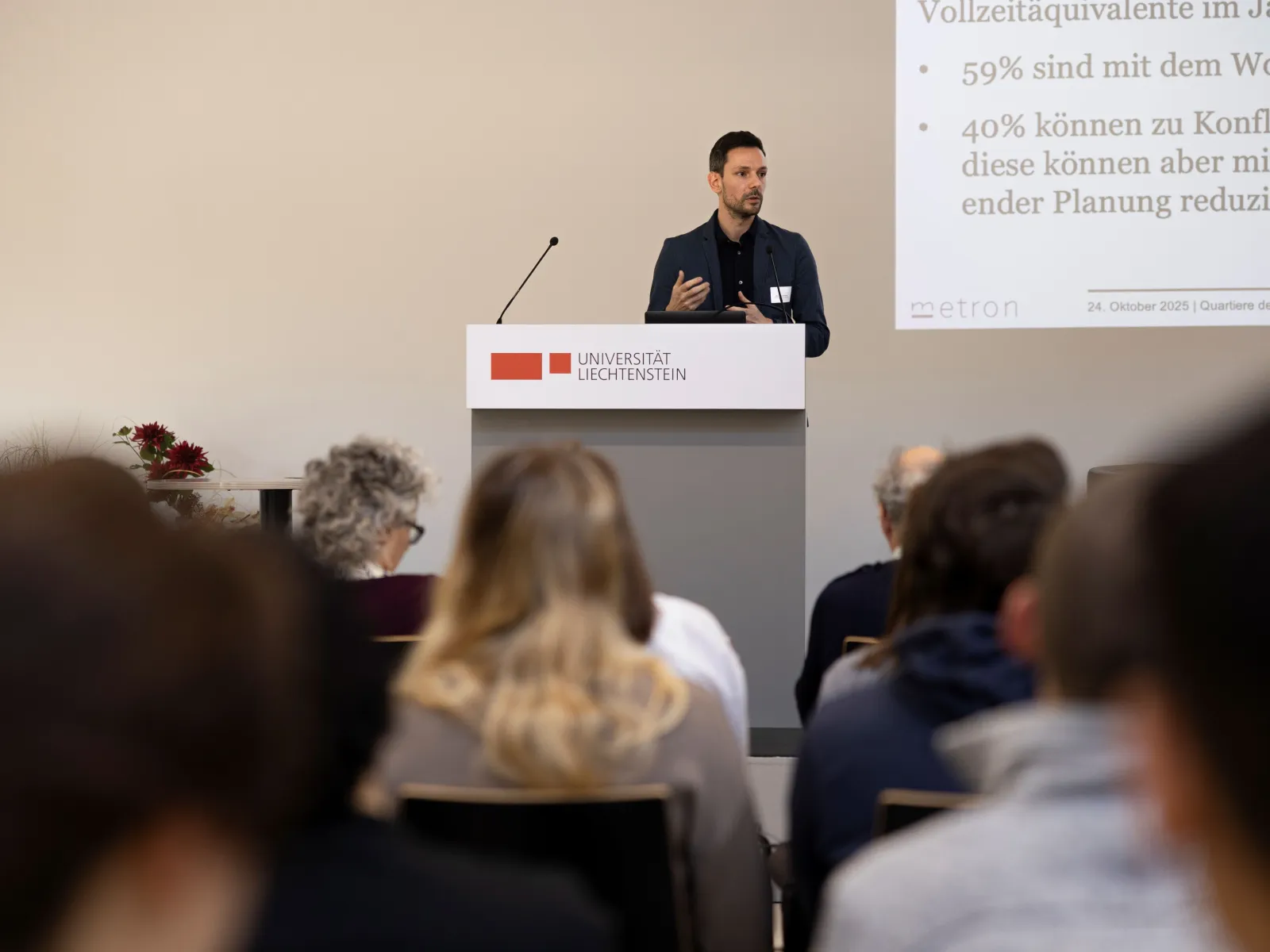
Giovanni Di Carlo (Metron Spatial Development AG) explained, using concrete projects, how “neighbourhoods of short distances” can be planned and implemented.
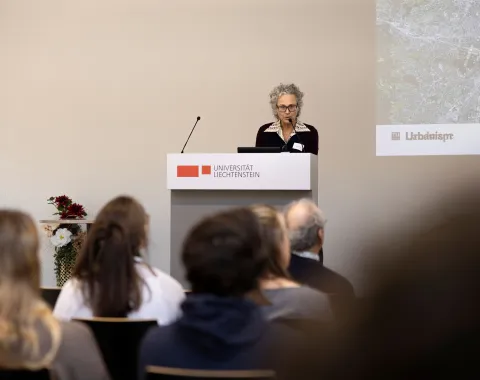
Angelika Psenner (TU Vienna) presented approaches for reorganising urban fringe areas and densifying existing structures under the title “EMC2 – The Evolutive Meshed Compact City”.
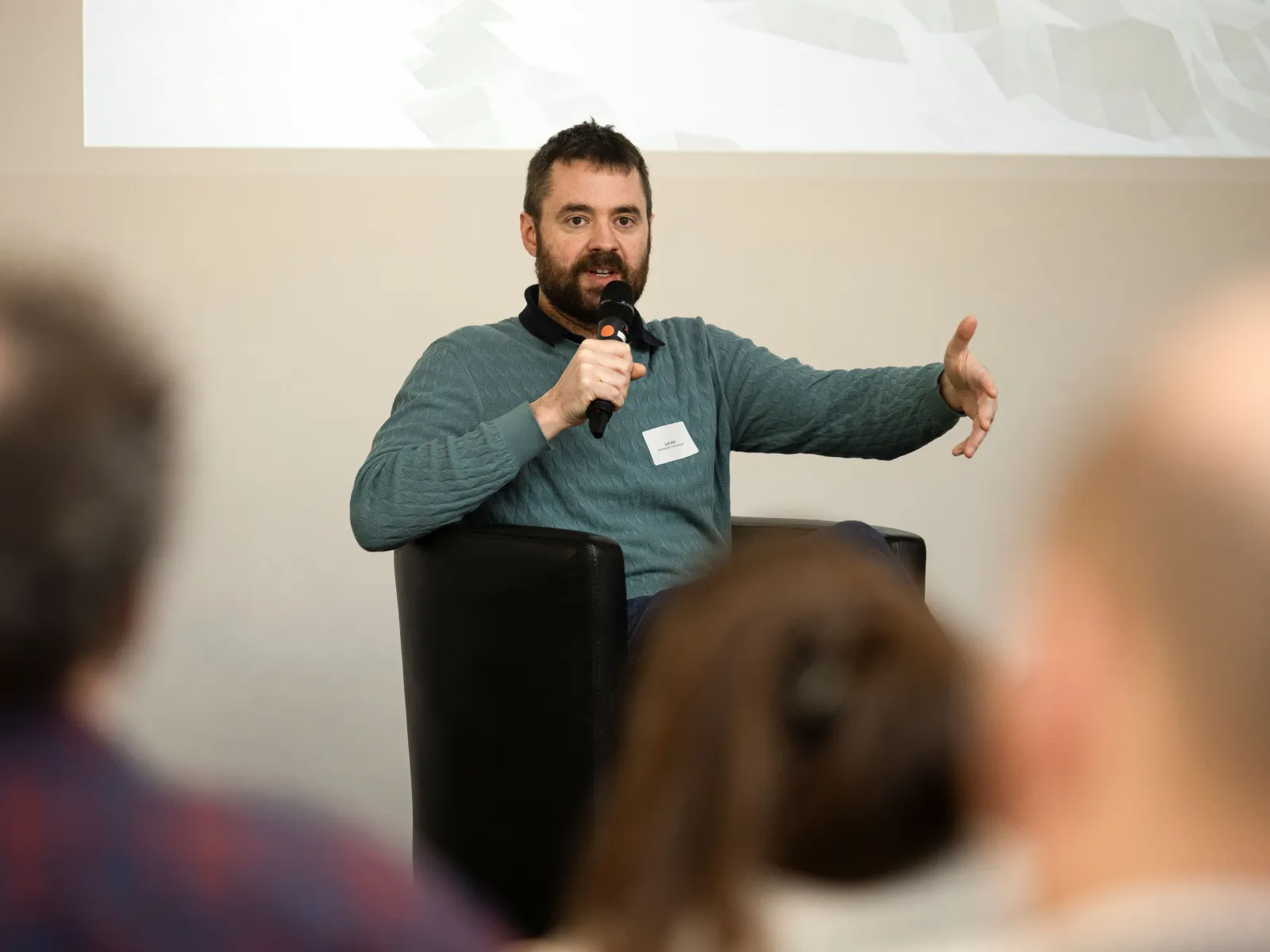
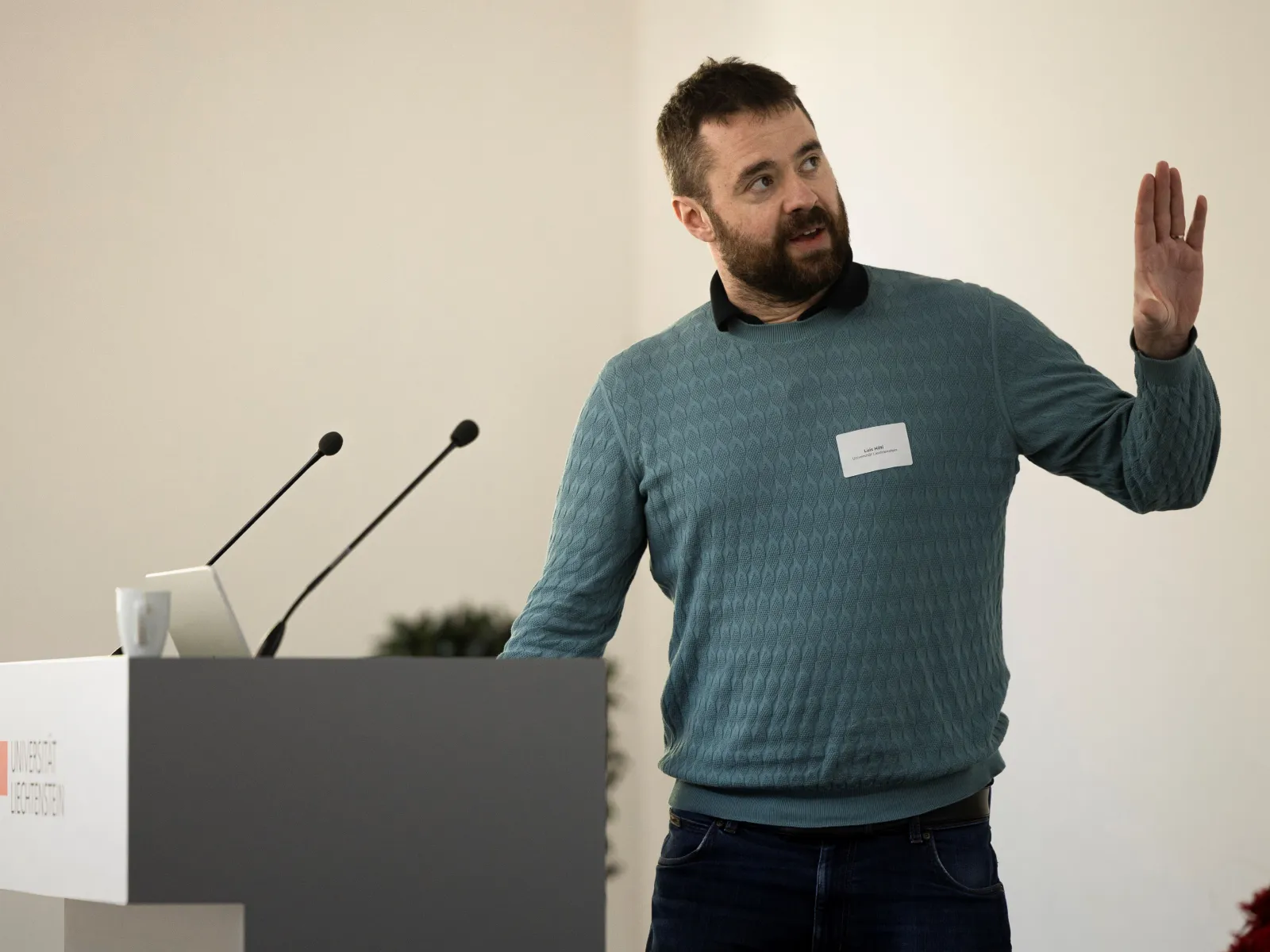
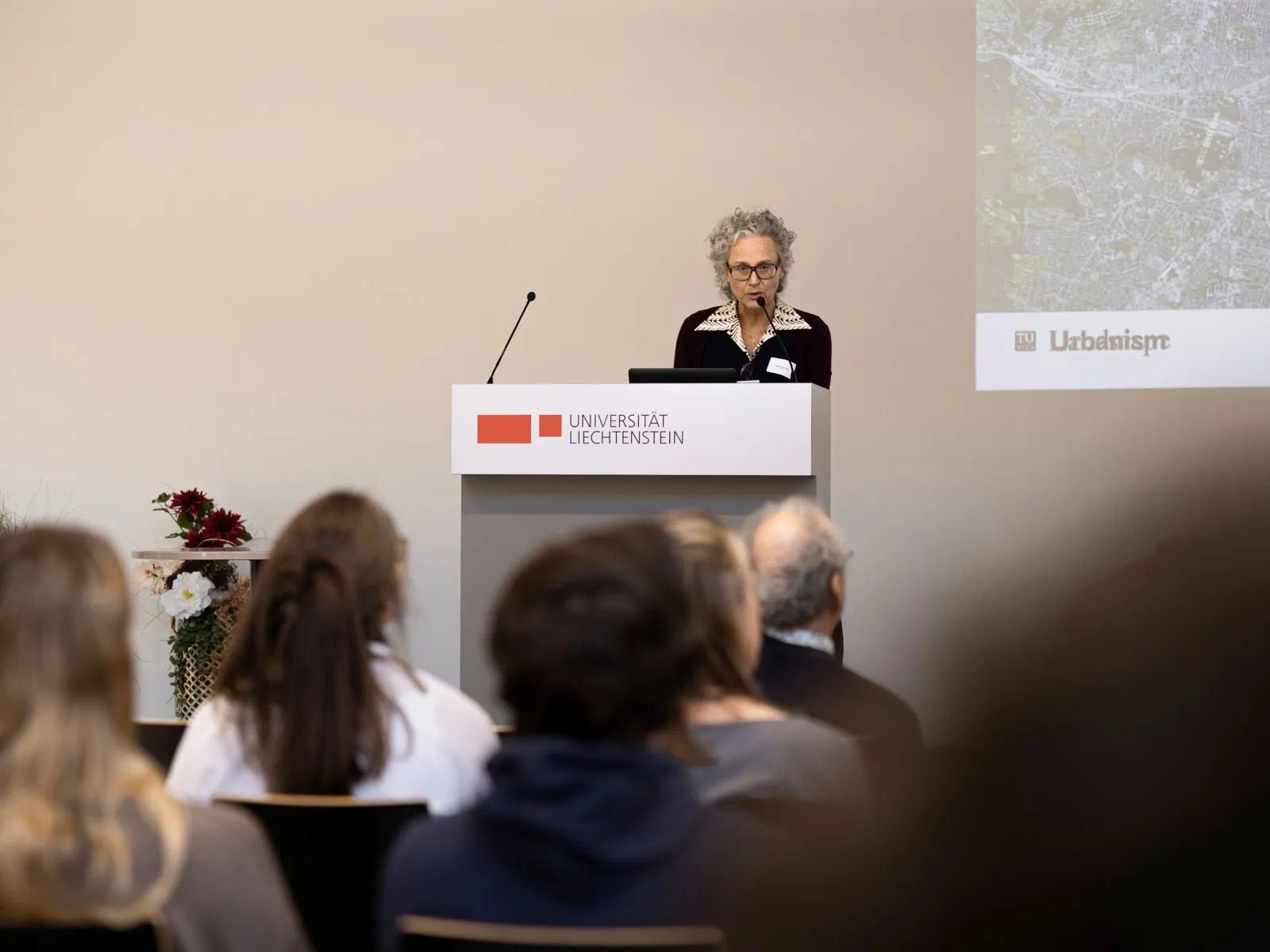
Luis Hilti (University of Liechtenstein) introduced the vitality analysis in the Rhine Valley and demonstrated how the provision and accessibility of everyday functions are mapped in order to analyse car dependency in the Rhine Valley in a differentiated manner.

Panel Discussion and Outlook

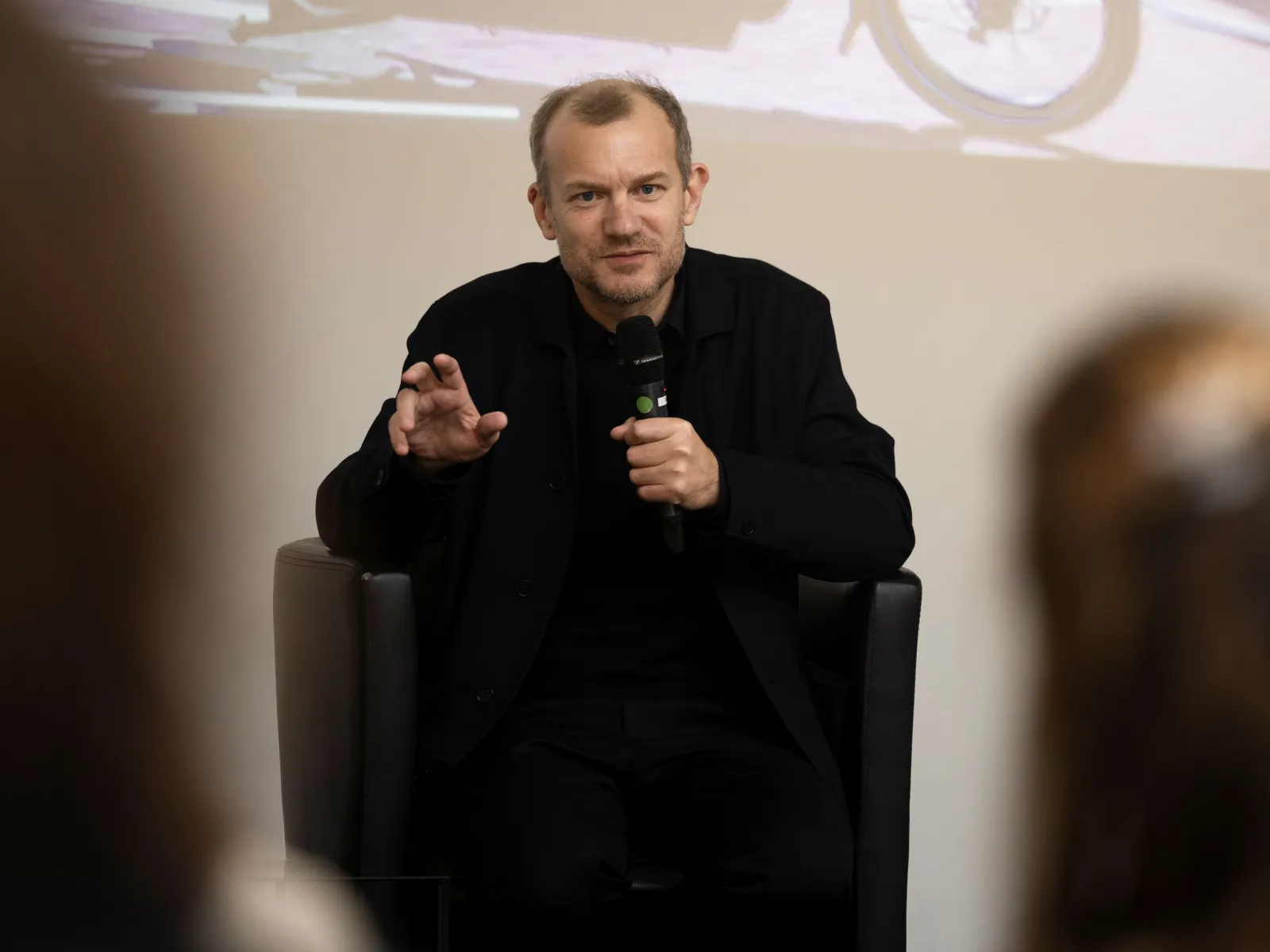
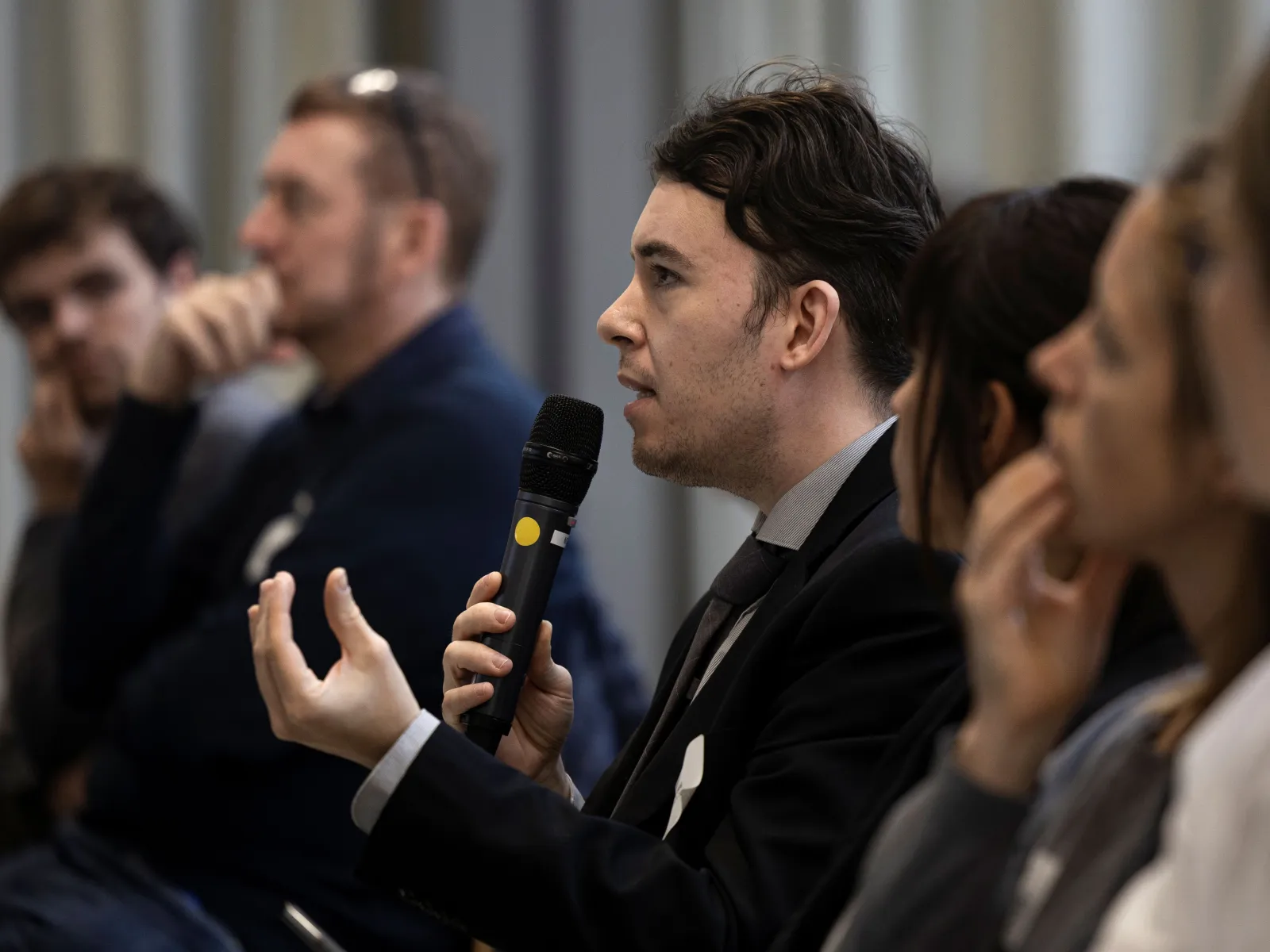
In a concluding panel discussion, Buettner, Christiaanse, Di Carlo, Psenner and Hilti – moderated by Michael Wagner – discussed planning and political implications arising from the approaches presented. Central topics included questions of fairer mobility, the role of spatial planning in reducing motorised private transport, and the creation of liveable neighbourhoods in the context of low to medium settlement densities.

The symposium made clear that the academic perspective on the currently highly car-oriented settlement structure in the Rhine Valley can make an important contribution to the public debate. The findings of the FFF-funded vitality analysis project will provide further foundations for discussions and decisions in spatial and transport policy in the Rhine Valley in the coming years.

The event took place as part of the FFF research project “Vitality Analysis in the Rhine Valley – The X-Minute City in the Context of Low to Medium Settlement Density”.

More information on the research project and on the Urban Design & Spatial Development Unit.


Am Freitag, 24. Oktober 2025, fand an der Universität Liechtenstein das Symposium «Freiheit oder Zwang? Mobilität und Alltag jenseits der Stadt» statt. Rund 30 Fachgäste aus Wissenschaft, Planung und Wirtschaft nahmen im Auditorium der Universität an der ganztägigen Veranstaltung teil. 

X-Minuten-Stadt im Fokus

Im Mittelpunkt stand die Frage, wie sich das Konzept der sogenannten X-Minuten-Stadt – auch bekannt als Stadt der kurzen Wege – auf Regionen mit geringer bis mittlerer Siedlungsdichte wie das Rheintal übertragen lässt. Bereits im Vorfeld war in der regionalen Presse die starke Ausrichtung des Landes auf den motorisierten Individualverkehr und die damit verbundenen raumplanerischen Herausforderungen thematisiert worden.

Michael Wagner, Professor für Architektur und Städtebau an der Liechtenstein School of Architecture, eröffnete das Symposium mit einer Einführung in Fragestellungen rund um Mobilität, Raumplanung und Lebensqualität im Rheintal.

Keynote von Kees Christiaanse

Ein Höhepunkt der Veranstaltung war die Keynote von Kees Christiaanse, emeritierter Professor für Architektur und Städtebau an der ETH Zürich. In seinem Vortrag zeigte er Zusammenhänge zwischen Stadtentwicklung und Mobilität auf und diskutierte Strategien für zukunftsfähige urbane und periurbane Räume, in denen kürzere Wege, Mischnutzungen und eine Reduktion der Autoabhängigkeit eine zentrale Rolle spielen.

Fachbeiträge aus Forschung und Praxis

Im weiteren Verlauf des Tages stellten Referentinnen und Referenten aus Forschung und Praxis unterschiedliche Perspektiven auf die X-Minuten-Stadt und ihre Übertragbarkeit auf weniger dicht besiedelte Räume vor. Benjamin Büttner (TU München) zeichnete die aktuelle Diskurslandschaft zur X-Minuten-Stadt nach und zeigte, wie das Konzept in verschiedenen internationalen Kontexten aufgenommen und weiterentwickelt wird. Giovanni Di Carlo (Metron Raumentwicklung AG) erläuterte anhand konkreter Projekte, wie «Quartiere der kurzen Wege» geplant und umgesetzt werden können. Angelika Psenner (TU Wien) präsentierte unter dem Titel «EMC2 – The Evolutive Meshed Compact City» Ansätze zur Reorganisation von Stadtrandlagen und zur Verdichtung bestehender Strukturen. Luis Hilti (Universität Liechtenstein) führte in die Vitalitätsanalyse im Rheintal ein und stellte vor, wie Angebot und Erreichbarkeit alltäglicher Funktionen kartiert werden, um die Abhängigkeit vom Auto im Rheintal differenziert zu analysieren.

Podiumsgespräch und Ausblick

In einem abschliessenden Podiumsgespräch diskutierten Büttner, Christiaanse, Di Carlo, Psenner und Hilti unter Moderation von Michael Wagner über planerische und politische Konsequenzen aus den präsentierten Ansätzen. Im Vordergrund standen Fragen nach gerechterer Mobilität, der Rolle der Raumplanung bei der Reduktion des motorisierten Individualverkehrs und der Gestaltung lebenswerter Quartiere im Kontext geringer bis mittlerer Siedlungsdichten.

Das Symposium machte deutlich, dass die wissenschaftliche Perspektive auf die derzeit stark autoorientierte Siedlungsstruktur im Rheintal einen wichtigen Beitrag zur öffentlichen Debatte leisten kann. Die Ergebnisse des FFF-Förderprojekts zur Vitalitätsanalyse sollen in den kommenden Jahren weitere Grundlagen für Diskussionen und Entscheidungen in Raum- und Verkehrspolitik im Rheintal liefern.

Die Veranstaltung fand im Rahmen des FFF-Forschungsprojekts «Vitalitätsanalyse im Rheintal – Die X-Minuten-Stadt im Kontext geringer bis mittlerer Siedlungsdichte» statt. 

Mehr Infos zum Forschungsprojekt und zur Fachgruppe Städtebau & Raumentwicklung 

Podiumsdiskussion von sechs Personen

The World as a Place of Learning: Excursion Week for Architecture Students

The World as a Place of Learning: Excursion Week for Architecture Students

Gruppe Menschen vor einem grossen Salzberg

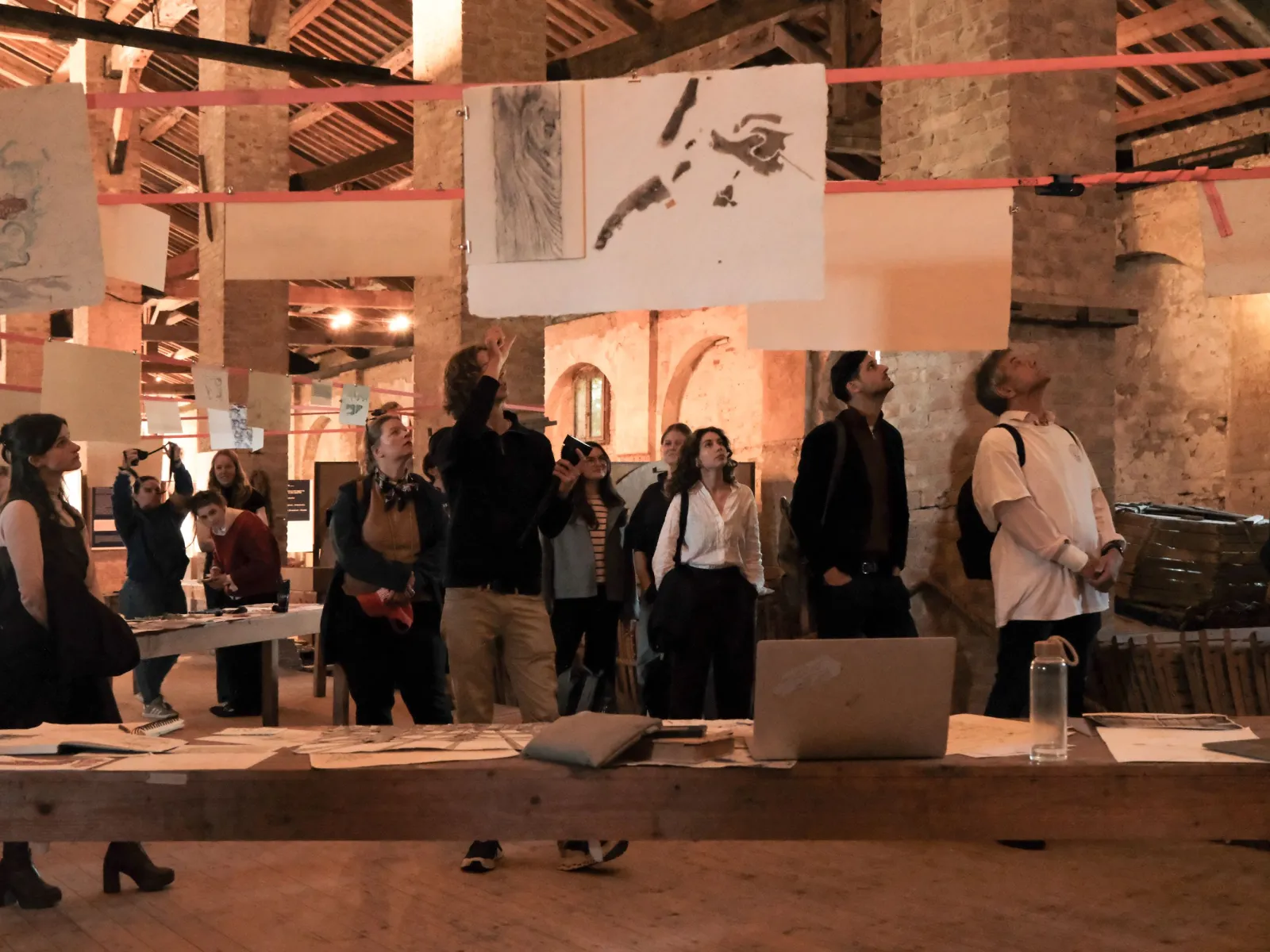
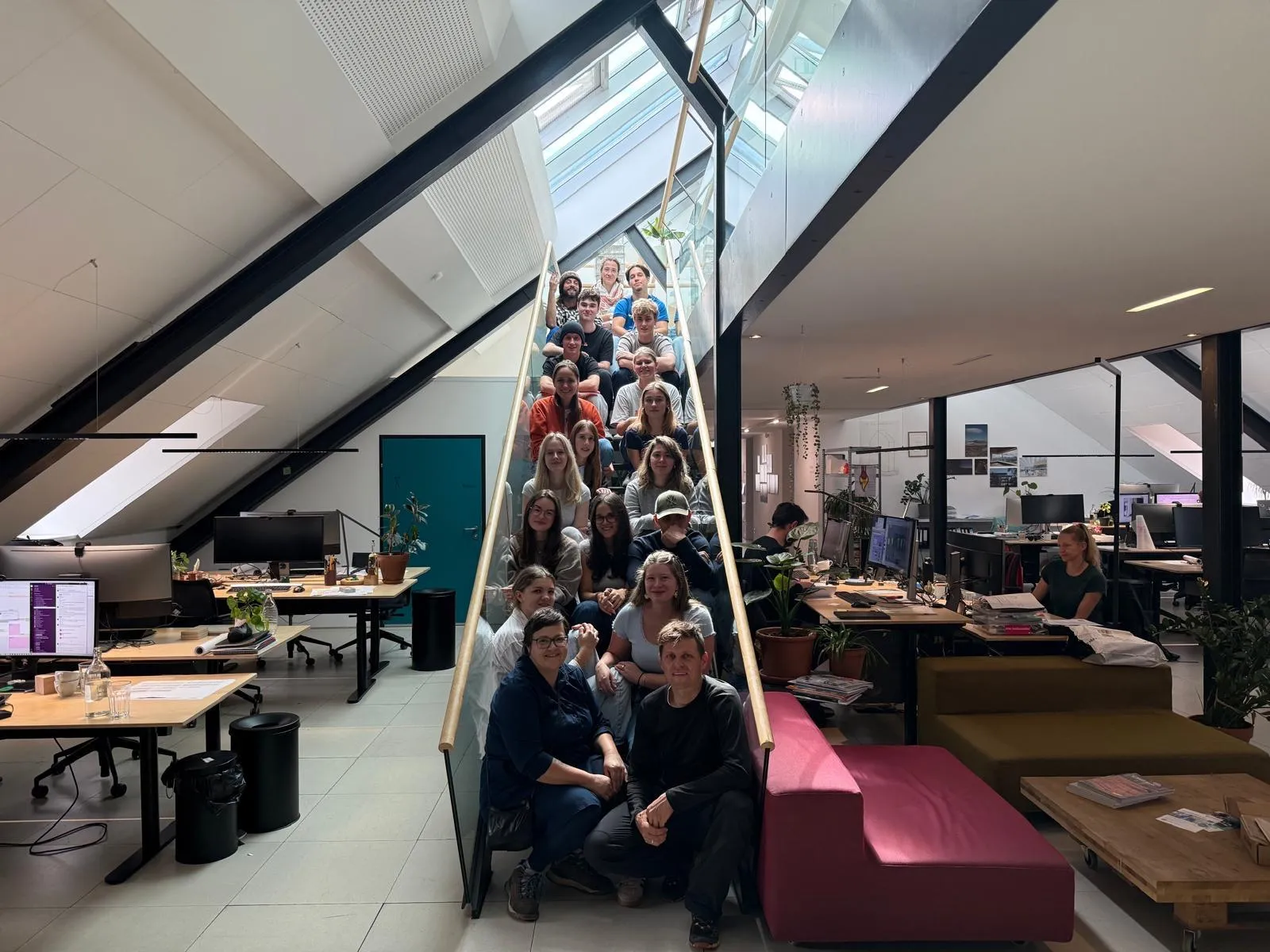
Every semester, the Liechtenstein School of Architecture sets out on a week-long excursion that becomes one of the most formative moments for many students. For one week, learning moves out of the studio and into real landscapes, cities, and cultural environments. The places visited are closely connected to the design topics of the studios and create a foundation for a learning process that links observation, analysis, and architectural imagination.

The excursions of both the foundation and the advanced studios demonstrate the diversity of architectural education at the University of Liechtenstein. They lead into new territories, open up different perspectives, and sharpen the understanding of how architecture emerges in relation to space, society, climate, and culture.
 

Foundation Studios (Bachelor, semesters 1–4)
 

Built Heritage & Upcycling – Italy

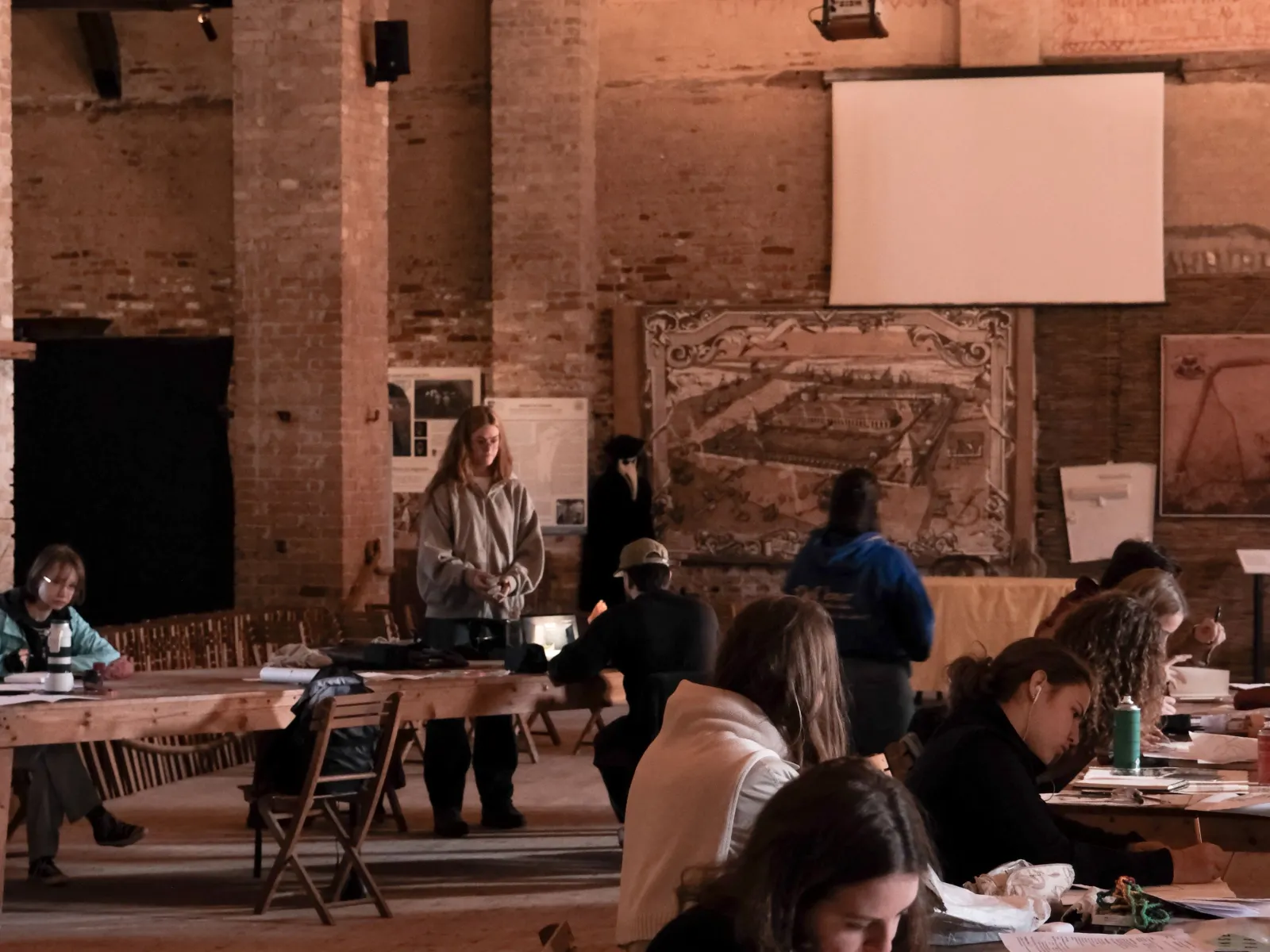
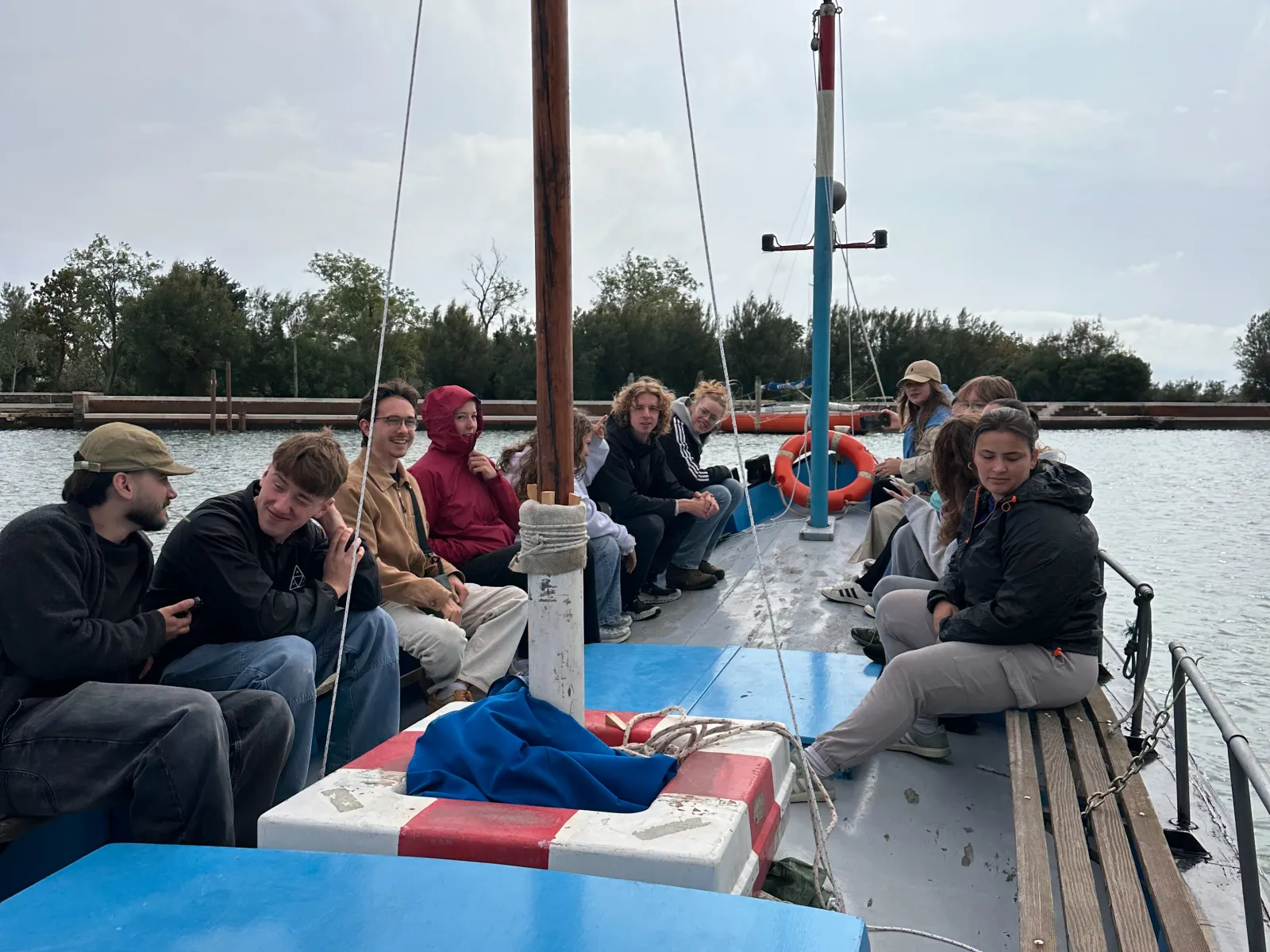
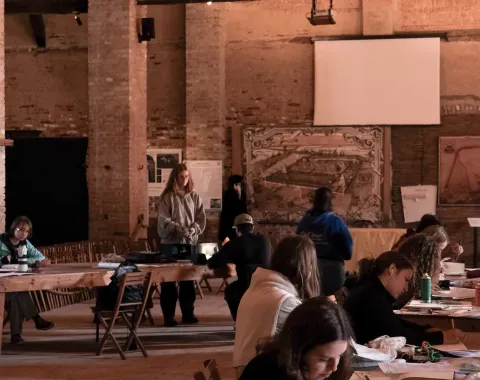
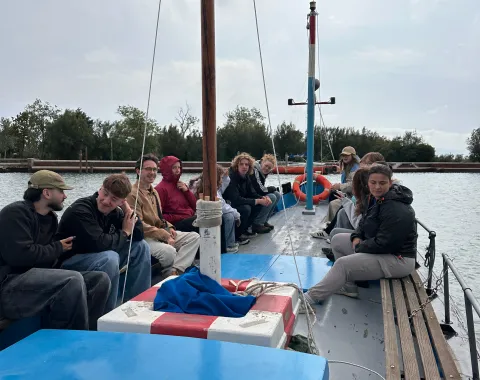
The studio spent its seminar week on the island of Lazzaretto Nuovo in the Venetian lagoon. Students documented the historic ensemble through drawings and photography, exploring its layered architectural fabric. Through workshops and conversations on site, they developed a deeper understanding of transformation as a careful and responsible form of working with existing structures.

Craft & Structure – Slovenia

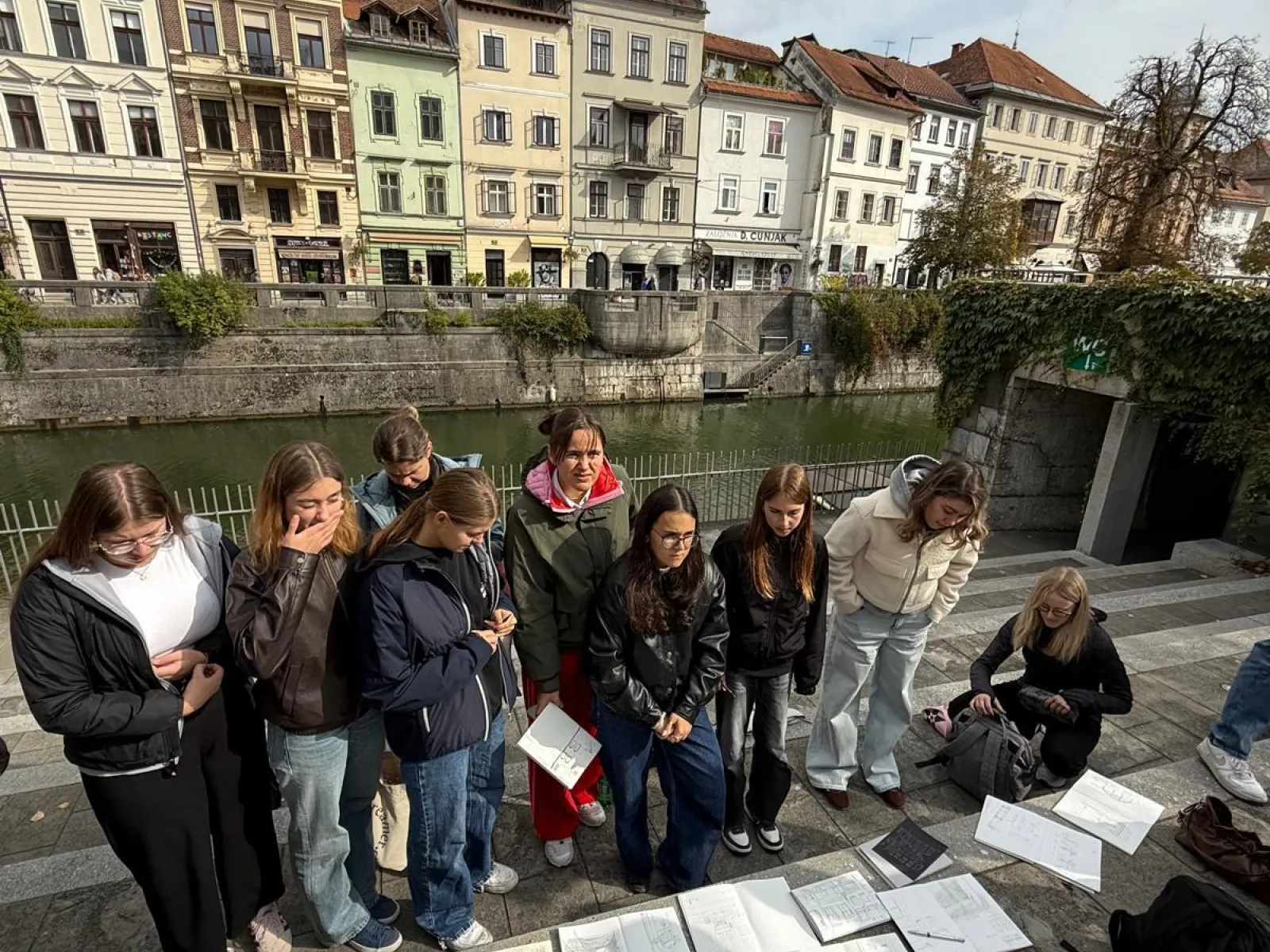
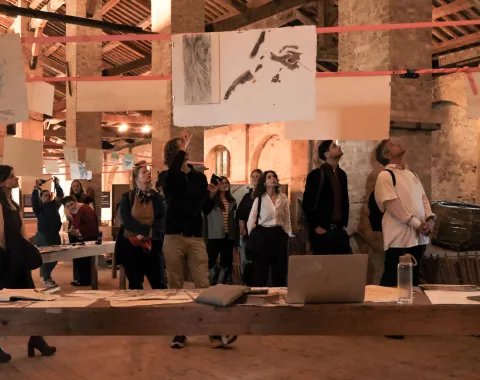
This journey led from alpine valleys through karst landscapes all the way to the Slovenian coast. Along the way, students encountered historic urban structures, contemporary architecture, and characteristic cultural landscapes. A visit to the Venice Architecture Biennale complemented their insights into current positions within the international architectural discourse.

Urban Design & Spatial Development – Spain

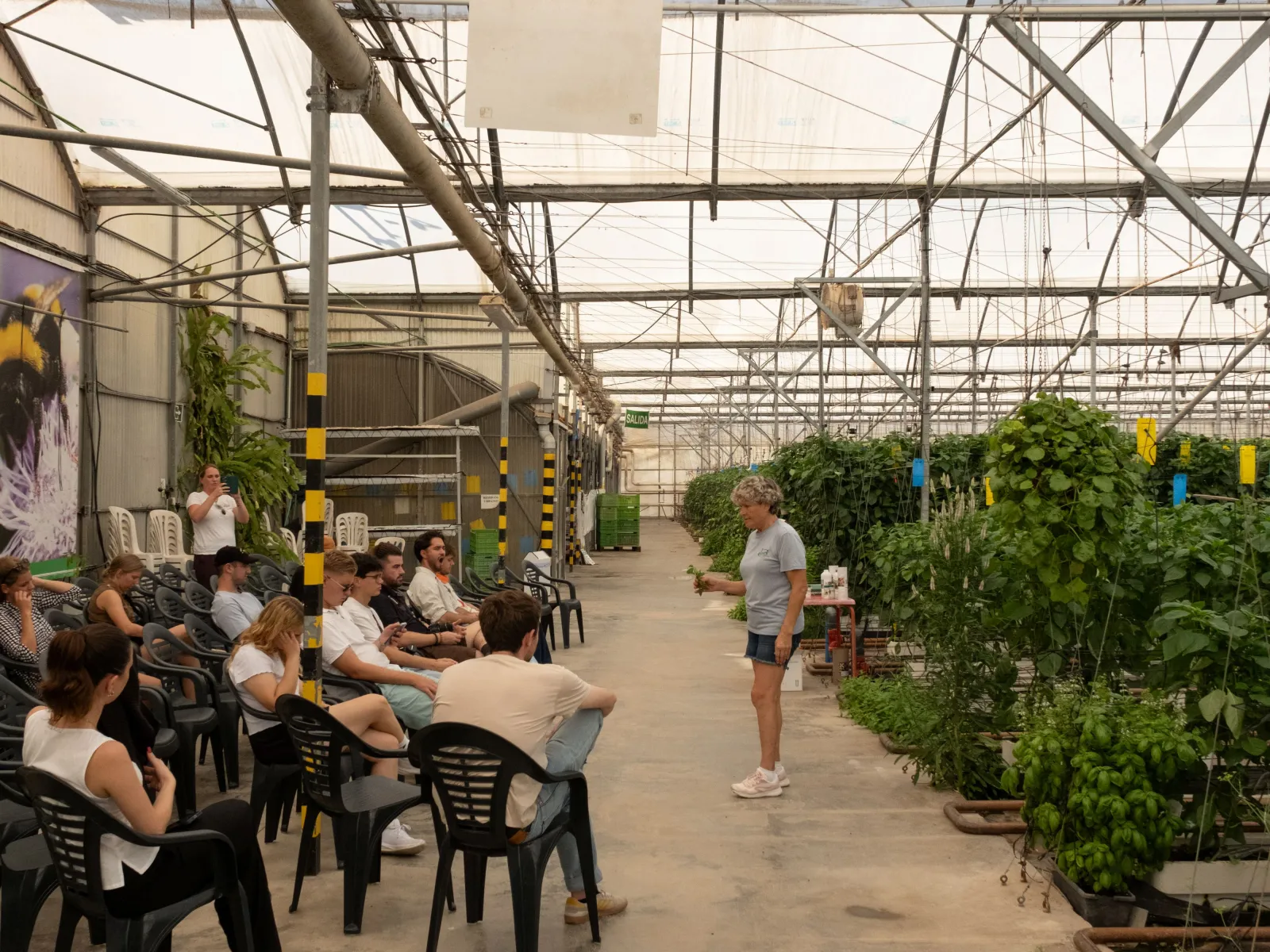
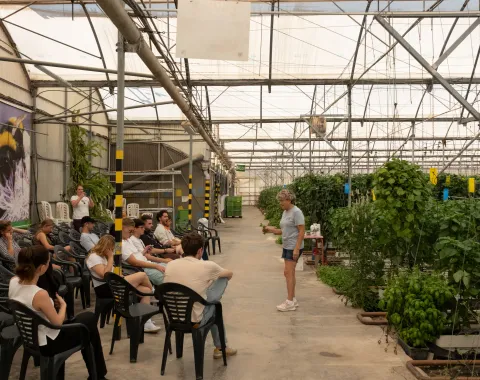
During the seminar week, the studio examined large-scale infrastructures between Madrid and Almería. Students analysed transport systems, energy facilities, and productive landscapes such as the greenhouse territories of Almería. Their observations informed a short documentary film exploring the relationship between infrastructure and space.

Sustainable Design – Portugal

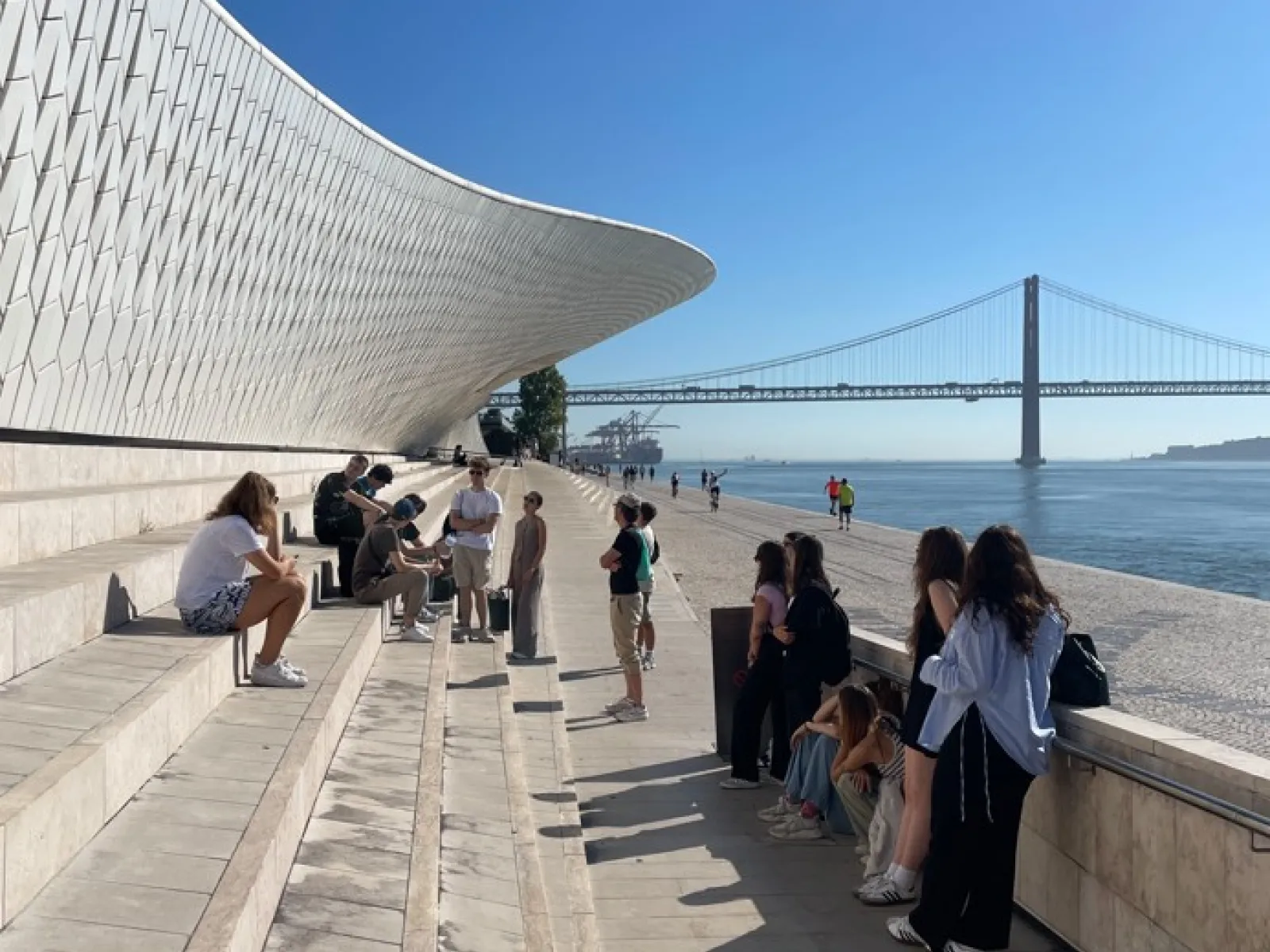
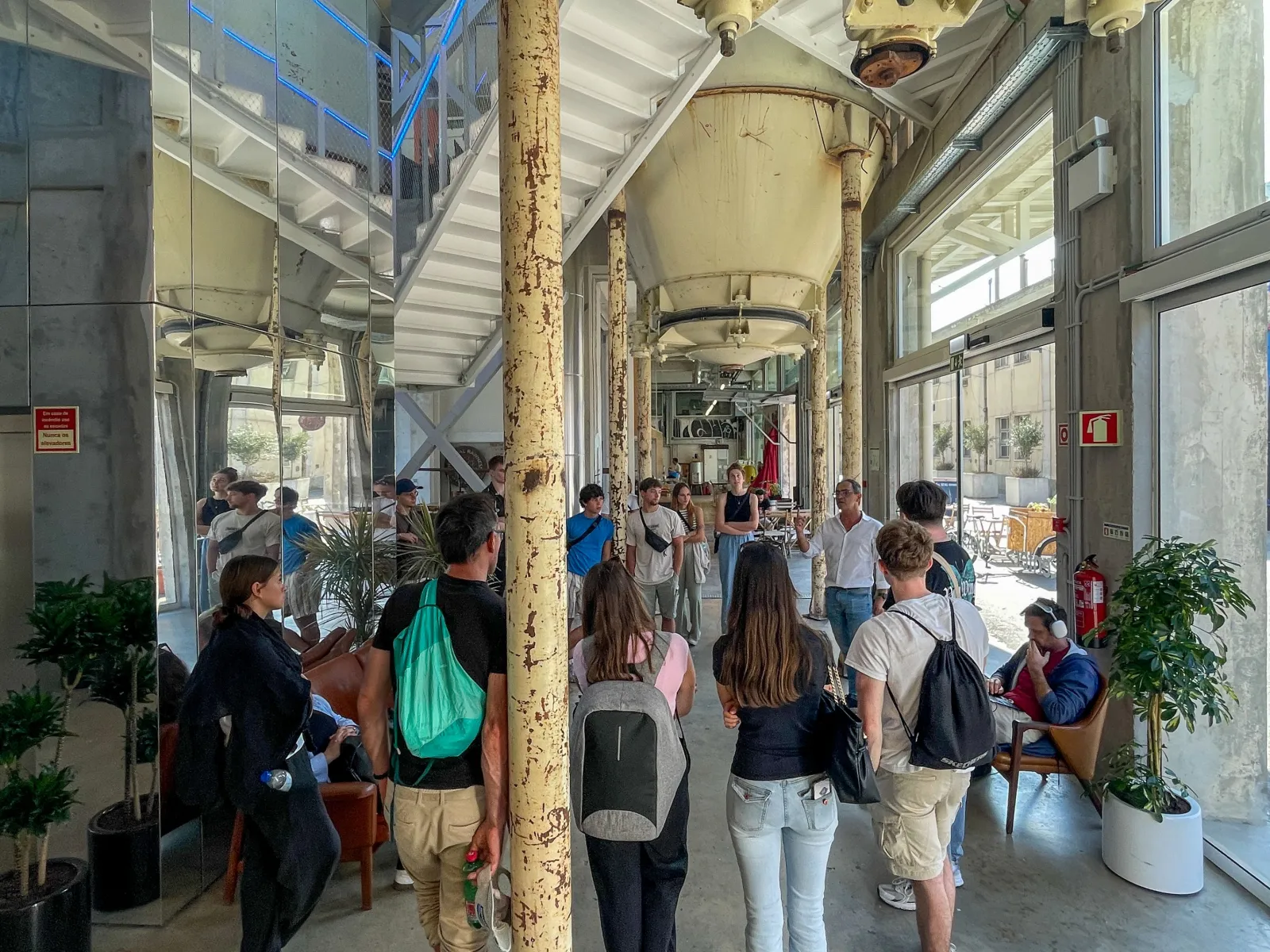
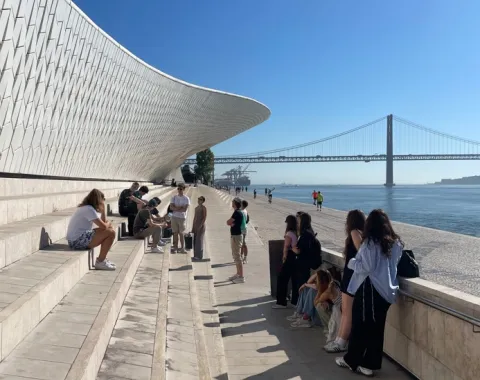
The studio travelled to Portugal to experience a building culture shaped by simple, material-conscious, and climate-responsive strategies. From Lisbon through the Alentejo to places such as Monsaraz and Évora, students explored spaces formed by light, mass, and craftsmanship. Visits to works by Álvaro Siza, Souto de Moura, and Aires Mateus rounded off the journey.
 

Advanced Studios (Bachelor semesters 5–6, Master semesters 1–4)
 

Built Heritage & Upcycling – Netherlands

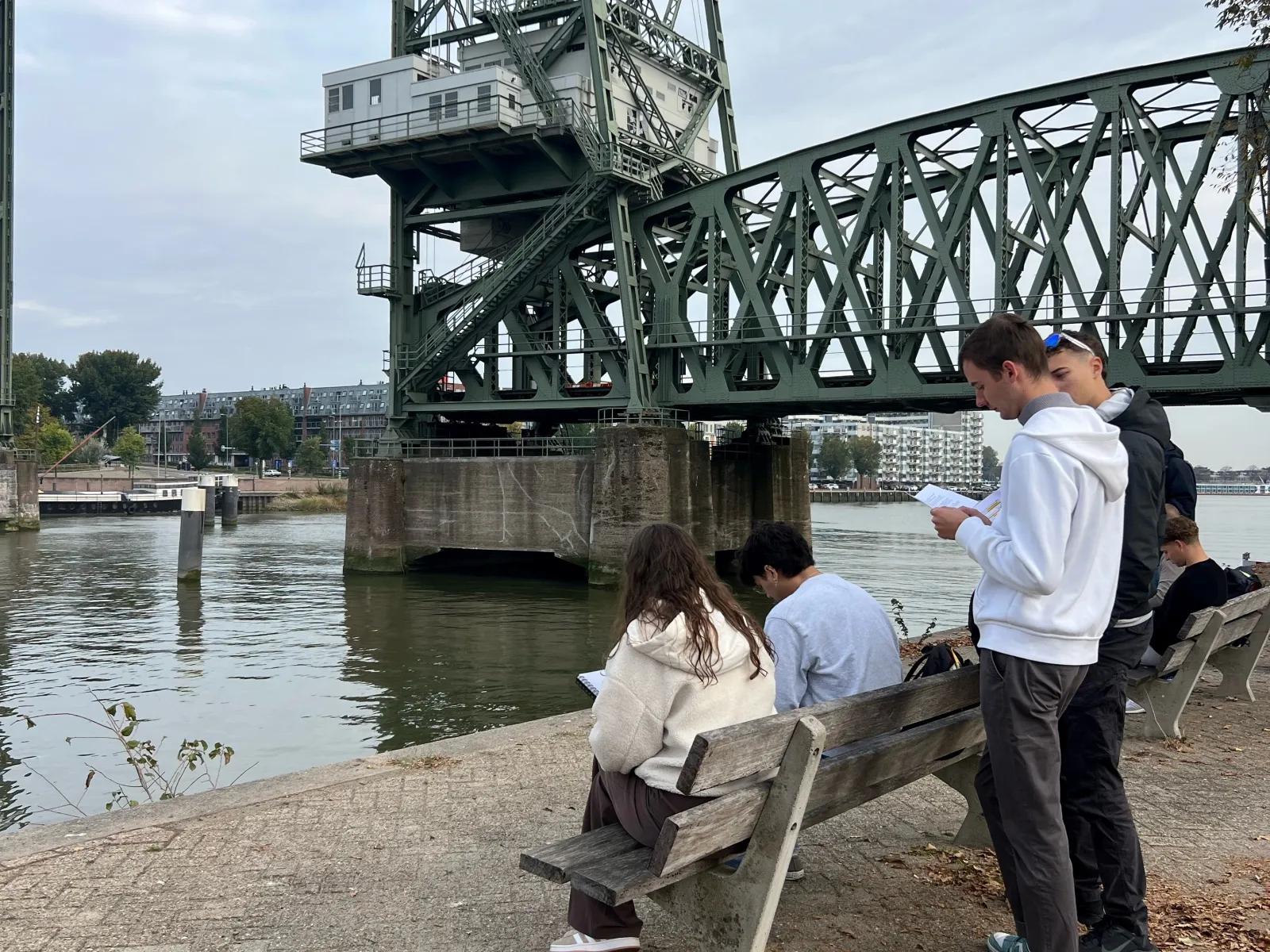
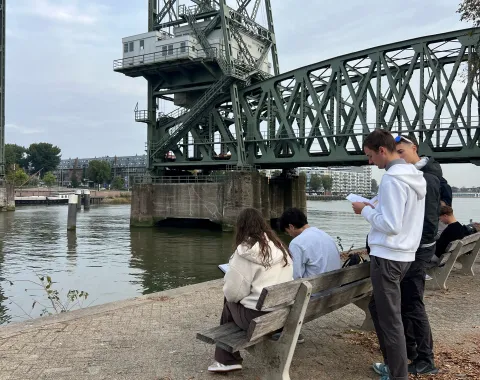
Engaging with large steel structures took the students to Rotterdam and the surrounding region. Through visits to various steel construction projects, they gained insights into the creation of cruise ships, a floating farm, historic harbor structures, and modern bridges. These examples served as inspiration for the question of how decommissioned ski lift installations in the Alpine region can be reinterpreted and further developed.

Craft & Structure – Sweden

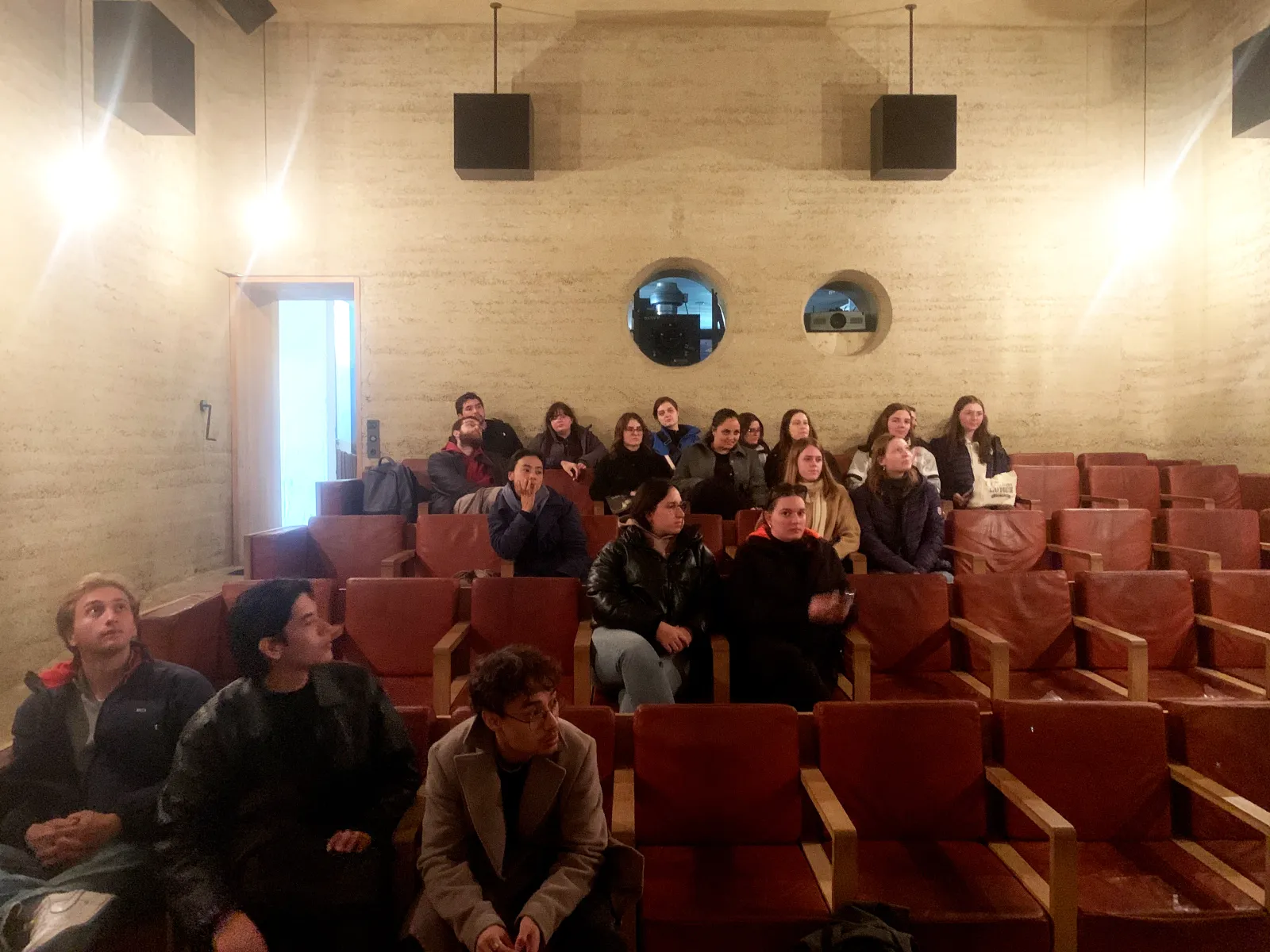
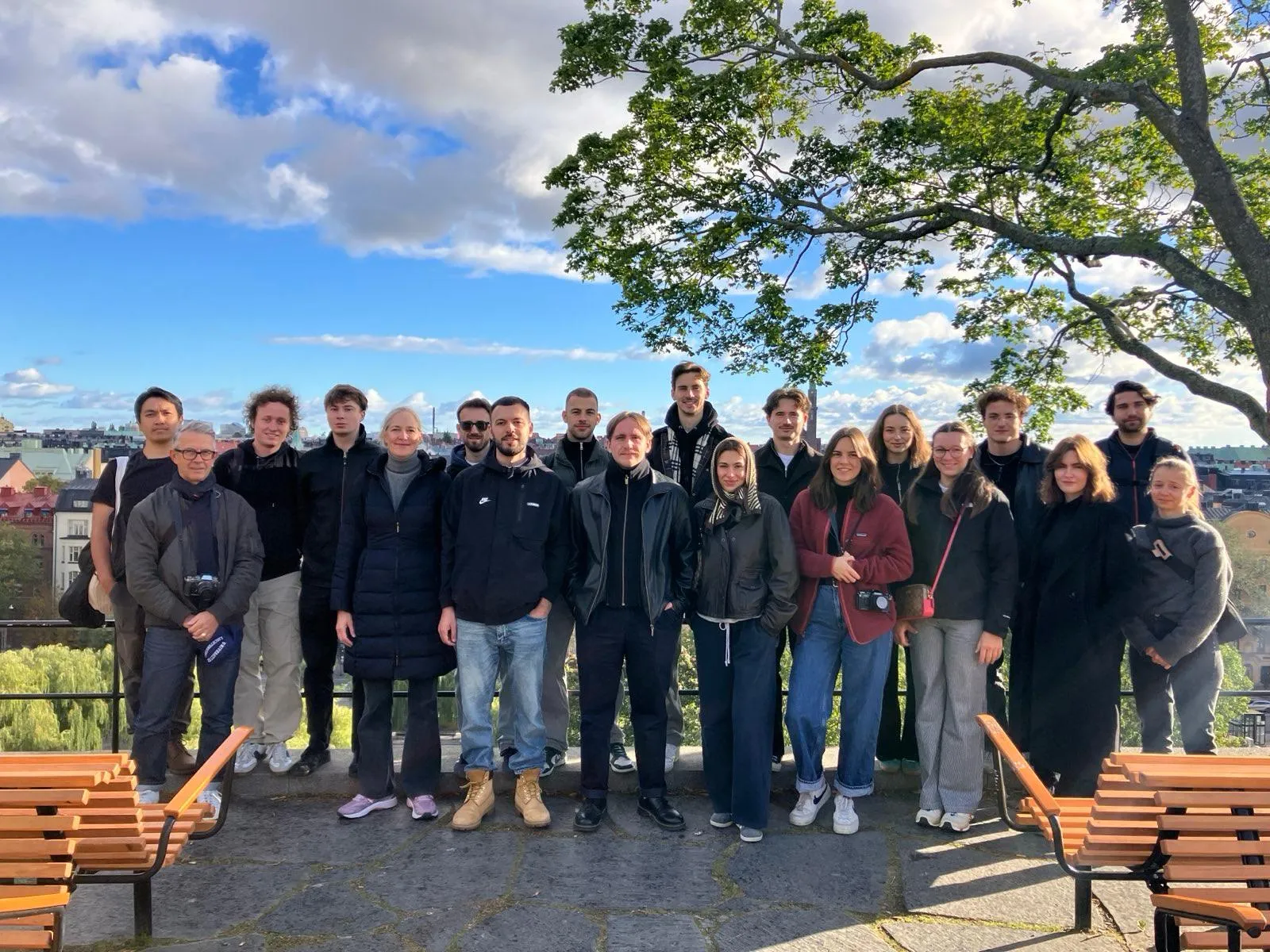
This studio devoted its seminar week to the architectural culture of Sweden. Encounters with buildings by Sigurd Lewerentz and Gunnar Asplund gave students insight into an architecture shaped by material, light, and precise craftsmanship. The journey offered an intense experience of spaces defined by calm, clarity, and a disciplined design attitude.

Urban Design & Spatial Development – Switzerland

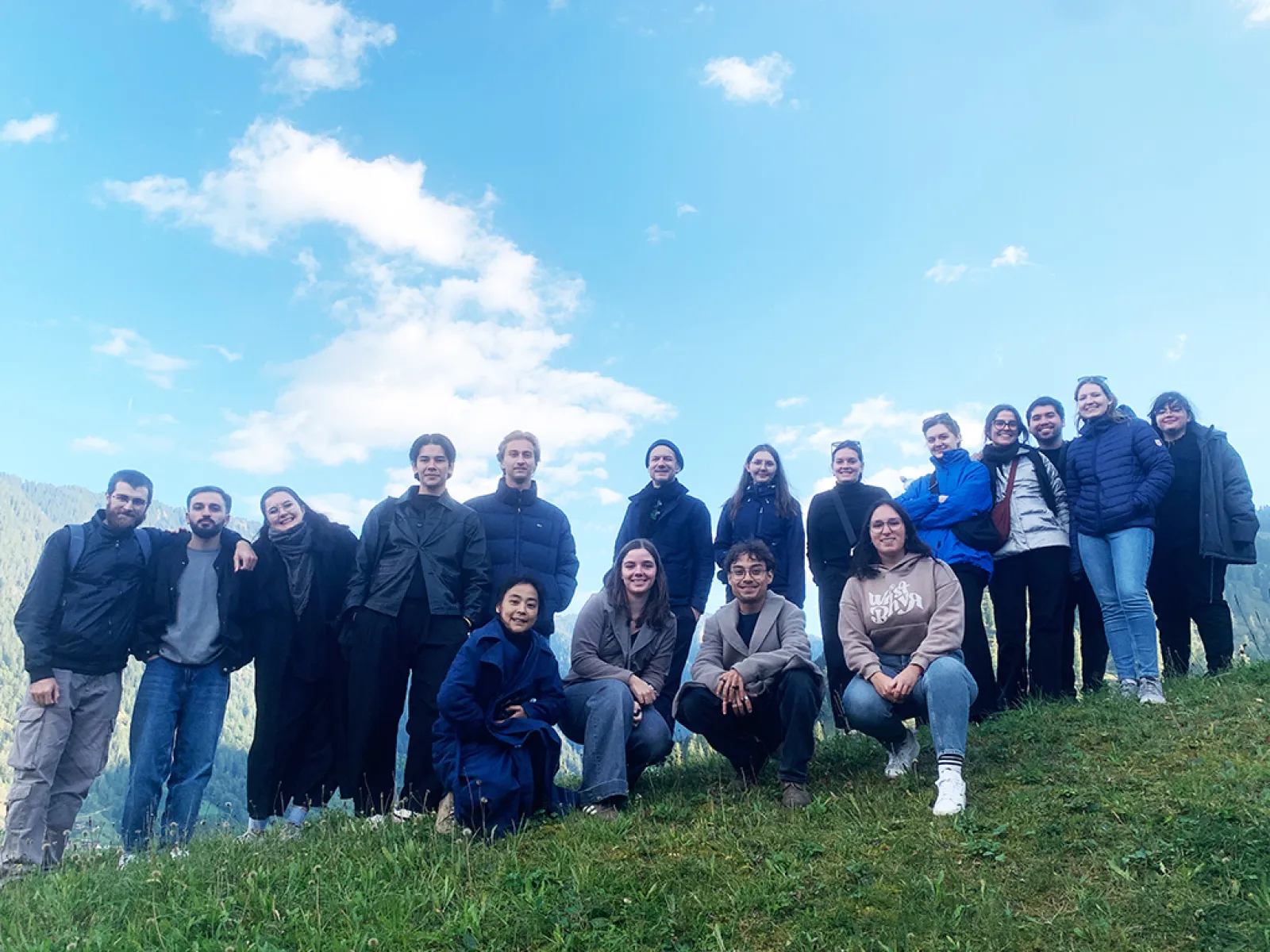
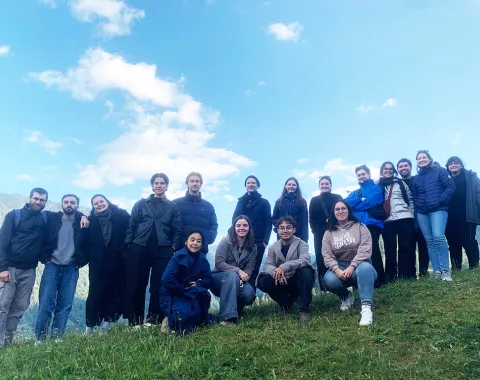
In Feldis, a small mountain village on a sunny terrace above the Hinterrhein valley, the studio explored questions of spatial development in the Alpine region. The week included spatial analyses, conversations with residents, and early design scenarios addressing the future of village life and landscape transformation.

Sustainable Design – United Kingdom

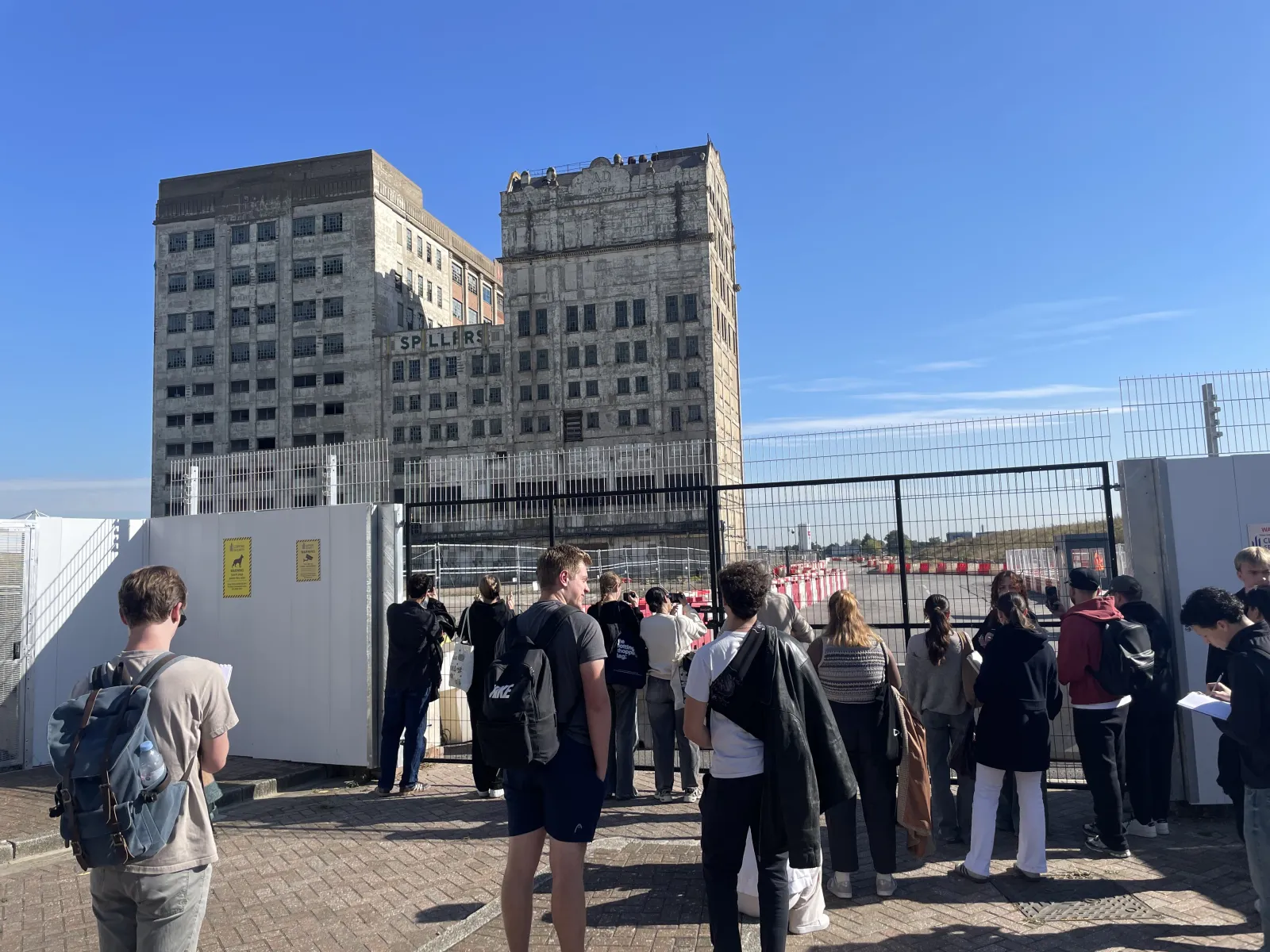
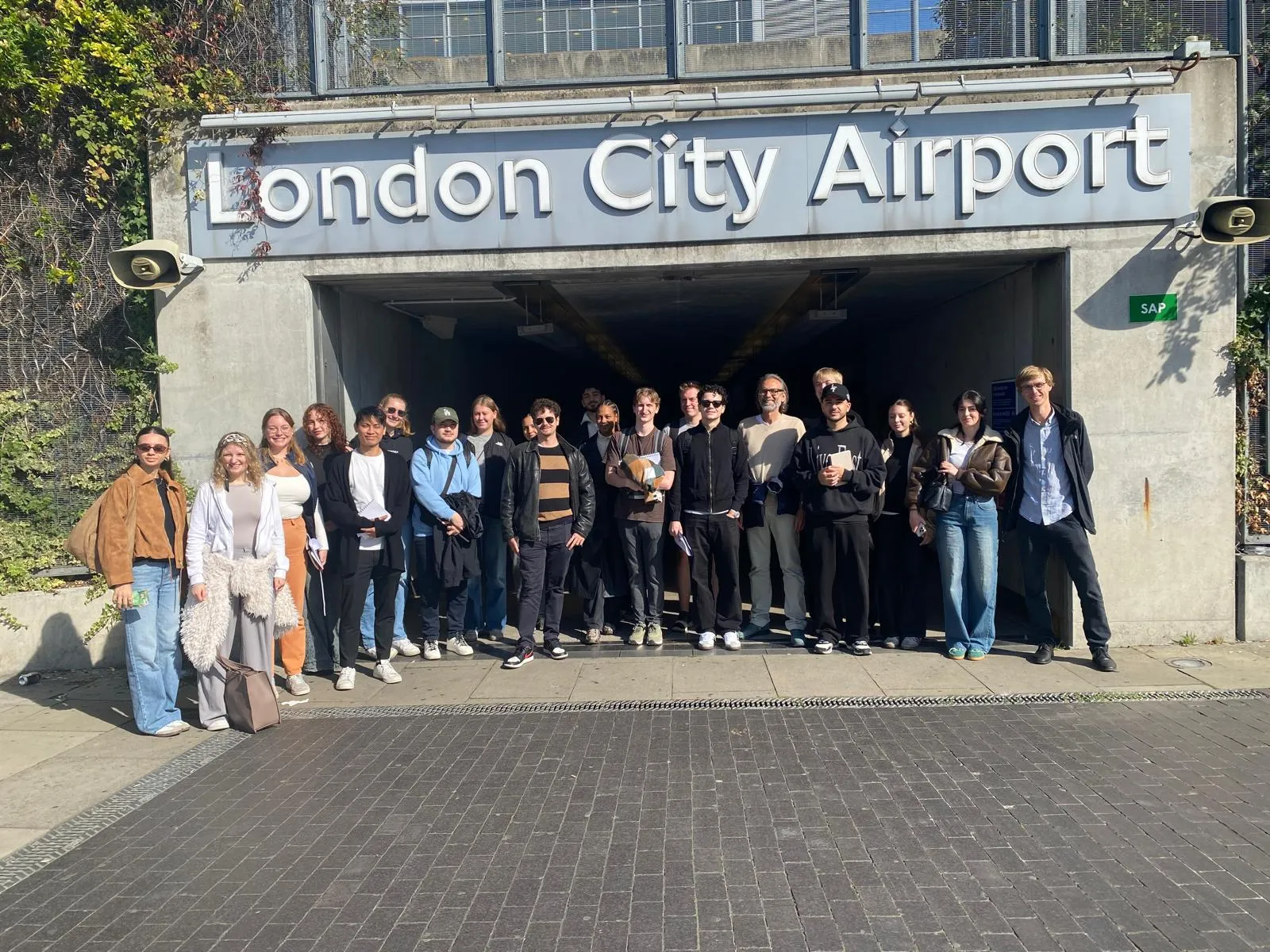
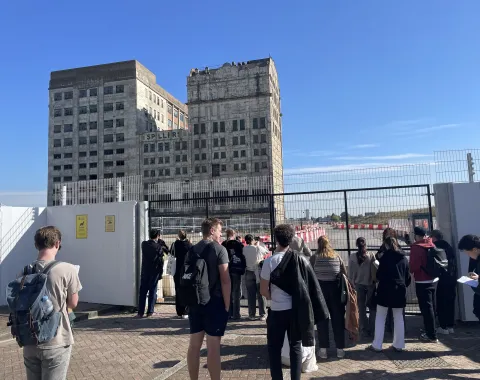
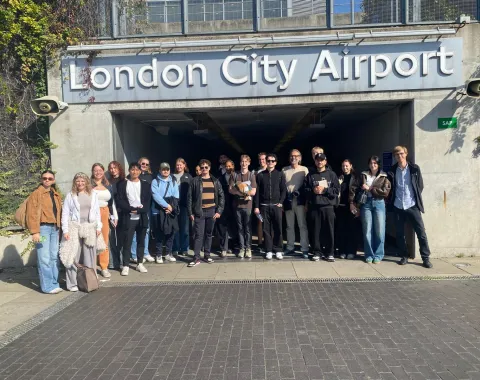
The excursion led to London, with a focus on the district of Newham and the Royal Docks. Students examined strategies of sustainable urban development and deepened their exchange with the Bartlett School of Architecture. Walks, site studies, and a workshop with local students provided insights into the interplay between architecture, city, and climate.

Urbanism, Architecture & Society – India

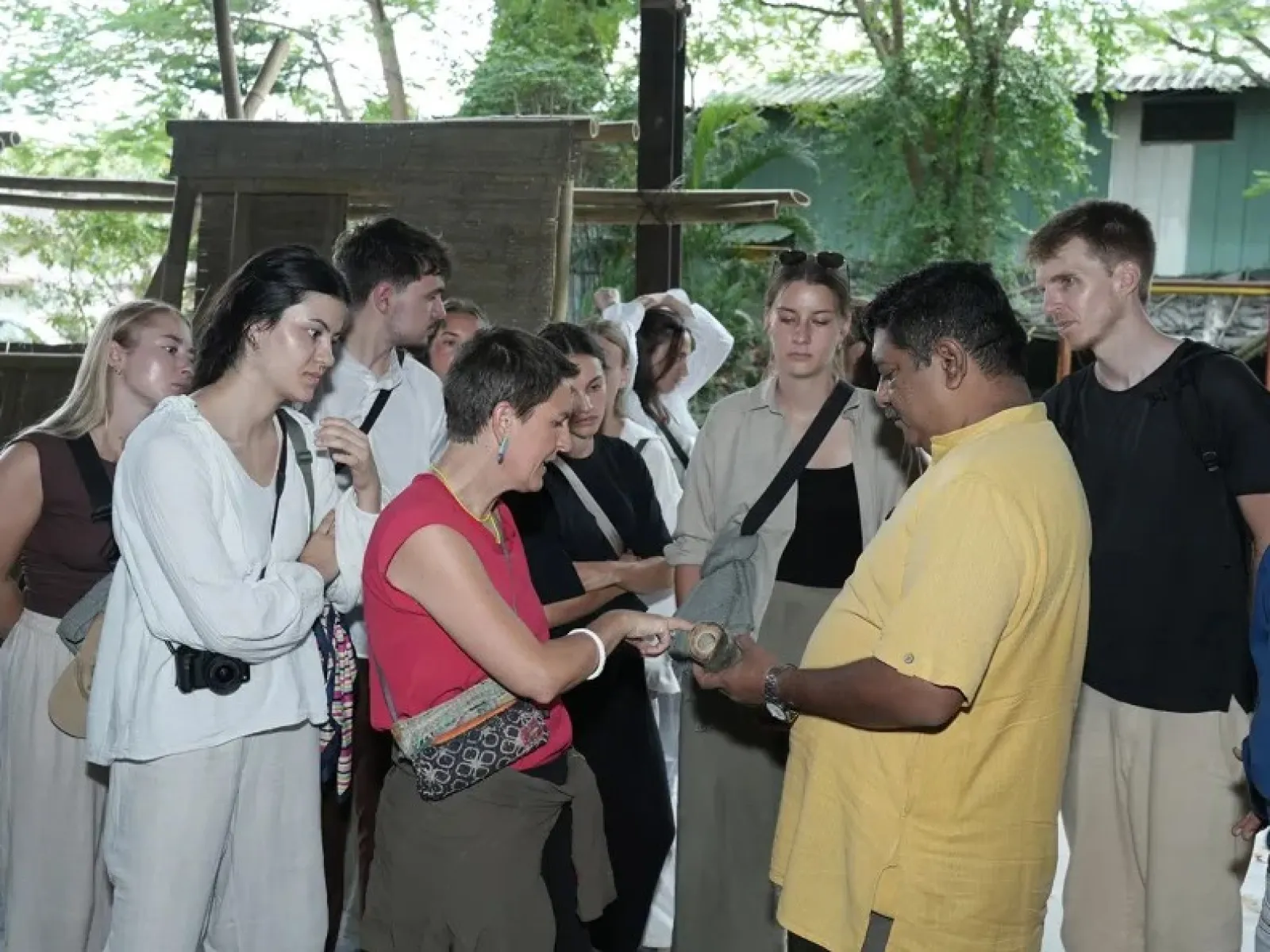
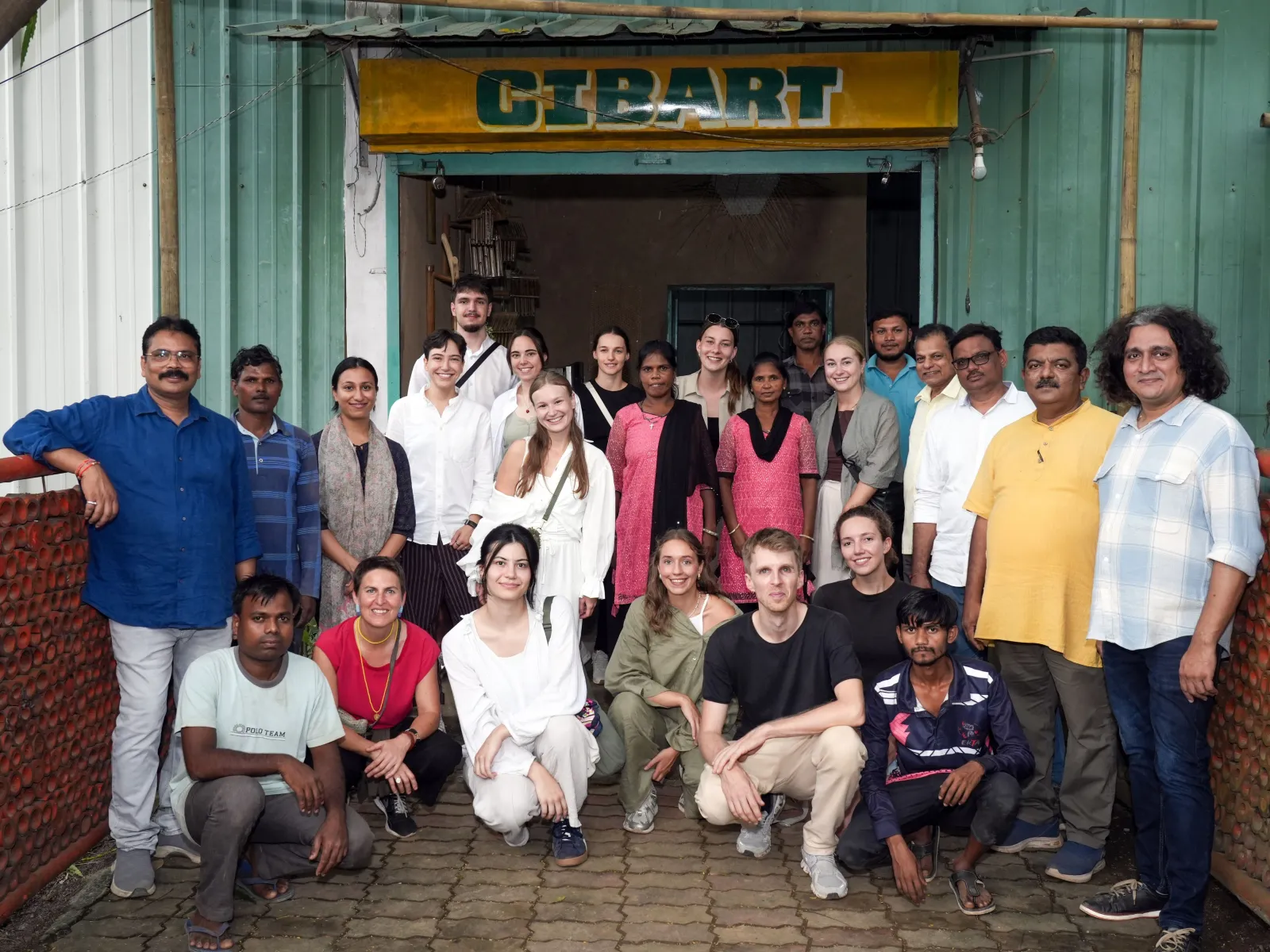
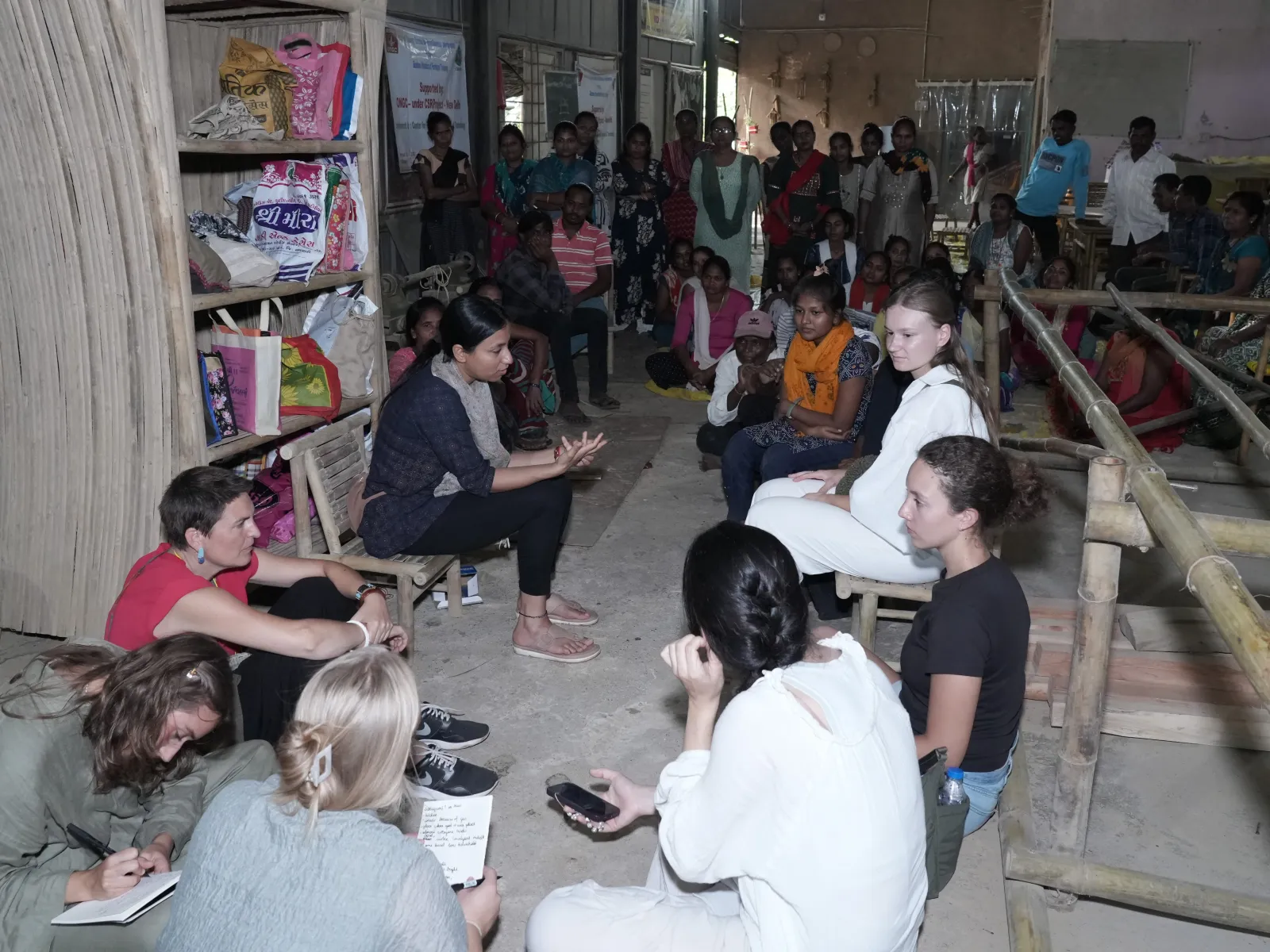
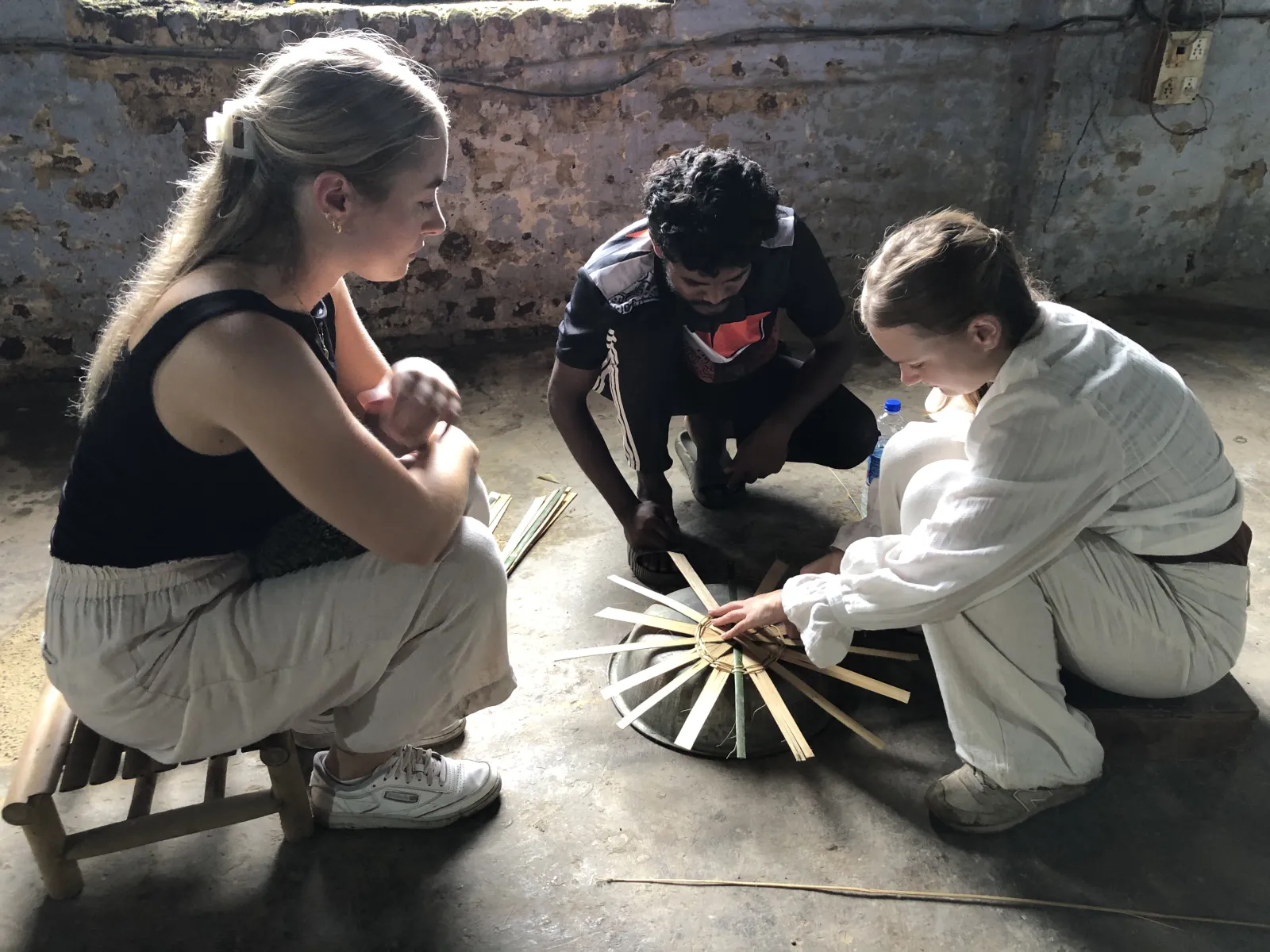
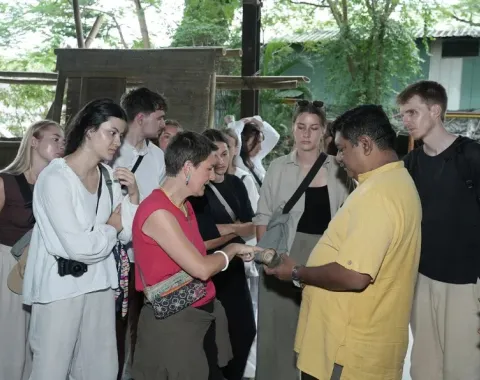
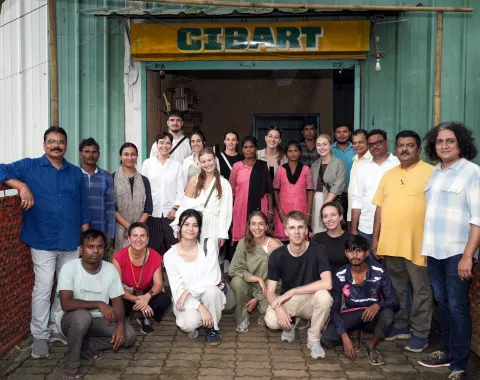
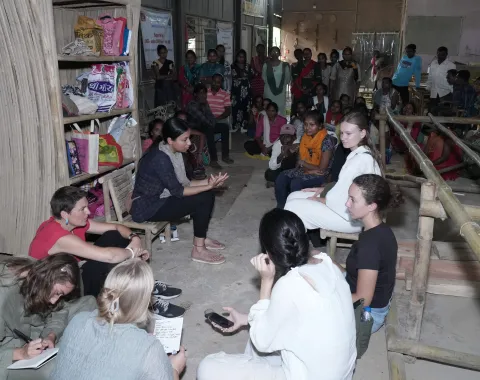
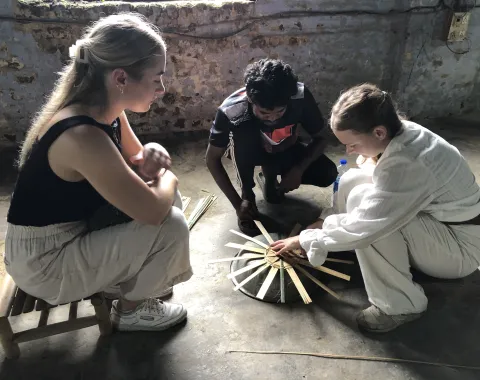
The seminar trip of Studio India led to Delhi, Surat, Ukai, Ahmedabad, and Jaipur. Students explored local building practices, craftsmanship, and cultural contexts. Encounters with artisans, visits to traditional and contemporary buildings, and hands-on workshops shaped this rich and immersive week.
 

The excursion week once again demonstrated how powerful learning on site can be for architectural education. Whether in the lagoons of Venice, in Swedish forests, in London, in the Alentejo, or in the mountains of Graubünden, students experience architecture where it unfolds its full presence. They observe, draw, discuss, and develop a spatial understanding that cannot be replicated in the studio alone.

The next seminar weeks will take place in March 2026.

Find out more about the Liechtenstein School of Architecture at www.uni.li/architektur

Bachelor Architecture
Master Architecture

Gruppe Menschen vor einem grossen Salzberg

59th After-Work Lecture

59th After-Work Lecture

Prof. Dr. Stöckl während seiner Vorlesung

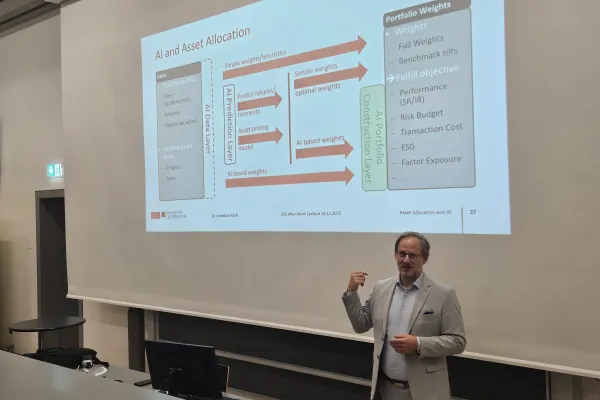
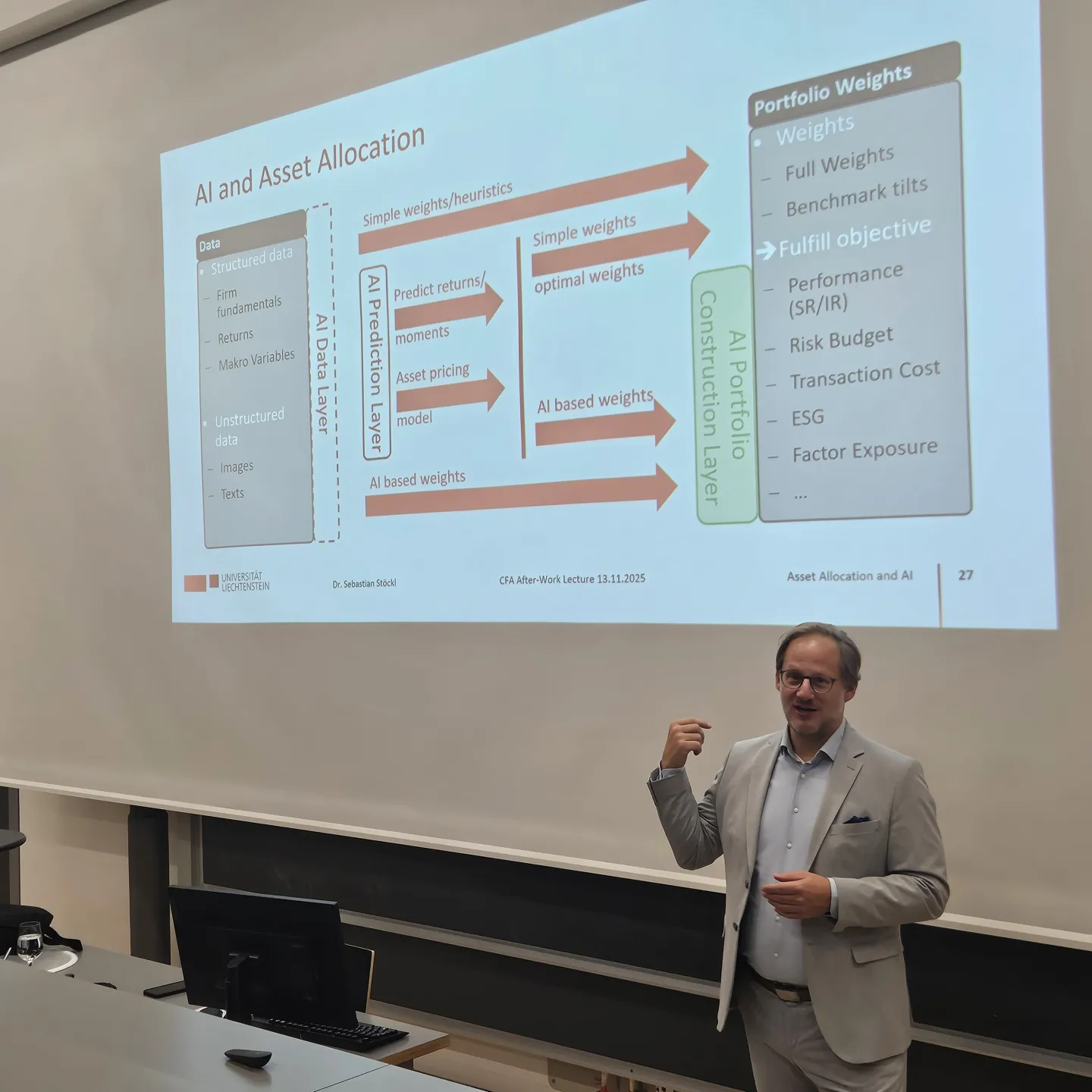
We are pleased to look back on a highly successful 59th After-Work Lecture, organized in cooperation with the CFA Society Liechtenstein. The event brought together around 60 participants – investment professionals, academics, and students – for an inspiring evening on the topic «Asset Allocation and AI».

Sebastian Stöckl, Associate Professor for Financial Economics at the University of Liechtenstein, delivered an engaging and thought-provoking presentation that bridged cutting-edge academic research and real-world investment practice.

In his talk, Professor Stöckl demonstrated how artificial intelligence (AI) is reshaping modern asset management - from processing unstructured data such as financial news or images with large language models (LLMs) and convolutional neural networks, to predicting returns and risks across asset classes, and even learning optimal portfolio weights directly through advanced machine learning approaches.

Building on leading international research by Bryan Kelly, Dacheng Xiu, and Turan G. Bali, he also highlighted the important contributions emerging from the University of Liechtenstein. Together with his colleagues - Professor of Practice Gianluca De Nard and Postdoctoral Researchers Merlin Bartel and Tomasz Dubiel-Teleszynski - his team develops innovative AI-driven approaches to asset pricing, forecasting, and portfolio construction. Their work shows how artificial intelligence can improve factor modeling, enhance diversification, and uncover investment opportunities that remain hidden to traditional methods.

A highlight of the evening was the discussion of the «Virtue of Complexity». This concept challenges long-standing econometric intuition and is actively explored in joint research projects between the University of Liechtenstein and the Finanzplatz Liechtenstein, underscoring the strong collaboration between academia and industry.

The presentation concluded with a lively Q&A session, followed by a networking apéro where conversations continued around AI’s future role in investment management and education.

We would like to thank all participants for their active engagement and our partner, the CFA Society Liechtenstein, for their excellent collaboration. A special thank you goes to Sebastian Stöckl for his valuable insights.

Prof. Dr. Stöckl während seiner Vorlesung

Excursion to Zurich as Part of the Core Elective Courses Built Heritage and Urban Design

Excursion to Zurich as Part of the Core Elective Courses Built Heritage and Urban Design

Mehrere Menschen laufen neben einem alten Fabriksgebäude

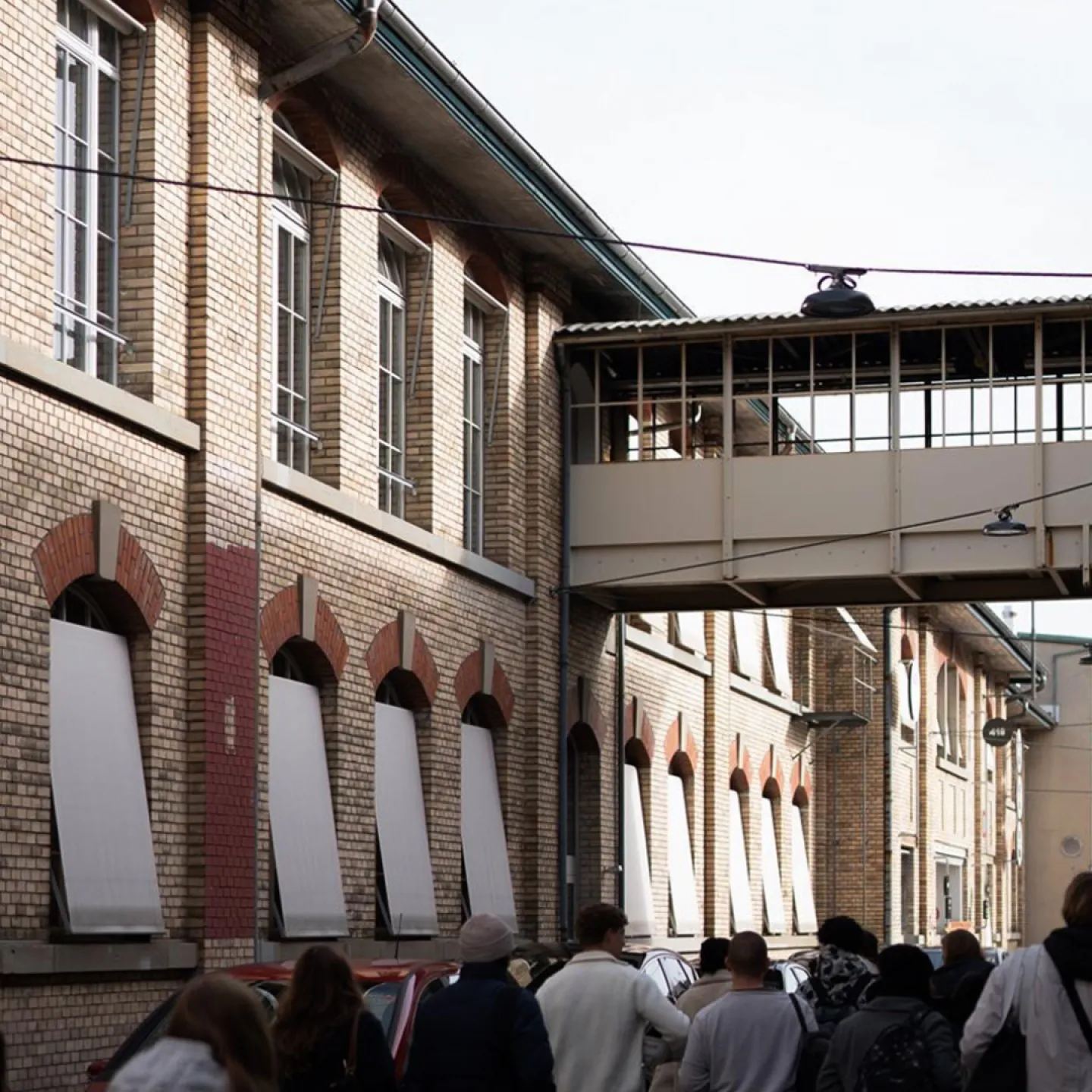
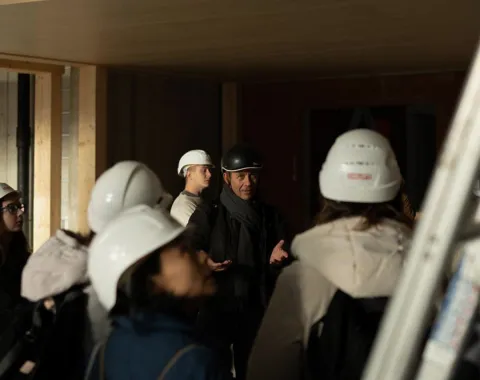
On 14 November 2025, students from the Master’s degree programme in Architecture undertook a specialist excursion to Zurich. They were accompanied by the lecturers Dr Britta Hentschel and Dr Gyler Mydyti. The excursion formed part of the two elective courses Built Heritage and Urban Design.

Academic content of the courses

The Built Heritage module focuses on global built heritage and its significance for the present and the future. Central to the course are methods of analysis and evaluation, as well as strategies for the preservation, further development and transformation of historic buildings and ensembles.

The Urban Design course conveys fundamental competencies in urban and neighbourhood development. Students learn how to translate spatial, social and economic aspects into integrated planning approaches and to critically reflect on urban transformation processes.

Stops on the excursion

The students visited three key locations in Zurich where issues of existing structures, transformation and circular development approaches are particularly evident:

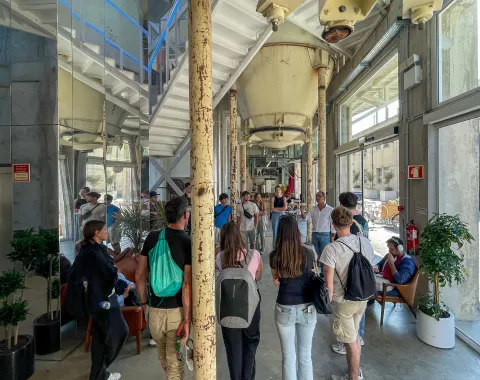
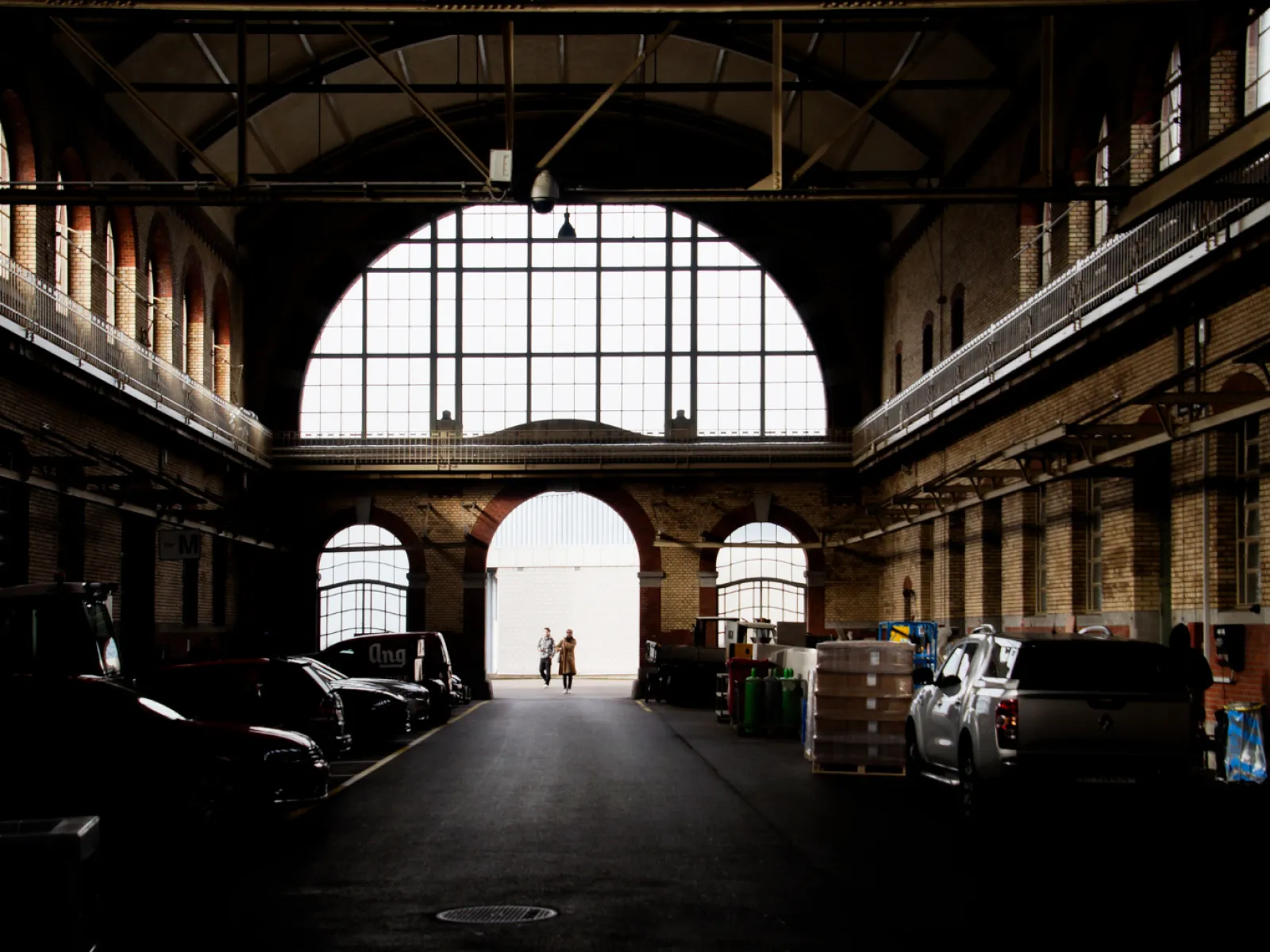
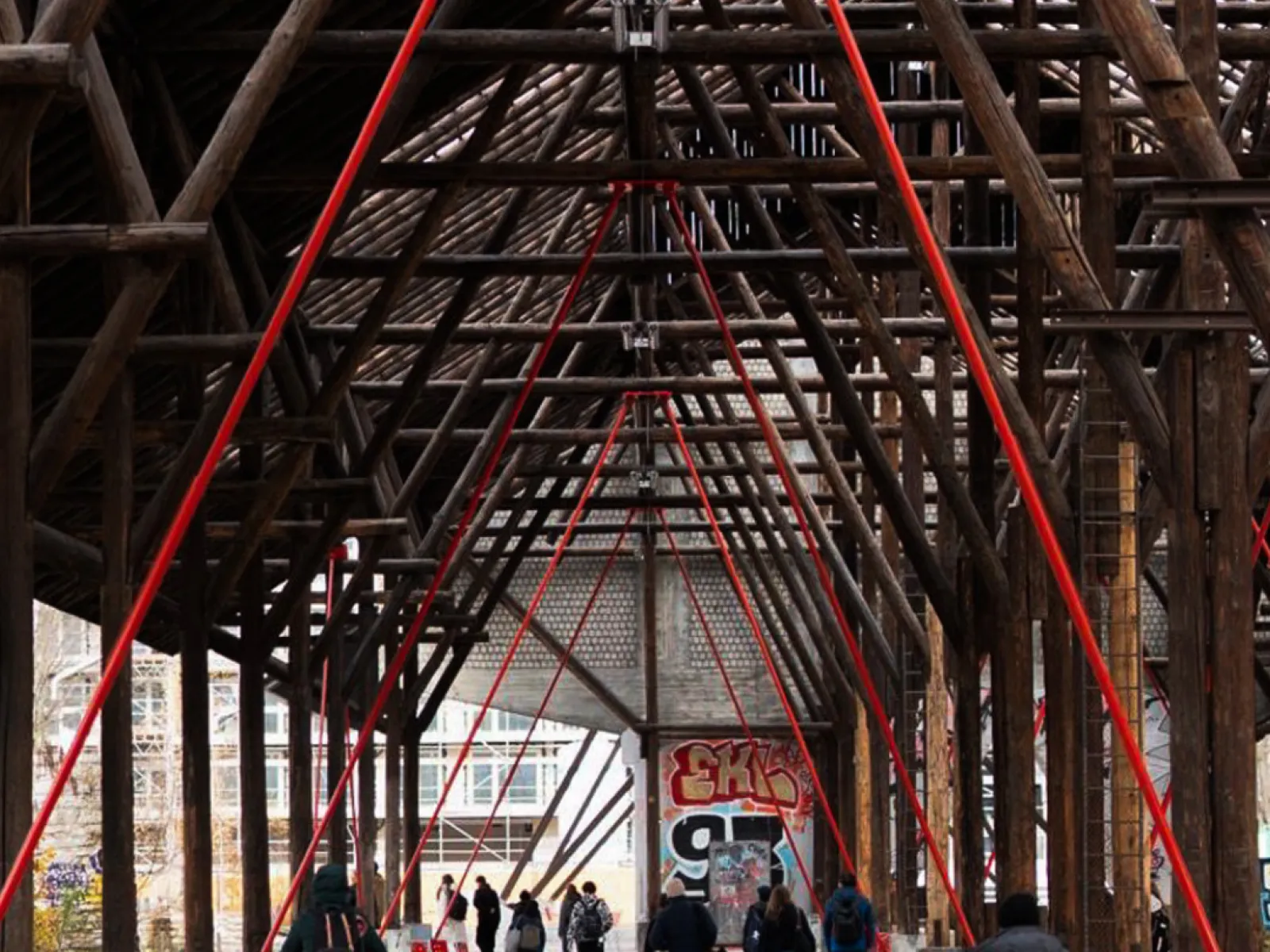
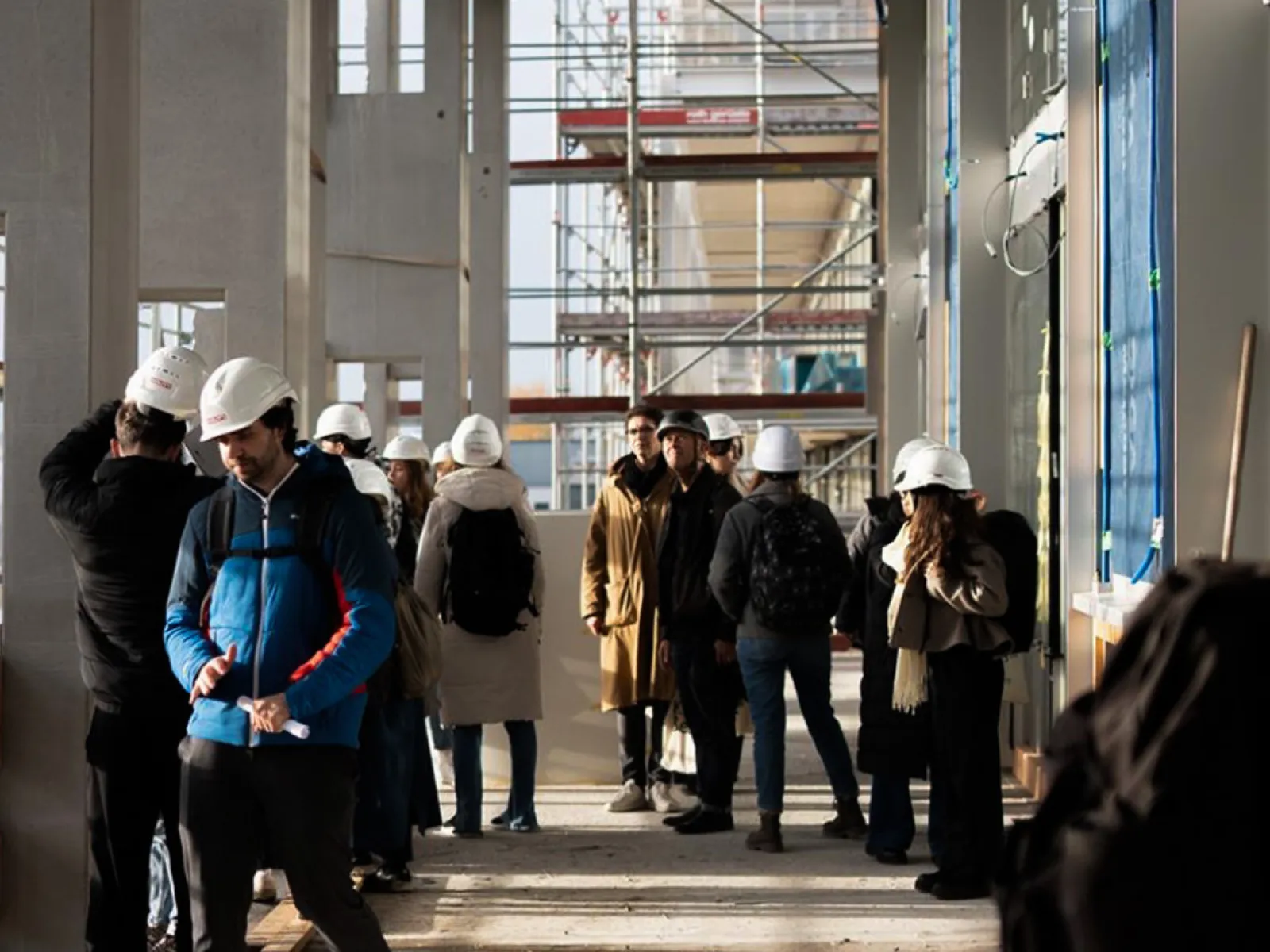
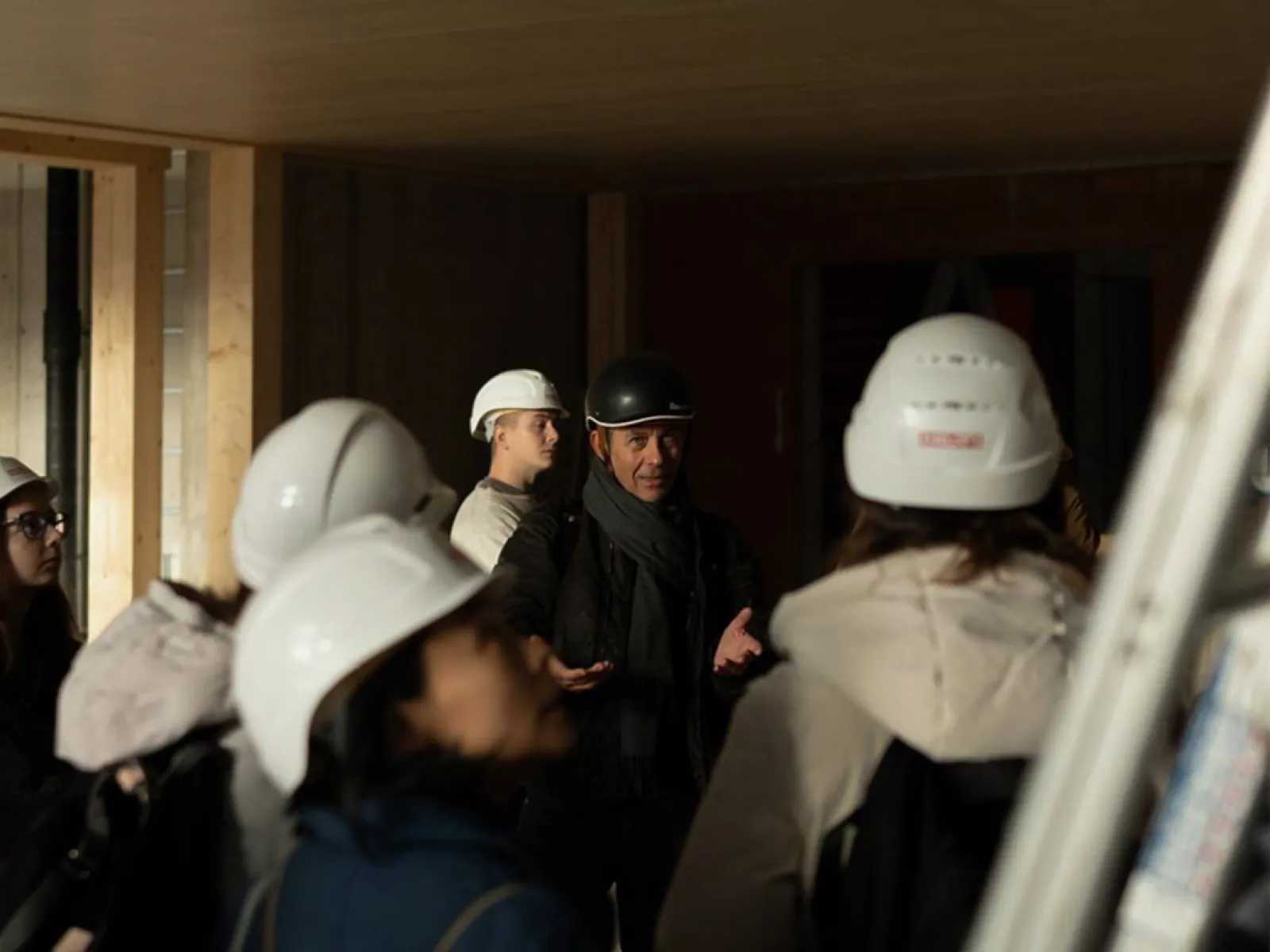
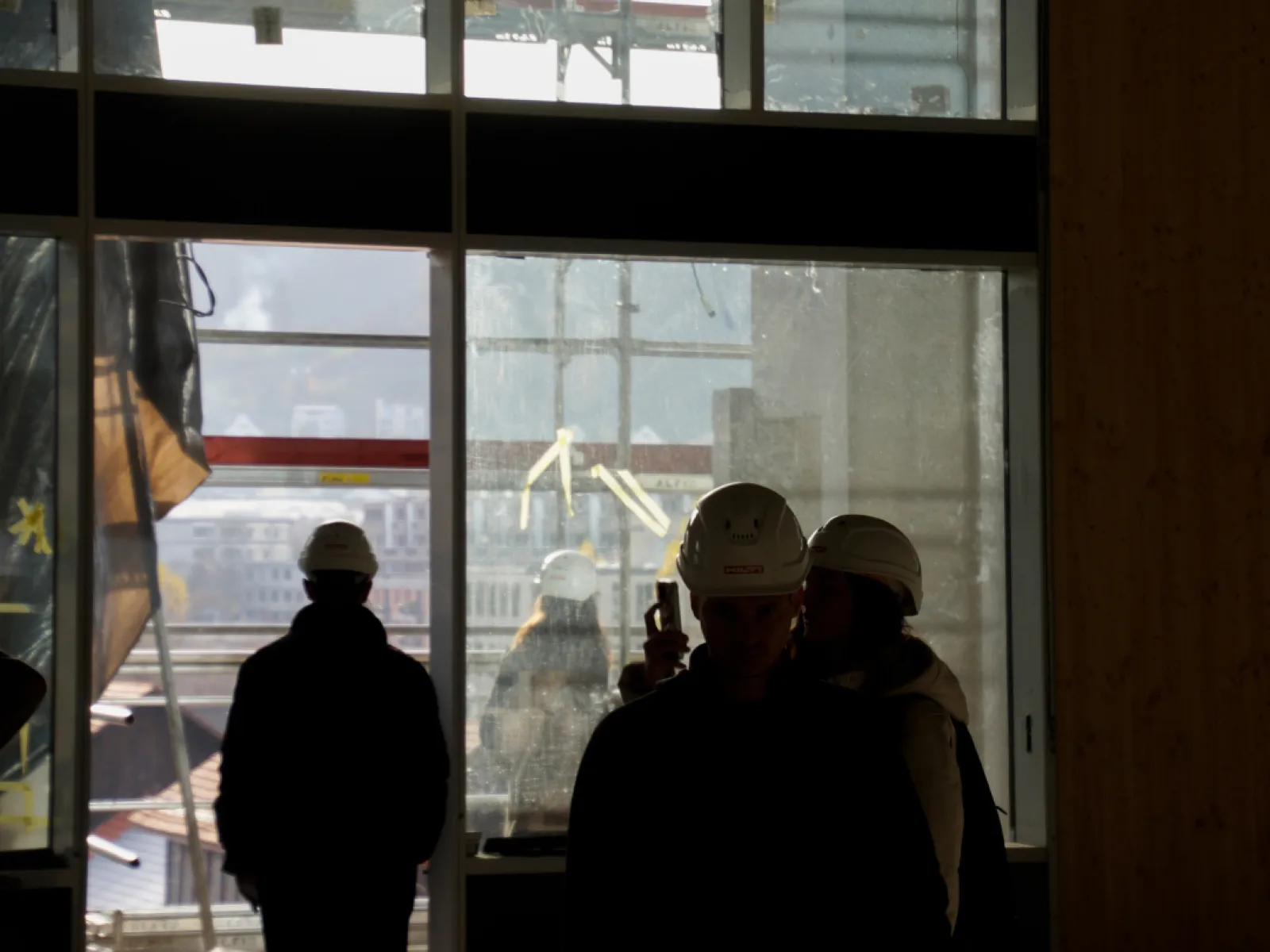
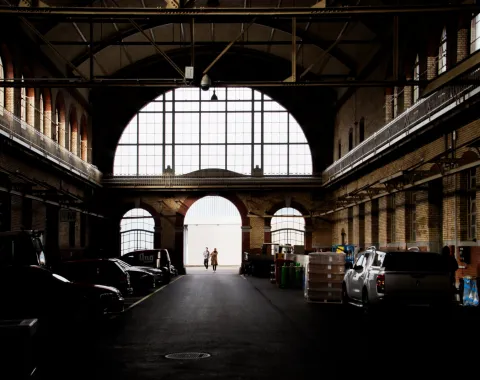
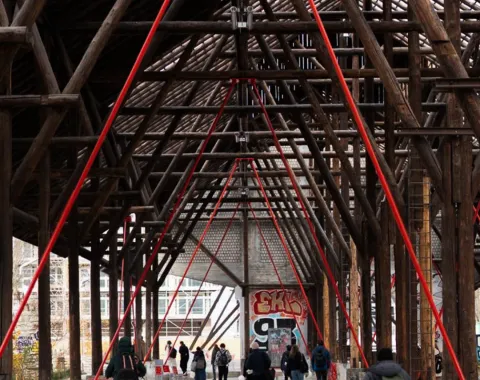
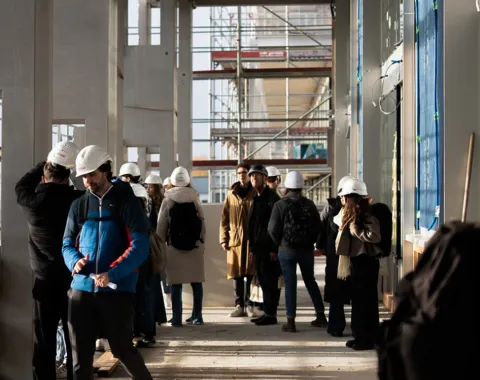
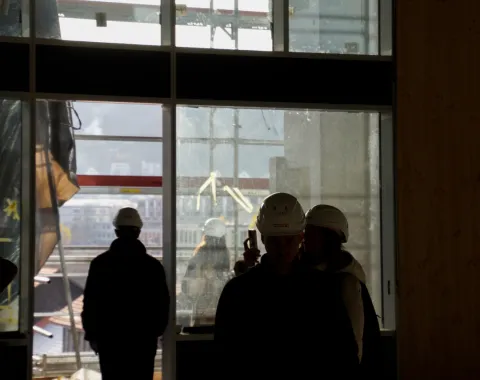
At the SBB Werkstadt, the students were able to observe how a former industrial site is being gradually repurposed and how existing infrastructures are being converted into new, meaningful uses. The Schlachthof area demonstrated how sensitive questions of preserving and shaping the character of historic buildings can be combined with contemporary urban requirements. The excursion concluded with a visit to the Kochareal, which is currently undergoing an intensive transformation process and exemplifies cooperative development models. Here, Prof Urs Meister (Kaeferstein & Meister Architects) gave the students a guided tour of the construction site and explained key planning decisions.

Further information on the Master’s degree programme in Architecture: www.uni.li/architecture
About the Built Heritage & Upcycling Unit
About the Urban Design & Spatial Development Unit

Image credits

Photos 1, 3–5: Jonas Pfister
Photos 2 and 6: Antonia Trager

Mehrere Menschen laufen neben einem alten Fabriksgebäude

Marazzi Reinhardt at the Liechtenstein School of Architecture

Marazzi Reinhardt at the Liechtenstein School of Architecture

Schwarz/weiss Aufnahme mit Publikum und Vortragendem

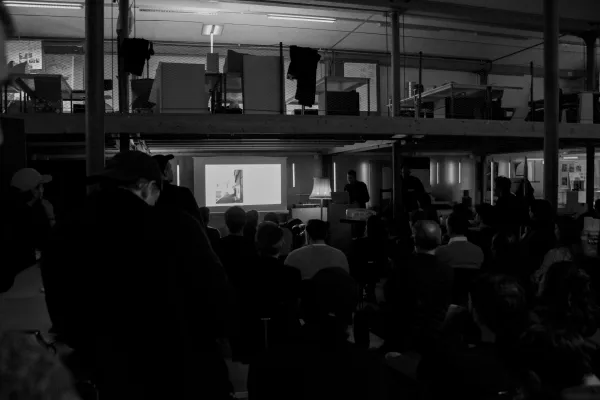
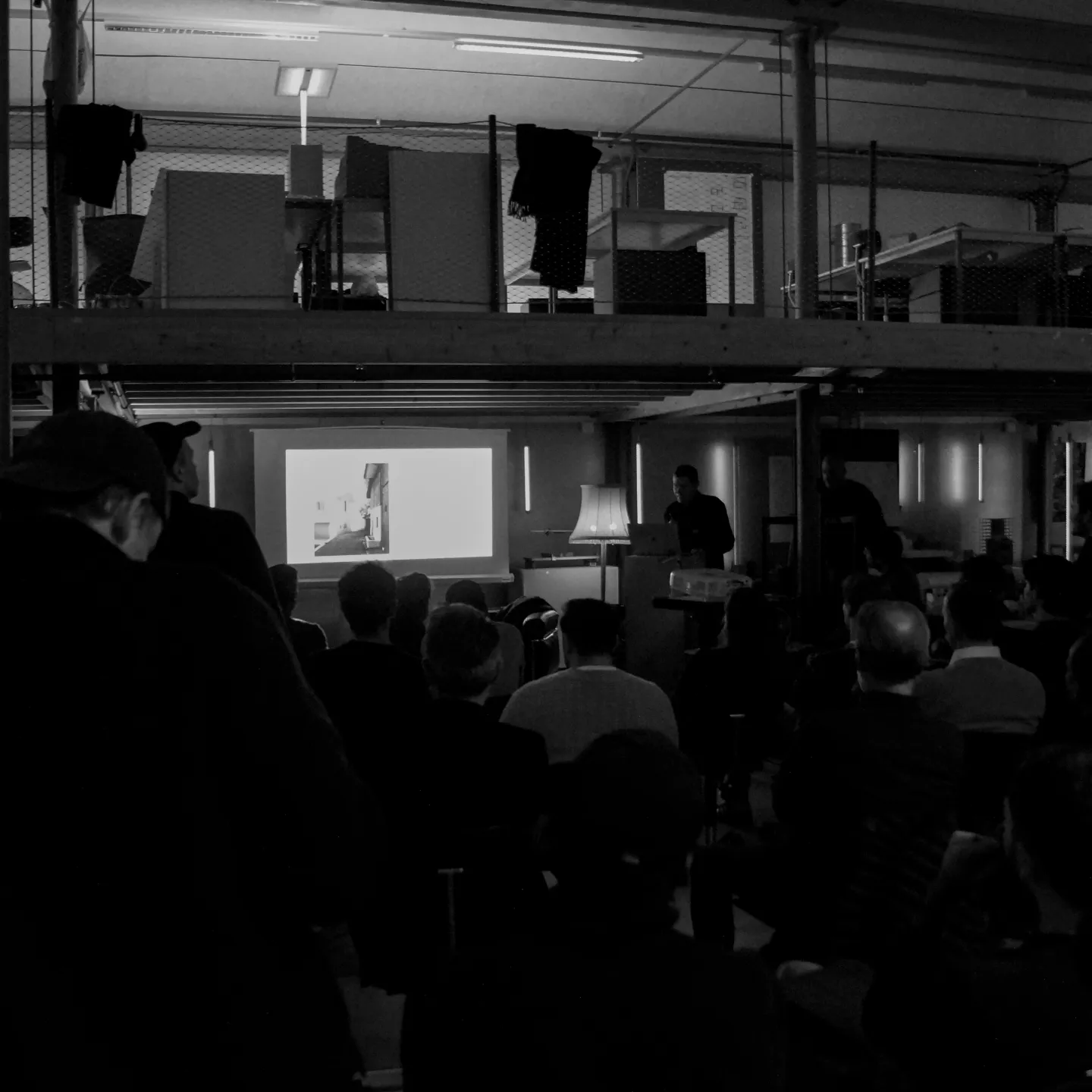
On 5 November 2025, Sergio Marazzi and Andreas Reinhardt (Marazzi Reinhardt) shared their perspectives on contemporary building practice, materiality and a sensitive approach to the existing built fabric with students of the Liechtenstein School of Architecture. Invited by studio lecturers Timothy Allen and Ronan Crippa, the public studio talk offered insights into the practice’s working methods and its engagement with craftsmanship, construction details and atmospheric qualities.

The Liechtenstein School of Architecture regularly organises public studio lectures and other events.
More at www.uni.li/architecture

Schwarz/weiss Aufnahme mit Publikum und Vortragendem

Award for Georgian Exchange Students at the Liechtenstein School of Architecture

Award for Georgian Exchange Students at the Liechtenstein School of Architecture

Architekturplan auf Staffelei mit schwarzem Hintergrund

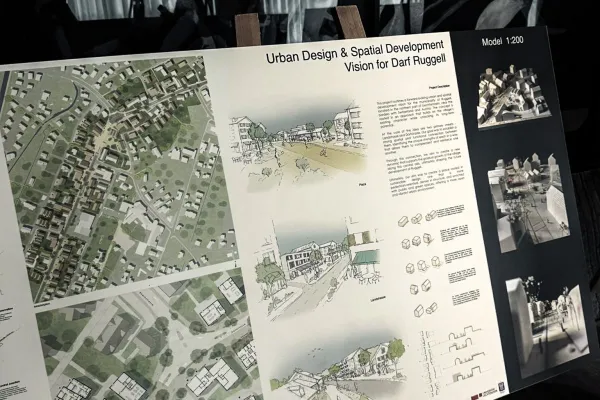
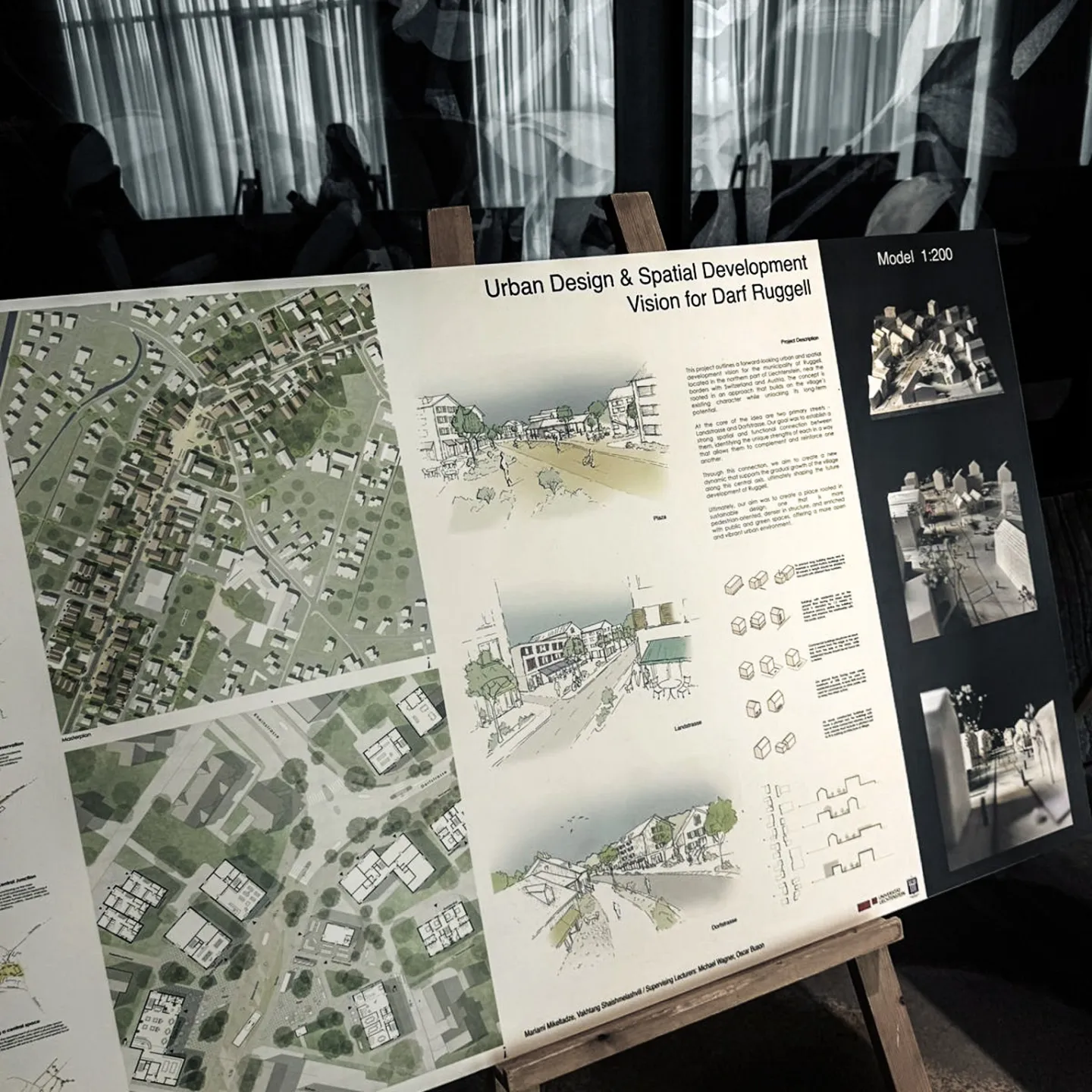
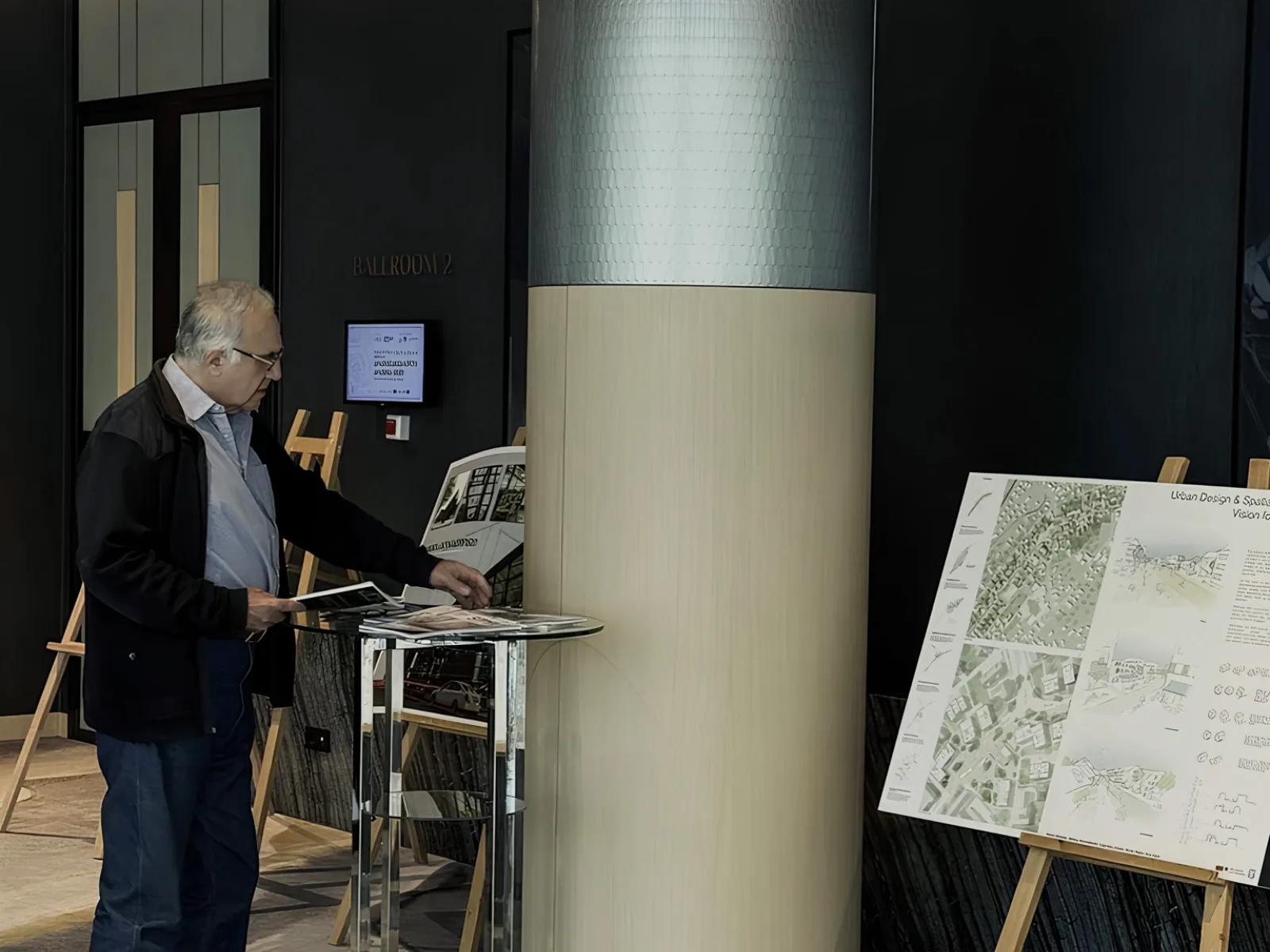
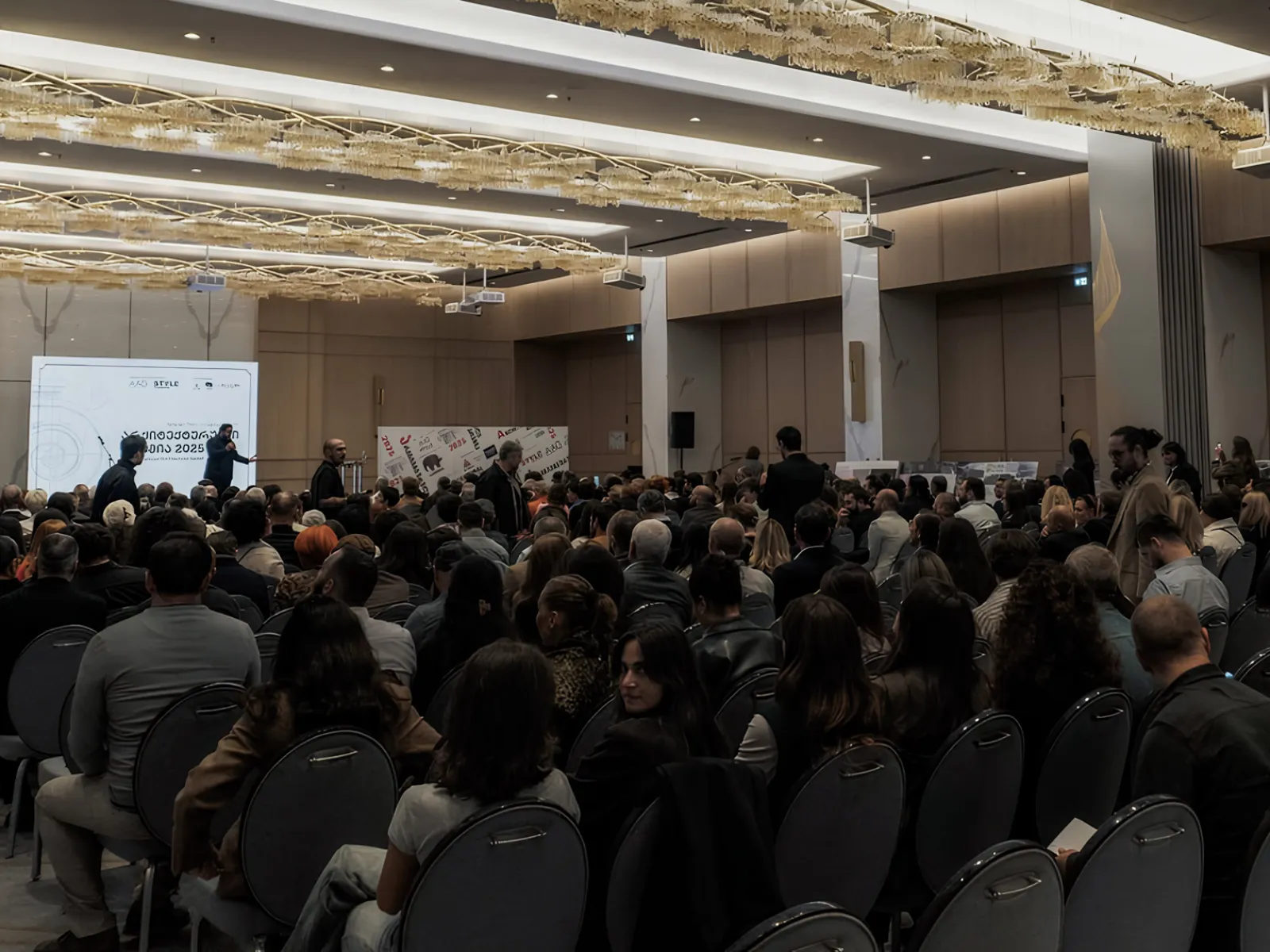
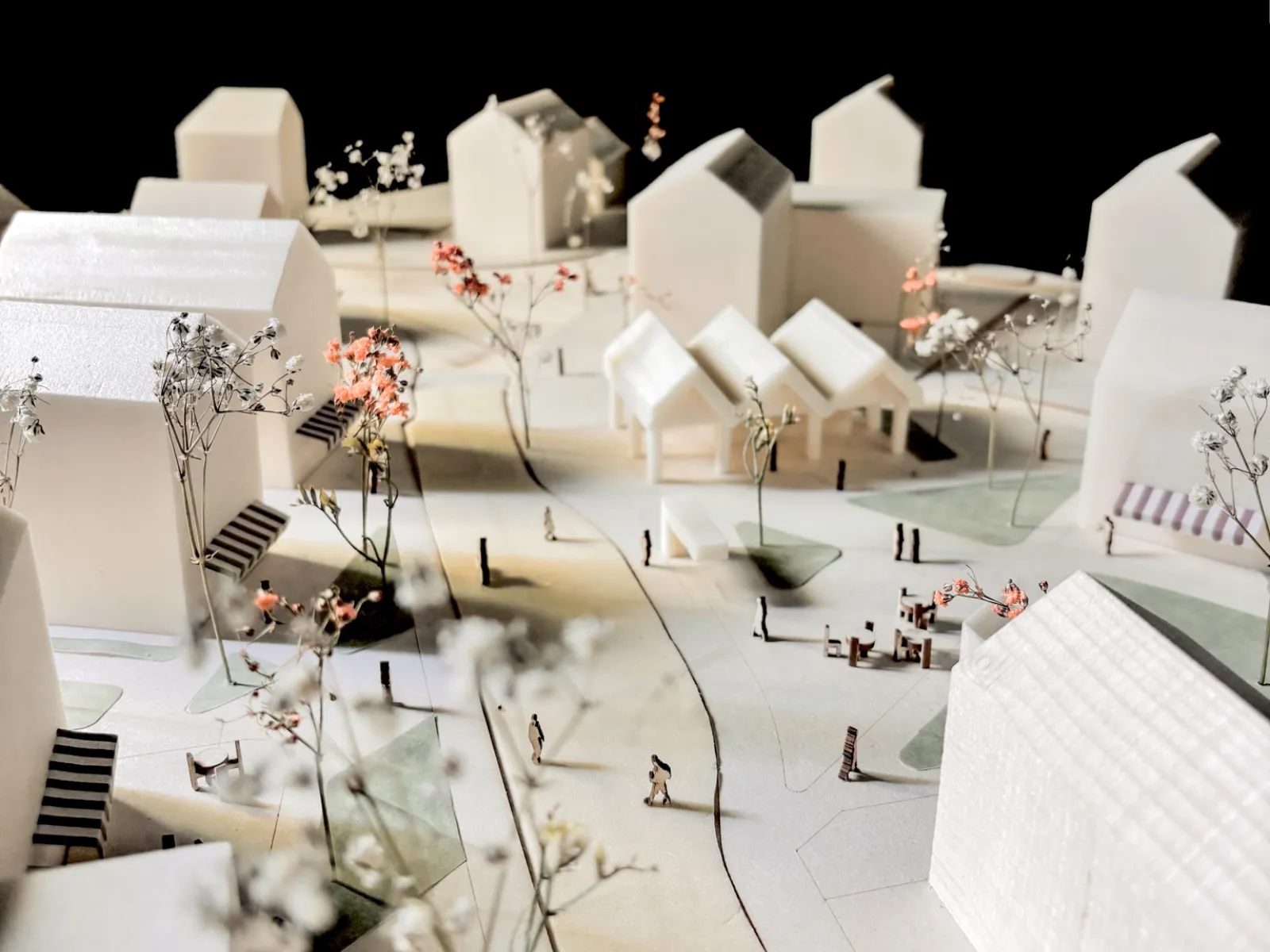
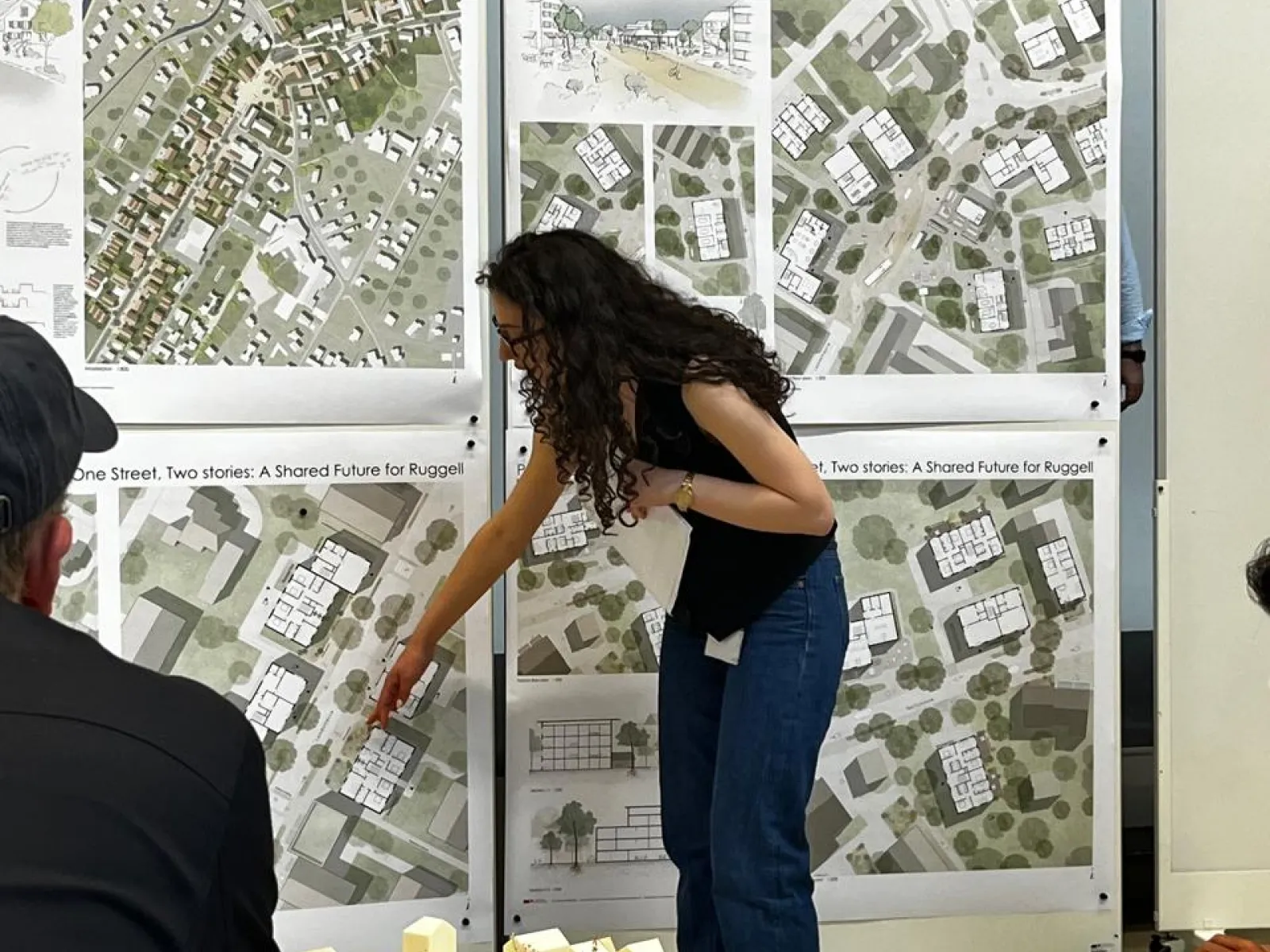
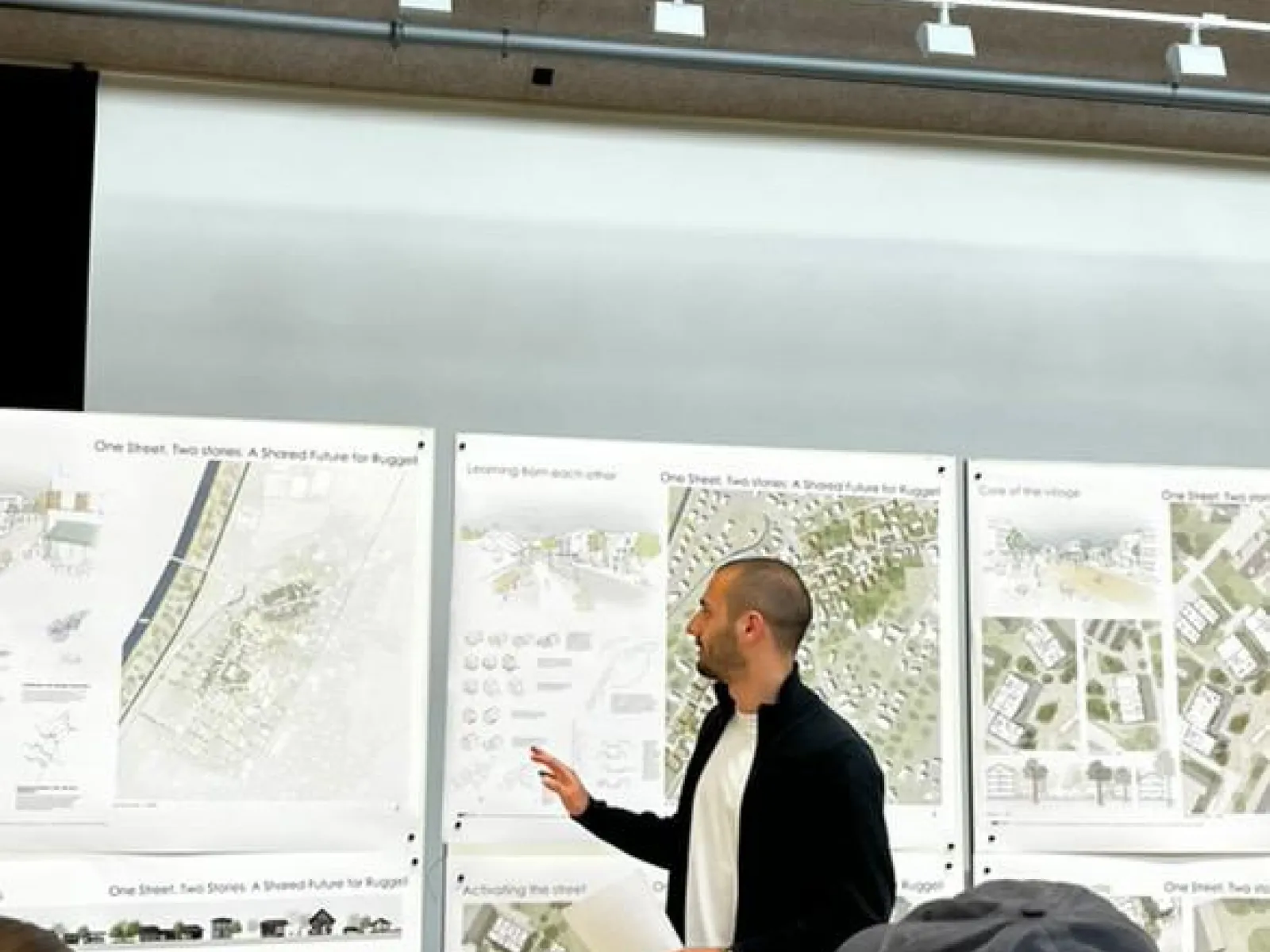
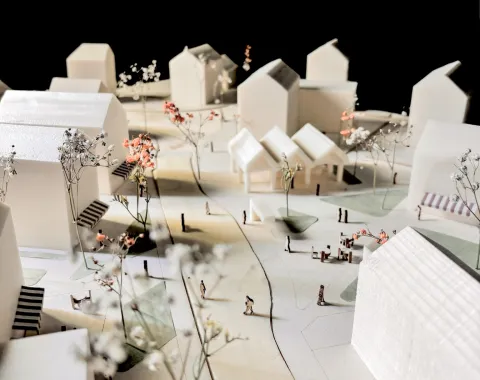
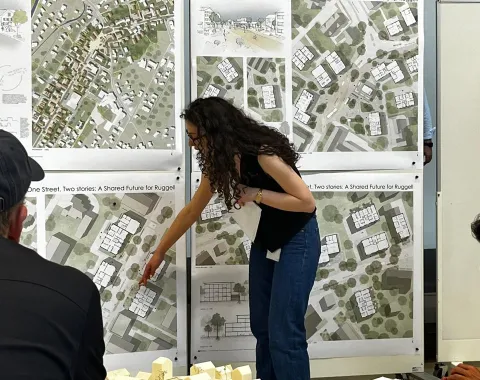
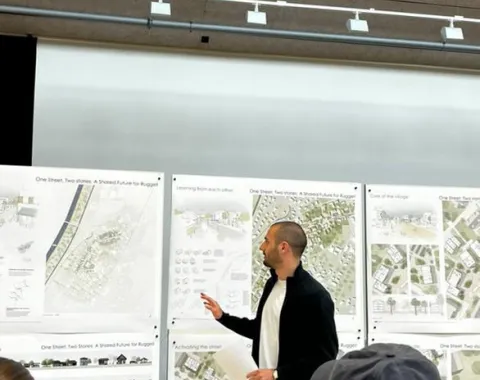
The two Georgian exchange students, Vakhtang Shaishmelashvili and Mariami Mikeltadze, developed a semester project during their stay at the University of Liechtenstein as part of a transfer project with the municipality of Ruggell. The design studio entitled «‹Darf› Ruggell» focused on the further development of the village street (Dorfstrasse) and was supervised by Professor Michael Wagner and Lecturer in Practice Oscar Buson.

Twelve student teams explored different possibilities for how the centre of Ruggell could be used and designed sustainably in the future. The proposals ranged from new forms of living and working, to traffic-calmed shared spaces, through to a stronger integration with the surrounding landscape.

The project by Vakhtang Shaishmelashvili and Mariami Mikeltadze addressed the strengthening of the village centre and the further development of the main traffic axes, Landstrasse and Dorfstrasse. The aim was to improve the quality of stay, promote pedestrian movement and reinforce the relationship between public space, landscape and the existing building fabric. Among other measures, the project proposed careful densification while preserving the historic character, the creation of a central meeting point, and the integration of green infrastructure and pedestrian networks.

After returning to their home university, the School of Architecture at the Georgian Technical University, the two students received an award in Georgia. The Association of Architects of Georgia nominated them for a diploma in the category Best Urban Design Student Project as part of the International Architectural Awards 2025.

The University of Liechtenstein is delighted with this recognition and warmly congratulates the two students on their success.
Find out more about the project «‹Darf› Ruggell»

Architekturplan auf Staffelei mit schwarzem Hintergrund

Glamorous comeback of the Liechtenstein 2025 Uniball

Glamorous comeback of the Liechtenstein 2025 Uniball

Uniball 2025_universitaet-liechtenstein

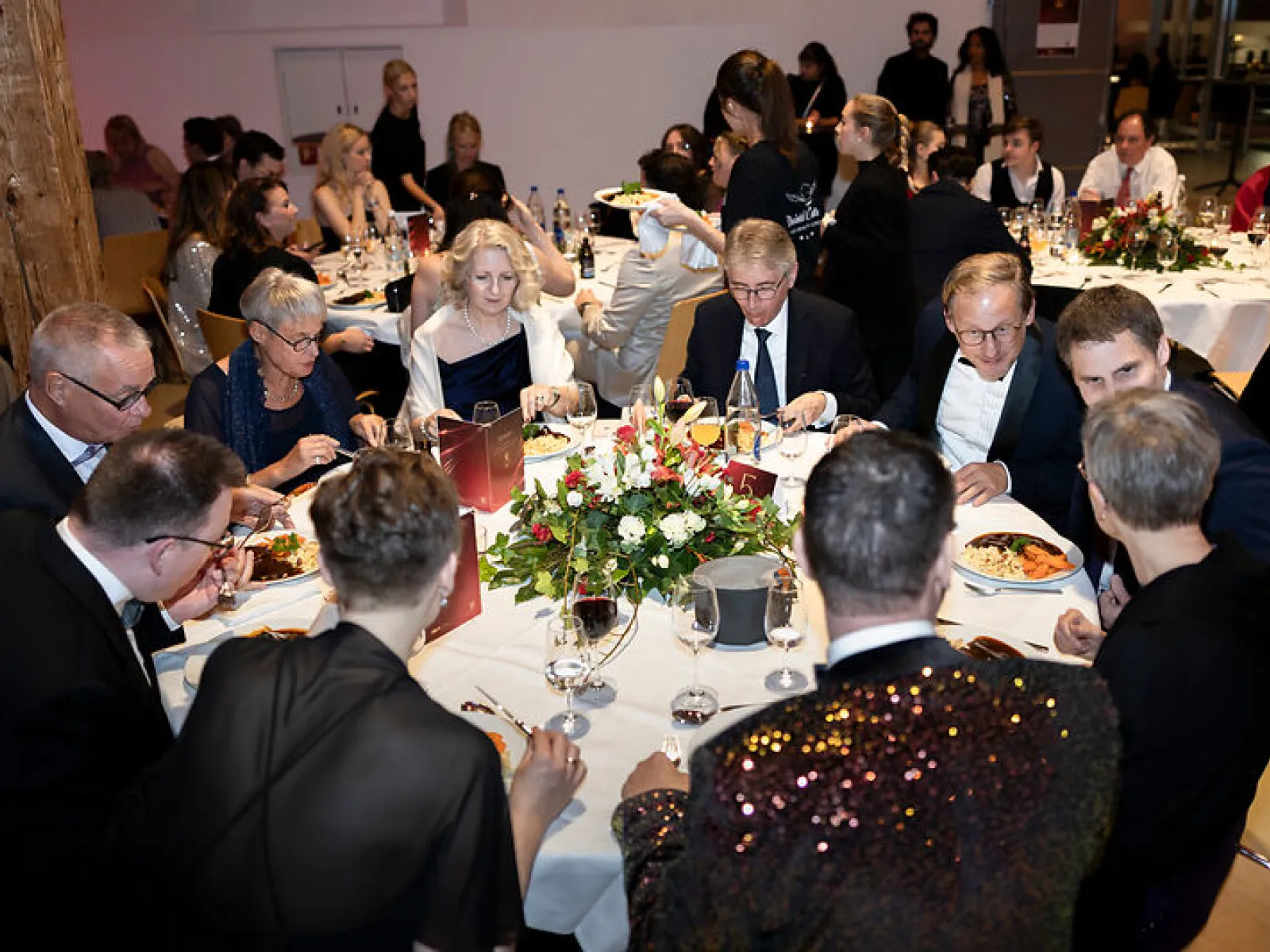
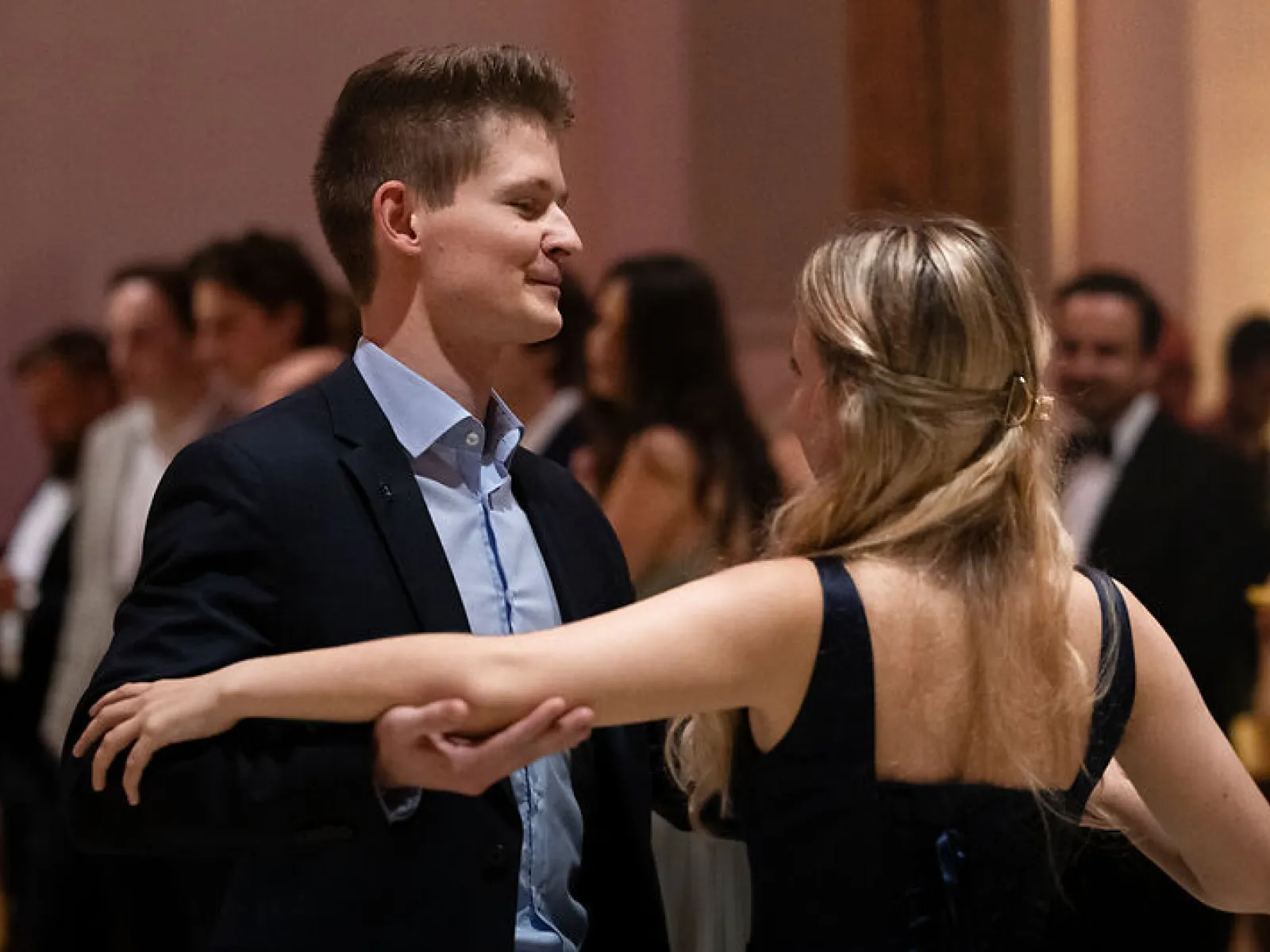
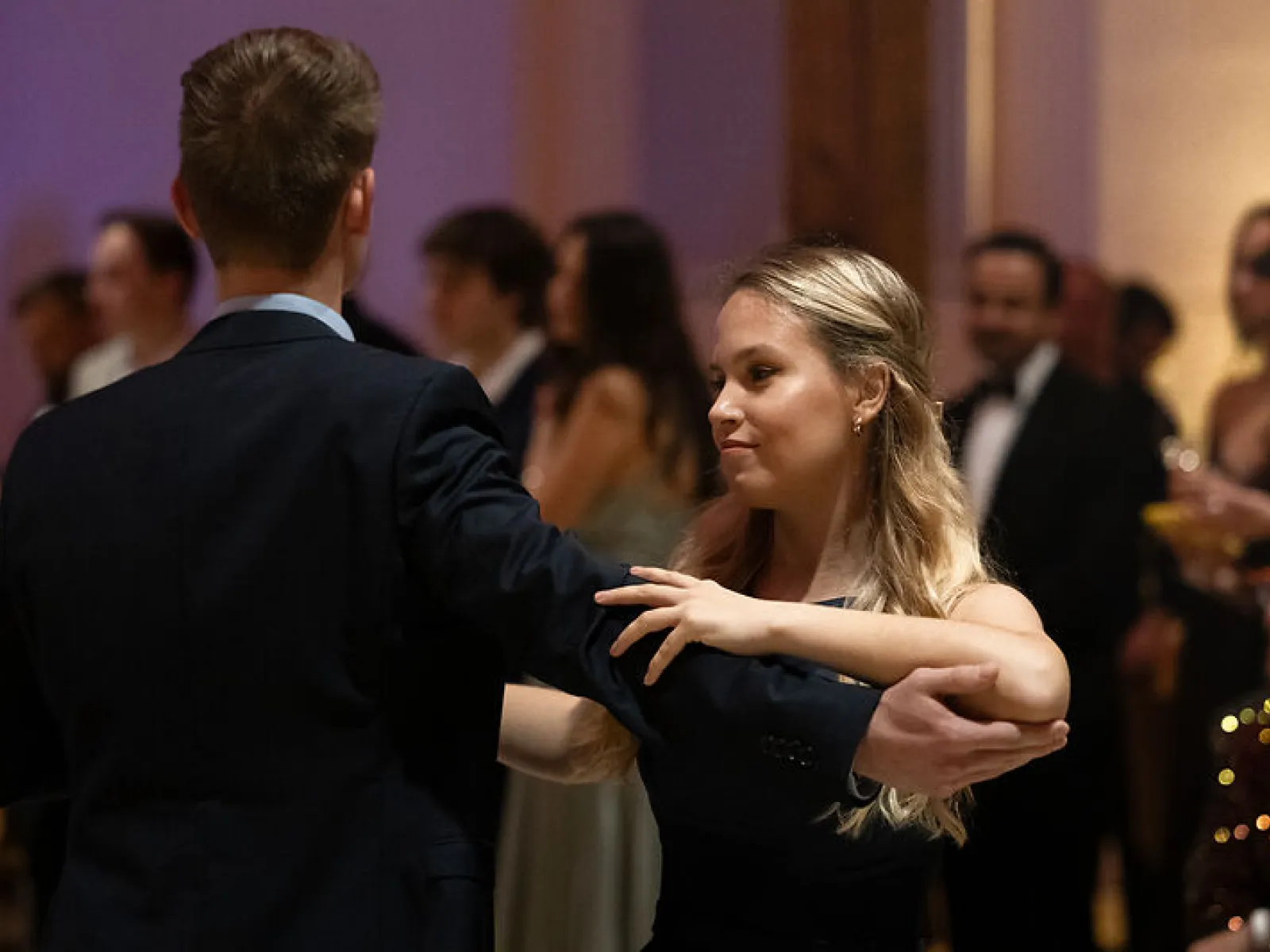
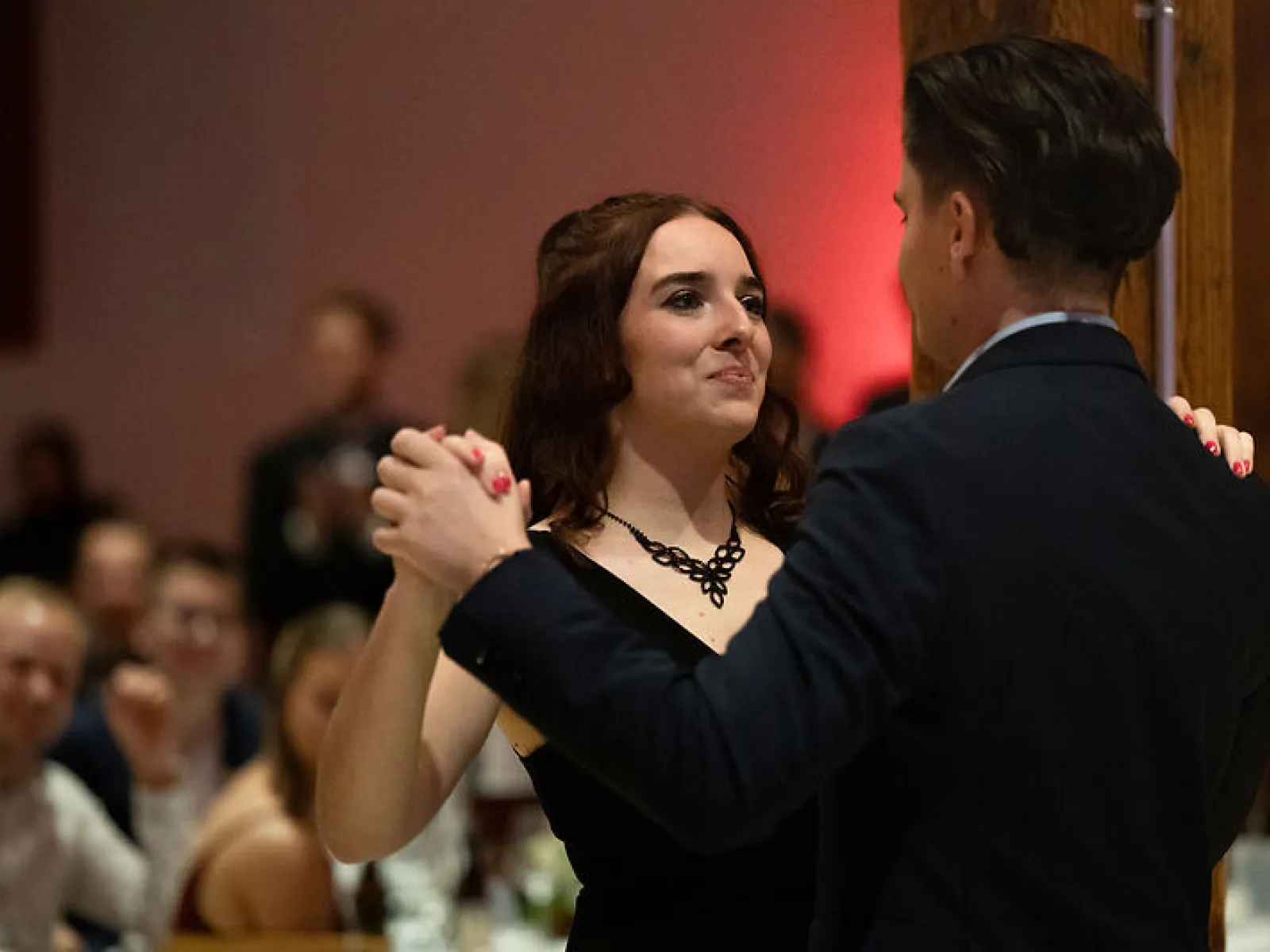
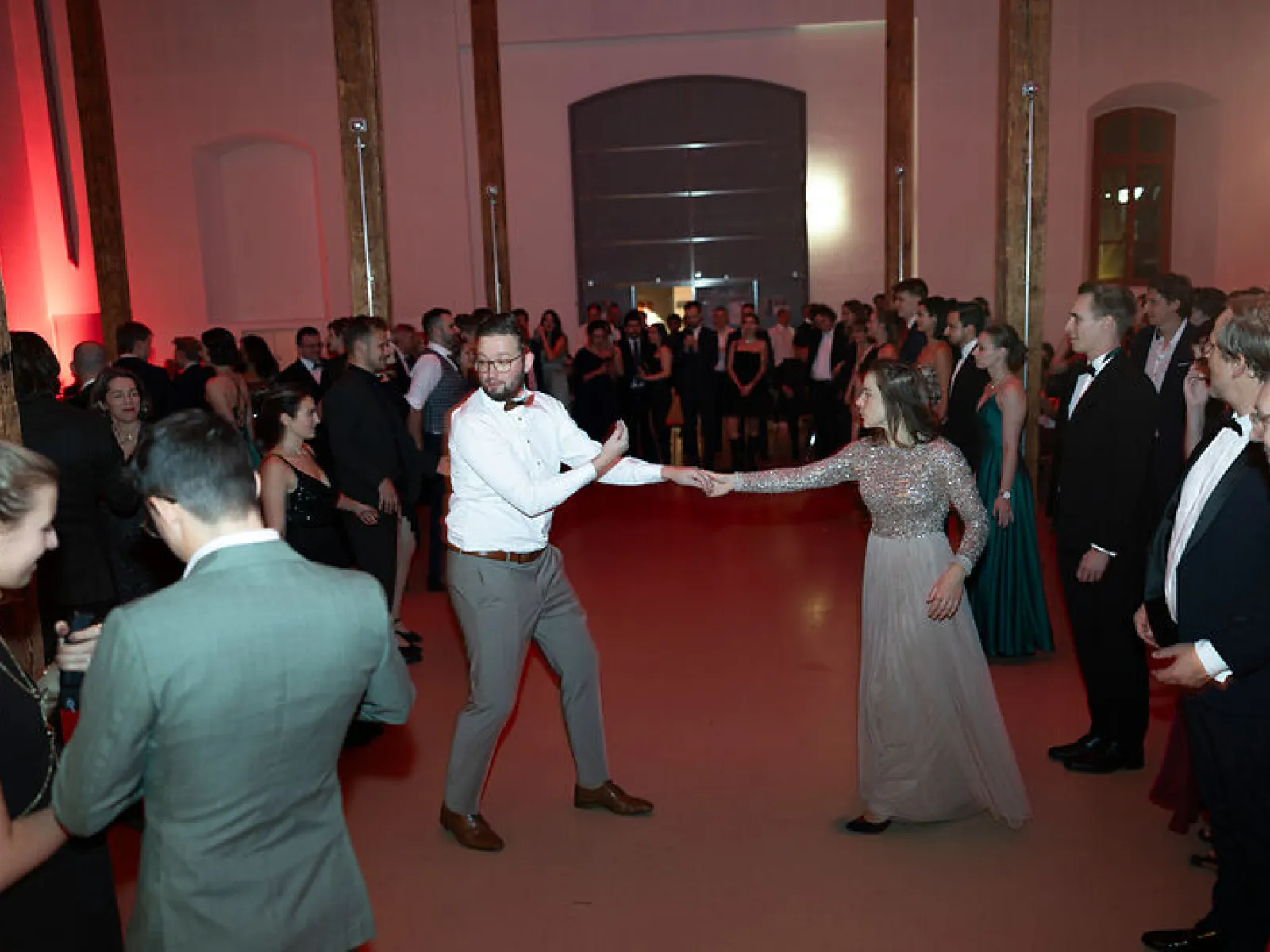
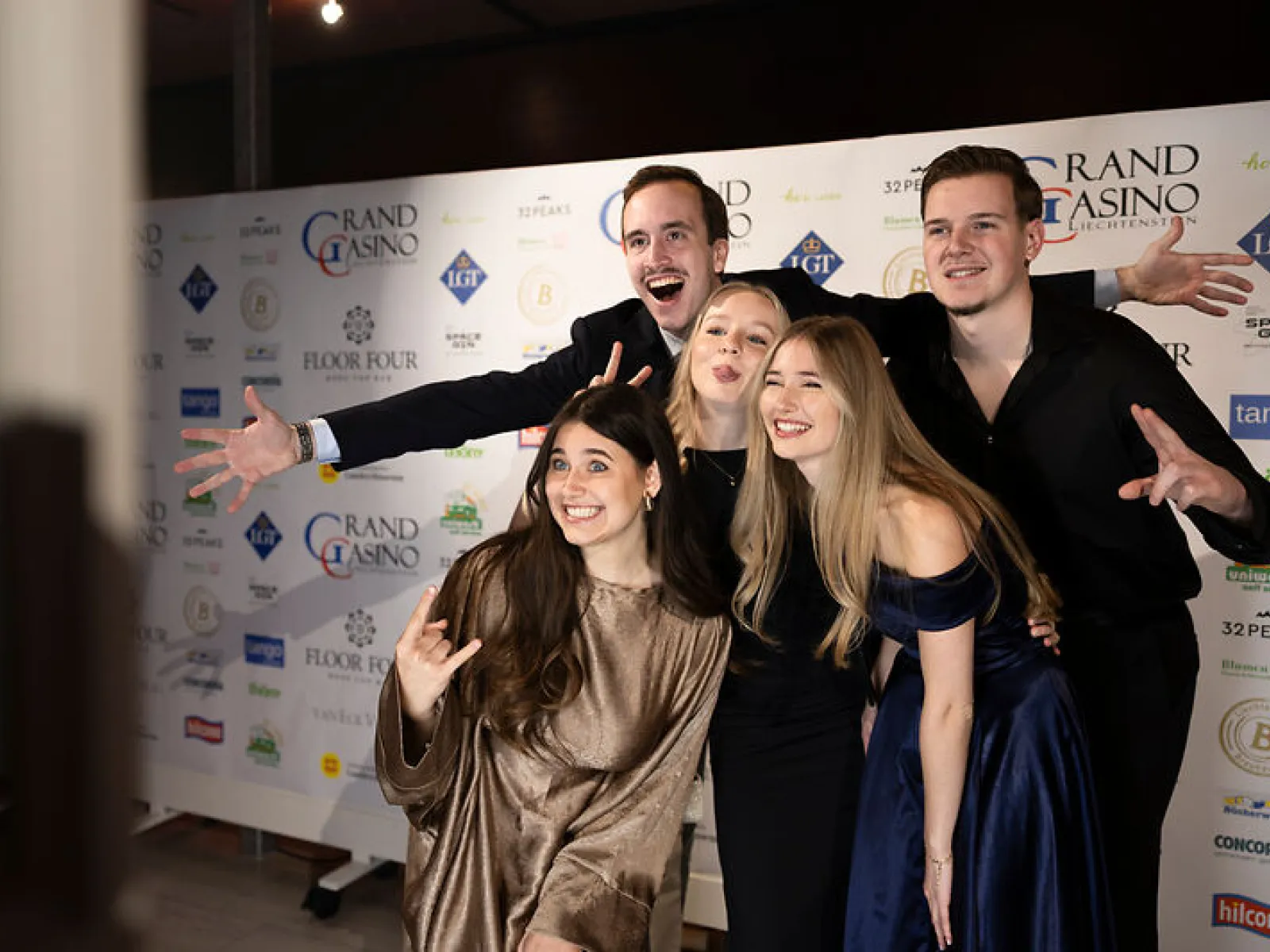
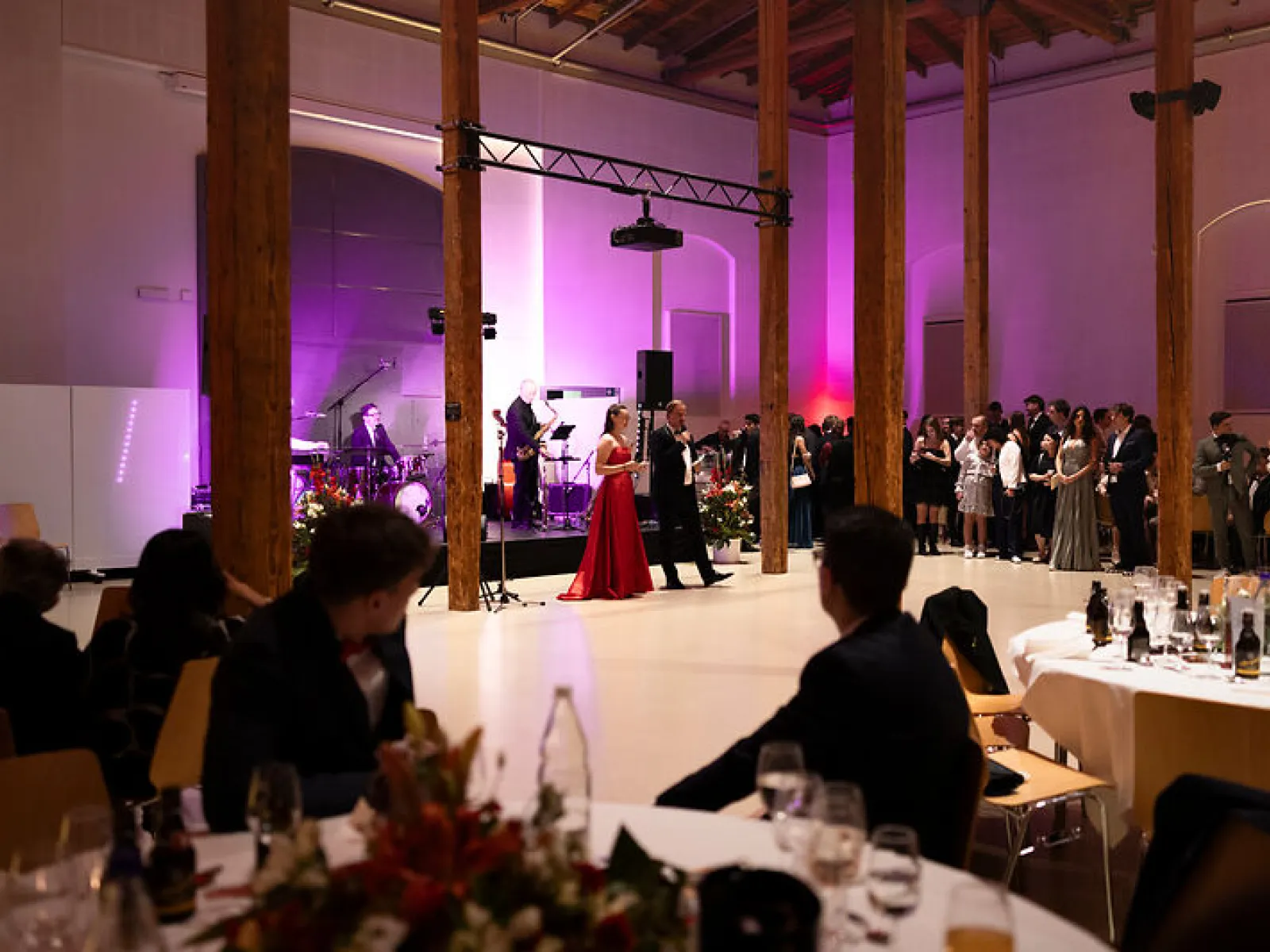
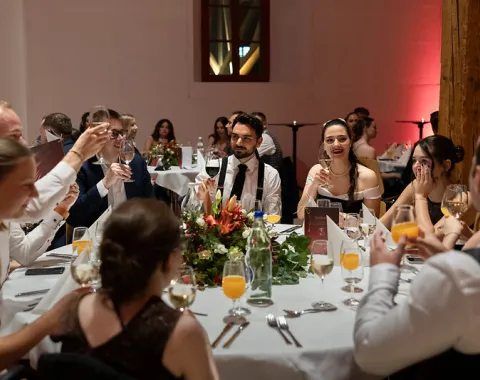
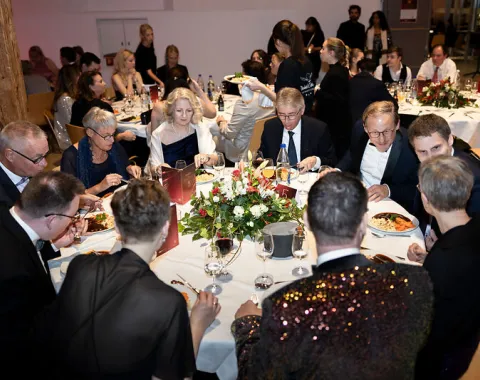
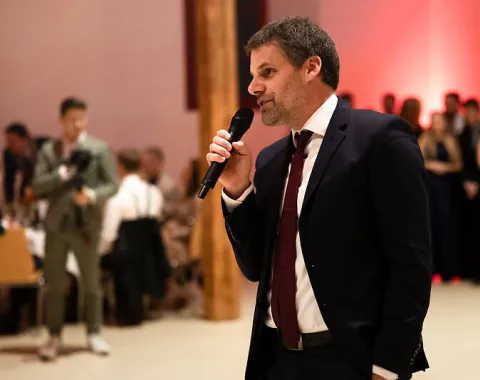
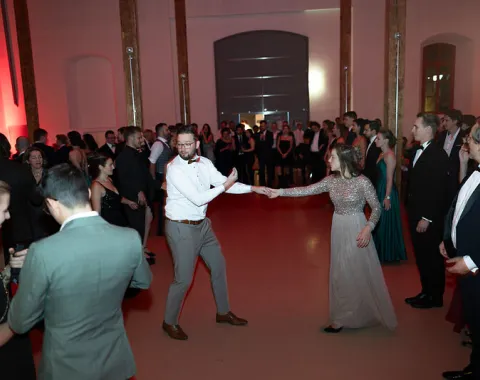
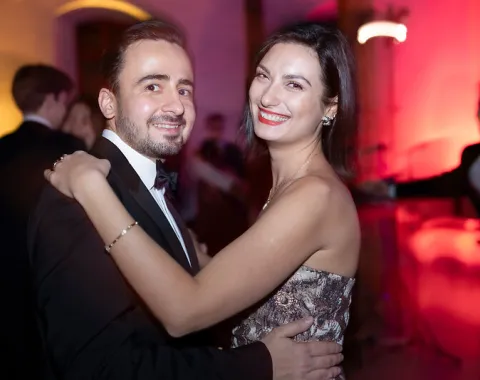
After a six-year hiatus, the University of Liechtenstein celebrated the glamorous revival of its traditional university ball on Saturday, November 8, 2025. On the initiative of Rector Christian Frommelt, the event took place under the sparkling motto “Golden Nights, Sparkling Lights” in the ballroom of the Spoerry complex. The event was a complete success: all tickets had been sold out since the end of October, underscoring the excitement surrounding the comeback.

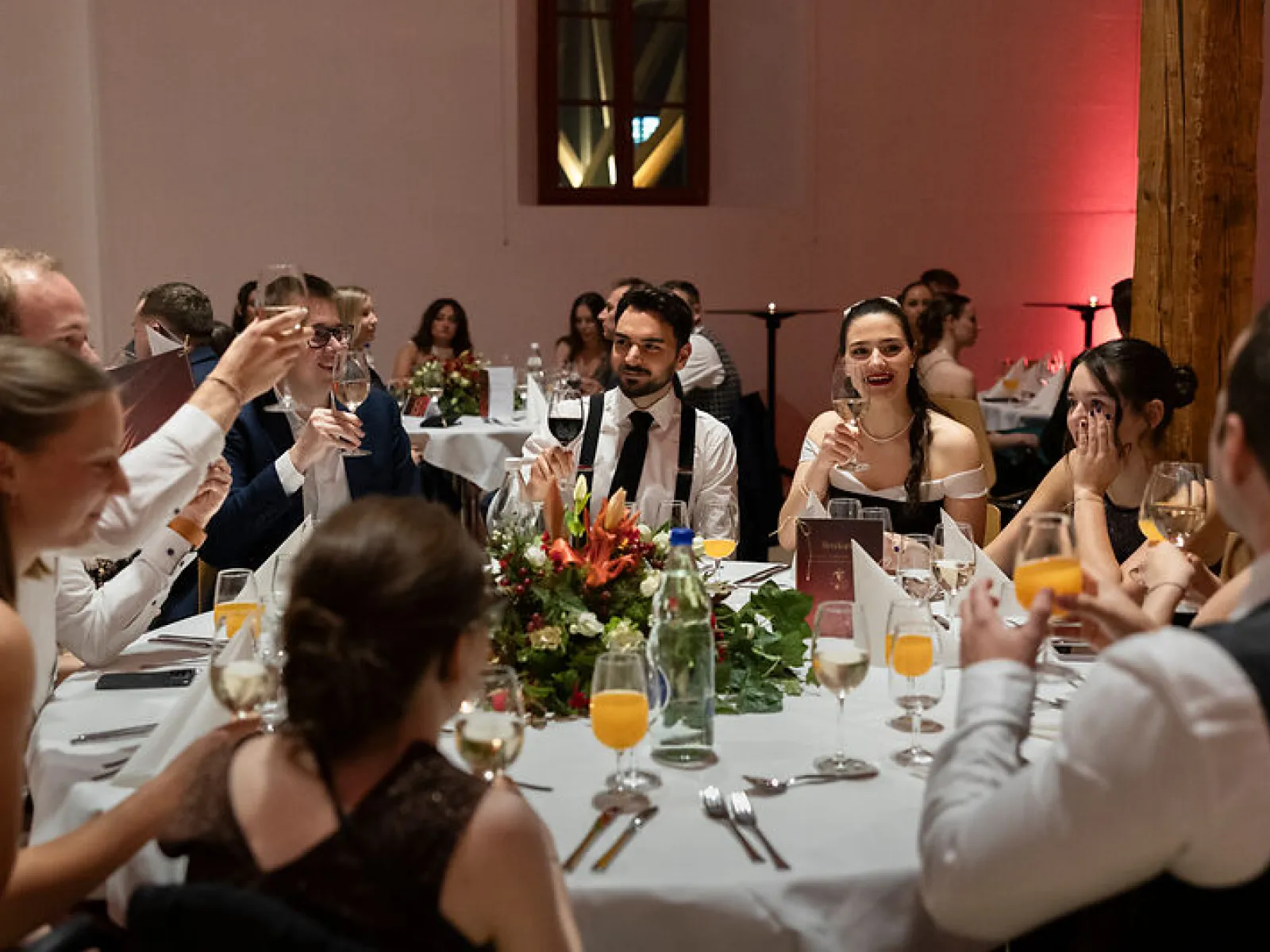
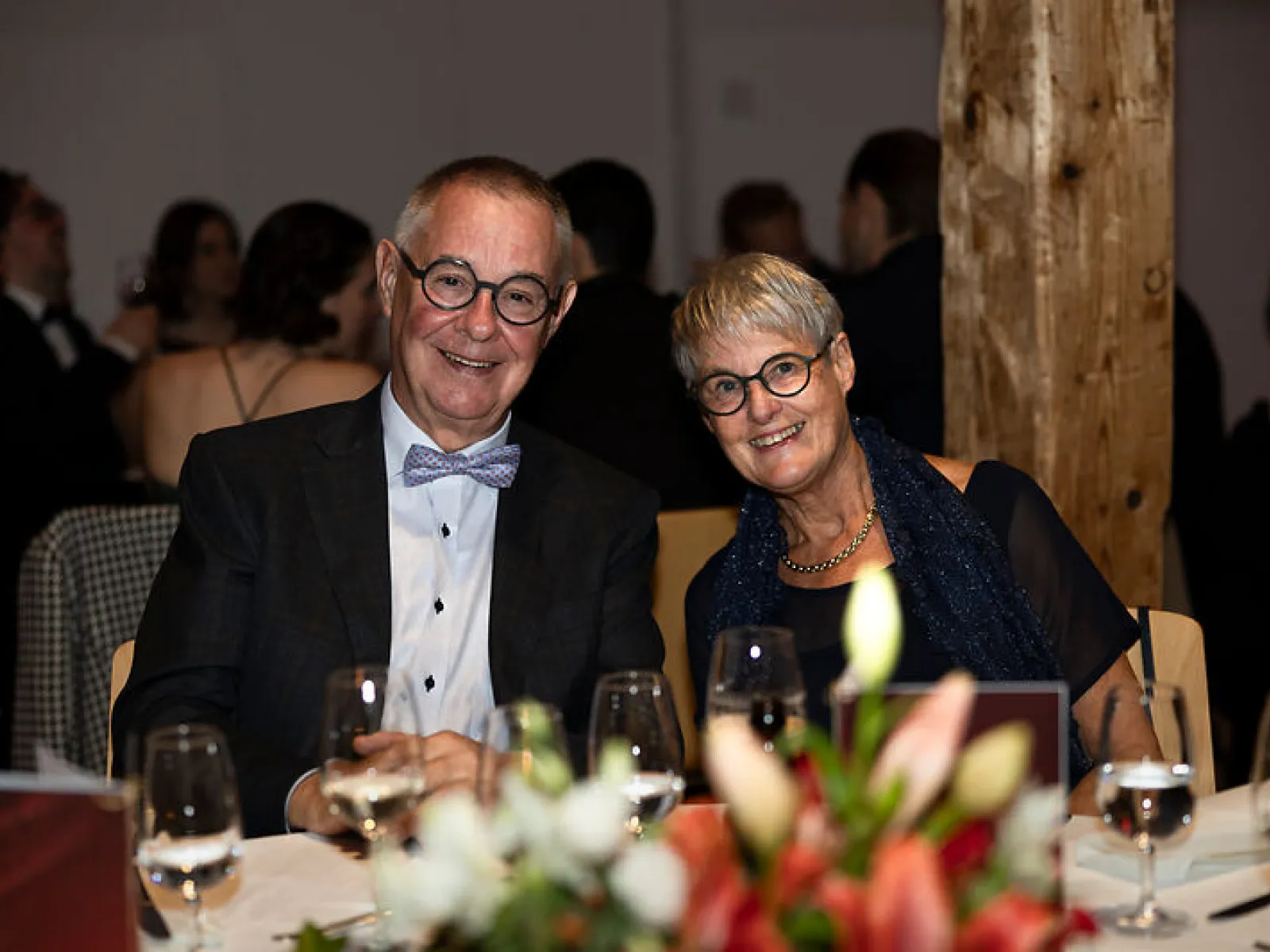
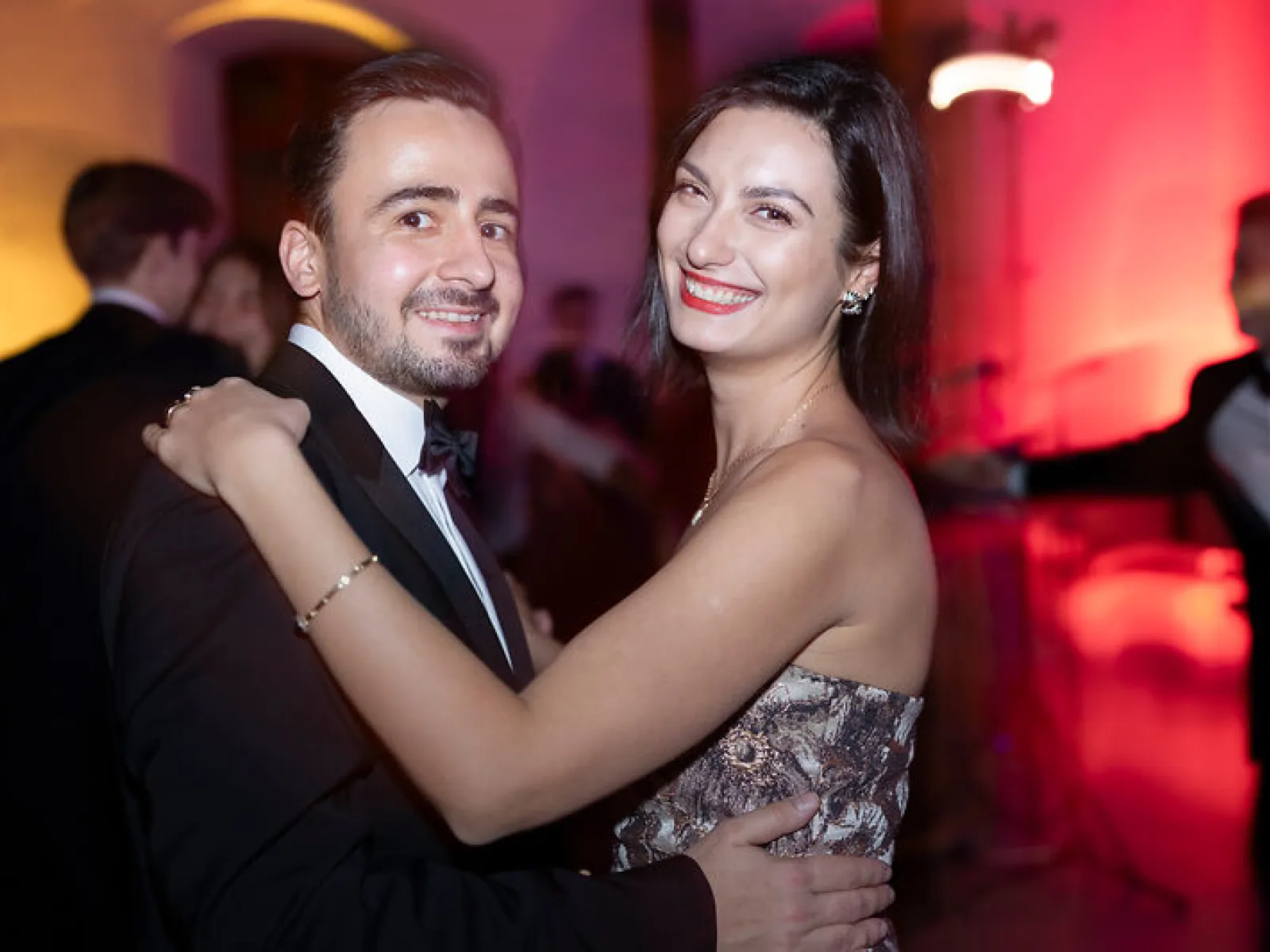
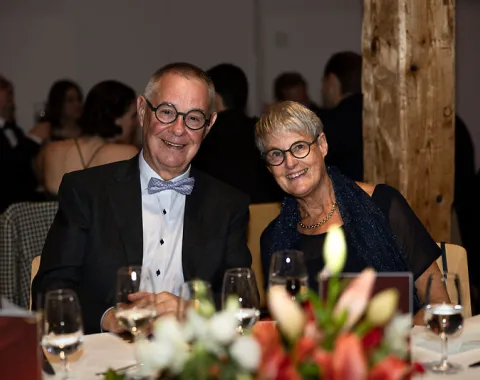
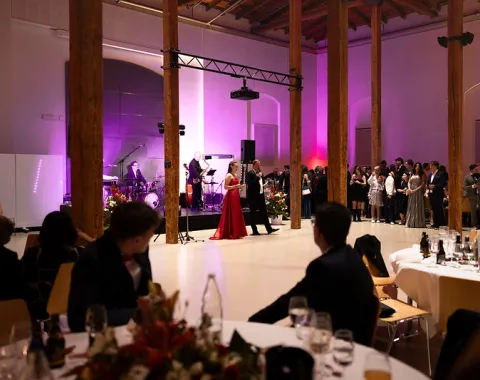
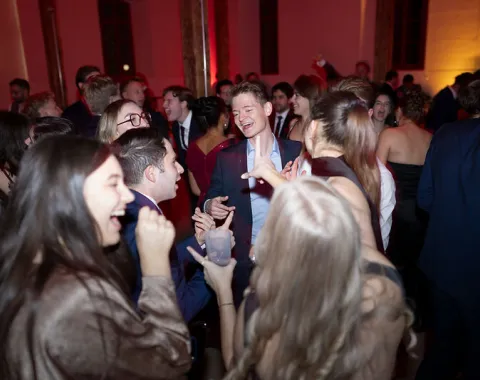
The hall was filled to capacity, bringing together the entire university family, consisting of 140 seated and 160 standing guests. The communal atmosphere attracted students, alumni, and staff, with some alumni traveling from Zurich and Munich especially for the event.

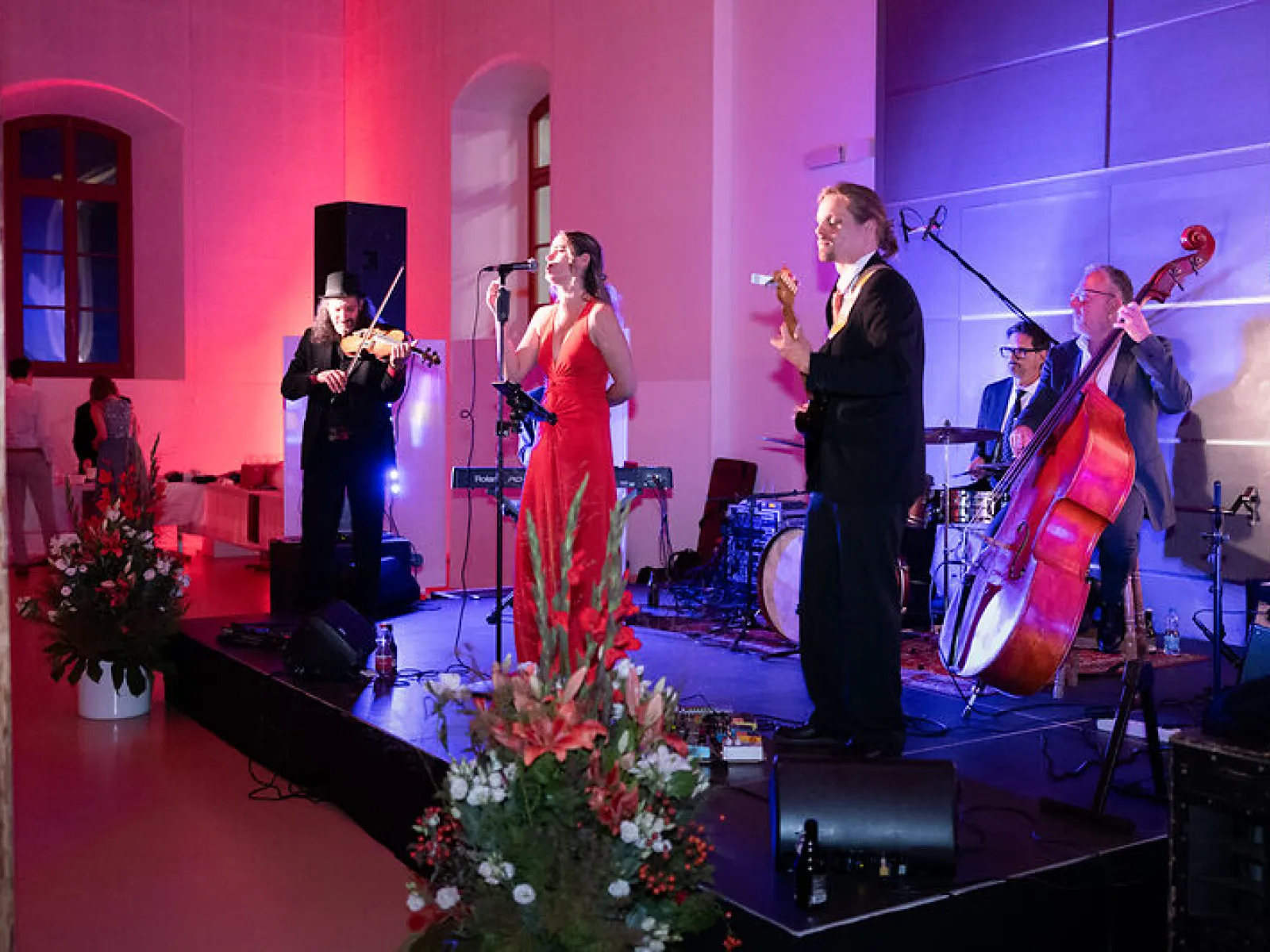
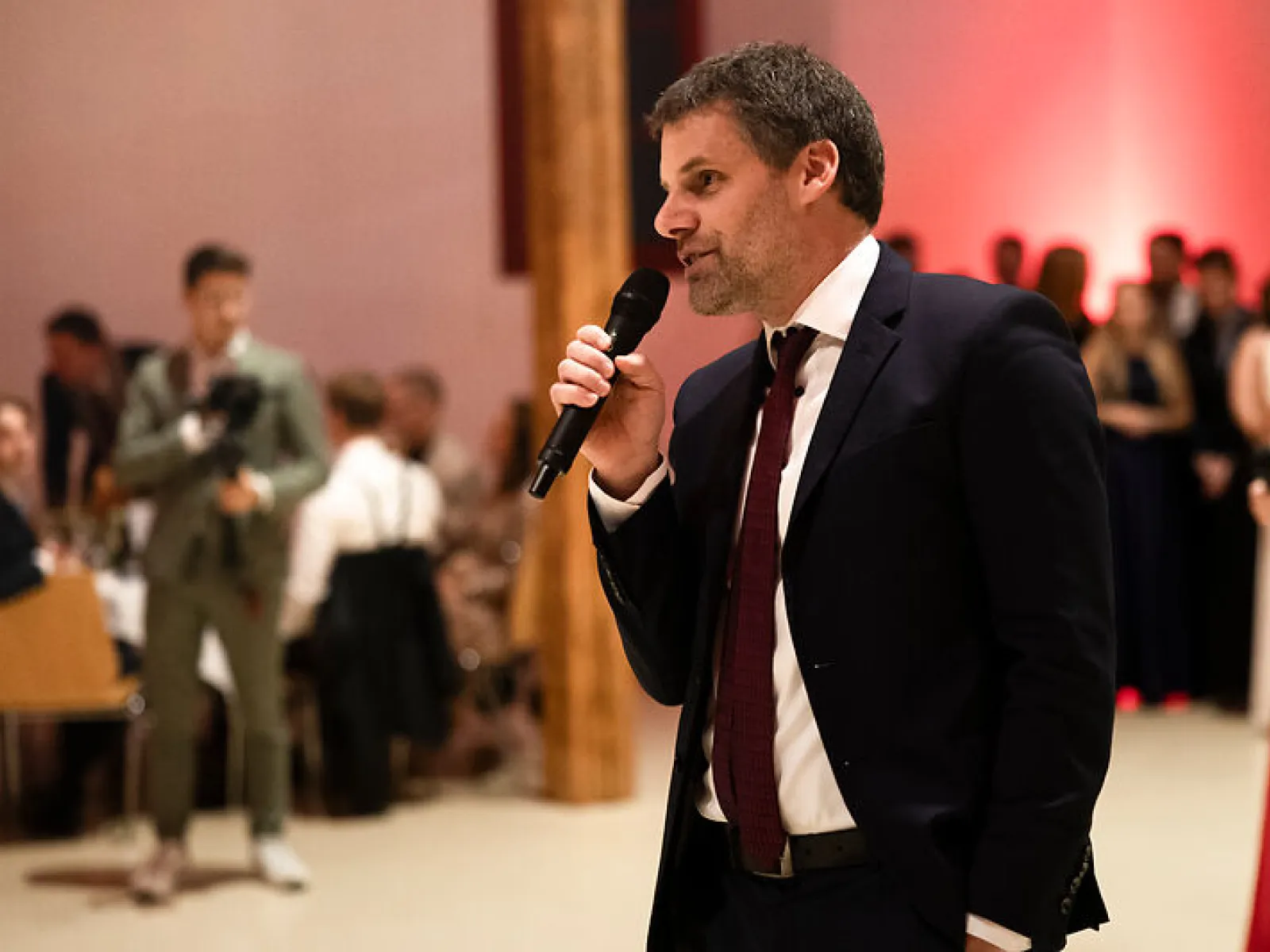
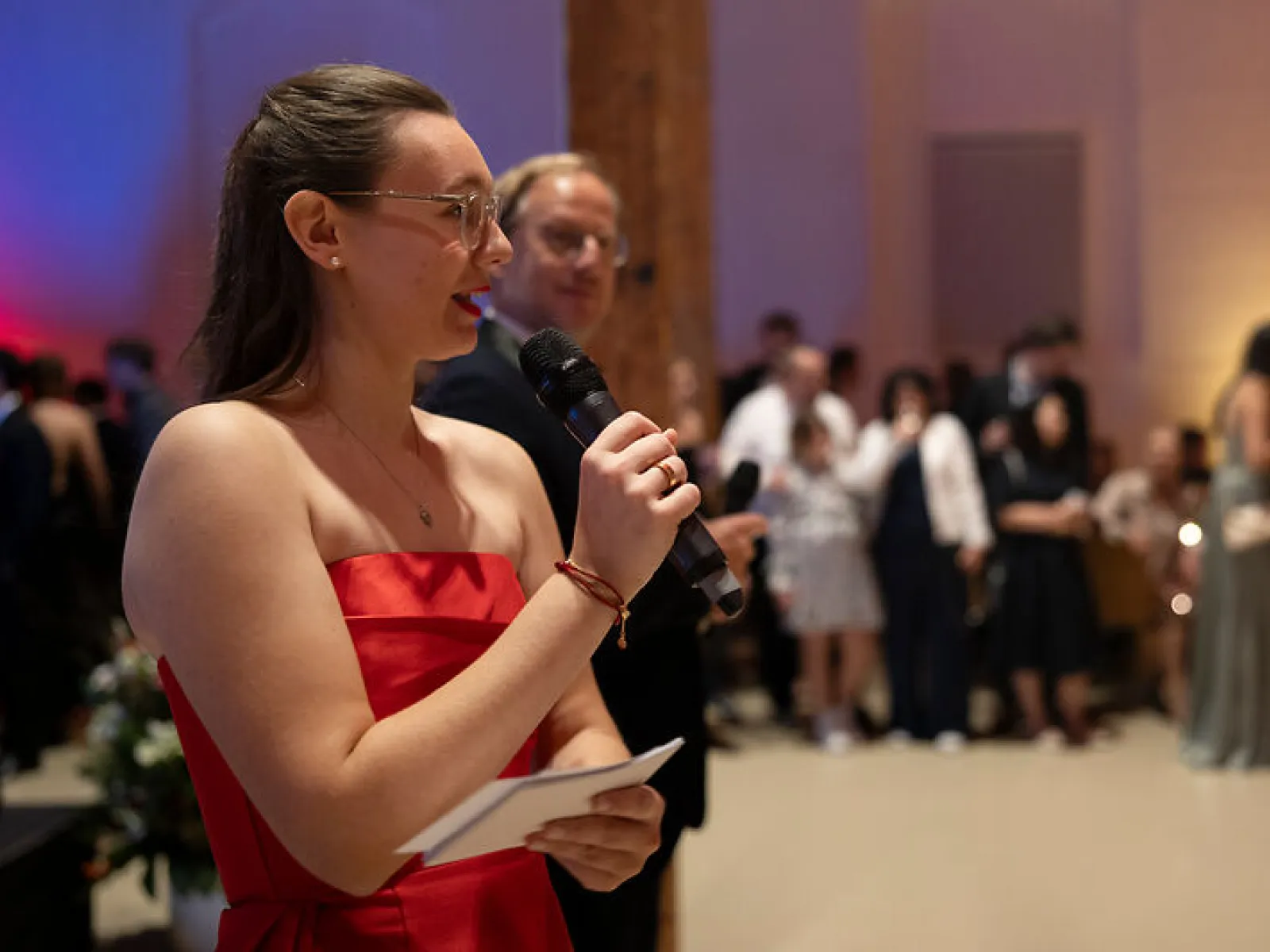
The charming and knowledgeable duo Sebastian Stöckl and Sophie Breitruck hosted the glamorous evening. Two bands from Vorarlberg provided the perfect musical accompaniment: first, the Swing Tonic Quartet presented dance music from the 1920s to the 1950s. Then the band Pastis, which stands for enjoyment and relaxation, thrilled the dance floor until the early hours of the morning.

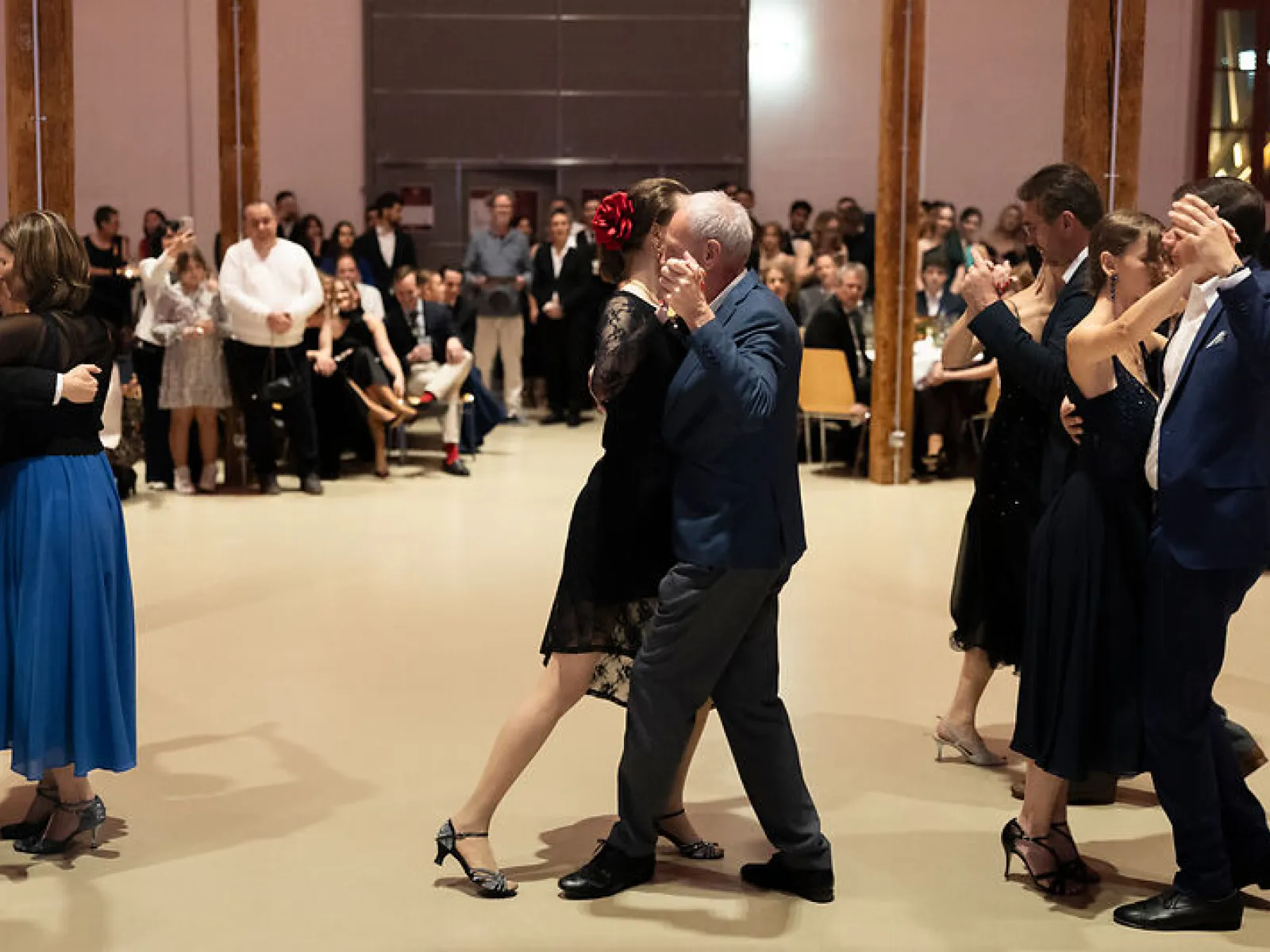
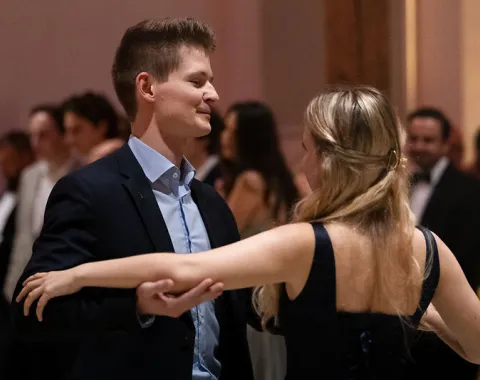
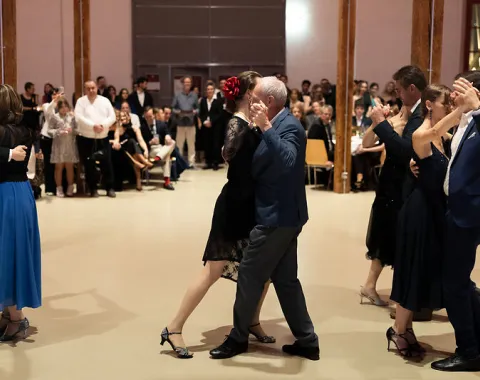
The dance floor was opened with the traditional opening dance performed by seven student couples from almost all bachelor's and master's programs, choreographed by Iva Eberle from the Liechtenstein Dance Club. This was followed by a passionate dance performance by the Tango Liechtenstein association. At midnight sharp, the guests gathered for the traditional highlight, the midnight quadrille to Johann Strauss' “Die Fledermaus,” during which everyone present was invited to dance together.

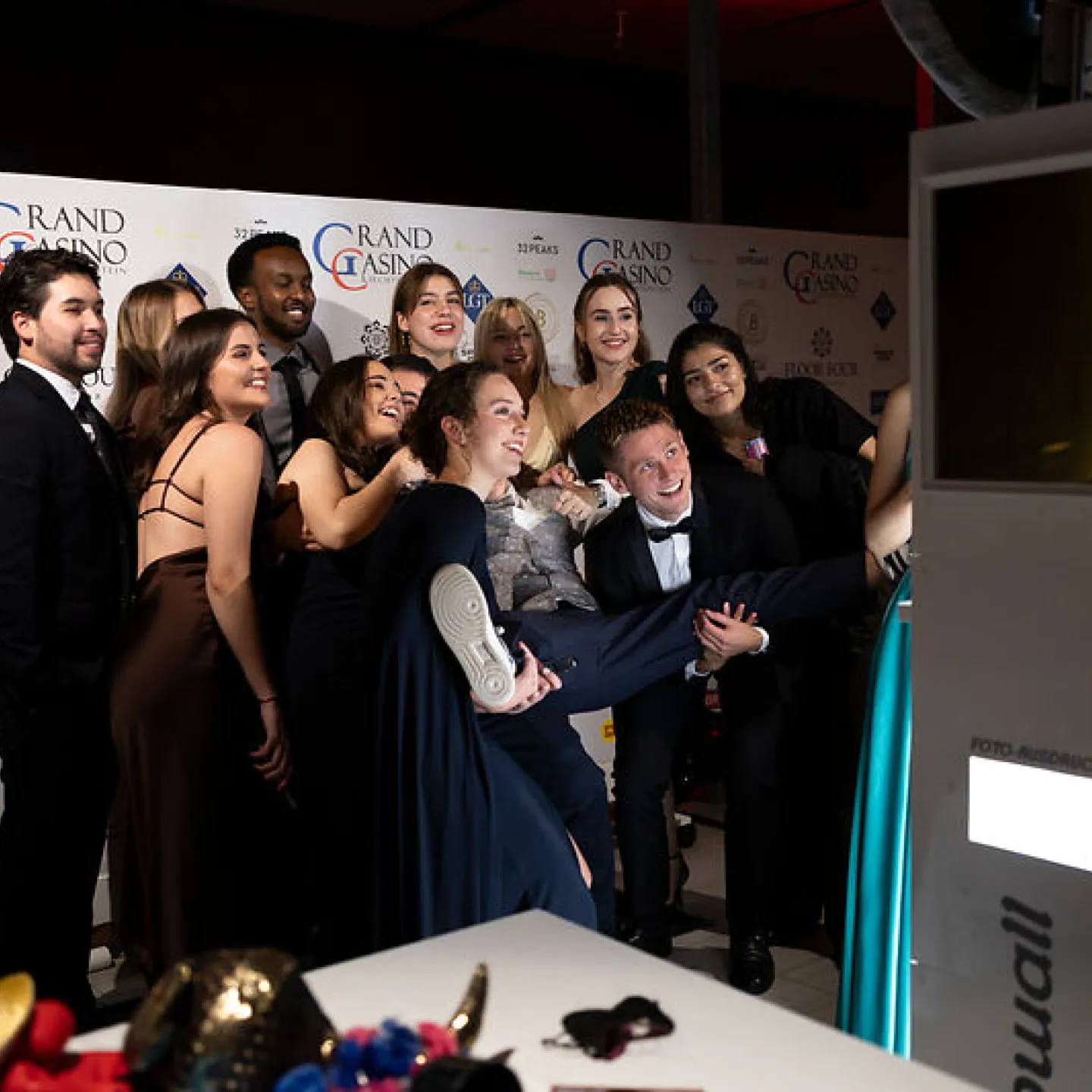
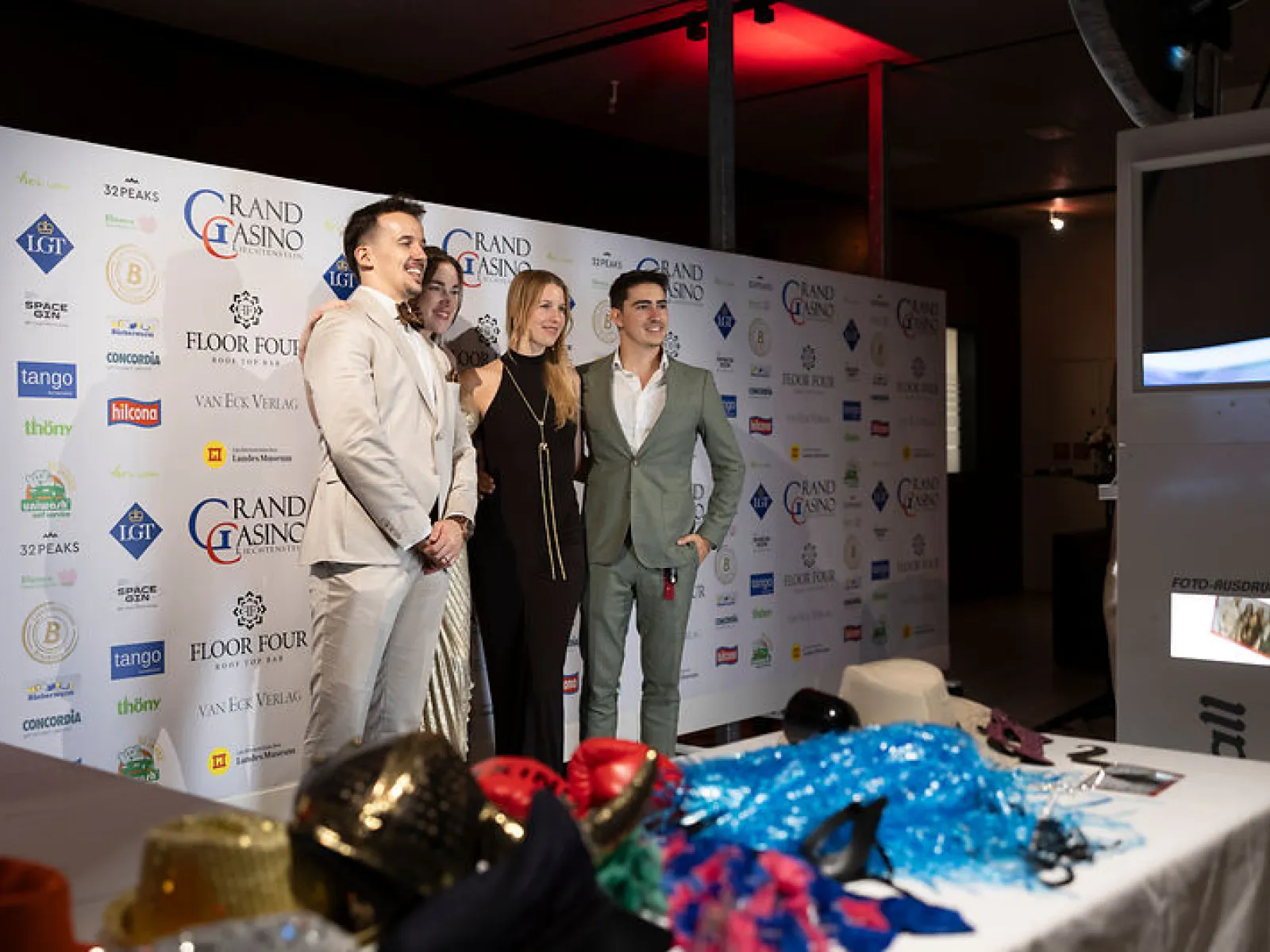
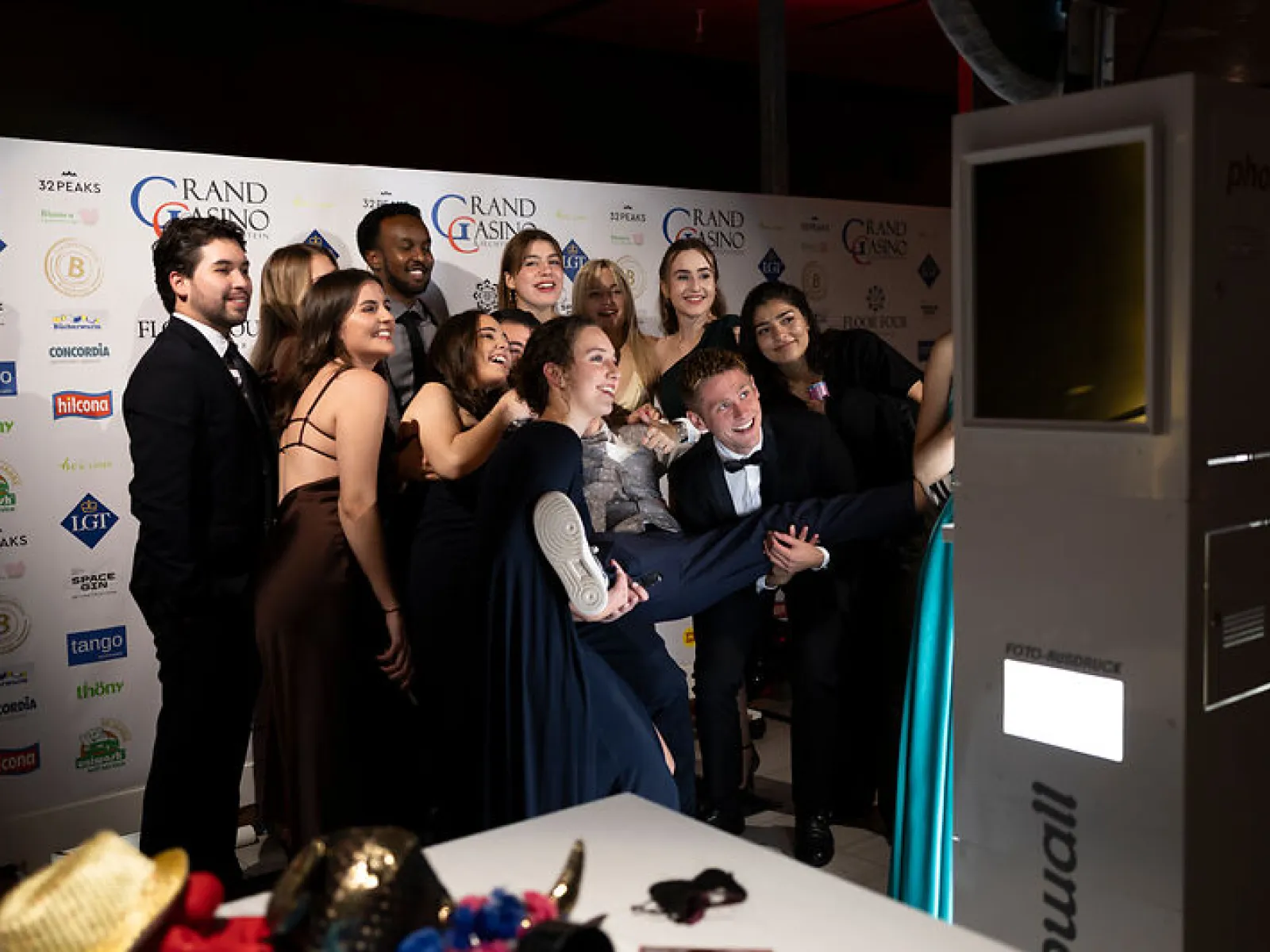
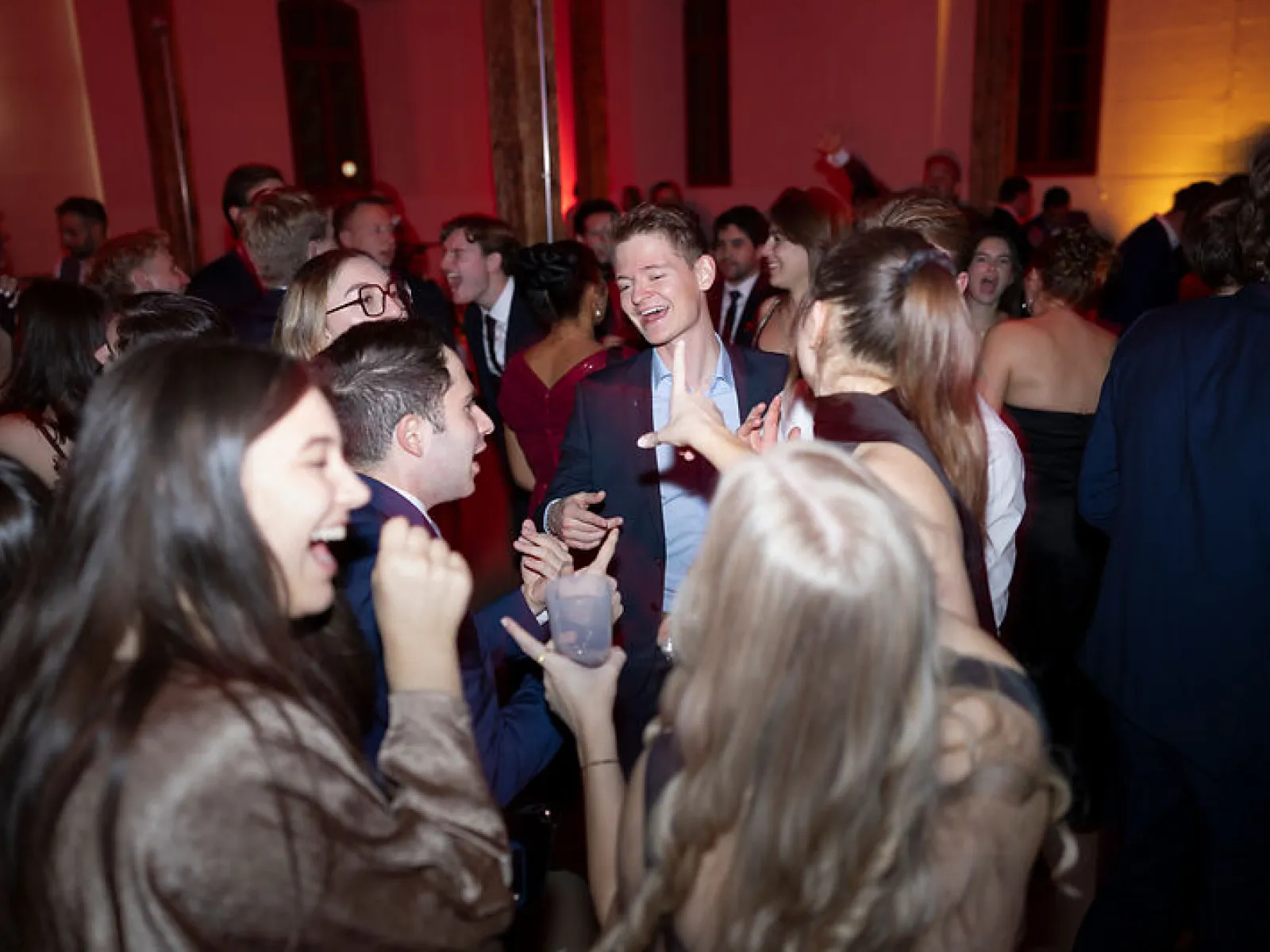
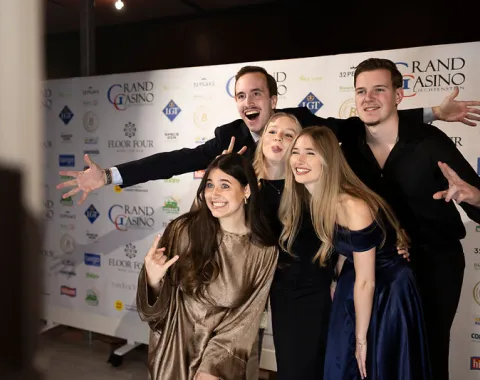
Additional entertainment was provided by the casino of diamond sponsor Grand Casino Eschen in the adjoining room, where guests could play blackjack, poker, and roulette with play money. In addition, attractive prizes worth a total of up to 1,000 Swiss francs were raffled off. In addition to the three-course menu, guests were treated to burgers and fries from the food truck. The guests were enthusiastic about the revival of the ball and celebrated exuberantly until 3 a.m.

A big thank you goes to the moderator duo Sebastian Stöckl and Sophie Breitruck, as well as to the entire organization team, namely Carmen, Simone, Andreas, Daniel, and Janina, whose tireless efforts made this glamorous evening in the “Golden Nights & Sparkling Lights” possible.

The date for next year has already been set: The University Ball 2026 will take place on Saturday, October 17, 2026, once again at the Ballenlager.

Uniball 2025_universitaet-liechtenstein

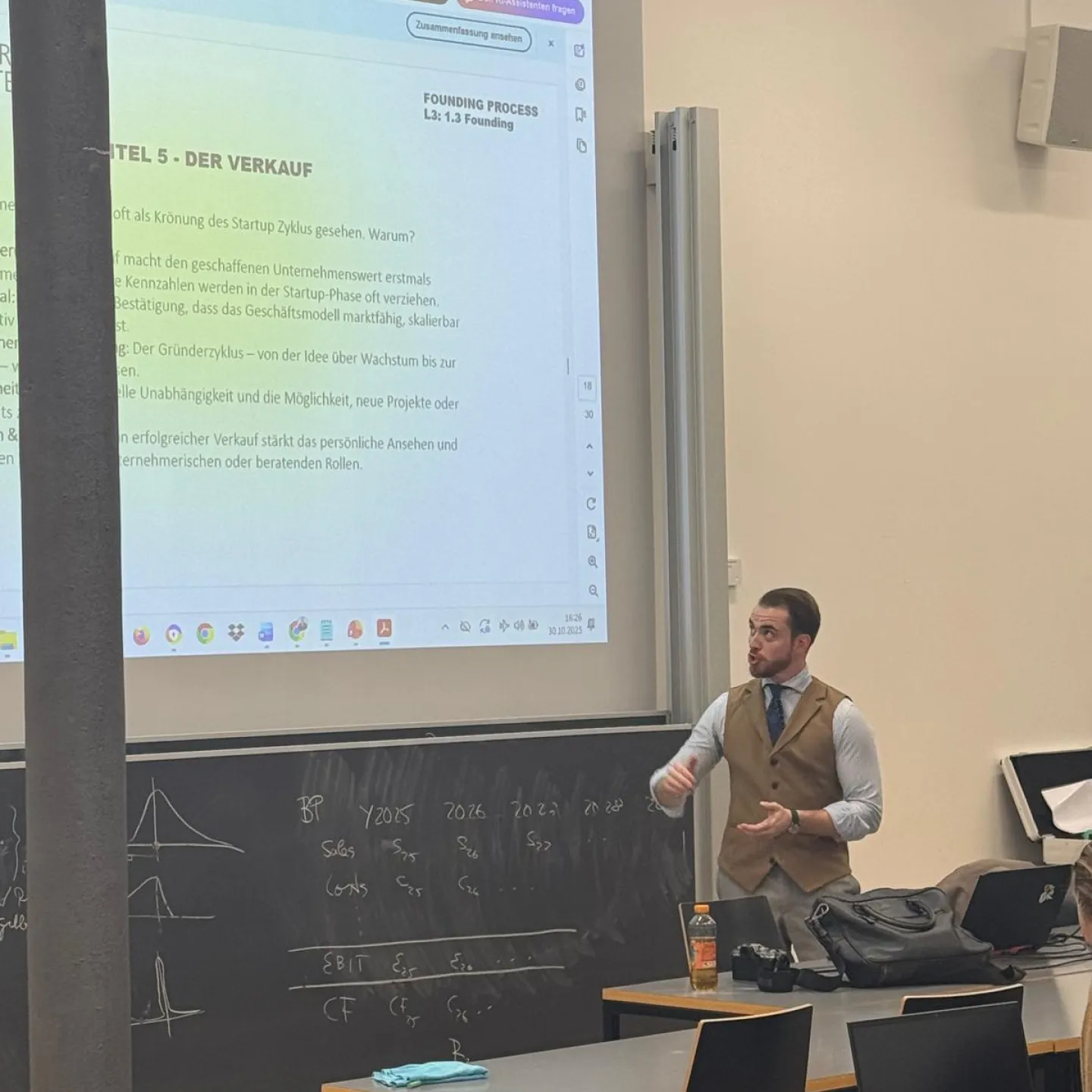
«Entrepreneurial Founding Process» – Guest lecture by Max Meier

«Entrepreneurial Founding Process» – Guest lecture by Max Meier

Max Meier während seines Vortrags

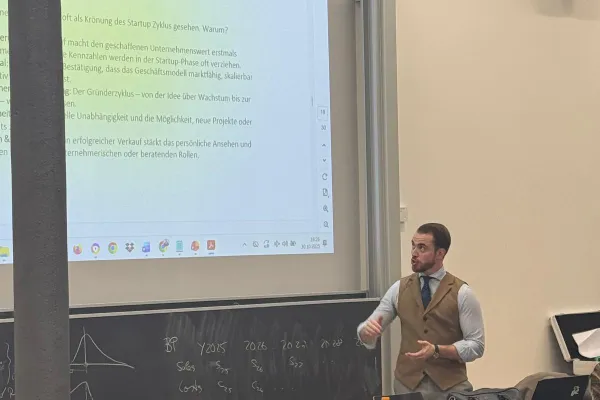
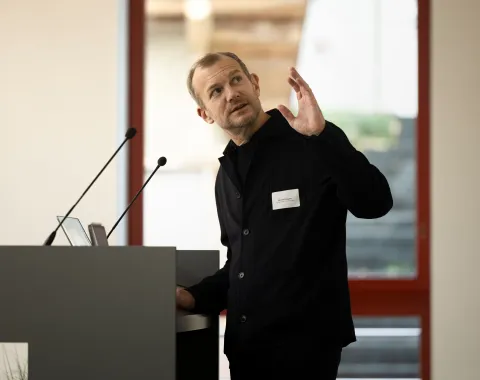
At the invitation of Prof. Dr. Leo Brecht, Max Meier was a guest speaker in the lecture “Entrepreneurial Founding Process.” The event took place on Wednesday, October 29, 2025, and Thursday, October 30, 2025, with Max Meier's guest lecture taking place on Thursday, October 30, 2025.

Max Meier is an entrepreneur, managing partner, and lawyer, and is one of the youngest supervisory board members in the entire DACH region. In his lecture “Founding – From Idea to Execution – Methods from Practice,” he provided practical business and legal insights throughout the entire corporate cycle – from founding to sale – and linked these with personal anecdotes from his own entrepreneurial career.
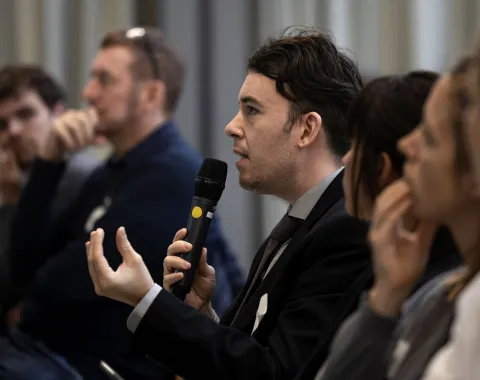
Using a structured five-step model, Meier guided the students through the various phases of a company – from the initial idea to a successful exit. In doing so, he drew on his diverse experience as a founder, managing director, and supervisory board member in the food & beverage, bioenergy, and asset management/finance sectors.
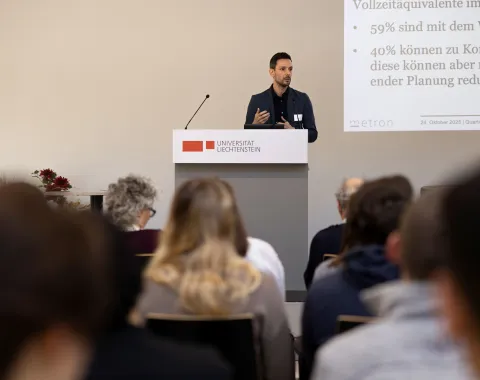
The highly practical nature of the lecture was particularly impressive: Meier presented real illustrative material from his entrepreneurial activities, including

• original trademark applications from his companies,

• development calculations and business plan excerpts,

• SWOT analyses, and

• pictures from everyday company life and from production and filling processes.

This content was supplemented by detailed anecdotes that gave students an authentic insight into the challenges and success factors of entrepreneurship.

At the end of the approximately two-hour event, the participants joined Meier in examining three case studies of entrepreneurs who have established successful business models in supposedly saturated markets:

• Mate Rimac (automotive industry)

• Sam Altman (software/AI)

• Ben Francis (sportswear)

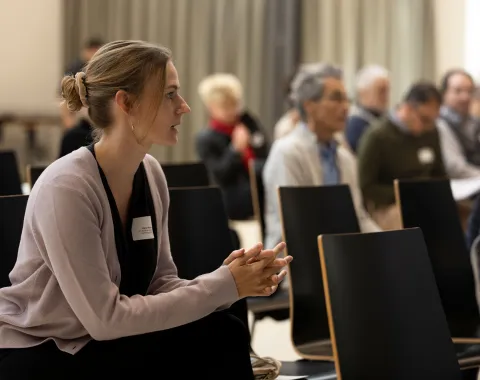
The students actively participated with questions, assessments, and their own ideas, which led to a lively and interactive exchange.

The lecture was very well attended and received consistently positive feedback. It not only offered participants valuable insights into the theory and practice of starting a business, but also inspiration and motivation to pursue their own entrepreneurial paths.

Max Meier während seines Vortrags
Subscribe to