Skip to Main Content

SME Practice Forum: Sustainability as an Opportunity for Liechtenstein’s Business Location

SME Practice Forum: Sustainability as an Opportunity for Liechtenstein’s Business Location
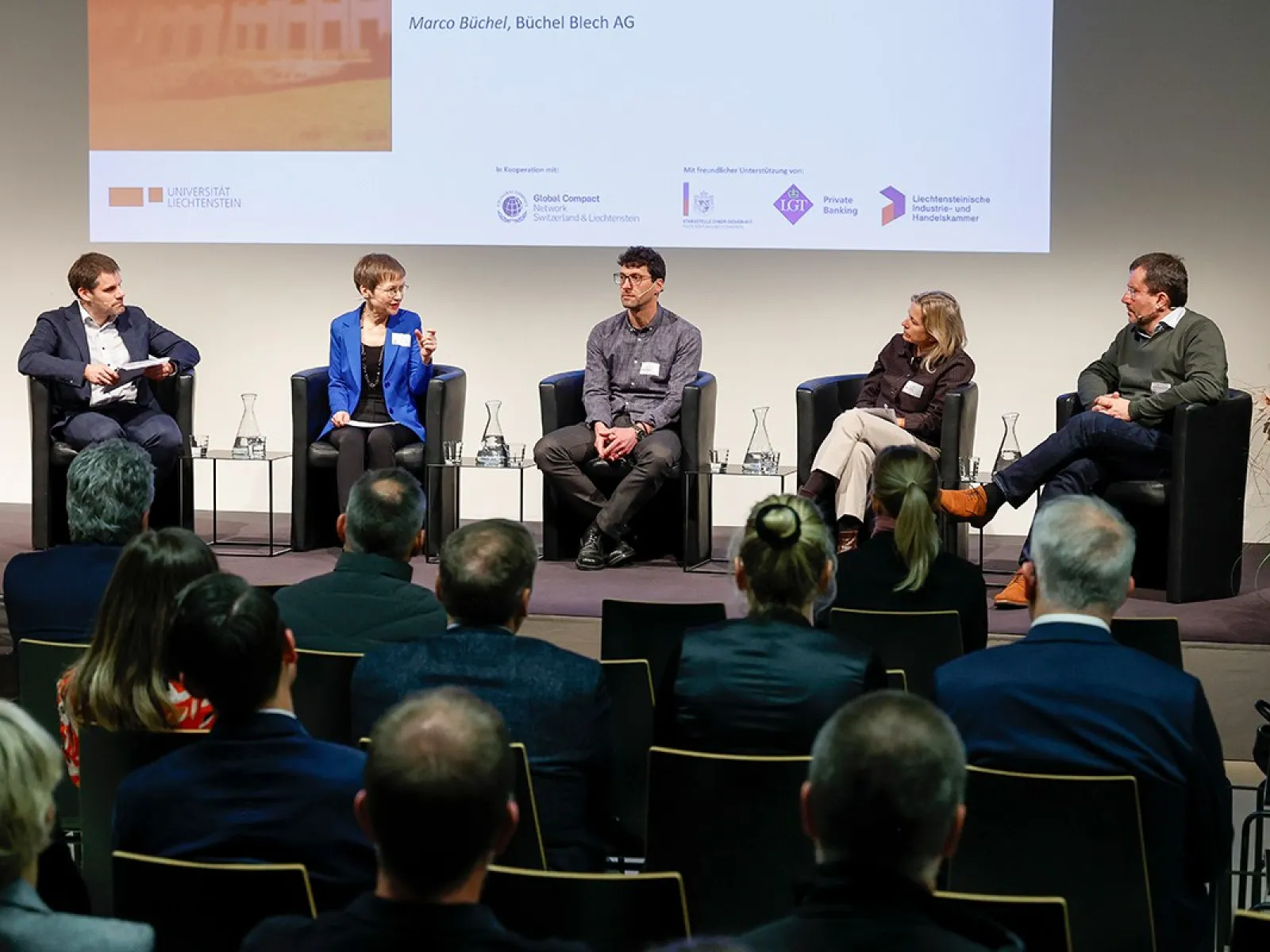
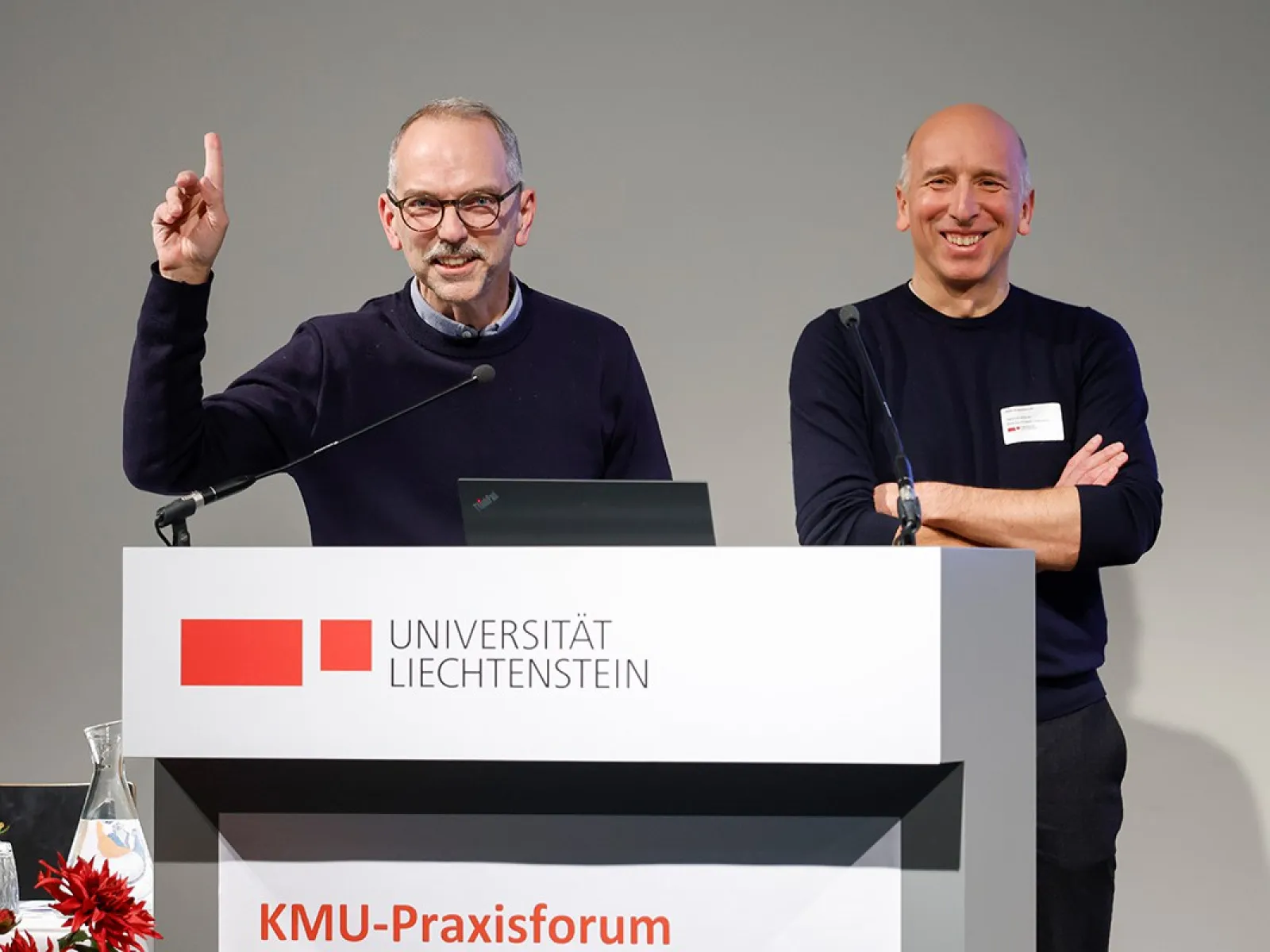
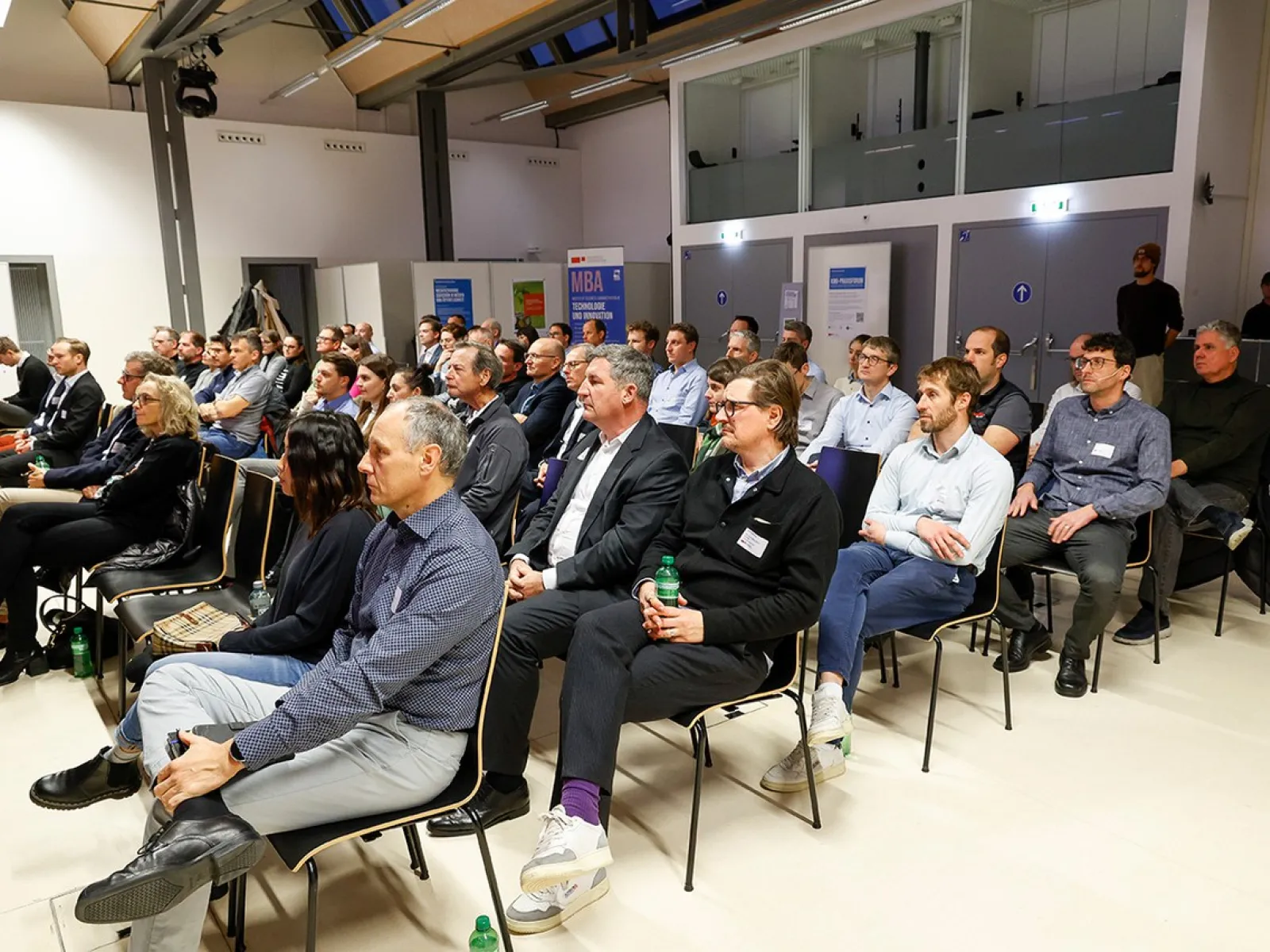
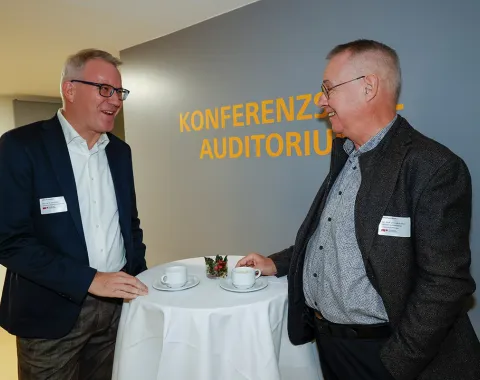
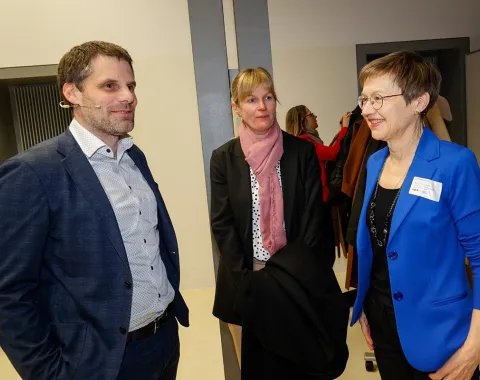
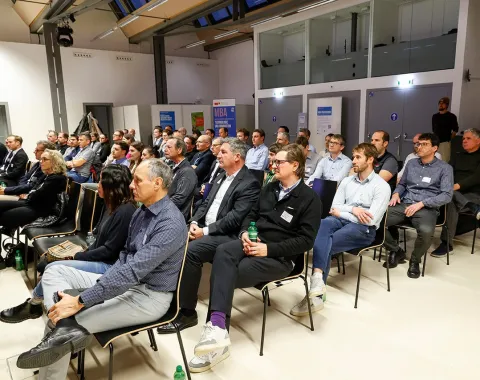
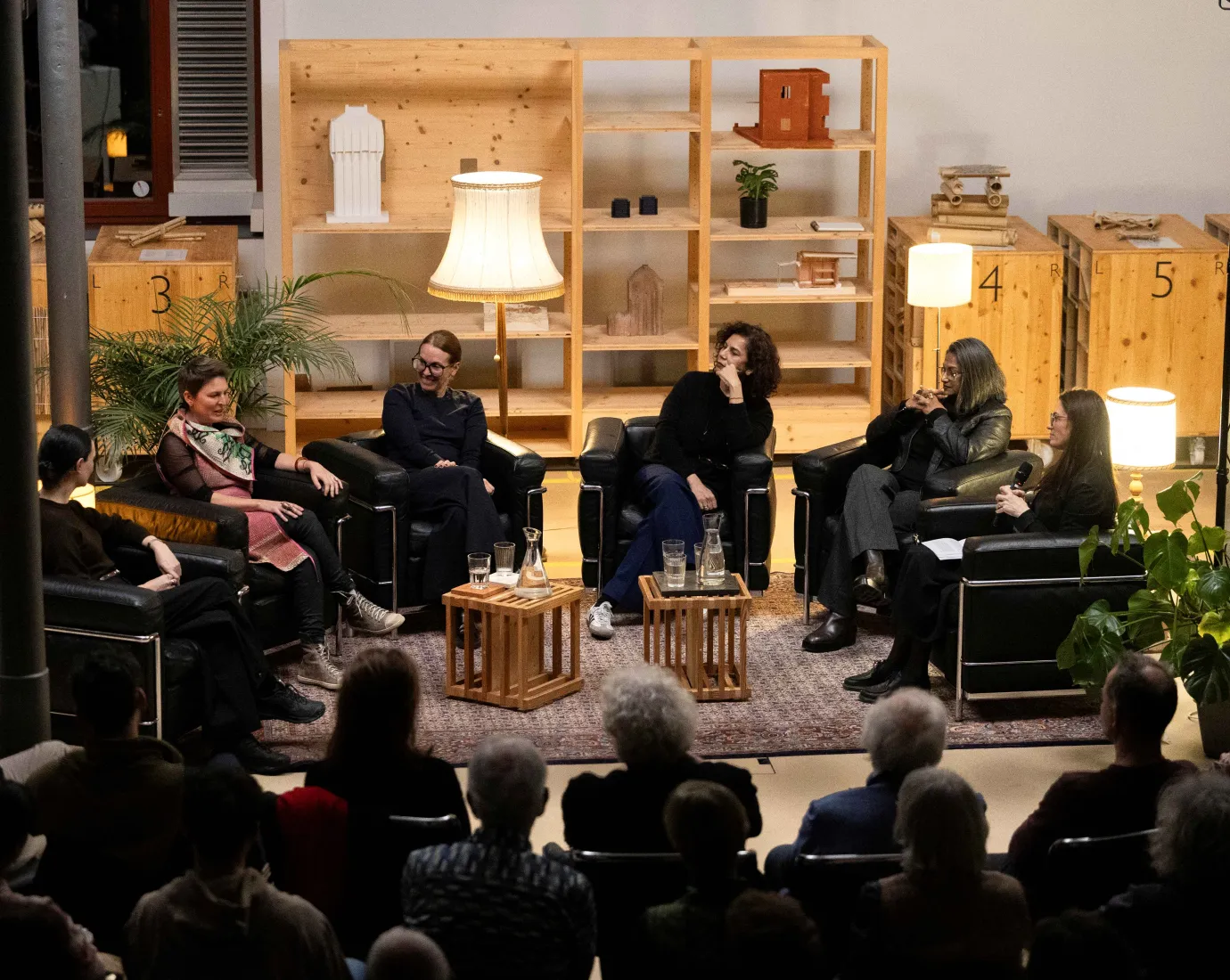
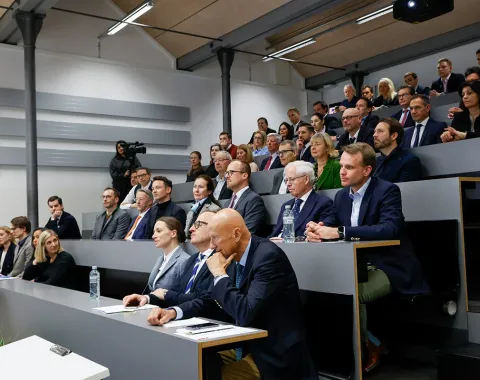
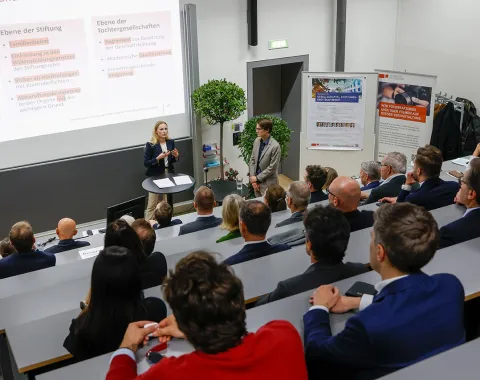
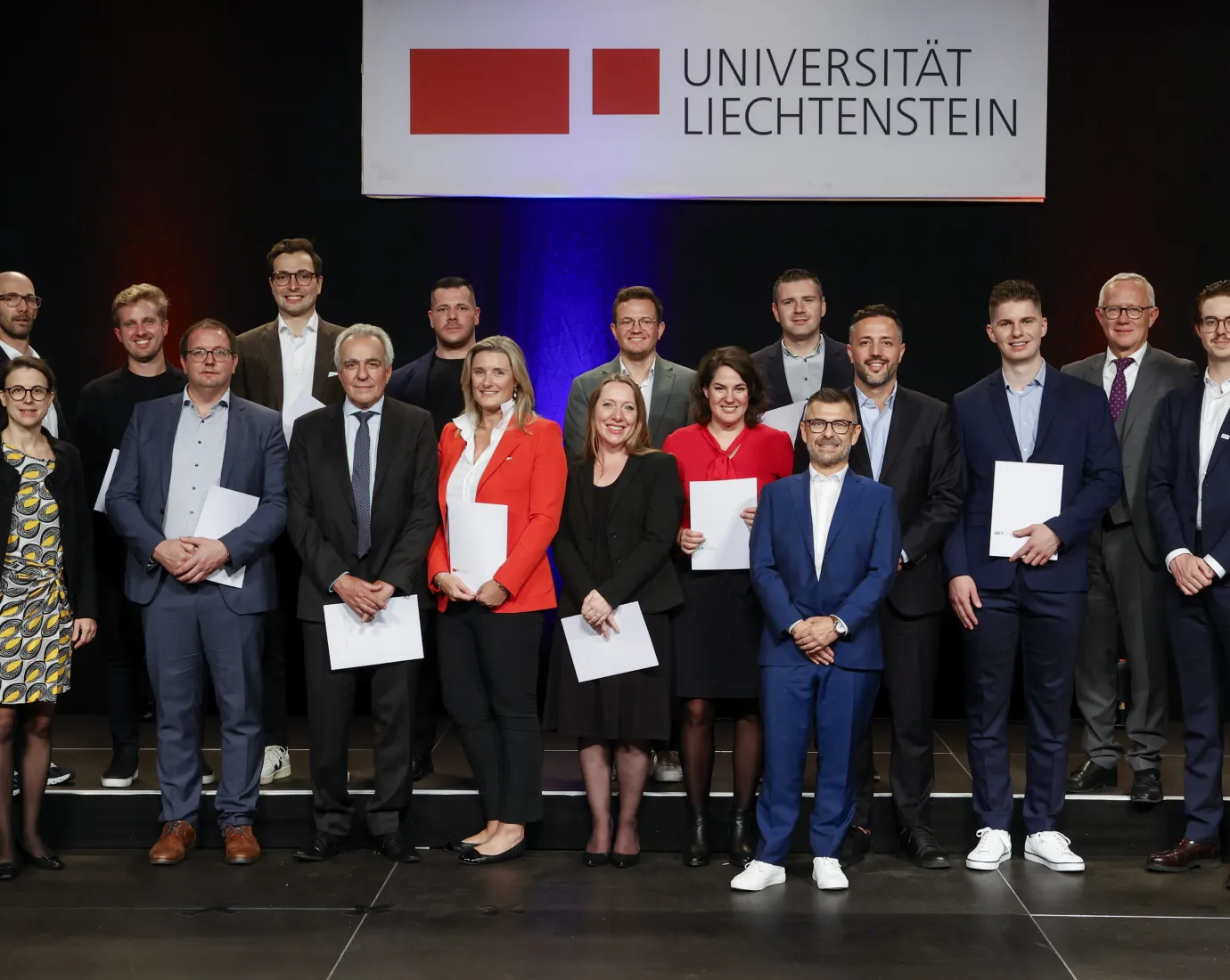
On Tuesday evening, around 90 entrepreneurs and stakeholders from Liechtenstein and the surrounding region gathered at the University of Liechtenstein. The goal of the event was to present concrete approaches for how small and medium-sized enterprises (SMEs) can successfully meet the challenges of sustainability regulations.


Business and Sustainability – A Profitable Symbiosis


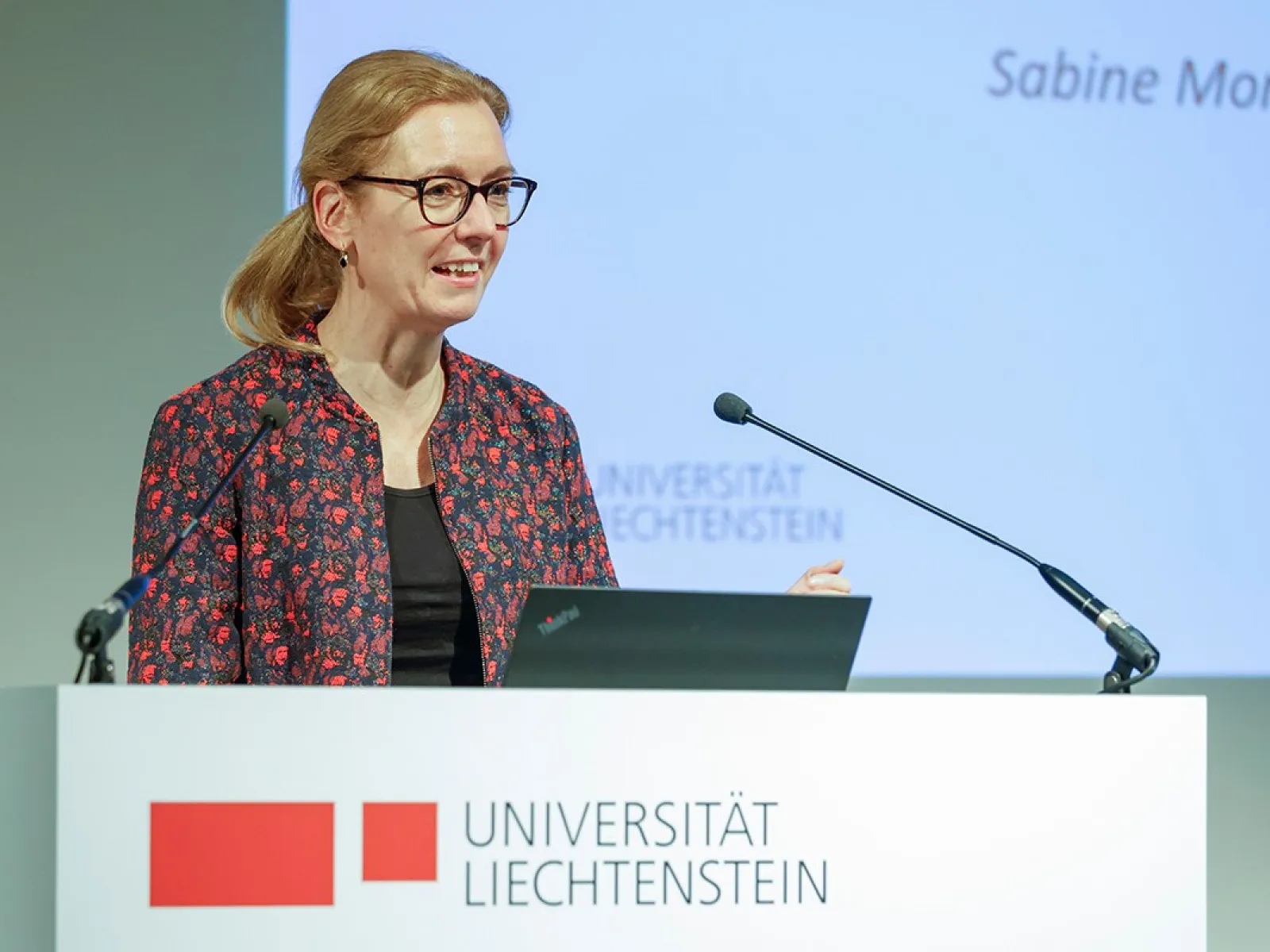
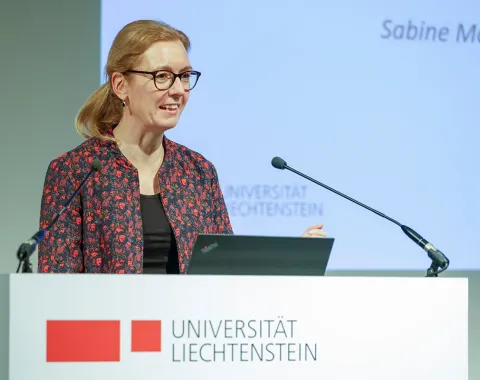
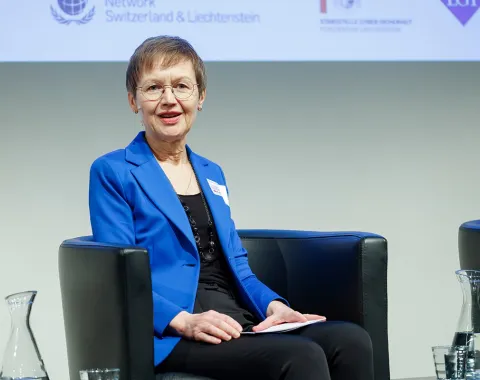
Deputy Prime Minister Sabine Monauni opened the event with the words: “Business and sustainability are not mutually exclusive – on the contrary: they complement each other and create new opportunities for growth and innovation.” Precisely because the term sustainability is now used almost to excess, she emphasized the importance of bringing it to life through such events and the various practical case studies presented.


Impulses for a Sustainable Future


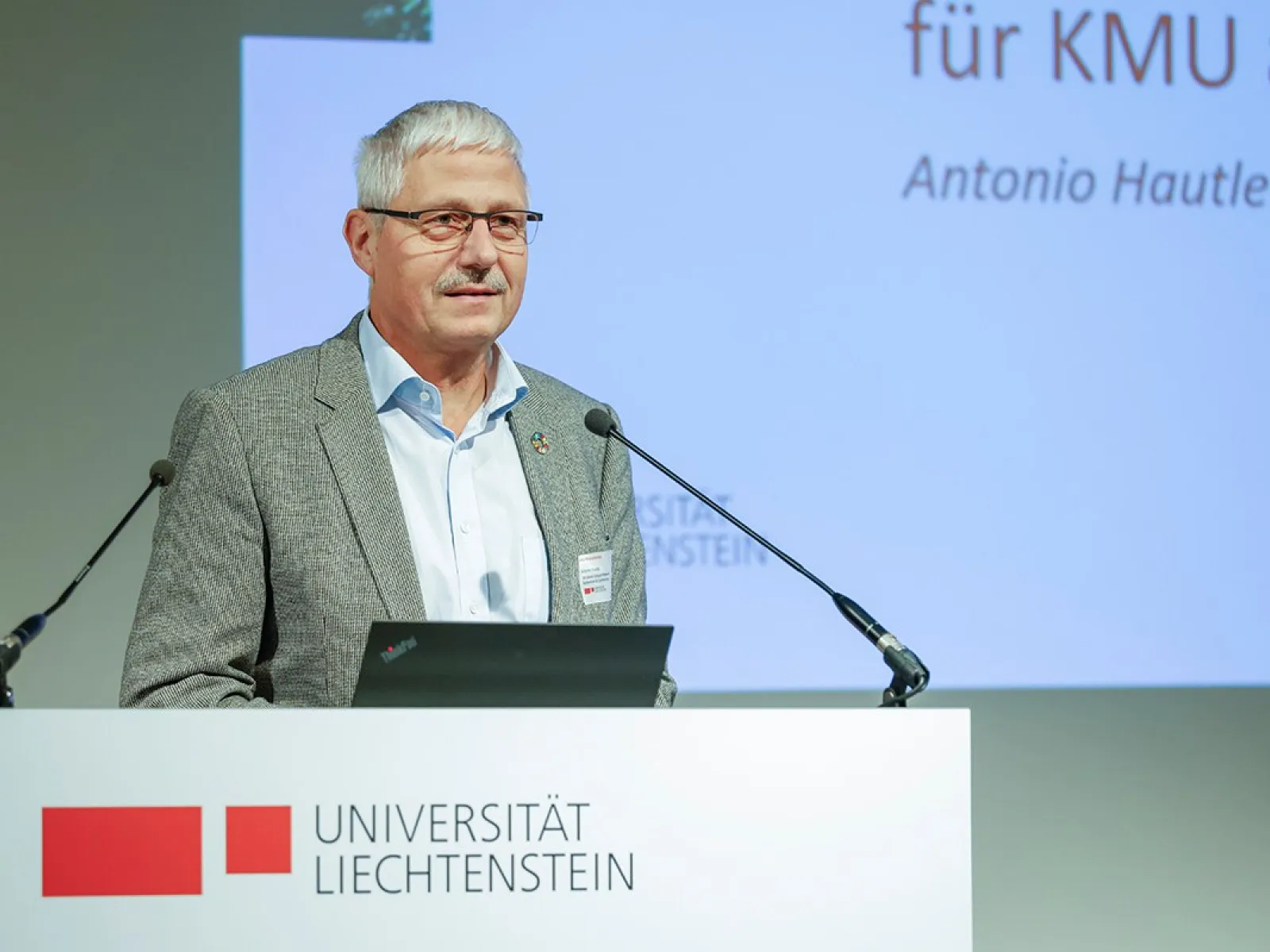
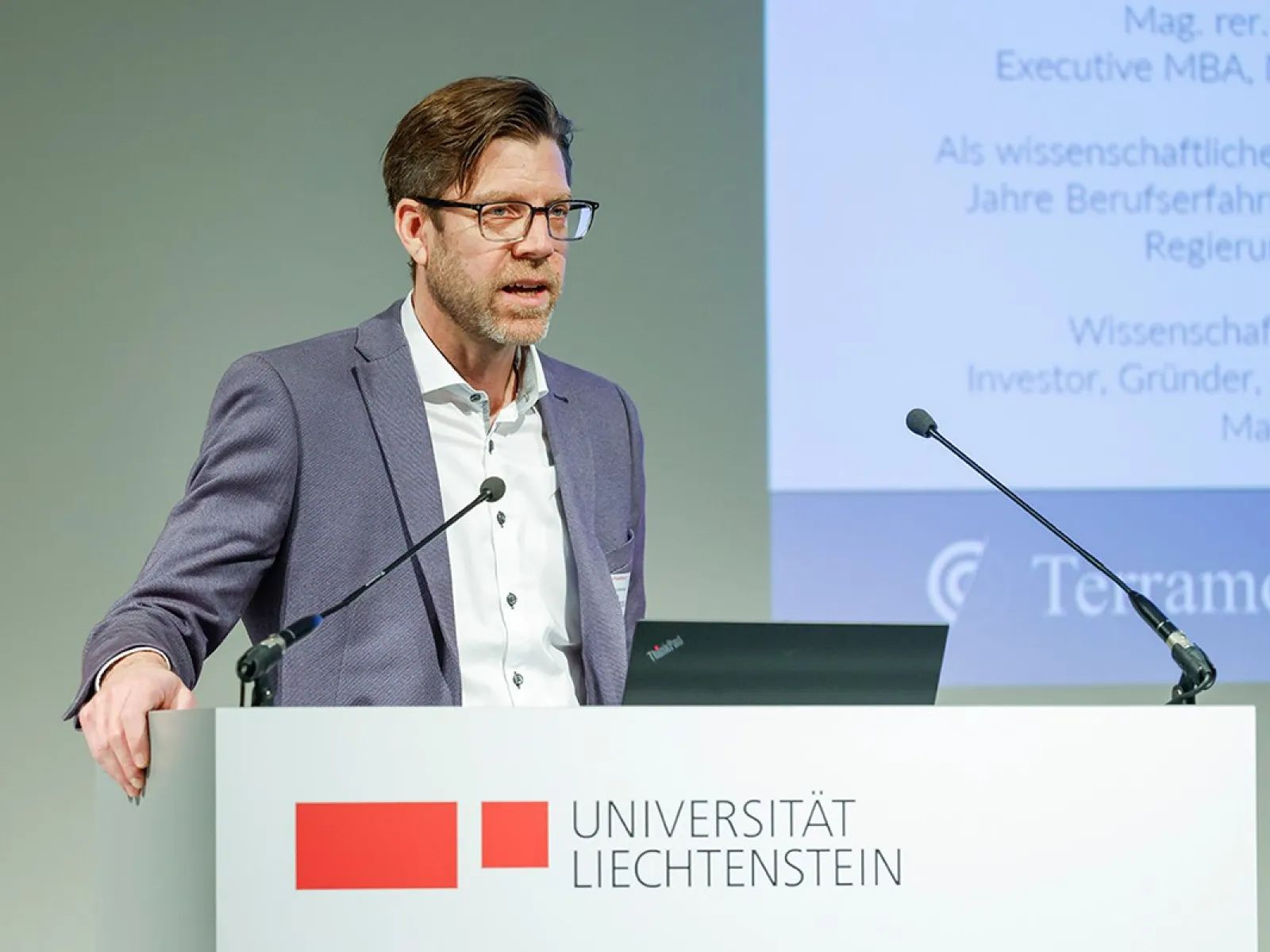
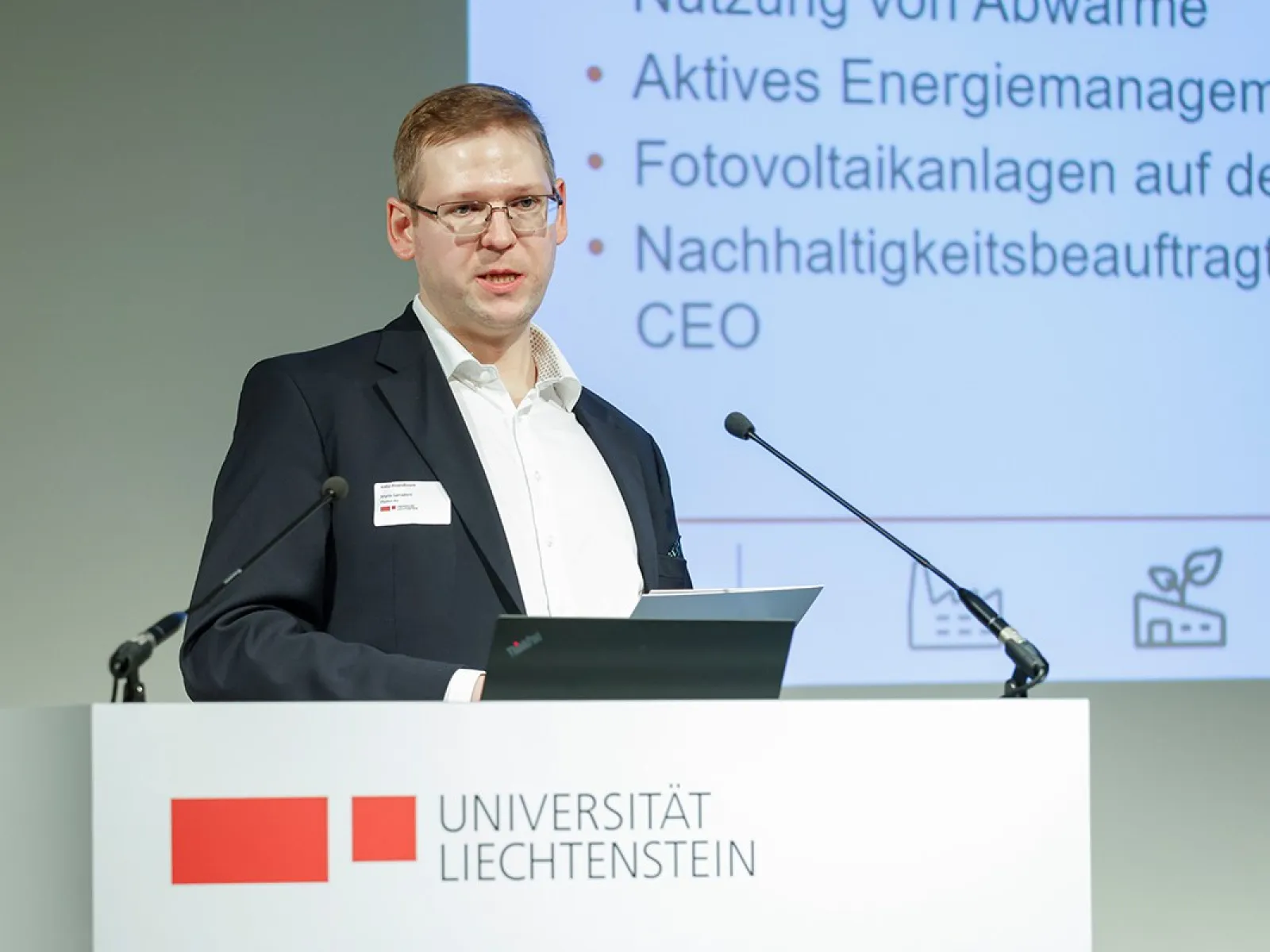
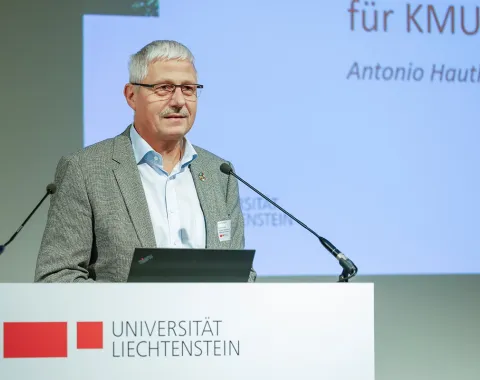
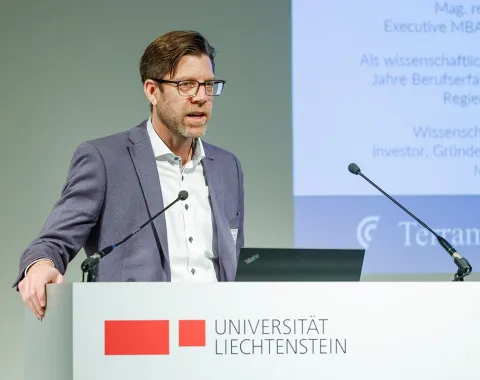
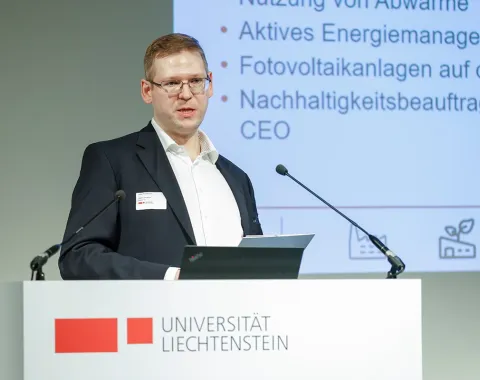
Antonio Hautle from the UN Global Compact Network Switzerland & Liechtenstein highlighted in his presentation the opportunities that arise from a sustainable business strategy. Fabian Schierscher from Terramo AG shed light on the impact of new regulations on SMEs, while Mario Semadeni from Plaston AG provided practical insights into the implementation of sustainable measures in day-to-day business operations.


A “mood barometer” conducted by Hartmut Hübner (Meet Your Purpose) revealed the participants’ main challenges: roughly one-third cited “unclear strategies” and almost as many “lack of knowledge” as the biggest obstacles to achieving sustainable goals.


Panel Discussion: Perspectives and Solutions


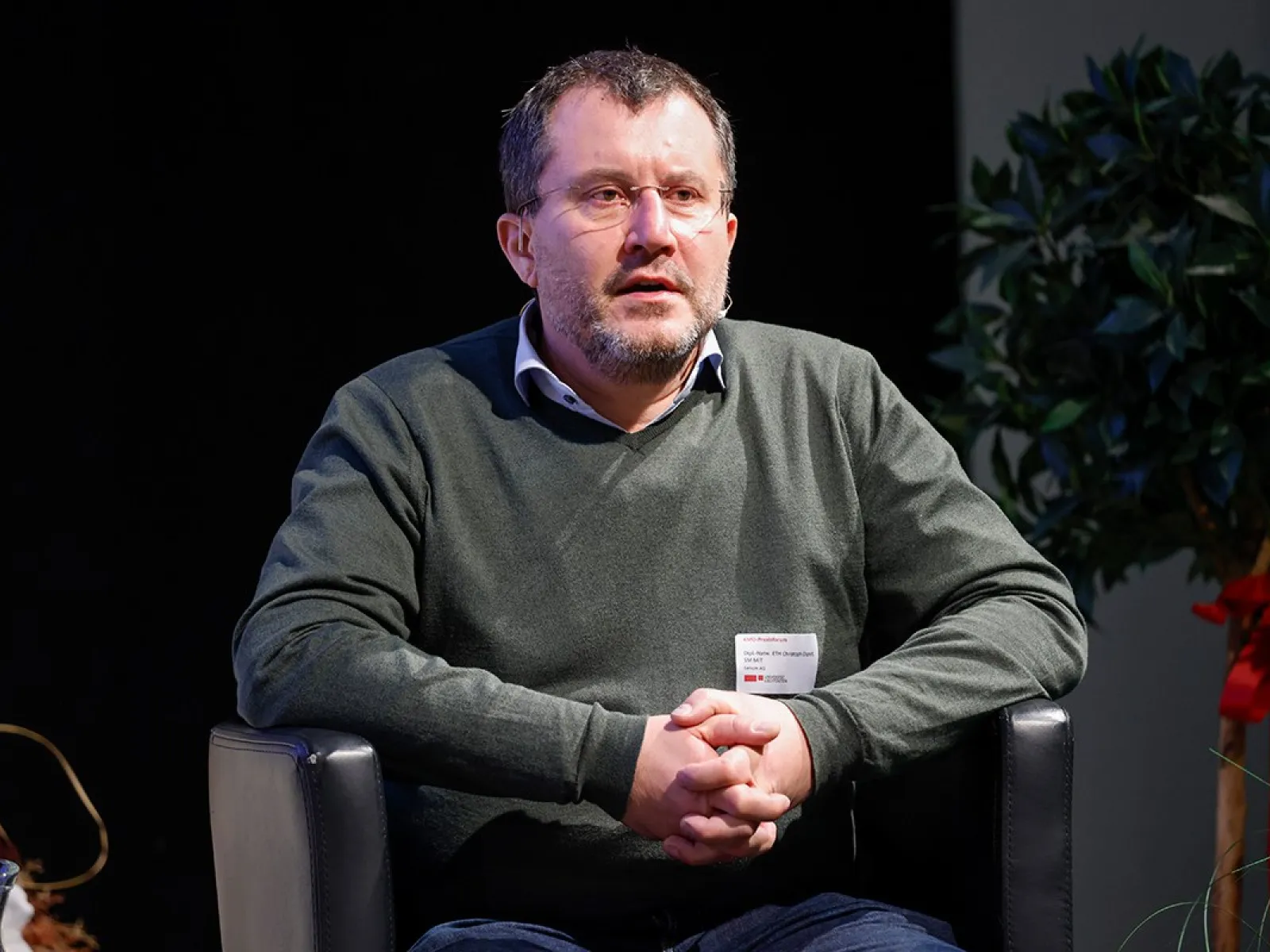
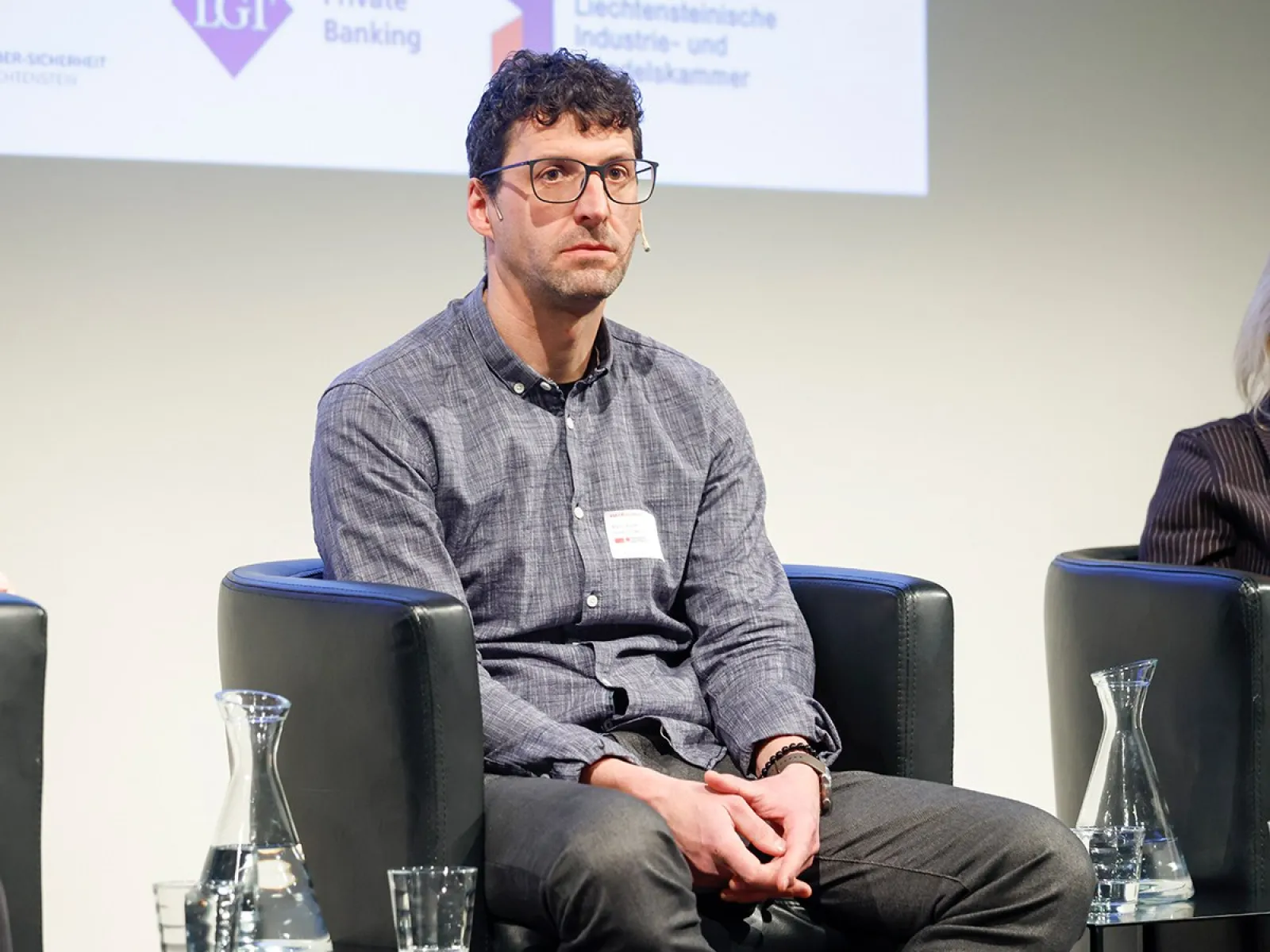
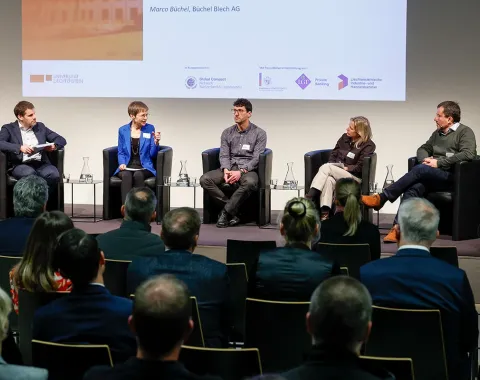
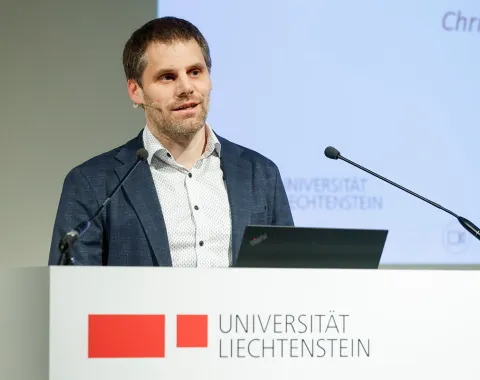
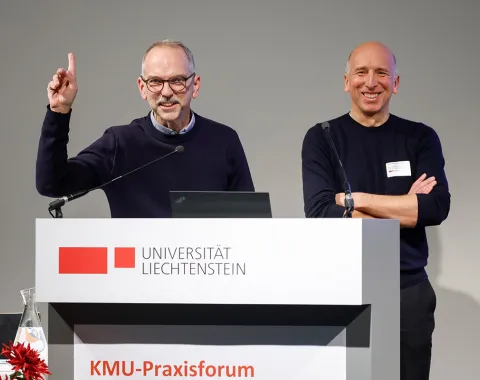
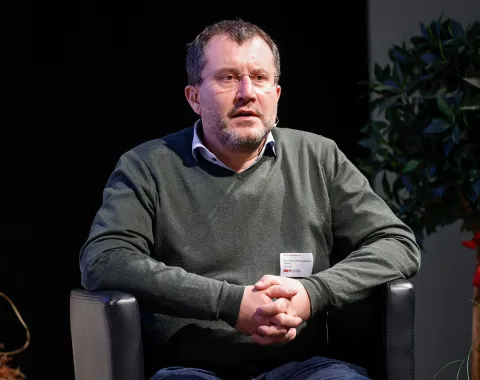
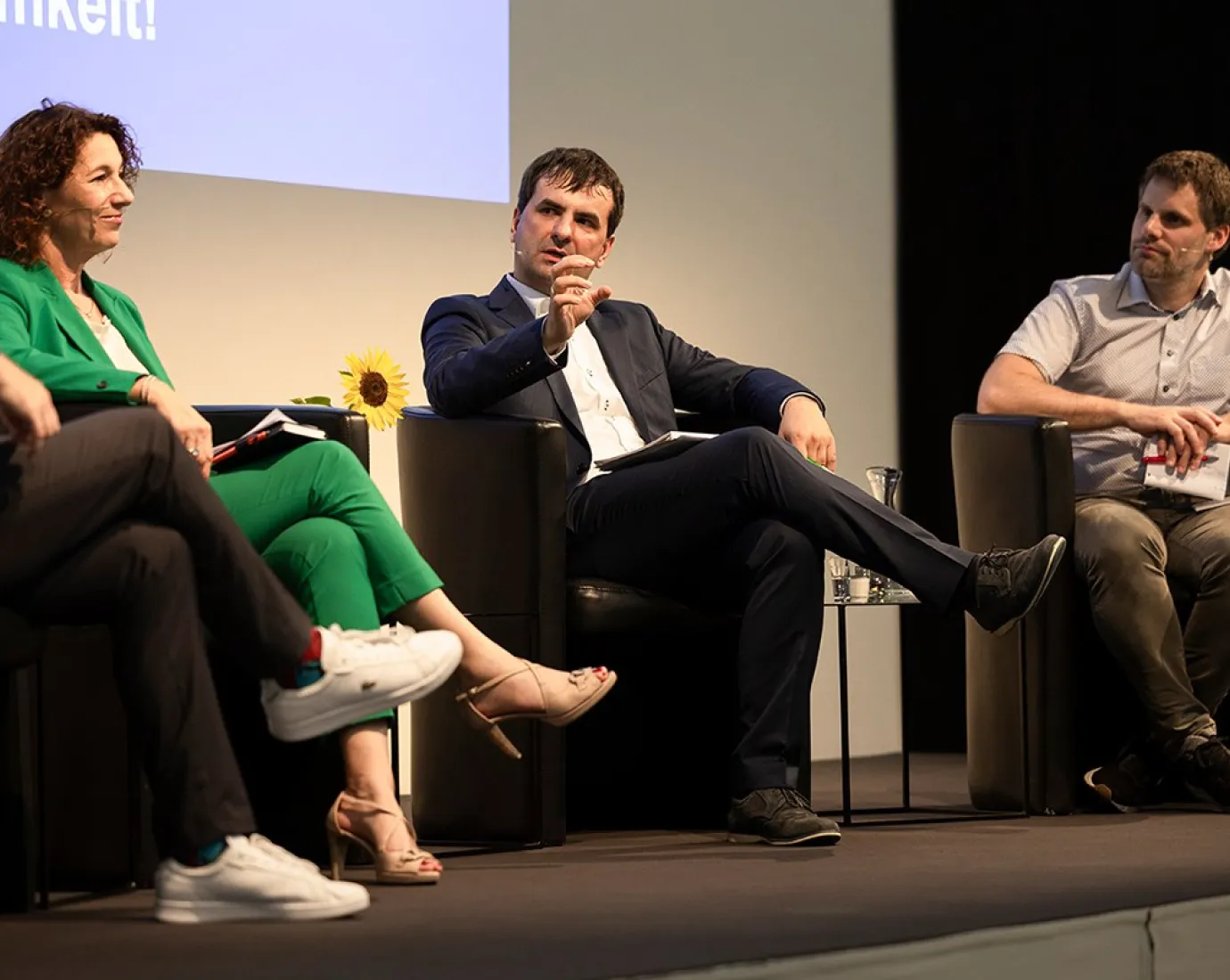
In the panel discussion moderated by Rector Christian Frommelt, Christoph Ospelt (Lenum AG) explained: “The Rhine Valley region has numerous large companies that are supported by a dense network of regional suppliers. These suppliers will increasingly be drawn into the reporting obligations of large firms in the future.”


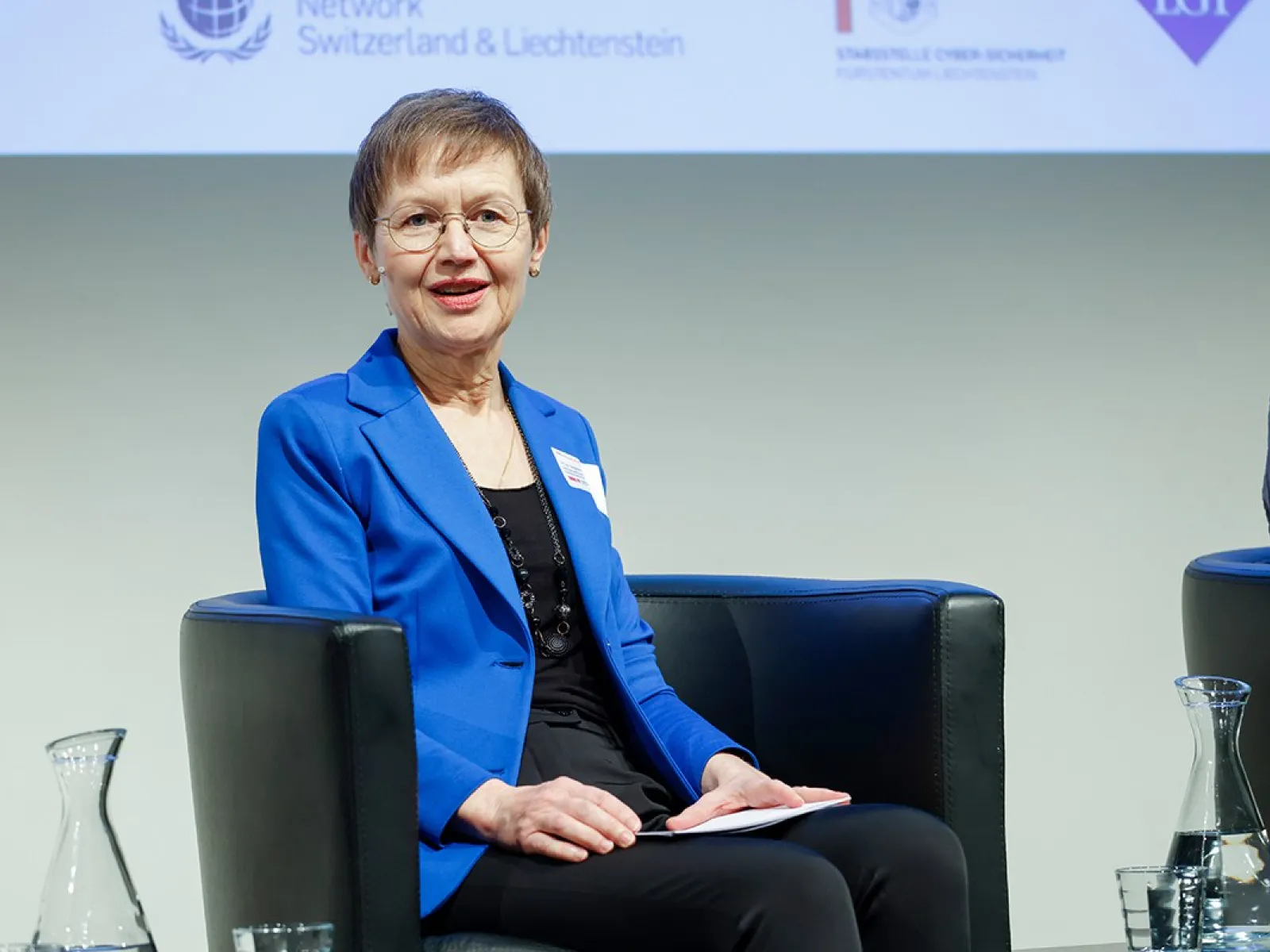
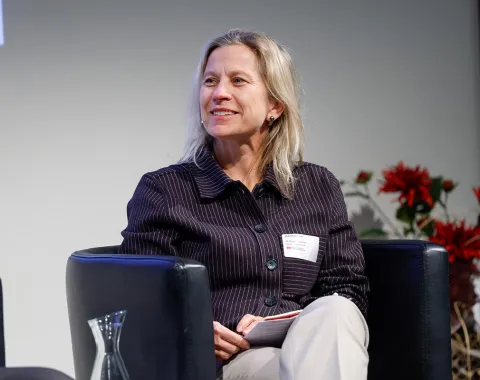
Brigitte Haas from the Liechtenstein Chamber of Commerce and Industry (LIHK) emphasized that major companies such as Hilti, ThyssenKrupp, Herbert Ospelt Anstalt, Ivoclar, and Hoval place strong emphasis on knowledge-sharing when it comes to sustainability. She noted: “The first step is often the hardest.” Hilti put it succinctly: “Seek the CO₂ and find the money.” Large companies can help SMEs identify stumbling blocks and overcome them.


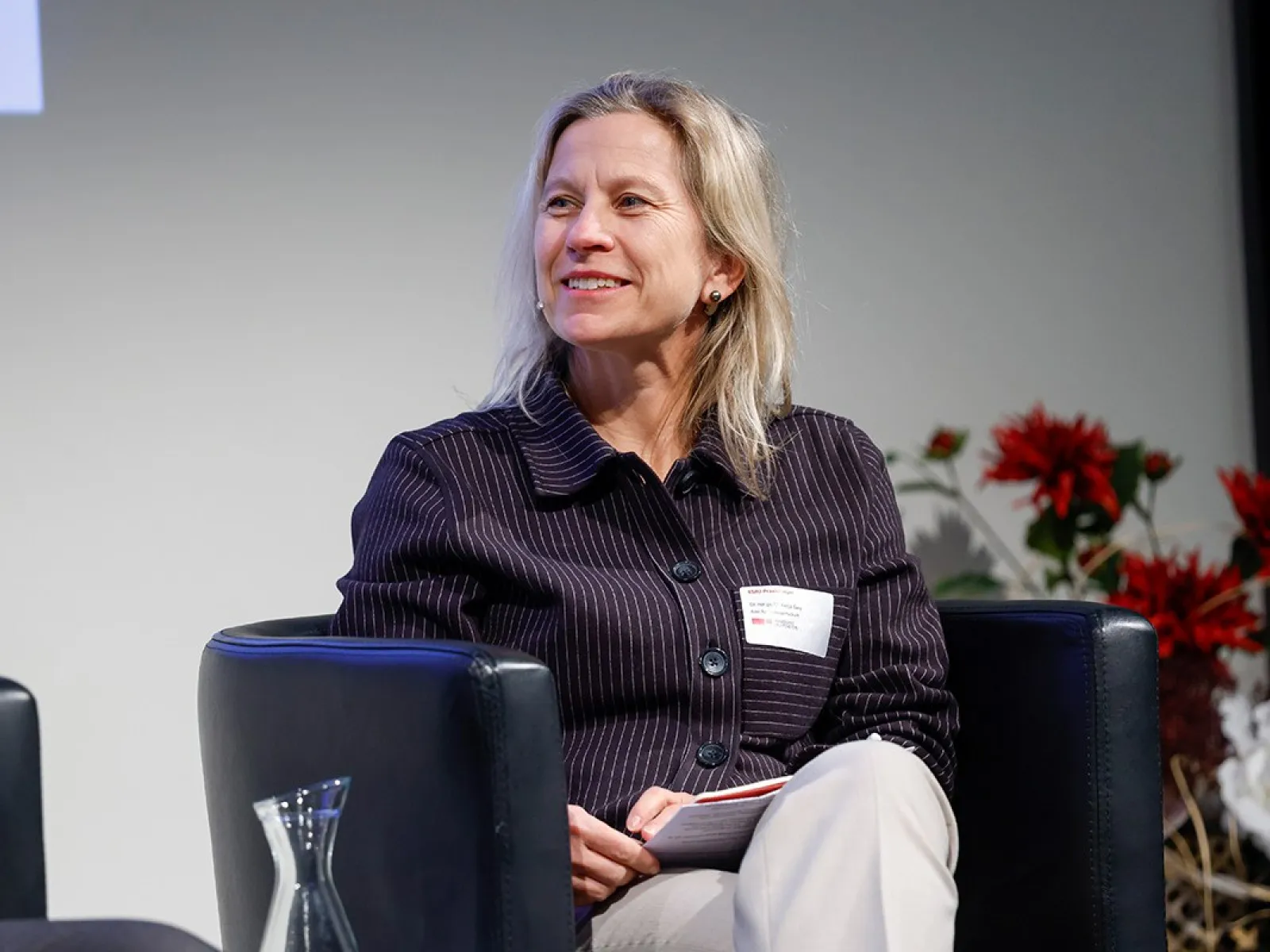
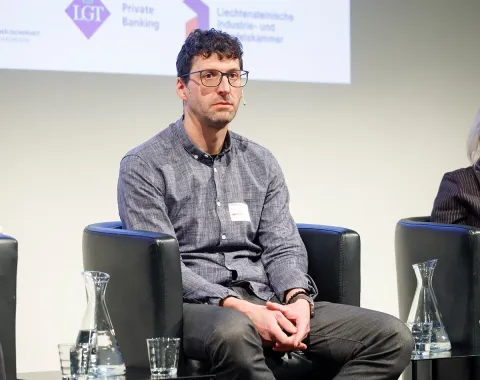
Marco Büchel (Büchel Blech AG) encouraged participants: “For anyone who doesn’t know how to start: just get started. Sustainability is important for small companies, too.” Katja Gey, Head of the Office of Economic Affairs, added: “Sustainability today is synonymous with profitability and is an essential part of modern corporate management.”


Practice-Oriented Workshops for SMEs


To conclude, the University of Liechtenstein presented the workshop series “SME Practice Forum: Mastering Sustainability Regulation”, which will provide SMEs in 2025 with concrete tools and best-practice examples. Topics range from sustainability management and ecological responsibility to digital transformation and social responsibility.


Culinary Finale and Networking


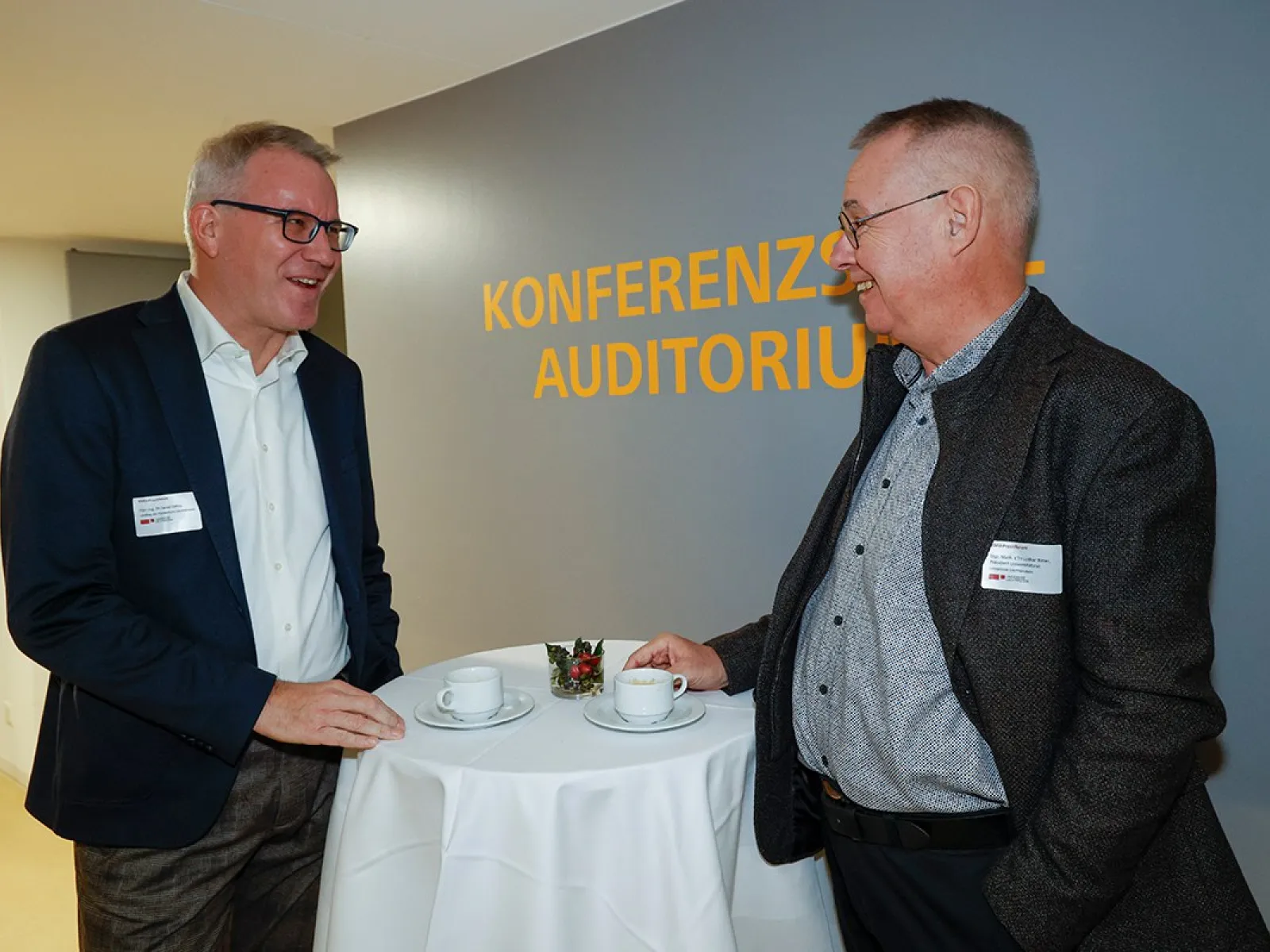
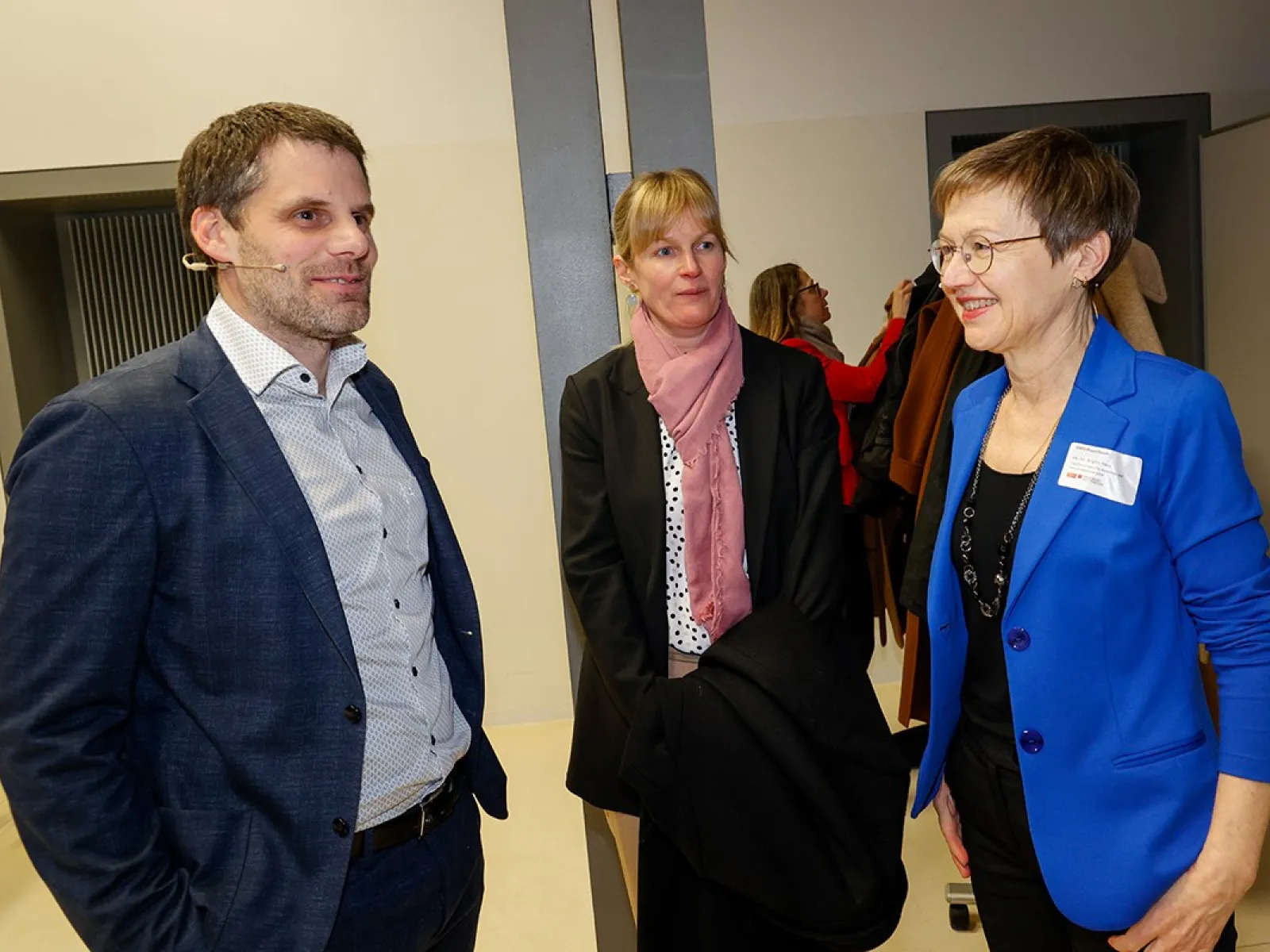
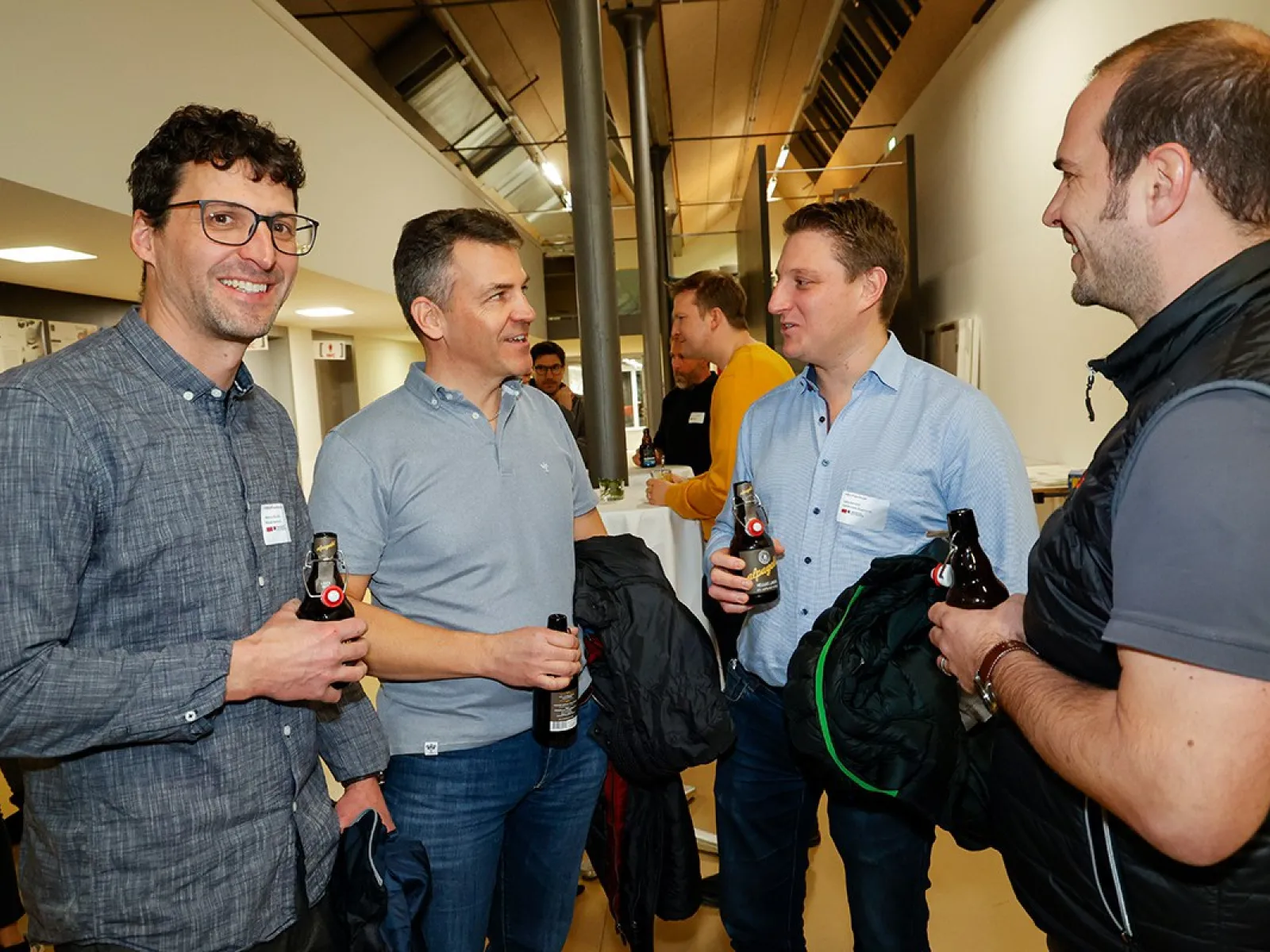
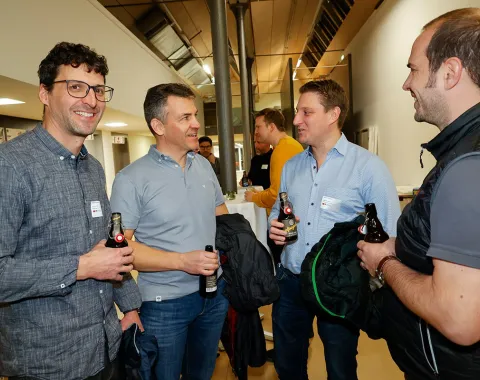
The LIHK-sponsored aperitif, prepared with regional products from Vegaluna, offered plenty of space for stimulating discussions after the event. Companies and speakers took the opportunity to network and share their experiences.


Sustainability as an Engine for Liechtenstein’s Business Location
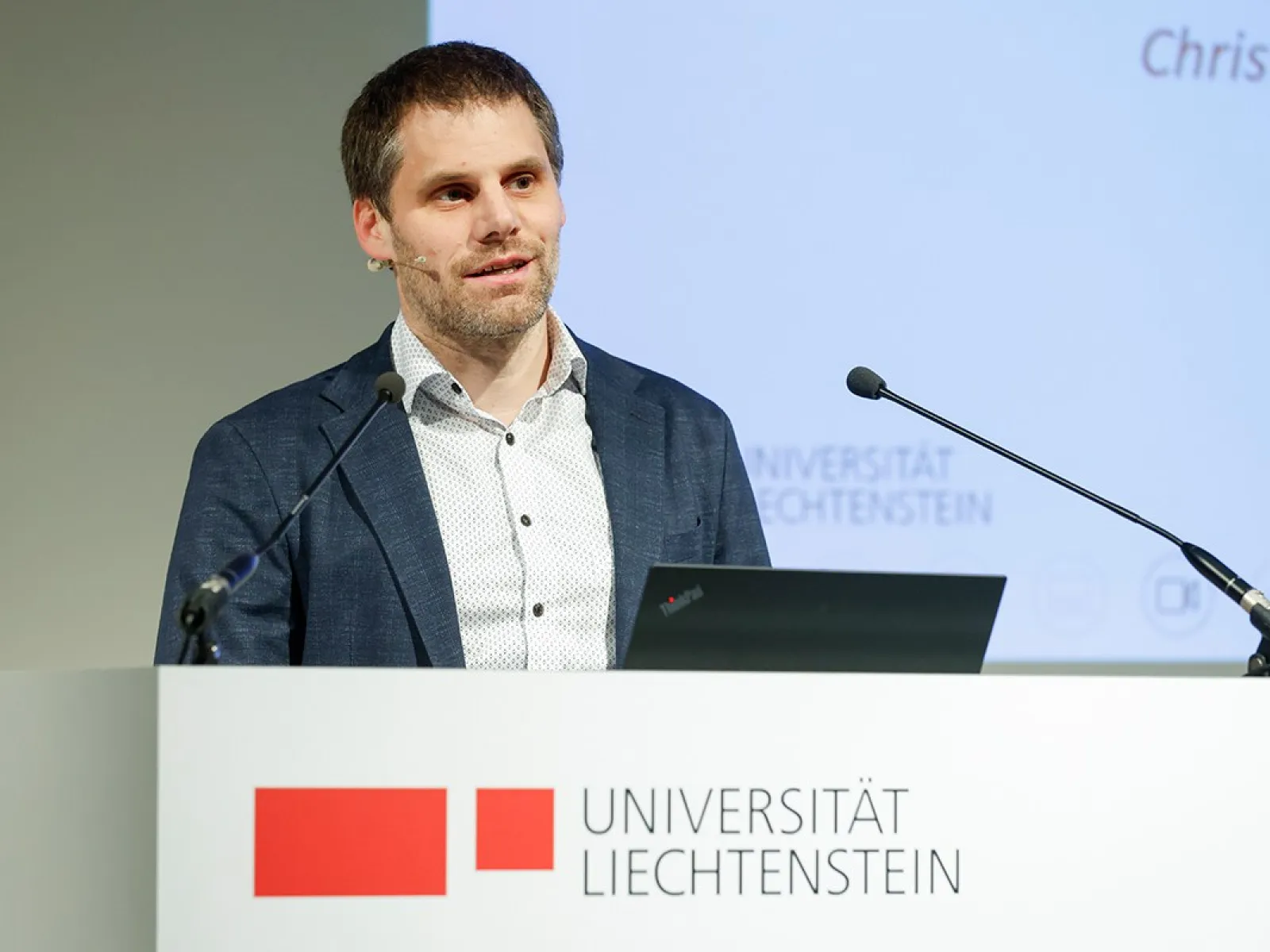

The event, supported by LGT Private Banking and the government, impressively demonstrated how companies can strengthen their competitiveness through sustainable strategies while also contributing to the development of Liechtenstein as a business location.


Further information and registration: www.uni.li/weiterbildung
We need your consent
To view this YouTube video, you must accept data processing under the category “Third-party marketing”. Further details on data processing can be found here.
Display Cookie Settings

Article about the LSA published in Baumeister Magazine

Article about the LSA published in Baumeister Magazine

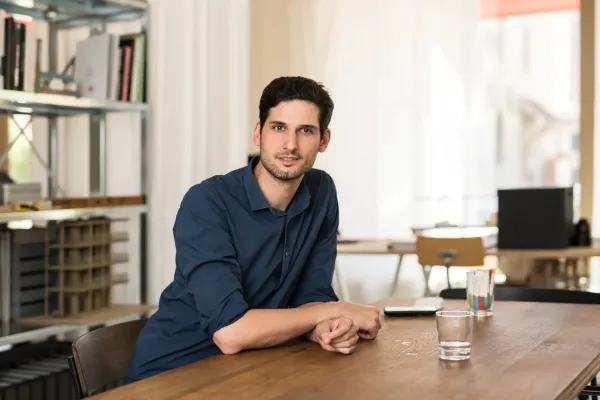
Ein Mann mit blauem Hemd sitzt an einem Tisch und hat ein Glas Wasser vor sich stehen.

The July 2024 issue of Baumeister Magazine features a portrait of the Liechtenstein School of Architecture (LSA). The article explores the program’s new direction, emphasizing sustainability, circular construction, and ethical considerations. It highlights the critical role of architecture in addressing global challenges such as climate change and resource scarcity. The interview with LSA Dean Prof. Daniel Stockhammer provides deeper insights.

Read the full article here

Ein Mann mit blauem Hemd sitzt an einem Tisch und hat ein Glas Wasser vor sich stehen.

ISACA/IIA Switzerland Conference 2024

ISACA/IIA Switzerland Conference 2024

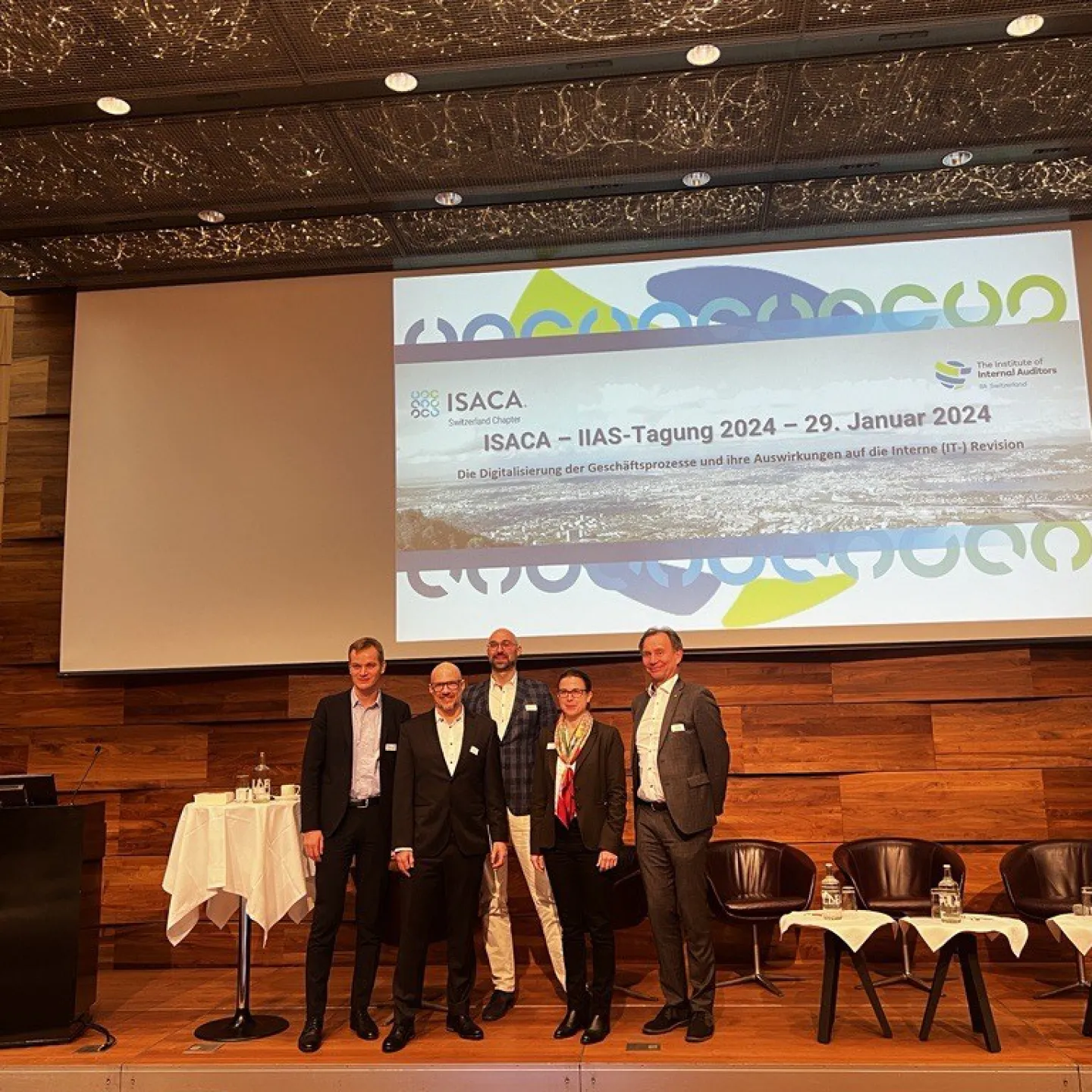
Gruppe von fünf Personen steht auf einer Bühne vor einer Leinwand mit dem Titel der ISACA-IIAS-Tagung 2024 in Zürich. Im Hintergrund sind Stühle und ein Tisch mit Wasserflaschen zu sehen.
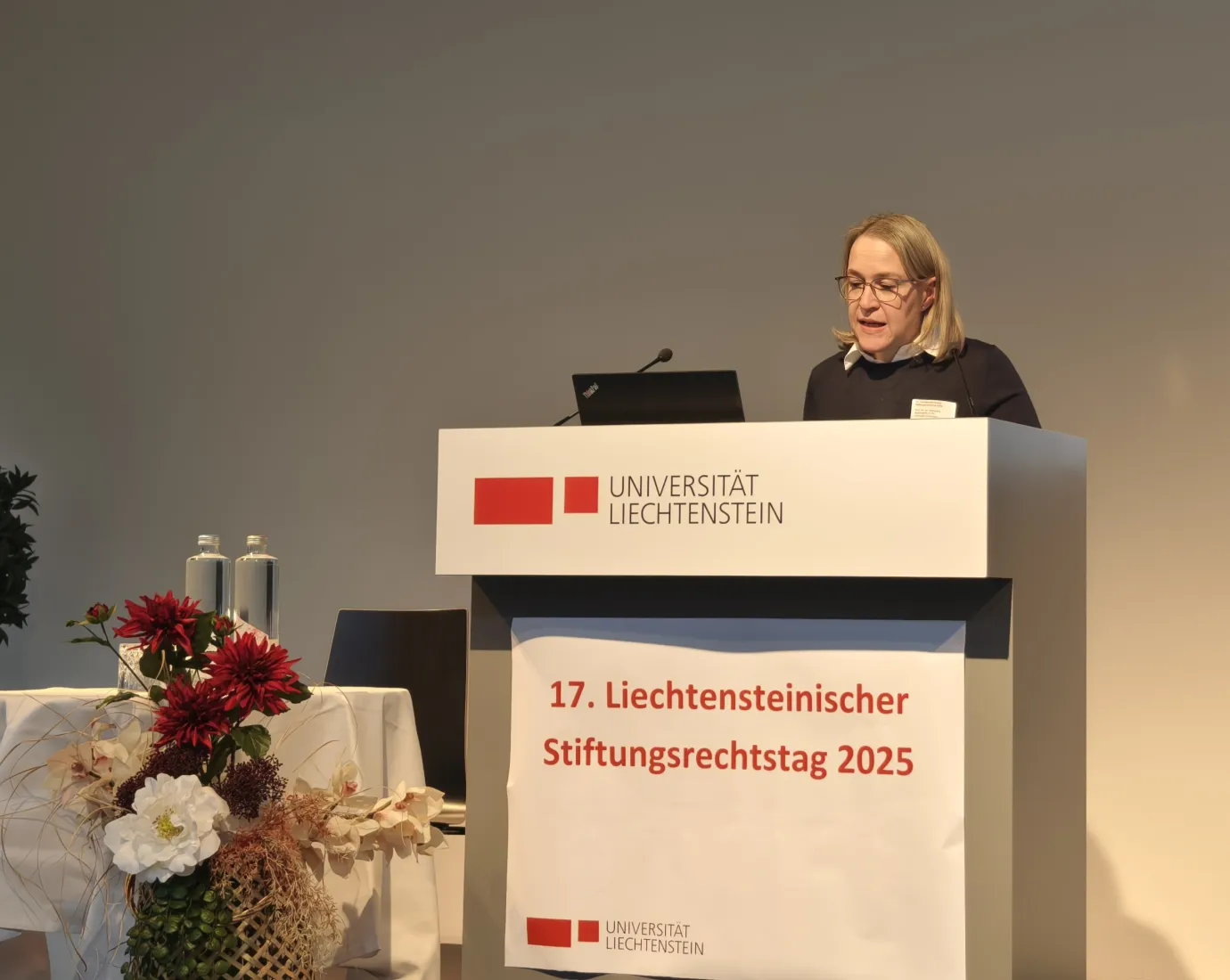
On 29 January 2024, Prof. Dr. Konstantina Papathanasiou, LL.M., participated as a keynote speaker at the ISACA/IIA Switzerland Conference 2024 in Zurich, entitled “The Digitalisation of Business Processes and its Impact on Internal (IT) Audit”. She delivered a presentation on “The Aspect of Criminal Law, Compliance, and Ethics”.


Prof. Papathanasiou addressed the diverse and important role of ethics in relation to AI. Ethical issues in this context arise primarily with respect to the transparency of AI decision-making, as well as the role of bias and fairness in those decisions. Protecting privacy in the processing of data by AI must also be considered, along with the long-term societal impacts of AI technologies. Especially in the age of AI, it is crucial to foster critical thinking and questioning.
 

Furthermore, Prof. Papathanasiou presented the perspective of (cyber) criminal law and explained how digital transformation influences compliance requirements in companies, and what criminal law risks can arise from digitalisation in the business world. She also emphasised the importance of cyber resilience, which today constitutes an essential part of preventive compliance. In closing, Prof. Papathanasiou highlighted the Digital Operational Resilience Act (DORA; EU Regulation 2022/2554) and its significance for Swiss companies.


Gruppe von fünf Personen steht auf einer Bühne vor einer Leinwand mit dem Titel der ISACA-IIAS-Tagung 2024 in Zürich. Im Hintergrund sind Stühle und ein Tisch mit Wasserflaschen zu sehen.

😊/👍/🙄 – How emojis can make digital management communication more efficient and personal

😊/👍/🙄 – How emojis can make digital management communication more efficient and personal

Fünf Personen sitzen auf einer Bank im Freien und schauen auf ihre Smartphones. Über ihren Köpfen sind verschiedene Emojis zu sehen, die Emotionen und Gesten darstellen. Im Hintergrund sind Bäume und ein Gebäude sichtbar.

The rapid pace of digitalization in the workplace presents managers and employees with the challenge of adapting to digital forms of communication. Prof. Dr. Marco Furtner, Liechtenstein Business School, and Simon Liegl, MSc, have investigated whether it is possible for managers to show emotion when communicating with their employees, even in times of advancing digitalization and the shift to working from home.


The predominant digital media platforms such as email and messenger services omit non-verbal cues and generally adopt a more subdued and factual tone. However, as previous research has repeatedly confirmed, the display of emotions by managers is crucial for the motivation and job satisfaction of their employees. However, emotions are usually expressed through non-verbal communication, such as facial expressions and voice, which is lost in the digital context, especially in written communication. This poses a major challenge for managers and the aim of Furtner and Liegl was to find out whether emojis could be a means of enriching managers' written communication with emotions or whether they are more likely to be perceived as inappropriate for the work context.


Furtner and Liegl conducted two experiments with quasi-nonverbal signals to gain insights into the benefits and risks of emoji in leadership communication. Their results show that positive emojis have a place in leadership communication and have the potential to improve the attribution of desirable characteristics of the leader, approval of the leader and their behavior towards others when the right conditions are in place. Positive emojis (e.g. 😊 or 😄) can make a manager appear more charismatic, increase the willingness to cooperate and spread a more positive mood in the company.


Negative emojis (e.g. 😟 or 😠), on the other hand, should be used with caution. They may create a negative image of the manager among their employees, undermine their competence and convey a negative mood, especially if they are not related to a specific performance evaluation. Interestingly, Liegl and Furtner also found that these effects are more pronounced in control-oriented hierarchical companies than in the innovative start-up context. One possible explanation: In the latter, emojis are already used more frequently and therefore have a less direct and strong influence on employees. In traditional companies, on the other hand, managers can create a more positive working atmosphere by communicating with positive emojis. They were thus able to show for the first time that there is untapped potential in emojis to make management communication in the digital space more efficient and personal.


Their results thus allow conclusions to be drawn about how employees are likely to react to certain quasi-nonverbal displays and provide managers with recommendations for adapting their affective signals to elicit the desired responses.


The article has been accepted for publication in the internationally renowned journal "Computers in Human Behavior" (https://doi.org/10.1016/j.chb.2024.108148).


Fünf Personen sitzen auf einer Bank im Freien und schauen auf ihre Smartphones. Über ihren Köpfen sind verschiedene Emojis zu sehen, die Emotionen und Gesten darstellen. Im Hintergrund sind Bäume und ein Gebäude sichtbar.

Five Students Receive Trustee Award Worth 9,000 Swiss Francs

Five Students Receive Trustee Award Worth 9,000 Swiss Francs

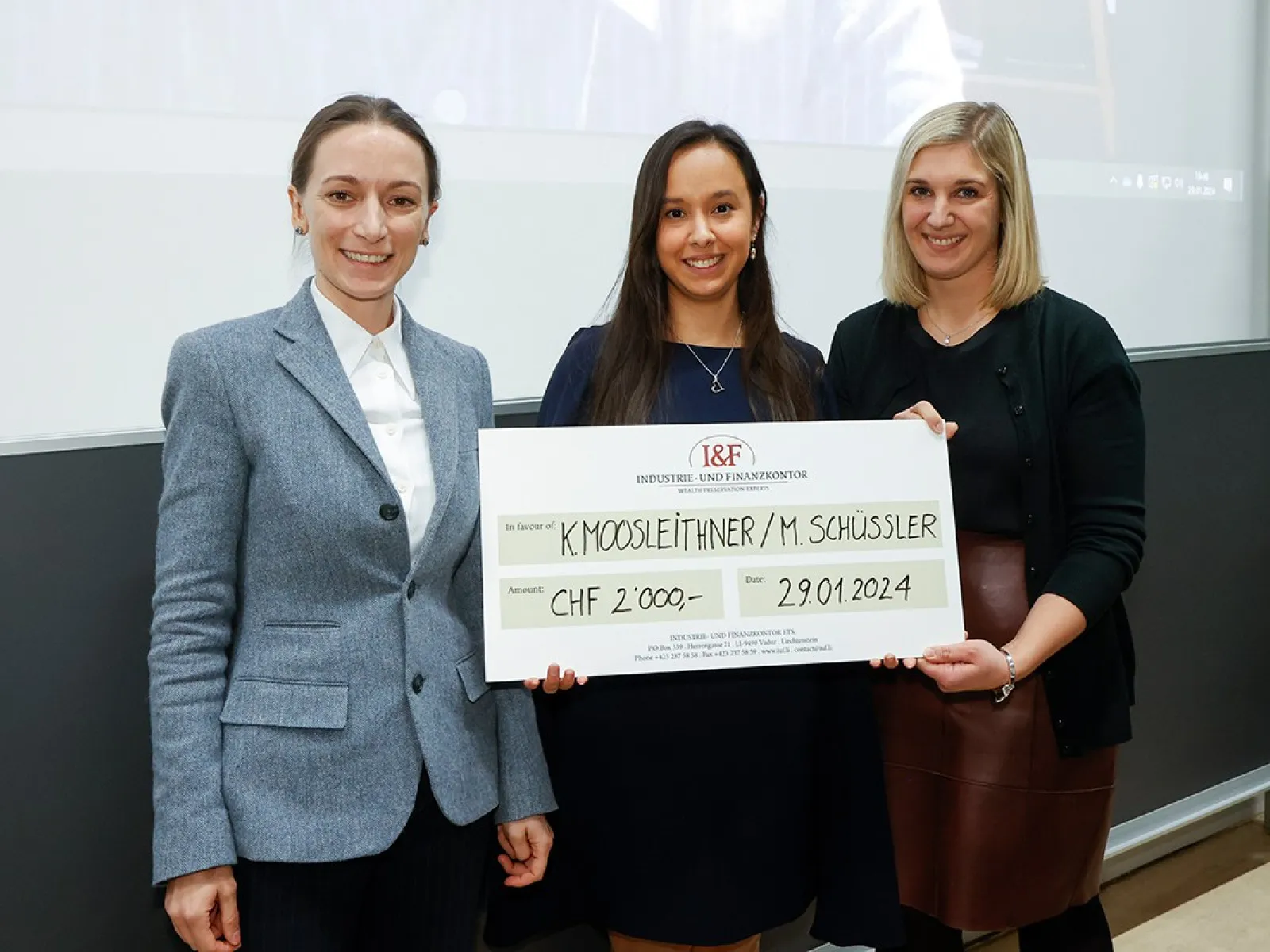
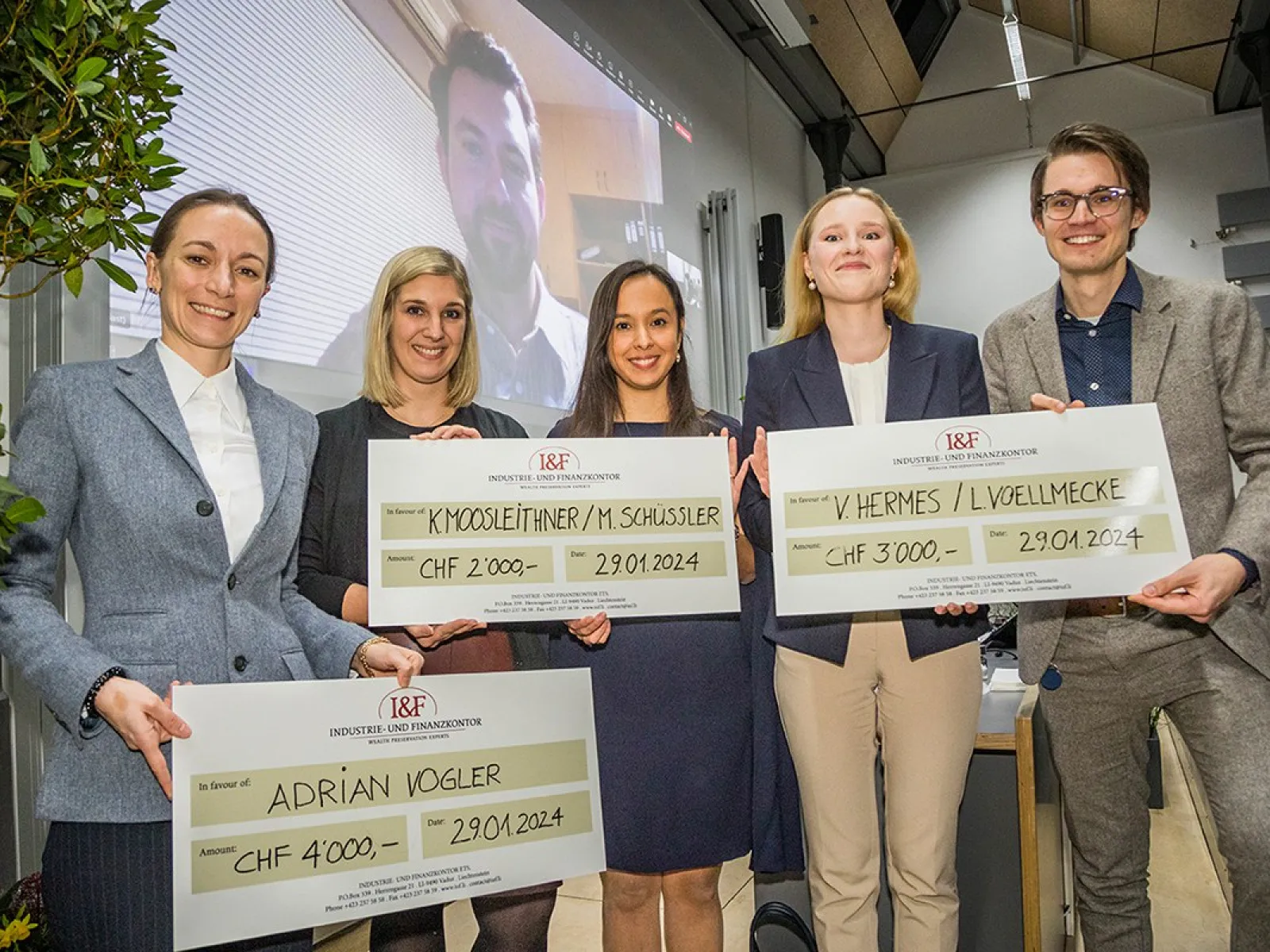
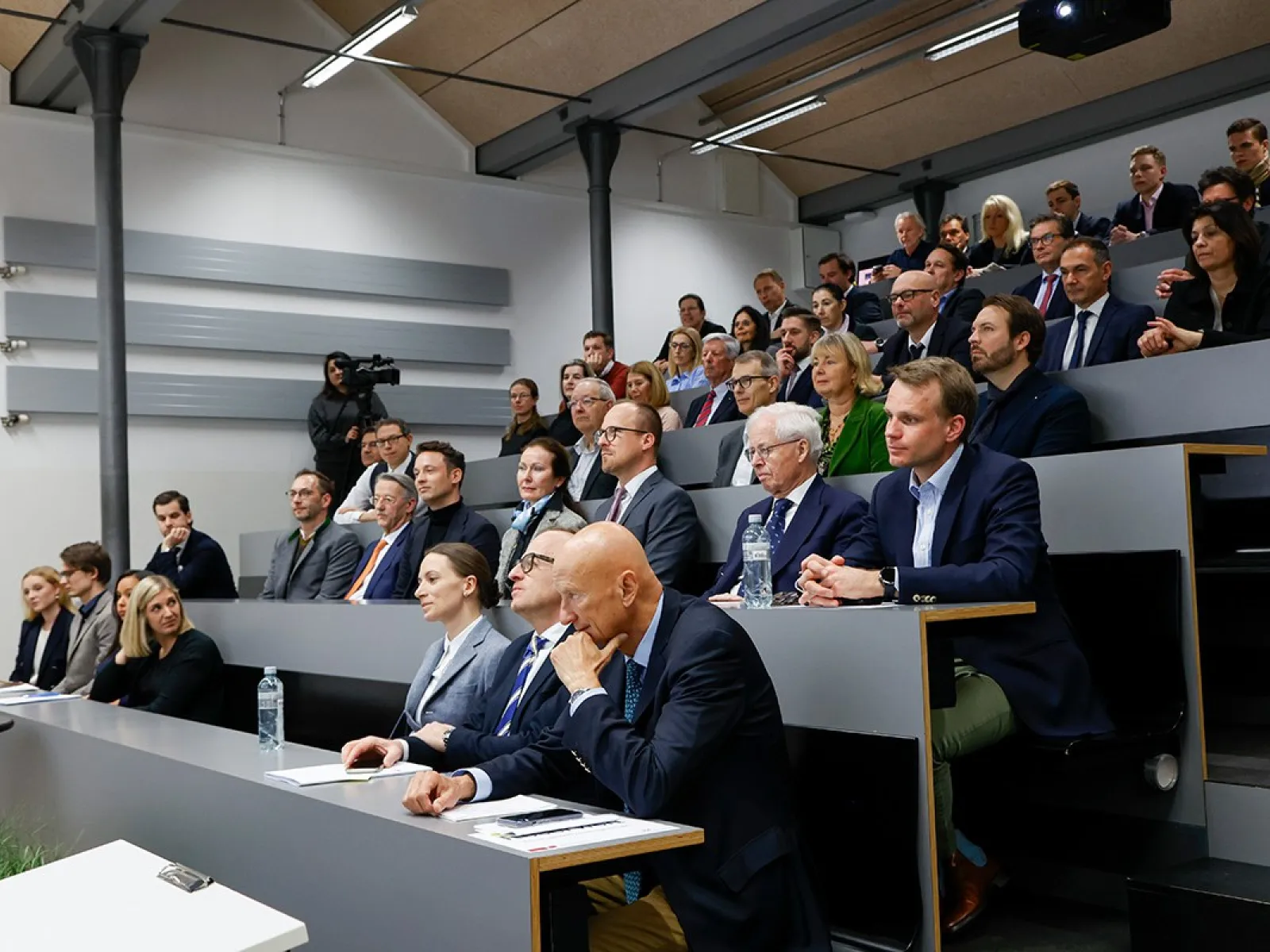
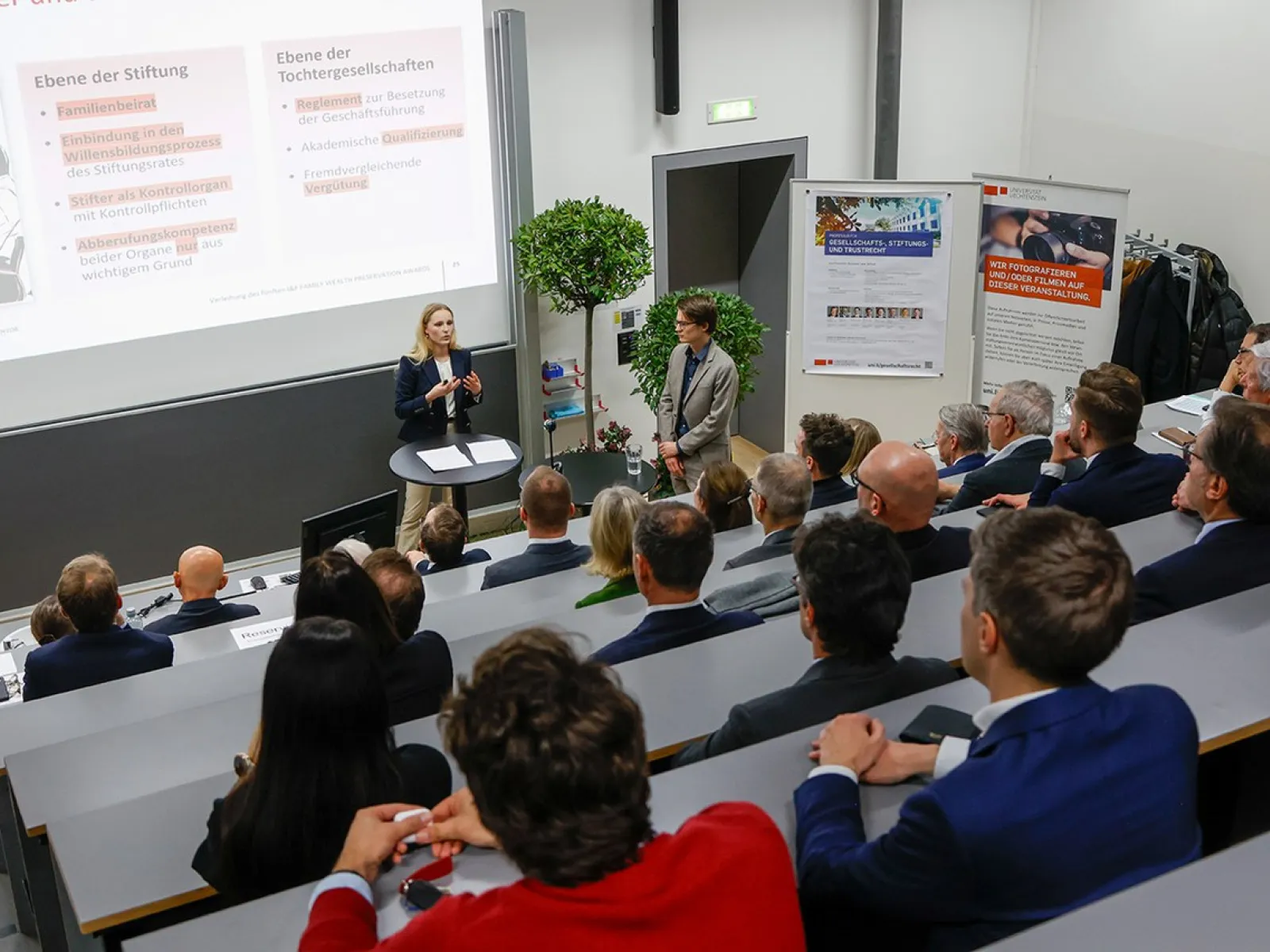
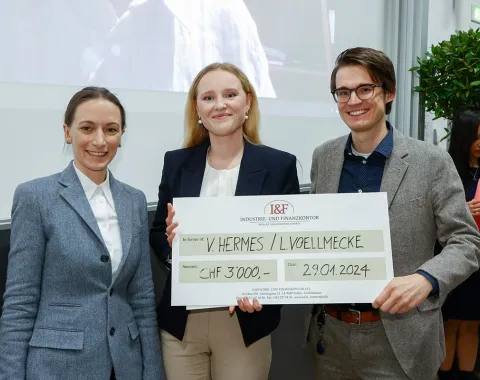
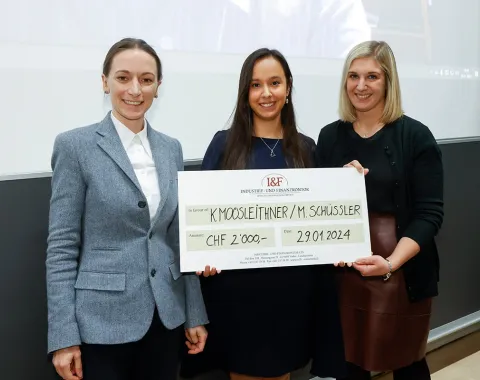
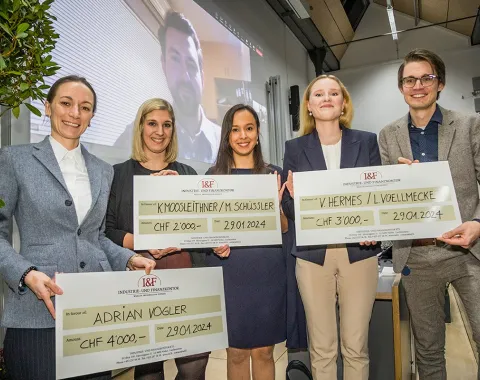
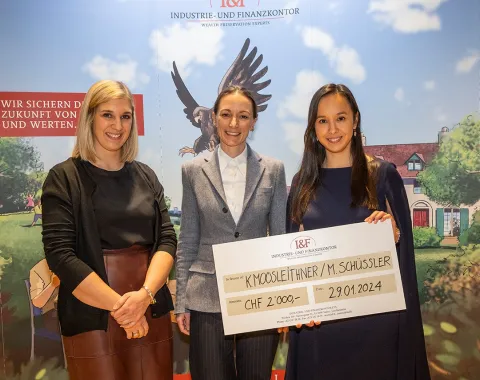
Five students from the University of Liechtenstein have been honoured with the I&F Family Wealth Preservation Award, presented by the Liechtenstein trust company Industrie- und Finanzkontor in cooperation with the University of Liechtenstein.


The starting point was a fictitious case study that required the development of a wealth structure: two siblings from an entrepreneurial family had founded a start-up and intended to establish additional companies in different countries in quick succession, as well as to enter into partnerships with relevant manufacturers and developers. In addition, they wanted to take early measures to ensure that future business shares would be kept together across generations and remain in family ownership.


The students’ task was to develop a structuring proposal for the siblings, with particular attention to:


  • Consideration of relevant jurisdictions and legal entities
  • Ensuring that interested family members can participate in the group of companies at various levels in the future
  • Ensuring that family members without interest do not suffer any financial disadvantage
  • Proposing suitable family governance measures to ensure the sustainable continuation of the business structure
  • Appropriate measures to protect the financial privacy of the two families


The case required a multifaceted approach and a broad understanding of the family situation, the siblings’ objectives, as well as cross-border issues and various areas of law.


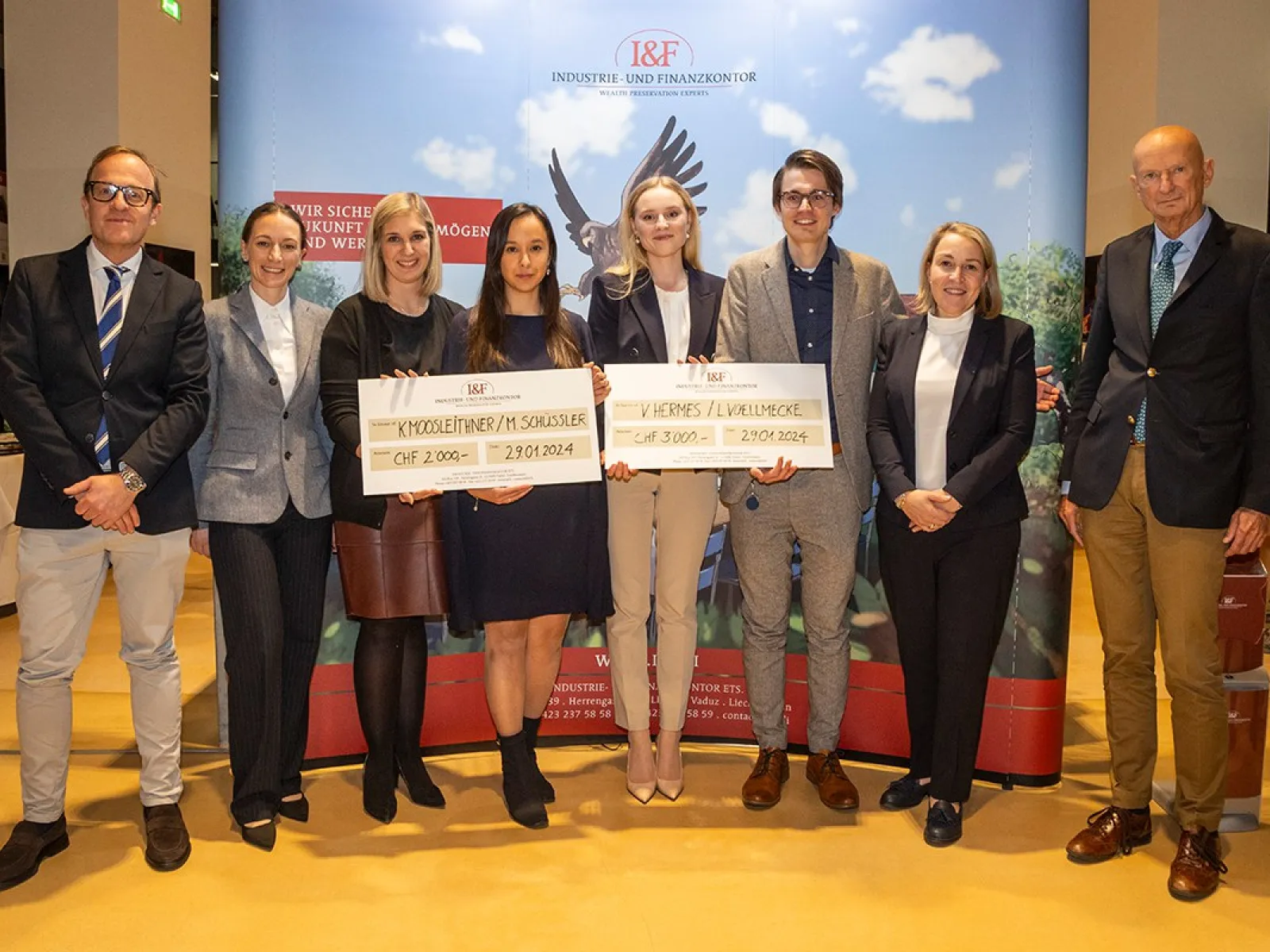
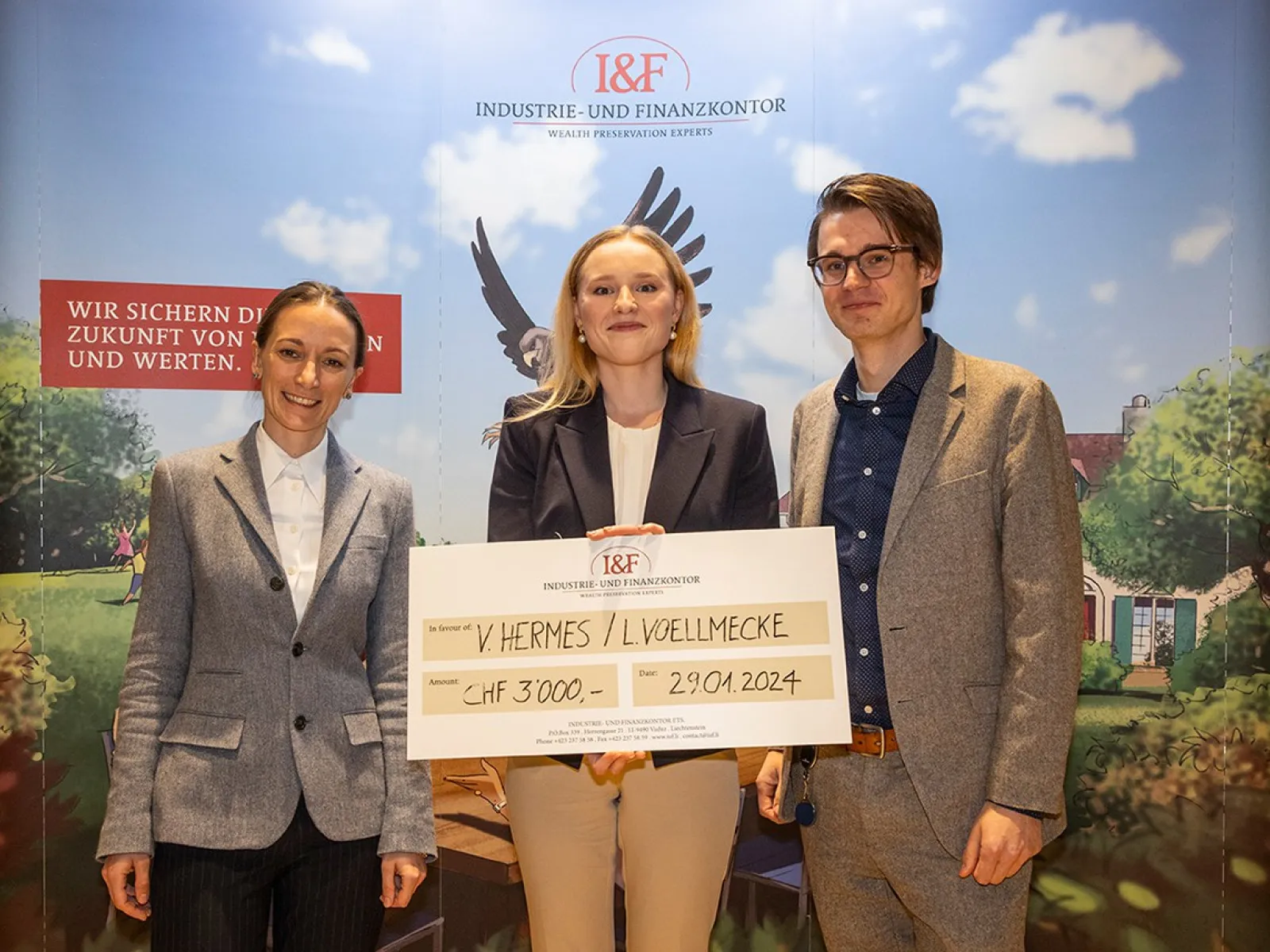
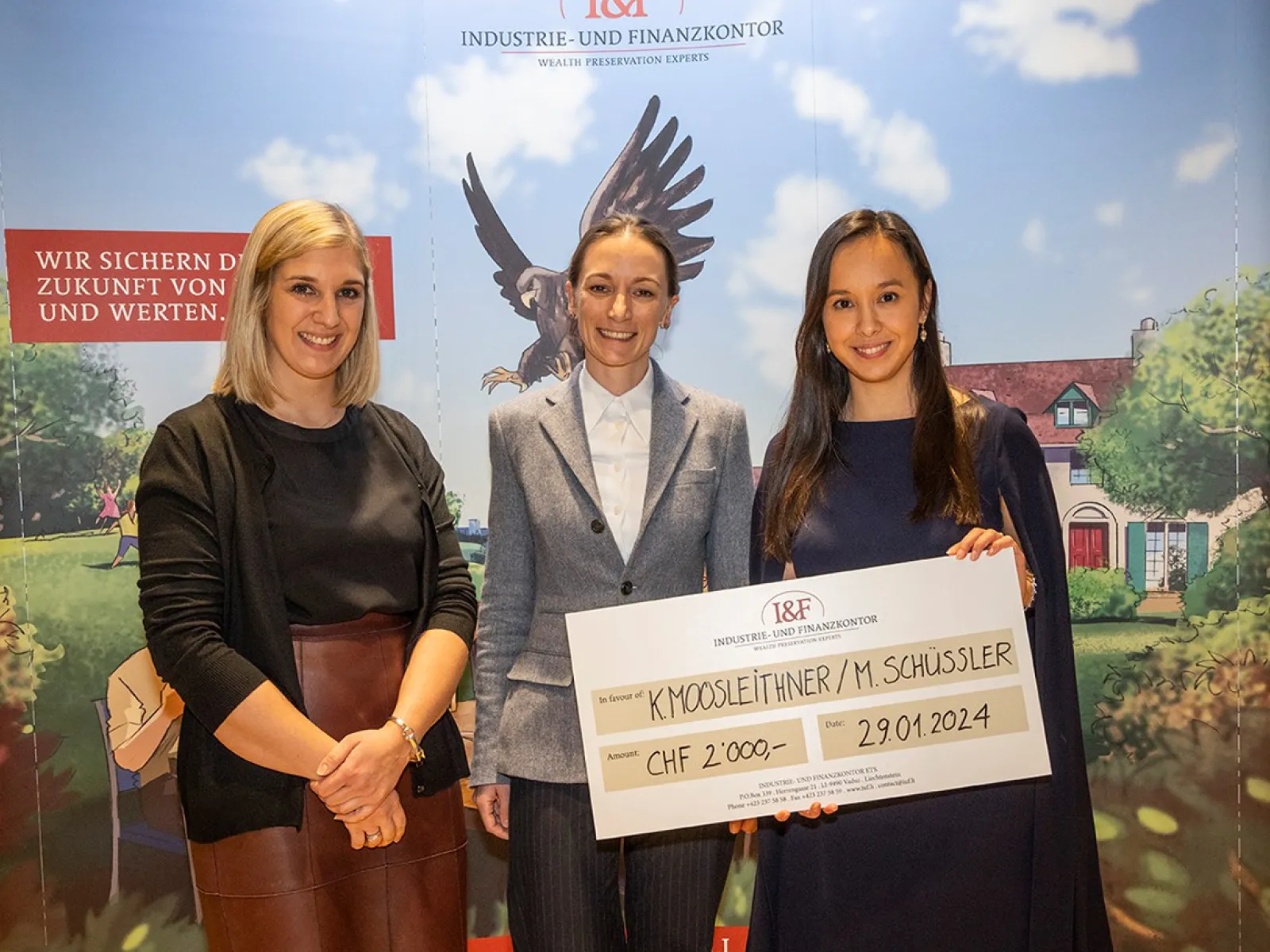
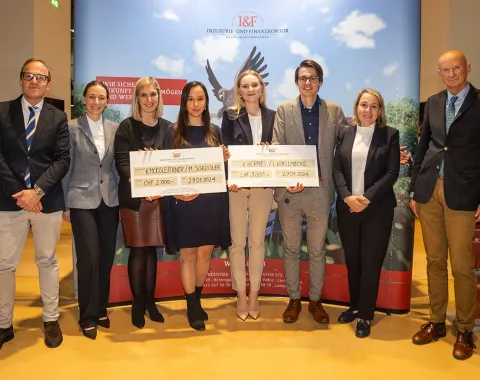
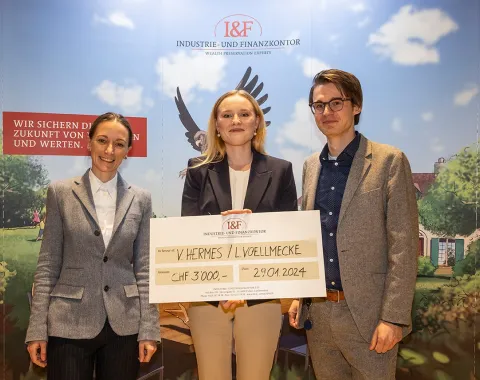
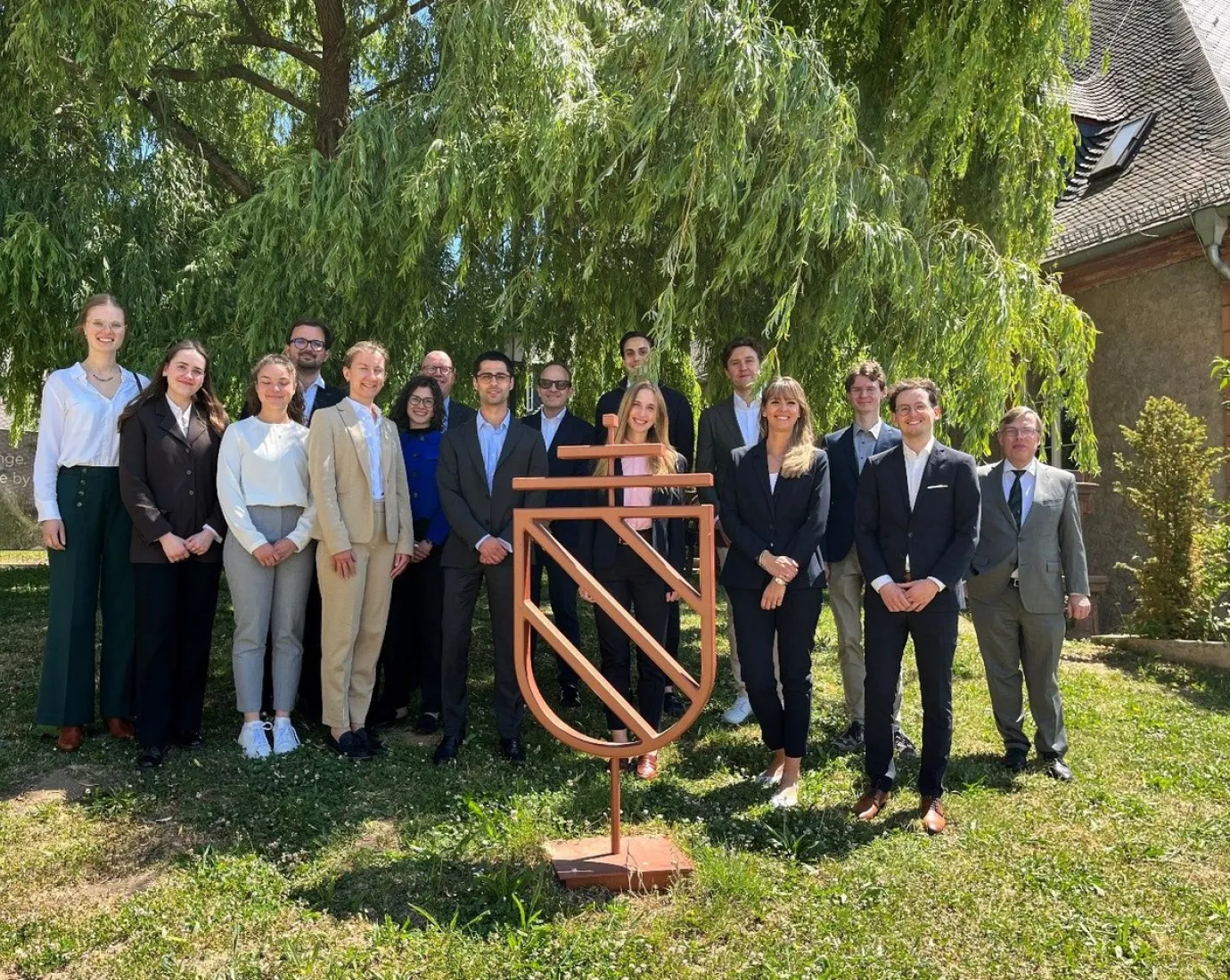
For the fifth I&F Family Wealth Preservation Award, five students qualified. Their work convinced the jury with a high degree of practical relevance and academic expertise. They were honoured by H.S.H. Gisela Bergmann, Princess of Liechtenstein, CEO and Managing Director of Industrie- und Finanzkontor Ets.


The proud winners from the Executive Master of Laws (LL.M.) in Corporate, Foundation, and Trust Law are:


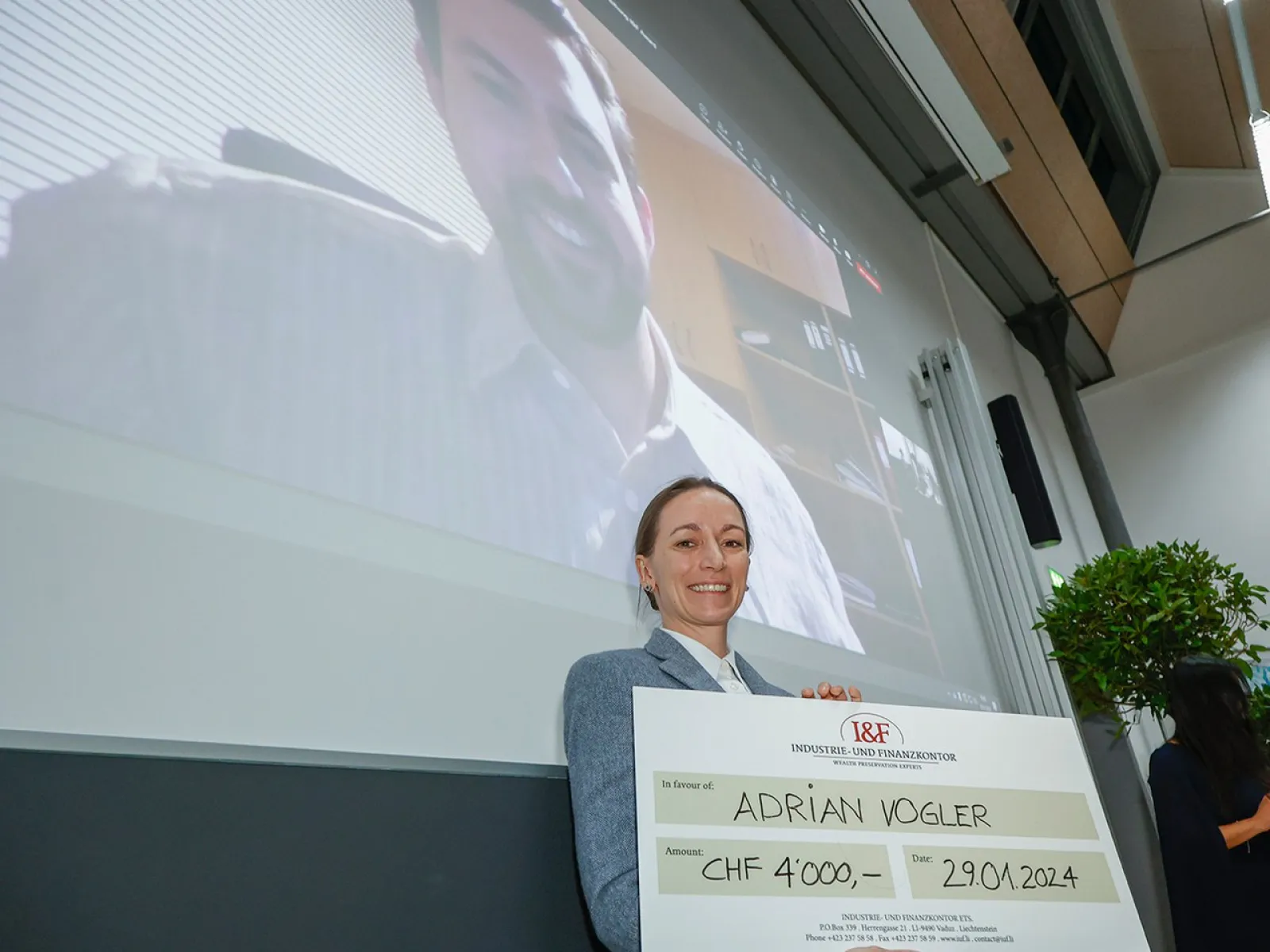
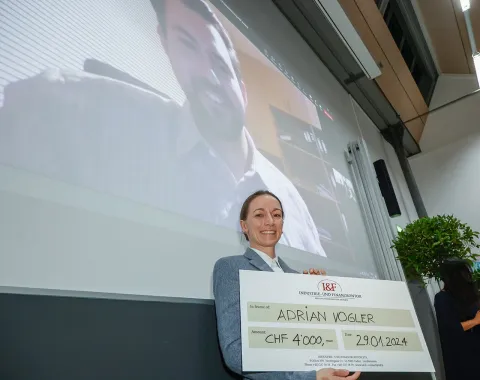
1st place: Adrian Vogler (Switzerland)
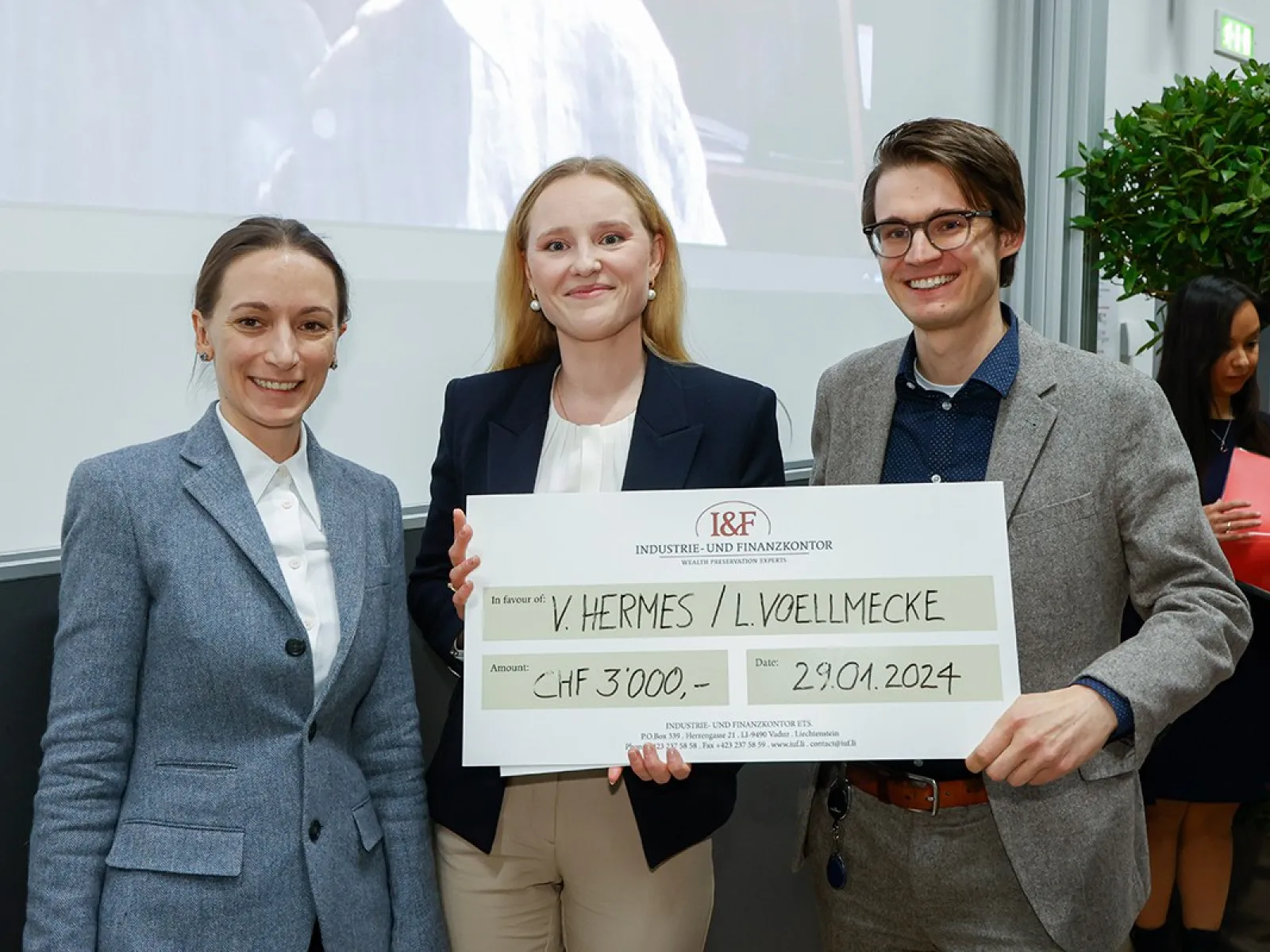
2nd place: Veronica Hermes and Lukas Voellmecke (Germany, joint project)
3rd place: Katja Moosleithner (Liechtenstein) and Dr. Miriam Schüssler (Germany)


The I&F Family Wealth Preservation Award represents an important link between academia and practice and has developed into a valuable cooperation between the Liechtenstein Business Law School at the University of Liechtenstein (within the LL.M. in Corporate, Foundation, and Trust Law) and the Vaduz-based trust company Industrie- und Finanzkontor Etablissement.


Statements at the Award Ceremony


Prof. Dr. Alexandra Butterstein, LL.M., Programme Director of the Executive Master of Laws (LL.M.) in Corporate, Foundation, and Trust Law and Dean of the Liechtenstein Business Law School, and Prof. Dr. Francesco A. Schurr, Head of the Institute for Italian Law at the University of Innsbruck and visiting professor at the University of Liechtenstein:


“We are very pleased to have been able to host the I&F Family Wealth Preservation Award together with the Liechtenstein trust company Industrie- und Finanzkontor Ets. for the fifth time. As in previous years, this award offers students of the Executive Master of Laws (LL.M.) in Corporate, Foundation, and Trust Law a special opportunity to prove themselves in handling a complex wealth structuring task and to gain further sound, practice-oriented knowledge. In addition to the practical and legal challenges of the Liechtenstein trust sector, it is particularly important for students to consider the many aspects of family governance in long-term wealth structuring.”


H.S.H. Gisela Bergmann, Princess of Liechtenstein, CEO and Managing Director of Industrie- und Finanzkontor: “The task set for the fifth I&F Family Wealth Preservation Award shows how multifaceted the work of a Liechtenstein trustee is. Complex asset situations are structured in a forward-looking and targeted manner from a long-term perspective, taking into account both the family and non-family environment. The core of trustee work is not primarily to establish legal entities, but to secure the long-term, intergenerational preservation of assets and values through various mechanisms.”


Award Recipients’ Perspectives:


  • Veronica Hermes: “The intensive engagement with a case study set as part of the I&F Family Wealth Preservation Award allowed me to deepen the specialist knowledge I had acquired during my studies.”


  • Katja Moosleithner: “The award allowed me to apply theoretical knowledge directly to a case study and become familiar with academic work. It also provided an excellent preparation for my upcoming master’s thesis.”


  • Dr. Miriam Schüssler: “The award made it clear that comprehensive entrepreneurial understanding is needed to secure assets for entrepreneurs and their families in the long term. The case study sharpened my awareness of the diverse requirements involved in building wealth structures.”


  • Lukas Voellmecke: “The award showed that family values are essential — and that there is no standard solution for wealth structuring.”


  • Adrian Vogler: “The award enables the application of knowledge gained during the programme in an interdisciplinary case study. The challenge lay in identifying the clients’ interests and translating them into a legal structure.”


Award for Presented Paper at the APWG Symposium on eCrime

Award for Presented Paper at the APWG Symposium on eCrime

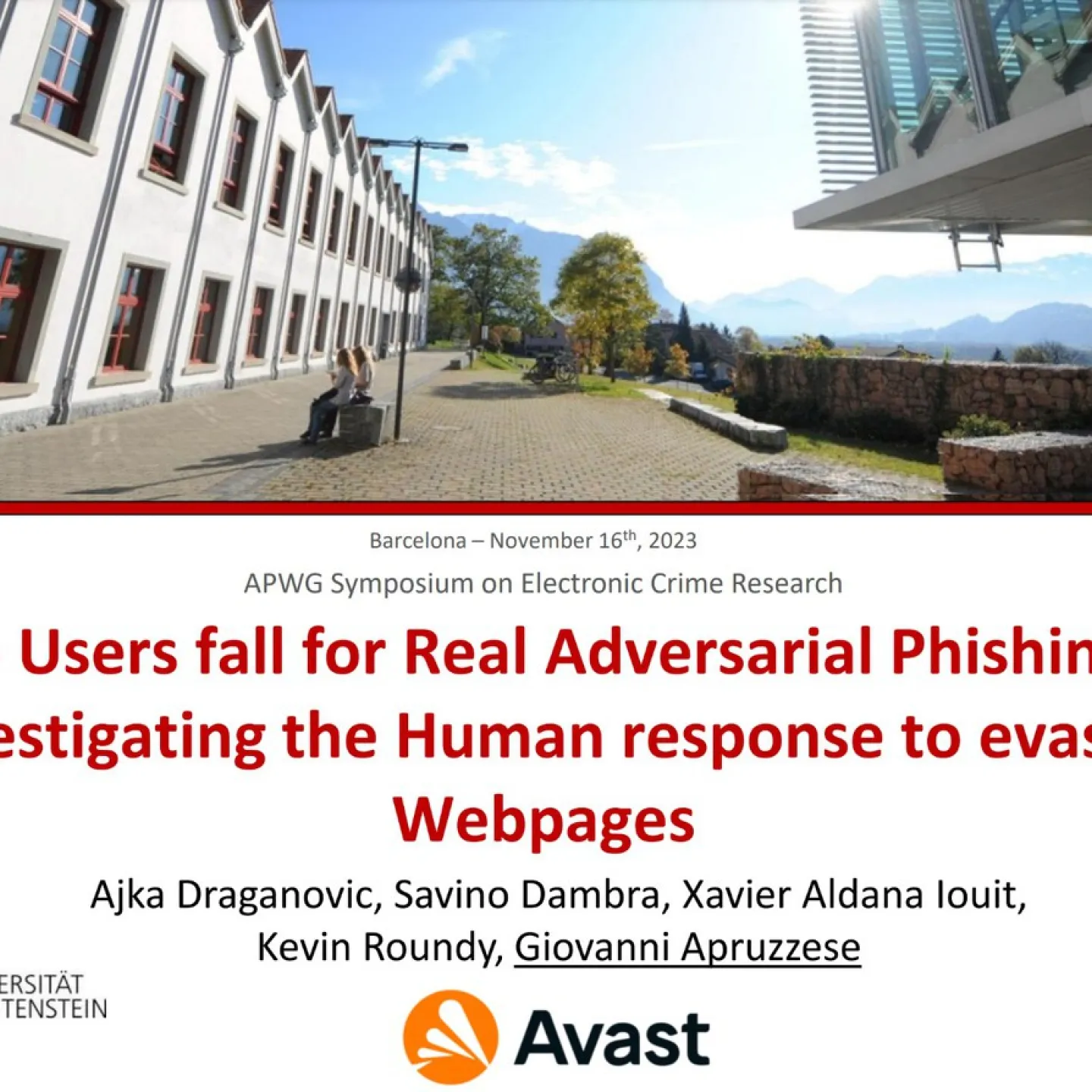
Ein Bild zeigt die Universität Liechtenstein mit einem sonnigen Campus und Bergen im Hintergrund. Im Vordergrund ist der Titel eines Forschungspapiers über Phishing von Giovanni Apruzzese und Kollegen zu sehen, präsentiert auf dem APWG Symposium in Barcelona. Logos von Avast und NortonLifeLock sind ebenfalls abgebildet.

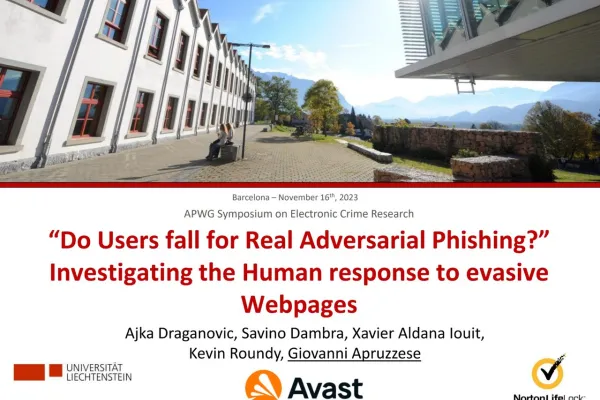
Assistant Professor Giovanni Apruzzese from the Chair of Data & Application Security presented the paper “Do users fall for real adversarial phishing? Investigating the human response to evasive webpages” at the APWG Symposium on Electronic Crime Research (eCrime) in Barcelona. The paper was co-authored with Ajka Draganovic, Javier Aldana Iuit (Avast Software), Savono Dambra and Kevin Roundy (both Norton Research Group).


Phishing websites are ubiquitous, and countermeasures based on static blocklists offer little protection against such threats. Therefore, state-of-the-art machine learning (ML) methods are now being used to detect phishing websites. These techniques have shown promising results when integrated into phishing detection systems (PDS). However, ML methods are not perfect, and some trial versions of phishing websites can even bypass production-grade PDS.


In their work, the researchers investigated whether real phishing websites that evade commercial ML-based PDS represent a genuine problem or merely a nuisance. They found that some well-designed phishing websites can deceive most participants — even IT experts — while others are easily recognised by most users. The study is relevant for practitioners as it enables prioritisation of phishing websites that can fool both machines and humans, and it also benefits from the contribution of globally renowned cybersecurity companies (Avast and Norton).


The paper is based on the thesis of Ajka Draganovic, a student in the Master’s programme in Information Systems at the University of Liechtenstein, and was awarded second place in the “Best Paper” competition by the eCrime’23 committee. The symposium was attended by more than 100 participants from academia and industry.


More information about the presentation and the event is available at: https://apwg.org/event/ecrime2023/


Ein Bild zeigt die Universität Liechtenstein mit einem sonnigen Campus und Bergen im Hintergrund. Im Vordergrund ist der Titel eines Forschungspapiers über Phishing von Giovanni Apruzzese und Kollegen zu sehen, präsentiert auf dem APWG Symposium in Barcelona. Logos von Avast und NortonLifeLock sind ebenfalls abgebildet.

Thematic Evening “Boundaries Between Administrative and Criminal Law”

Thematic Evening “Boundaries Between Administrative and Criminal Law”

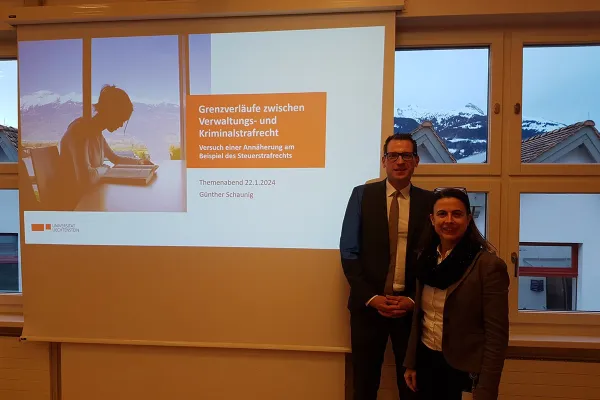
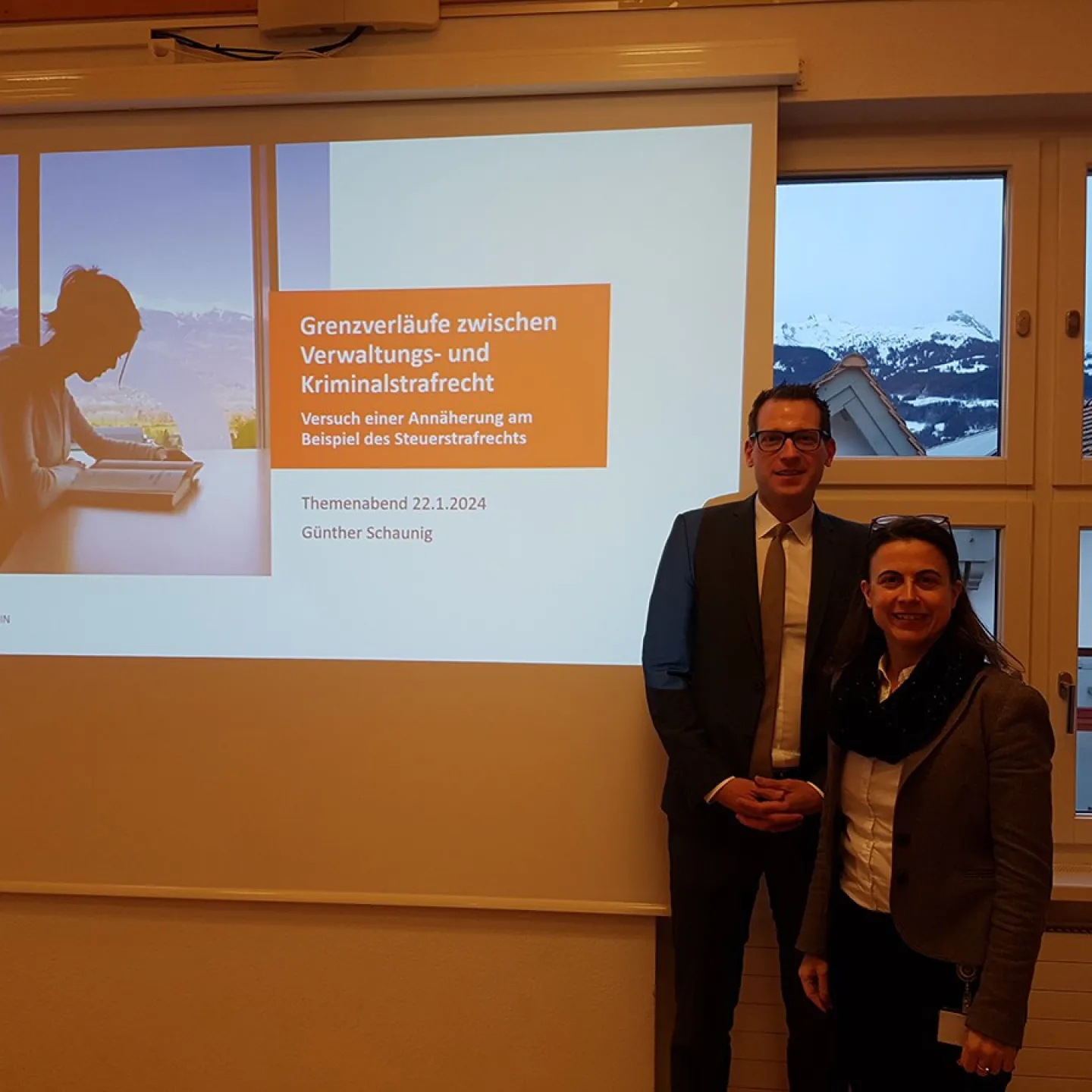
Ein Mann und eine Frau stehen vor einer Präsentationsleinwand mit dem Titel "Grenzverläufe zwischen Verwaltungs- und Kriminalstrafrecht" im Seminarraum der Universität Liechtenstein. Im Hintergrund sind schneebedeckte Berge durch die Fenster sichtbar.

On 22 January 2024, the Chair of Business Criminal Law, Compliance and Digitalisation hosted the thematic evening “Boundaries Between Administrative and Criminal Law.” The event marked the conclusion of the FFF project of the same name, led by Mag. Dr. Günther Schaunig, BA, and coordinated by Prof. Dr. Konstantina Papathanasiou, LL.M. The evening provided an introduction to the boundaries between administrative and criminal sanctions.


In both the Principality of Liechtenstein and the DACH countries (Germany, Austria, Switzerland), state responses to crime “oscillate” between criminal law and administrative law. This division affects large parts of business criminal law in Liechtenstein, particularly tax criminal law. The consequences of this distinction extend to both substantive criminal law and criminal procedure law.


Against the backdrop of the criminal law’s role in protecting legal interests, the thematic evening shed light on the specifics of the criminal justice system in the Principality of Liechtenstein, such as the classification of offences into felonies, misdemeanours, and contraventions, along with their corresponding legal consequences. Given the considerable number of laws and regulations related to business criminal law in Liechtenstein, participants quickly identified points of reference to their own fields of practice.


A thematic focus was placed on tax criminal law. Here, criminal liability essentially arises from the endangerment or violation of tax obligations. The strict obligations to cooperate in the regular tax procedure have no equivalent in tax criminal proceedings, as the accused may not be compelled to self-incriminate. In the context of criminal proceedings, in addition to the judicial code of criminal procedure, the long-standing Act of 21 April 1922 on General National Administration may also be relevant, as it contains special provisions on administrative criminal proceedings.


The event was met with great interest, attracting participants from authorities, law firms, and financial service companies, underscoring the high relevance of the topic for the Principality of Liechtenstein. The evening concluded in a relaxed atmosphere with an apéro.


Ein Mann und eine Frau stehen vor einer Präsentationsleinwand mit dem Titel "Grenzverläufe zwischen Verwaltungs- und Kriminalstrafrecht" im Seminarraum der Universität Liechtenstein. Im Hintergrund sind schneebedeckte Berge durch die Fenster sichtbar.

Anna Heringer Appointed Visiting Professor at the LSA

Anna Heringer Appointed Visiting Professor at the LSA

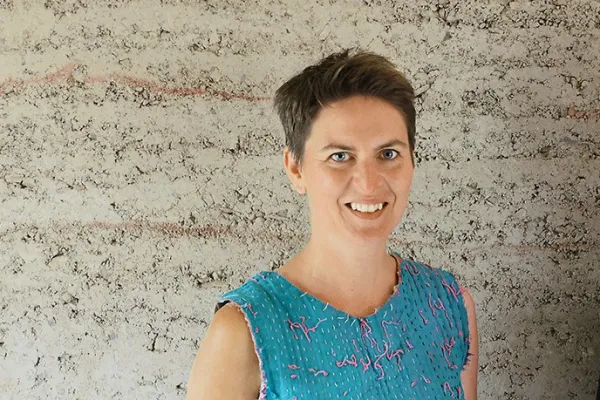
Eine lächelnde Person steht vor einer strukturierten Lehmwand. Sie trägt ein blaues Oberteil mit rosa Akzenten.

Starting in the summer semester of 2024, Anna Heringer will once again be teaching at the School of Architecture. Since the summer semester of 2019, she has repeatedly served as a lecturer in design at the University, and following a successful selection process, she has now been appointed Visiting Professor for two semesters.


Anna Heringer is an architect and a pioneer in contemporary earthen architecture. She first gained recognition for designing and building the METI School in Rudrapur, Bangladesh, a project she conceived and realized as her diploma thesis. Since then, Heringer has further developed her award-winning architectural approach—rooted in local building materials and local labor—through construction projects primarily in Asia and Africa, as well as through teaching architecture in Stuttgart, Linz, Vienna, and at ETH Zurich. Her central aim is to gradually build and highlight social and economic connections in the planning and construction process through the personal involvement of the architect. Her works have been exhibited in numerous museums worldwide, including MoMA in New York and the Venice Biennale. She has received, among others, the Aga Khan Award for Architecture, the AR Emerging Architects Award, and the Global Award for Sustainable Architecture. UNESCO has conferred upon her an honorary professorship in Earthen Architecture, Building Cultures, and Sustainable Development.


With her strong international profile and renowned buildings across the globe, Anna Heringer brings valuable expertise to the University of Liechtenstein, strengthening a strategically important area in the development of buildings using sustainable materials.


Eine lächelnde Person steht vor einer strukturierten Lehmwand. Sie trägt ein blaues Oberteil mit rosa Akzenten.

Studying and Researching with the Craft

Studying and Researching with the Craft

Ein Mann mit Bart und kurzem Haar blickt direkt in die Kamera. Der Hintergrund ist unscharf und zeigt eine Innenraumszene.

Dr. Wolfgang Schwarzmann from the Liechtenstein School of Architecture spoke in an interview with baunetz Campus about what hands-on research and teaching mean to him and why craftspeople should be more involved in design planning and research. Here is a summary.


At the University, I work in both research and teaching in the field of craftsmanship. My doctoral thesis examined carpentry processes and the impact of new technologies on carpenters’ daily tasks. I was particularly interested in whether craftspeople could still be considered “craftspeople” or rather “computer workers.”


Especially today, in the midst of debates about AI and automation, I believe creativity is an absolutely essential skill. It hardly matters to me whether someone has completed a trade apprenticeship or a degree. What counts is that young people can develop innovative solutions that are not found in textbooks—be it in sheet metal work or in architectural studies. I always encourage students and young craftspeople to look for unconventional solutions. That’s why, in my teaching, I deliberately pose open-ended questions to challenge learners outside of their comfort zones. The crucial skill is to solve problems that don’t yet exist—a competence that will only become more important in the future.


“One of the great challenges of our time is that we are training young craftspeople and designers today for a profession whose future challenges we don’t yet know,” — Dr. Wolfgang Schwarzmann.


For me, architecture students and apprentices in the trades are united under one roof, though with different focuses in the construction process, materials, and expertise. I strive to foster mutual understanding on both sides. Craftspeople should be able to recognize the aesthetic aspects of a building, and designers should develop buildable solutions. In my work with apprentices and students, I build a strong bridge between both disciplines and familiarize them with the other’s skills.


More and more, I realize that I will never fully understand all facets of the work of an experienced carpenter. Precisely because these processes are difficult to document, deeply involving craftspeople in research is crucial. With their daily work, their expertise in materials, and the associated work steps, they are the experts in their own discipline. For me, this expertise is the central aspect of solid research.


A university offers this unique space of possibility—where exactly such bridges between craftspeople, designers, and students of architecture can be created, discussed, and explained.


Dr. Wolfgang Schwarzmann is a postdoctoral researcher at the University of Liechtenstein, focusing on digitization in the trades, computer-aided fabrication in timber construction, and the connection between tradition and technology. His teaching addresses both architecture students and apprentices in the trades.


Craftsmanship, research and teaching, as well as the circular economy, were discussed by Dr. Wolfgang Schwarzmann together with Prof. Dirk Hebel in a podcast: https://heinze.podigee.io/122-new-episode


Interview: https://www.baunetz-campus.de/people/mit-dem-handwerk-studieren-und-forschen-ein-paar-fragen-an-wolfgang-schwarzmann-8312804


Ein Mann mit Bart und kurzem Haar blickt direkt in die Kamera. Der Hintergrund ist unscharf und zeigt eine Innenraumszene.

New Bank-Frick scholarship holder at the University of Liechtenstein

New Bank-Frick scholarship holder at the University of Liechtenstein

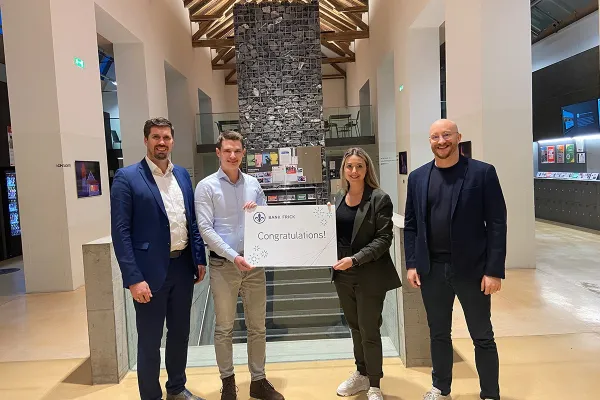
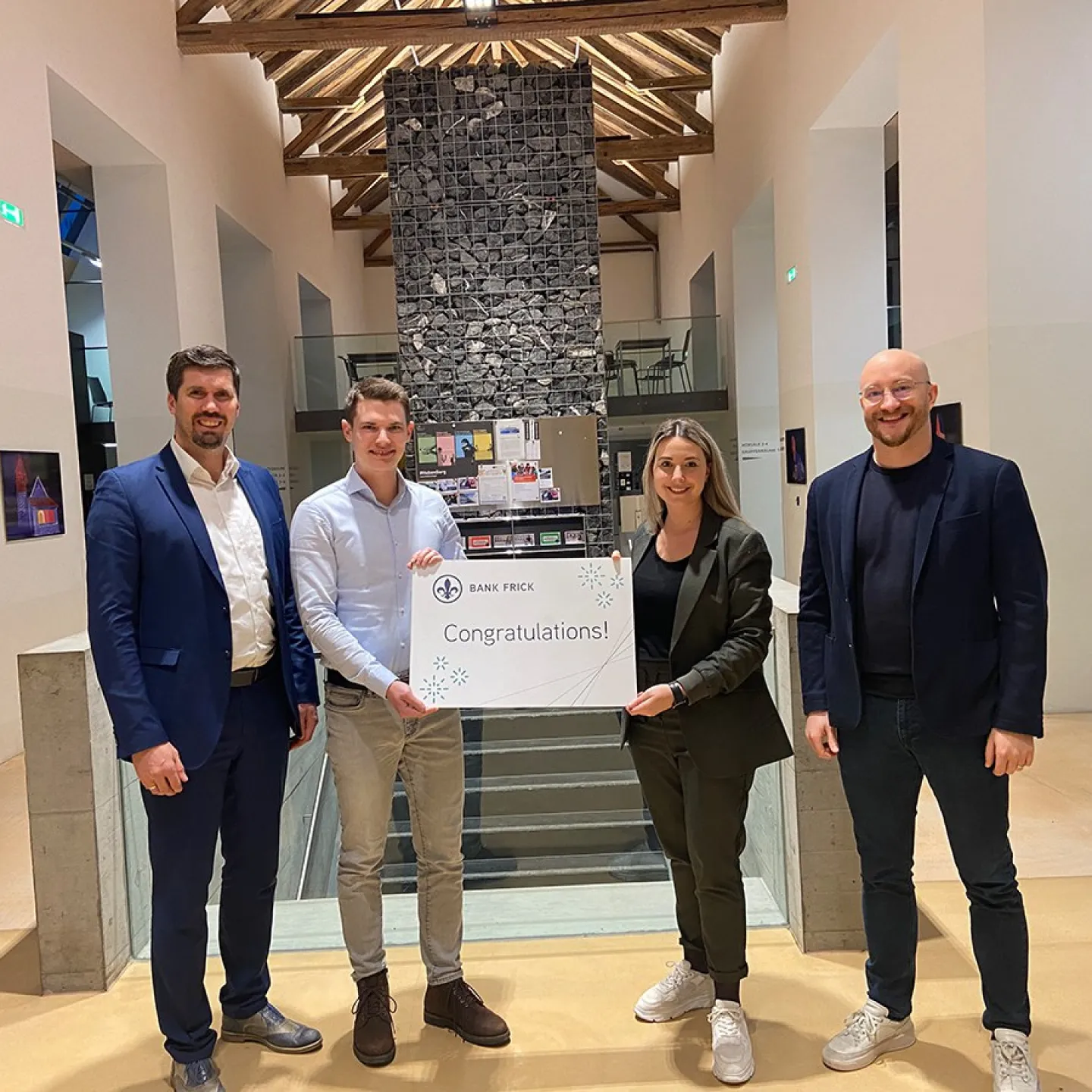
Vier Personen stehen in einem modernen Gebäude und halten ein Schild mit der Aufschrift "Congratulations!" von Bank Frick. Sie feiern die Vergabe eines Stipendiums für den Zertifikatsstudiengang Blockchain und FinTech an der Universität Liechtenstein.

Sven Lagger from Göfis was one of many applicants to win the scholarship for the Blockchain and FinTech certificate program offered by Bank Frick as part of its close cooperation with the University of Liechtenstein. Lagger, who is also enrolled as a Master's student, will be able to take part in the top-class program free of charge.


As part of its cooperation with the University of Liechtenstein, Bank Frick is awarding a scholarship of CHF 9,800 for free participation in the Blockchain and FinTech 2024 certificate course, which has made a name for itself far beyond the country's borders and is characterized in particular by the application-oriented teaching of knowledge in the field of technological redesign of existing financial systems. Students on the program acquire a firm understanding of the new networked systems and their impact on business models and value creation networks.
This year's recipient of the Bank Frick Scholarship is Sven Lagger, who lives in Göfis. His application was particularly convincing due to his previous academic experience, which has already given him a deep technological understanding of blockchain systems. Lagger is also studying for a Master of Science in Business Informatics at the University of Liechtenstein.
"The cooperation between the University of Liechtenstein and Bank Frick has been an absolutely successful model for many years. The large number of participants in the continuously revised course, high demand for the scholarship and for further projects impressively demonstrate the great relevance for the country, but also for the entire Rhine Valley region," says Assoc. Prof. Dr. Martin Angerer, Director of Studies for the Blockchain and FinTech certificate course and the MSc in Finance, underlining the importance of the close collaboration.
 

Vier Personen stehen in einem modernen Gebäude und halten ein Schild mit der Aufschrift "Congratulations!" von Bank Frick. Sie feiern die Vergabe eines Stipendiums für den Zertifikatsstudiengang Blockchain und FinTech an der Universität Liechtenstein.
Subscribe to