Skip to Main Content

AMPHIORAMA - An architecture studio in Liguria

AMPHIORAMA - An architecture studio in Liguria
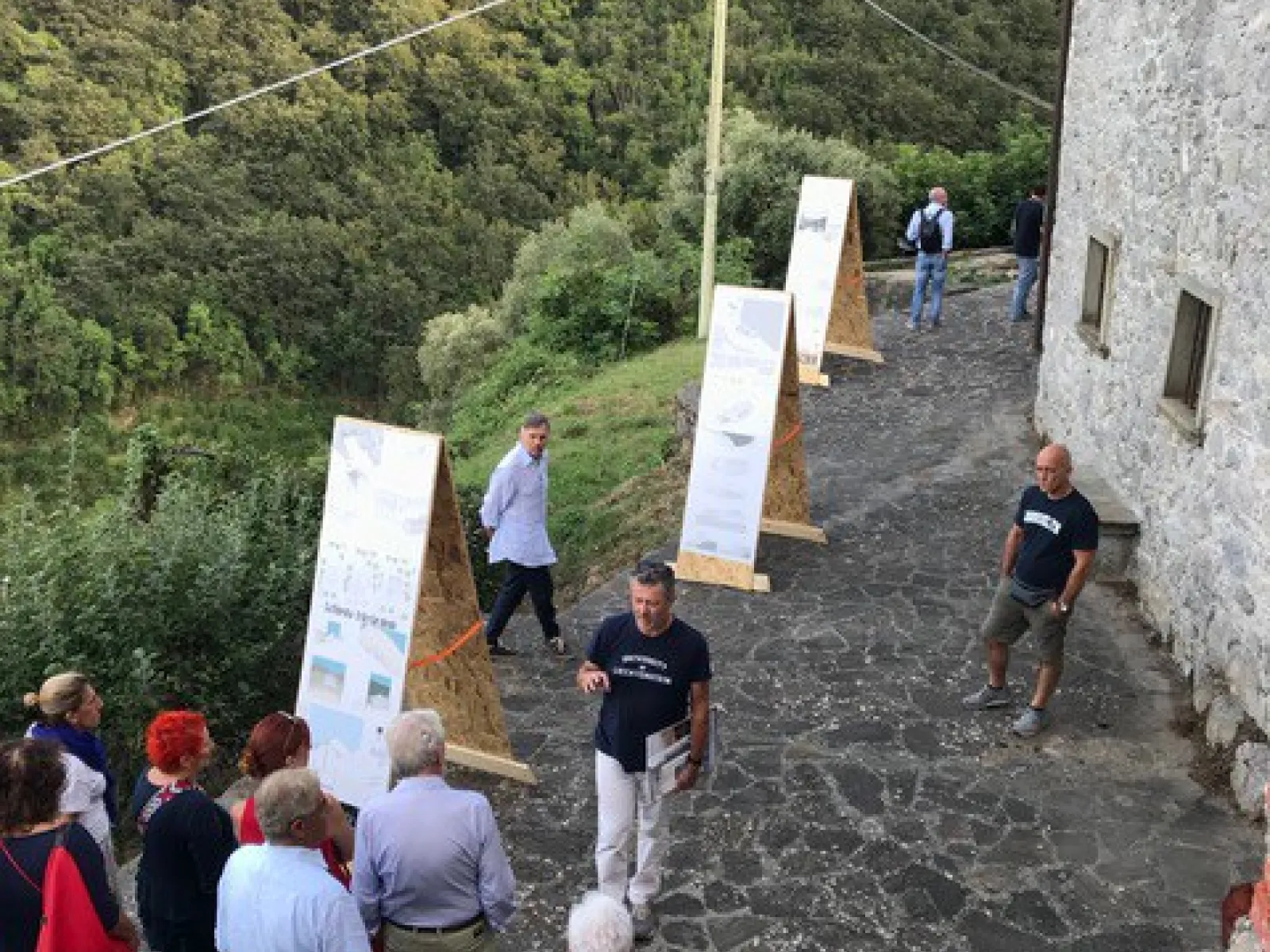
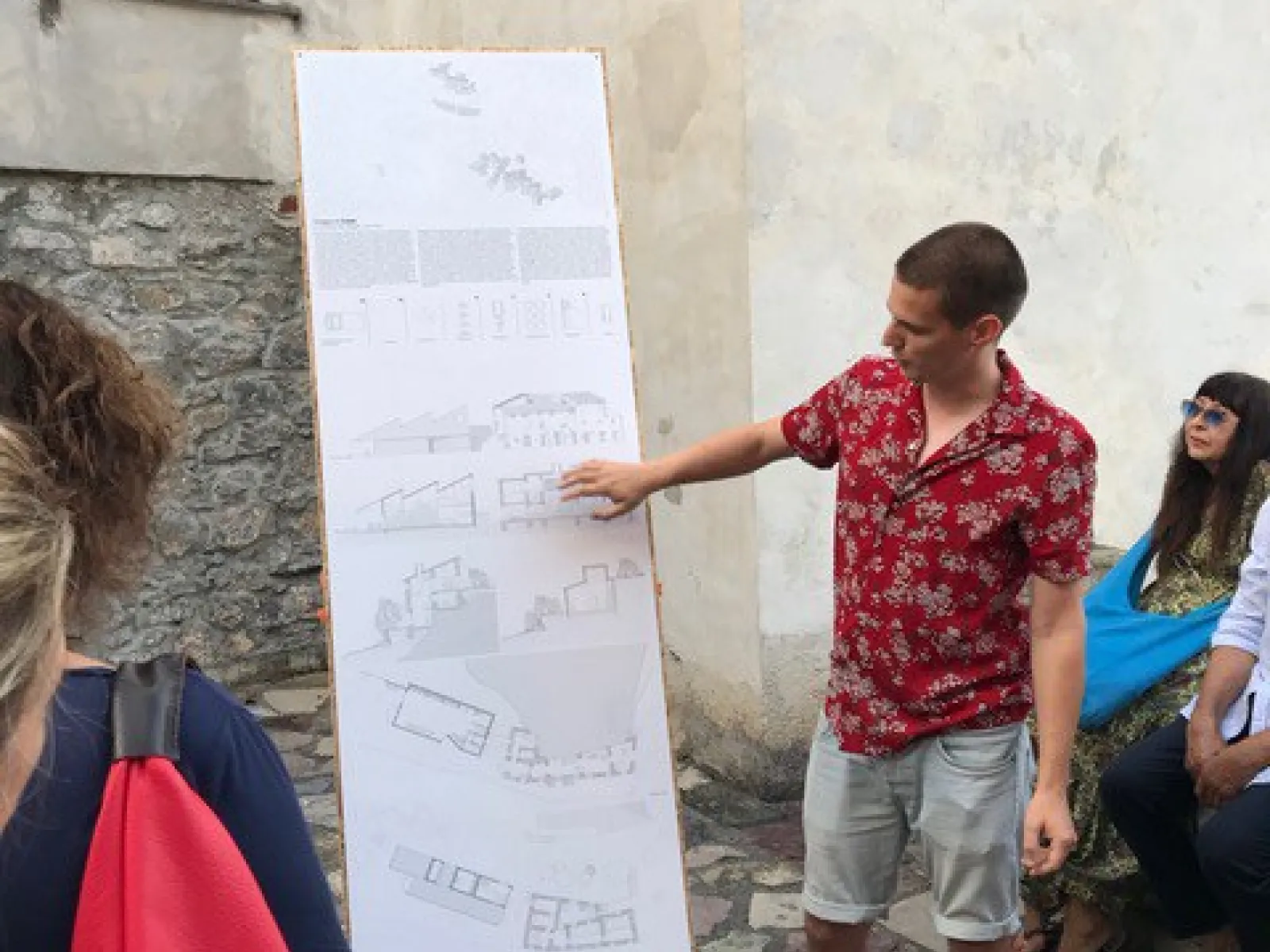
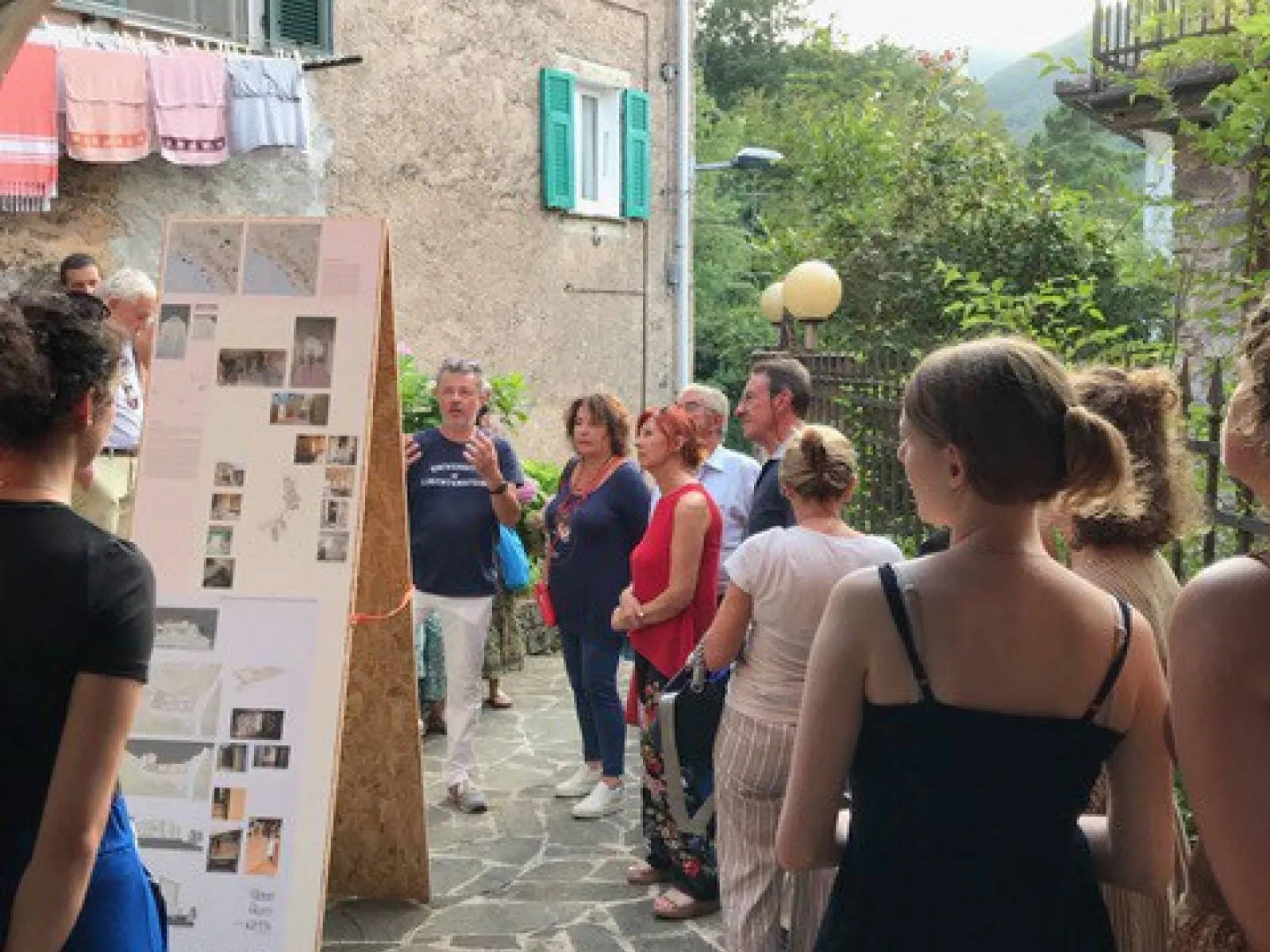
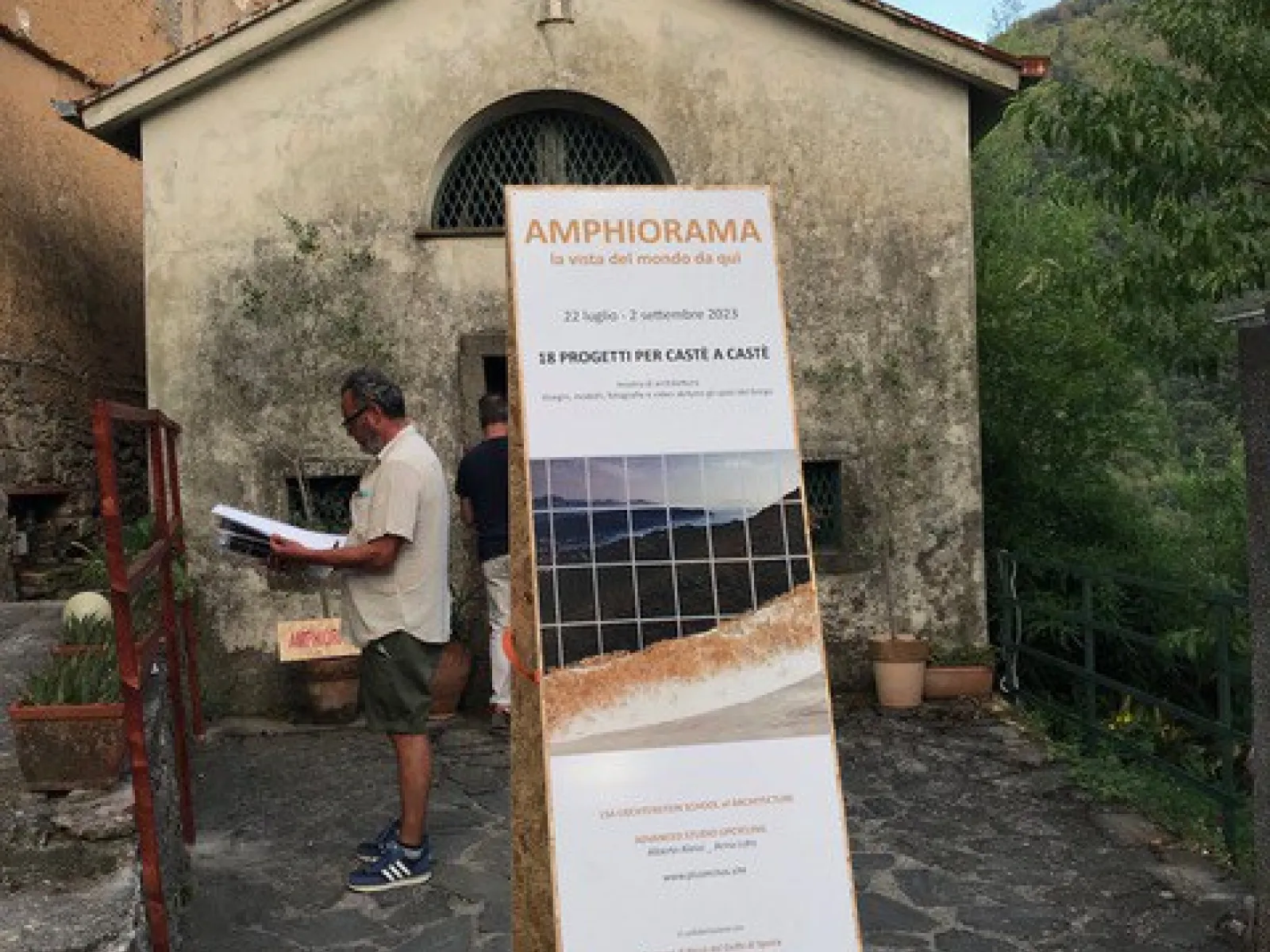
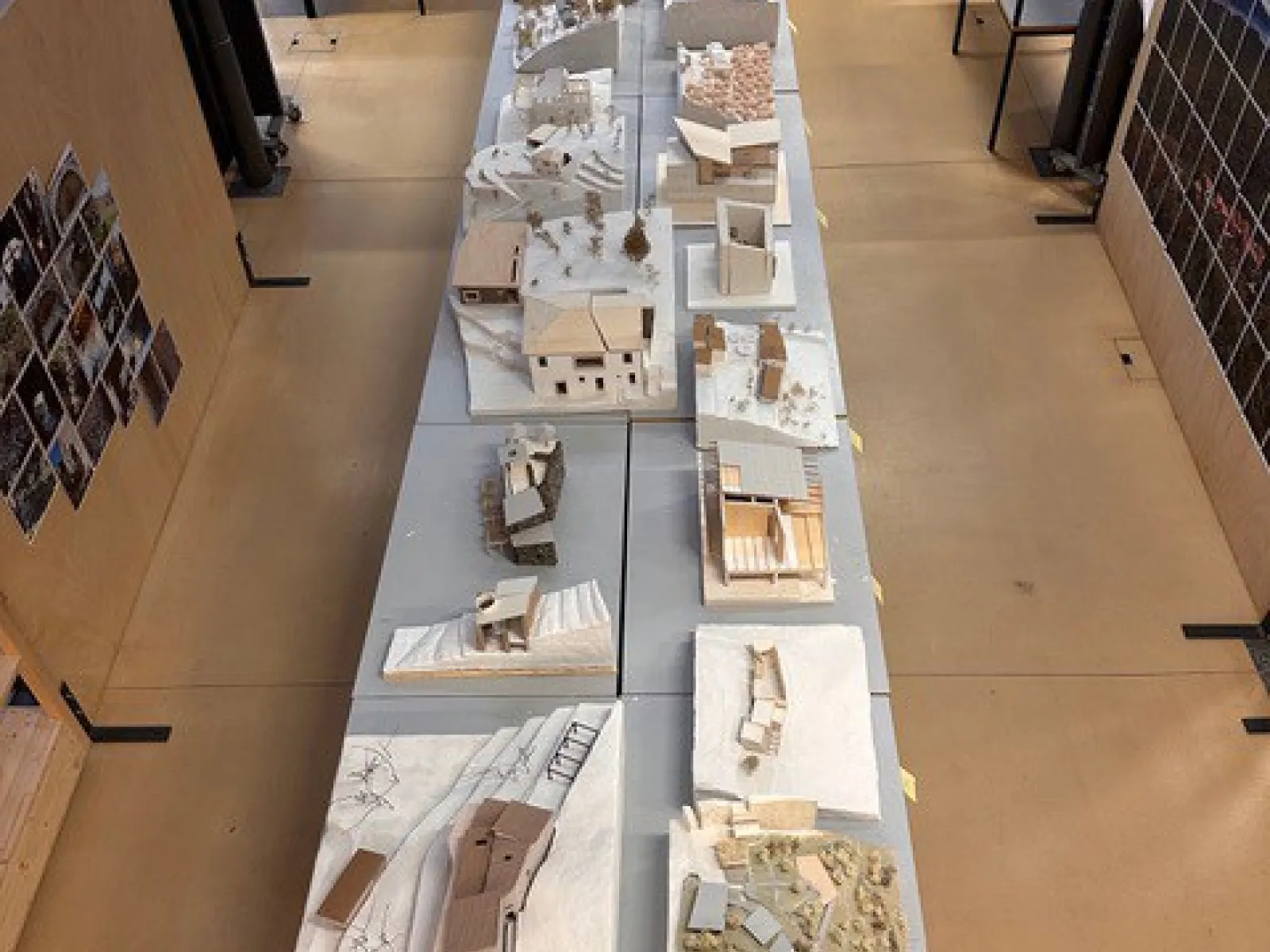
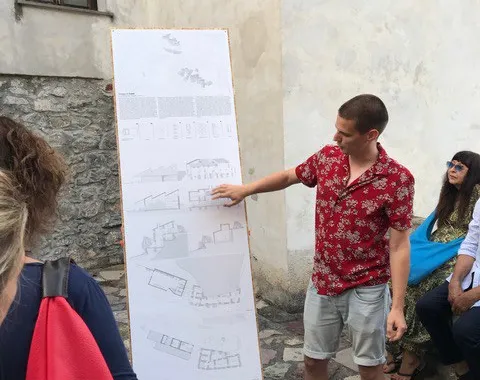
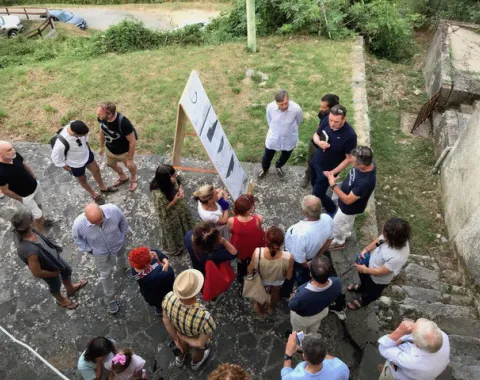
In the summer semester of 2023, the lecturers Alberto Alessi and Anna Lohs of the Advanced Studio Upcycling worked with their students on a series of interventions in the partially disused and abandoned historic center of the village of Castè, in the municipality of Riccò del Golfo della Spezia.


The title of the studio refers to the particular panoramic dimension of this place in the Ligurian hinterland, located on the wooded slopes of the Unesco area of the Cinque Terre, an area that is both vast and concentrated at the same time.


The idea was to start from a double exoticism: on the one hand, for the students, the confrontation with an unknown but suggestive place, on the other hand, for the 20 inhabitants of Castè, the exchange of opinions with the unexpected ideas brought by the students of the University of Liechtenstein.


In March 2023, the students spent a week in this Ligurian village and came into direct contact with the events and people. After getting to know the urban building types (clustered volumes, solitary blocks, temporary houses), they examined the typical building materials (stone, lime, chestnut wood, slate) and engaged in an intensive exchange with the residents about the different ways and desires of living, working and dwelling.


The approach and design process consisted of several phases:
- Exploration of situations, structures and ways of living.
- Analysis of the constructed architectural narratives.
- Invention from the inventory of existing material and immaterial aspects.


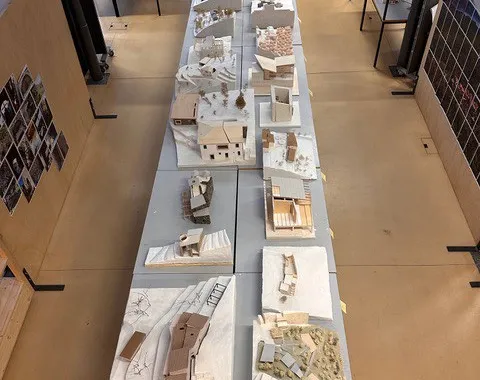
The built narratives of Castè were interpreted by rethinking the existing and adding unexpected aspects and new meanings. On this basis, new possible uses were conceived that open up for future developments. Questions of function, context, construction, language and time were reflected upon, integrated and translated into architectural proposals.


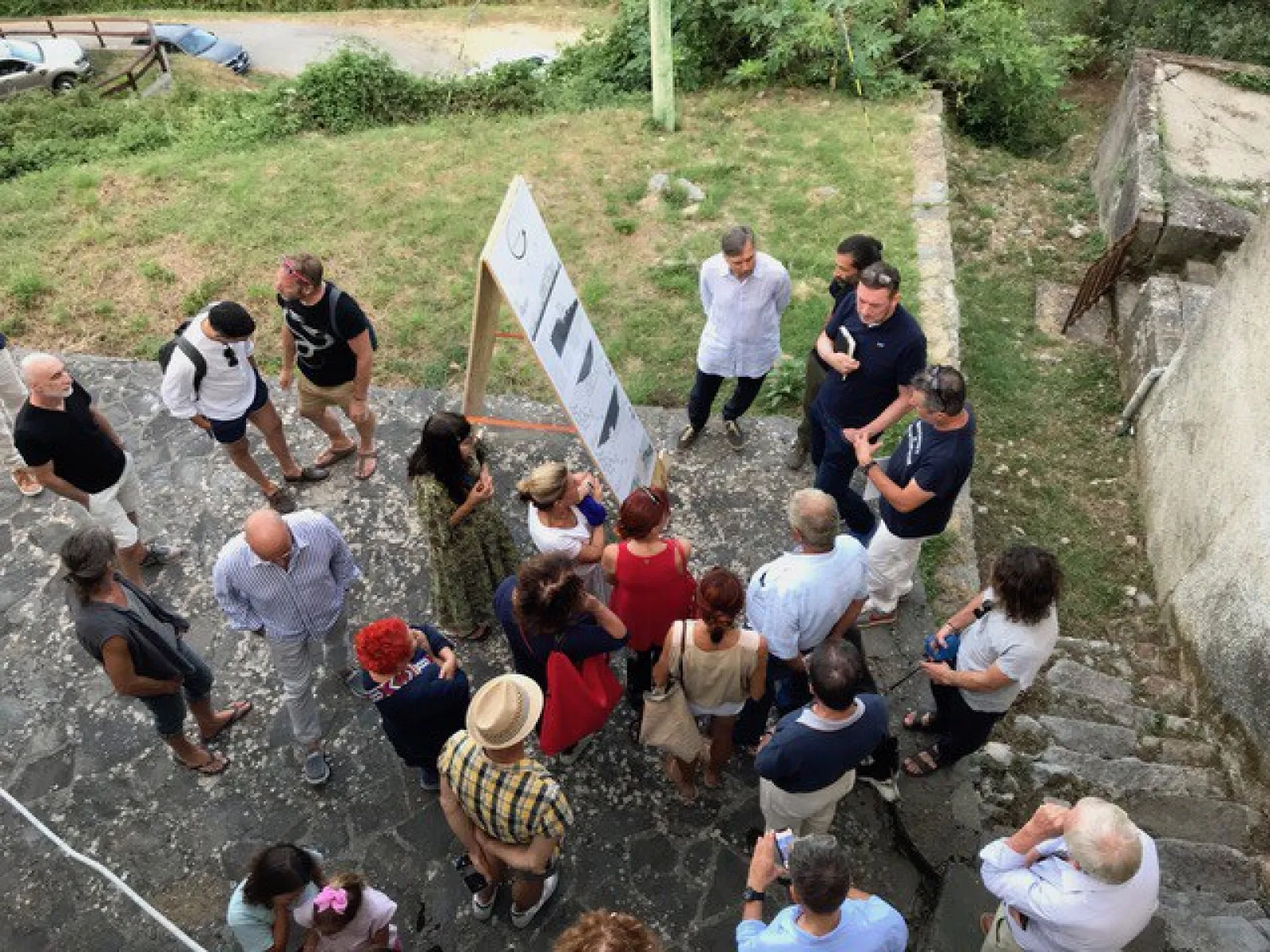
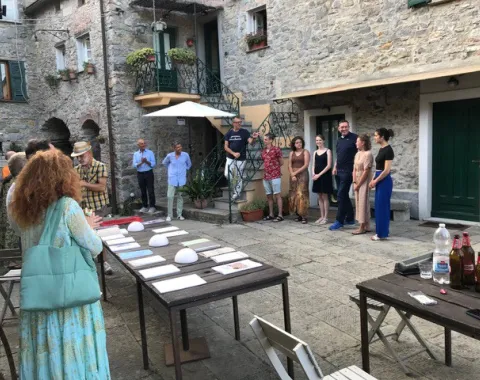
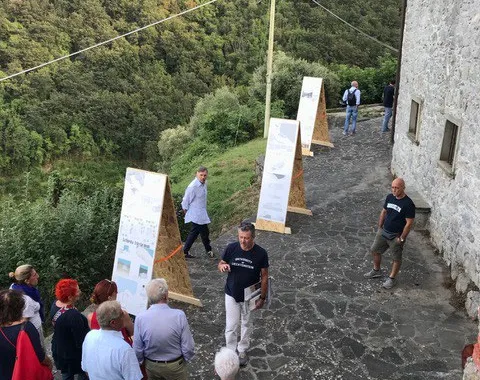
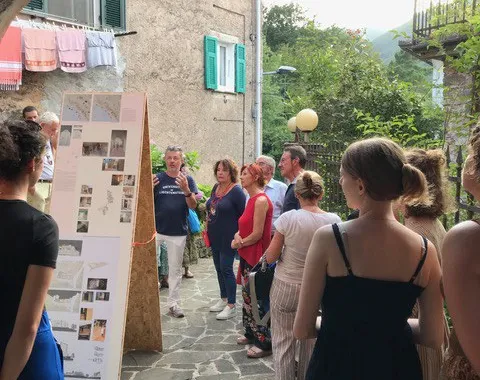
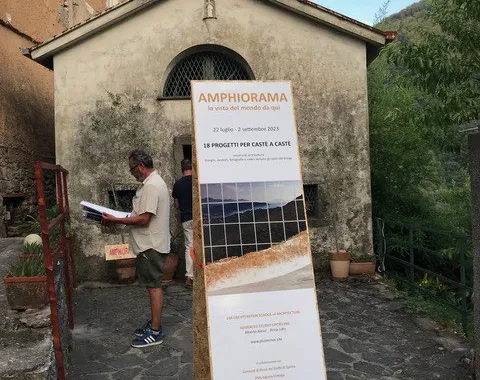
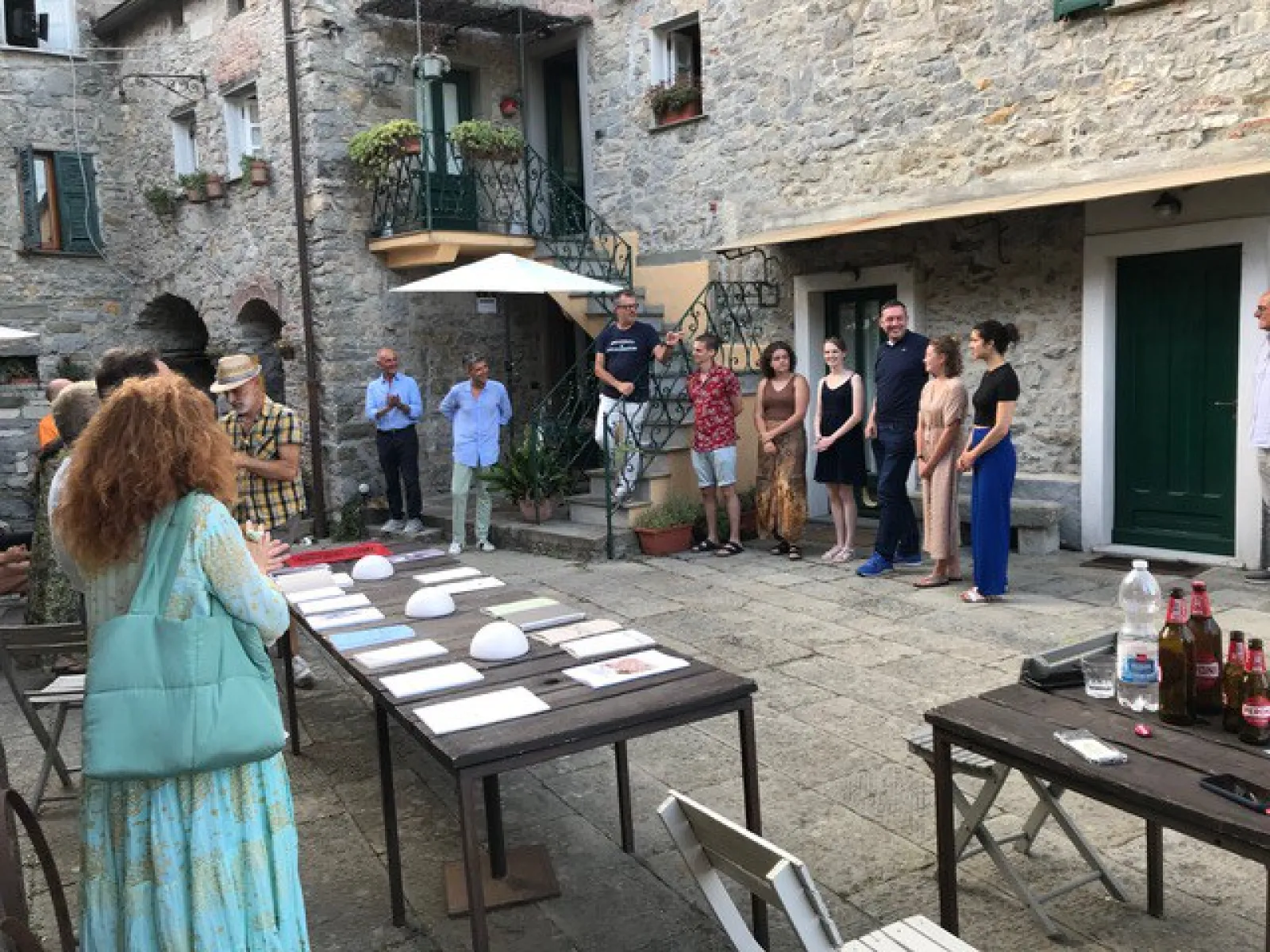
The projects developed by the students during the semester were presented in Castè as part of an open-air exhibition, which opened in the village's public spaces on July 22.


On September 2, a jury of local architects, landscape architects, artists, historians and writers selected the best projects in four categories: originality, feasibility, sustainability and integration. The prize for each of the projects was a work of art created by four artists related to the project sites.
 

Data-Driven Foresight in Life Cycle Management: An Interview Study

Data-Driven Foresight in Life Cycle Management: An Interview Study

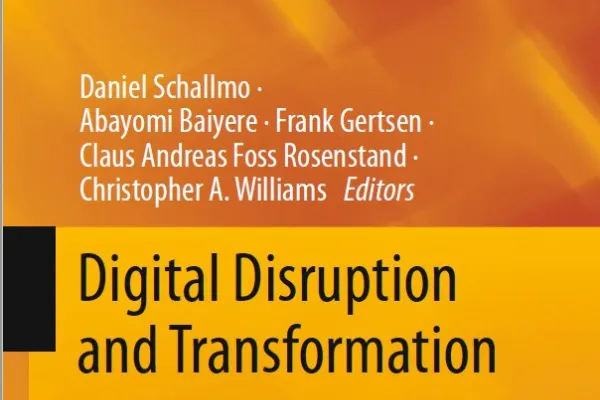
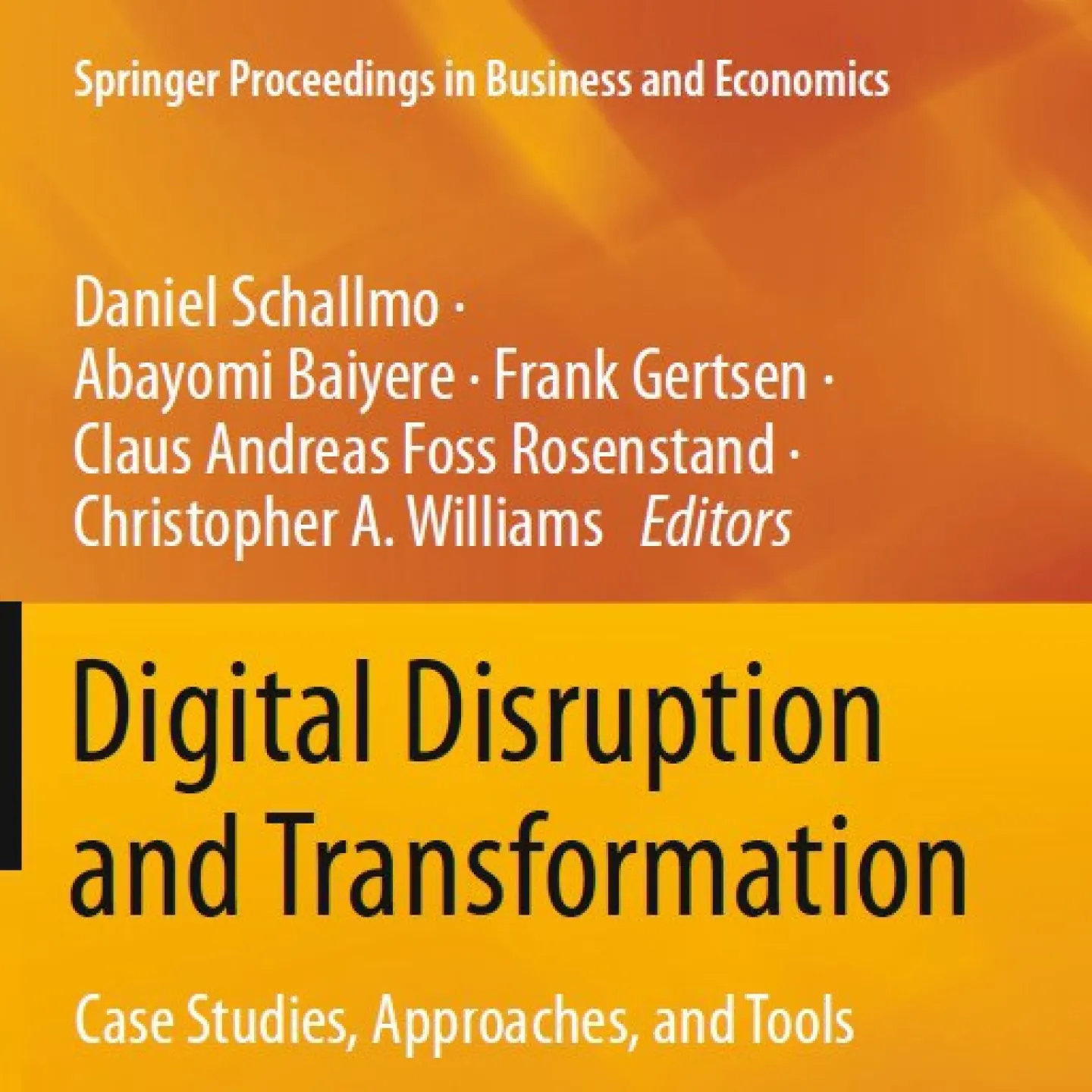
Buchcover des Titels "Digital Disruption and Transformation" aus der Reihe "Springer Proceedings in Business and Economics". Herausgeber sind Daniel Schallmo, Abayomi Baiyere, Frank Gertsen, Claus Andreas Foss Rosenstand und Christopher A. Williams.

Discontinuities in the market create space for disruptive business opportunities. Companies are therefore increasingly interested in proactively identifying future competitive advantages. Researchers Marie Scheuffele, Dr. Niklas Bayrle-Kelso and Prof. Dr. Leo Brecht published their paper on Data-Driven Foresight in Digital Disruption and Transformation Springer Proceedings in Business and Economics 2024.

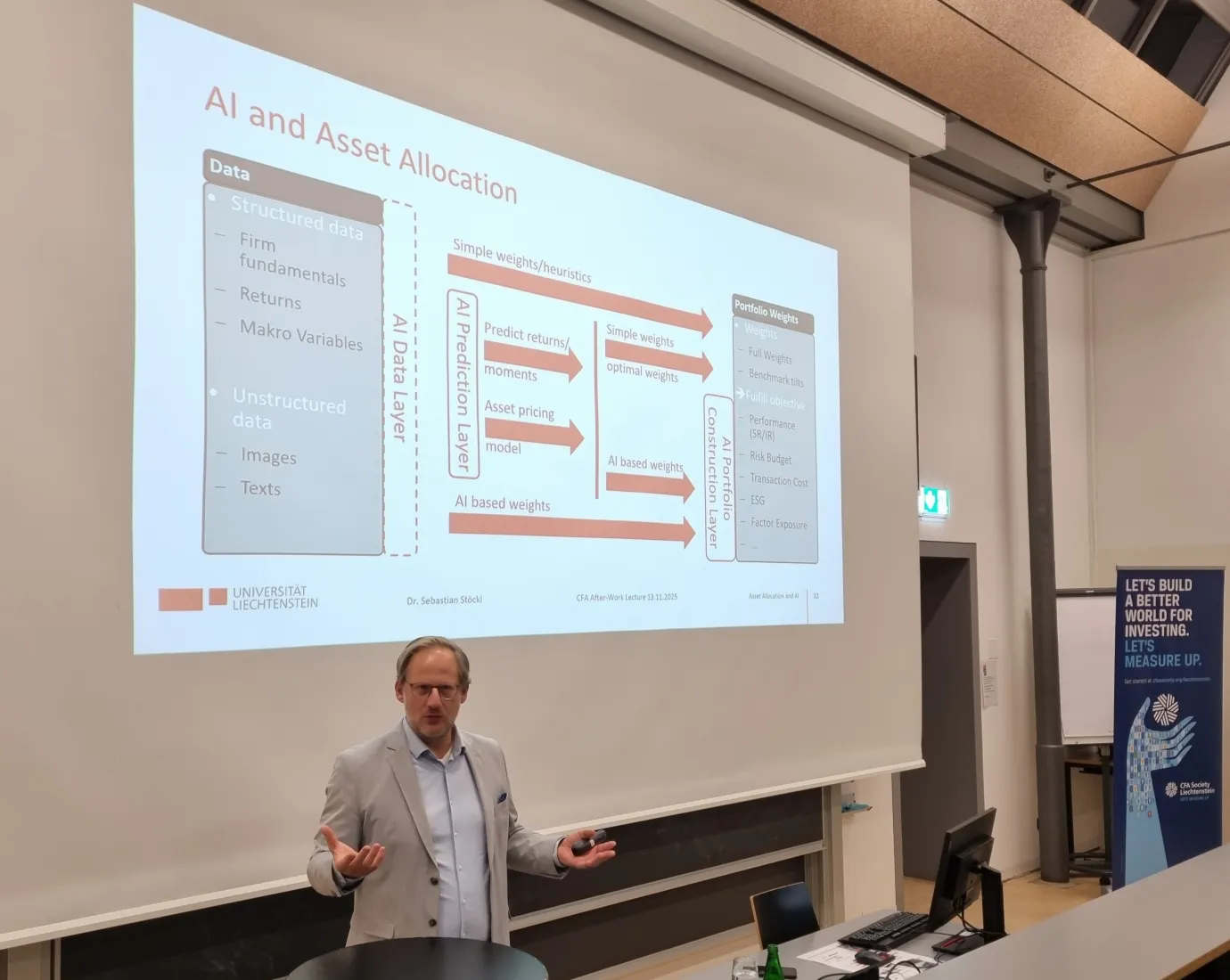
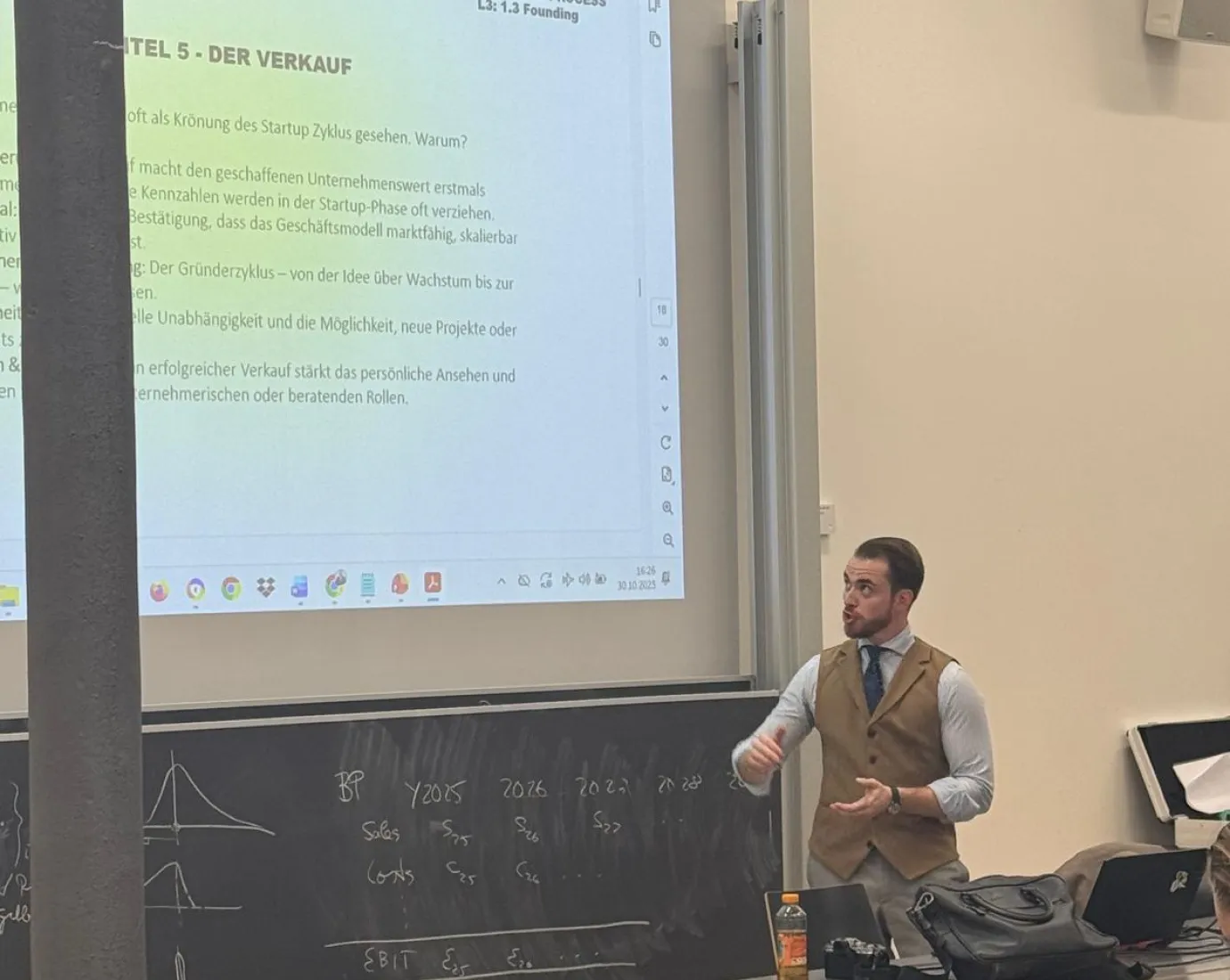
 

A data-driven foresight differs from a vision in that its predictions are based on scientific findings on technology, demographics, regulations and much more. A promising approach for companies to proactively identify future competitive advantages is Data-Driven Foresight (DDF). By using different data sources from various perspectives, DDF can derive solid statements about trend-driven developments in the future. 


As technology life cycles accelerate, industrial firms increasingly want to incorporate foresight activities into their Life Cycle Management to foster digital transformation.The researchers asked themselves: How do companies obtain their data for DDF in Life Cycle Management and what alternative data sources are recommended? Using a systematic literature review, they described the current data sources and classified them along the life cycle.


Twenty semi-structured expert interviews with practitioners from different types of companies show valid premises for data selection and for the practical implementation of DDF. Regarding this, a recognizable difference between technology leaders and followers exists, which opens another gap for future research.


Buchcover des Titels "Digital Disruption and Transformation" aus der Reihe "Springer Proceedings in Business and Economics". Herausgeber sind Daniel Schallmo, Abayomi Baiyere, Frank Gertsen, Claus Andreas Foss Rosenstand und Christopher A. Williams.

Exhibition PIRANESI AWARD 2023

Exhibition PIRANESI AWARD 2023

Logo des Piranesi Award 2023, gelber Kreis mit schwarzem Text "Nagrada Piranesi Piranesi Award 2023", Hintergrund mit feinem Linienmuster.

The PIRANESI Award 2023 exhibition can be viewed in the foyer of the University of Liechtenstein until March 22. The Piranesi Award presents various projects of different sizes and programs that reflect a successful relationship between modern architecture and its natural, cultural, historical and social context.


The Award was created as part of the Piran Days of Architecture international conference*, and it is presented by the DESSA Gallery, the Coastal Galleries of Piran and the Piranesi International Jury. The award is named after the 18th century Italian artist and architect Giovanni Battista Piranesi, whose family roots are said to be from Piran. It is presented to the best architectural realizations created in the last two years in the territory of Central European countries.


50 architectural realizations and 37 student projects compete for the Piranesi Prize 2023. The winners of the Piranesi Prize, two Piranesi Honorary Mentions and the Piranesi Honorary Mention for students will be selected by an international Piranesi jury, one of the jurors is Alberto Alessi, university lecturer for "Built Heritage & Upcycling" at the Liechtenstein School of Architecture.


Besides practicing architects, part of the exhibition for the Piranesi Award is also an international (since 2008) student exhibition in which 21 European architecture faculties participate. Each faculty can nominate two projects designed in the last two academic years.


* Piran Days of Architecture (PDA) is an international architectural conference initiated by a group of Slovene architects in 1986. The aim of the conference is to evaluate the social architectural situation and to present the most progressive and innovative ideas of contemporary architectural and spatial production which preserve cultural identity and diversity through the understanding and respect for the geographical and cultural context. Many architects have lectured at the conference, including: Amateur Studio, Bernardo Bader, Odile Decq, Enrique Miralles, Yvonne Farrell, Sverre Fehn, Kenneth Frampton, Francis Kéré, András Pálffy, Carme Pinos, Sami Rintala, Armando Ruinelli, Alvaro Siza, Eduardo Souto de Moura, Studio Mumbai, Heinz Tesar, Gino Valle, Peter Zumthor.


Logo des Piranesi Award 2023, gelber Kreis mit schwarzem Text "Nagrada Piranesi Piranesi Award 2023", Hintergrund mit feinem Linienmuster.

Liechtenstein Trust Conference 2024: Focus on the Upcoming Partial Revision of Trust Law and Aspects of International Succession Planning

Liechtenstein Trust Conference 2024: Focus on the Upcoming Partial Revision of Trust Law and Aspects of International Succession Planning

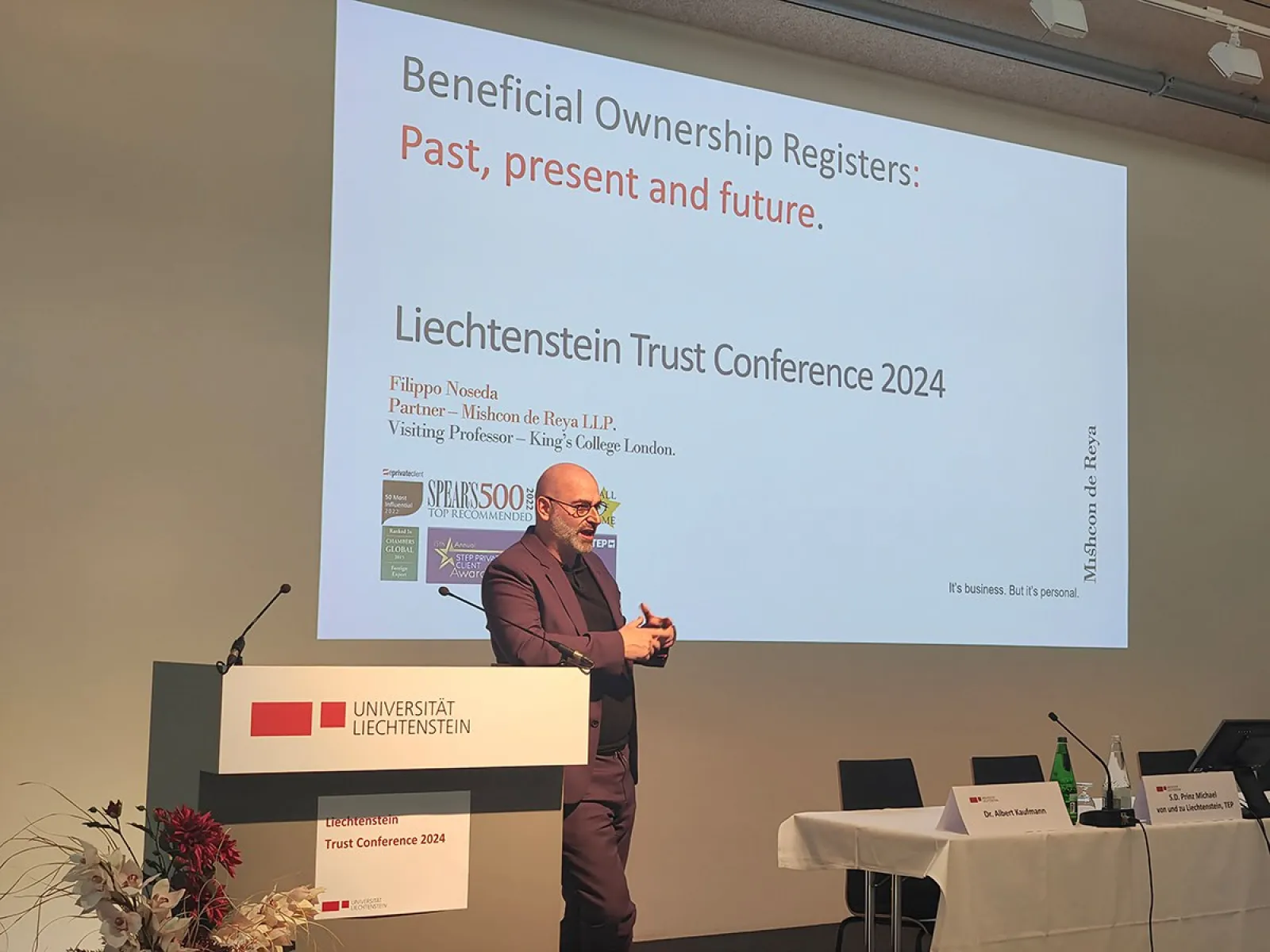
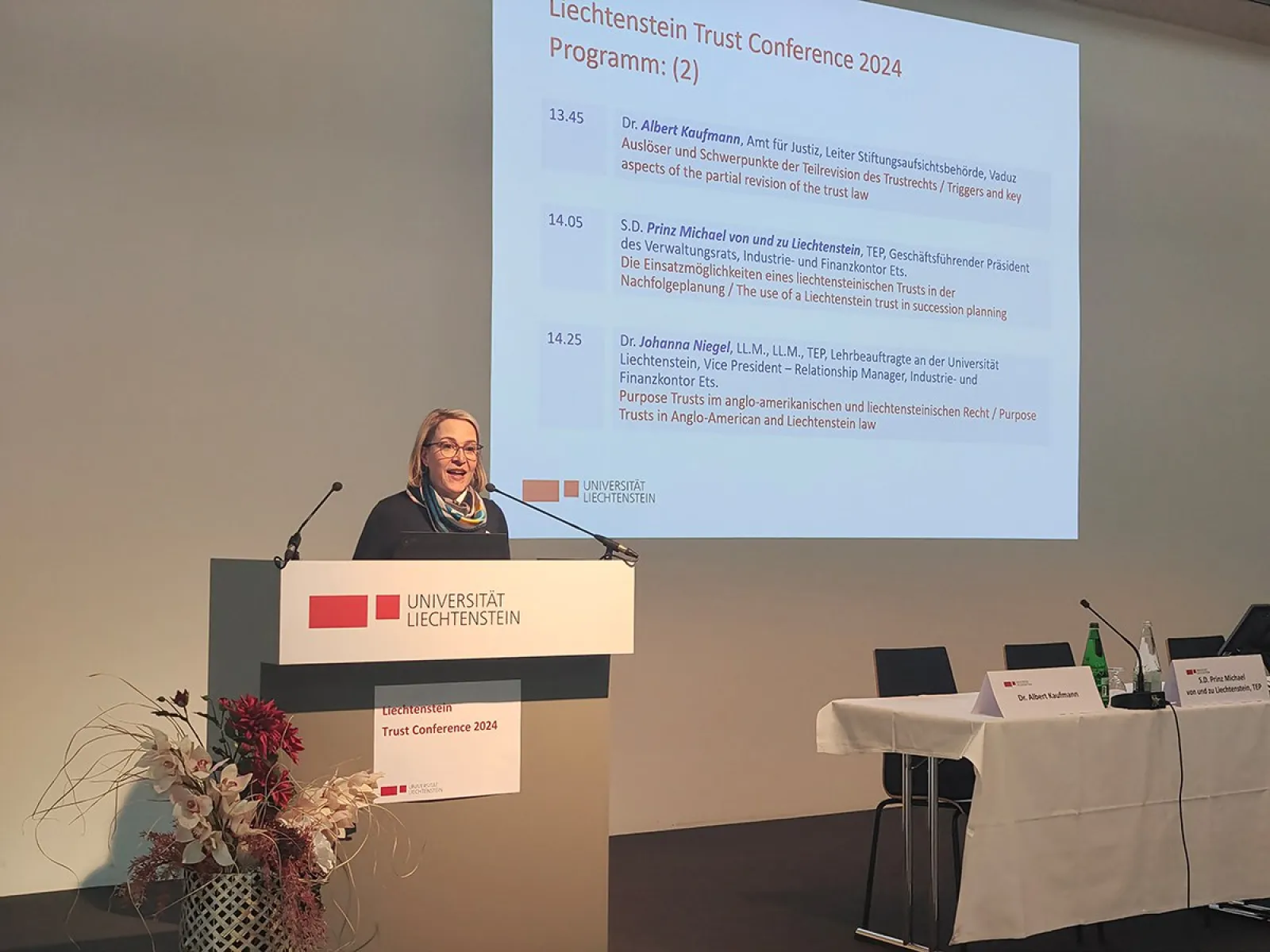
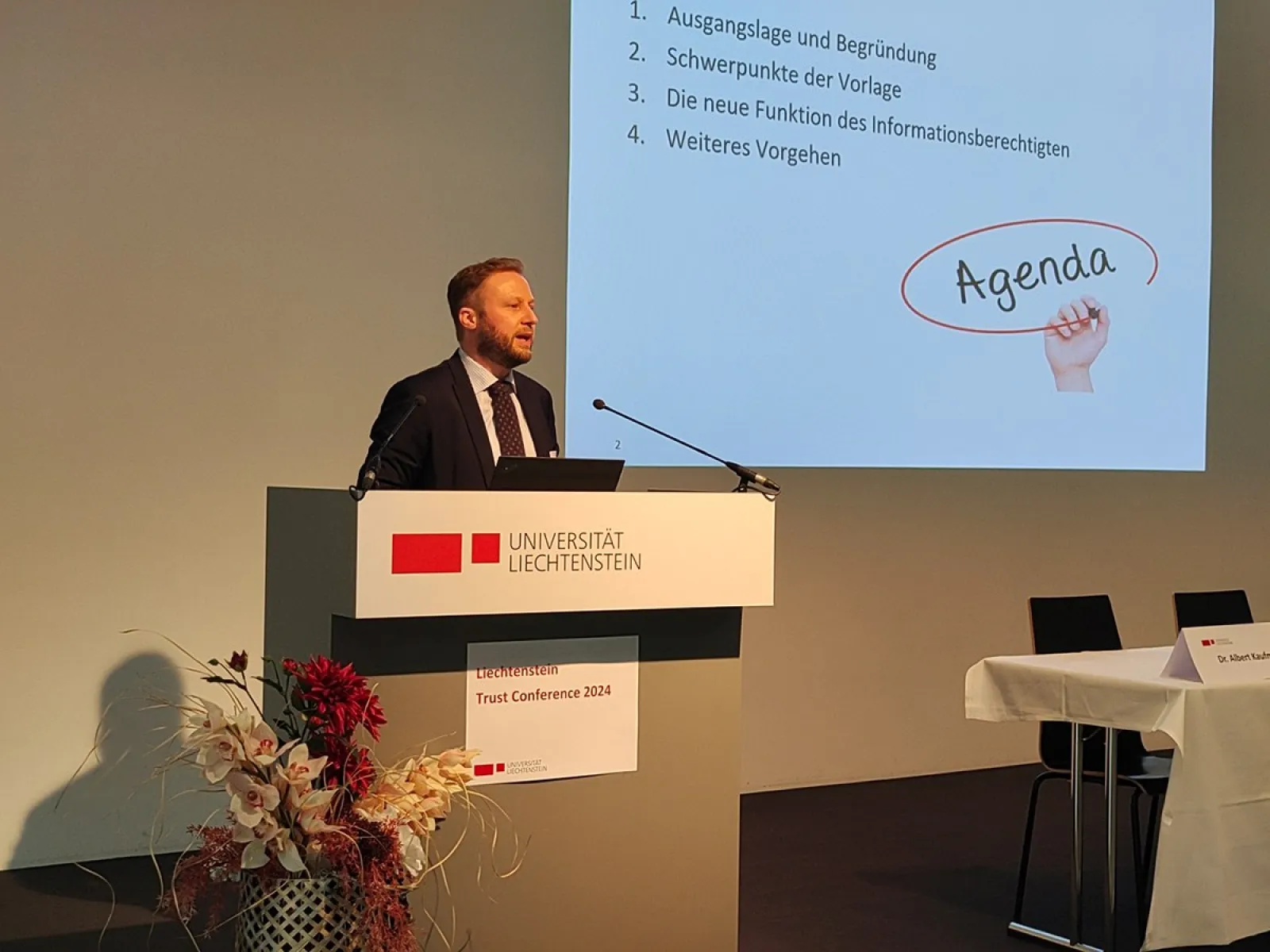
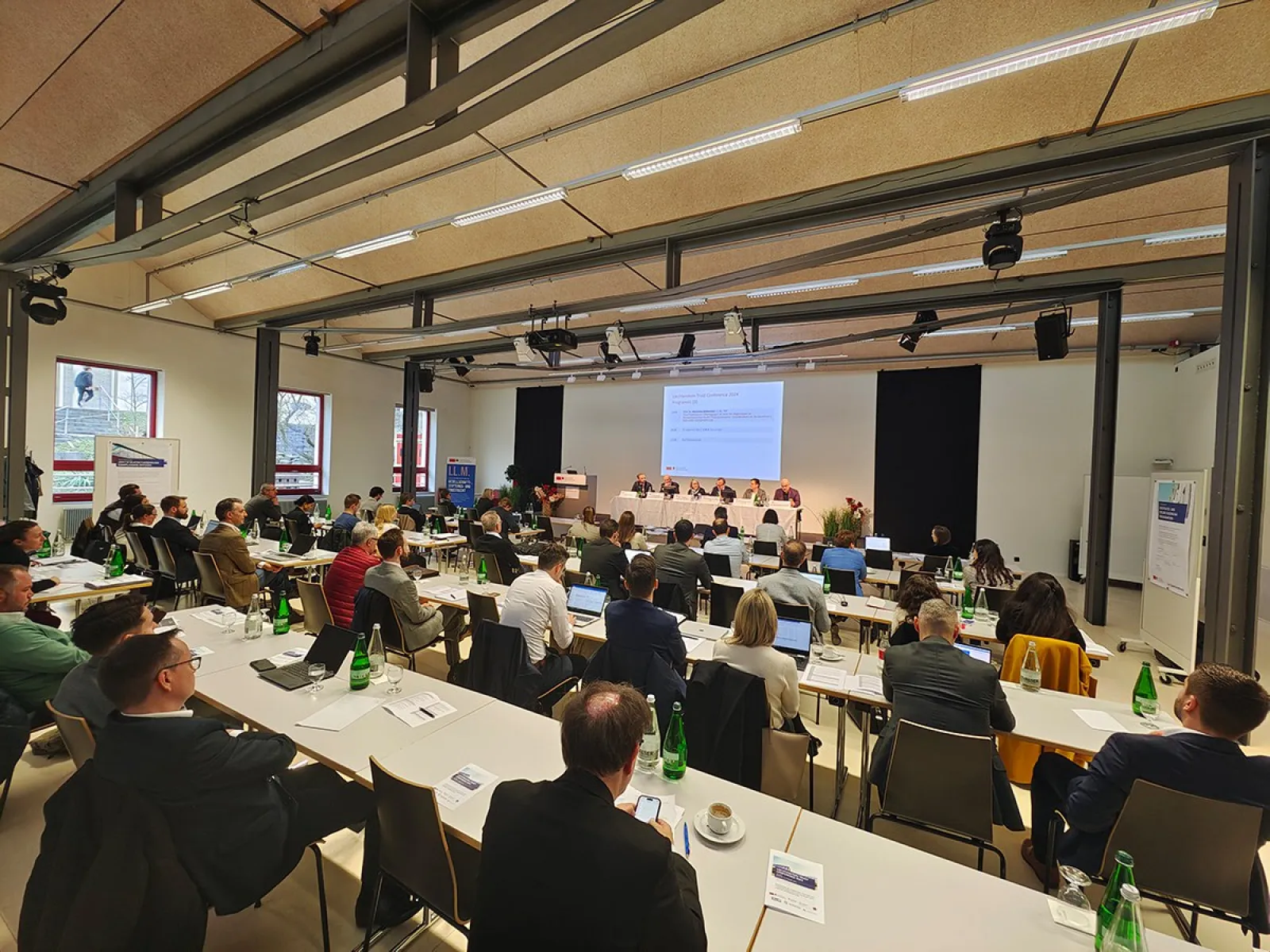
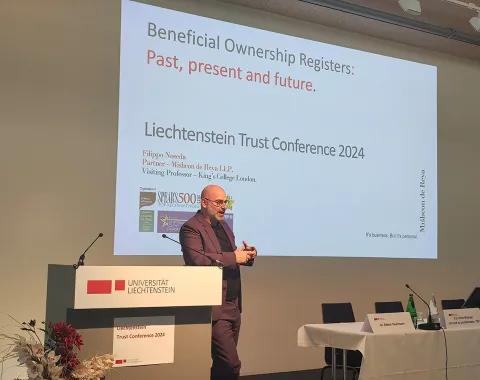
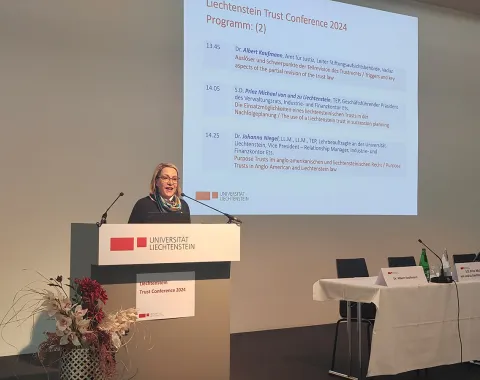
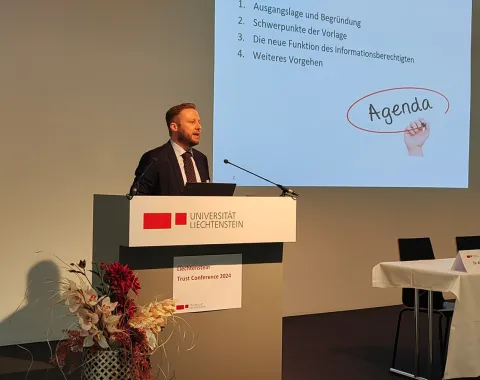
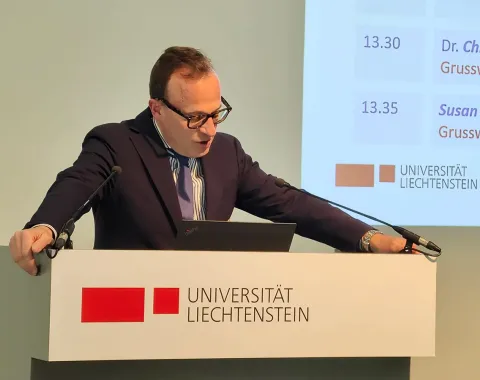
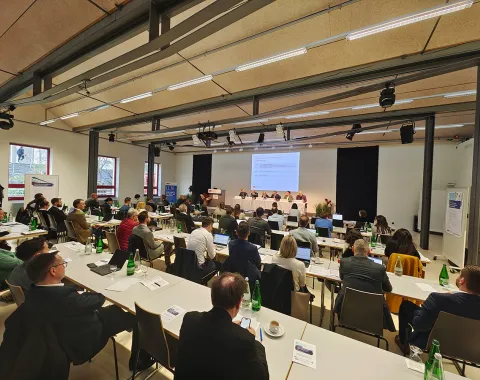
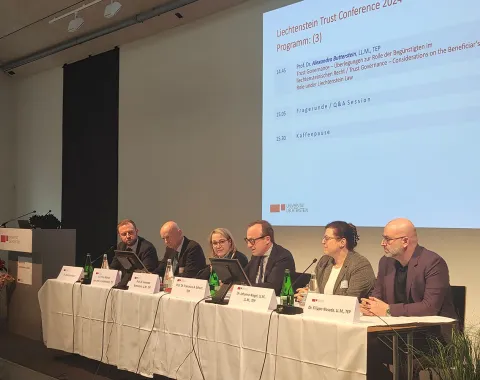
On 27 February 2024, the Chair of Company, Foundation, and Trust Law hosted the Liechtenstein Trust Conference for the eighth time. The key topics of the conference were the proposed partial revision of Liechtenstein trust law and current issues in international succession planning.


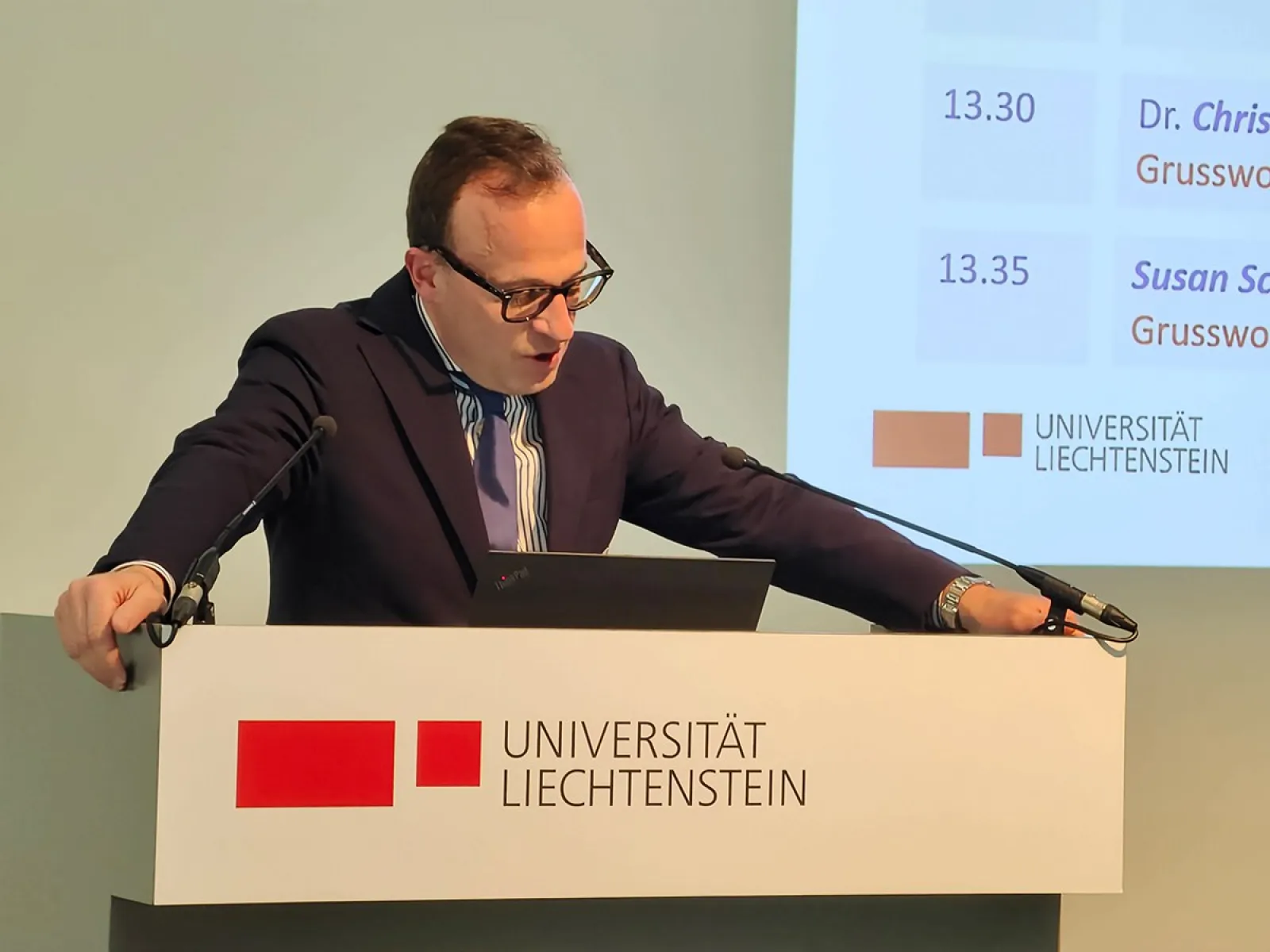
Prof. Dr. Alexandra Butterstein and Prof. Dr. Francesco A. Schurr guided attendees through the programme, welcoming around sixty participants to the University of Liechtenstein’s auditorium.


Dr. Christian Frommelt, Rector of the University of Liechtenstein, offered inspiring words of welcome and emphasised the importance of trusts and the continuing education offerings of the Liechtenstein Business Law School for the Principality’s financial sector. Susan Schneider-Köder, Managing Director of the Chamber of Trustees, then addressed the impact of current geopolitical developments on trust business. She went on to discuss the legislative reforms to trust law initiated by the Chamber, which were broadly welcomed, particularly with regard to trust governance to prevent control deficits and the proposed creation of a specialised trust law senate. She also stressed the importance of collaboration with the University in training and continuing education, as well as the value of expert-level exchange.


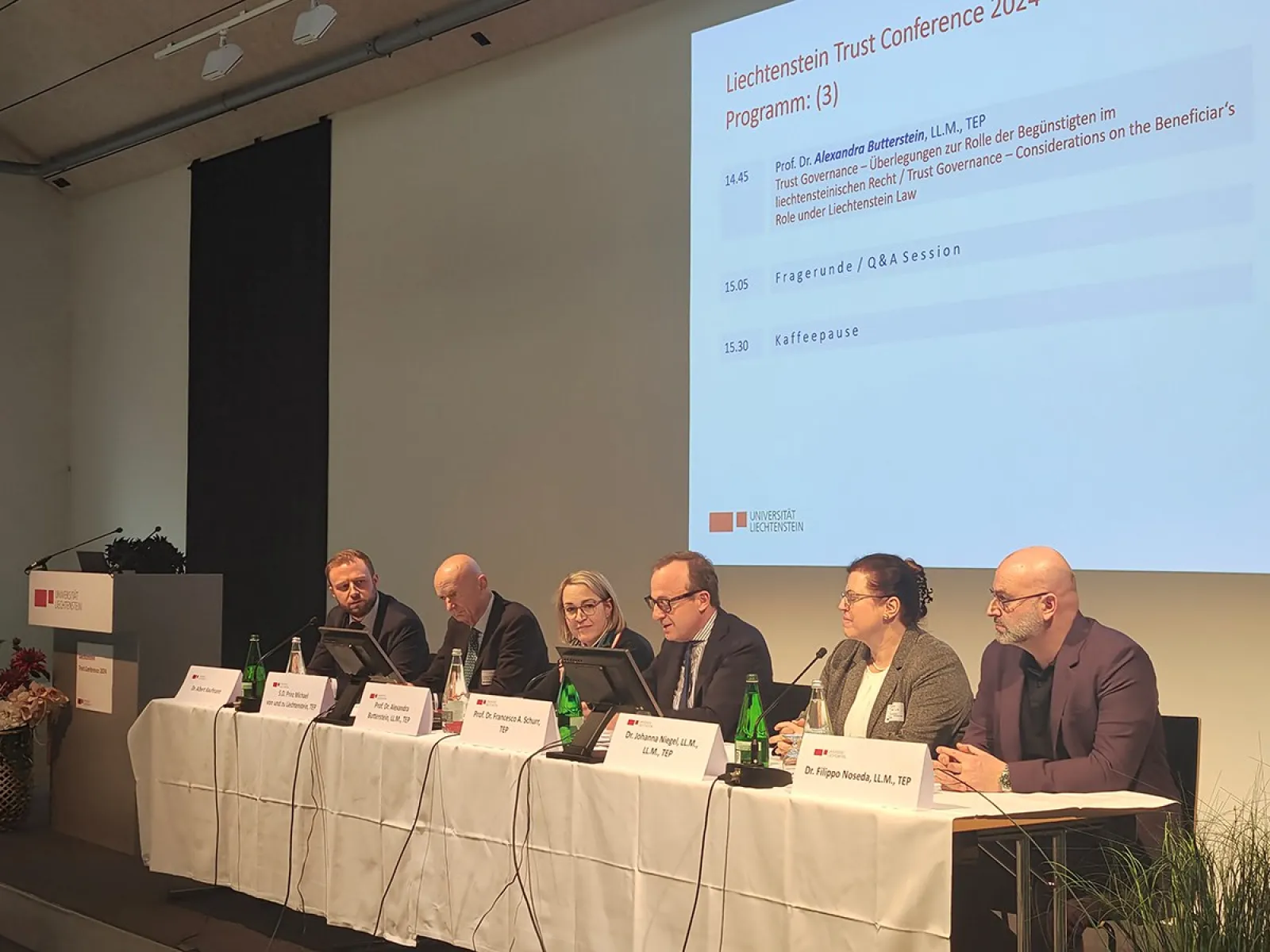
The first speaker, Dr. Albert Kaufmann, Head of the Department for Foundation Supervision and Anti-Money Laundering Prevention, outlined the triggers for the partial revision of trust law and gave an overview of key proposed changes, focusing in particular on the newly introduced “information beneficiary.” Following this, H.S.H. Prince Michael of Liechtenstein discussed the use of Liechtenstein trusts in succession planning, sharing his expertise and experience. Dr. Johanna Niegel supplemented this by examining the purpose trust in Anglo-American and Liechtenstein law, illustrating to participants the variety of legal design possibilities and the planned provisions within the framework of the reform.


Dr. Filippo Noseda, Judge at the Court for Trusts and Fiduciary Relations in San Marino, highlighted the role of transparency and data protection in the context of recent judicial developments, providing valuable insights for structuring trust relationships. Prof. Dr. Alexandra Butterstein offered valuable reflections on the role of beneficiaries in Liechtenstein trust law, with a comparative focus on maintaining effective trust governance. A subsequent Q&A session allowed for deeper exploration of these topics before participants continued networking during the coffee break.


The second block of topics shifted attention to questions of international succession planning. Dr. Andrea Vicari, President of the Court for Trusts and Fiduciary Relations in San Marino, examined the role of the protector, with particular focus on trusts for succession planning. His talk offered interesting insights into the protector’s duties and responsibilities and how this role can safeguard assets and the interests of beneficiaries. The final presentation of the afternoon came from Prof. Dr. Francesco A. Schurr, who addressed legal challenges related to trusts and compulsory portion rights. This block, too, concluded with an in-depth Q&A session, during which speakers responded to audience questions and discussed aspects of the planned reform with comparative reference to both common law and civil law systems.


The Liechtenstein Trust Conference 2024 concluded with an invitation to a networking apéro, giving participants further opportunities to maintain or expand their professional networks and exchange views with the speakers.


We need your consent
To view this YouTube video, you must accept data processing under the category “Third-party marketing”. Further details on data processing can be found here.
Display Cookie Settings

The prices of Futures and the Ukraine war

The prices of Futures and the Ukraine war

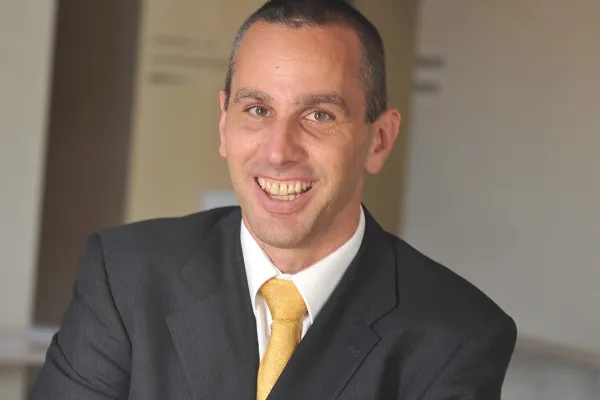
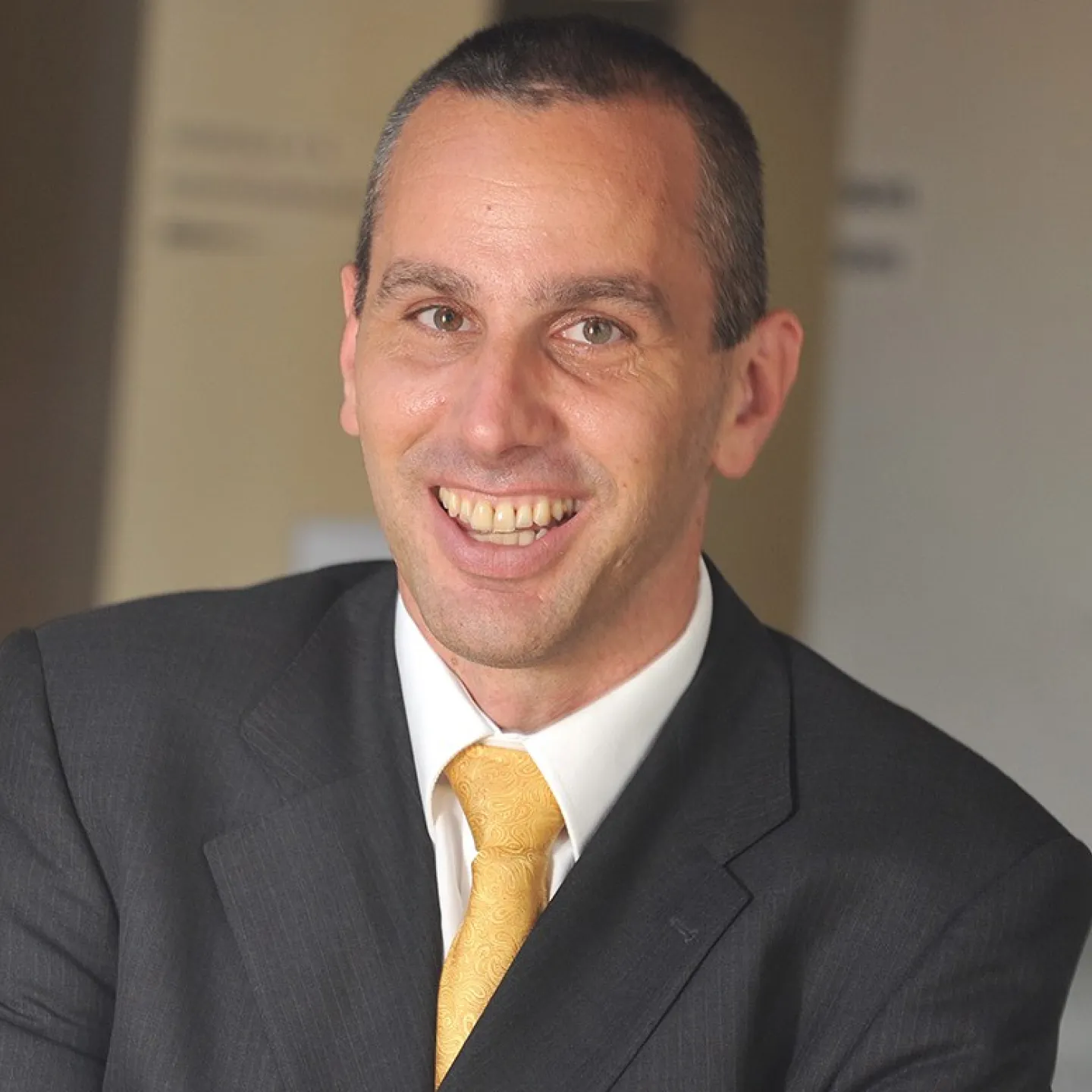
Porträt eines lächelnden Mannes in einem dunklen Anzug mit gelber Krawatte, vor einem neutralen Hintergrund.

Prof. Dr. Michael Hanke, together with Prof. Nicole Branger (University of Münster) and Prof. Alex Weissensteiner (Free University of Bozen-Bolzano), published the paper "The information content of wheat derivatives regarding the Ukrainian war" in the Journal of Futures Markets in February.


Prices on financial markets reflect the expectations of market participants. These expectations can be extracted from the prices using financial mathematical methods.


In the case of the Ukrainian conflict, futures on grain, especially wheat futures, are of particular interest, as both Russia and Ukraine are major global exporters of wheat. In this paper, the authors show how the prices of wheat futures can be used to determine the changing market expectations regarding the likely duration of the conflict over time.


With the conclusion of the UN grain agreement, the information content of wheat futures prices shifted away from market expectations regarding the further course of the war and towards market expectations regarding the durability of the grain agreement. The approach used can easily be adapted for future, similar cases.


Branger, N., Hanke, M., & Weissensteiner, A. (2024). The information content of wheat derivatives regarding the Ukrainian war. Journal of Futures Markets, 44(3), 420-431. (ABDC_2022: A)


Online at https://onlinelibrary.wiley.com/doi/10.1002/fut.22475


Porträt eines lächelnden Mannes in einem dunklen Anzug mit gelber Krawatte, vor einem neutralen Hintergrund.

Kick-off for the Accenture Campus Innovation Challenge

Kick-off for the Accenture Campus Innovation Challenge

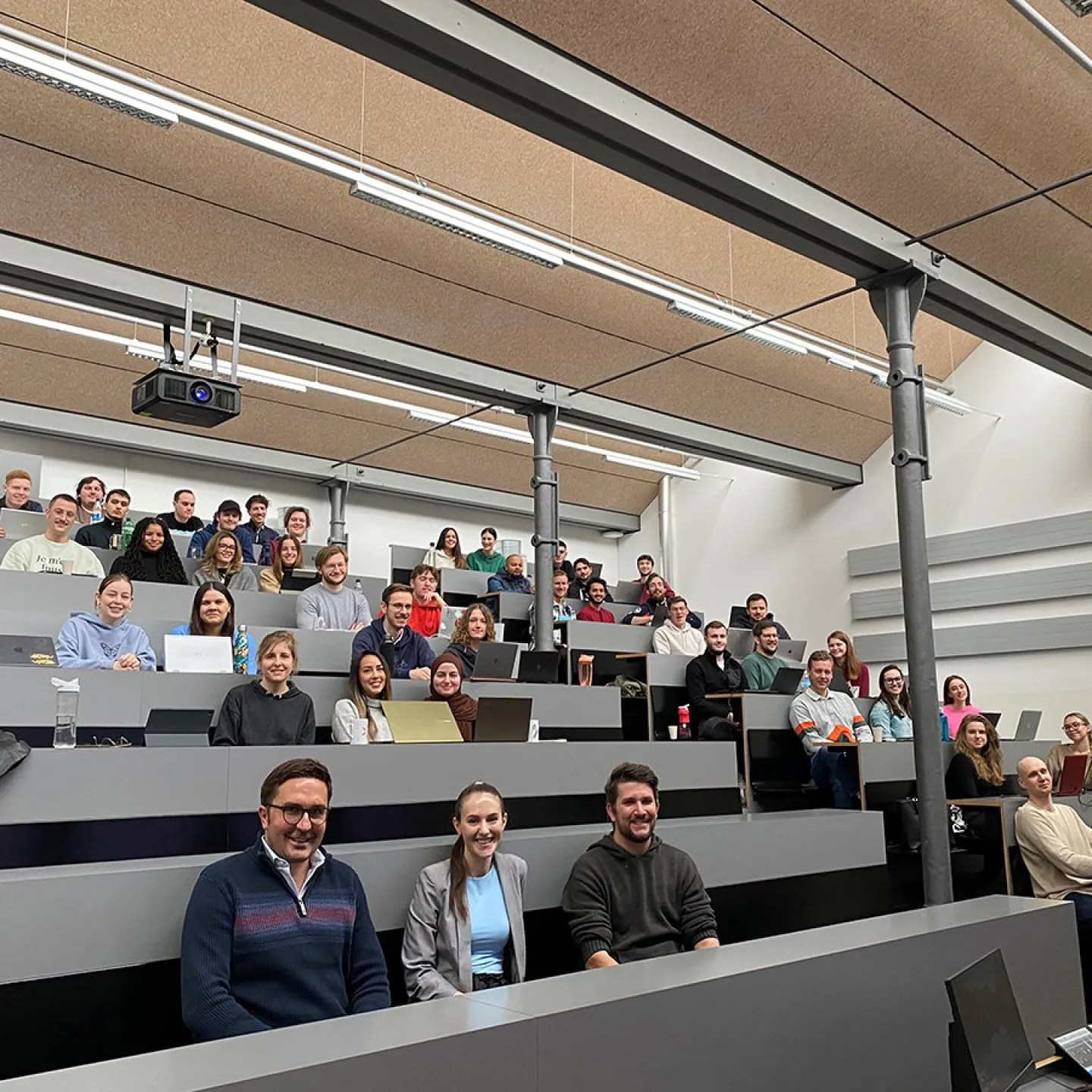
Eine Gruppe von Studierenden sitzt in einem modernen Hörsaal der Universität Liechtenstein. Sie nehmen an der Accenture Campus Innovation Challenge teil, einem Wettbewerb zur Entwicklung innovativer KI-Anwendungen. Die Studierenden lächeln und arbeiten an Laptops.

The Accenture Campus Innovation Challenge is a cross-university and cross-national case study competition organized by the management consultancy Accenture (one of the largest companies in the world with around 750,000 employees), in which students develop ideas for creating benefits through new technologies.


This year, the focus is on the possibilities of artificial intelligence. In particular, students are working on fundamentally new applications that are made possible by AI in the first place and generate new bundles of benefits for companies and consumers.


By participating in innovation competitions, the Liechtenstein Business School at the University of Liechtenstein specifically promotes the ability to develop innovative, IT-based solutions to increase the efficiency of companies and develop new business areas.


This year, students from the Bachelor's program in Business Administration and students from the Master's program in Information Systems will be represented together in the seminar for the first time. As part of a cross-university cooperation, students from FH Vorarlberg will also take part in the competition and present their concepts at the University of Liechtenstein.


Dr. Djordje Zivkovic and Dr. Bernd Schenk are leading the seminar at the University of Liechtenstein and are already enthusiastic after the successful kick-off: «As part of the seminar, the students are tackling current challenges and developing concepts for a new, AI-supported normality in society.»


Eine Gruppe von Studierenden sitzt in einem modernen Hörsaal der Universität Liechtenstein. Sie nehmen an der Accenture Campus Innovation Challenge teil, einem Wettbewerb zur Entwicklung innovativer KI-Anwendungen. Die Studierenden lächeln und arbeiten an Laptops.

Targeted Continuing Education to Become a Fiduciary Expert

Targeted Continuing Education to Become a Fiduciary Expert

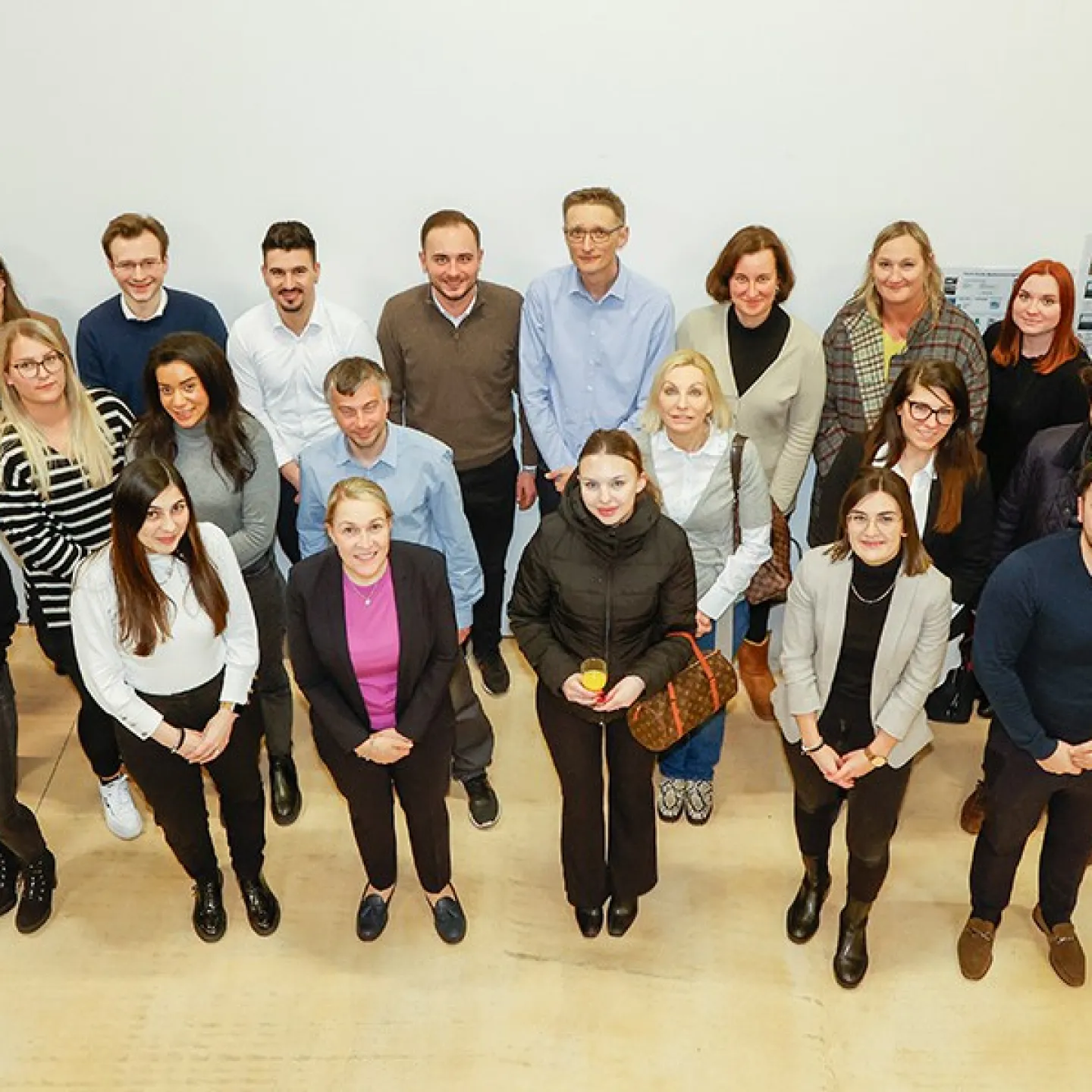
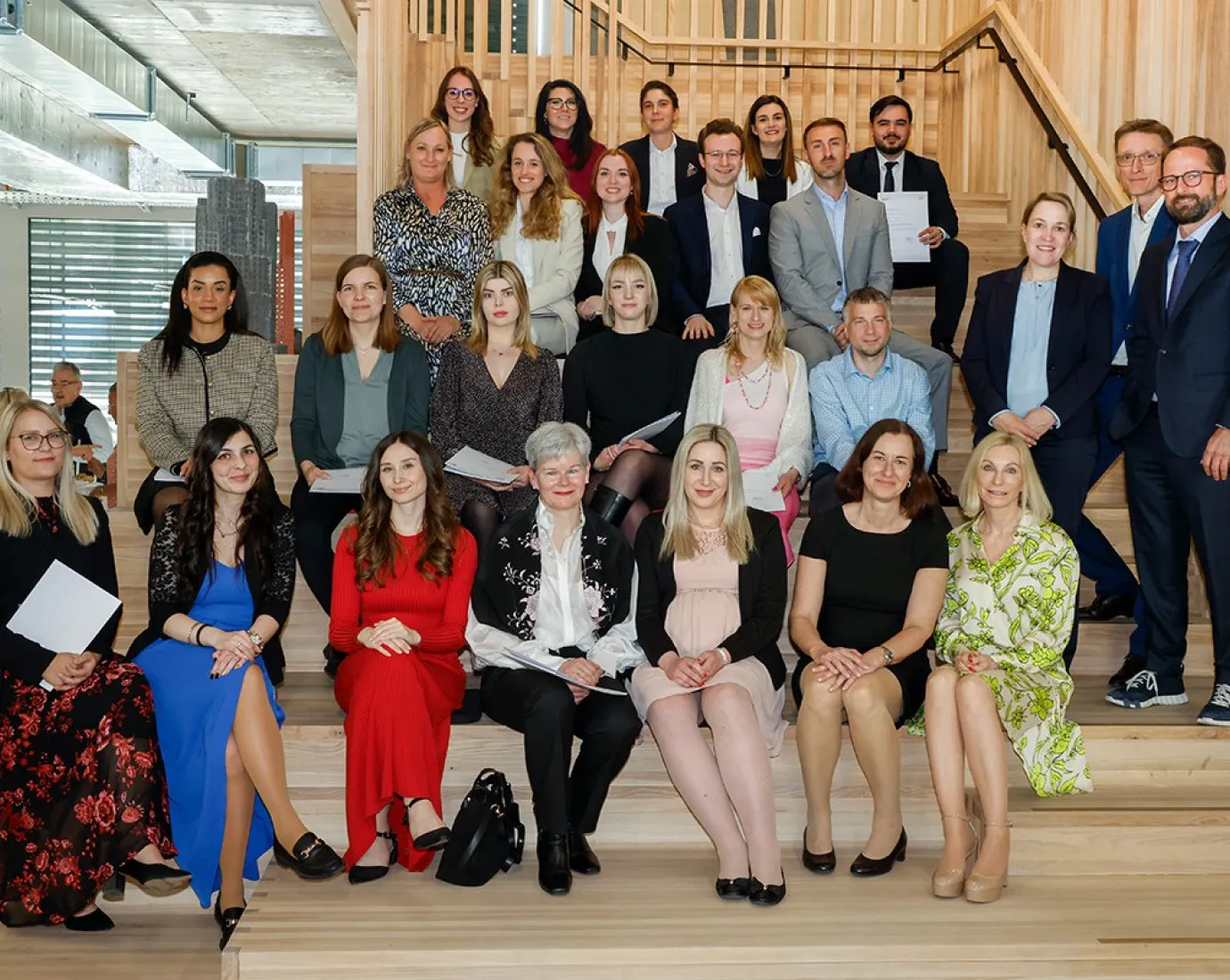
Teilnehmende des Zertifikatsstudiengangs Treuhandwesen an der Universität Liechtenstein stehen in einer Gruppe zusammen und blicken nach oben. Sie sind in einem hellen Raum mit neutralem Hintergrund.

On Monday, 19 February 2024, the Certificate Programme in Fiduciary Services at the University of Liechtenstein began once again. The 28 participants highlight the necessity of targeted continuing education measures and the significant role of the fiduciary sector in Liechtenstein.


The continuous influx of students in recent years demonstrates not only the high attractiveness of the programme but also the relevance of fiduciary services in Liechtenstein. As one of the key pillars of the country’s economy, the fiduciary sector holds great importance. Due to the international orientation of the financial centre, sound, cross-border expertise in various legal, economic, tax, and financial advisory areas is indispensable. Programme Director Prof. Dr. Alexandra Butterstein emphasised “that the increasing demands and changing conditions in the fiduciary sector require targeted continuing education in order to continue meeting the highest standards in the future.” She also expressed her pleasure that a special added value for the students is created through close collaboration with the Chamber of Trustees, for which the University of Liechtenstein is very grateful. The Certificate Programme in Fiduciary Services prepares students for the demanding work in fiduciary companies. Subject-matter experts from academia and practice impart the latest developments, providing students with a unique combination of practical knowledge and academic content at the highest level. The 28 students from Liechtenstein, Germany, Austria, and Switzerland acquire fundamental knowledge in the areas of law, taxation, business administration, and asset management and investment advice over the course of two semesters. Upon graduation, they will possess recognised professional qualifications enabling them to provide comprehensive client services in the Liechtenstein fiduciary sector. Completion of the Certificate Programme entitles graduates to enrol in the advanced Diploma Programme in Fiduciary Services, which prepares participants for management positions or independent work as a trustee. The completion of both programmes serves as preparation for the Liechtenstein trustee examination and, for participants without an academic background, constitutes proof of training in accordance with the Liechtenstein Trustee Act of 8 November 2013.


Teilnehmende des Zertifikatsstudiengangs Treuhandwesen an der Universität Liechtenstein stehen in einer Gruppe zusammen und blicken nach oben. Sie sind in einem hellen Raum mit neutralem Hintergrund.

New project to promote AI skills in higher education

New project to promote AI skills in higher education

Ein moderner Hörsaal mit Studierenden, die an Tischen sitzen und Laptops nutzen. Ein Dozent steht vorne und präsentiert auf einem großen Bildschirm, der Diagramme von Gehirnen und KI-Symbolen zeigt. Große Fenster lassen viel Tageslicht herein, Pflanzen dekorieren den Raum.

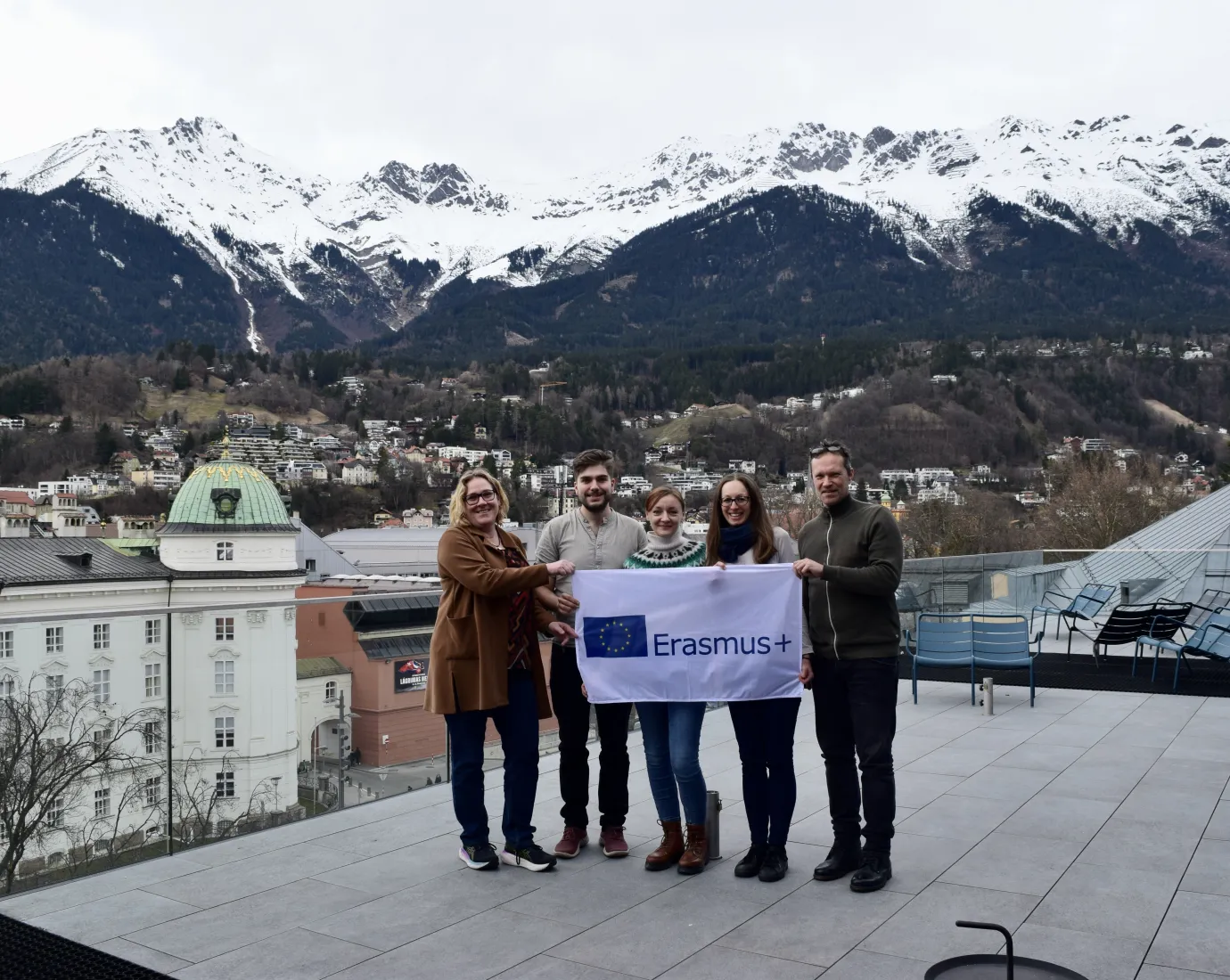
The University of Liechtenstein is pleased to announce the start of the Erasmus+ project "Pathfinder". Since January 2024, Sebastian Moder and Julia Tenschert from the Liechtenstein Business School have been working under the leadership of Prof. Dr. Furtner in cooperation with the LAB University of Applied Sciences in Finland, the University of Dubrovnik in Croatia and the formatio private school in Liechtenstein to anchor the understanding and application of artificial intelligence (AI) in higher education. The project will run until December 2026.


Through the use of strategic guidelines, AI-based tools and tailored learning programs, teachers and students will be equipped with the necessary resources and knowledge to responsibly and effectively integrate AI into the teaching and learning process. The project includes the development of a framework to support teachers, an AI-supported toolkit for lesson planning and a competency-based learning program for students. These tools aim to improve employability, foster innovation and strengthen the resilience of the European education community.


The project is in line with the research strategy of the participating institutions and emphasizes the importance of sustainability and responsibility in the implementation of AI technologies. By investigating the societal impact of AI, the project makes a significant contribution to sustainable development and positions the project partners as pioneers in the field of responsible technological innovation in education.


The partner institutions contribute their respective strengths and expertise to the project. The LAB University of Applied Sciences contributes its experience in the development of innovations and the integration of AI into educational programs. The University of Dubrovnik is contributing its expertise in the development of education and training programs to the project through the Center for Digital Transformation. The formatio private school in Liechtenstein, on the other hand, is focusing on strengthening individual strengths and innovative teaching methods. The University of Liechtenstein is responsible for project management and the strategic development of the project.


The results of this project will not only improve digital readiness and educational practices within the participating institutions, but will also provide valuable insights and resources for the entire European educational community. The participating institutions are convinced that this project will enable a cultural shift to foster innovation and broader access to responsible AI use in higher education.


Ein moderner Hörsaal mit Studierenden, die an Tischen sitzen und Laptops nutzen. Ein Dozent steht vorne und präsentiert auf einem großen Bildschirm, der Diagramme von Gehirnen und KI-Symbolen zeigt. Große Fenster lassen viel Tageslicht herein, Pflanzen dekorieren den Raum.

New knowledge platform offers comprehensive orientation and inspiration for charitable commitment

New knowledge platform offers comprehensive orientation and inspiration for charitable commitment

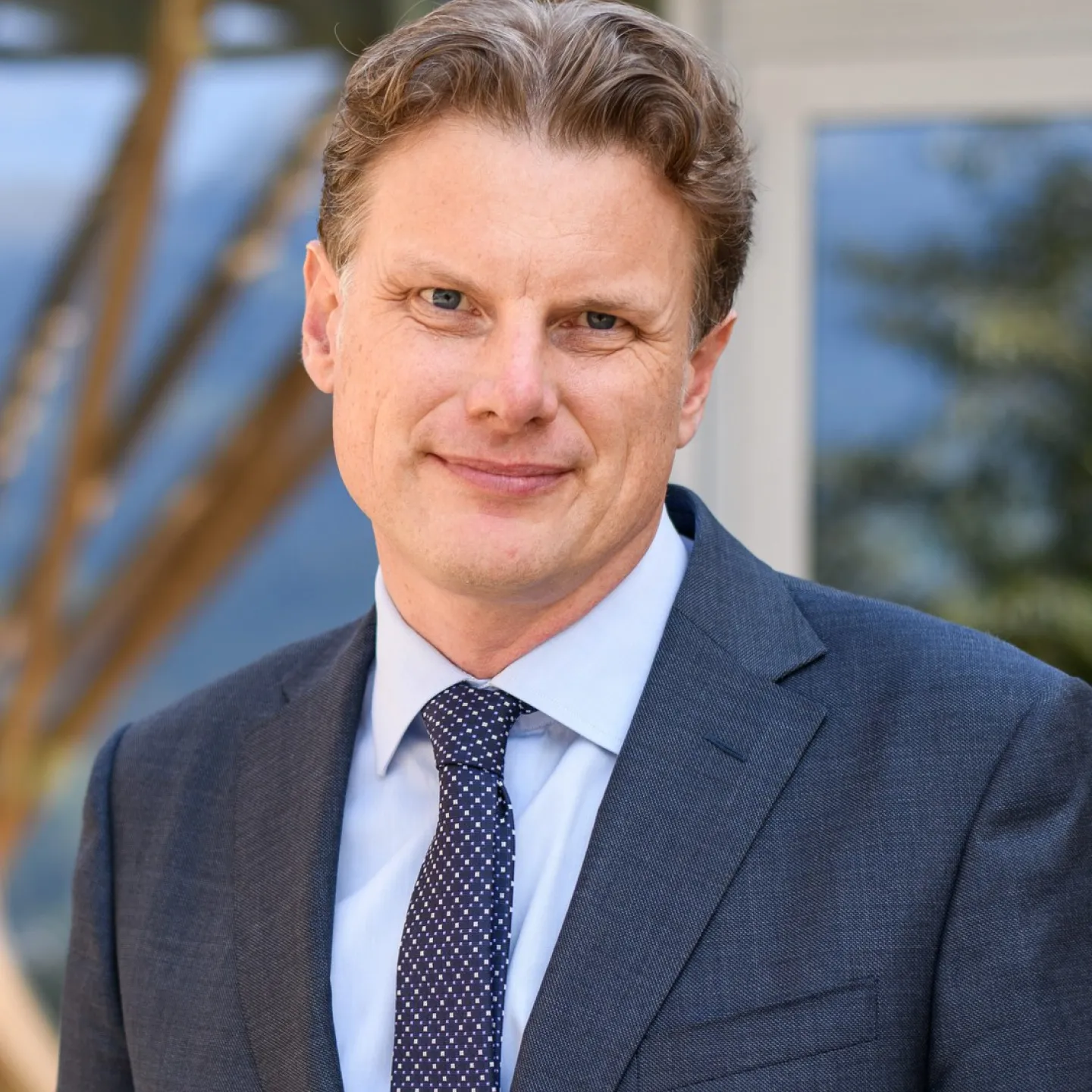
Ein Mann in einem Anzug steht lächelnd vor einem Gebäude.

The Center for Philanthropy at the University of Liechtenstein has launched a new online information service. The portal "Liechtenstein Philanthropy Talks" (philanthropytalks.li/) offers extensive knowledge about charitable commitment and philanthropy. Under the motto "HOLISTIC. MEANINGFUL. EFFECTIVE." it is aimed at philanthropists, volunteers and all those working in the charitable, non-profit sector.


The new platform makes the Center for Philanthropy's in-depth practical and research knowledge accessible to a broad international target group. For example, it offers information on various forms of philanthropic commitment, how to find focal points and how to measure impact. People who want to set up a charitable institution such as a foundation will also find plenty of guidance.
"In view of the variety of possibilities and forms of philanthropic commitment, people who want to set up a foundation are often unsure. It is important for them to first of all be clear about their own motives and goals. With the Philanthropy Talks, we now offer a comprehensive orientation service," says Prof. Dr. Marc Gottschald, Director of the Center for Philanthropy and creator of the portal.
The visually appealing platform https://philanthropytalks.li/, which is enhanced with numerous illustrations, consists of nine "Inspirations" that explain the basics of charitable commitment. Questions are answered such as: What types of involvement are there? How do you find the right cause and the right form of implementation? How do you plan your commitment in an impact-oriented way?


Knowledge and attitude


The second, even more comprehensive area is "Insights". These are intended to help people who are already active in charitable work to further develop themselves and their work and to reflect on their personal attitude: What is the importance of trust and control in charitable work? How do foundations find good partners in order to implement their own concerns as effectively as possible? In addition, trends and developments in the philanthropic sector will be analyzed: What is the significance of Bill and Melinda Gates' Giving Pledge initiative, which has received a lot of media attention? What is behind the concept of venture philanthropy? Critical topics are also covered: For example, an essay on "philanthrocapitalism" discusses the question of how useful it is when, especially in large entrepreneurially managed foundations
economic calculation, efficiency considerations and a focus on key figures are increasingly gaining ground. Critics criticize a reductionist attitude that does not do justice to the complex problems to be solved.
"With the Philanthropy Talks, we want to give philanthropists positive food for thought from research and practice," says Dr. Christian Meyn, lecturer at the Center for Philanthropy and one of the authors of the site. "Above all, however, we want to encourage people to engage in good dialogs and to work effectively for the common good - worldwide and in Liechtenstein."


Ein Mann in einem Anzug steht lächelnd vor einem Gebäude.

Alumni Year Reunion after 12 years

Alumni Year Reunion after 12 years

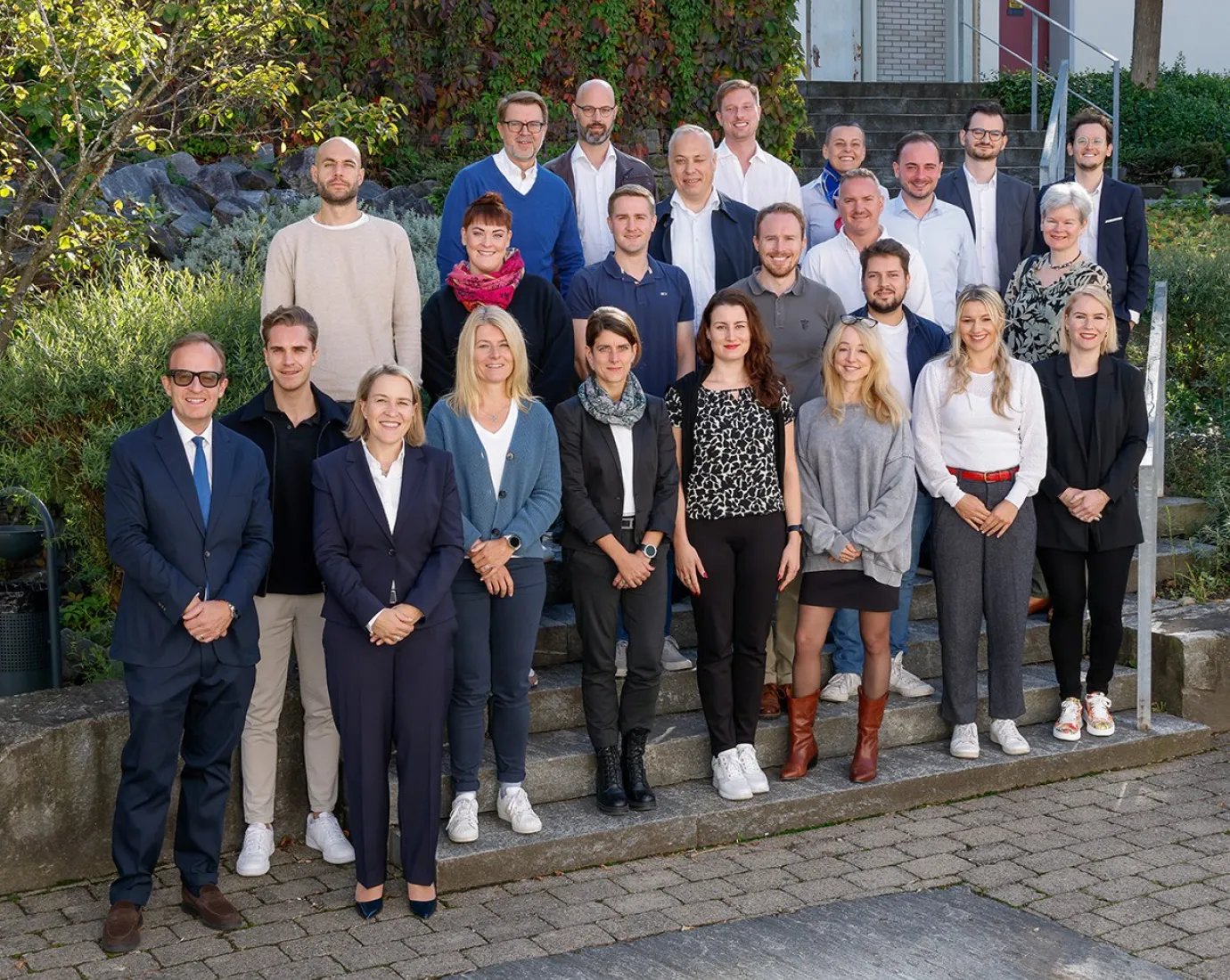
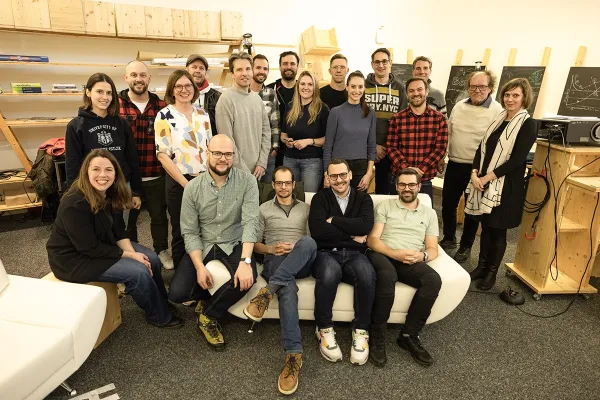
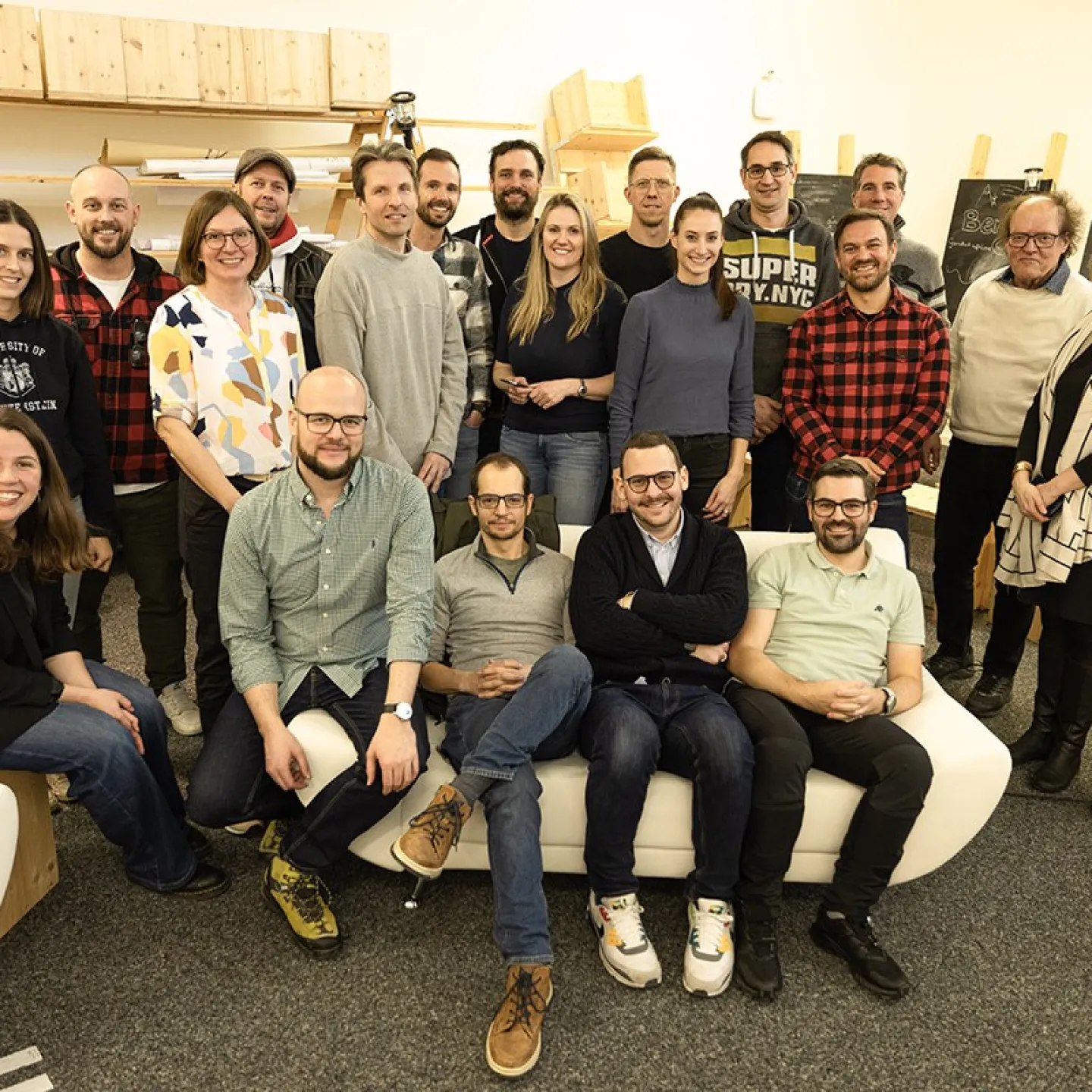
Gruppenfoto von Absolventen des Masterprogramms in Entrepreneurship der Universität Liechtenstein, die sich in einem Raum mit Regalen und Tafeln versammelt haben. Die Personen lächeln und stehen oder sitzen in zwei Reihen.

At the beginning of February, the graduating class of the Master's in Entrepreneurship from 2012 returned to the campus of the University of Liechtenstein after more than a decade. A reunion that became a special occasion, especially thanks to the visit of the former Executive Board.


Alumni LinkedIn group


A highlight of the day was the campus tour, during which the participants were able to exchange memories of their own time as a student. Afterwards, the current Executive Manager Tobias Fitz presented the university's new organizational chart and the realignment of the master's degree programme in Entrepreneurship and Management course.
In an exchange with the two students Stefanie Ritter and Franziska Kohlbeck, who are also part of the Student Ambassadors team, the alumni received insights into current experiences in the Master's Entrepreneurship and experienced how the education and environment for our students are constantly evolving.  


Exchange in the start-up lab


The event concluded with a cozy get-together with coffee and cake in the new start-up lab of the Entrepreneurship students.
What was particularly appreciated was the opportunity to exchange ideas with the founding team of the Entrepreneurship Masters, which could be won over to participate: Prof. em. Dr. Urs Baldegger, former Academic Director, and Daniel Müller, the Executive Director at the time. 


New format for all alumni


The next year reunion for the Master's in Finance 2013 has already been scheduled for the beginning of May. All other graduates of the University of Liechtenstein are also cordially invited to take advantage of this new offer for alumni and experience their own year reunion on campus. The new Alumni Relations team is happy to help find all former fellow students and welcomes graduates on campus: inquiries welcome in the Alumni LinkedIn group or at alumni@uni.li.


Gruppenfoto von Absolventen des Masterprogramms in Entrepreneurship der Universität Liechtenstein, die sich in einem Raum mit Regalen und Tafeln versammelt haben. Die Personen lächeln und stehen oder sitzen in zwei Reihen.
Subscribe to