Skip to Main Content

Prof. Dr. Konstantina Papathanasiou Recognized as "Top Performer in Cybersecurity"

Prof. Dr. Konstantina Papathanasiou Recognized as "Top Performer in Cybersecurity"

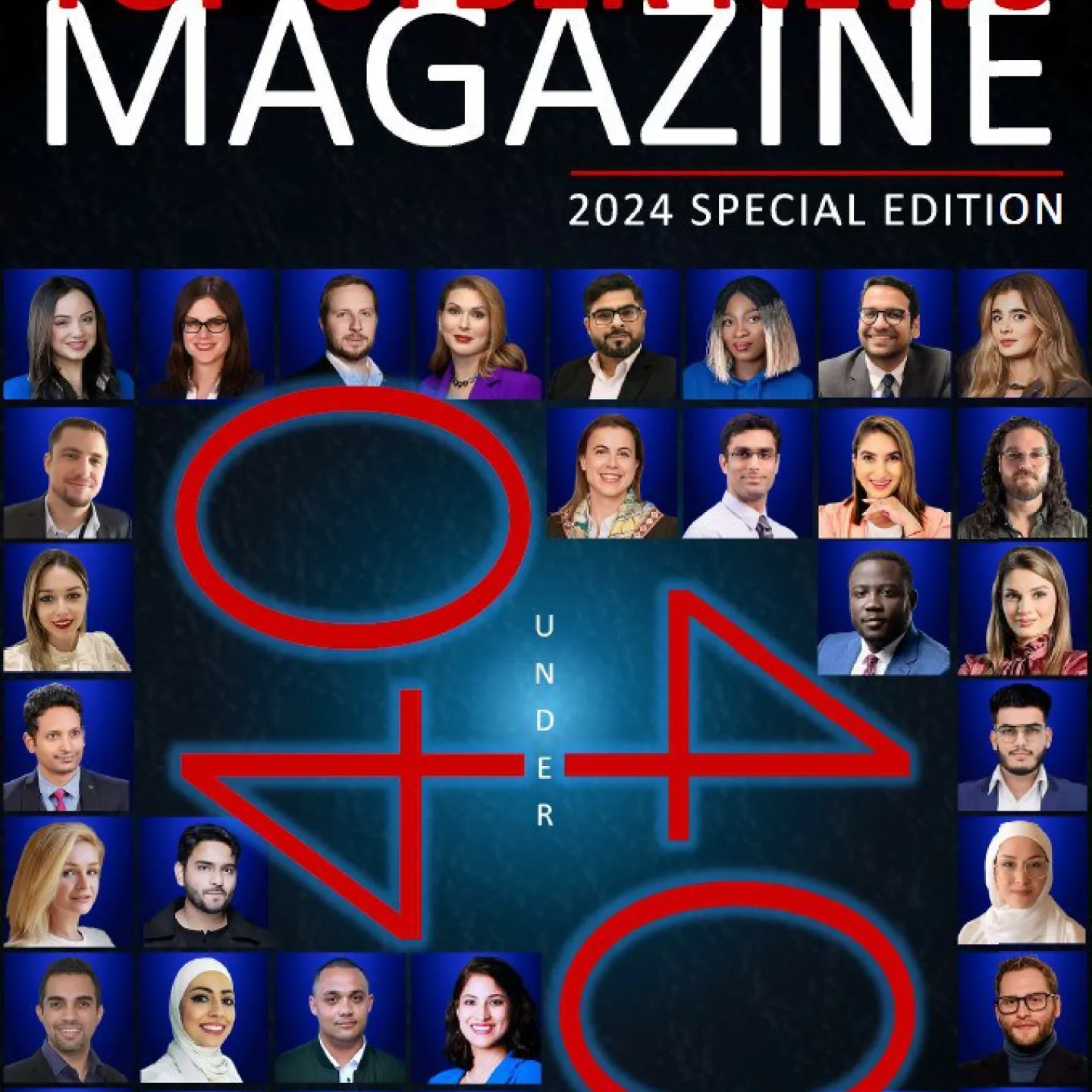
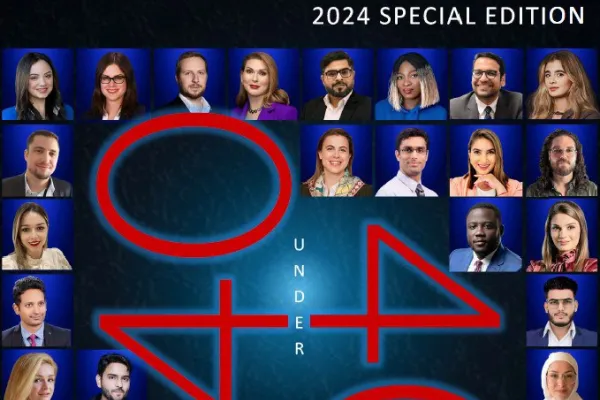
Titelbild des "Top Cyber News Magazine" 2024 Special Edition mit Porträts von 40 jungen Talenten aus der Cybersicherheitsbranche. Text "40 Under 40" in der Mitte, umgeben von den Porträts der ausgezeichneten Fachleute.

The Top Cyber News Magazine provides information and insights on technology, innovation, and cybersecurity directly from experts. In its 2024 special edition, it honored 40 outstanding talents under the age of 40 from 21 countries and 5 continents, including Prof. Dr. Konstantina Papathanasiou.


Amid the global shortage of cybersecurity professionals, it is essential to recognize talents who dedicate their energy and careers to this field. The special edition highlights remarkable professionals in cybersecurity and the digital industry, all of whom are part of the inspiring force behind the global cybersecurity awareness movement.


Titelbild des "Top Cyber News Magazine" 2024 Special Edition mit Porträts von 40 jungen Talenten aus der Cybersicherheitsbranche. Text "40 Under 40" in der Mitte, umgeben von den Porträts der ausgezeichneten Fachleute.

Further developing research and Teaching – Insights at the University of Architecture in Antwerp

Further developing research and Teaching – Insights at the University of Architecture in Antwerp

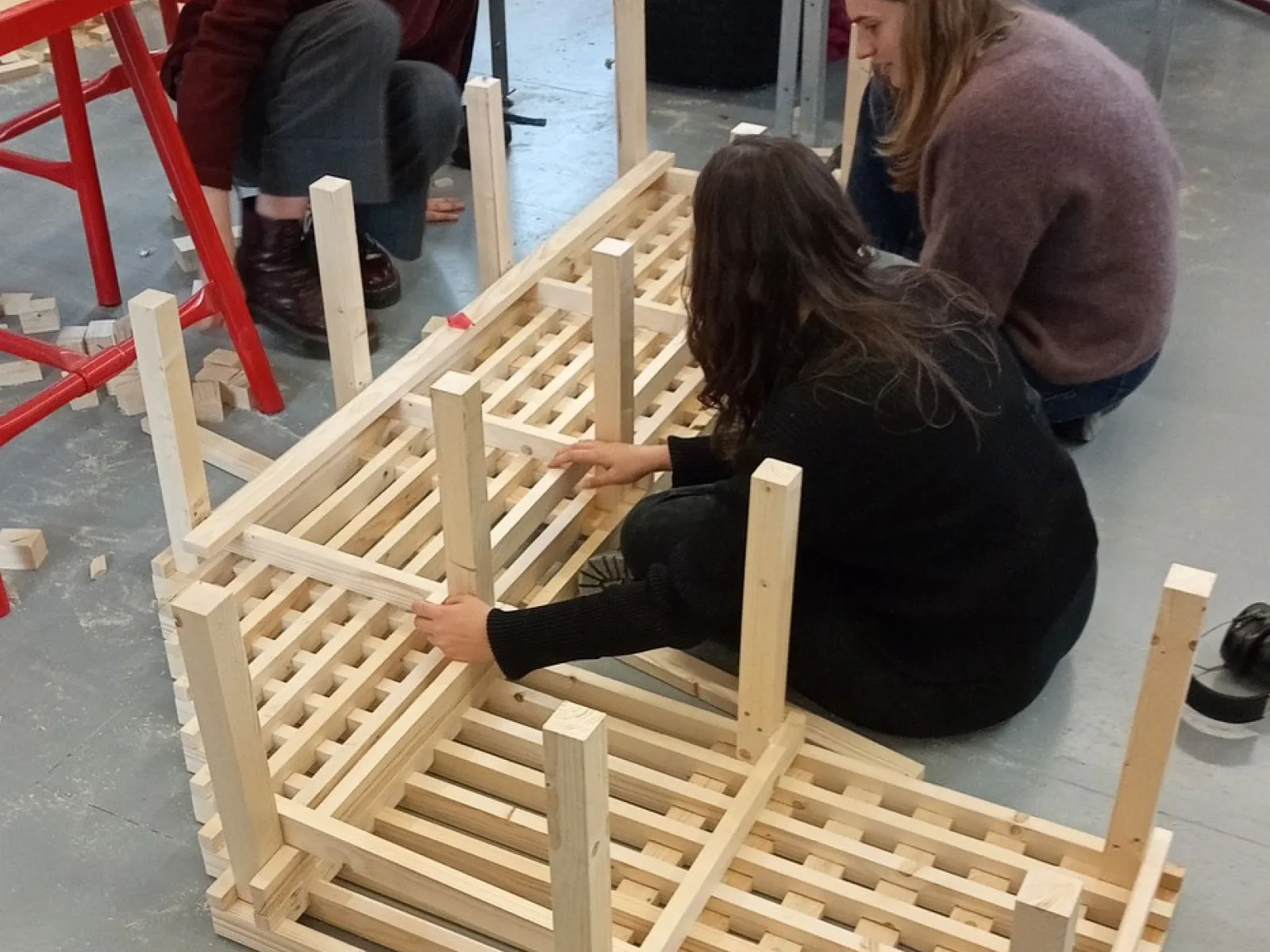
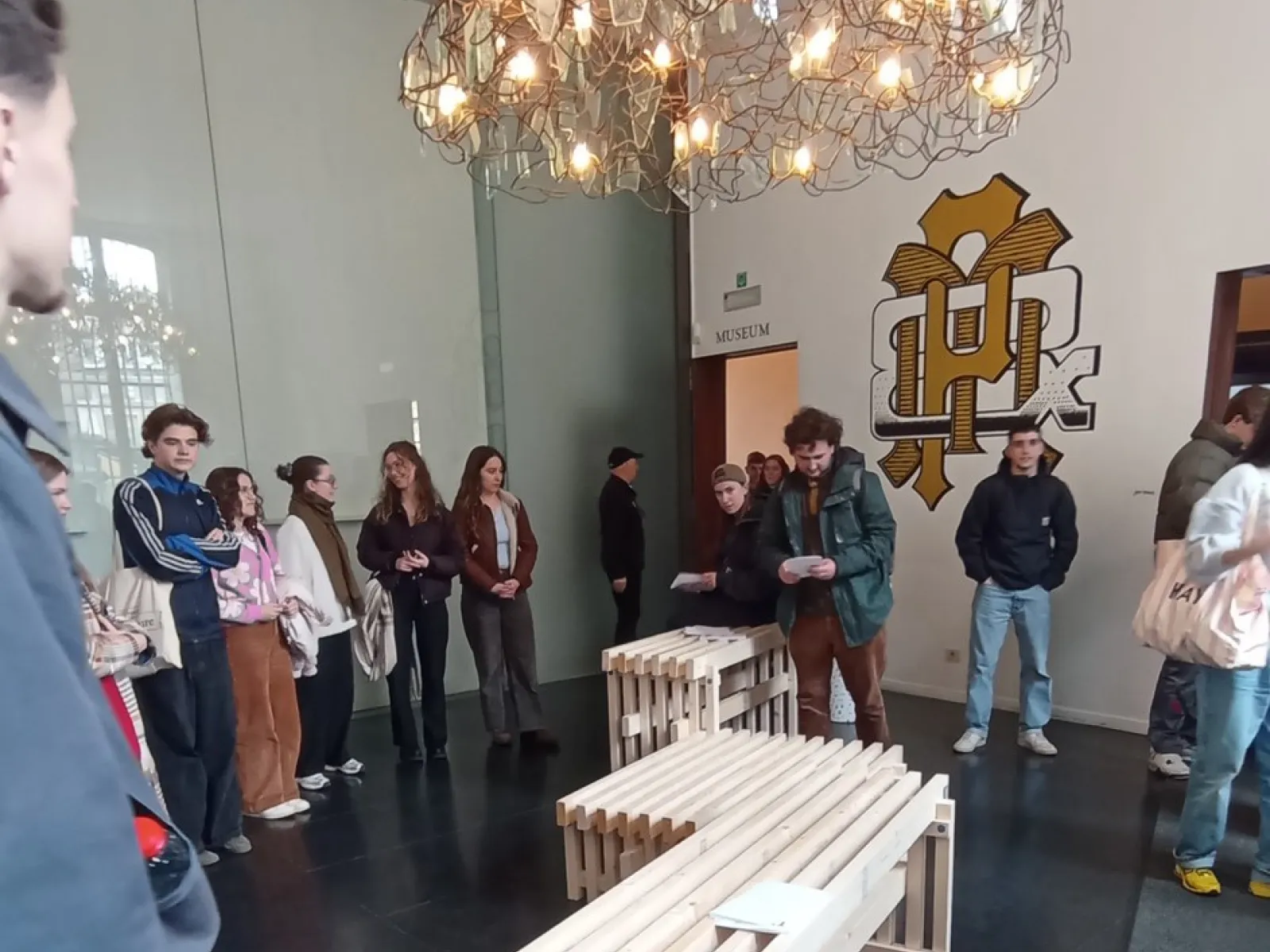
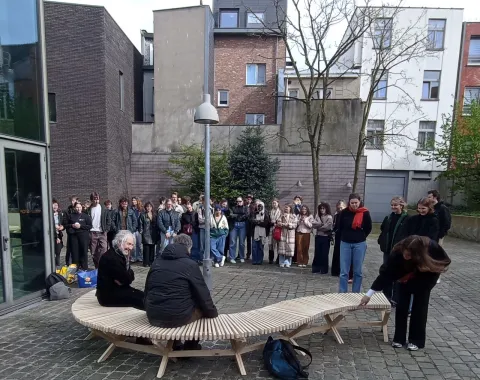
As part of this year's "Maak Week", the two researchers from the Liechtenstein School of Architecture Livia Herle, MSc Arch, and Dipl.-Ing. Dr. sc. Wolfgang Schwarzmann were able to accompany and support the students from the University of Antwerp in their learning and working process.


It is easy to see that the University of Liechtenstein and the University of Antwerp are not in close proximity to each other. All the more impressive, however, is the fact that craftsmanship is firmly anchored in the architecture curriculum at both universities.


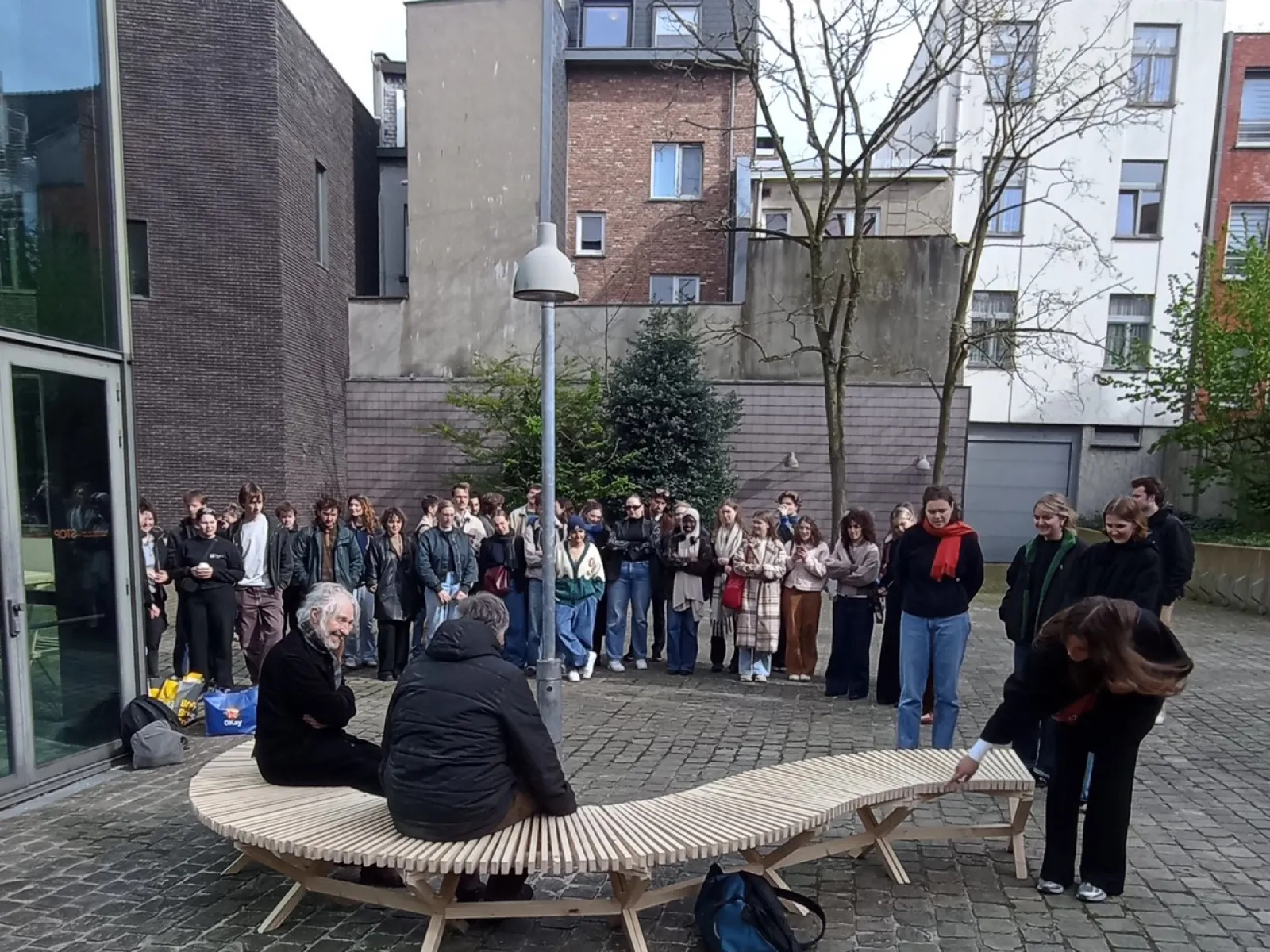
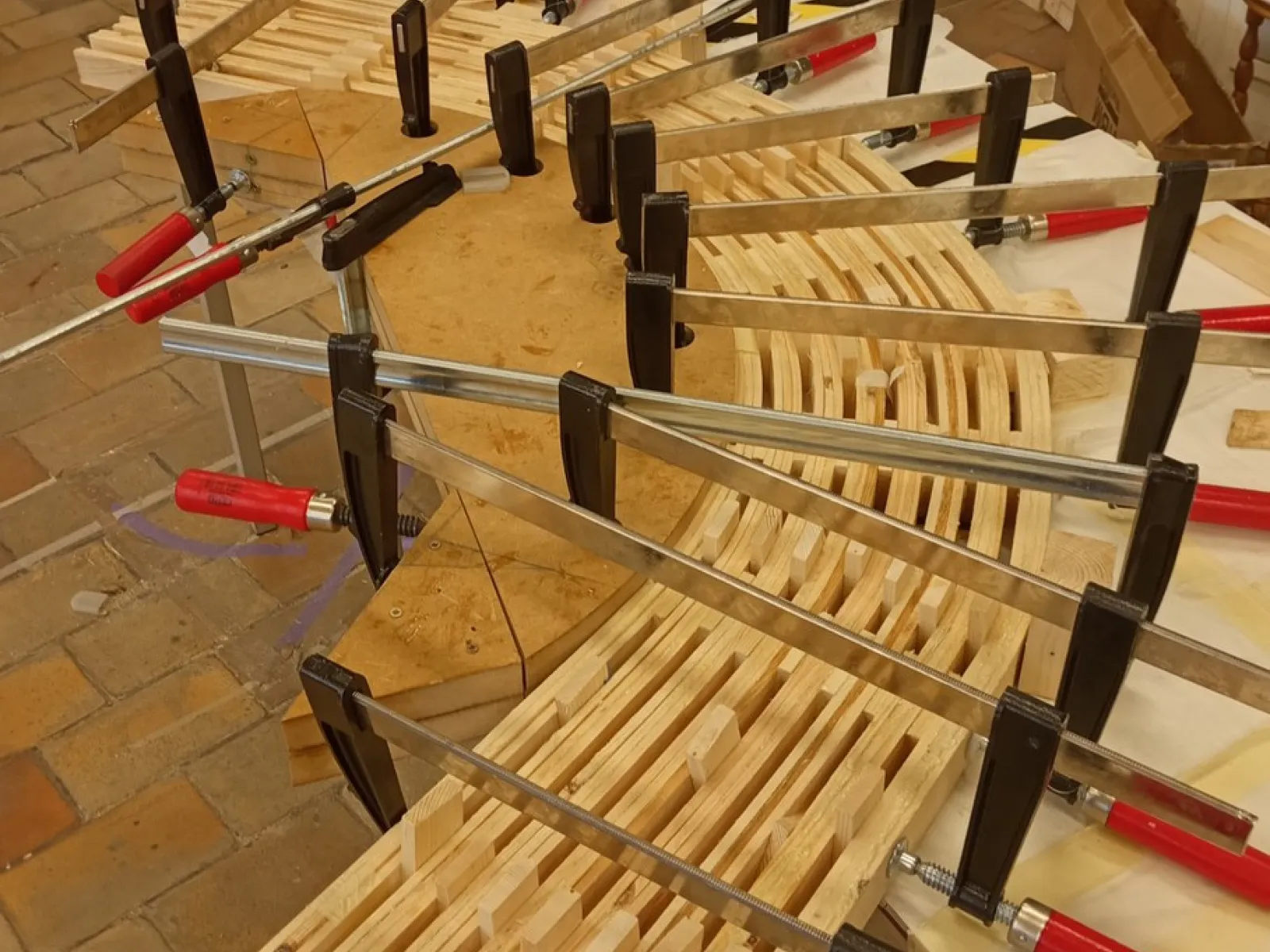
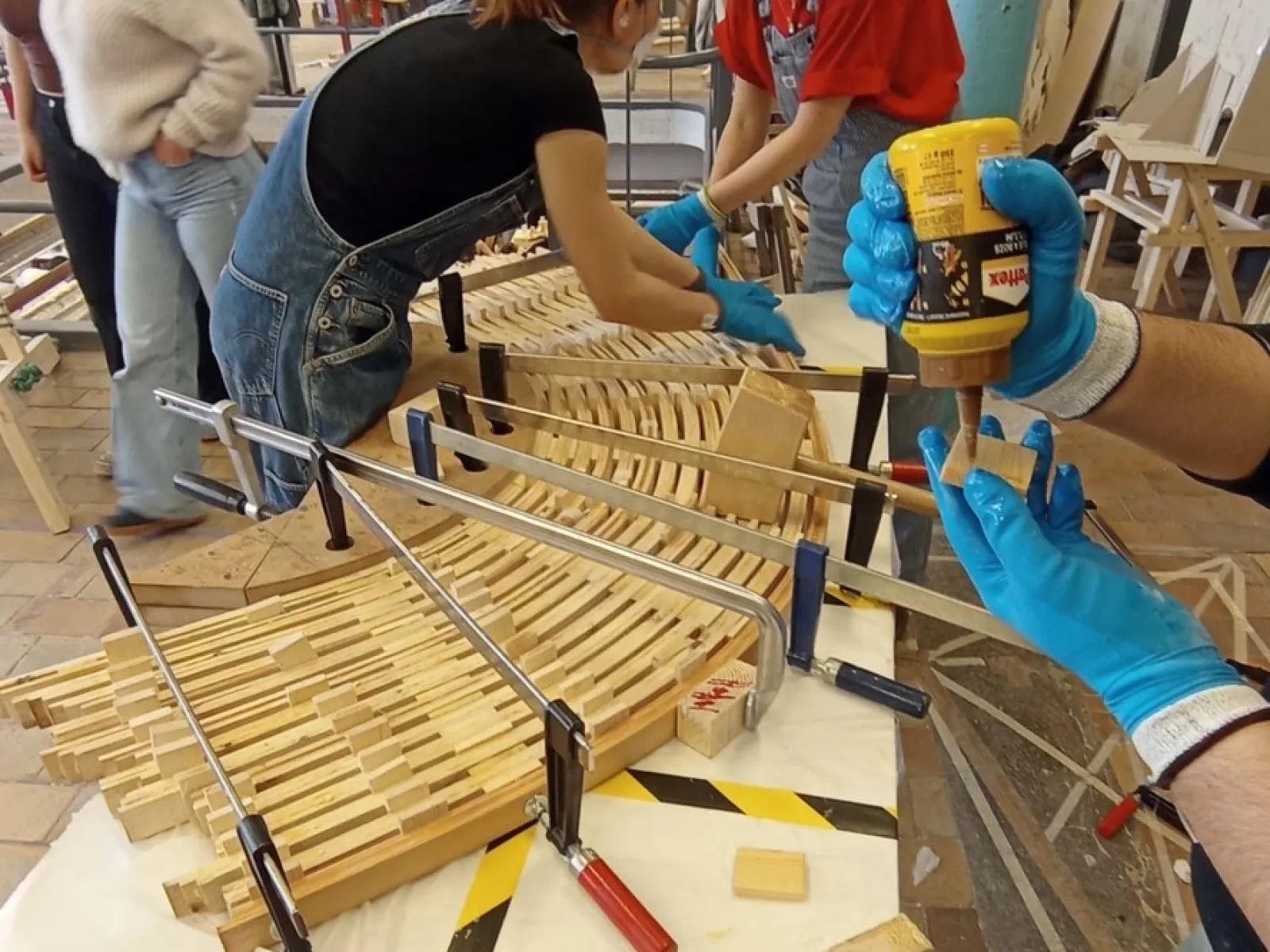
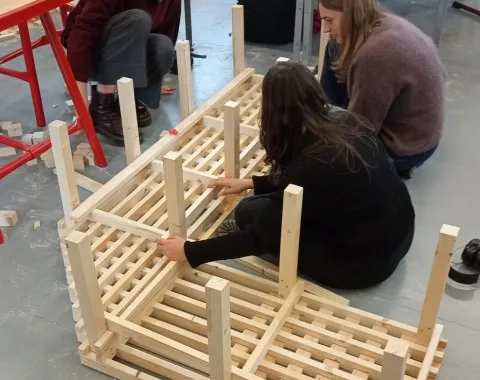
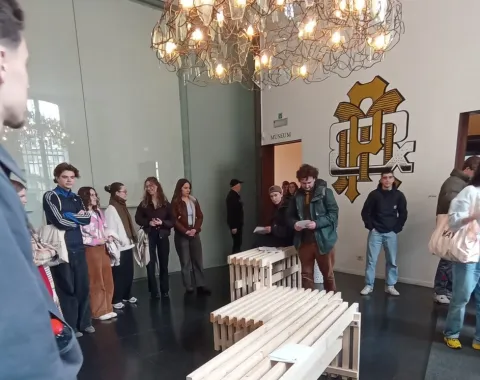
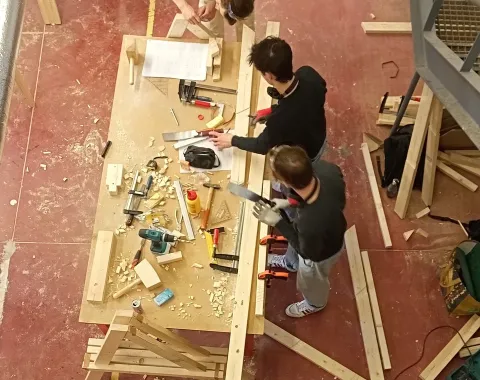
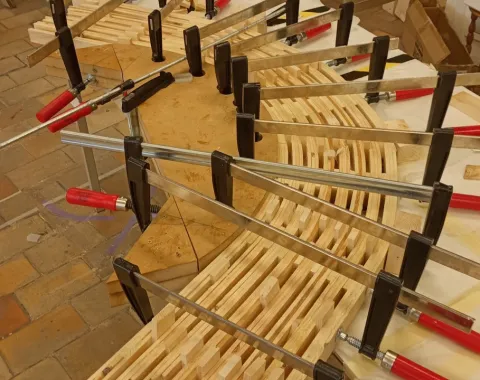
In the run-up to "Maal Week", the 80 or so participating students had already been allocated various specific locations on the campus of the University of Antwerp and in several museums in the city. In a concept phase lasting several weeks, they worked in groups of four to develop a suitable piece of furniture based on a spatial analysis, which was then tested for feasibility as a 1:1 sample. During "Maak Week", which can be translated as "Make Week", the benches specially designed for the museums were then produced. Mario Rinke, professor at the University of Antwerp, and Allessandro Tellini from ETH Zurich designed and implemented the course and supervised the students over the course of a semester.


Every bench is unique; every process a challenge


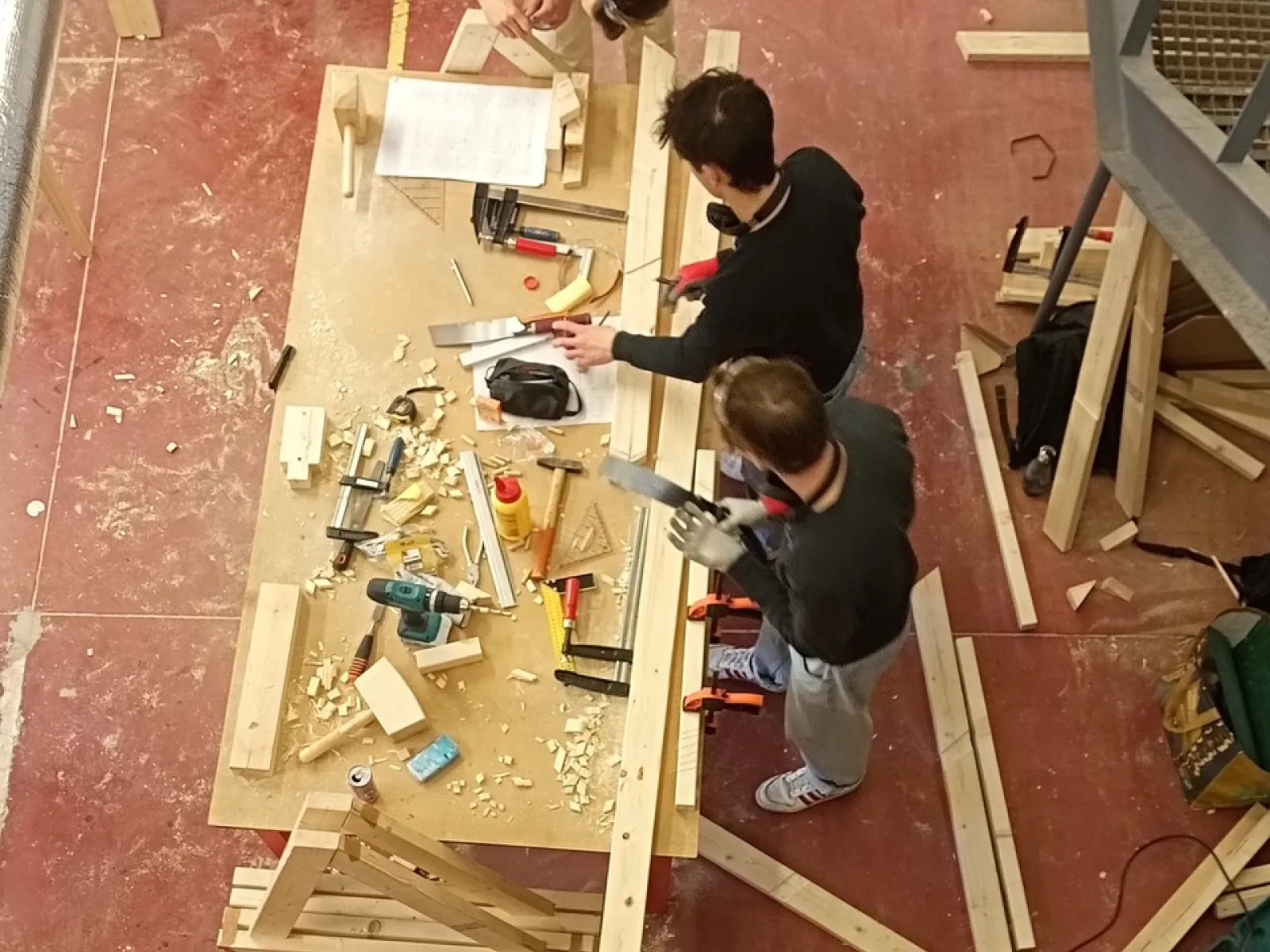
In addition to spatial criteria, this furniture, some of which was very different, also had to meet other requirements. For example, all benches were made without steel parts, without screws or nails and only from solid wood. The tools required for this were also reduced to the simplest tools such as a chisel, a handsaw or (at least) a cordless drill. For the students, these specifications brought further challenges in terms of the wood joints and the necessary processing steps.


Manual work as a didactic concept


The University of Liechtenstein also has an architecture course with a corresponding focus on craftsmanship. With the "Craft" focus anchored in the curriculum, students are taught material-specific specialist knowledge of basic building materials such as stone, wood and steel. In addition to this, the courses repeatedly involve working in actual size, with real building materials and on a 1:1 scale. What is a time-consuming and material-intensive way of working in the classroom brings great added value to architecture studies in particular. In addition to the ability to express themselves creatively, students are taught an awareness and sensitization for building materials and the associated working processes.


Training sets the course for the profession


What does it mean to want to produce a construction "flush"? How can a timber connection be designed to be aesthetic, functional and load-bearing? What skills and professions are required to implement a project?


While these questions can only be answered to a limited extent in everyday office life, they still have a central influence on the feasibility and the associated costs of a construction process. As part of teaching formats such as "Maak Week" or the "Craft" studio at the University of Liechtenstein, students are confronted with both the design and production process. The consequences of their own design ultimately influence the success or failure of a design. Whether the bench lasts in the end, whether it is comfortable and whether visitors actually like it thus becomes a central question in the work process.


Lifelong learning in teaching too


This mobility gave Livia and Wolfgang numerous insights into the didactic concept, the teaching and learning process and also the perspectives of the students and teachers. The insights gained during the 'Maak Week' will thus be taken up and incorporated as a direct enrichment for teaching at the University of Liechtenstein. Many thanks go to the University of Antwerp, to Prof. Mario Rinke and Allessandro Tellini for their insights and to the University of Liechtenstein for making this joint work possible.

 

Visit of a Delegation from Estonia

Visit of a Delegation from Estonia

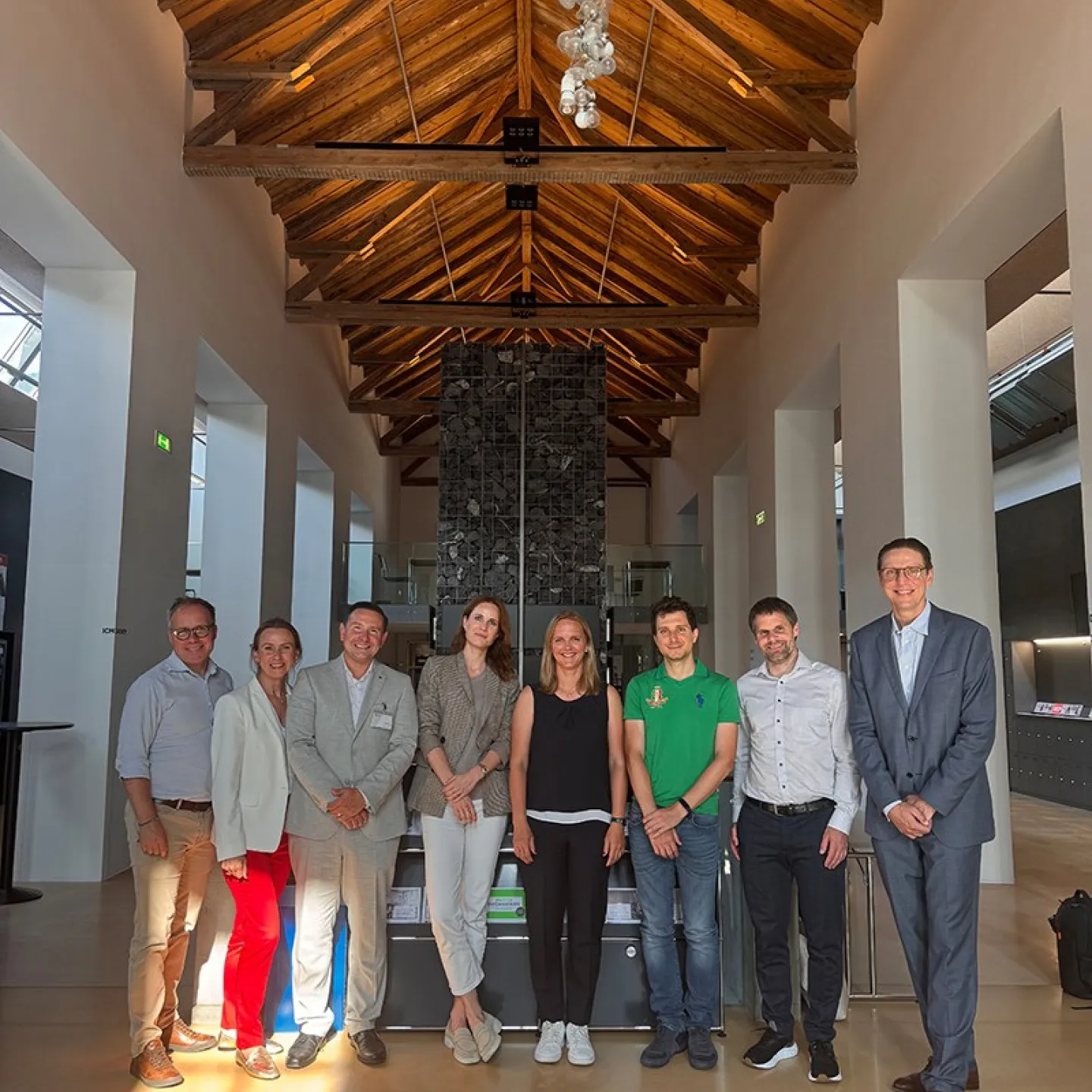
Eine Gruppe von neun Personen steht in einer modernen Halle mit Holzdach und einem Kronleuchter. Sie lächeln in die Kamera. Im Hintergrund sind hohe Fenster und eine Steinwand zu sehen.

Last week, staff from the Estonian Ministry of Foreign Affairs, the Estonian Consulate for Switzerland, and the Estonian Chamber of Commerce in Switzerland visited the University of Liechtenstein.


Following a visit to Hilti AG, the members of the Estonian delegation met with Rector Dr. Christian Frommelt at the University of Liechtenstein for a discussion.


Topics included, among others, the parallels between the microstates of Liechtenstein and Estonia, as well as an exchange on digitalization and cybersecurity. The guests were accompanied by Hans Märtson, Head of CX Impact & Business Process Excellence at Hilti Group.


Eine Gruppe von neun Personen steht in einer modernen Halle mit Holzdach und einem Kronleuchter. Sie lächeln in die Kamera. Im Hintergrund sind hohe Fenster und eine Steinwand zu sehen.

Long-standing Employee of the International Media Academy Bids Farewell

Long-standing Employee of the International Media Academy Bids Farewell

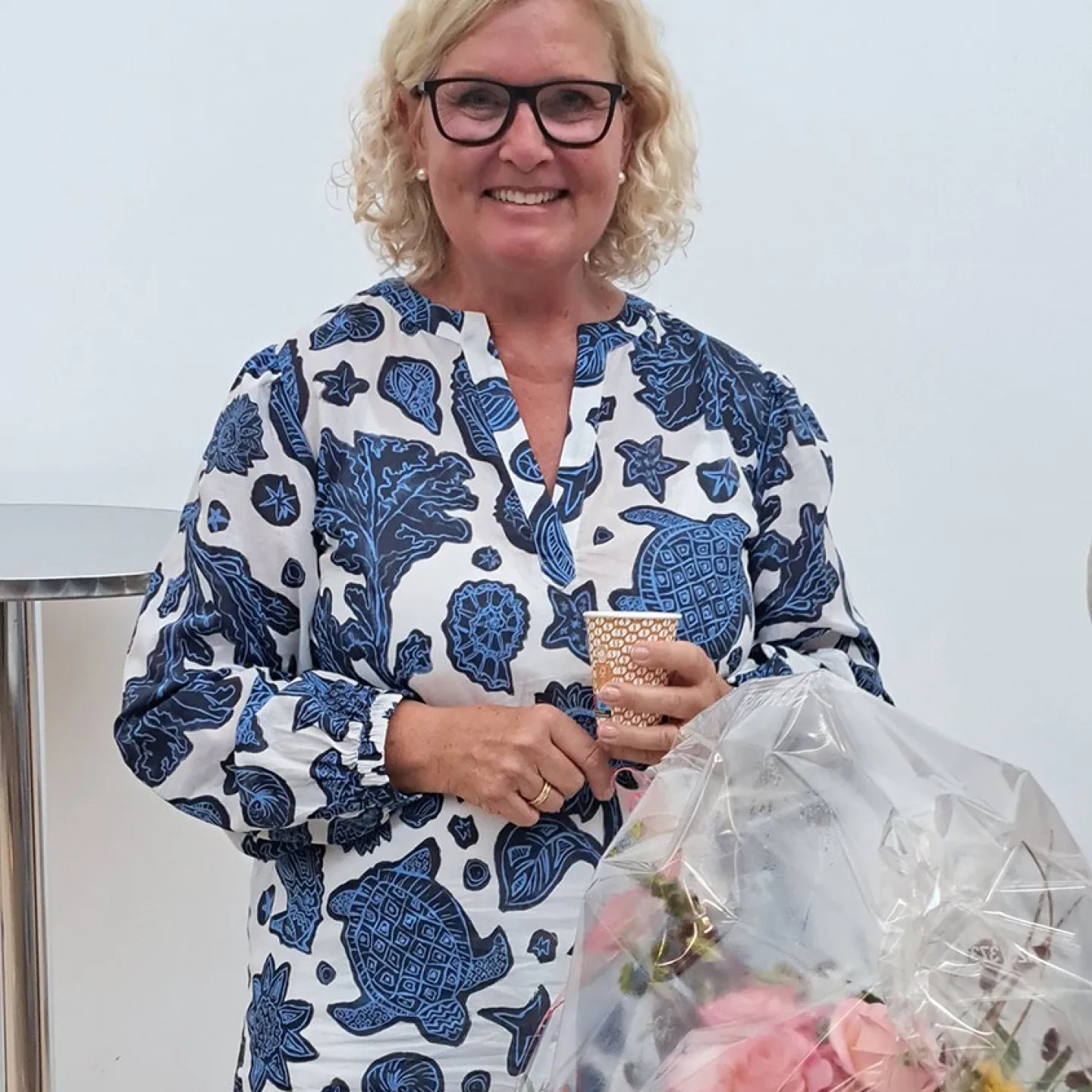
Eine lächelnde Frau mit blonden Haaren und Brille hält einen Becher in der Hand. Sie trägt ein blau-weiß gemustertes Kleid. Vor ihr steht ein Blumenstrauß in Folie verpackt.

As in every summer in recent years, the International Media Academy brought life to the University of Liechtenstein campus this August. This year, however, it was time to say goodbye to a long-standing member.


Elisabeth Neumann had been with the International Media Academy for Journalism and PR at the University for eleven years, sharing her wealth of experience and constructive feedback with many young media talents. The German journalist spent her very last working day in Vaduz and celebrated her retirement on August 6 with students, course director Claudia Schanza, and program secretary Kirsten Steinhofer.


The four-week program is a practical introduction to the world of media and PR, teaching the ABCs of journalism. Students learn how to find exciting topics, ask critical questions, conduct interviews, and write press releases. They gain insights into both traditional and modern media sectors and write their own articles. www.uni.li/journalismus


Eine lächelnde Frau mit blonden Haaren und Brille hält einen Becher in der Hand. Sie trägt ein blau-weiß gemustertes Kleid. Vor ihr steht ein Blumenstrauß in Folie verpackt.

The Fraunhofer Institute for Technological Trend Analysis Visits the University of Liechtenstein

The Fraunhofer Institute for Technological Trend Analysis Visits the University of Liechtenstein

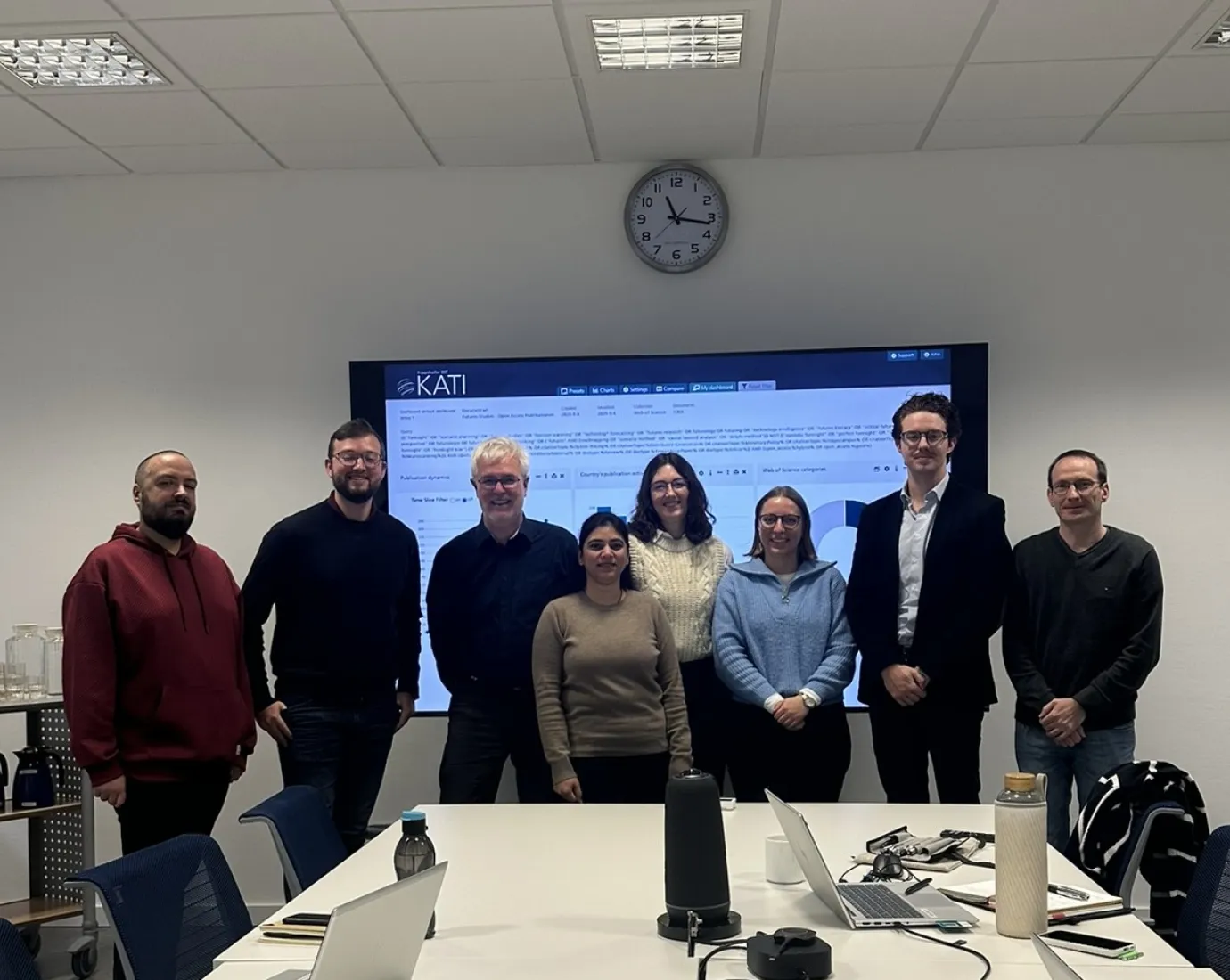
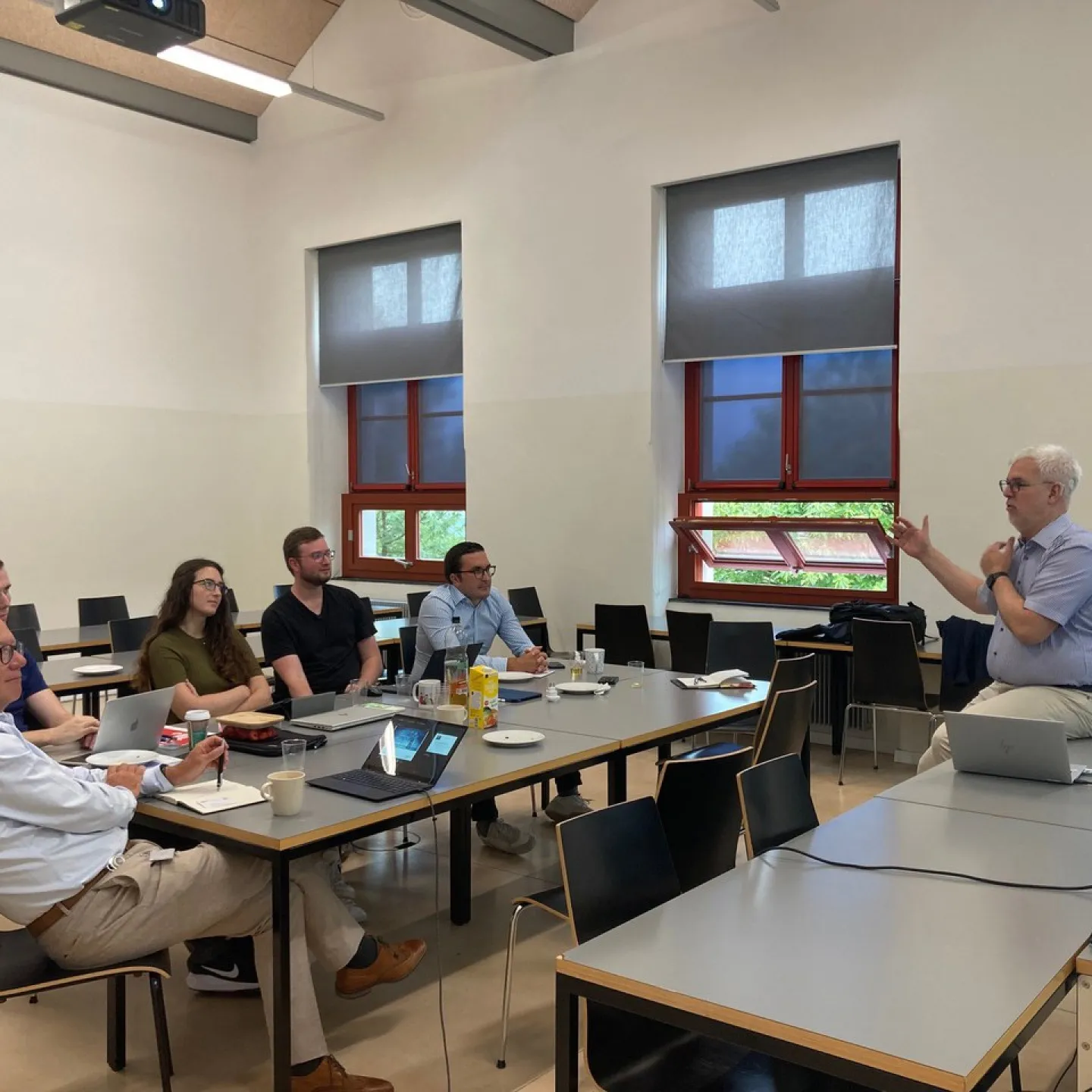
Ein Dozent hält einen Vortrag vor einer kleinen Gruppe von Personen in einem Seminarraum. Die Teilnehmenden sitzen an Tischen mit Laptops und Notizbüchern. Im Hintergrund sind Fenster und eine Leinwand zu sehen.

As part of a joint research project between the Fraunhofer Institute for Technological Trend Analysis (Fraunhofer INT) and the Chair of Technology and Innovation at the Liechtenstein Business School, a research workshop on the topic of “Data Driven Foresight and Technological Trend Analysis” took place on the campus of the University of Liechtenstein from August 7 to 9, 2024.


Public Lecture as the Workshop Highlight


The highlight of the visit was a public lecture by researchers from Fraunhofer INT, held as part of the university's INNOPro Talks seminar series. The exciting presentation by Dr. Marcus John, Head of the KATI Lab, and Melanie Martini, Research Associate and PhD candidate at the KATI Lab in Euskirchen (Germany), was titled: “Is the Future in the Data? Data Driven Foresight as a Method of Future Studies.”


This theme also guided the three-day workshop, which focused on identifying and utilizing alternative data sources for technology foresight. The participants exchanged experiences on producing data-driven trend studies, conducted project-specific data analyses, and discussed plans to deepen the partnership between Fraunhofer INT and the University of Liechtenstein.


Besides the academic discussions, special attention was given to practical applications and creating connections with companies from the Rhine Valley and Lake Constance region.


Regional Engagement and Partnership Visibility


During the interactive lecture on Thursday afternoon, Prof. Dr. Leo Brecht and his team welcomed attendees from the region and used the occasion to publicly highlight the cross-border collaboration between Fraunhofer INT and the University of Liechtenstein.


Following the successful workshop and the kickoff of the INNOPro Talks in cooperation with Fraunhofer INT, the Chair of Technology and Innovation is looking forward to offering more expert talks along the innovation process. The team also plans to deepen the topic of Data Driven Foresight within specialized topic labs and the MBA program in Technology & Innovation at the University of Liechtenstein.


Participants and Outlook


From the University of Liechtenstein, the following participants took part:


  • Prof. Dr. Leo Brecht
  • Marie Scheuffele
  • Niels Fetkenheuer
  • Thomas Beales (all from the Chair of Technology and Innovation)
  • Dr. Djordje Zivkovic (Chair of Strategic Management)


Further information about the Fraunhofer Institute for Technological Trend Analysis can be found here.


Ein Dozent hält einen Vortrag vor einer kleinen Gruppe von Personen in einem Seminarraum. Die Teilnehmenden sitzen an Tischen mit Laptops und Notizbüchern. Im Hintergrund sind Fenster und eine Leinwand zu sehen.

New Study Reveals: Companies Use Tax Information to Polish Their Environmental Image

New Study Reveals: Companies Use Tax Information to Polish Their Environmental Image

A comprehensive new study published in the Journal of Accounting and Taxation reveals intriguing connections between tax avoidance, environmental performance, and corporate reporting.


The article titled "The Impact of Tax Avoidance and Environmental, Social, and Governance Performance on the Cost of Equity Capital: Evidence from China" — co-authored by Johannes Schneider, Associate Professor of Data Science & Artificial Intelligence at the University of Liechtenstein — explores how companies use tax information in their corporate social responsibility (CSR) reports.


Key Findings of the Study:


  • CSR and Taxes: The study analyzed 2,984 CSR reports from 22 countries and found that companies tend to disclose only limited tax information. Instead of presenting comprehensive strategies, they often frame tax payments as a social good. Of the 107 reports from companies based in Switzerland, 67.3% included tax information, and 34.6% highlighted the benefits of tax payments for the public and society.
  • Symbolic Disclosure: There is a negative correlation between strong environmental performance and tax-related CSR disclosures. Companies with weaker environmental records often use tax topics to enhance their public image.
  • Tax Avoidance: Firms engaging in tax avoidance tend to portray their tax payments in a positive light — particularly in the U.S. — using this information to preserve or restore their reputation.
  • Disclosure Motivation: Companies use tax-related CSR disclosures to emphasize good performance and improve their public image.


Relevance and Implications:


At a time of increasing demands for transparency and environmental responsibility, this study offers valuable insights into corporate reporting practices. It shows that tax information is often used strategically by companies to boost their image without necessarily providing substantial additional information or taking meaningful action. These findings are of interest to both standard setters and readers of CSR reports.


The original article is published in the Journal of the American Taxation Association: https://www.uni.li/de/forschung/forschungsaktivitaeten/veroeffentlichungen/publikationen/@@publication_detail/9604.67


Lindau Nobel Laureate Meeting 2024

Lindau Nobel Laureate Meeting 2024

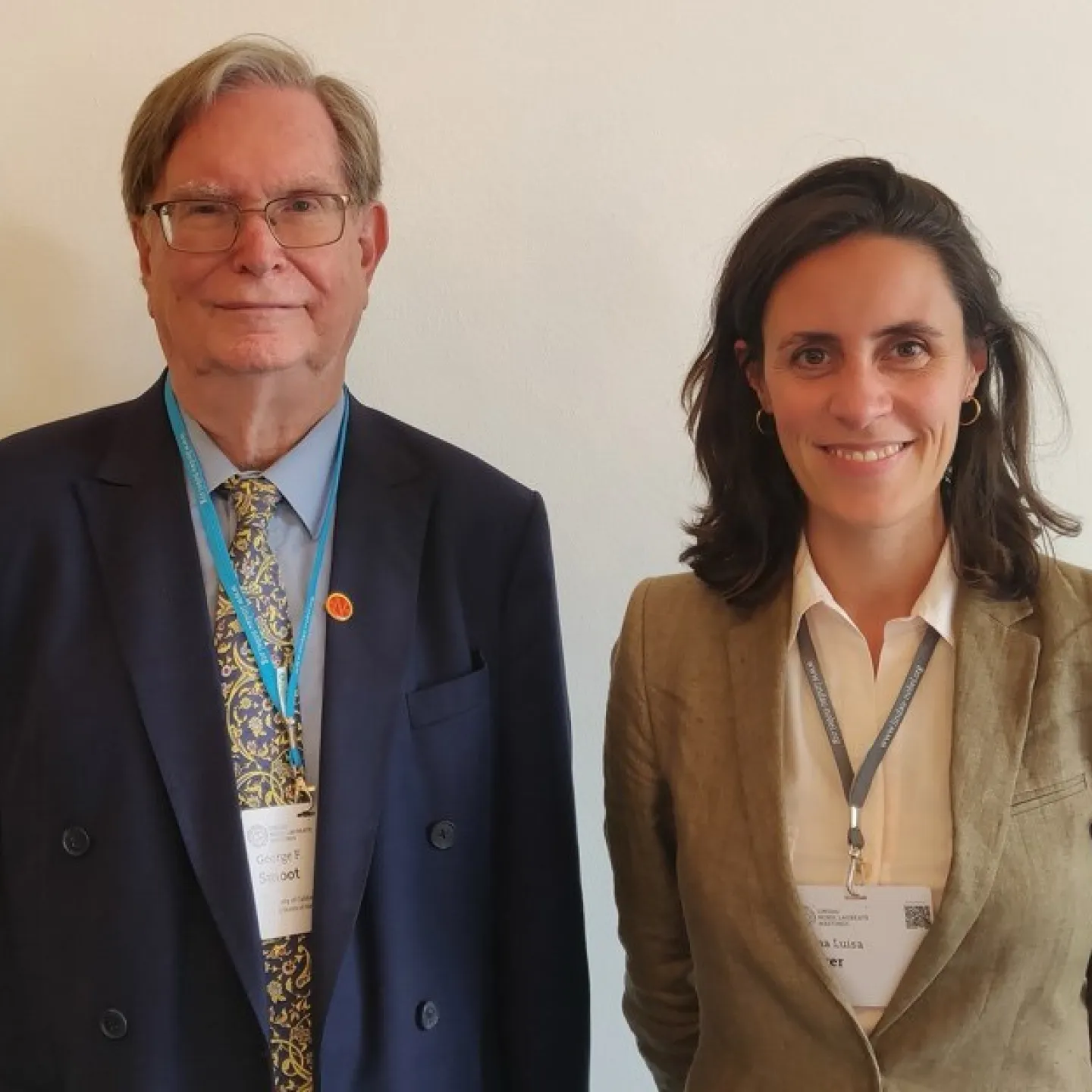
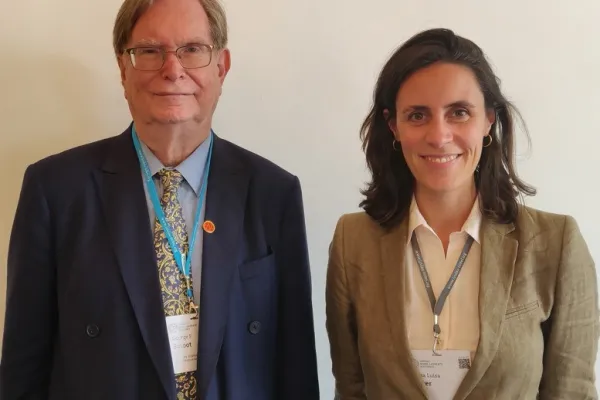
Zwei Personen stehen nebeneinander und lächeln in die Kamera. Beide tragen Namensschilder und sind formell gekleidet.

From June 30 to July 5, 2024, more than 30 Nobel Laureates and around 600 young scientists gathered in Lindau for the 73rd Lindau Nobel Laureate Meeting, which this year was dedicated to the field of physics.


The annual meeting rotates between the disciplines of physics, chemistry, medicine, and economics, as well as interdisciplinary themes. It offers a platform for networking and features a diverse program designed to encourage interaction and exchange among young scientists and Nobel Laureates.


Florina Marxer successfully passed an international selection process and had the great honor of participating in the meeting with support from the University of Liechtenstein. She is a doctoral student at ETH Zurich, where she researches how proteins self-organize into functional larger structures during cell division within the field of biophysics. According to Florina Marxer, the exchange with students and Nobel Laureates at the Lindau Meeting was inspiring and will shape her both as a scientist and as an individual.


At the conclusion of this year's meeting, attending Nobel Laureates signed a declaration warning against the use of nuclear weapons. The first such “Mainau Declaration” was initiated in 1955 by German Nobel Laureates Otto Hahn and Max Born, also warning against nuclear arms. This year’s declaration marks only the third Mainau Declaration in the history of the meeting—truly a historic moment.


Zwei Personen stehen nebeneinander und lächeln in die Kamera. Beide tragen Namensschilder und sind formell gekleidet.

Entrepreneurship Conference: Self-Leadership as an Essential Foundation

Entrepreneurship Conference: Self-Leadership as an Essential Foundation

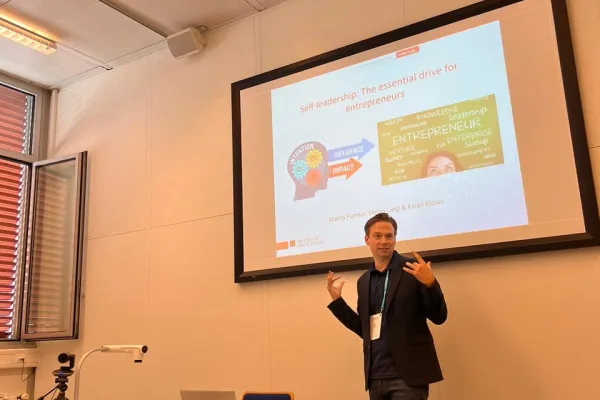
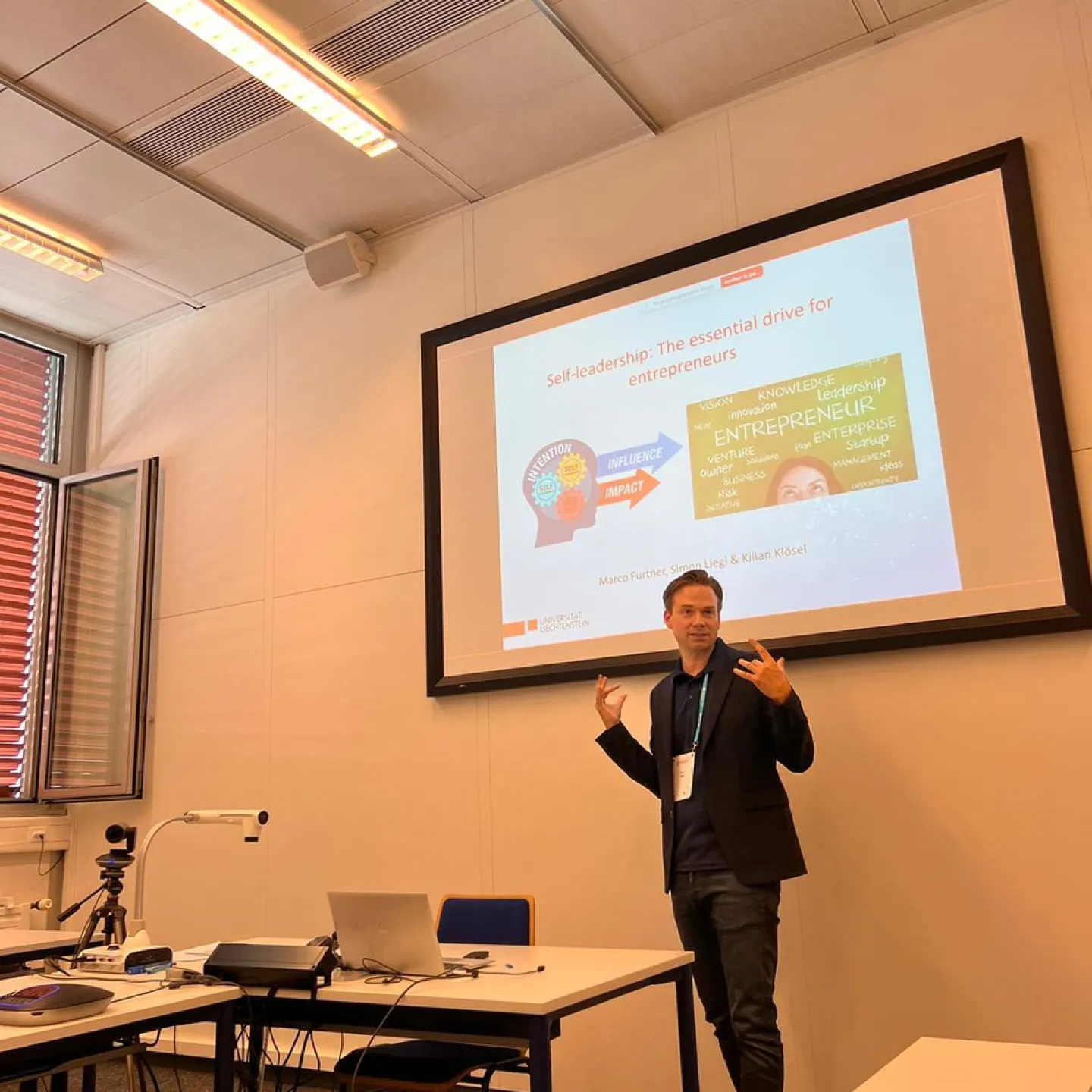
Ein Vortragender präsentiert in einem Seminarraum ein Paper über Selbstführung für Unternehmer. Im Hintergrund ist eine Leinwand mit einer Präsentationsfolie zu sehen. Tische mit Laptops und Kamera sind im Vordergrund.

At the Geneva/Fribourg Entrepreneurship Forum—an affiliated event of the global congress of the renowned International Council of Small Business (ICSB 2024)—Prof. Dr. Marco Furtner presented the paper "Self-leadership: the essential drive for entrepreneurs" during the Entrepreneurial Leadership session.


The international conference, hosted by the School of Management at the University of Applied Sciences and Arts Western Switzerland in Fribourg (HSW-FR), brought together founders, business and political leaders, and researchers from various continents to exchange creative and innovative ideas.


The paper on "Self-leadership as a foundational basis for entrepreneurs", authored by Marco Furtner, Simon Liegl, and Kilian Klösel, was based on an empirical study involving 300 participants. It was the first to demonstrate that self-leadership plays a key mediating role between entrepreneurial personality traits (extraversion, openness, conscientiousness, self-efficacy, and internal locus of control) and business-related outcomes (innovativeness and job performance).


The results highlight the vital role of self-leadership in the entrepreneurial context. Whether in the start-up phase or during later stages of business development, self-leadership can positively influence performance and entrepreneurial success. Therefore, aspiring entrepreneurs should place a strong emphasis on training and developing their self-leadership skills.


Students at the University of Liechtenstein stand to benefit directly from these insights, as special focus is already placed on developing self-leadership skills within their academic programs.


Ein Vortragender präsentiert in einem Seminarraum ein Paper über Selbstführung für Unternehmer. Im Hintergrund ist eine Leinwand mit einer Präsentationsfolie zu sehen. Tische mit Laptops und Kamera sind im Vordergrund.

Revolutionizing Product Design: How Artificial Intelligence Helps Engineers Make Data Scientists Redundant

Revolutionizing Product Design: How Artificial Intelligence Helps Engineers Make Data Scientists Redundant

At the prestigious European Conference on Information Systems (ECIS) 2024—one of the world’s most significant gatherings for academics and practitioners in the field of information systems—Lijo Johny and Associate Professor Johannes Schneider from the University of Liechtenstein, together with their colleague Hannes Dechant from the Technical University of Munich, presented a new study that could revolutionize product design.


The Problem: Too Much Dependence on Data Experts


Machine Learning (ML), a subfield of Artificial Intelligence, has the potential to transform product design. However, challenges remain: engineers, as domain experts, often rely heavily on data scientists to understand and apply complex ML models. This leads to three major issues:


  • A lack of digital support systems for decision-makers
  • Excessive reliance on data scientists
  • Insufficient ML skills among domain experts


The Solution: An Intelligent Assistance System for Design Engineers


In their ongoing research, the authors have developed an ML system specifically designed to support engineers in their work without requiring constant help from data scientists.


Imagine being able to utilize complex ML models without being a data expert yourself. This new system promises exactly that: a user-friendly, web-based application that helps engineers accelerate their design processes while also fostering a better understanding of the role of data science. This makes working with advanced technology easier and more efficient.


About the Conference:


The European Conference on Information Systems (ECIS) is the flagship conference of the Association of Information Systems in Region 2, which includes Europe, Africa, and the Middle East. It is considered one of the most important international gatherings of researchers and practice-oriented experts in the field of information systems.


Further Information:


The original article is available in the AIS Electronic Library (AISeL) under the ECIS 2024 Proceedings: Taking Data Scientists Out-of-the-Loop in Knowledge Intense Analytics — A Case Study for Product Designs (aisnet.org).


Graduation Ceremony of the Certificate Program in Economic Criminal Law

Graduation Ceremony of the Certificate Program in Economic Criminal Law

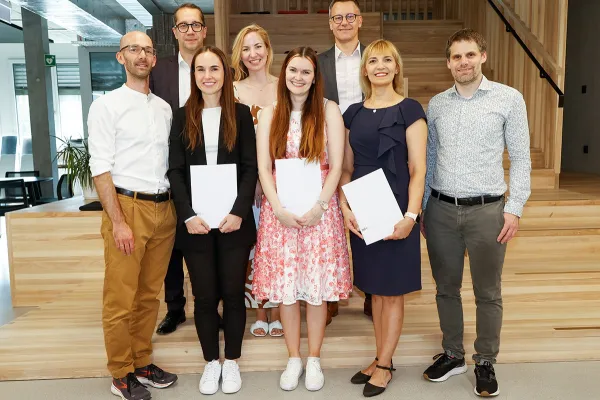
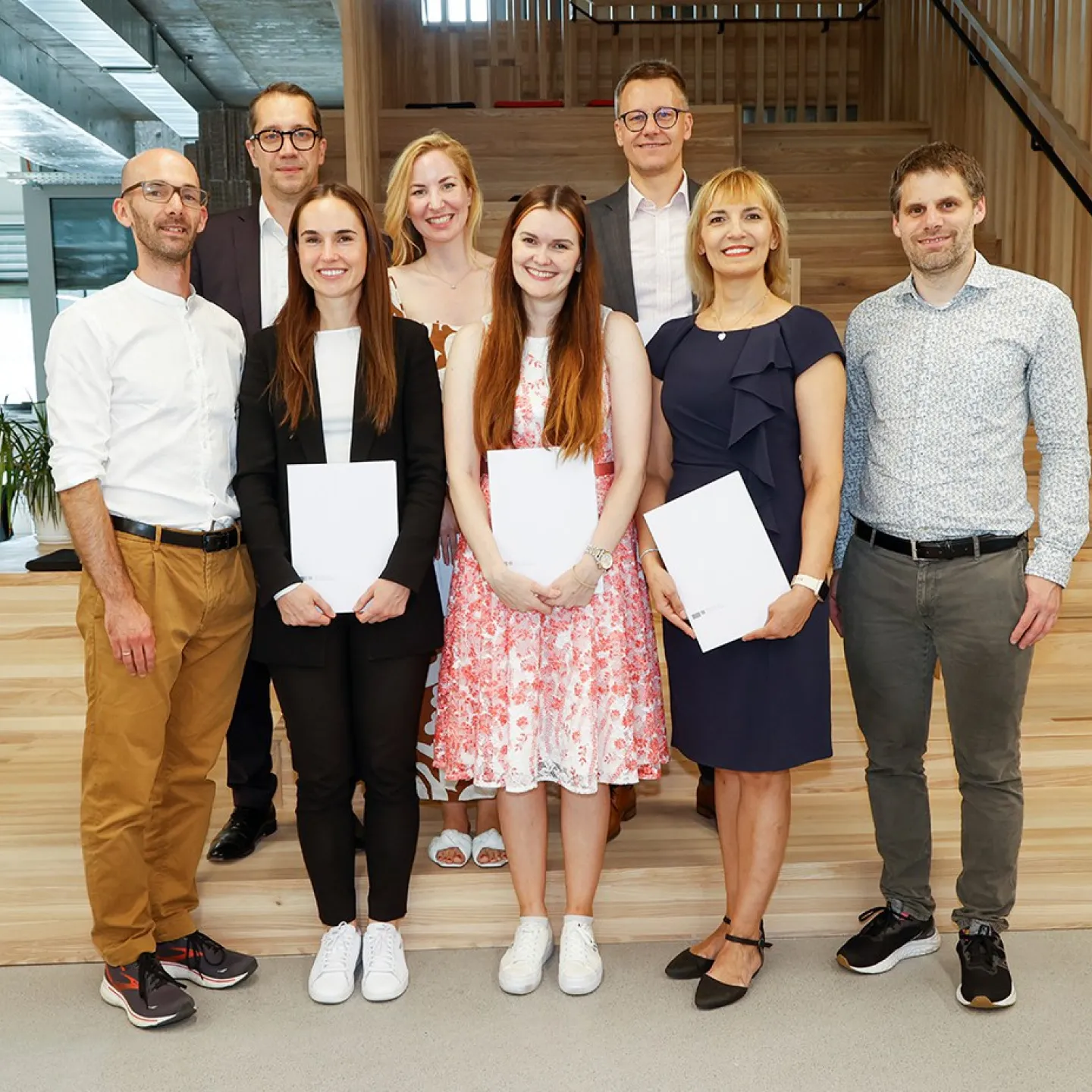
Eine Gruppe von acht Personen steht lächelnd in einem modernen Innenraum. Drei Personen in der vorderen Reihe halten Zertifikate in den Händen. Die Umgebung wirkt hell und einladend mit Holzelementen und Pflanzen.

The University of Liechtenstein bid farewell in a festive ceremony to the first graduates of the newly launched Certificate Program in Economic Criminal Law.


On Wednesday, July 10, 2024, Dr. Christian Frommelt, Rector of the University of Liechtenstein, warmly welcomed the first graduates of the Certificate Program in Economic Criminal Law to their graduation ceremony. In his welcoming address, he emphasized the importance of this new part-time continuing education program for the Liechtenstein economic and financial center.


Following his address, Dr. Christian Frommelt presented the certificates and congratulated the graduates on successfully completing the program. He once again highlighted their great achievement in completing this part-time course of study. A total of nine students completed the first cycle of the program, which began in September 2023 under the leadership of Prof. Dr. Konstantina Papathanasiou, LL.M., Professor of Economic Criminal Law, Compliance, and Digitalization.


The continuous changes in the framework conditions at the financial center mean that the roles of compliance officers, AML officers, trustees, or lawyers are becoming increasingly demanding. The associated requirements regarding the prevention of criminal liability risks should not be underestimated. Therefore, a solid education and continuous professional development are indispensable. Through the practice-oriented training offered by the Chair of Economic Criminal Law, Compliance, and Digitalization, the graduates have acquired sound professional qualifications that optimally prepare them for their roles within the Liechtenstein financial sector.
 

The next cycle of the certificate program will begin in September 2025.


Eine Gruppe von acht Personen steht lächelnd in einem modernen Innenraum. Drei Personen in der vorderen Reihe halten Zertifikate in den Händen. Die Umgebung wirkt hell und einladend mit Holzelementen und Pflanzen.
Subscribe to