Skip to Main Content

Earth Hub Symposium: Excavated material is a valuable raw material

Earth Hub Symposium: Excavated material is a valuable raw material

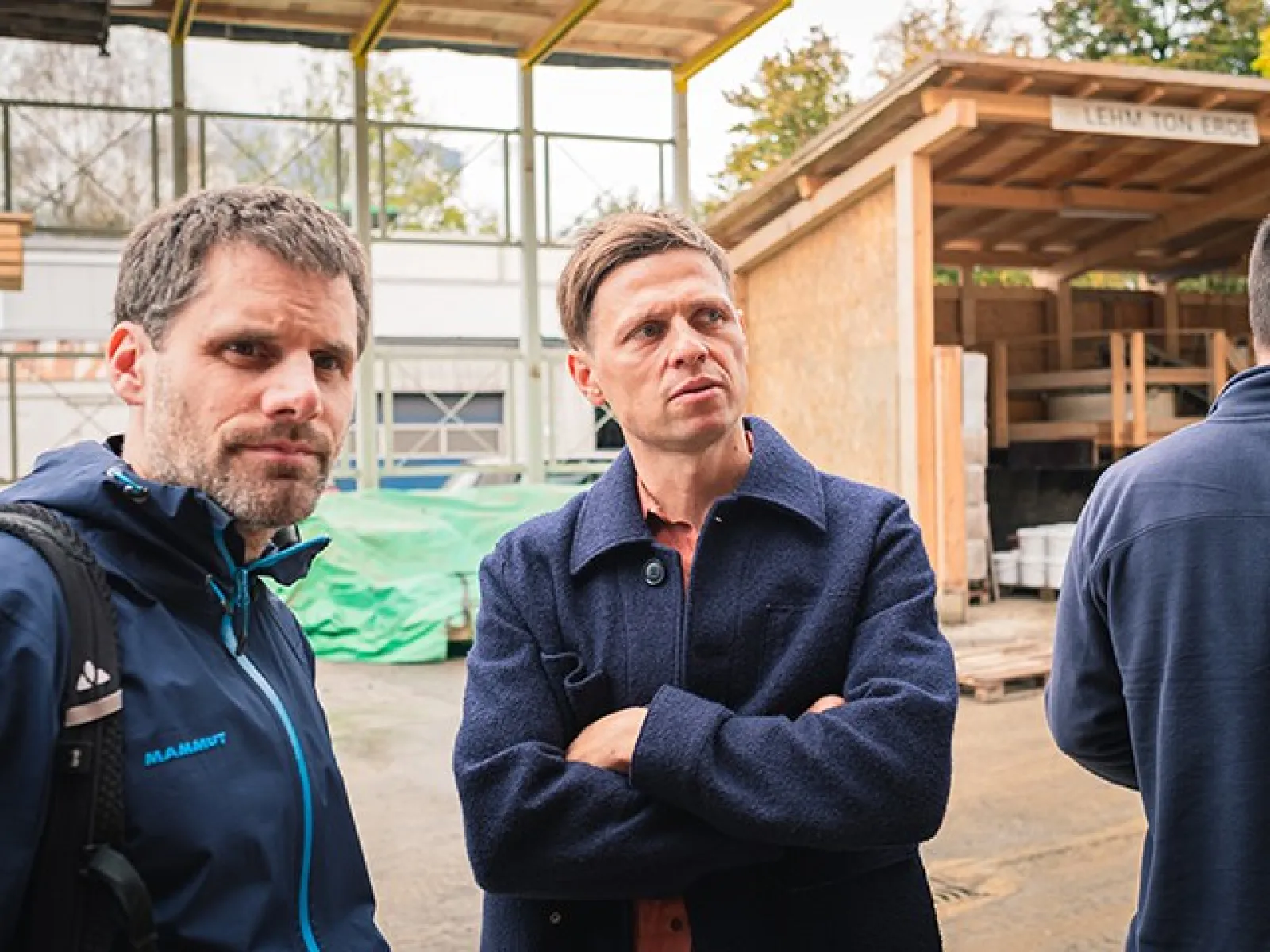
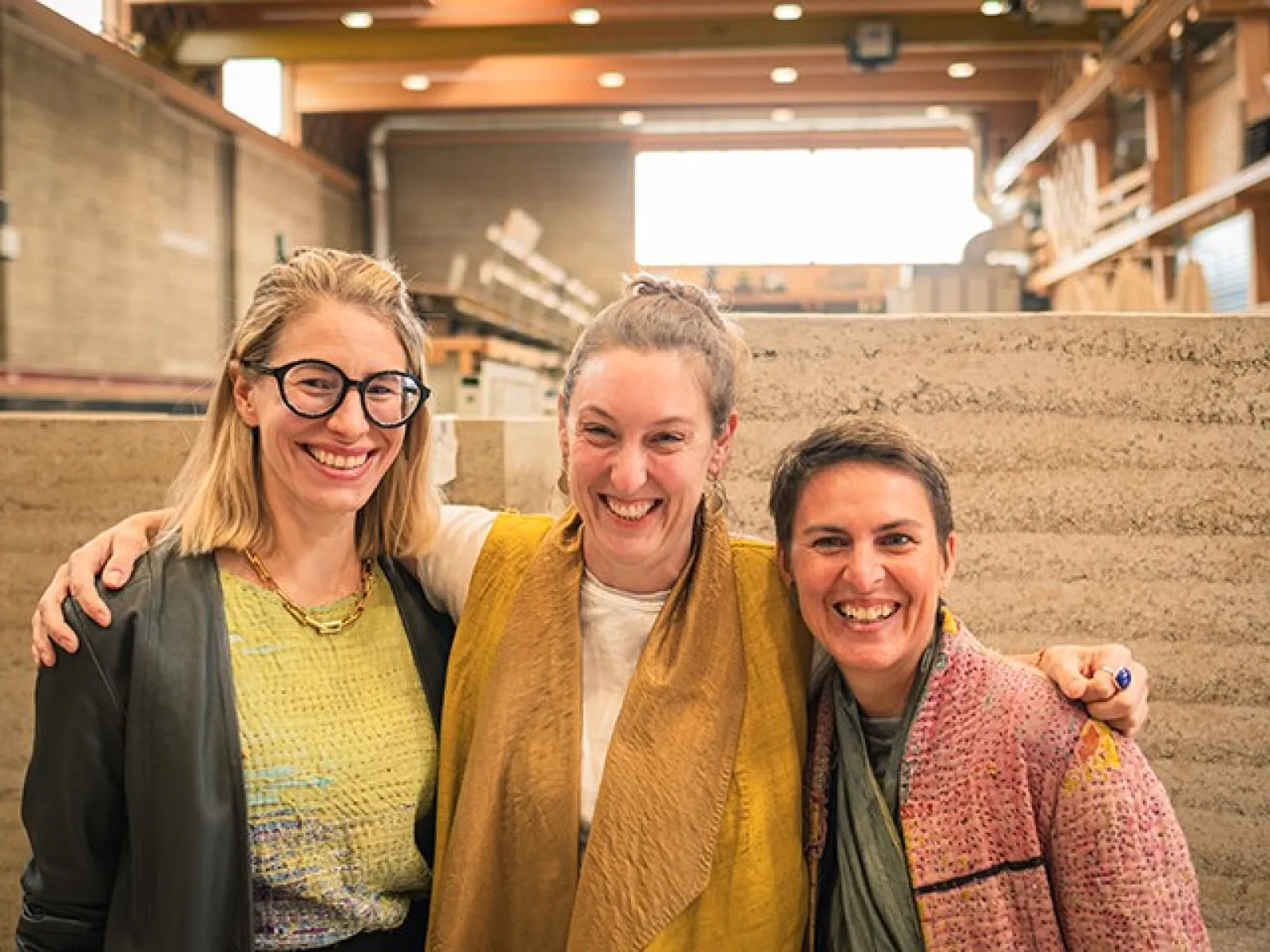
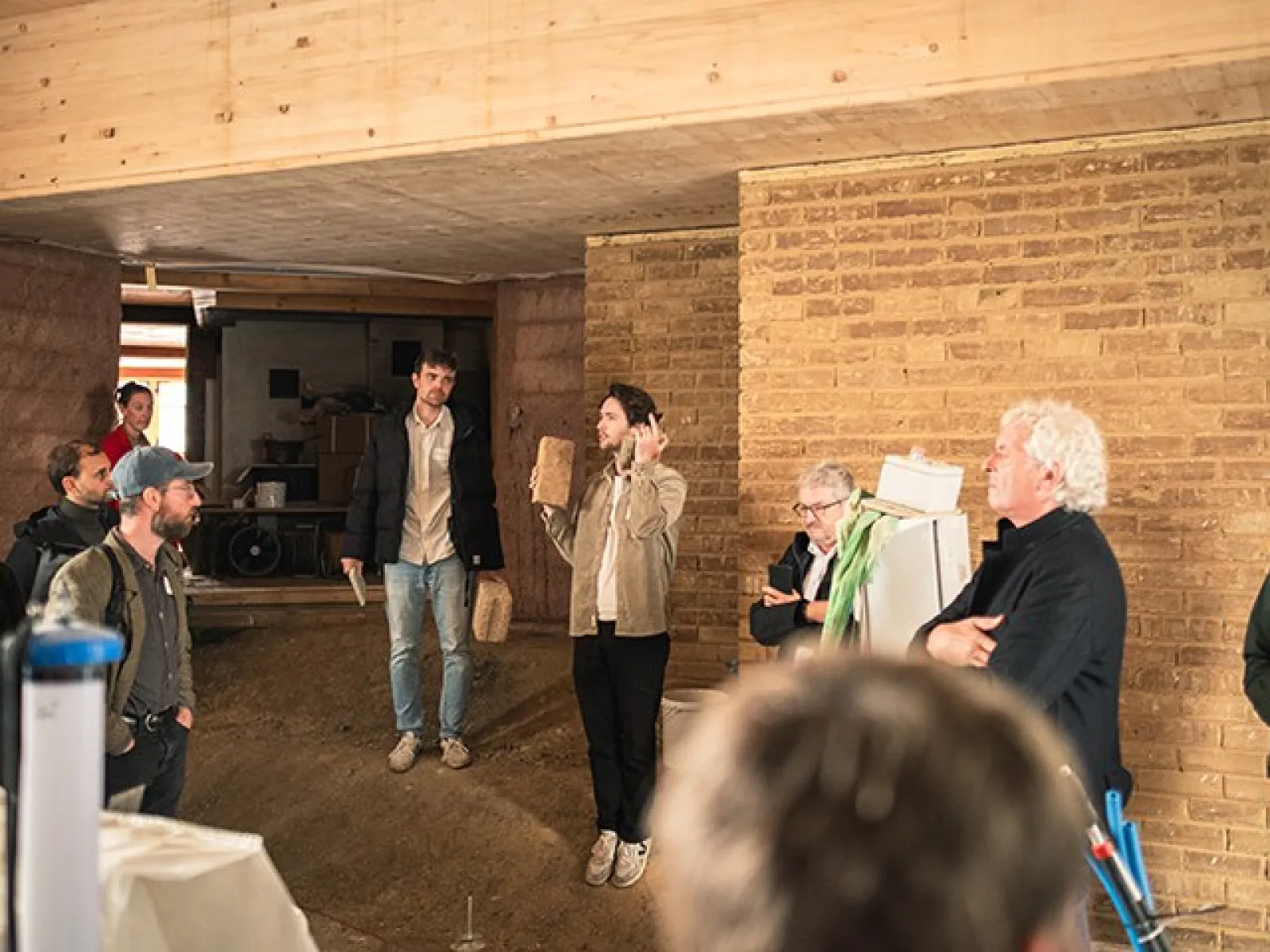
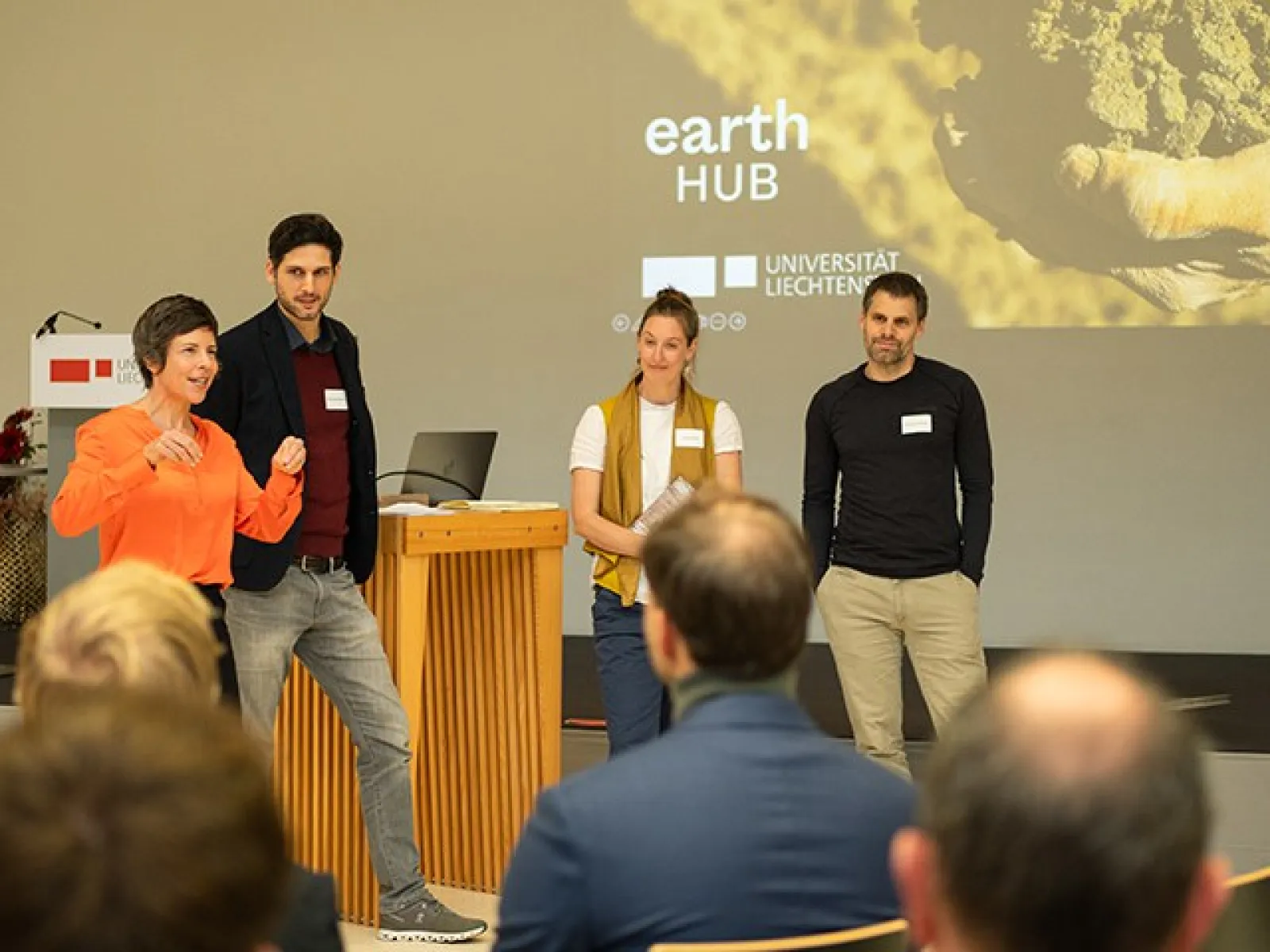
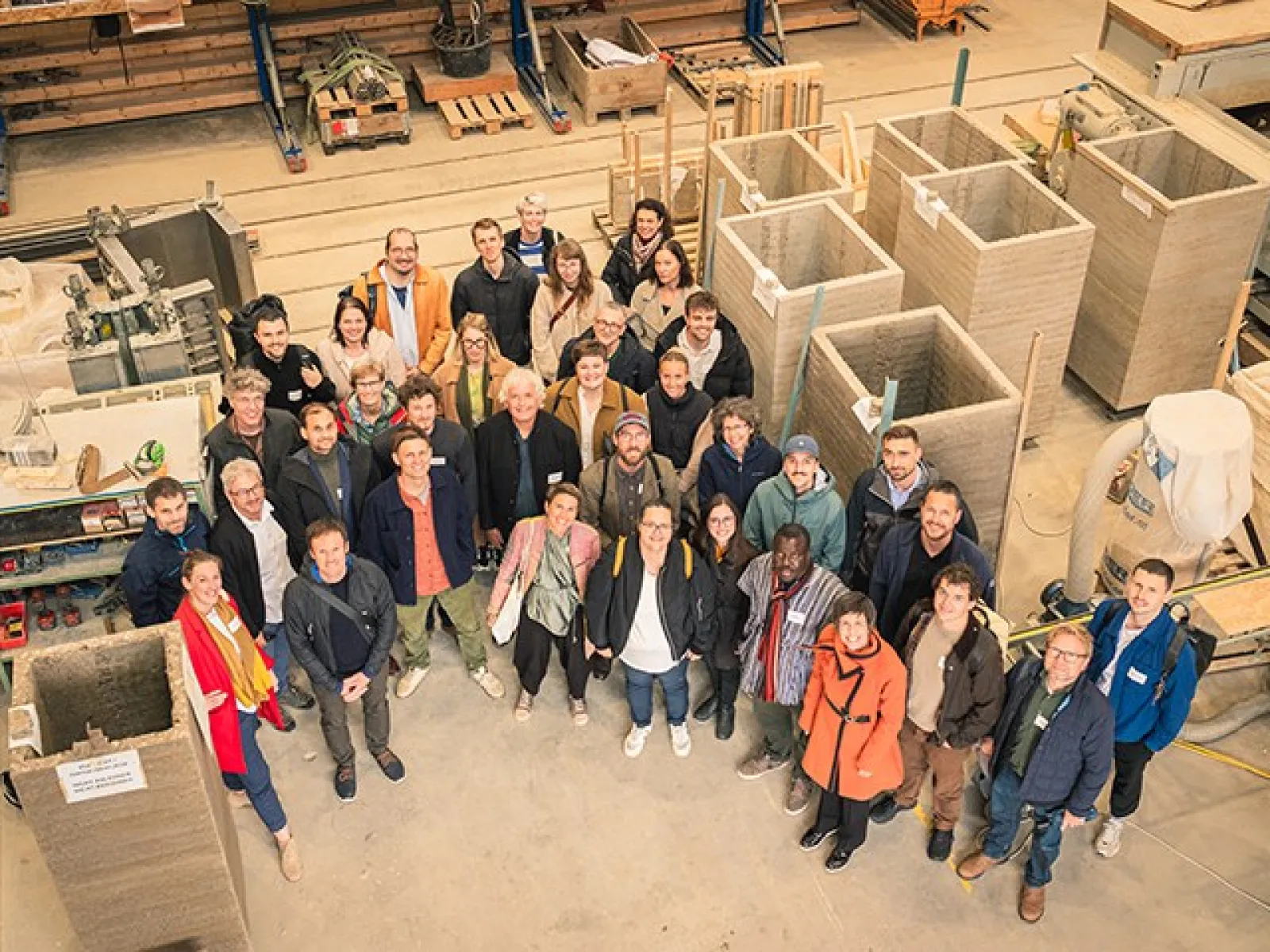
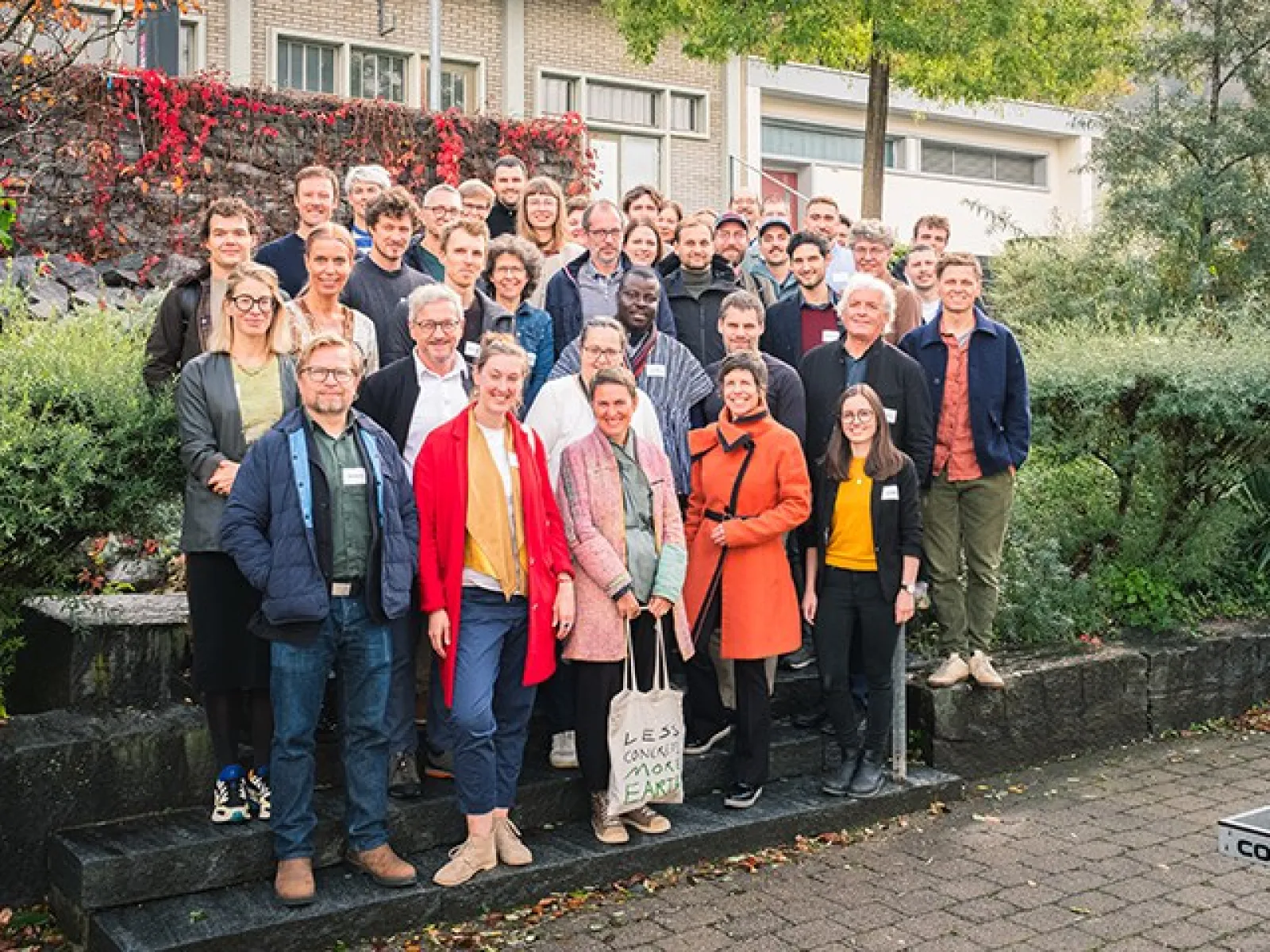
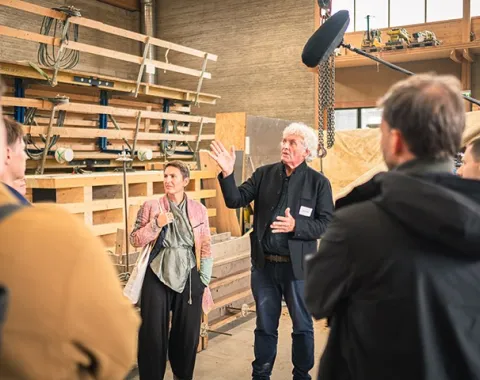
The Liechtenstein School of Architecture (LSA) hosted the first Earth Hub Symposium on October 11, 2024. The event brought together representatives from architecture, research and the regional economy. The aim was to showcase innovations in clay-wood construction and to explore the technical, economic and social potential of ecological building materials.


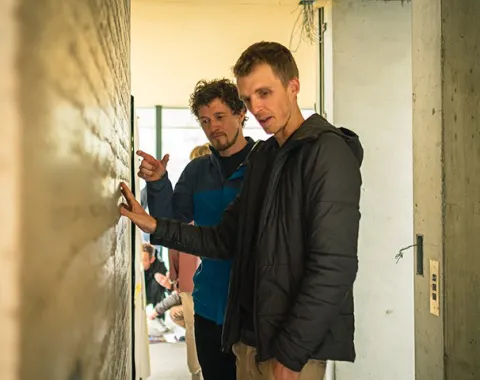
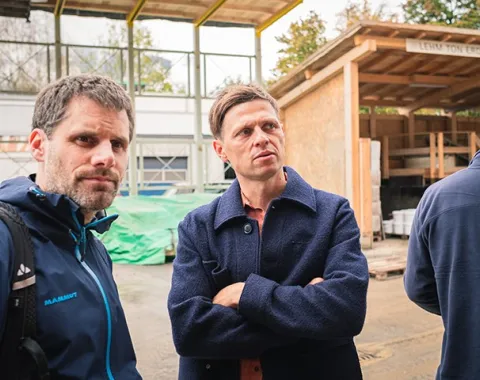
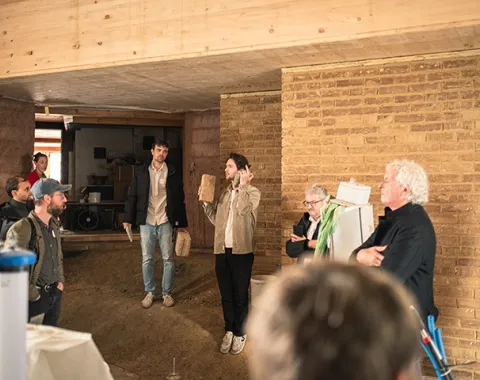
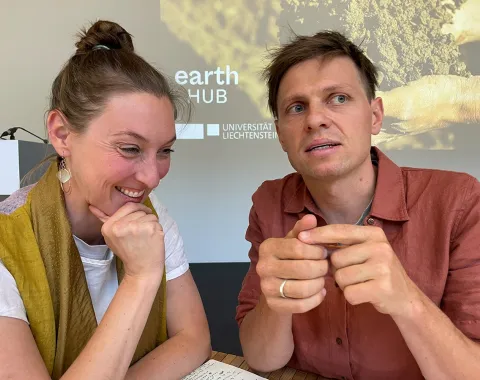
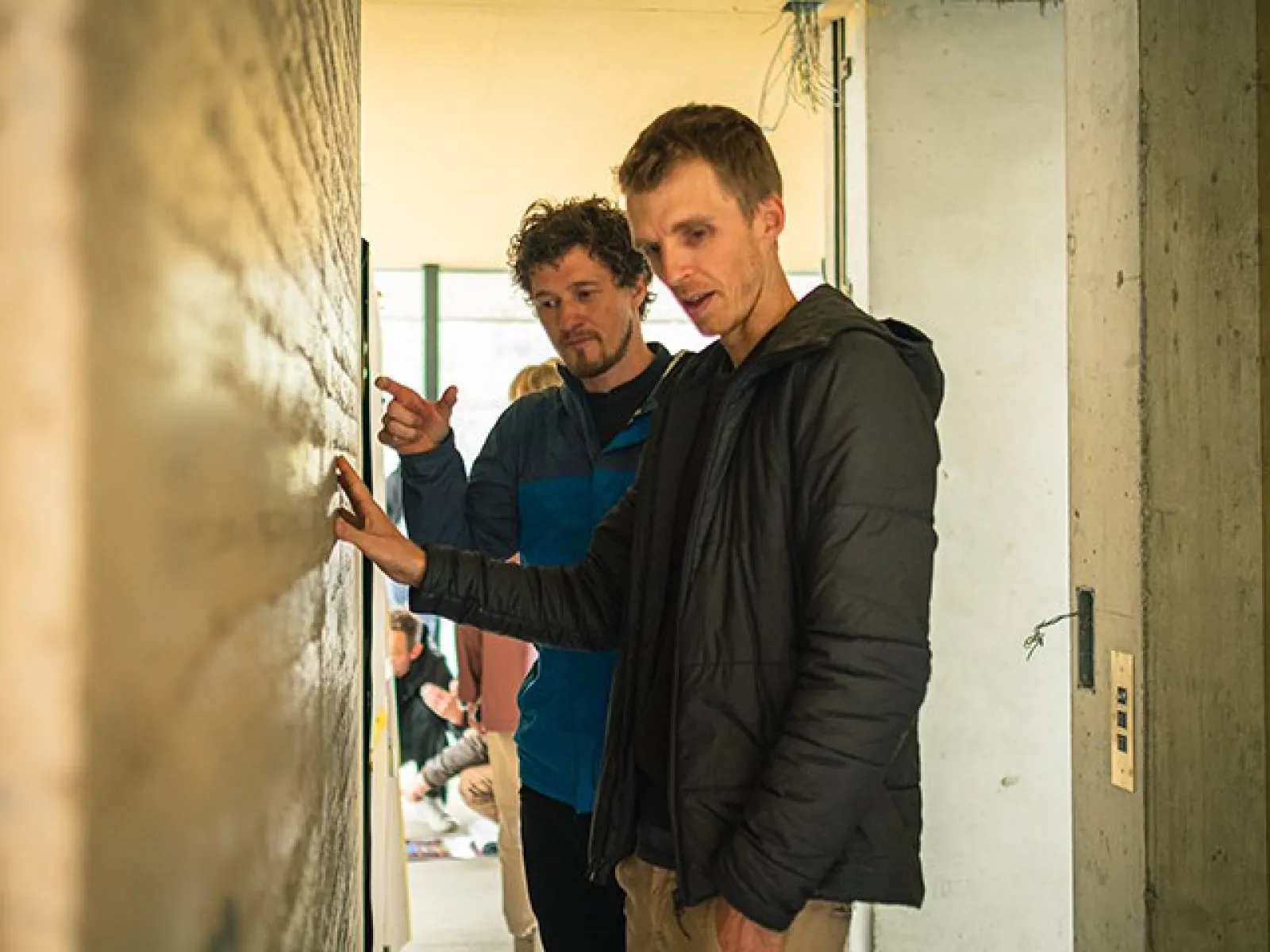
“We produced 800 ceiling elements made of rammed earth and wood directly in a field factory at the HORTUS construction site in Basel”, explains Martin Rauch, the earth building pioneer from Schlins, who regularly lectures at the University of Liechtenstein. “In this project, the architects Herzog and de Meuron did something unusual: they brought all the innovators together at the beginning.” The task was to create a zero-energy building that would itself become a power plant. In three decades, the office complex should have compensated for the energy that is currently being used for construction. Said, planned, done. The flagship site in Basel will be ready for occupancy in mid-2025.


“With HORTUS, we have noticed how naturally we combine research, development and practical construction here in the region”, says Martin Mackowitz from the team led by Martin Rauch, who has also been teaching at the University of Liechtenstein for ten years. In view of the climate targets, this approach is proving to be an enormous advantage for the location.


Earth Hub opened at symposium


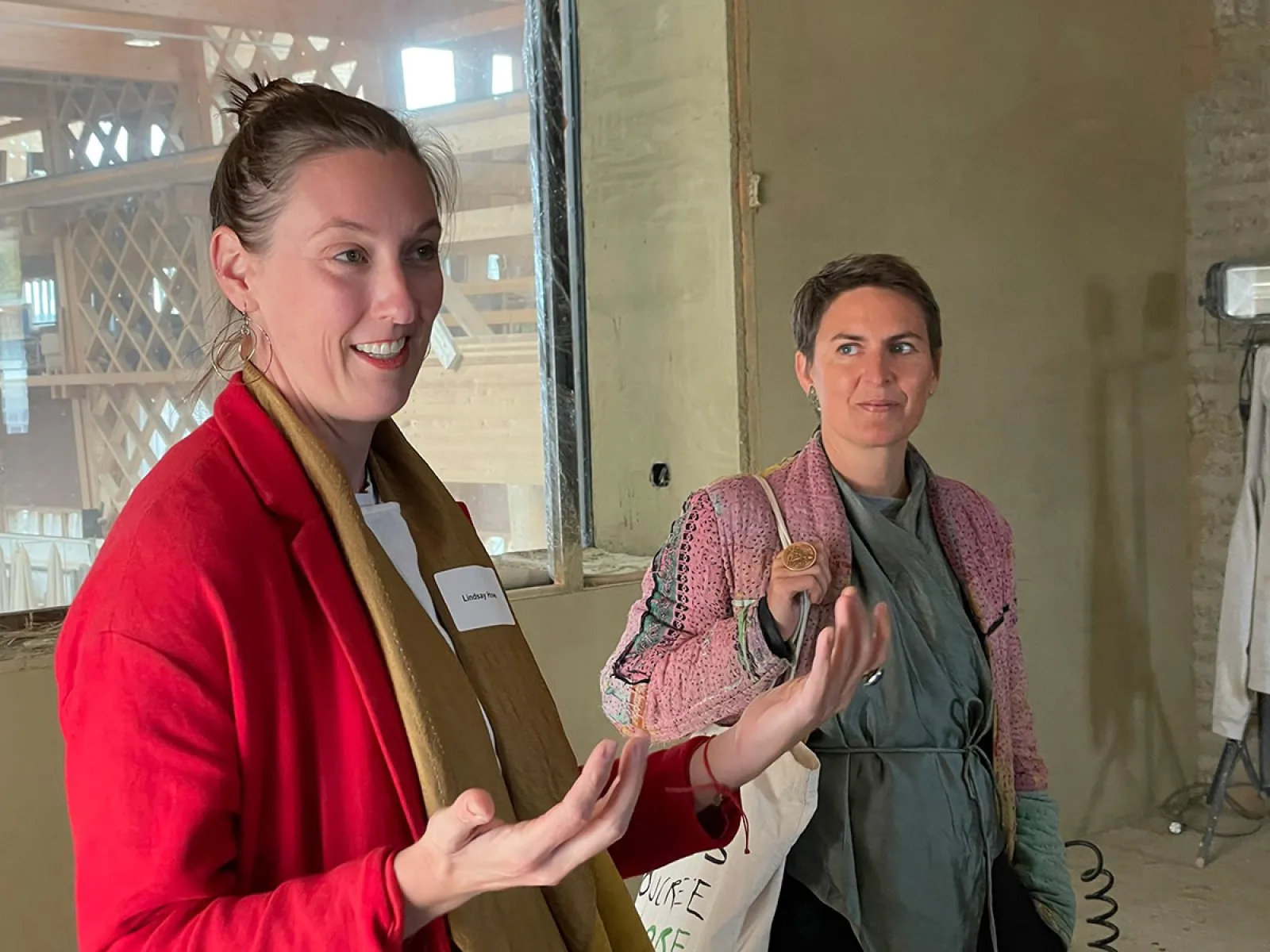
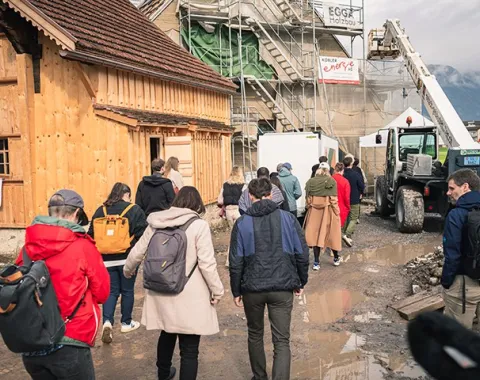
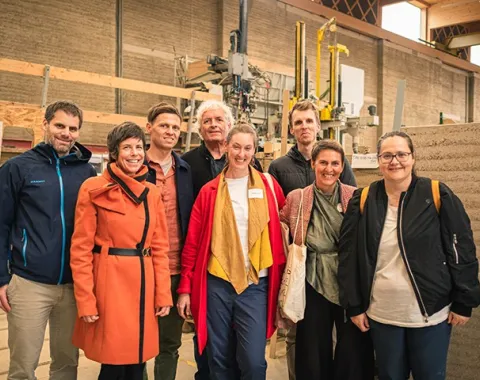
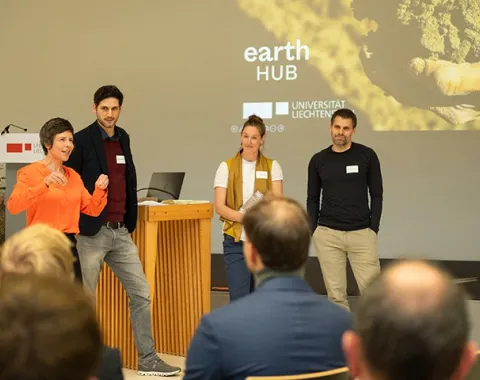
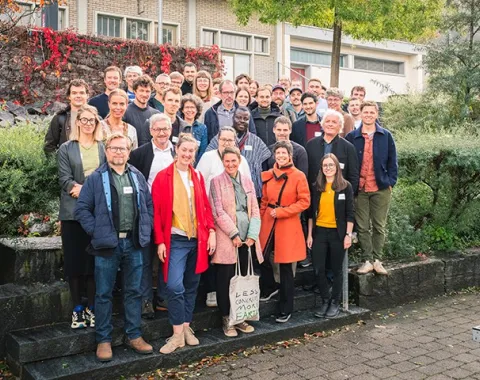
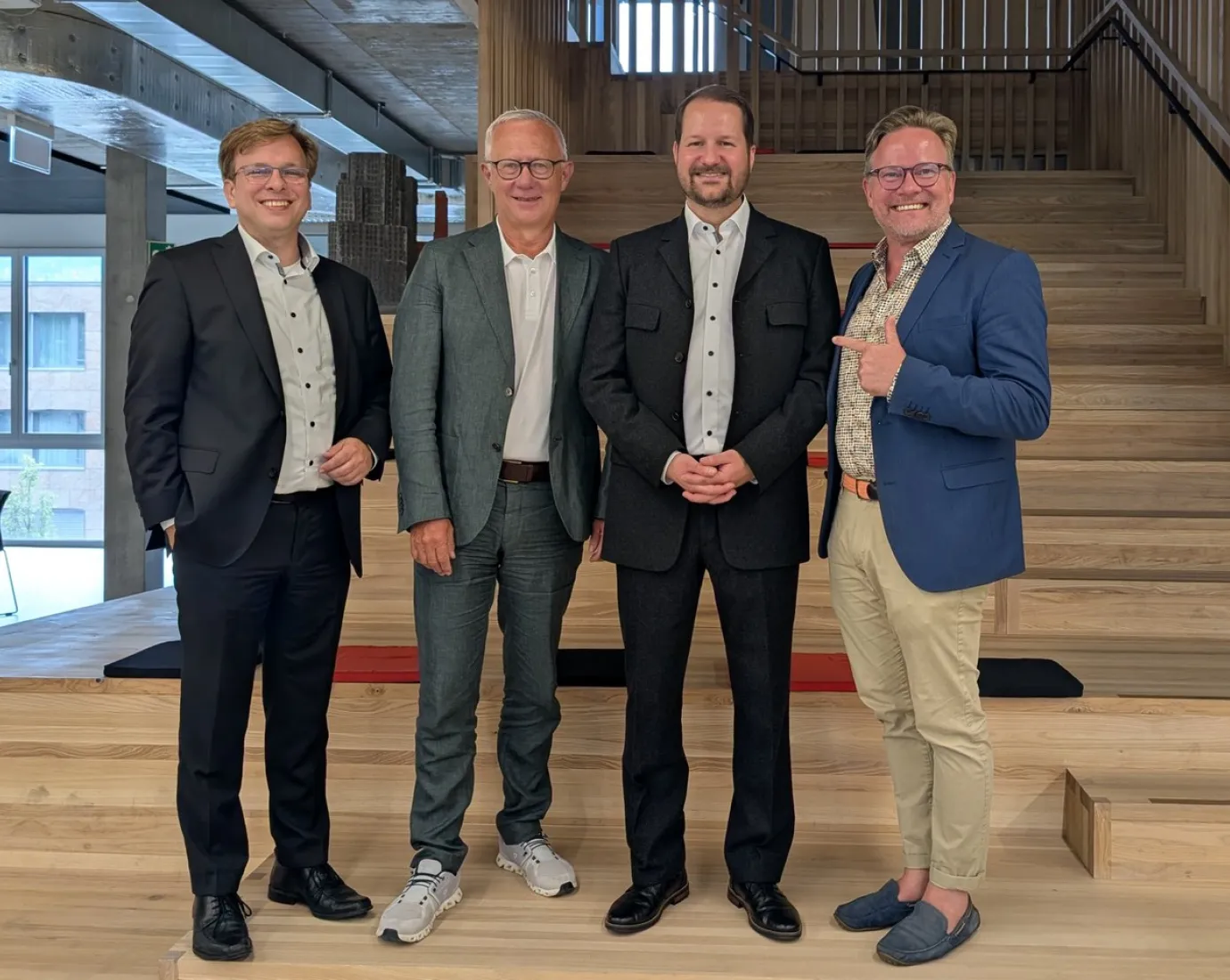
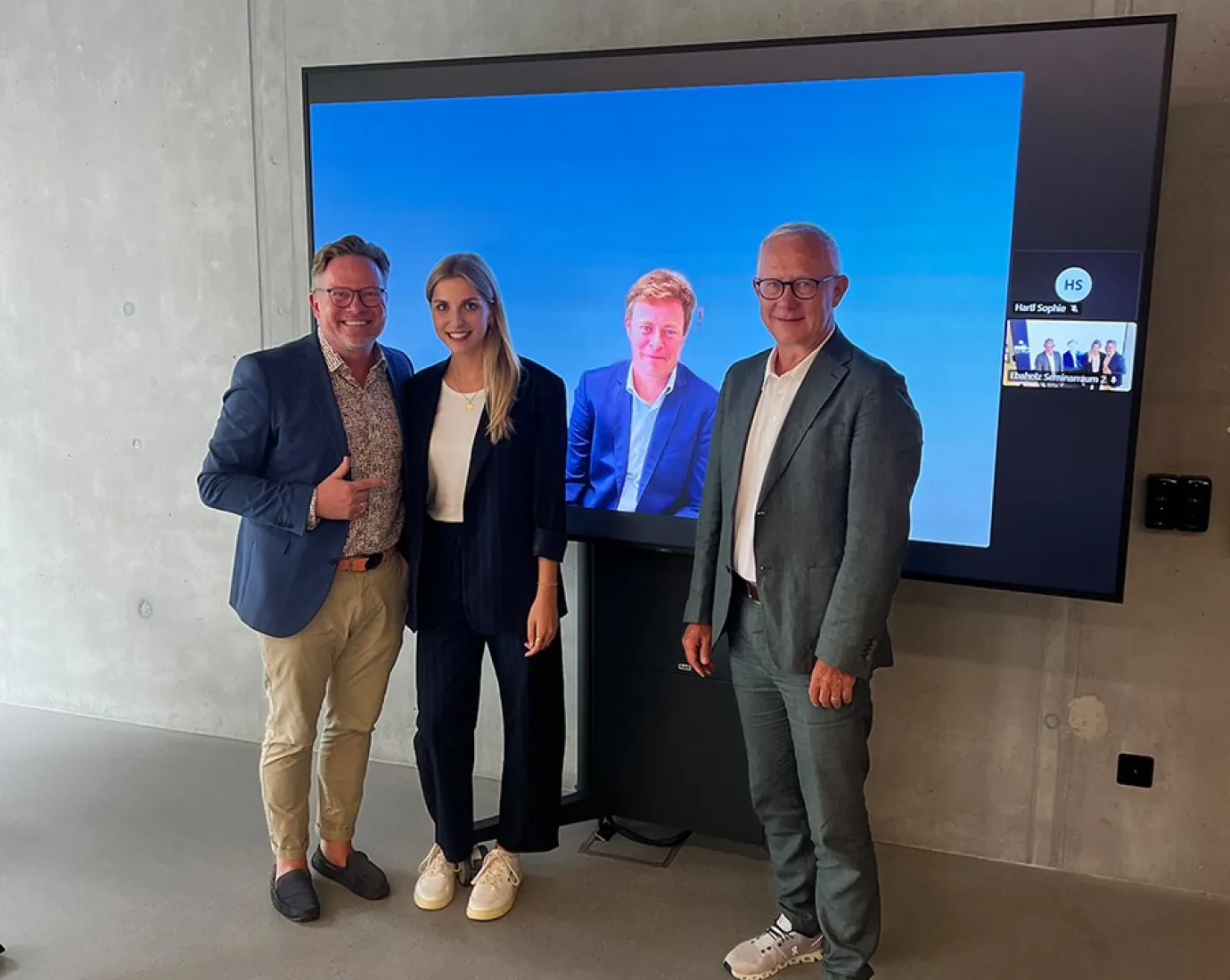
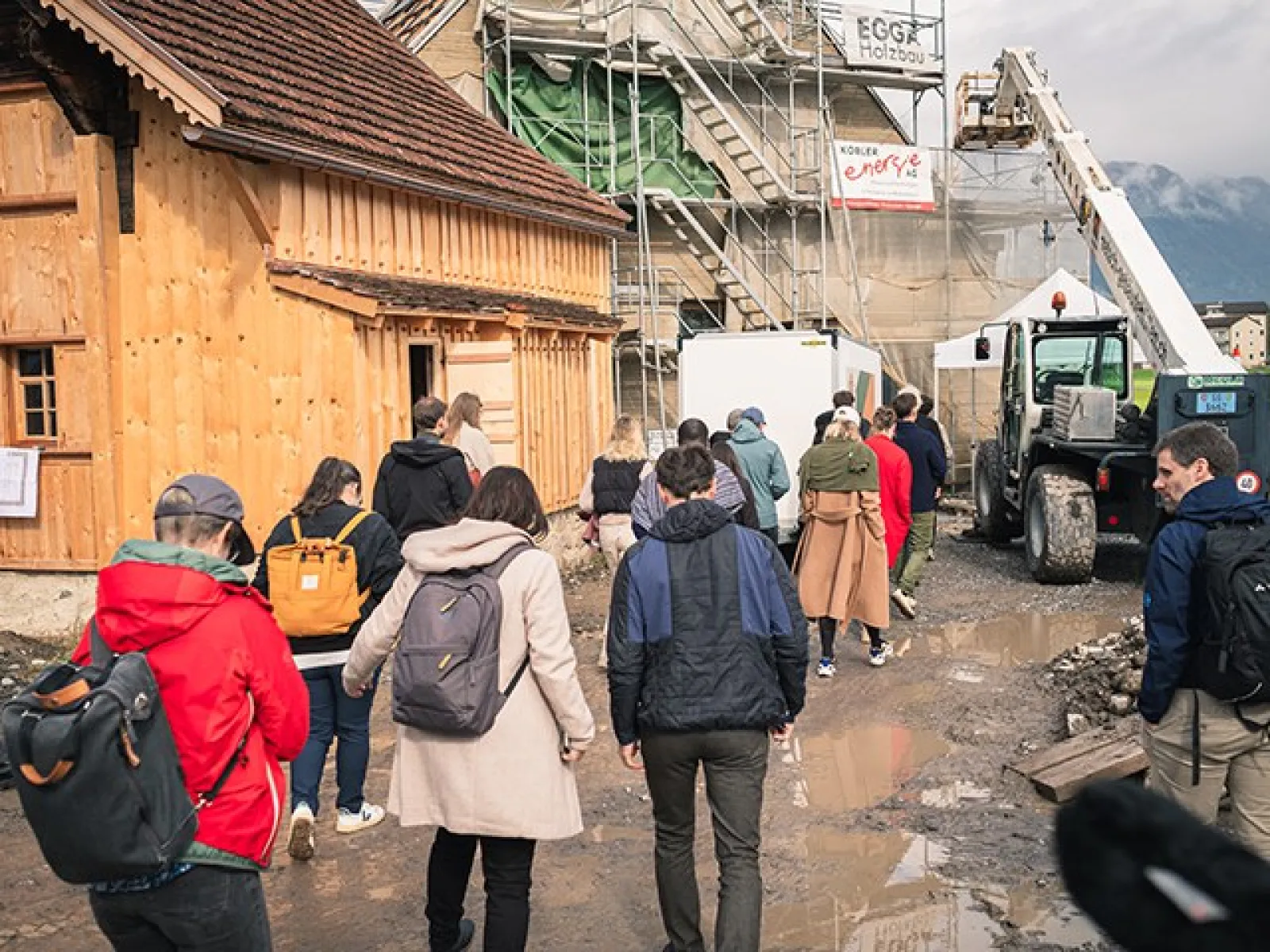
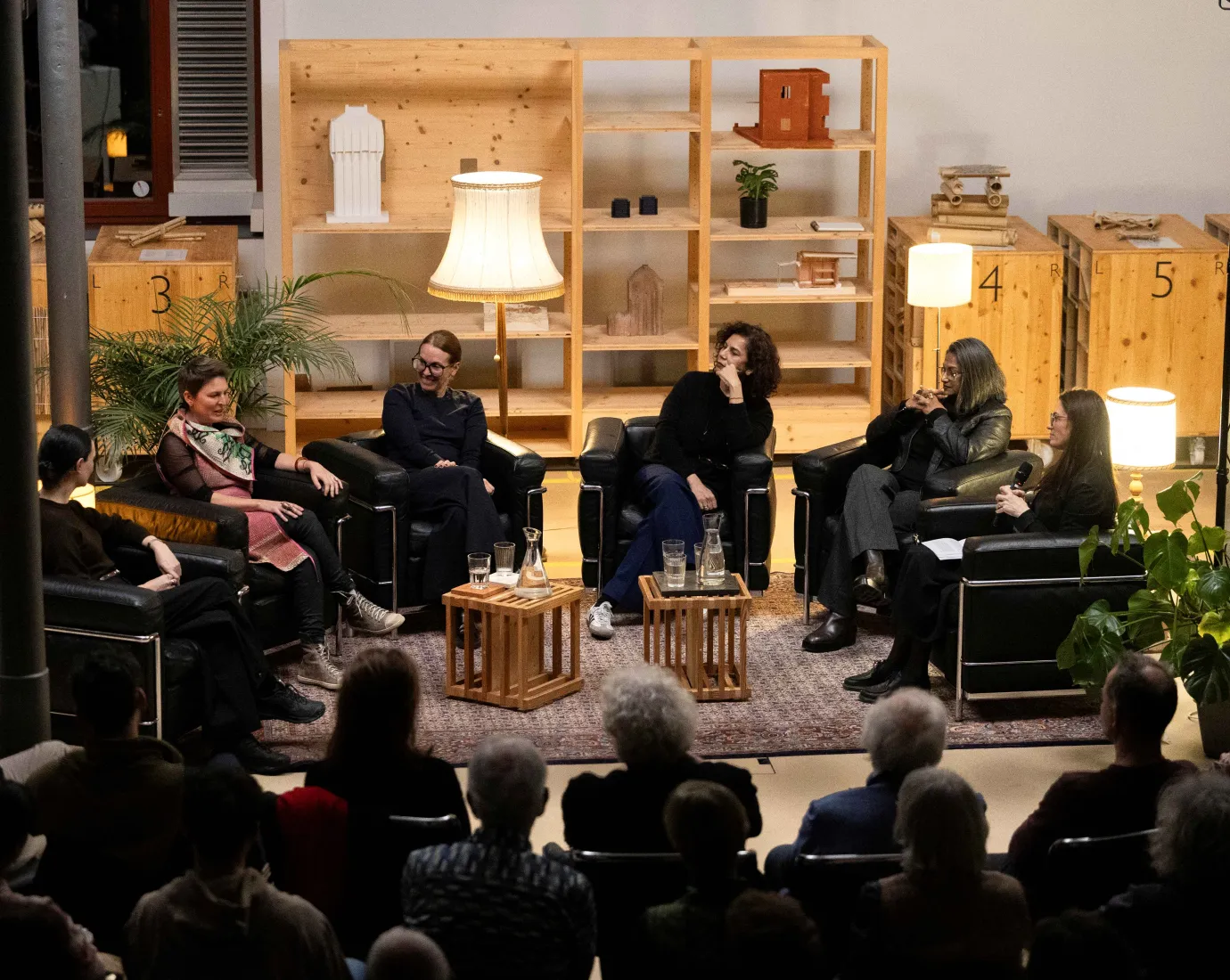
Mackowitz hosted a symposium to open the Earth Hub in order to raise the potential of ecological building materials in the long term and in collaboration with business and society. Around 40 international guests from the worlds of business, research and construction exchanged ideas on Friday at the University of Liechtenstein and during an excursion. They included Regina Steck, Lenum, Karin Jehle, Amt für Umwelt, Constantin Frommelt, Zimmerei Frommelt, and Flurina Seger, Stiftung Lebenswertes Liechtenstein.


Herbert Zech, Managing Director of RTB Rheintal Baustoffe in Bendern, explains: “I grew up with building materials. That's why I'm interested in the innovations that our colleagues from the university are exploring with us in the field of construction. Martin Rauch and Martin Mackowitz have shown me that excavated material doesn't have to be waste. Instead, it is a valuable raw material for ultra-modern buildings made of rammed earth! A considerable amount of the soil beneath our feet in Liechtenstein can be used for this sustainable way of building. And at the same time keep the volume of excavated landfill within limits.” When excavating a building pit, material can be recovered that can be put to good use locally, perhaps even for the same construction project, Zech emphasizes.


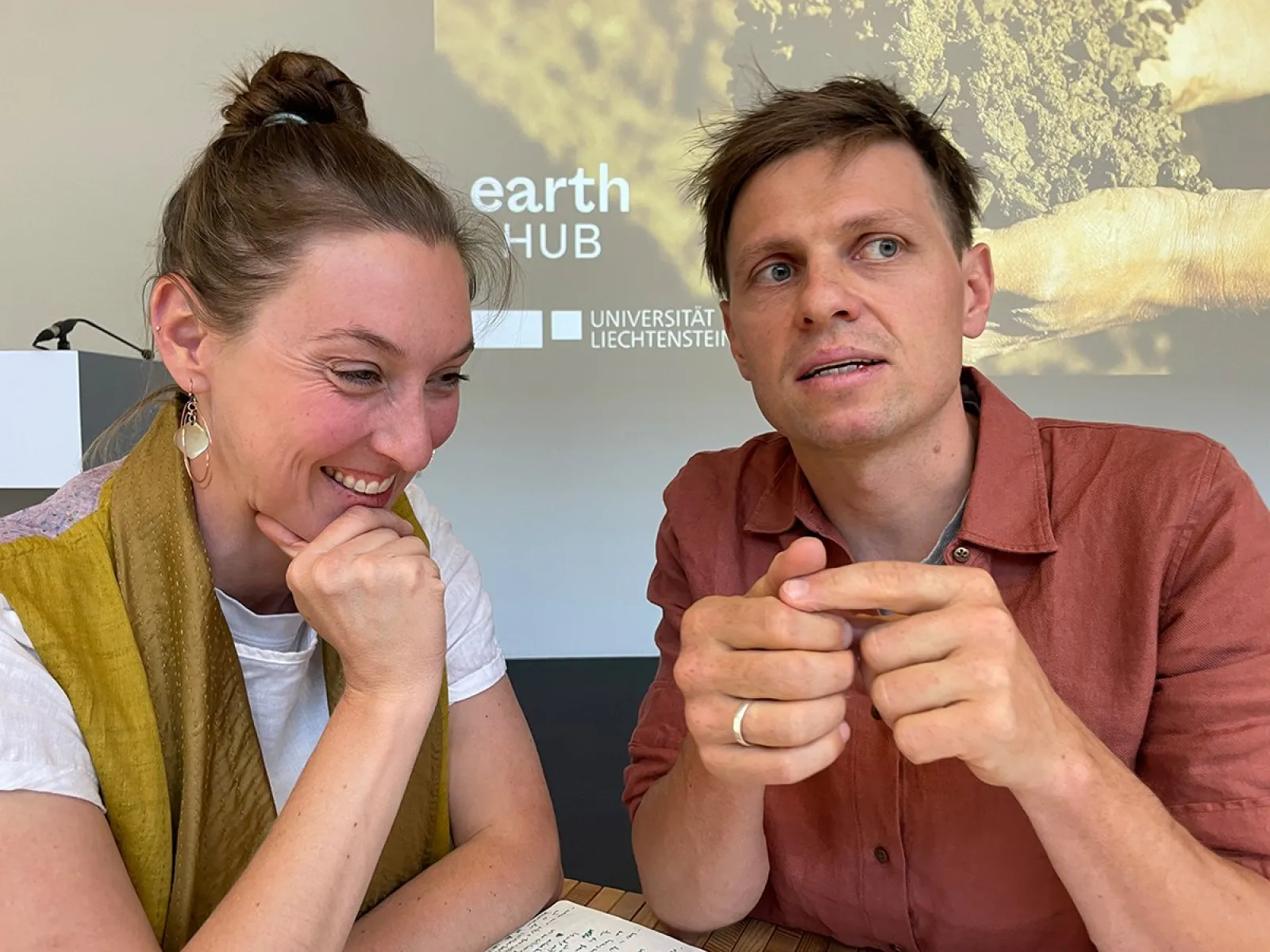
The new Earth Hub at the Liechtenstein School of Architecture aims to advance research and practice in climate-friendly construction in an interdisciplinary manner over the next few years. The aim is to take knowledge from the ivory tower out into the four-country region and Europe: “We are united by our enthusiasm for technical innovation and for our precious natural environment”, says Martin Mackowitz, coordinator of the new Earth Hub at the University of Liechtenstein.

 

ERCIS Workshop: Call for Exchange on Teaching Innovation in Higher Education

ERCIS Workshop: Call for Exchange on Teaching Innovation in Higher Education

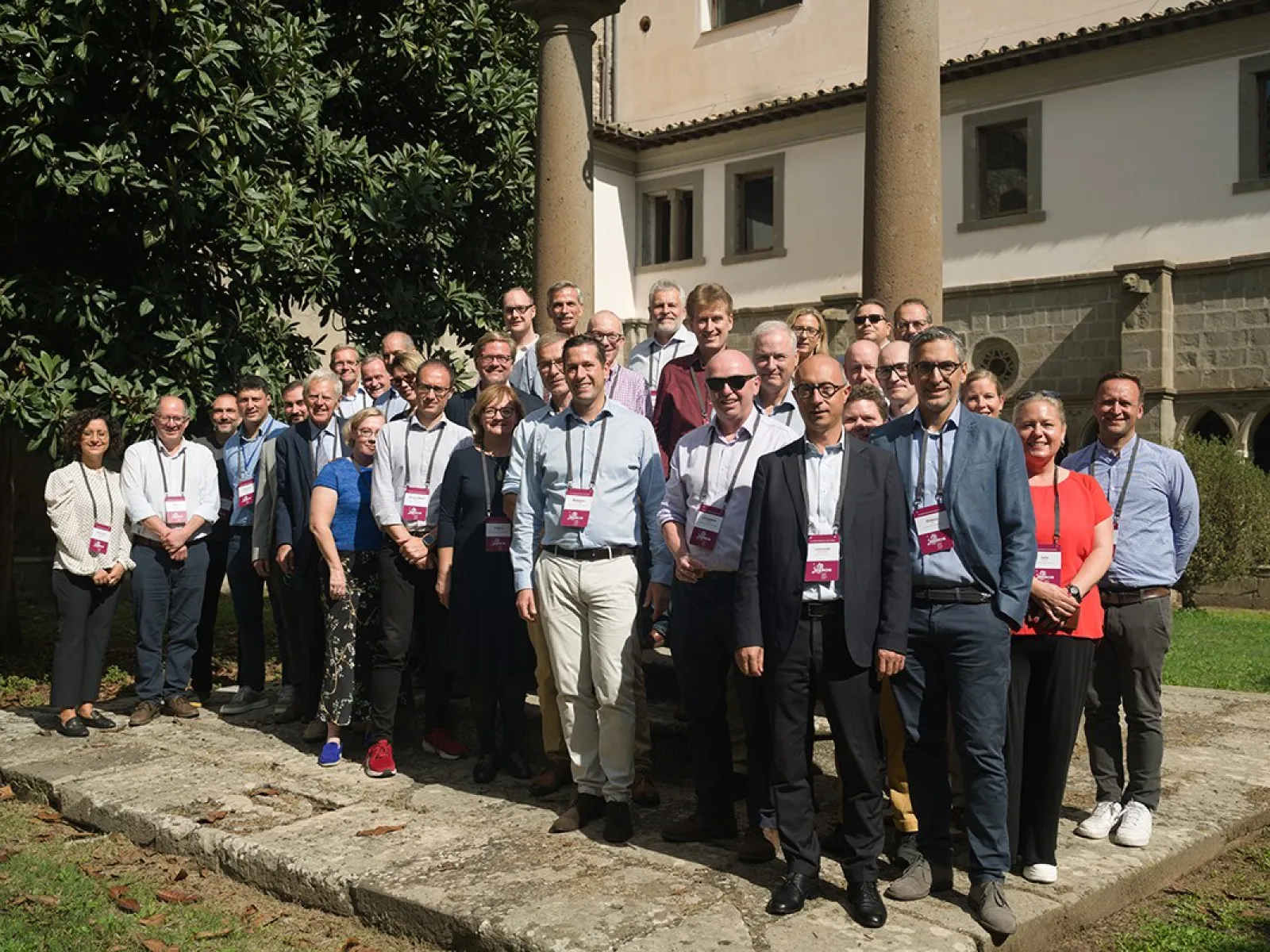
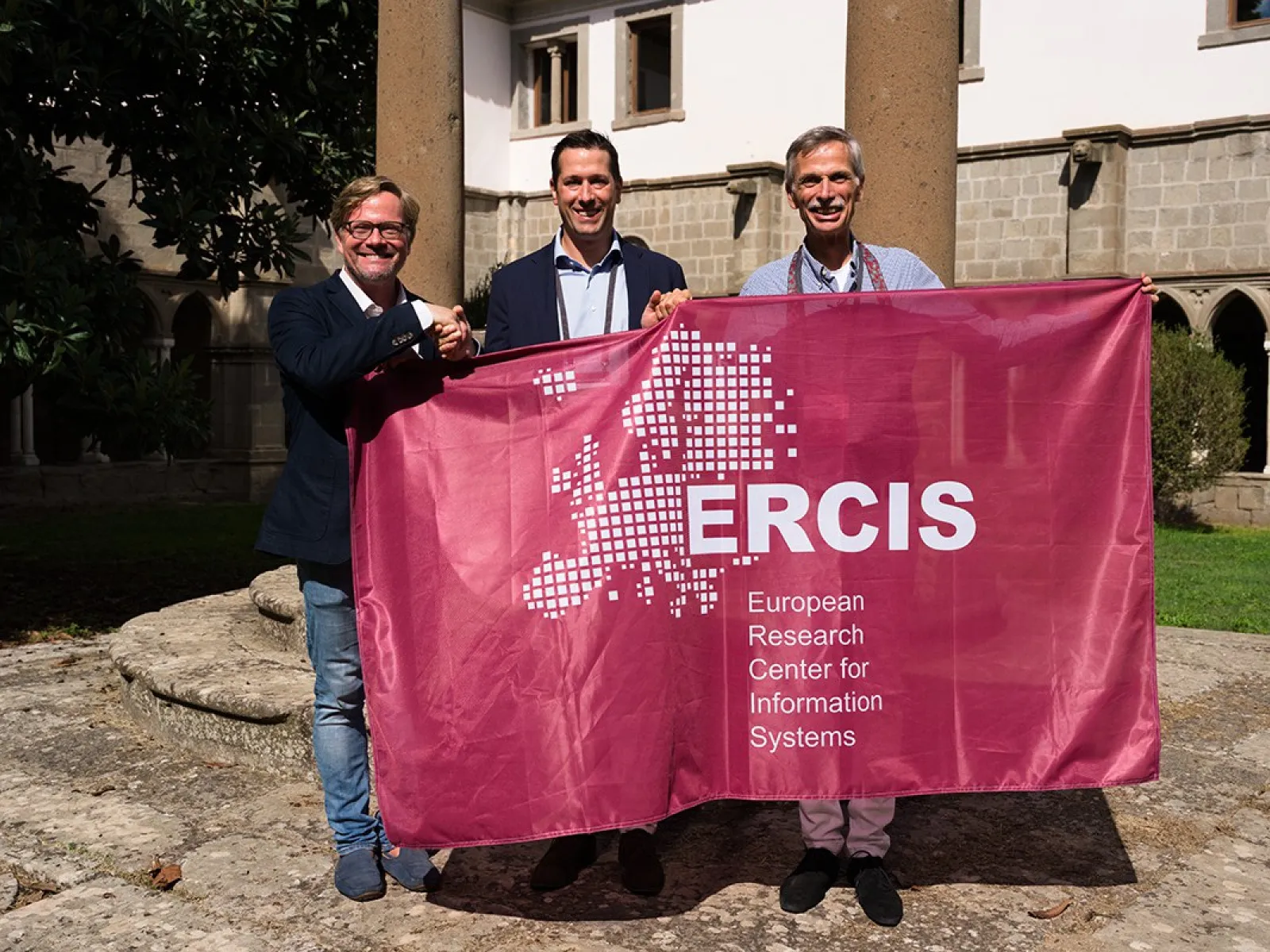
The annual workshop of the European Research Center for Information Systems (ERCIS) network took place in Viterbo (IT) from September 23 to 25, 2024. The host was Prof. Alessio Maria Braccini.


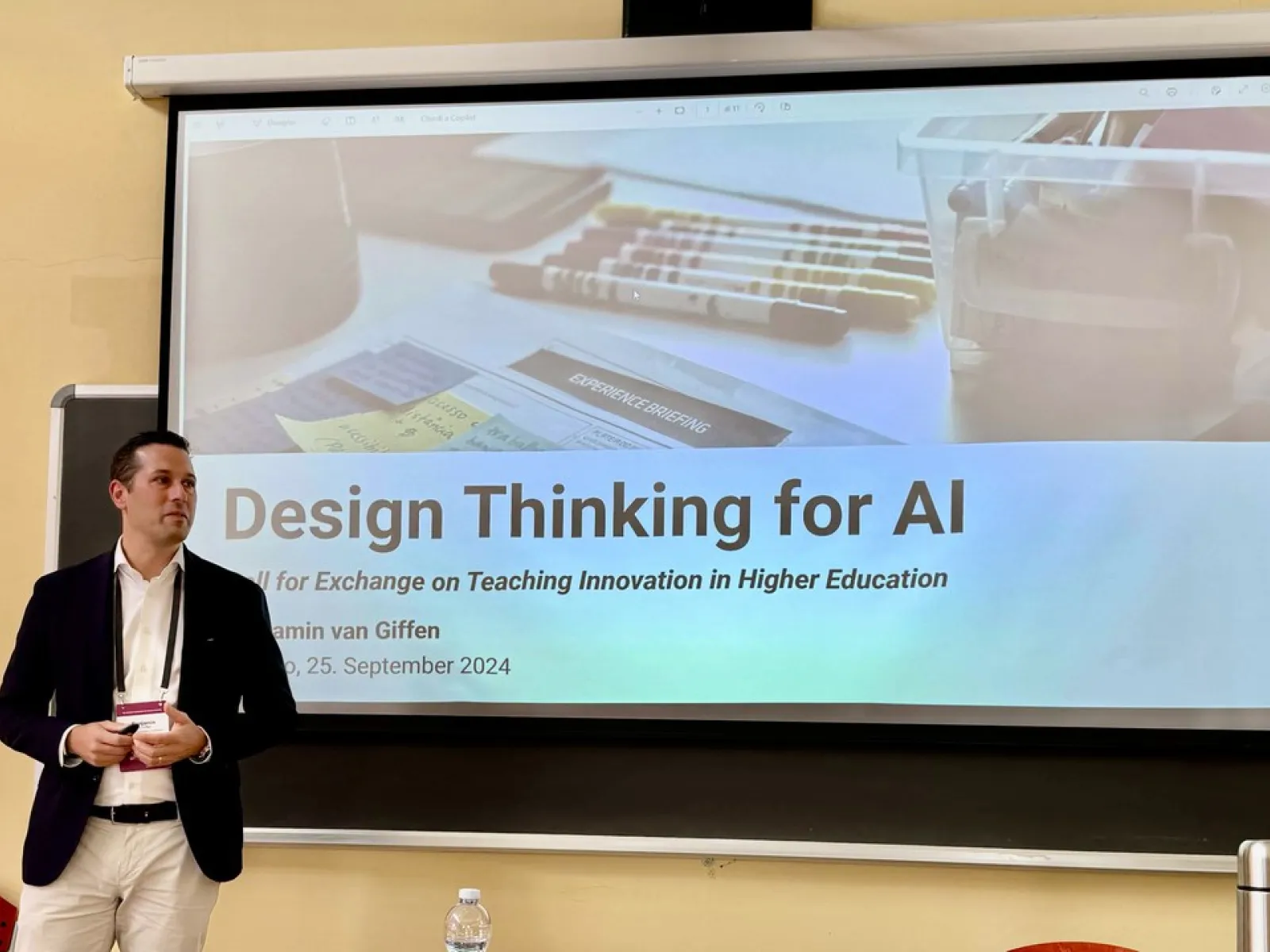
As part of the annual meeting of the members of the ERCIS network, Assoc. Prof. Dr. Benjamin van Giffen, Professor of Information Systems and Digital Innovation, spoke about the initiation of a dialog and exchange of experience between the ERCIS partners on the development of innovative teaching formats at the interface of human and artificial/digital innovation. The aim is to establish international cooperation formats with the aim of further developing and adapting socially widely available approaches for teaching human-centered design methods and processes, in particular design thinking, for the generation of digital innovations, especially AI-based digital innovations.


The European Research Center for Information Systems (ERCIS) network is a dynamic international cooperation of research institutions and companies in the field of information systems. The members of the ERCIS network meet once a year at one of the partner institutions to discuss current topics, introduce new members and plan joint research or teaching activities. The network includes scientists, company representatives and partners from more than 25 countries, which provides the opportunity to address current challenges on the path to a digital Europe from a multidisciplinary and international perspective. The ERCIS network is led by Prof. Dr. Dr. h.c. Jörg Becker (University of Münster) and Prof. Dr. Jan vom Brocke (University of Münster and visiting professor at the University of Liechtenstein).


https://www.ercis.org


Fourth Intensive Course on “International Sanctions Law”

Fourth Intensive Course on “International Sanctions Law”

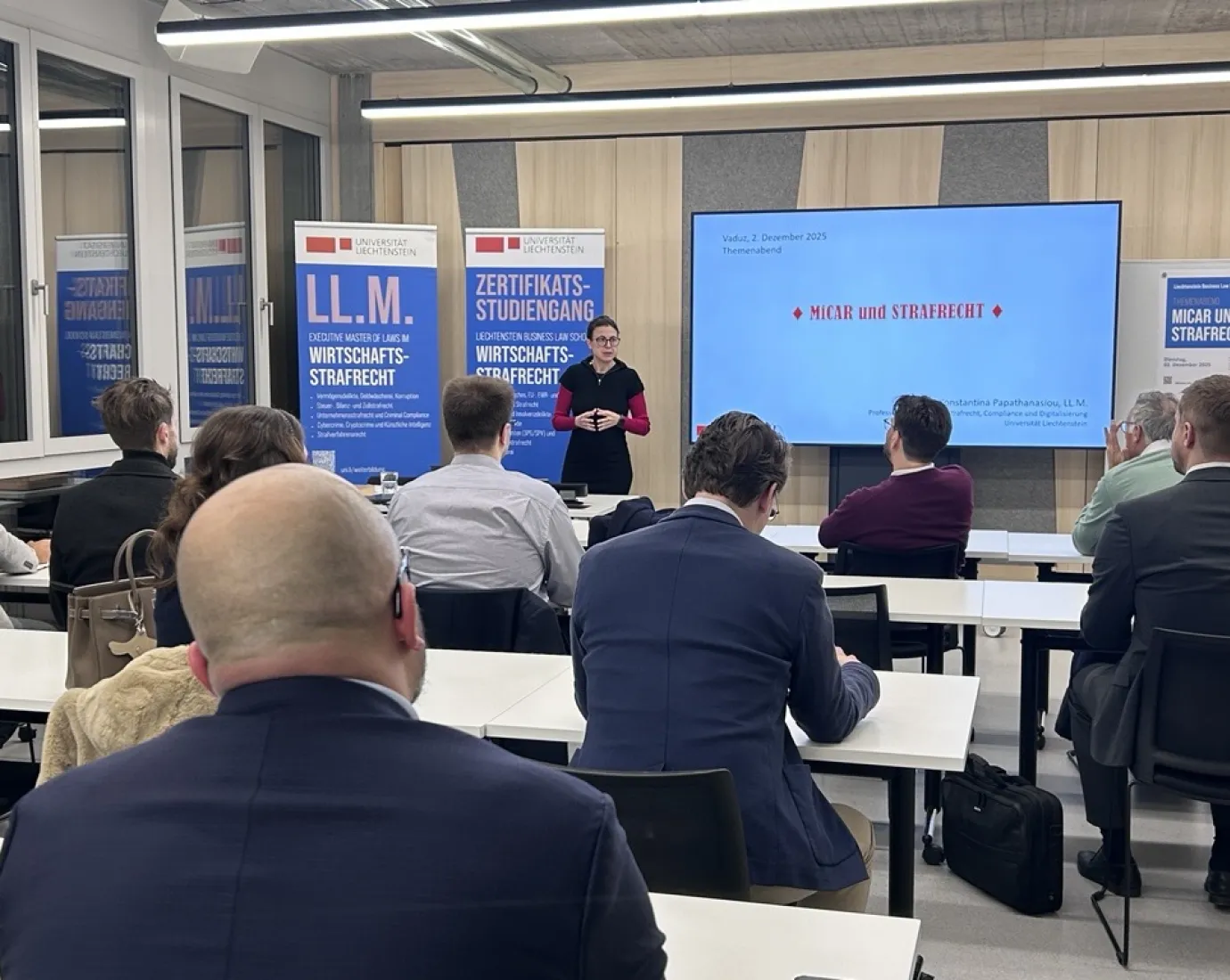
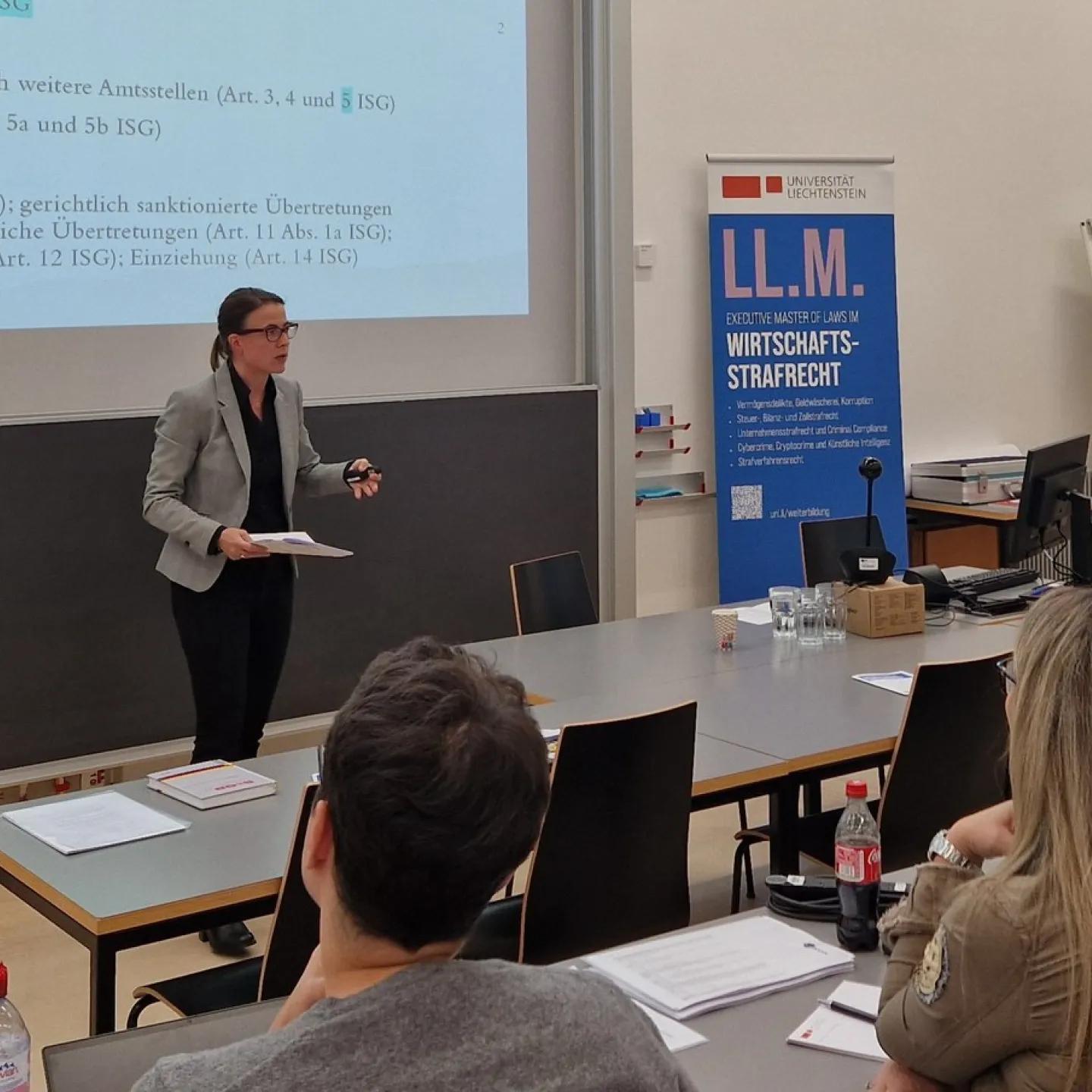
Eine Person hält einen Vortrag in einem Seminarraum der Universität Liechtenstein. Im Hintergrund ist eine Präsentationsfolie zu sehen. Rechts steht ein Roll-Up mit der Aufschrift "LL.M. Wirtschafts-Strafrecht". Teilnehmer sitzen an Tischen und hören zu.

On 3 and 4 October 2024, the Chair for Economic Criminal Law, Compliance, and Digitalization held the fourth edition of the intensive course "International Sanctions Law."


Following the welcome address by Prof. Dr. Konstantina Papathanasiou, LL.M., the course featured seven presentations covering various aspects of international sanctions law. The opening lecture was delivered by Dr. Georges Baur (Research Associate in Law at the Liechtenstein Institute, Gamprin-Bendern), who provided insights into the international framework of Liechtenstein’s sanctions law (UN–EEA treaties with Switzerland) and the political dimensions of sanctions.


Prof. Dr. Konstantina Papathanasiou, LL.M. (Chair of Economic Criminal Law, Compliance, and Digitalization) then introduced Liechtenstein’s Sanctions Act (ISG), focusing on Articles 1–5b and 9 ISG, and explained the criminal provisions in Articles 10 and 11 ISG. The focus was on distinguishing between intent and negligence, as well as on the liability of legal persons. These provisions were illustrated using the criminal provisions of the Ukraine Regulation. The presentation concluded with a look at the EU Directive 2024/1226, which defines criminal offenses and penalties for violations of the Union’s restrictive measures.


Next, Biba Homsy (Partner and Founder, Homsy Legal, Geneva/Luxembourg) gave an online presentation on “Practical Issues in Sanctions Law in Luxembourg.”


The first day ended with a talk by Mag. Piotr Daniel Kocab, LL.M. (Gasser Partner Attorneys at Law) titled “Fear of the OFAC – Resignation from a Foundation Board Due to Russia-Related Connections? What Is Reasonable to Expect from a Foundation Board Member?”


On the second day, Dr. Teresa-Christina Macan, Dr. Hannah Blecha, LL.B., and Lic. iur. Alexander Schwartz (Schwärzler Attorneys at Law) presented “Practical Issues in Sanctions Law in Liechtenstein and Switzerland, Focusing on Sanctions Against Russia Based on the Ukraine Sanctions Regulation,” analyzing recent case law and practical examples.


This was followed by a presentation by Mag. Piotr Daniel Kocab, LL.M. (Gasser Partner Attorneys at Law) on the topic “Over-Compliance: How Much Protection Does the Law Offer?”


The course concluded with a presentation by Gerd König (Financial Crime Prevention LGT, Vaduz) on the significance and scope of international sanctions, with a focus on EU–US relations and their impact on Liechtenstein banks.


The strong interest of the numerous participants once again confirmed the need for in-depth and ongoing dialogue on this highly relevant and complex subject. The next course will take place on 10 and 11 April 2025.


Further information is available at www.uni.li/isg.


Eine Person hält einen Vortrag in einem Seminarraum der Universität Liechtenstein. Im Hintergrund ist eine Präsentationsfolie zu sehen. Rechts steht ein Roll-Up mit der Aufschrift "LL.M. Wirtschafts-Strafrecht". Teilnehmer sitzen an Tischen und hören zu.

University of Liechtenstein and Local Industry Cooperate to Promote Health in the Construction Industry

University of Liechtenstein and Local Industry Cooperate to Promote Health in the Construction Industry

Ein Bauarbeiter kniet auf dem Boden und benutzt einen roten Kombi-Hammer, um eine Wand zu bearbeiten. Im Vordergrund liegen Werkzeuge und Bauutensilien.

Together with an industrial company in Liechtenstein, Assoc. Prof. Dr. Johannes Schneider from the University of Liechtenstein has investigated how modern technologies can improve the health of construction workers.


A key health risk in the construction industry is the hand-arm vibration syndrome (HAVS), which is caused by working with highly vibrating tools. To date, there are only limited options for monitoring the duration and intensity of vibration exposure, especially when several tools are in use.


In the study, Assoc. Prof. Dr. Johannes Schneider analyzed movement data recorded during the use of combi-hammers using a smartwatch. This data made it possible to precisely determine the intensity with which the combi hammers were used and for which activities.


The knowledge gained forms the basis for future measures to prevent the hand-arm vibration syndrome. For example, the individual vibration exposure time could be transmitted directly to the worker to warn them against excessive use of the tools. At the same time, the planning office can benefit from an aggregated overview of vibration exposure, enabling more efficient and cost-saving planning of tasks, personnel and equipment - all while complying with HAVS limits.


The study, published in the trade journal “Automation in Construction”, impressively demonstrates how close collaboration between university and industry can lead to innovative solutions that benefit both partners and the industry as a whole.


Details of the study:


https://www.sciencedirect.com/science/article/pii/S0926580524004205#d1e1065


Altheimer, J., & Schneider, J. (2024). Smart-watch-based construction worker activity recognition with hand-held power tools. <i>Automation in Constructin</i><i>, 167</i>v


Ein Bauarbeiter kniet auf dem Boden und benutzt einen roten Kombi-Hammer, um eine Wand zu bearbeiten. Im Vordergrund liegen Werkzeuge und Bauutensilien.

Token Summit Liechtenstein – MiCAR Expert Roundtable

Token Summit Liechtenstein – MiCAR Expert Roundtable

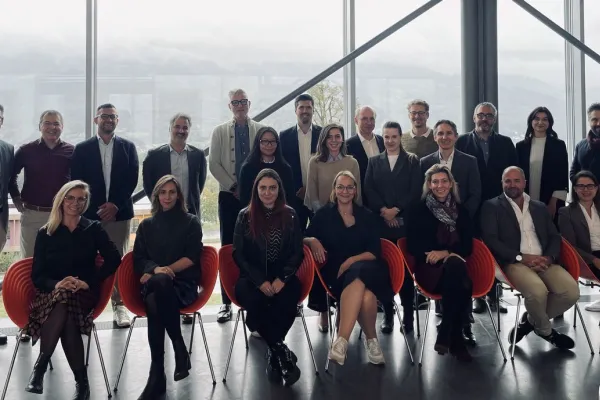
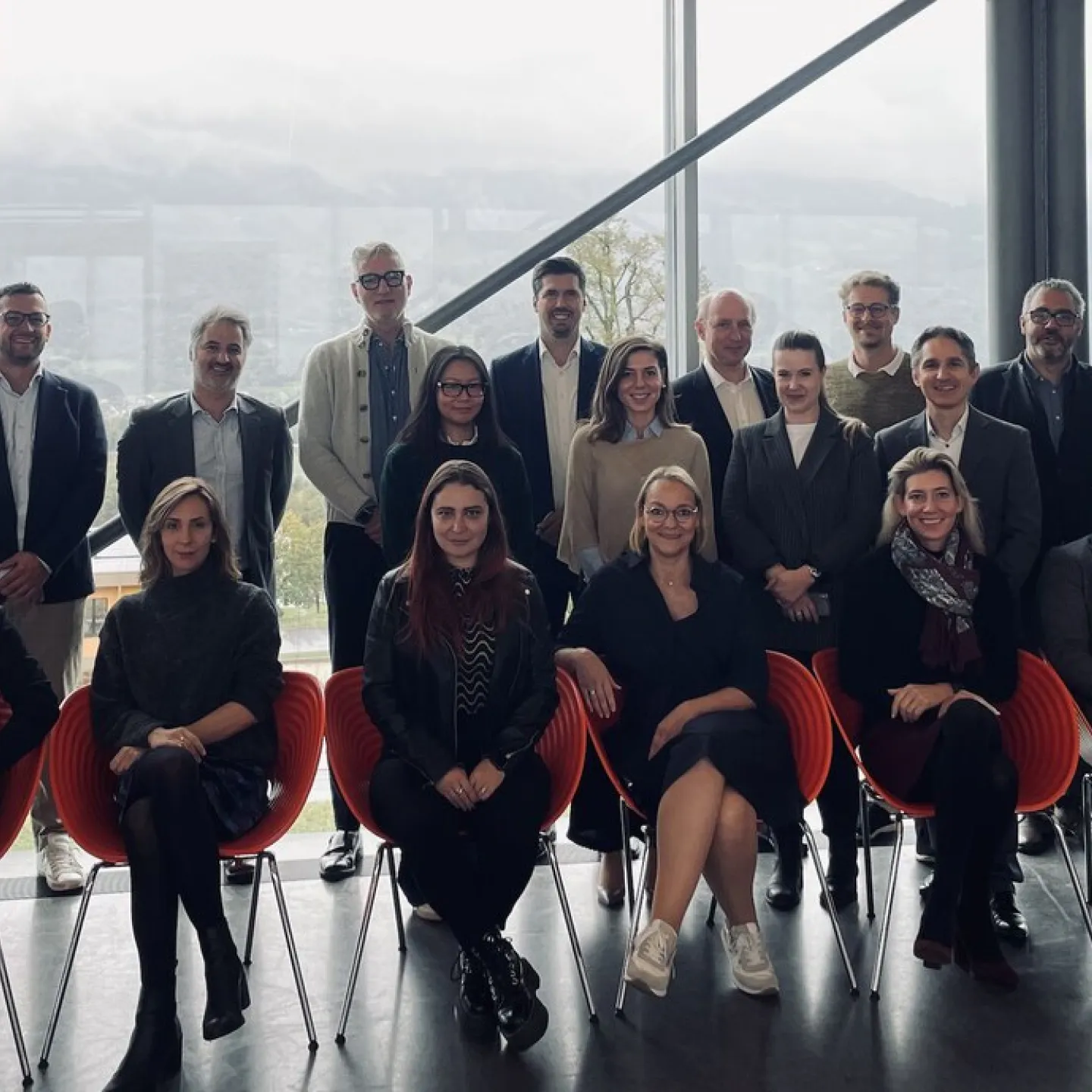
Gruppenfoto von Teilnehmenden der MiCAR Expert Roundtable Series an der Universität Liechtenstein. Die Personen stehen und sitzen in zwei Reihen vor einer großen Fensterfront mit Blick auf eine bergige Landschaft.

As part of the Token Summit Liechtenstein, the 7th session of the "MiCAR Expert Roundtable Series" took place at the University of Liechtenstein in early October.


The roundtable was organized by the CCA Trustless Technologies Association e.V. in collaboration with the European Commission, the Office for Financial Market Innovation & Digitalization, NÄGELE Attorneys at Law LLC, CCA-Token Summit Liechtenstein, the University of Liechtenstein, and Bitpanda.
Professor Konstantina Papathanasiou opened the event with a welcome address, followed by a keynote by Dr. Clara Guerra. Presentations included topics such as capital requirements by Dr. Christian Steiner, gas fee stations by Nina Gartmann, and outsourcing by Dr. Thomas Nägele.


Insightful discussions with a diverse group of participants—industry experts, regulators, and practitioners—rounded off the roundtable.


Gruppenfoto von Teilnehmenden der MiCAR Expert Roundtable Series an der Universität Liechtenstein. Die Personen stehen und sitzen in zwei Reihen vor einer großen Fensterfront mit Blick auf eine bergige Landschaft.

ESG is Here to Stay: Padova Multidisciplinary Summer School on Corporate Sustainability 2024

ESG is Here to Stay: Padova Multidisciplinary Summer School on Corporate Sustainability 2024

Historischer Innenhof der Universität Padua mit Säulen und verzierten Fassaden, beleuchtet von Sonnenlicht.

From 23 to 27 September 2024, the "Multidisciplinary Summer School on Corporate Sustainability" took place at the University of Padua, addressing a wide range of issues concerning the impact of ESG on the economy and society. The University of Liechtenstein was represented in Padua with lectures by Prof. Dr. Alexandra Butterstein, LL.M., and Prof. Dr. Francesco A. Schurr.


Under the guidance of internationally renowned academics and experts, participants had the opportunity to engage deeply with transnational and interdisciplinary ESG topics, which are closely aligned with the 17 United Nations Sustainable Development Goals.


In her lecture, Prof. Alexandra Butterstein thoroughly examined various questions concerning the fiduciary powers of trustees in the context of trusts. Her presentation addressed the challenges and opportunities arising from the integration of social and environmental aspects into trustees’ investment decisions. Prof. Butterstein emphasized that increasing pressure from new generations of beneficiaries, as well as global challenges such as climate change, call for an expanded interpretation of fiduciary duties—one that incorporates ethical considerations alongside traditional financial objectives. She also provided recommendations and behavioral guidelines, supported by relevant case law, to justify responsible and sustainable decision-making.


Prof. Francesco A. Schurr also delivered a lecture, focusing on the EU Directive 2022/2464 on Corporate Sustainability Reporting (CSRD) and its current practical implications. He explained that the directive strengthens the requirements for reporting on social and environmental matters, aiming to protect both shareholders and stakeholders. Moreover, the CSRD is also relevant for non-EU companies generating more than €150 million in the EU market, highlighting the need for a global approach to sustainability reporting. Prof. Schurr further pointed out the legal risks of greenwashing and recommended strategies for accurate reporting and stronger stakeholder engagement.


The subsequent discussions following the lectures by Prof. Butterstein and Prof. Schurr explored selected aspects of their respective topics in greater depth, including specific features relevant to Liechtenstein. Overall, the University of Padua's Summer School offered participants a valuable opportunity to gain insights into the latest international developments in corporate sustainability and to actively contribute to the exchange of ideas on potential solutions.


Historischer Innenhof der Universität Padua mit Säulen und verzierten Fassaden, beleuchtet von Sonnenlicht.

Prof. Dr. Bernhard Burtscher Appointed Professor of Banking and Financial Market Law

Prof. Dr. Bernhard Burtscher Appointed Professor of Banking and Financial Market Law

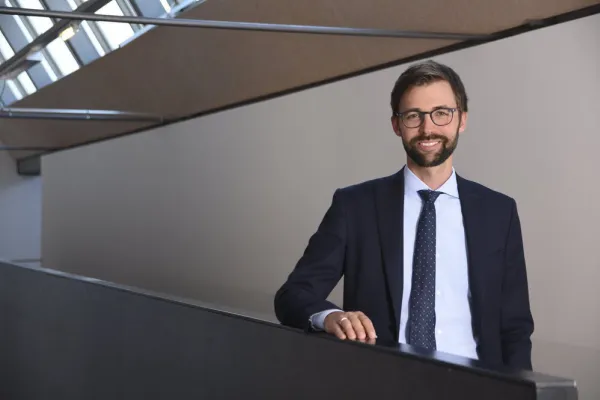
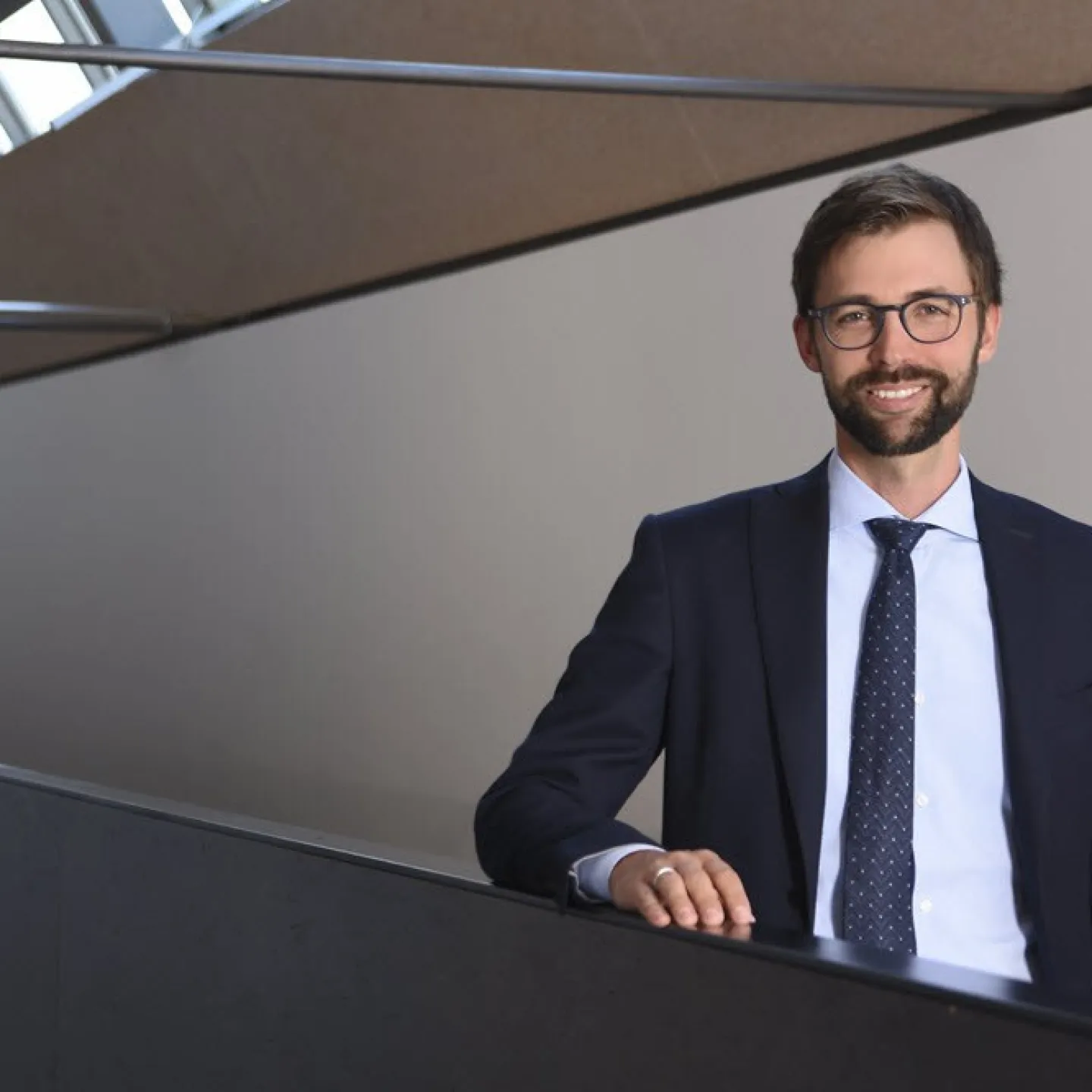
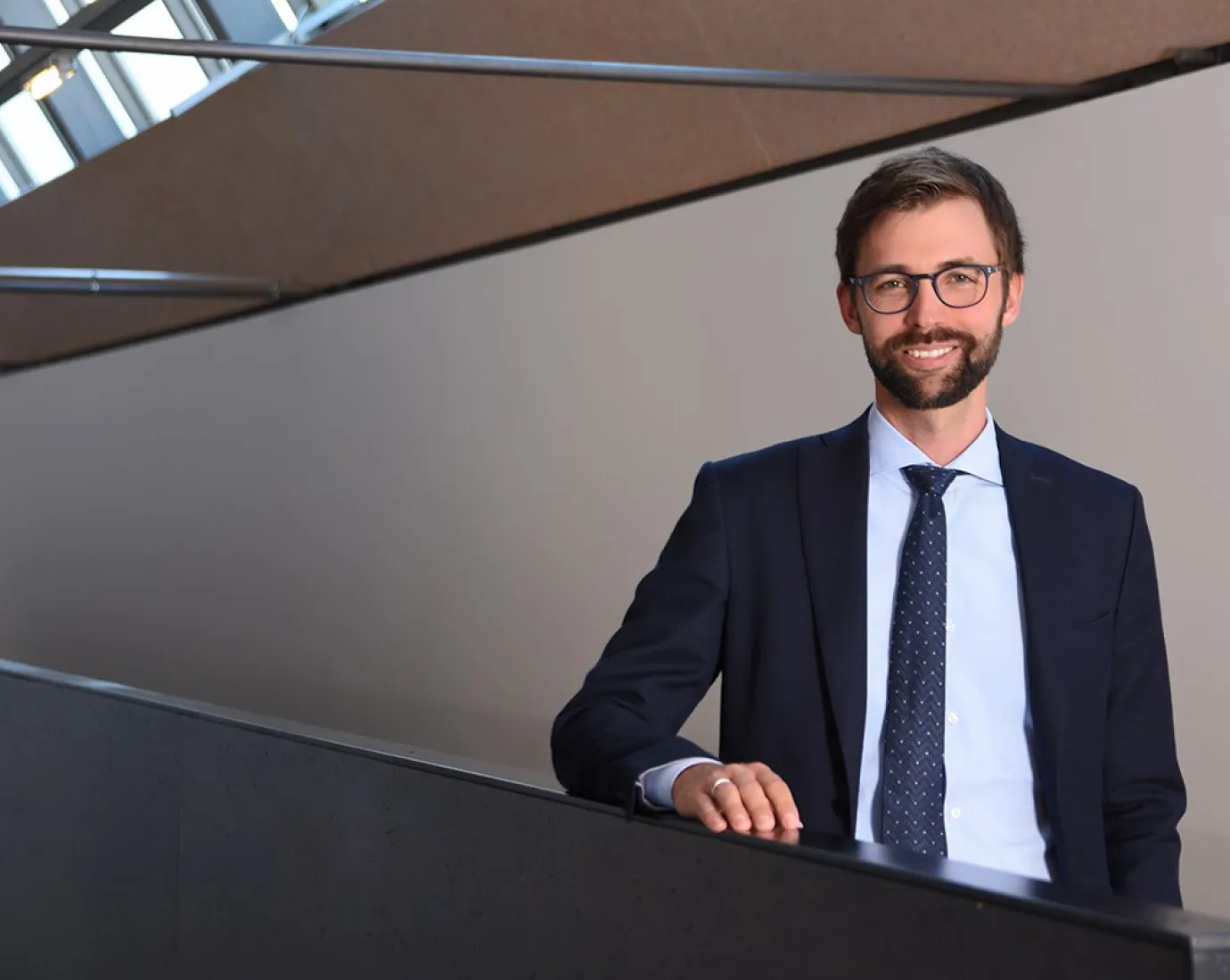
Ein Mann in Anzug und Krawatte steht lächelnd in einem modernen Gebäude mit großen Fenstern.

As of October 1, 2024, Prof. Dr. Bernhard Burtscher will officially assume the Professorship of Banking and Financial Market Law after a successful term as acting professor.


Prof. Dr. Bernhard Burtscher has been serving as acting professor at the Chair of Banking and Financial Market Law at the Liechtenstein Business Law School since April 1, 2023.


His previous professional experience includes positions at the Supreme Court in Vienna and as an assistant professor at the Vienna University of Economics and Business. His research focuses on banking and insurance law, with his habilitation project dedicated to payment services law.


Bernhard Burtscher is originally from the region and was already affiliated with the Chair of Banking and Financial Market Law at the Institute for Business Law as a postdoctoral researcher from 2019 to 2020. He was awarded the Liechtenstein Prize by the Government of the Principality of Liechtenstein in 2020, and even prior to his appointment, he was a lecturer in banking law for the LL.M. in Banking and Financial Market Law and a regular speaker at the University of Liechtenstein.
 

Ein Mann in Anzug und Krawatte steht lächelnd in einem modernen Gebäude mit großen Fenstern.

Children and cybersecurity: New Erasmus+ project at the University of Liechtenstein

Children and cybersecurity: New Erasmus+ project at the University of Liechtenstein

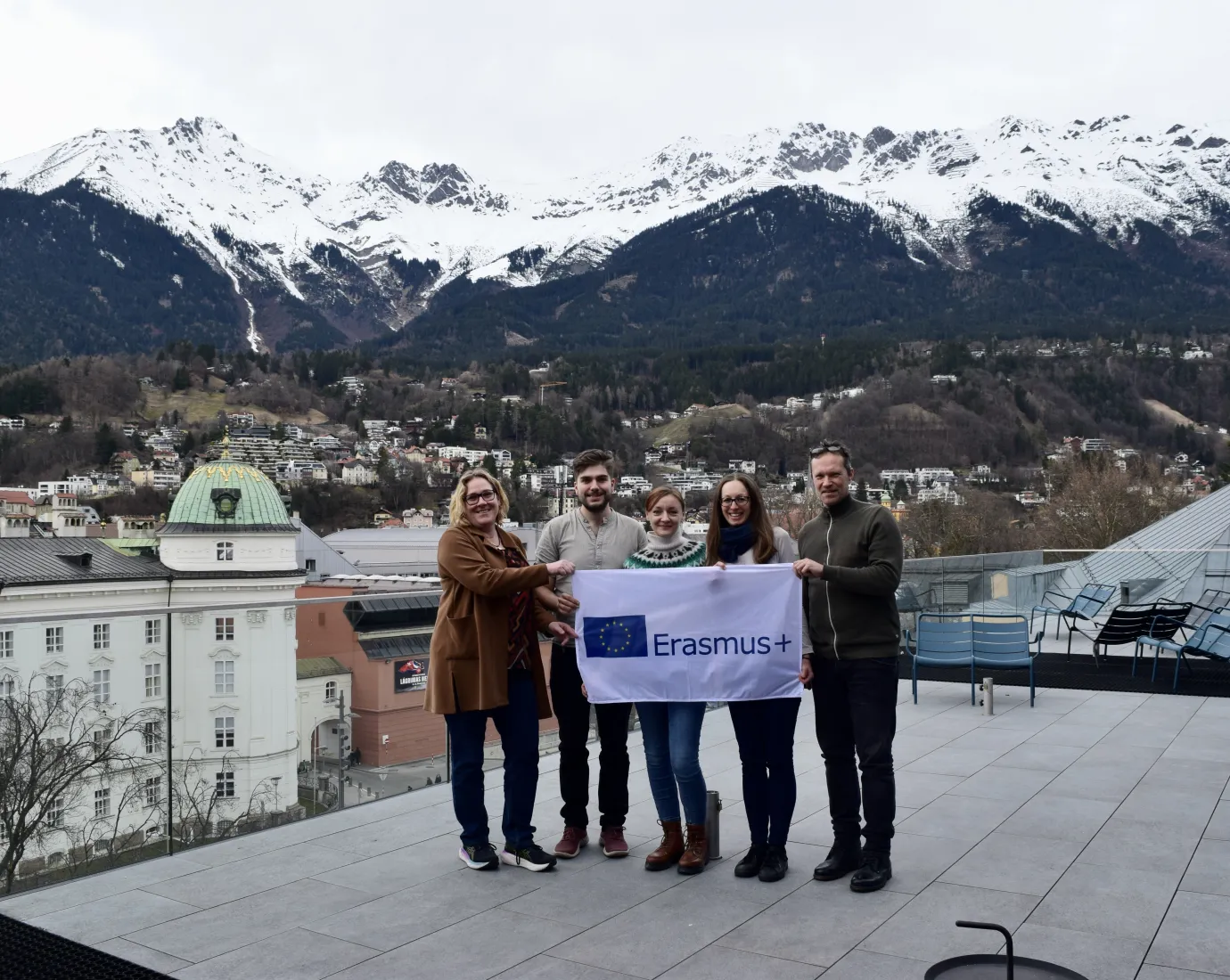
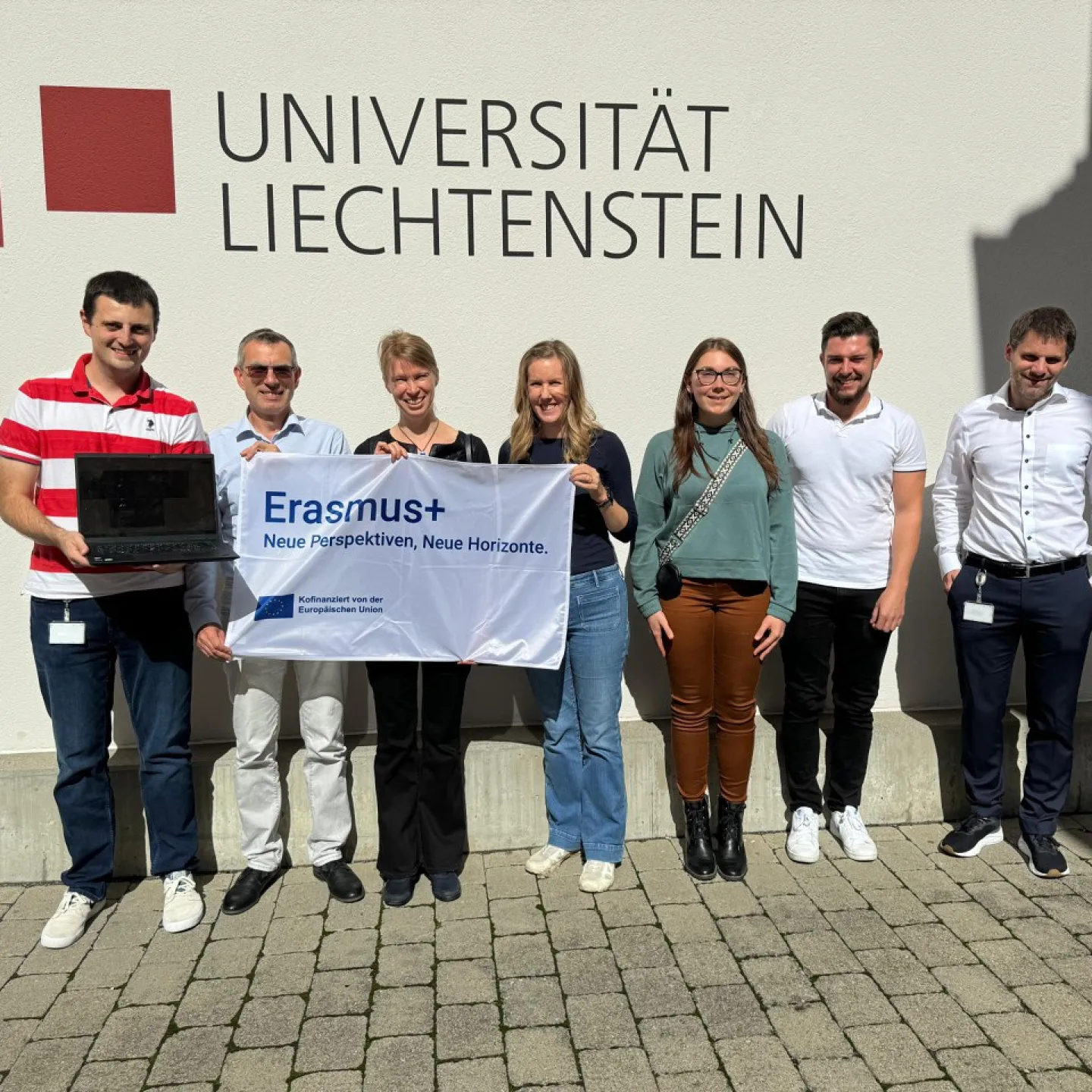
Eine Gruppe von sieben Personen steht vor einem Gebäude mit dem Schriftzug "Universität Liechtenstein". Sie halten ein Banner mit der Aufschrift "Erasmus+ Neue Perspektiven, Neue Horizonte".

Nowadays, children are exposed to the dangers of the internet at a very early age. There is therefore an urgent need to develop suitable didactic tools for teaching cyber safety to young people. The new Erasmus+ project ‘KidCy’ at the University of Liechtenstein, led by Dr Irdin Pekaric and Prof Dr Pavel Laskov at the Hilti Professorship for Data and Application Security, is addressing this issue.


Nowadays, entry into the digital world begins at a young age. Exciting games, funny videos, later social contacts, online shopping and even their own accounts - children already master a wide range of digital applications and technologies with impressive naturalness, which have a significant influence on their private and later also their professional lives.


The security risks to which children are exposed on the internet range from social phenomena such as bullying and damage caused by fraudulent messages or apps to threats to their physical safety through communication with strangers. Dealing with such risks has long been a concern for parents, teachers and socio-educational services. However, the problems are complex and require technical as well as social and educational measures.


The new Erasmus+ project ‘KidCy’ at the University of Liechtenstein, led by Dr Irdin Pekaric and Prof. Dr Pavel Laskov at the Hilti Professorship for Data and Application Security, is concerned with developing a new curriculum that includes suitable didactic tools for teaching cyber security to children. The aim of the project is to first research children's self-perception of cyber security and link it to the known risks in order to develop suitable teaching methods and teaching materials on this basis.


At the first project meeting on 26 and 27 September 2024, researchers from Liechtenstein, Norway, Austria, Lithuania and the Czech Republic met at the University of Liechtenstein to discuss the planning and design of the first steps of this ambitious project. The results are to be presented to stakeholders in the school system and social services in the Rhine Valley region as early as 2026.


Eine Gruppe von sieben Personen steht vor einem Gebäude mit dem Schriftzug "Universität Liechtenstein". Sie halten ein Banner mit der Aufschrift "Erasmus+ Neue Perspektiven, Neue Horizonte".

Kick-off Workshop Series ‘Self-Leadership’ in Cooperation with SWISS Operations

Kick-off Workshop Series ‘Self-Leadership’ in Cooperation with SWISS Operations

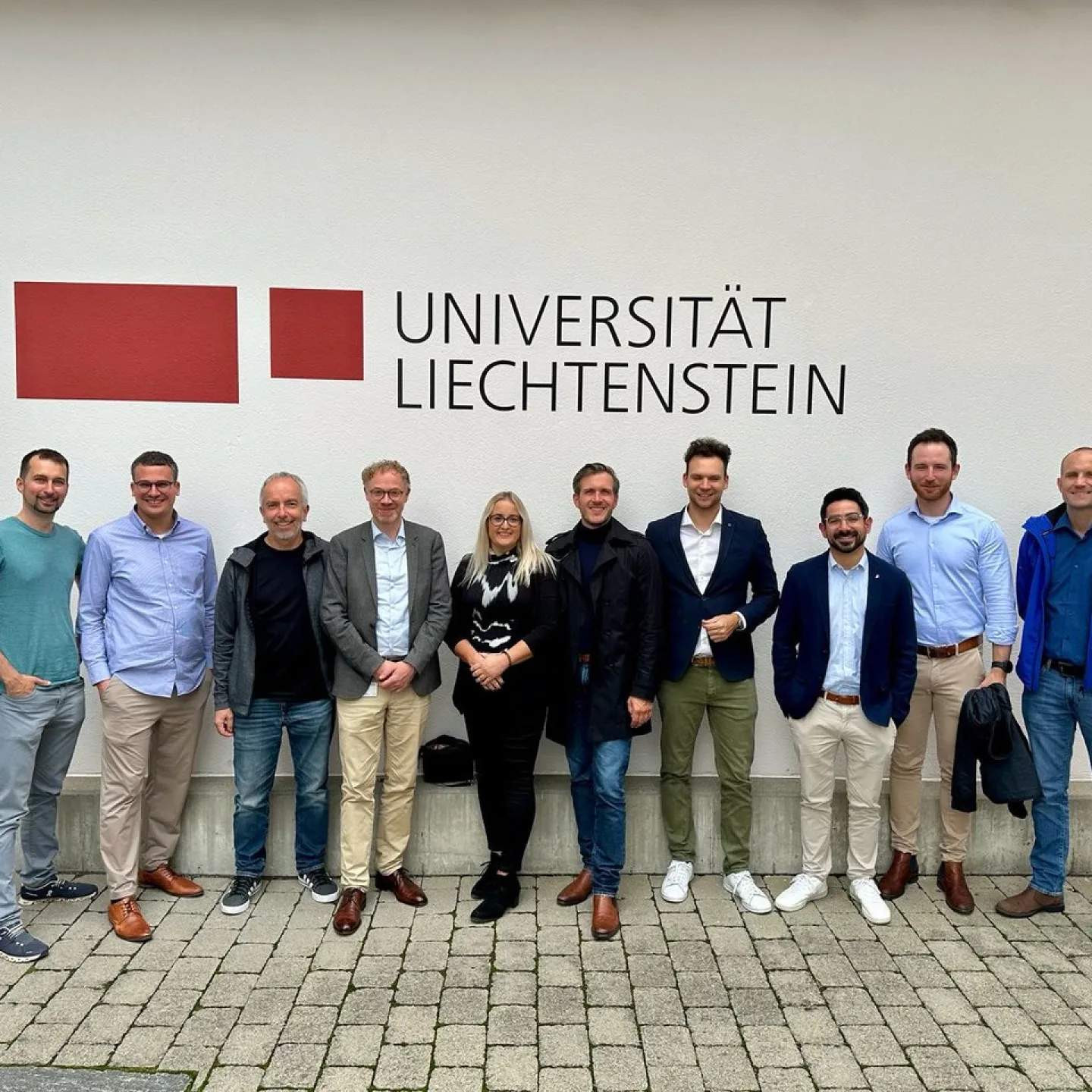
Gruppe von zehn Personen steht lächelnd vor einer Wand mit dem Logo der Universität Liechtenstein. Sie tragen unterschiedliche Freizeit- und Businesskleidung.
On Thursday, 26 September 2024, an intensive train-the-trainer workshop focusing on self-leadership took place at the University of Liechtenstein under the direction of Julia Tenschert (Chair of Entrepreneurship and Leadership).


Self-leadership plays a decisive role in aviation - especially in situations where precise decisions are required under high time pressure and in complex environments. After all, successful leadership begins with the manager himself.


The core team of the SWISS Operations Leadership Curriculum and eight other leadership facilitators and pilots were not only strengthened in their own self-leadership potential in this workshop, but also received practical methods that they can apply and pass on in future leadership training courses and within SWISS Operations.
 

Gruppe von zehn Personen steht lächelnd vor einer Wand mit dem Logo der Universität Liechtenstein. Sie tragen unterschiedliche Freizeit- und Businesskleidung.
Kick-off Executive Master of Laws (LL.M.) in Banking and Financial Market Law

Kick-off Executive Master of Laws (LL.M.) in Banking and Financial Market Law

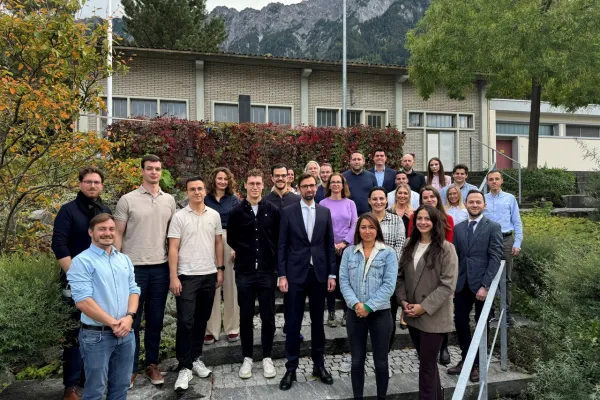
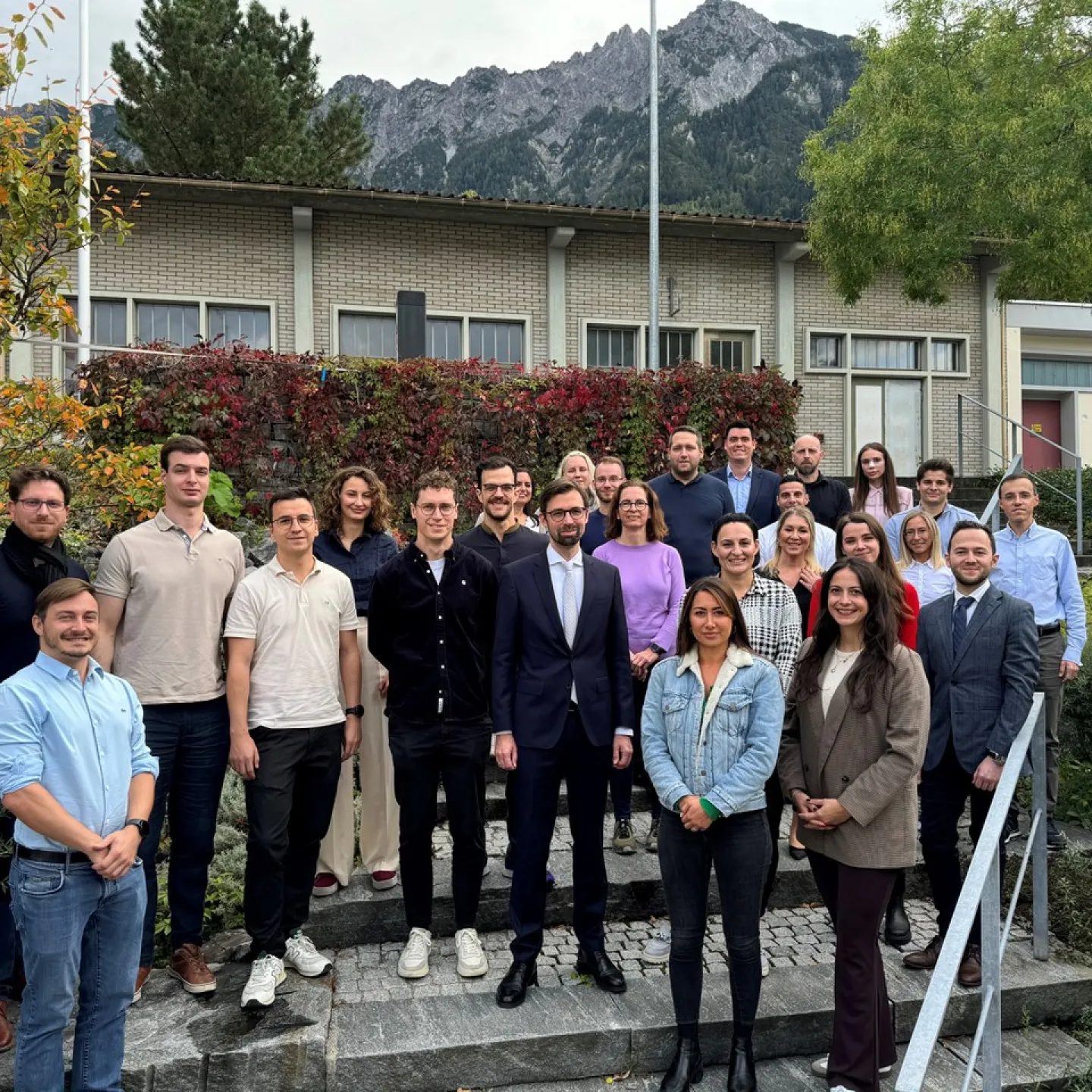
Gruppe von 22 Studierenden und einem Dozenten des Executive Master of Laws (LL.M.) im Bank- und Finanzmarktrecht der Universität Liechtenstein, posierend vor einem Gebäude mit herbstlicher Vegetation und Bergkulisse.

The Executive Master of Laws (LL.M.) in Banking and Financial Market Law kicked off its next round today.


22 students were welcomed by PD Dr. Bernhard Burtscher, who also presented the roadmap for the program: The upcoming four semesters will be filled with lectures on banking and financial market law, including all its subfields and related neighboring areas. At the same time, networking will not be neglected — not only among the students through a social program, but also with key players in the financial market industry in Frankfurt, Luxembourg, and Paris, which will be visited during study trips.


Gruppe von 22 Studierenden und einem Dozenten des Executive Master of Laws (LL.M.) im Bank- und Finanzmarktrecht der Universität Liechtenstein, posierend vor einem Gebäude mit herbstlicher Vegetation und Bergkulisse.
Subscribe to