Skip to Main Content

Young Researchers Meet at the University: International Doctoral Seminar

Young Researchers Meet at the University: International Doctoral Seminar
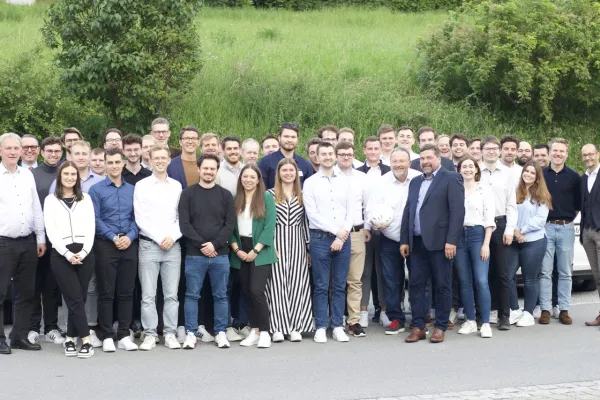
Gruppe von Doktoranden und Professoren steht lächelnd vor einer grünen Wiese bei der Universität Liechtenstein während des Internationalen Doktorandenseminars 2024.

From June 13 to 15, 2024, 55 doctoral candidates and professors from southern Germany, Austria, and Switzerland gathered at the University of Liechtenstein for the International Doctoral Seminar, following an invitation by Marco Menichetti, Dean of the Liechtenstein Business School and Professor of Sustainable Finance.


The IDS (International Doctoral Seminar) has been hosted annually for many years by different universities. The last time it was held at the University of Liechtenstein was in 2011. Since then, the event has continued to evolve and has become an important platform for emerging researchers in the field of finance.


Dedicated entirely to banking and financial research topics, the event offered a space for presenting and discussing current research findings. This year’s program featured 13 presentations, including two contributions from doctoral candidates at the University of Liechtenstein: Lukas Salcher addressed the challenges of predictability in finance in his talk “Lost in Translation: How Predictability Turns into Performance,” while Merlin Bartel explored the global dimension of financial factors in “How Global is Factor Predictability?”


A highlight of the seminar was the joint dinner on Friday evening, which welcomed key representatives from the financial industry: David Gamper, Managing Director of the Liechtenstein Investment Fund Association (LAFV), Fredy Wolfinger, President of the Association of Independent Asset Managers in Liechtenstein (VUVL), and Simon Tribelhorn, Managing Director of the Liechtenstein Bankers Association, contributed their perspectives and presented the Liechtenstein financial center.


Marco Menichetti emphasized the importance of connecting academic research with real-world practice. He noted that engaging with leading industry practitioners can motivate and inspire young researchers. According to Menichetti, events like these not only support academic growth but also encourage the discussion of practical questions and the development of innovative solutions.


The International Doctoral Seminar at the University of Liechtenstein once again demonstrated the value of collaboration between universities. Such events not only support young academics but also strengthen ties to the industry. The resulting partnerships and networks are invaluable for the future of financial research.
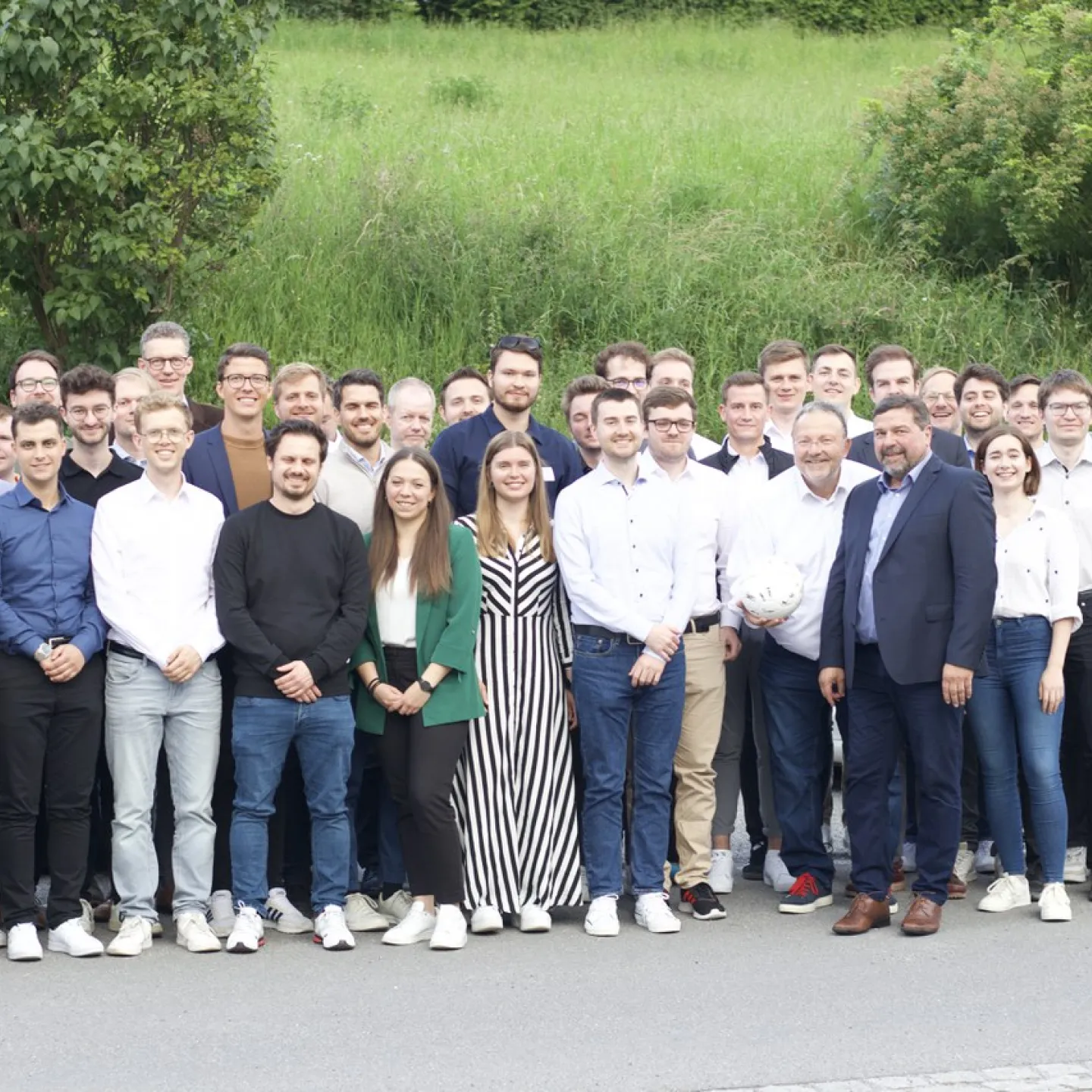
 

Gruppe von Doktoranden und Professoren steht lächelnd vor einer grünen Wiese bei der Universität Liechtenstein während des Internationalen Doktorandenseminars 2024.

Ceremonial Certificate Presentation to New Experts in Blockchain and FinTech

Ceremonial Certificate Presentation to New Experts in Blockchain and FinTech

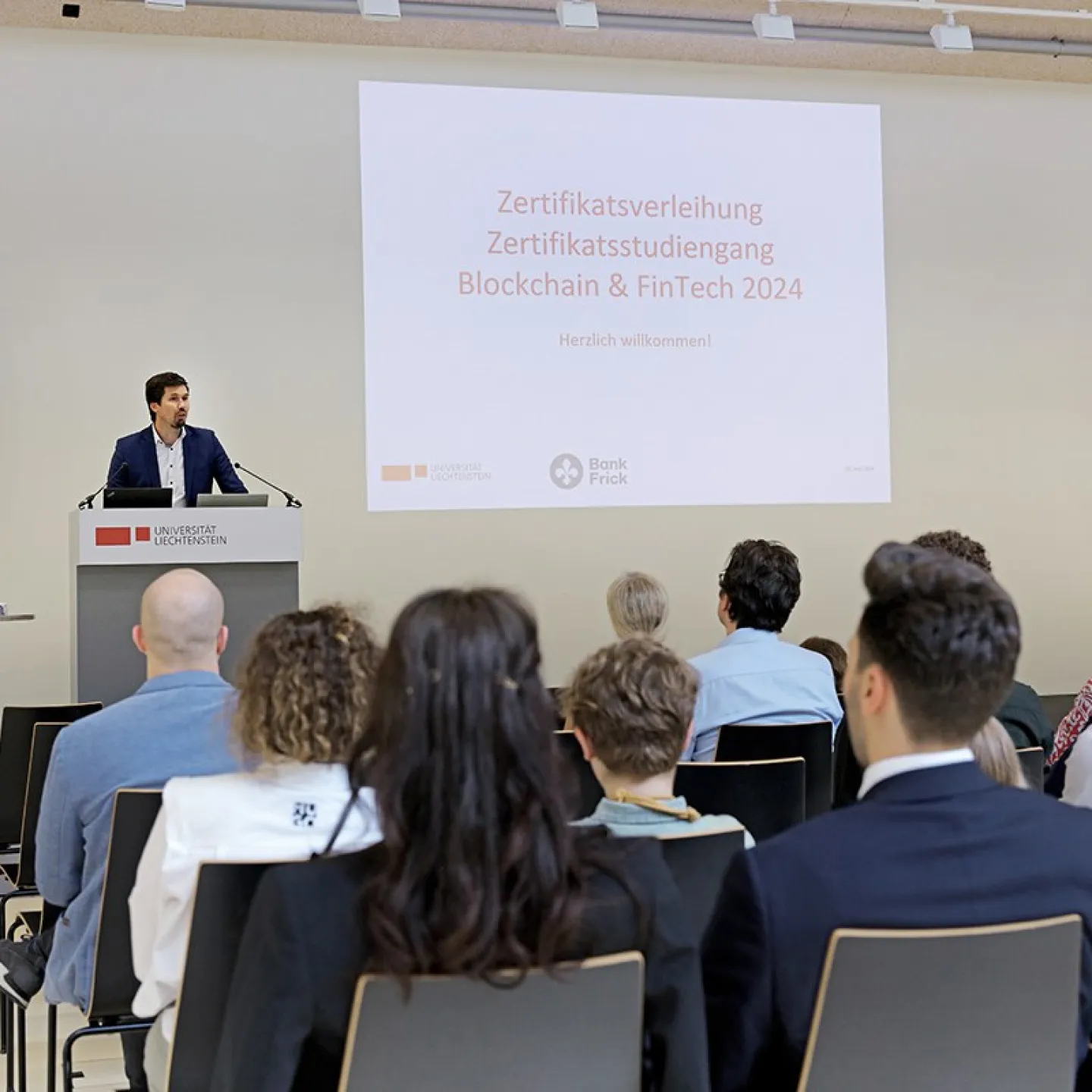
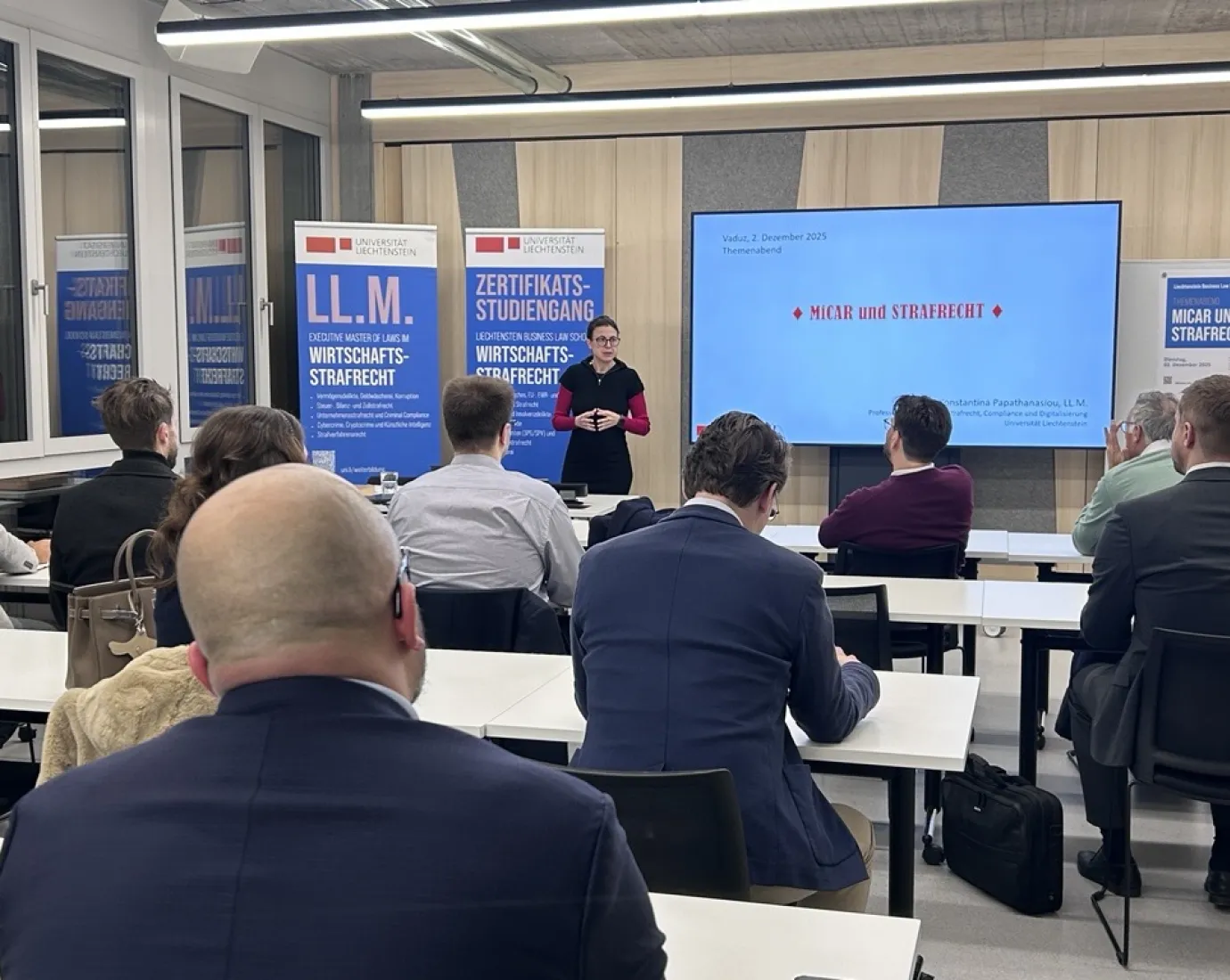
Ein Redner steht an einem Podium vor einer Leinwand mit der Aufschrift "Zertifikatsverleihung Zertifikatsstudiengang Blockchain & FinTech 2024" bei der Universität Liechtenstein. Im Publikum sitzen mehrere Personen. Links und rechts sind Banner von Bank Frick zu sehen.

The University of Liechtenstein is pleased to announce that thirteen students have once again successfully completed the certificate program "Blockchain and FinTech." In a festive graduation ceremony held on June 7, the certificates were presented to the graduates by Assoc. Prof. Dr. Martin Angerer, the program director, and Jonas Gantenbein from Bank Frick.


The certificate program is offered by the Bank Frick Innovative Finance Lab, a collaboration between the University of Liechtenstein and Bank Frick. The program imparts the latest knowledge and skills in dealing with disruptive and promising technologies in the financial industry. During the ceremonial certificate presentation, the top students of the class were also honored. In addition to Ricarda Mauch, the award was given to Sven Lagger, who then delivered the traditional student address.


“The Blockchain and FinTech certificate program at the University of Liechtenstein, with a special focus on finance, has become widely known far beyond the Rhine Valley and attracts participants from across the German-speaking region each year. Liechtenstein plays a pioneering role here, and the training to become a Blockchain and FinTech specialist offers outstanding future opportunities for our participants,” said Assoc. Prof. Dr. Martin Angerer, head of the program.


Long-Term Partnership and Cutting-Edge Knowledge


The program is part of a long-standing cooperation between the university and Bank Frick. The organizers view this course as a key success factor for the local financial center and the development of specialized professionals.


“The unique combination of knowledge from the disciplines of finance, fintech, and blockchain is invaluable for the Liechtenstein financial sector. The certificate program skillfully bridges the gap between today's established financial world and the innovations of tomorrow. It is extremely difficult to find qualified professionals in this field, which is why this program is so important,” said Jonas Gantenbein from Bank Frick.


The program provides high-quality knowledge about the opportunities, potential, and challenges of blockchain and other emerging financial technologies. It maintains a balanced mix of instructors from academia and industry experts. The course content is continuously updated to reflect the latest developments in this disruptive field and academic progress.


In addition to a new round starting in January 2025, next year will also see the launch of an advanced certificate program offering deeper dives into various topic areas. Detailed information and registration options will soon be available again on the university's website: https://uni.li/innovative-finance.


Ein Redner steht an einem Podium vor einer Leinwand mit der Aufschrift "Zertifikatsverleihung Zertifikatsstudiengang Blockchain & FinTech 2024" bei der Universität Liechtenstein. Im Publikum sitzen mehrere Personen. Links und rechts sind Banner von Bank Frick zu sehen.

University of Liechtenstein and Bank Frick Extend Cooperation and establish the "Bank Frick Innovative Finance Lab"

University of Liechtenstein and Bank Frick Extend Cooperation and establish the "Bank Frick Innovative Finance Lab"

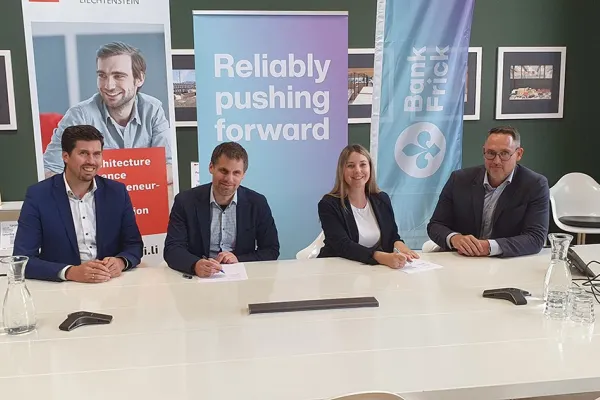
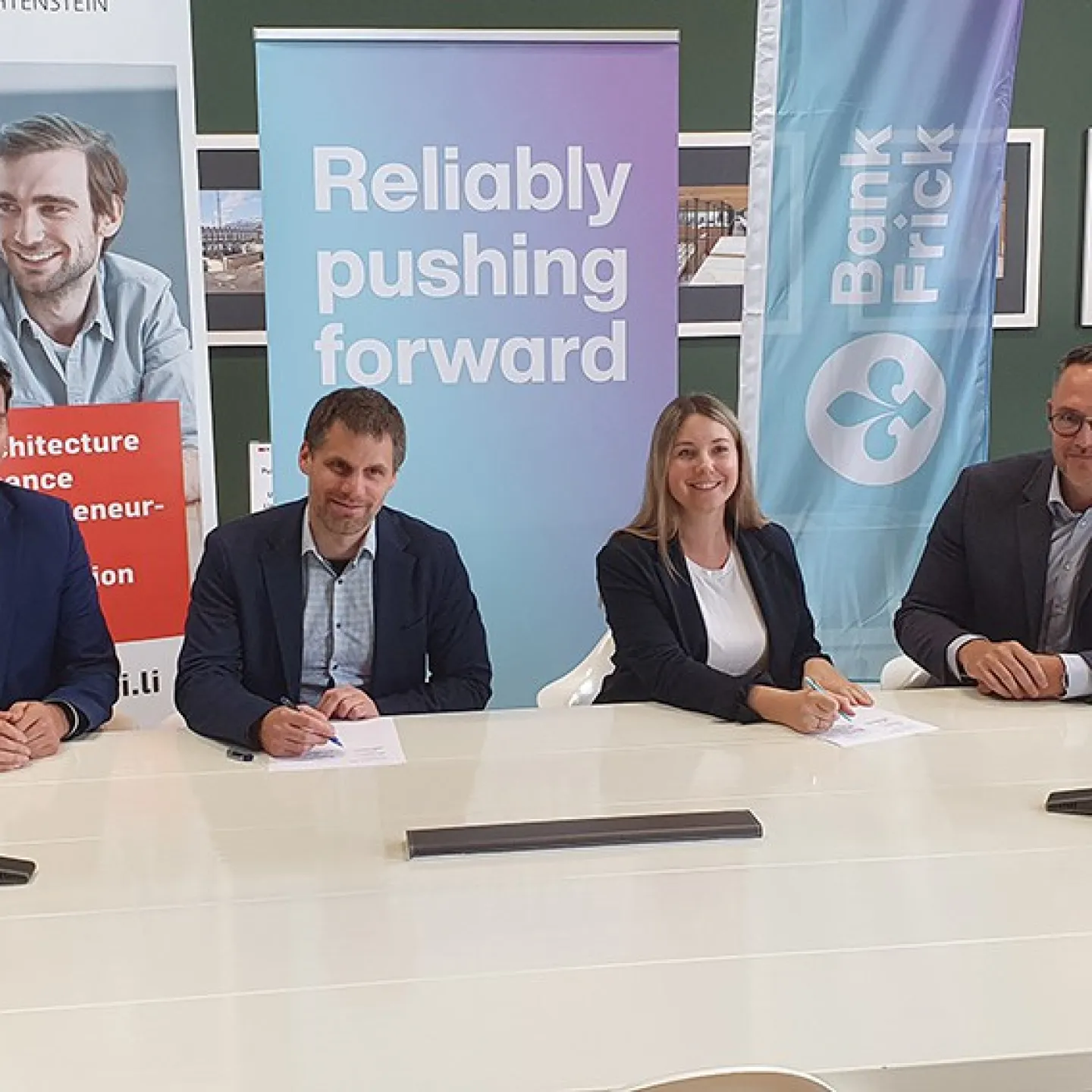
Vier Personen sitzen an einem Konferenztisch und unterzeichnen Dokumente. Im Hintergrund sind Banner der Universität Liechtenstein und Bank Frick zu sehen. Die Szene symbolisiert die Verlängerung der Kooperation zwischen der Universität und der Bank.

The University of Liechtenstein and Bank Frick are pleased to announce the extension of their successful cooperation for a further five years. As part of this collaboration, the "Bank Frick Innovative Finance Lab" will be established at the University of Liechtenstein, which will act as a center for innovative financial research and teaching.


The collaboration, which will now be continued from 2024 to 2028, builds on previous successes and opens up new opportunities in education, training and research. A central component of the cooperation is the continuation of the "Blockchain and FinTech" continuing education course, which is very popular and is seen as an important catalyst for the further development of these pioneering technologies.
 

In addition, a new continuing education course is being developed in the field of innovative and crypto finance, which will offer students a sound education in these highly topical subject areas. "With the new course, we want to further strengthen Liechtenstein's position as a leading center in the FinTech sector and offer our employees the best conditions for a successful career," emphasizes Edi Wögerer, CEO of Bank Frick.


Another highlight of the cooperation is the opportunity to hold so-called Masterlabs. Here, the University of Liechtenstein provides a group of four to five Master's students and a lecturer who spend a semester working on a practical project with a task defined by Bank Frick. This practical collaboration enables students to gain valuable experience and apply their theoretical knowledge to real projects. At the same time, Bank Frick benefits by incorporating the latest scientific findings into its business processes.


As part of the cooperation, an annual Bank Frick scholarship is also awarded for participation in one of the two study programs. This scholarship is intended to promote particularly talented and committed individuals and give them the opportunity to further their education in the field of innovative finance.


Cooperation will also be intensified in the area of research. Joint knowledge projects are planned in the field of crypto finance, which should produce new findings and innovations in this dynamic field. "The aim is to conduct pioneering research by bringing together the practical expertise of Bank Frick and the knowledge at the University of Liechtenstein," explains Assoc. Prof. Dr. Martin Angerer, Head of the new "Bank Frick Innovative Finance Lab".
 

With this expanded cooperation, the University of Liechtenstein and Bank Frick are sending out a strong signal of the great importance of education, research and innovation in the financial sector. Both partners are convinced that the joint efforts will not only benefit students and research, but will also have a positive impact on the entire Liechtenstein region.


Vier Personen sitzen an einem Konferenztisch und unterzeichnen Dokumente. Im Hintergrund sind Banner der Universität Liechtenstein und Bank Frick zu sehen. Die Szene symbolisiert die Verlängerung der Kooperation zwischen der Universität und der Bank.

Experts from the University of Liechtenstein at the Vorsorge-Symposium in Zurich

Experts from the University of Liechtenstein at the Vorsorge-Symposium in Zurich

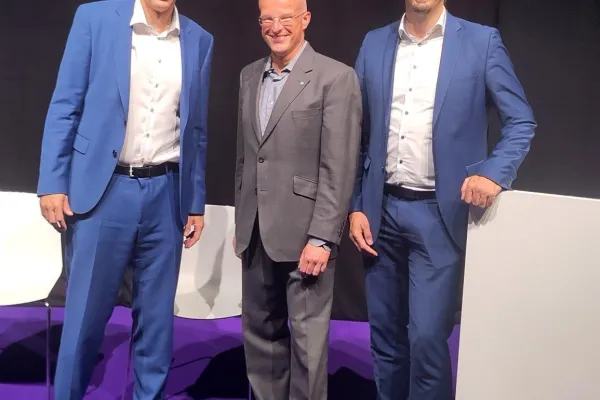
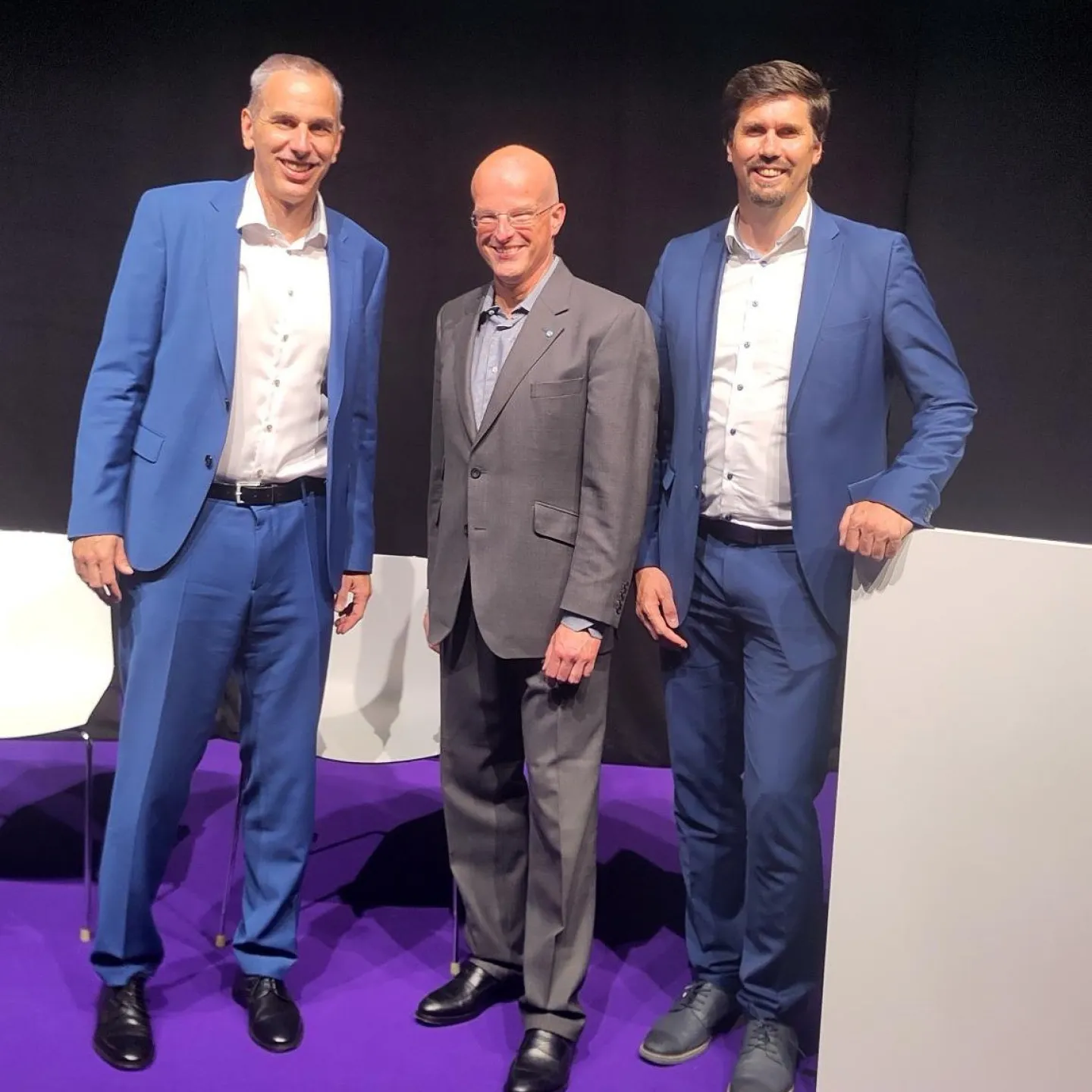
Drei Männer in Anzügen stehen auf einer Bühne mit lila Teppich. Sie lächeln in die Kamera. Im Hintergrund sind schwarze Vorhänge zu sehen.

Assoc. Prof. Dr. Martin Angerer and Prof. Dr. Michael Hanke from the University of Liechtenstein took part in the Vorsorge-Symposium at Messe Zürich on June 6, 2024.


The Vorsorge-Symposium and the parallel "Fachmesse 2. Säule" offer an important annual opportunity for foundation boards, managing directors and pension fund experts to find out about the latest developments and innovations in the field of occupational pension provision. It is important to the University of Liechtenstein to use its expertise to contribute to further education and the expansion of knowledge in this important area.


The two professors spoke on the topic of "Digital assets: can and should pension funds invest?", with Christian Dreyer, CFA, acting as moderator.


In his input presentation, Assoc. Prof. Dr. Martin Angerer highlighted the various facets of digital assets, in particular Bitcoin and Ethereum as investments, but also securities tokens and non-fungible tokens (NFTs). He emphasized that digital assets are becoming increasingly important as a yield-generating investment for pension funds, as they can improve the risk-return ratios of pension fund portfolios. Despite this potential, however, there are also significant challenges, such as high market volatility, regulatory uncertainties, reputational concerns and the high energy consumption of crypto mining.


As Chairman of the Board of Trustees of the Stiftung Personalvorsorge Liechtenstein (Liechtenstein Pension Fund Foundation), Prof. Dr. Michael Hanke represented the practical perspective of a pension fund in particular and complemented the discussion with his well-founded contributions and answers to numerous questions from the audience, which showed great interest and commitment. Together, the two professors from the University of Liechtenstein demonstrated their in-depth expertise and made a significant contribution to the success of the panel.


The Pension Symposium 2024 proved to be a great success with around 2,500 guests. It offered pension fund decision-makers a valuable platform for further training and an exchange of current trends. The event underlined the importance of the company-managed "2nd pillar" of pension provision. 


Drei Männer in Anzügen stehen auf einer Bühne mit lila Teppich. Sie lächeln in die Kamera. Im Hintergrund sind schwarze Vorhänge zu sehen.

University of Liechtenstein Research Team Presents Innovative Research at the Bank of England

University of Liechtenstein Research Team Presents Innovative Research at the Bank of England

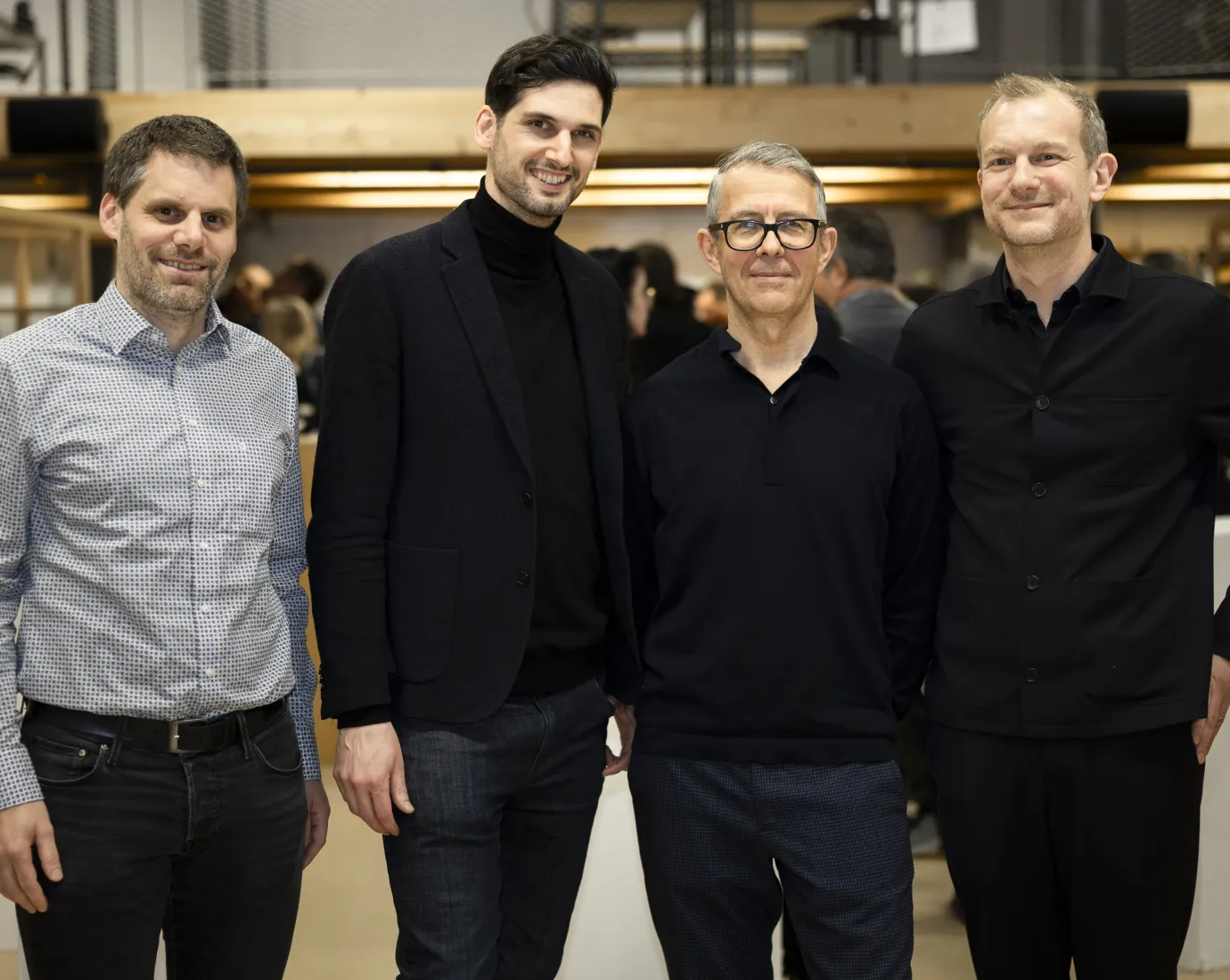
Drei Männer in formeller Kleidung lächeln in die Kamera. Sie sind Teil eines Forschungsteams der Universität Liechtenstein, das maschinelles Lernen zur Vorhersage von Finanzkrisen untersucht.

Professor Michael Hanke and Merlin Bartel from the University of Liechtenstein and Sebastian Petric from LGT Bank AG presented their latest research entitled "Crisis Identification and Prediction using Machine Learning: The Case of U.S. Regional Banks" at the Bank of England.


In their innovative study, the team develops a machine learning approach to identify and predict financial crises, particularly those of regional banks in the US. The research emphasizes the importance of early detection of crises, as they have a significant impact on the economy and society. The developed approach combines various machine learning methods such as clustering, ridge regression, and sequential feature selection to detect and predict crises.


Notably, the predictions can be used to minimize risk during negative market phases, leading to improved risk-adjusted returns compared to traditional investment strategies.
This research provides investors and policy makers with valuable tools to react early to impending financial crises.


Drei Männer in formeller Kleidung lächeln in die Kamera. Sie sind Teil eines Forschungsteams der Universität Liechtenstein, das maschinelles Lernen zur Vorhersage von Finanzkrisen untersucht.

University of Liechtenstein Continues Positive Development in the 2023 Financial Year

University of Liechtenstein Continues Positive Development in the 2023 Financial Year

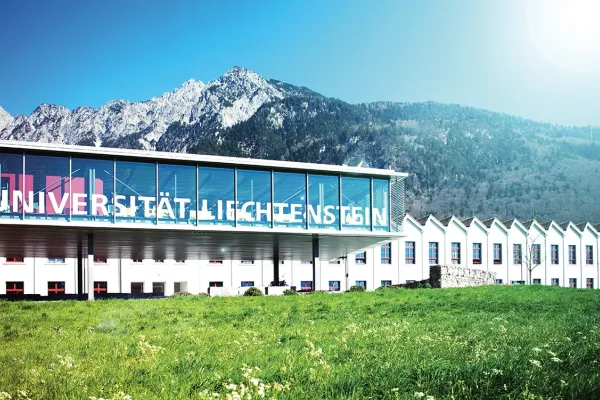
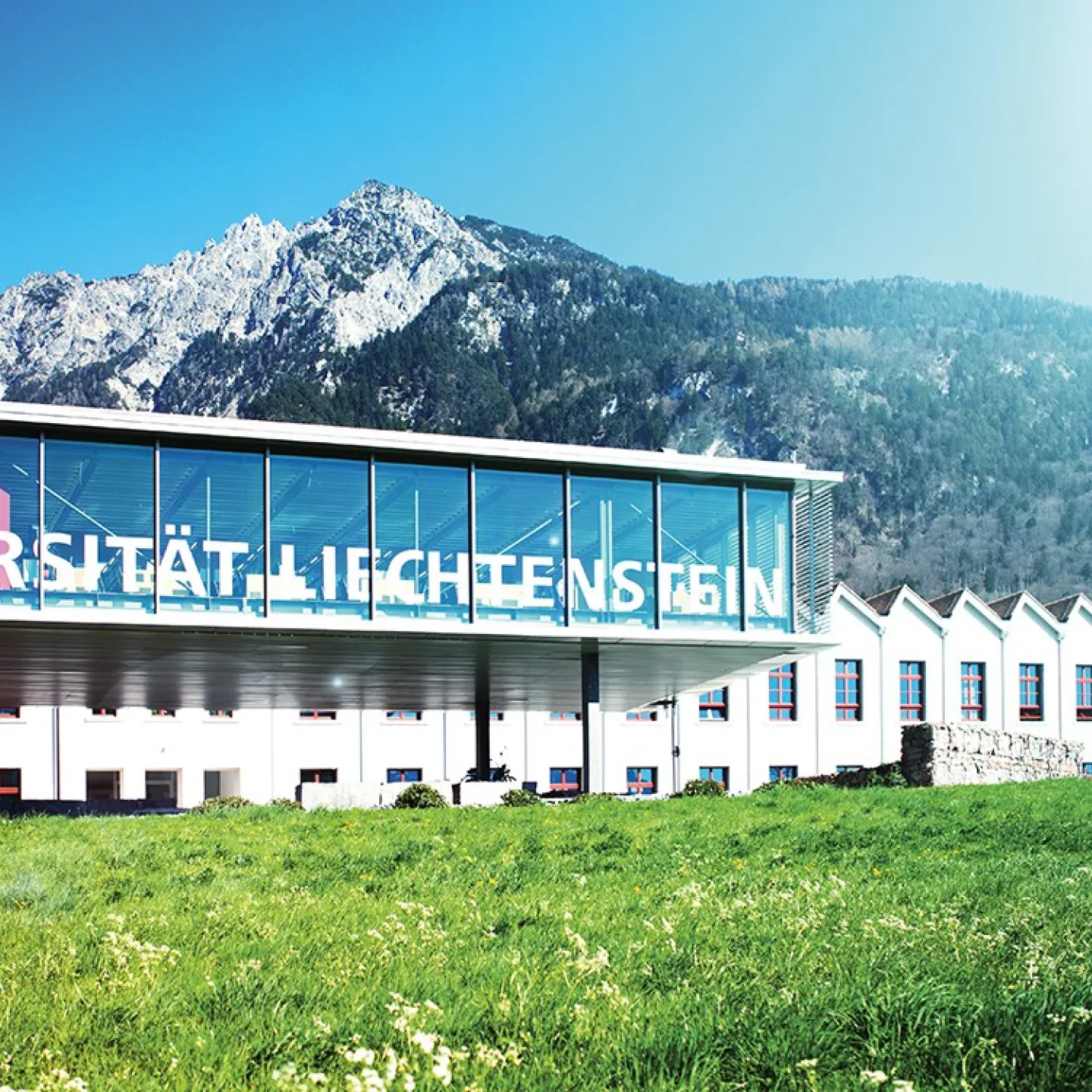
Außenansicht der Universität Liechtenstein mit modernem Glasgebäude vor malerischer Bergkulisse, umgeben von grüner Wiese.

The University of Liechtenstein can look back on a successful 2023. One particular highlight was the successful accreditation of the Liechtenstein Business School and the Liechtenstein Business Law School in accordance with AACSB standards. There were also positive developments in other areas, such as student numbers and research performance.


Organizational developments


Since January 1, 2023, the university has been divided into three subject-related and two teaching-related schools. This completed a long transformation process. The new organizational structure was further consolidated in the reporting year. However, 2023 was also characterized by two personnel changes at the top of the university. In April, Lothar Ritter succeeded Klaus Tschütscher as President of the University Council and in August 2023, Christian Frommelt took over from Markus Jäger as Rector of the University of Liechtenstein.
Following the completion of the transformation process and under the new leadership, the university will once again focus more on its concrete achievements and impact. The focus will be on consecutive teaching, continuing education and research. However, knowledge and technology transfer as well as knowledge dissemination and thus dialog with the public are also important areas of activity for the University of Liechtenstein.
 

Internationally recognized quality strategy


The University of Liechtenstein attaches great importance to high quality teaching and research. Every six years, the quality of the entire University of Liechtenstein is reviewed by the Swiss Accreditation Council. In addition, the subject-related schools each undergo an internationally recognized accreditation tailored to the respective subject area.
A particular success in 2023 was the award of the internationally highly respected AACSB accreditation to the Liechtenstein Business School and the Liechtenstein Business Law School. After the Liechtenstein School of Architecture had already received accreditation from the renowned Royal Institute of British Architects (RIBA) for all programme levels (BSc, MSc and PhD) several years ago, all three specialist schools now have internationally recognized proof of quality.
In 2023, researchers at the University of Liechtenstein produced over 170 publications and scientific presentations. These included numerous publications in internationally top-ranked journals. Third-party funded projects are also of particular importance. In addition to numerous funding commitments for new Erasmus+ projects, the University of Liechtenstein received a positive funding commitment for an Innosuisse project in 2023. In line with the new performance orientation, work has also begun on various applications that will be submitted to the various funding instruments in 2024.


Attractive environment for students and staff


The university celebrated numerous other successes last year. In consecutive teaching, 214 people began their studies at the University of Liechtenstein in 2023. This represents an increase of 26 percent compared to the previous year. 175 students successfully completed their studies. Fortunately, the majority of graduates remain in demand as employees in Liechtenstein or the region.
In continuing education, the university recorded 196 students in four Master's degree programs, one diploma program and seven certificate programs, as well as over 2,700 participants in events. After the last few years marked by the coronavirus pandemic, the University of Liechtenstein was able to increase the number of events on offer again in 2023.
The increase in new students in the consecutive areas and the relatively stable student numbers in the area of continuing education confirm the attractiveness of the University of Liechtenstein as an educational institution. However, in view of the increasing competition between regional educational institutions, the University of Liechtenstein will also need to actively communicate its strengths in the future. In addition to the quality of teaching and research, which has been confirmed by international accreditation, the university is particularly convincing with its good student support. Various curricula have been revised for 2024 in order to adapt teaching content even more closely to current challenges in business and society and thus further increase the practical relevance of teaching.


Result from ordinary business activities


As part of its ordinary activities, the University of Liechtenstein generated a profit of CHF 230,212 in the 2023 calendar year, including the strategic Liechtenstein Executive School project, which is CHF 210,812 above the budgeted profit of CHF 19,400 and CHF 404,812 above the budgeted loss of CHF 174,600, including the planned start-up financing for the Executive School.
The positive business result is due to several one-off special effects. In addition, three professorships were not filled at the end of the year, which reduced personnel costs. Personnel costs are the most important area and the largest cost factor for the university. As at December 31, 2023, the university had 135 full-time equivalent employees. In addition, 328 external lecturers worked for the university.


The annual report can be downloaded from the uni.li website: https://www.uni.li/de/universitaet/medienportal/publikationen/jahresberichte 


Außenansicht der Universität Liechtenstein mit modernem Glasgebäude vor malerischer Bergkulisse, umgeben von grüner Wiese.

Self-Leadership & Mindfulness: Keys to Sustainable Leadership Development

Self-Leadership & Mindfulness: Keys to Sustainable Leadership Development

Eine Frau hält eine Präsentation vor einer Gruppe von Menschen in einem modernen Konferenzraum. Auf einem großen Bildschirm steht der Text "The Mindful Self-Leader".

Imagine steering a company through the turbulent waters of digitalization while employee demands grow by the day. In this fast-paced world, traditional leadership techniques are no longer sufficient. What if a leader’s true strength lies not only in their acquired "leadership skills" but in the art of leading themselves and practicing mindfulness?


A recent systematic literature review by Julia Tenschert, Prof. Dr. Marco Furtner (Liechtenstein Business School), and Prof. Dr. Mike Peters (University of Innsbruck) demonstrates how self-leadership and mindfulness can make leaders not only more resilient but also more effective.


New Approaches to Leadership Development


The link between leadership competence and organizational performance is clear but multifaceted. Employee engagement and motivation are crucial to building agile teams, and they strongly depend on leaders’ ability to create a supportive environment. A current systematic review shows that self-leadership and mindfulness are essential components often missing from Leadership Development Programs (LDPs).


Focus on Self-Leadership and Mindfulness


The analysis of 52 studies reveals that traditional LDPs often fall short in strengthening leaders’ social and emotional competencies. An approach combining self-leadership and mindfulness promises a more holistic development by helping leaders better manage psychological demands and increase their resilience. Ultimately, this promotes an innovative and resilient corporate culture.


Training programs integrating self-leadership and mindfulness show significant improvements in resilience, job performance, and leadership satisfaction. Self-leadership is linked to higher team performance and trust among leaders. Mindfulness strongly correlates with stress reduction, improved self-regulation, and high emotional intelligence—all of which enhance leadership skills and organizational outcomes.


Future Perspectives and Research Needs


The review highlights that integrating self-leadership and mindfulness training into LDPs offers wide-ranging benefits for organizations: these approaches boost self-responsibility, motivation, teamwork, and conflict resolution while fostering an empathetic and inclusive leadership culture.


However, further research is needed on adapting and scaling these training programs across various organizational contexts. Special attention should be paid to cultural and individual differences. Future studies should also explore the effectiveness of such programs in digital and global teams to evaluate their impact in virtual work environments.


The review has been accepted for publication in the journal Management Review Quarterly (https://doi.org/10.1007/s11301-024-00448-7).


Eine Frau hält eine Präsentation vor einer Gruppe von Menschen in einem modernen Konferenzraum. Auf einem großen Bildschirm steht der Text "The Mindful Self-Leader".

Inaugural Lecture by Prof. Dr. Alexandra Butterstein, LL.M.

Inaugural Lecture by Prof. Dr. Alexandra Butterstein, LL.M.

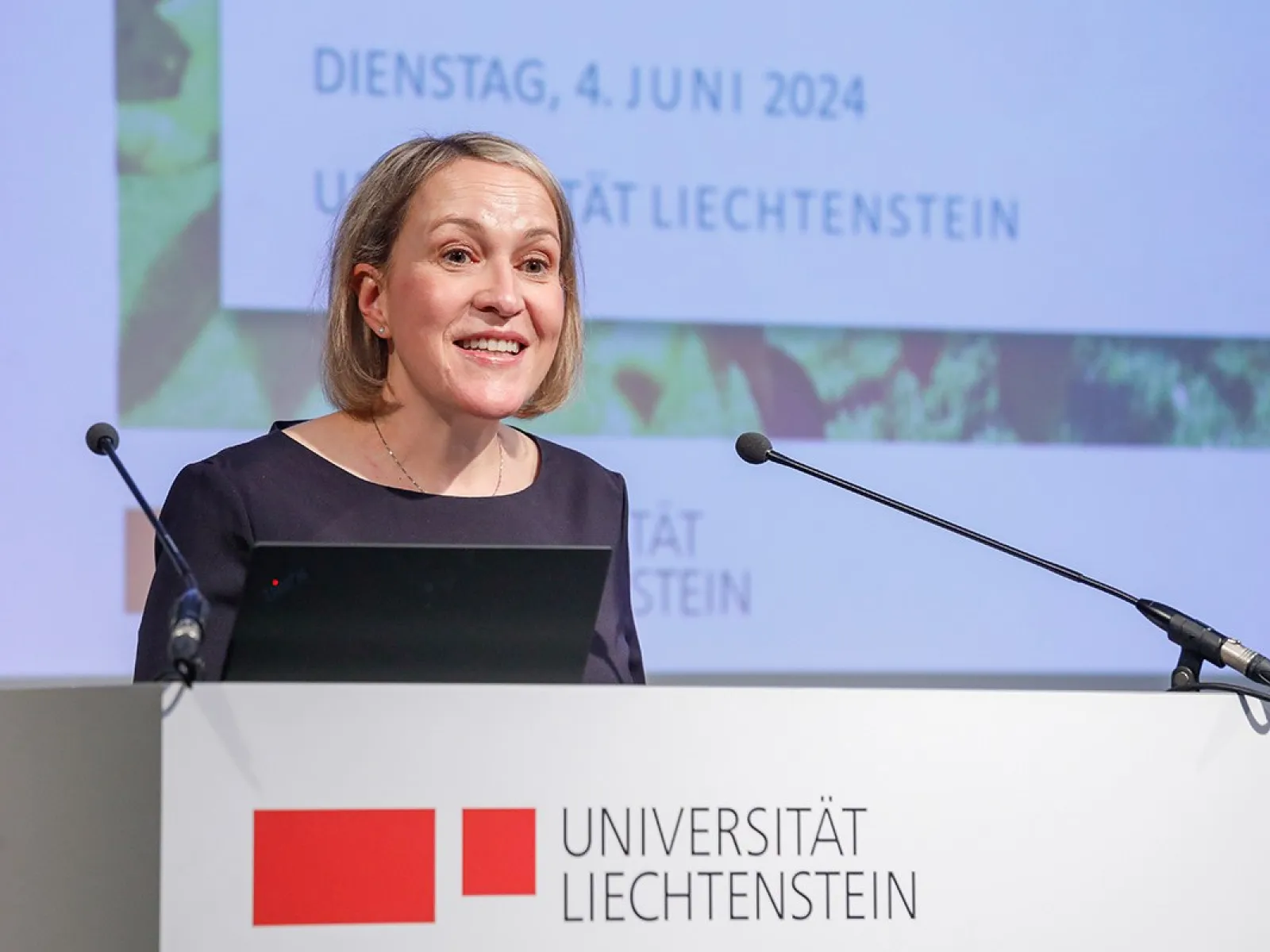
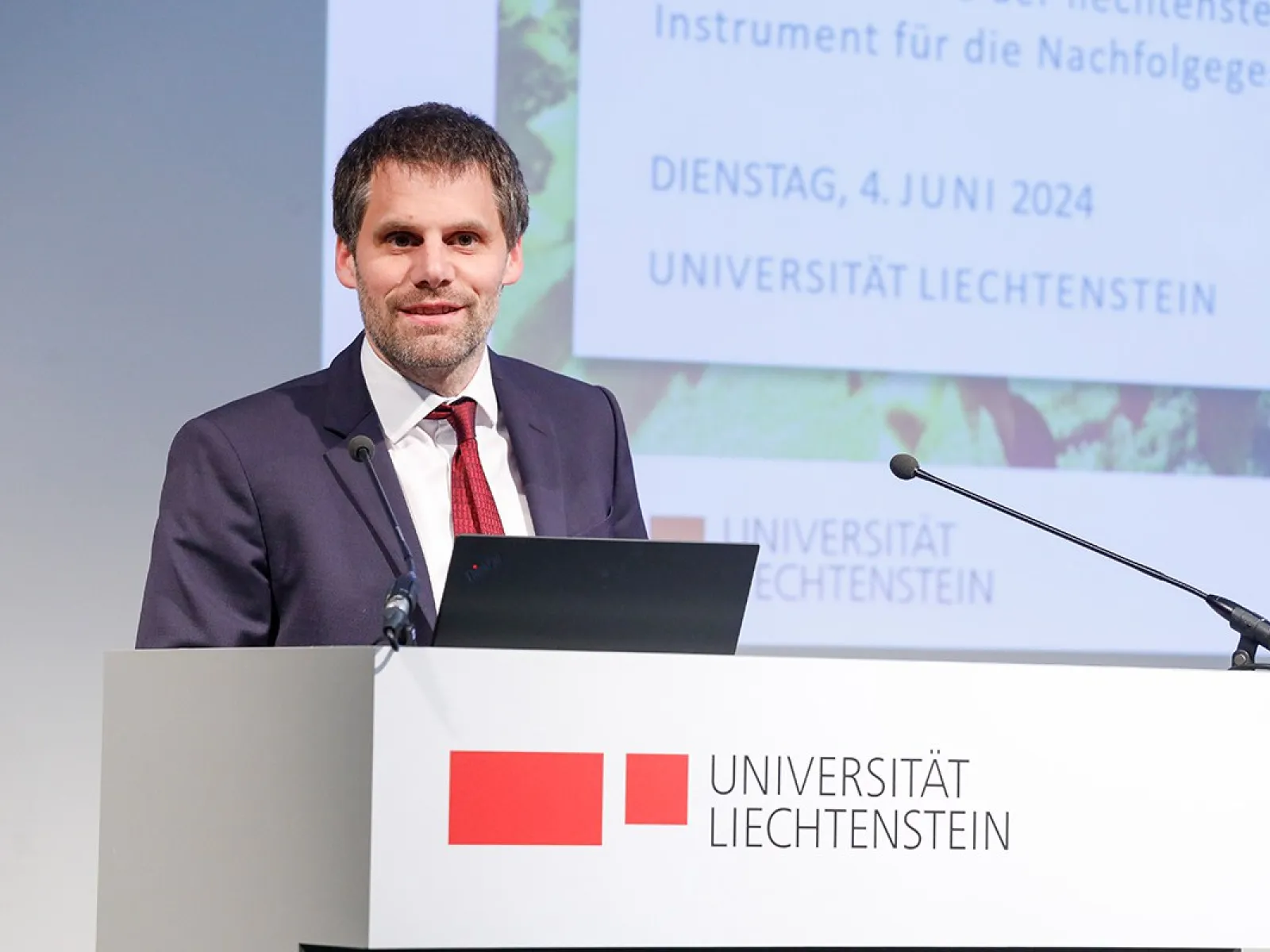
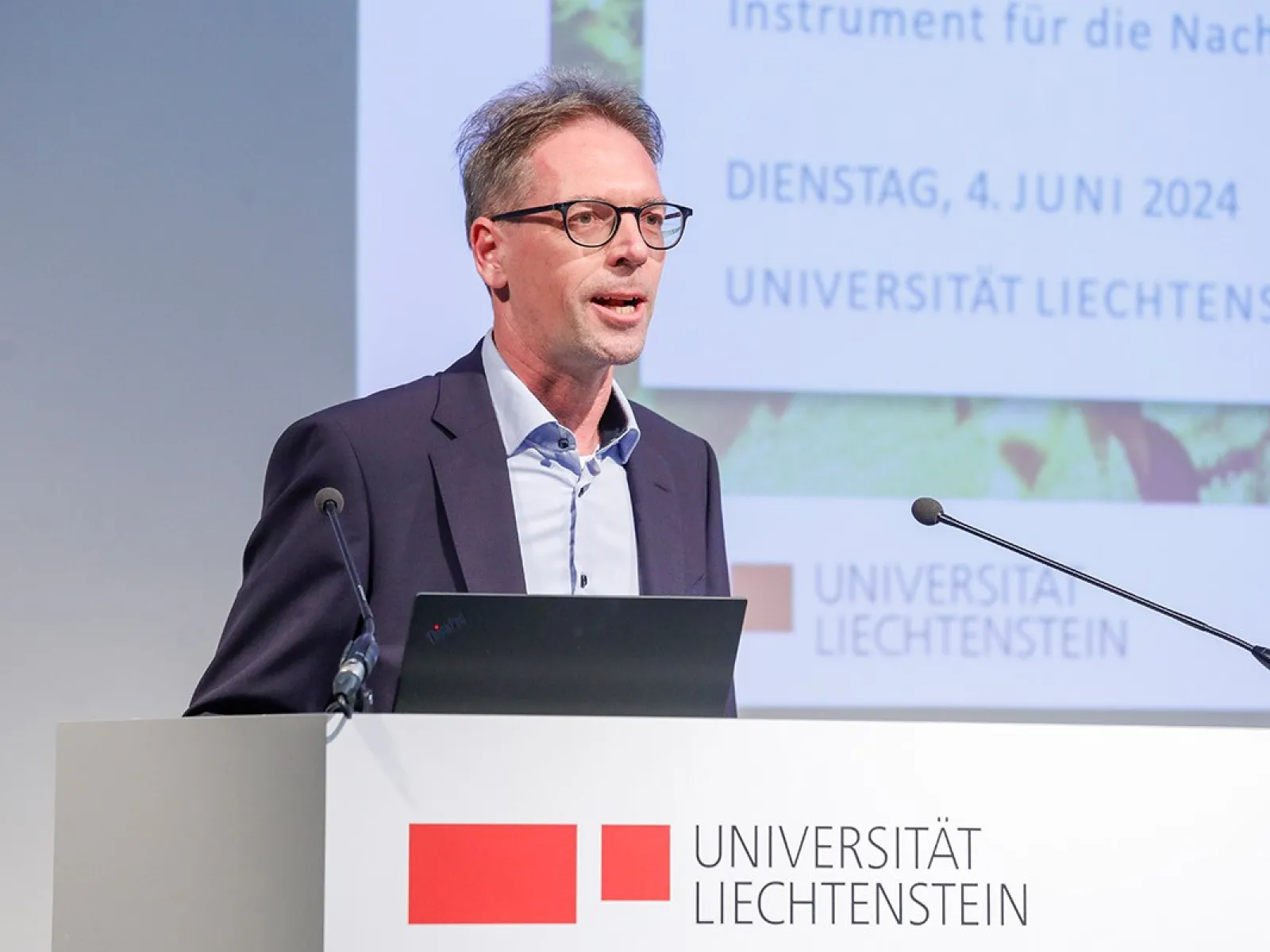
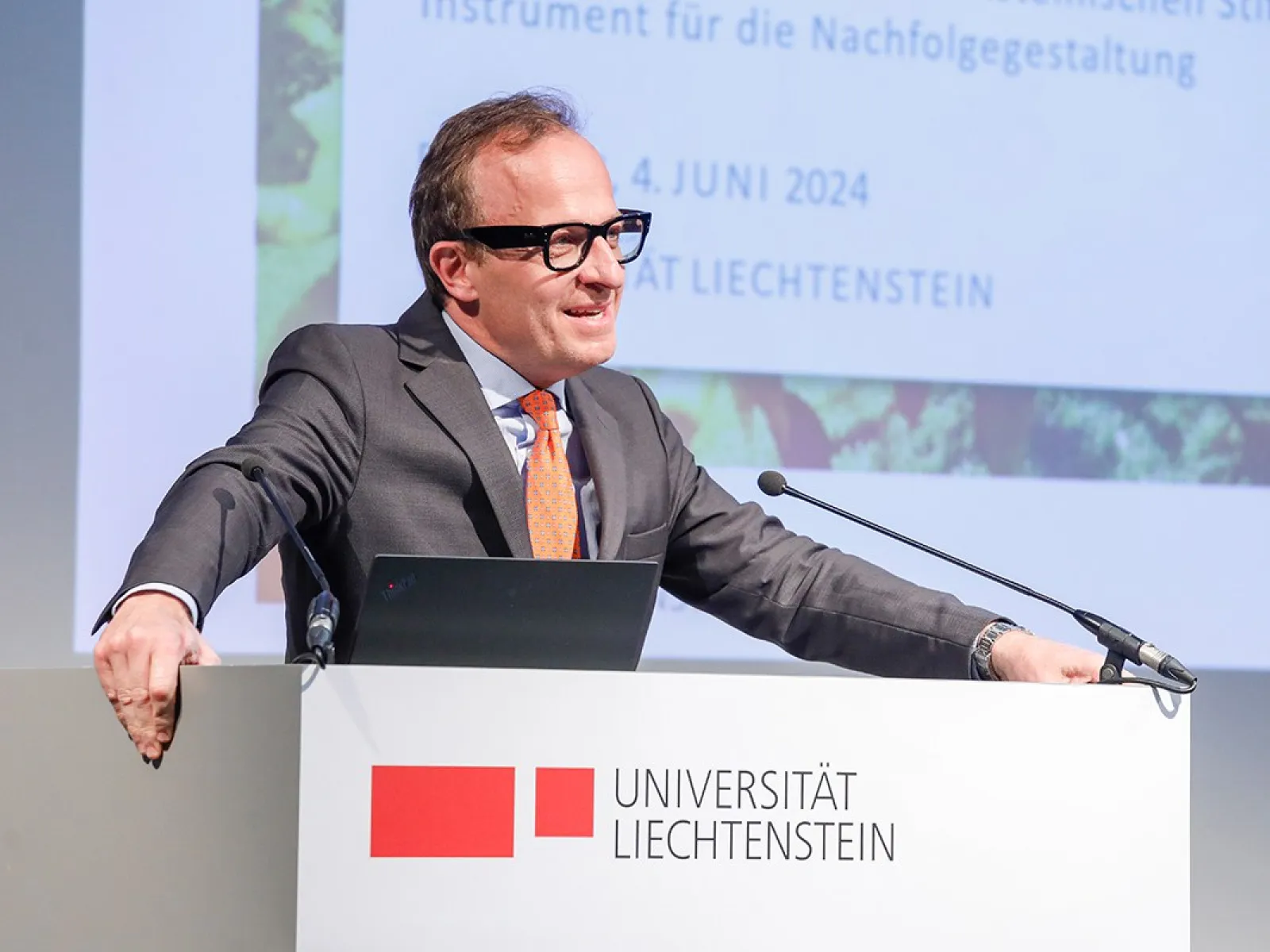
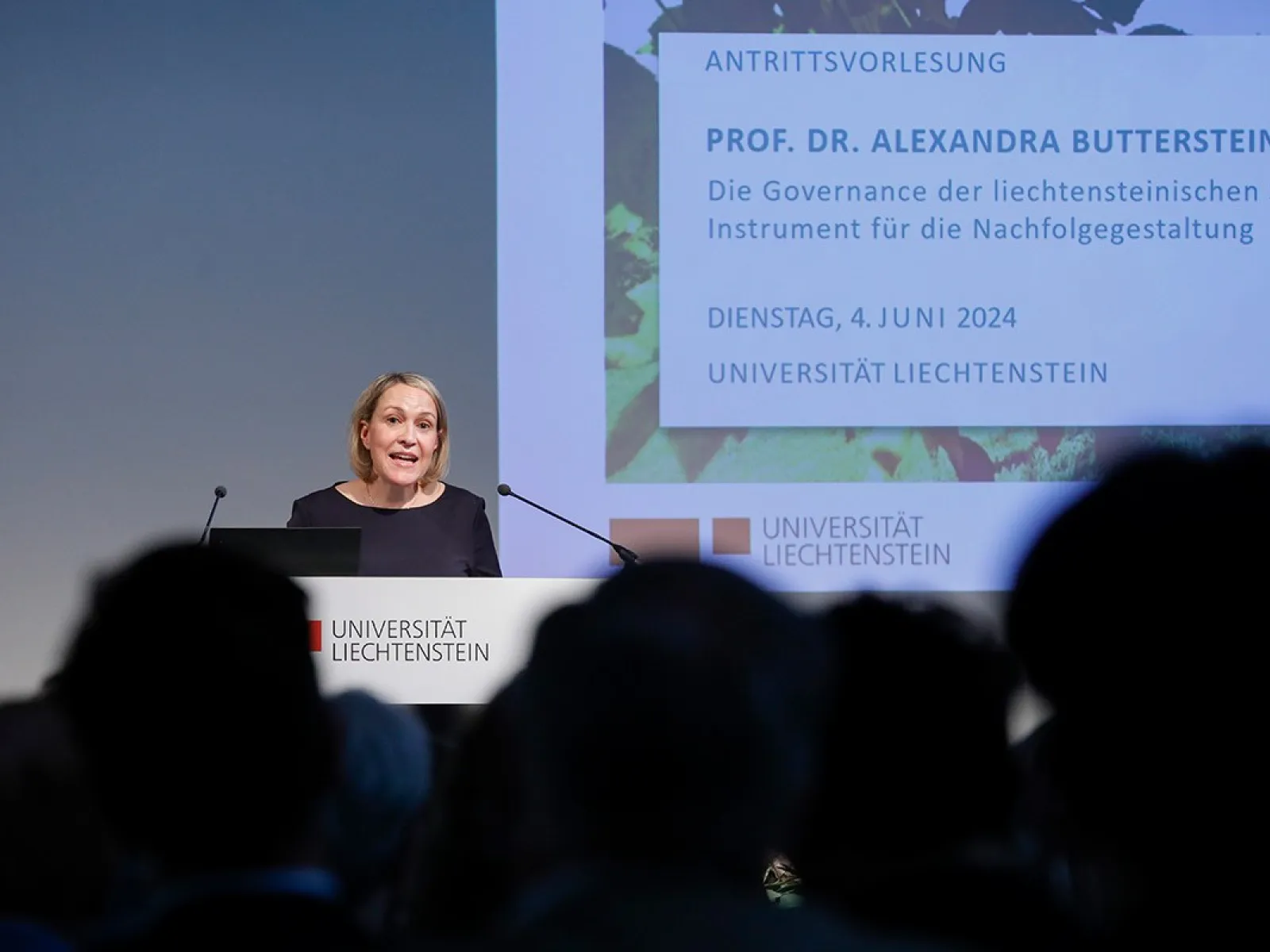
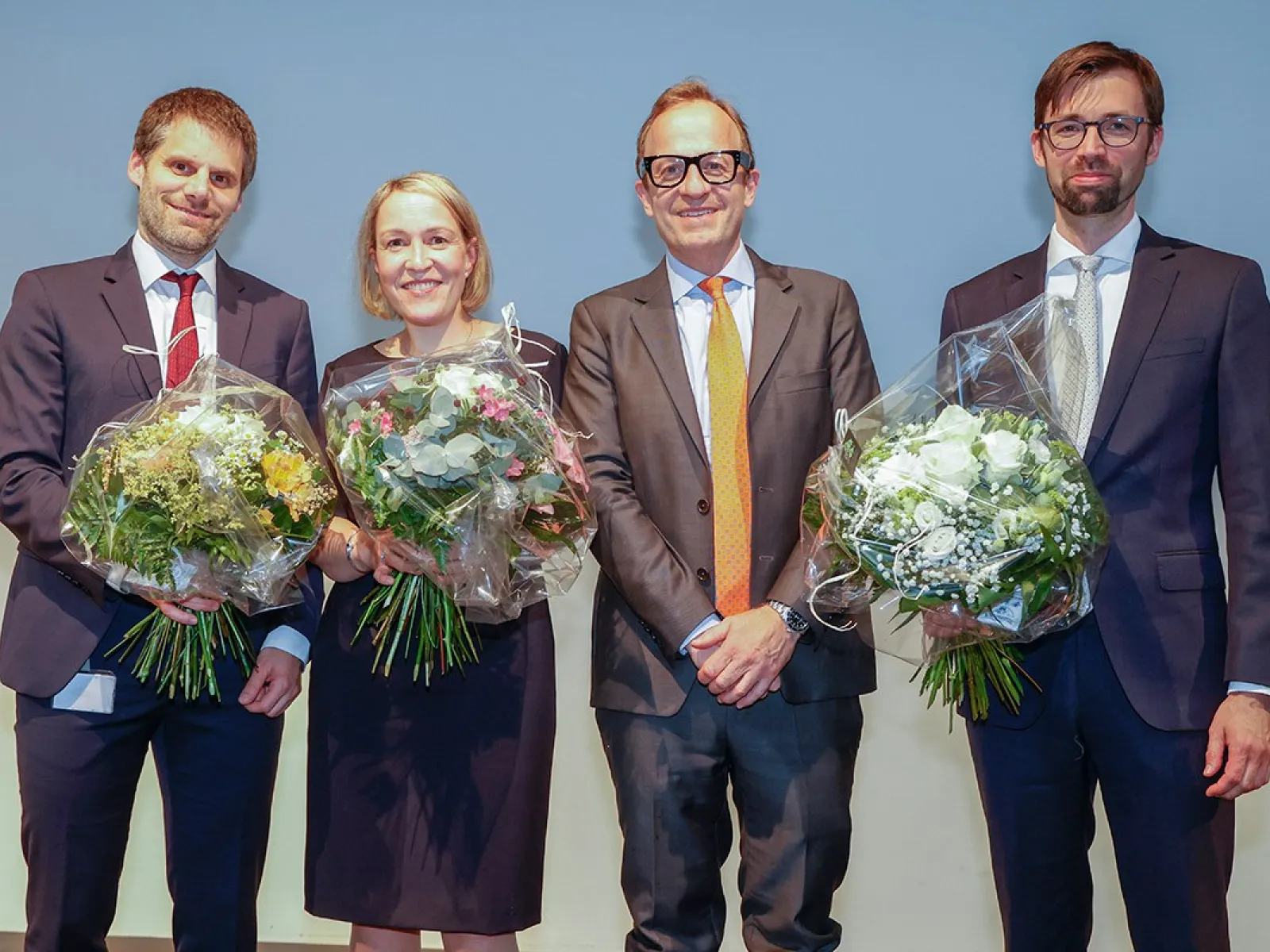
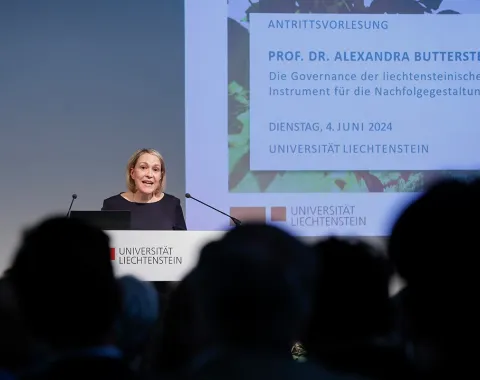
In a ceremonial setting, Prof. Dr. Alexandra Butterstein, LL.M., delivered her inaugural lecture as Professor of Corporate, Foundation, and Trust Law on June 4, 2024, in the auditorium of the University of Liechtenstein. Around 150 participants, including numerous colleagues from home and abroad, external guests, and students, attended the event to witness this significant occasion.


Prof. Dr. Alexandra Butterstein, LL.M., has held the professorship for Corporate, Foundation, and Trust Law at the University of Liechtenstein since April 2023. She had already served in this role on an interim basis since October 2019 after Univ.-Prof. Dr. Francesco A. Schurr accepted a position at the University of Innsbruck. Since then, Prof. Butterstein has played a key role in shaping and advancing the professorship, the Institute for Business Law as its director, and later as Dean of the Liechtenstein Business Law School. In addition to her role as Dean, she has also been a member of the Rectorate since 2023. That same year, she completed her habilitation on the topic of cross-border restructuring of foundations and was granted the teaching authorization in the fields of commercial and corporate law, private international law, and comparative law.


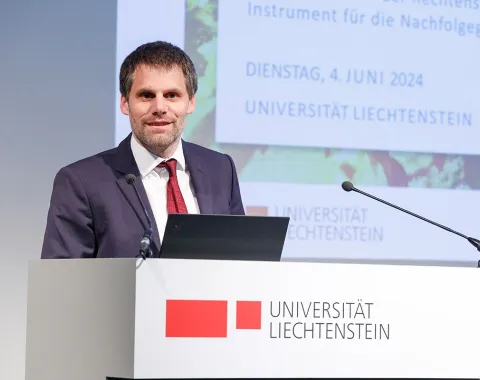
The inaugural lecture was opened by Dr. Christian Frommelt, Rector of the University of Liechtenstein. In his welcoming remarks, he greeted the many guests in the fully occupied auditorium and emphasized the academic significance of an inaugural lecture for newly appointed professors as a formal opportunity to introduce themselves and their research areas to the public. Dr. Frommelt also highlighted the central role of university research for the country and praised Prof. Butterstein’s personal commitment and her outstanding research activities at the University of Liechtenstein.


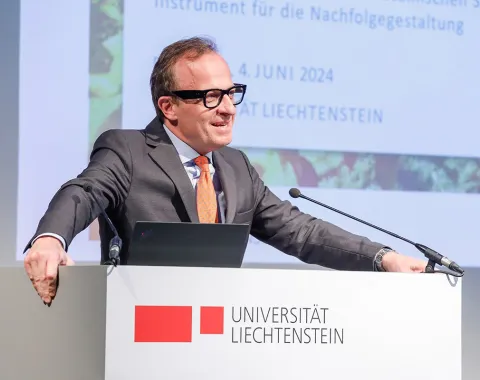
Dr. Martin Alge conveyed the congratulations of the Liechtenstein government and stressed the importance of the foundation sector for the reputation of Liechtenstein’s secure financial center. In this context, he emphasized that a well-balanced foundation governance is essential and that this has been strengthened through the recent reform. The Office of Justice is currently working on a draft to introduce further targeted improvements in governance.


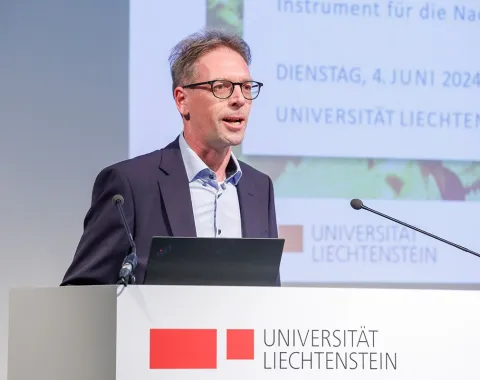
In his address, Univ.-Prof. Dr. Francesco A. Schurr, academic mentor to Prof. Butterstein, praised her outstanding academic and professional achievements. In addition to numerous administrative responsibilities and her teaching in undergraduate and continuing education, she stood out for her excellent research contributions. He acknowledged her significant scholarly work in the field of corporate, foundation, and trust law, which has made her a respected expert both nationally and internationally. Prof. Schurr expressed his pride and delight that his former student is now his successor and wished her success in her new role.


In her inaugural lecture, Prof. Butterstein focused on the topic “Governance of the Liechtenstein Foundation as a Tool for Succession Planning.” She began by highlighting the suitability of Liechtenstein’s foundation governance as a succession planning instrument for families and their businesses, taking into account various spheres of interest. “Recent foundation law reforms in German-speaking countries have intensified the competition between legal systems. In this context, governance and its flexibility will be central to a future-oriented foundation law,” Prof. Butterstein stated. She further emphasized that the flexible structuring of Liechtenstein foundations allows for tailored solutions to the complex demands of succession planning.


She also addressed the different aspects of corporate, family, and foundation governance in detail. In this context, she explained how the legal framework in Liechtenstein makes it possible to structure foundations in a way that meets the needs of founders as well as the interests of beneficiaries and the enterprise. Effective governance, she noted, is not only a legal necessity but also a key factor in building trust among stakeholders to ensure successful succession planning.


Moreover, Prof. Butterstein discussed the importance of international networks and Liechtenstein’s role in the global context of foundation law and in the competition among foundation jurisdictions. She emphasized that Liechtenstein, thanks to its modern and flexible legislation, can continue to play a pioneering role in developing and implementing innovative succession planning solutions.


We need your consent
To view this YouTube video, you must accept data processing under the category “Third-party marketing”. Further details on data processing can be found here.
Display Cookie Settings

Young Talents at the University of Liechtenstein

Young Talents at the University of Liechtenstein

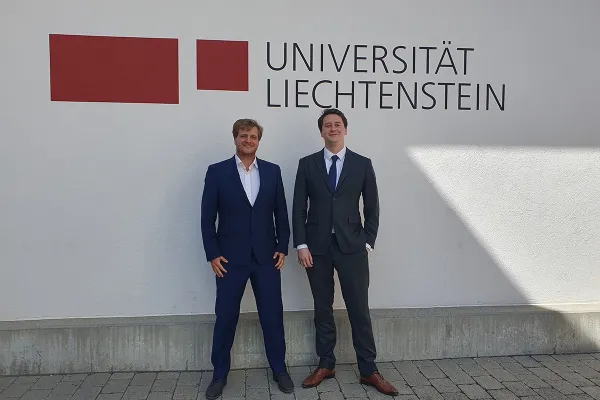
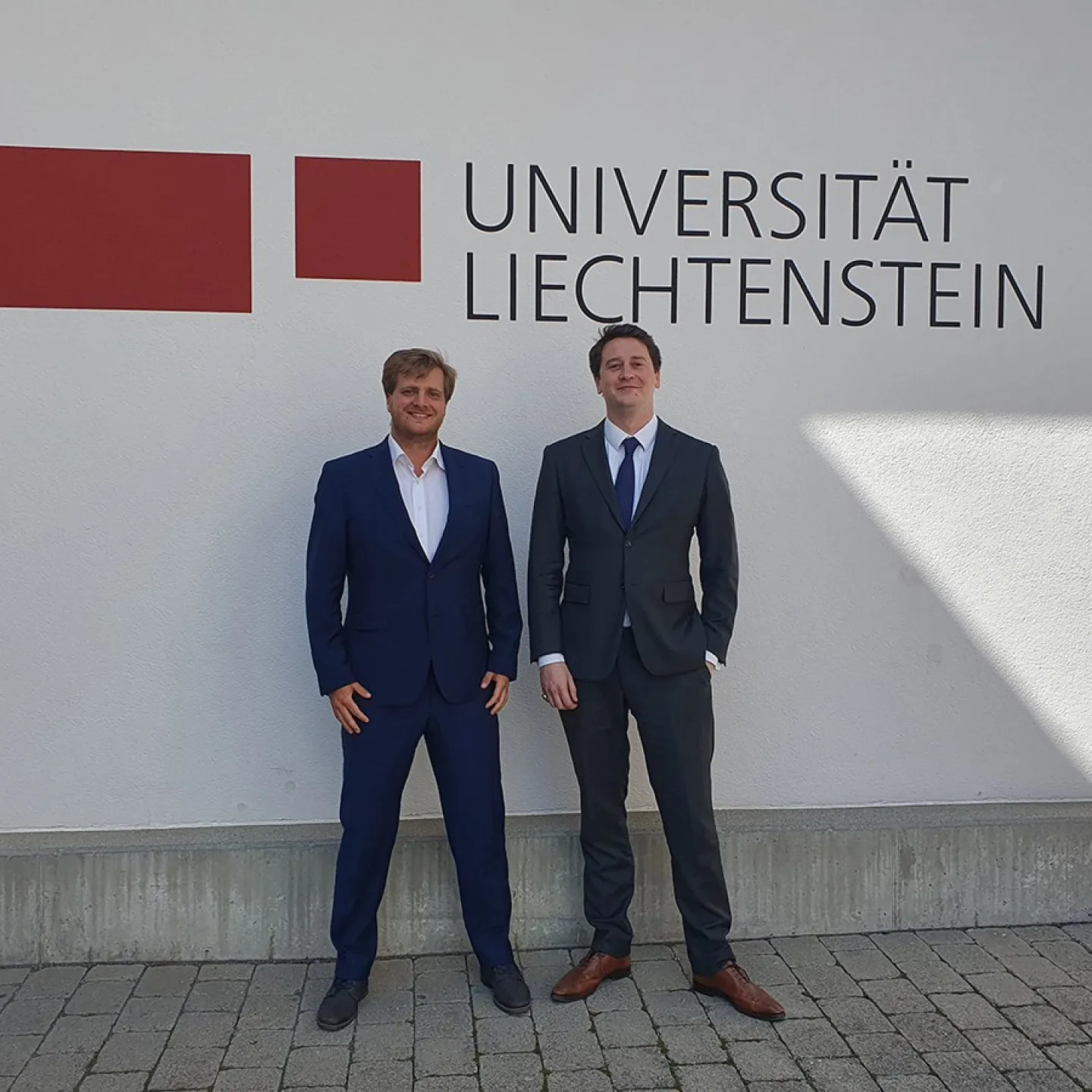
Zwei Personen in Anzügen stehen vor einer Wand mit dem Logo der Universität Liechtenstein.

Young Talents is a program for the promotion of young researchers. Young researchers at the University of Liechtenstein at doctoral level (following a preliminary study) can submit small research proposals to the University of Liechtenstein Research Fund.


Excellent candidates are supported by this grant in the implementation of their own research projects and in the development of an independent research profile. The candidates selected this year for the FFF Young Talents Grant are Theo Ravet-Brown and Marius Gramlich. Here are their research projects:
 

Leadership group dynamics in virtual reality: The role of follower interactions on charismatic leadership effectiveness in 2D and 3D virtual meetings


Charismatic leadership, a powerful form of leadership, is evolving with technology. Traditionally studied in face-to-face settings, recent research reveals that the impact of different communication media on charismatic leadership is profound. Findings suggest that the way charismatic leadership is perceived can significantly change with the medium used for interaction. This opens up questions on how these changes affect a leader’s ability to influence and motivate followers. Current studies involve using controlled environments to simulate real-life interactions, such as one-on-one meetings with supervisors, but today's workplace often features complex, multi-party digital meetings. This shift has prompted new research focused on understanding how follower behavior and group dynamics influence perceptions of charismatic leadership in these settings. 
 

The Young Talent applicant, Theo Ravet-Brown, proposed a pioneering experiment, where a leader and followers engage in tasks requiring close cooperation, while their interactions – eye contact, gestures, facial expressions, and voice modulation – are meticulously analyzed. This study not only uses cutting-edge biometric tools but also integrates virtual reality (VR) to deepen our understanding of nonverbal cues in digital communications.


Scheduled for late 2024, this research aims to publish its findings in prestigious journals, potentially reshaping how leadership training is conducted, especially in digital contexts. The University of Liechtenstein LBS is at the forefront of this initiative, addressing the growing demand for advanced leadership skills that align with the realities of the digital age, including virtual collaboration and management. This project supports LBS's goal to become a high-profile center for leadership excellence, providing concrete, actionable guidance to today's and tomorrow's leaders.


What are the drivers of liquidity on crypto markets


Studying the factors that drive liquidity in crypto markets is of paramount importance in today's financial landscape. Liquidity, the ease with which an asset can be bought or sold at low costs without significantly impacting its price, plays a crucial role in the efficiency and stability of financial markets.


In the context of crypto assets, understanding liquidity dynamics is particularly relevant due to the unique characteristics of digital assets and their markets.


Marius Gramlich will focus on lead-lag relationships, connectedness, and spillover effects of high-frequent intraday liquidity on centralized crypto exchanges. This project aims to provide valuable insights into market dynamics, risk management for trading crypto assets and crypto market microstructure.


Scheduled for late 2024, this research aims to publish its findings in prestigious journals and is a perfect fit for the strategic research focus of the University of Liechtenstein and for Liechtenstein’s economy promoting innovation for digital assets.


Zwei Personen in Anzügen stehen vor einer Wand mit dem Logo der Universität Liechtenstein.

Dr. Tanja Kirn Speaks at the European Commission

Dr. Tanja Kirn Speaks at the European Commission

Buntes Scherenschnittbild von Menschen in verschiedenen Lebenssituationen: Erwachsene, Kinder, Radfahrer und Personen mit Kinderwagen, die Vielfalt und Wandel moderner Familienstrukturen symbolisieren.

Dr. Tanja Kirn, Ass-Prof., presented at the European Commission (DG EMPL) research seminar, the Social Situation Monitor (SSM), results on the social security of cohabiting couples in various European countries. In this context, she also analysed the degree of solidarity within the Swiss AHV system.


The issue of social security for cohabiting couples is becoming increasingly important as family structures change. The relative number of marriages has fallen by around 50% since 1969 and marriages have become more fragile. On the other hand, the number of cohabiting couples and children born in non-marital cohabiting couples increases.


Women are particularly affected by this change. They perform a large proportion of unpaid care work, which is often accompanied by a reduction or abandonment of employment. As a lower income from employment results in a lower pension income, women are exposed to a higher risk of poverty in old age. This risk increases for non-married women, as important social security equalisation regulations (such as splitting of retirement assets, and survivors' pensions) are linked to the couple's marital status. On the other hand, AHV pensions are not capped at 150% for cohabiting couples, which in turn leads to comparatively higher pension income. Overall, the solidarity within the AHV is significantly stronger for married couples than for cohabiting couples.


The results presented were obtained as part of the Erasmus+ project ecoMOD – capacity building in environmental and economic policy modelling and data analysis (Project: 2023-1-LI01-KA220-HED-000157594).


Buntes Scherenschnittbild von Menschen in verschiedenen Lebenssituationen: Erwachsene, Kinder, Radfahrer und Personen mit Kinderwagen, die Vielfalt und Wandel moderner Familienstrukturen symbolisieren.
Subscribe to