Skip to Main Content

Funded Projects in the Young Talent Program 2025

Funded Projects in the Young Talent Program 2025

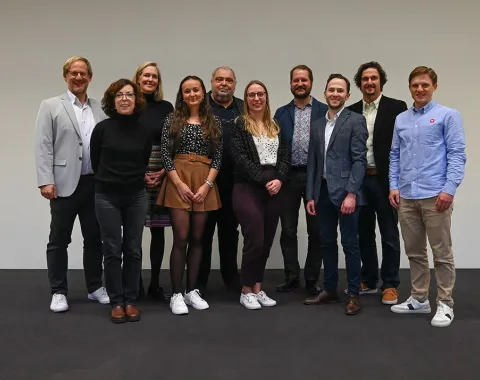
Zwei Personen stehen vor einer Wand mit dem Logo der Universität Liechtenstein. Sie lächeln in die Kamera.

Young Talents is a program for the promotion of young researchers. Young researchers at the University of Liechtenstein at doctoral level (following a preliminary study) can submit small research proposals to the University of Liechtenstein Research Fund.


The promotion of young talent focuses on young academics and supports the social and societal responsibility of the University of Liechtenstein. All doctoral students employed as staff members who have successfully completed the preliminary study and are not completing their doctorate within the within the funding period are eligible. Excellent candidates are supported by this grant in the implementation of their own research projects and in the development of an independent research profile.


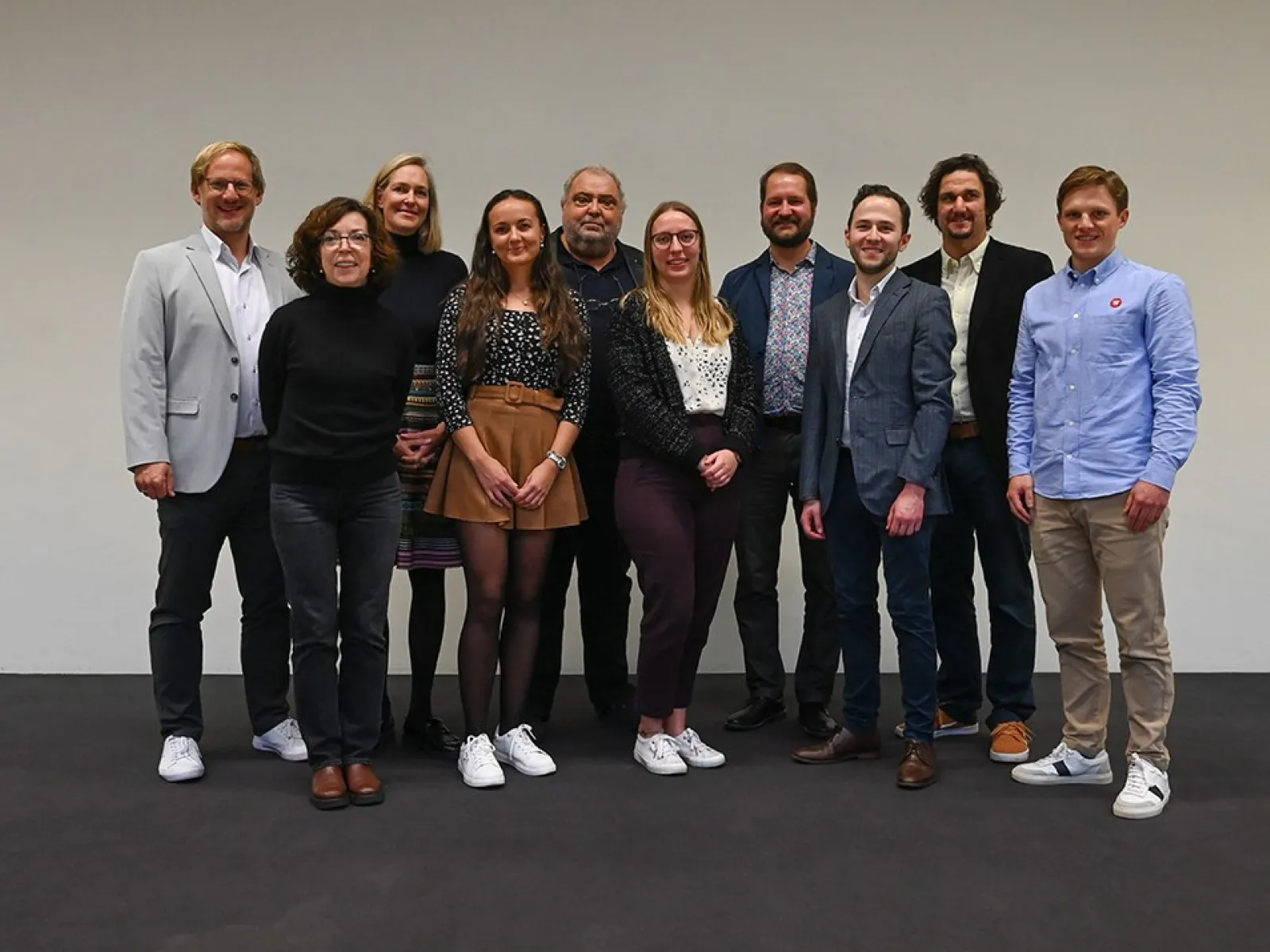
The candidates selected for the FFF Young Talents Grant in 2025 are Livia Herle and Lukas Salcher. Here are their research projects:


Crooked Wood – Livia Herle


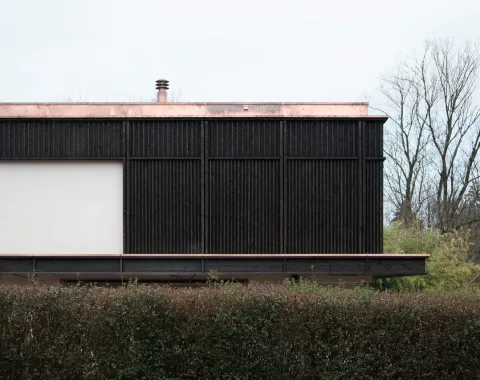
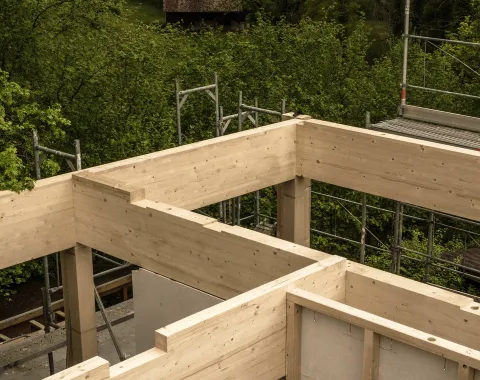
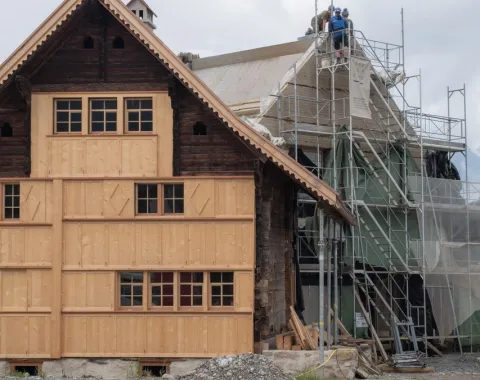
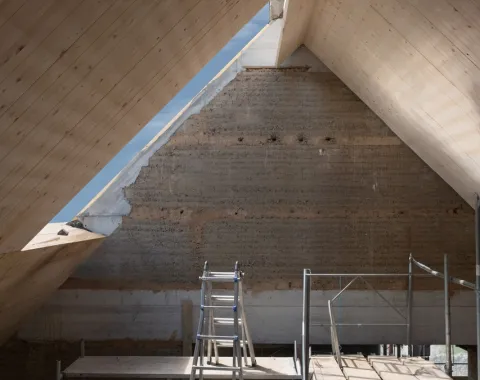
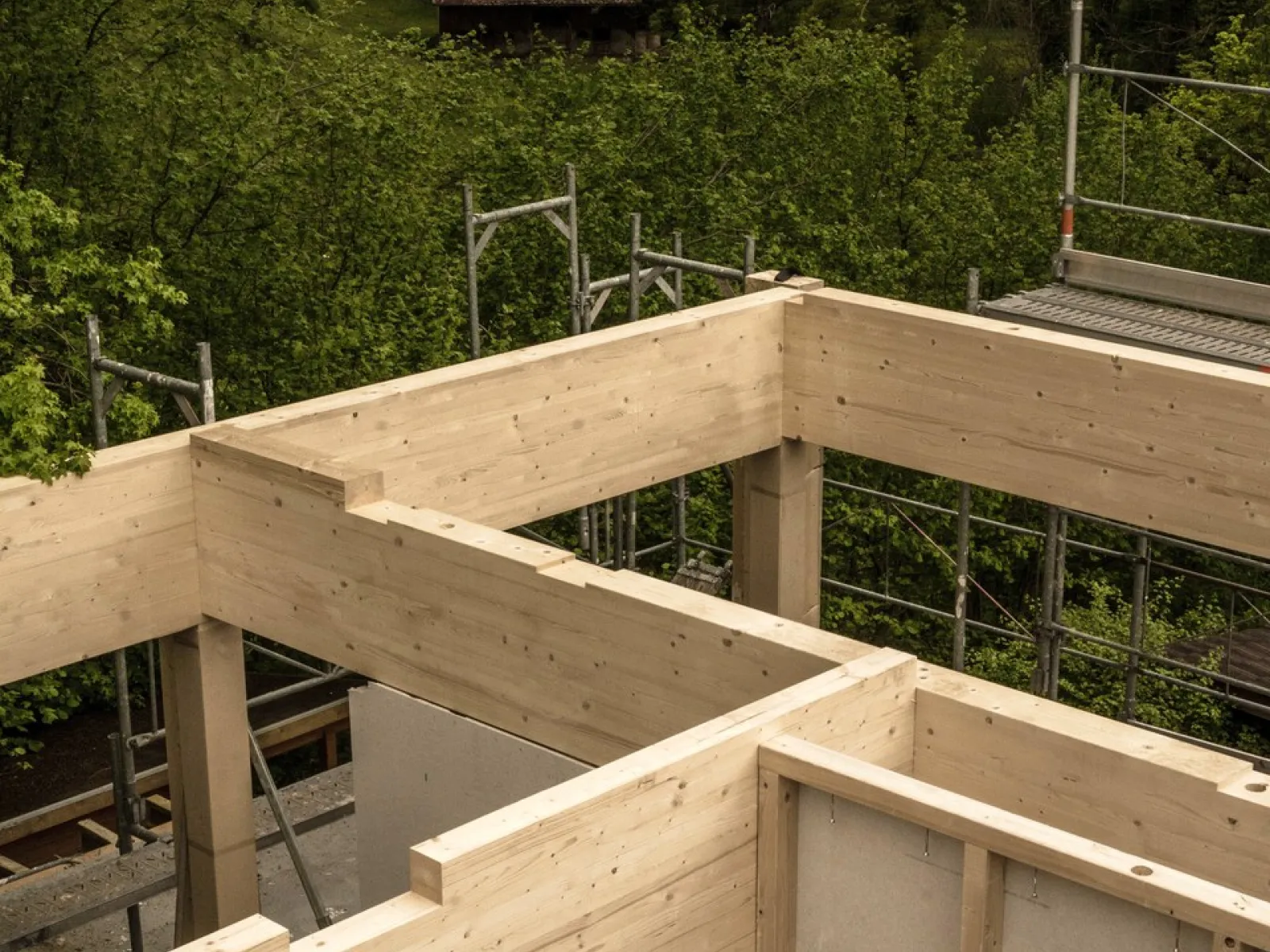
Around 41% of the Principality of Liechtenstein is covered by forest. Three quarters of this forest is defined as protection forest due to an average slope gradient of 40% or more. Nevertheless, it is one of the most important sources of raw materials. However, around 70% of the wood harvested annually in Liechtenstein is used directly for energy, which drastically shortens the carbon storage cycle of wood. In addition, forest structures are changing due to climate change. Forecasts for Liechtenstein's forests indicate that spruce will disappear in 2070, particularly at low altitudes, and will only be able to survive in the higher regions. In contrast, hardwood species will increase, leading to a mixed forest. Therefore, research will focus on the potential of poor quality hardwood. A general aim is to extend the life of a log before it is used as an energy source. An analysis of the local occurrence of hardwood species and their quality will serve as a tool to translate this knowledge into constructive solutions. In addition, a comparison of different construction systems that can work with short logs of solid hardwood and that offer opportunities for resource efficiency and deconstructability will serve as a starting point for further research into truss structure systems. This construction system has been used massively historically, but also offers potential for future uses as it provides opportunities for the remaining hardwoods. Thus, the various parts of the system involved are being investigated for their structural role and properties to find potential in the existing but unused hardwood. A cataloging of poor quality hardwood, such as crooked, too short, too thick or twisted, redefines the available material. The goal can be formulated as a representation of possibilities within the structural system of timber-frame construction and to show new potential through the use of hardwood.


Lost in Translation: How Predictability Turns Into Performance –Lukas Salcher


Modern portfolio theory provides for a two-stage asset allocation process. However, the accurate prediction of returns and their effective utilization remains a challenge. This difficulty stems from a tenuous link between predictive accuracy and economic value, a topic of debate among researchers. While some researchers question whether returns are predictable at all, others aim to improve forecasting methods, including by adopting techniques from the field of machine learning. Our study addresses the problem of how predictability can be systematically harnessed for better economic outcomes, exploring different investment strategies and assets. By linking the predictability of returns directly to portfolio performance, we challenge the established focus on statistical mass. Our results suggest that even low predictability, strategically applied, can bring significant performance benefits.


Zwei Personen stehen vor einer Wand mit dem Logo der Universität Liechtenstein. Sie lächeln in die Kamera.

New architecture curricula: strong focus on sustainability

New architecture curricula: strong focus on sustainability

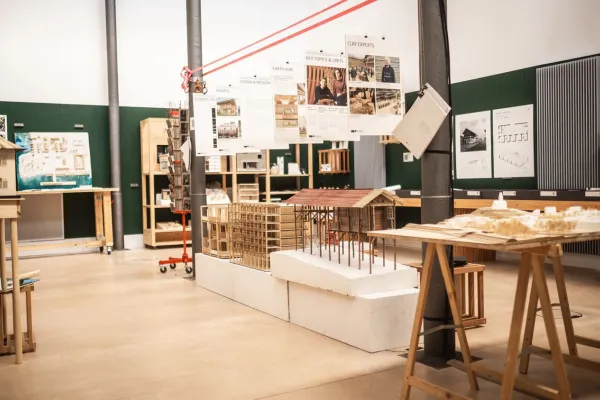
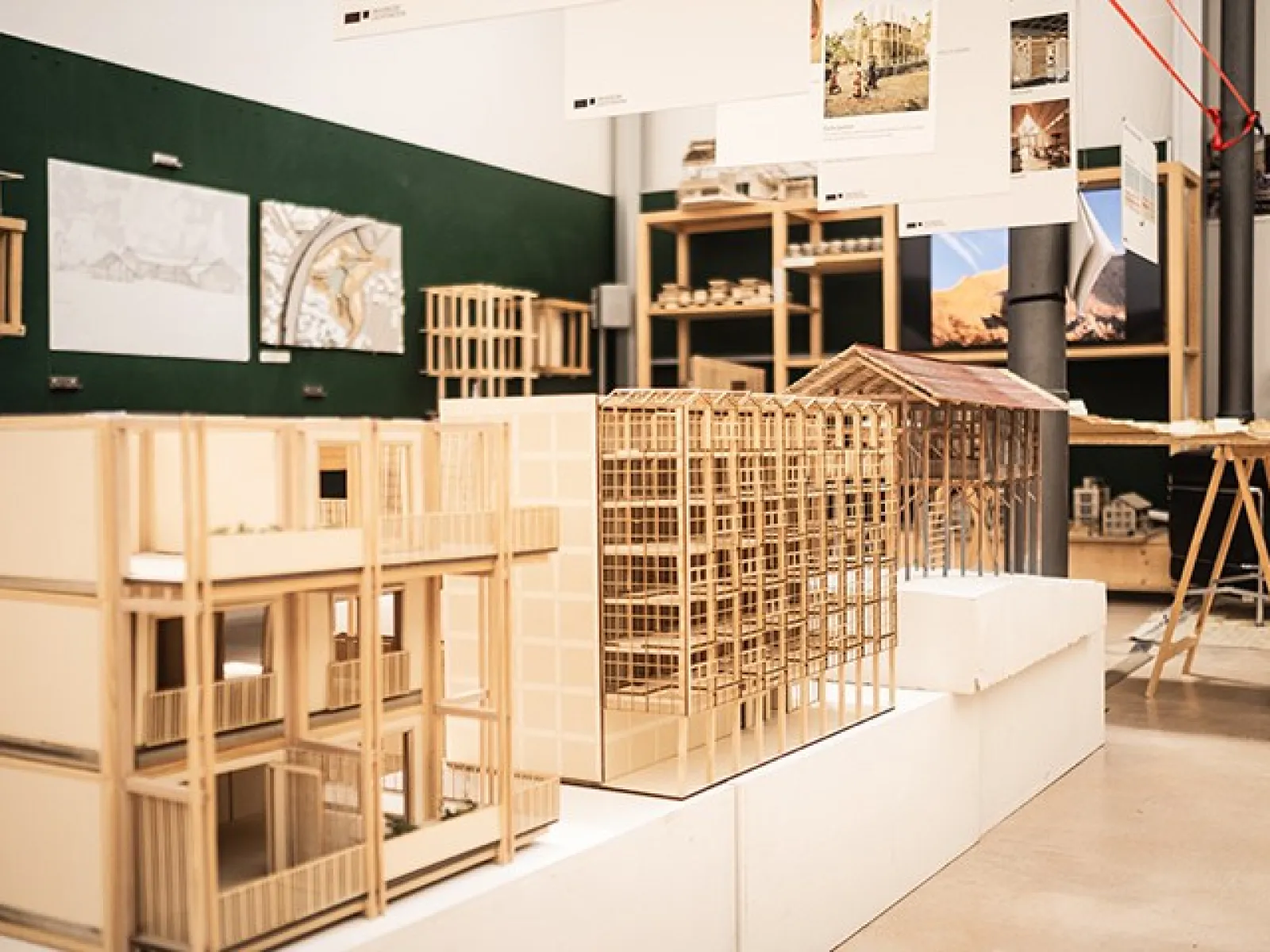
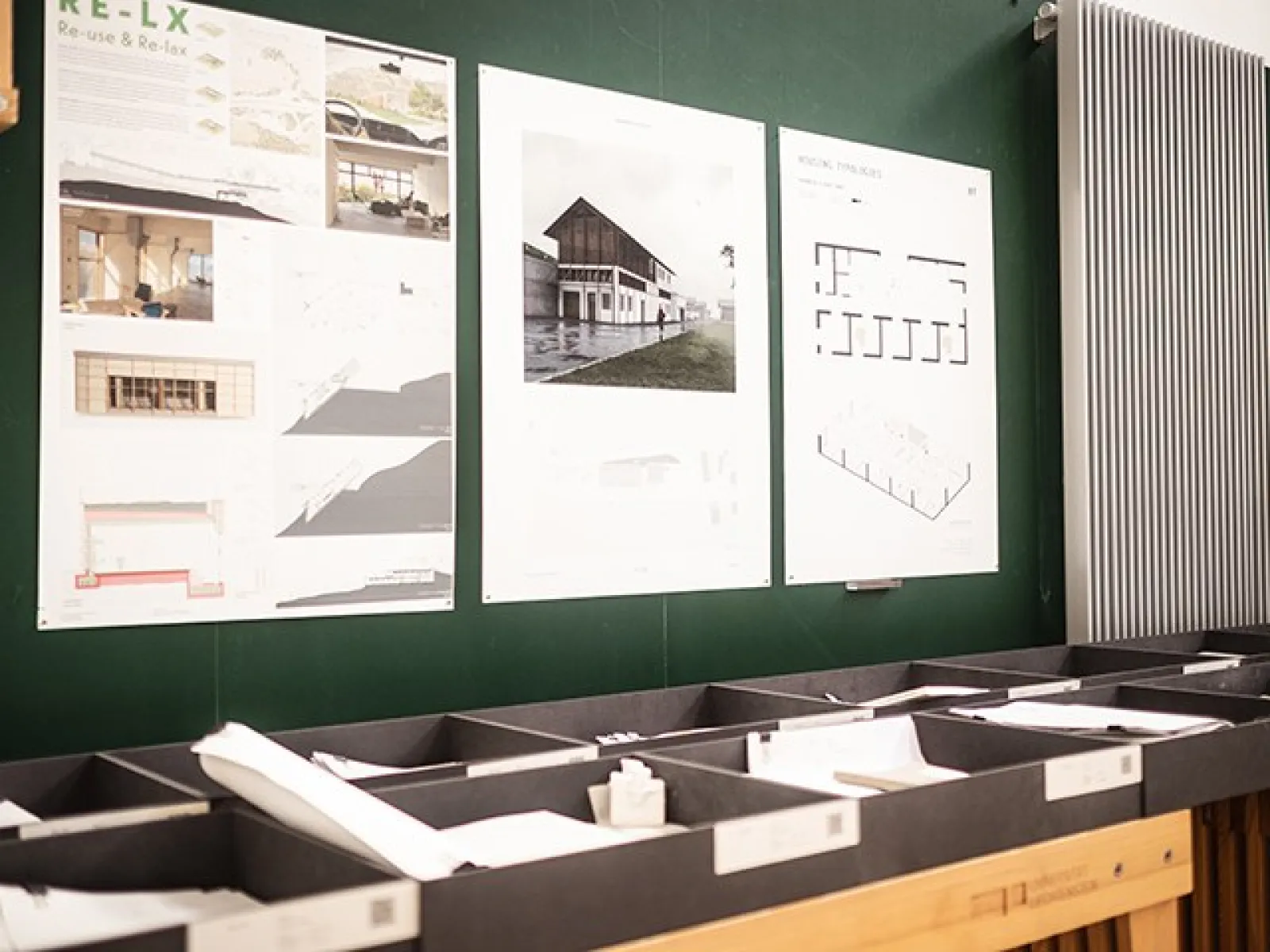
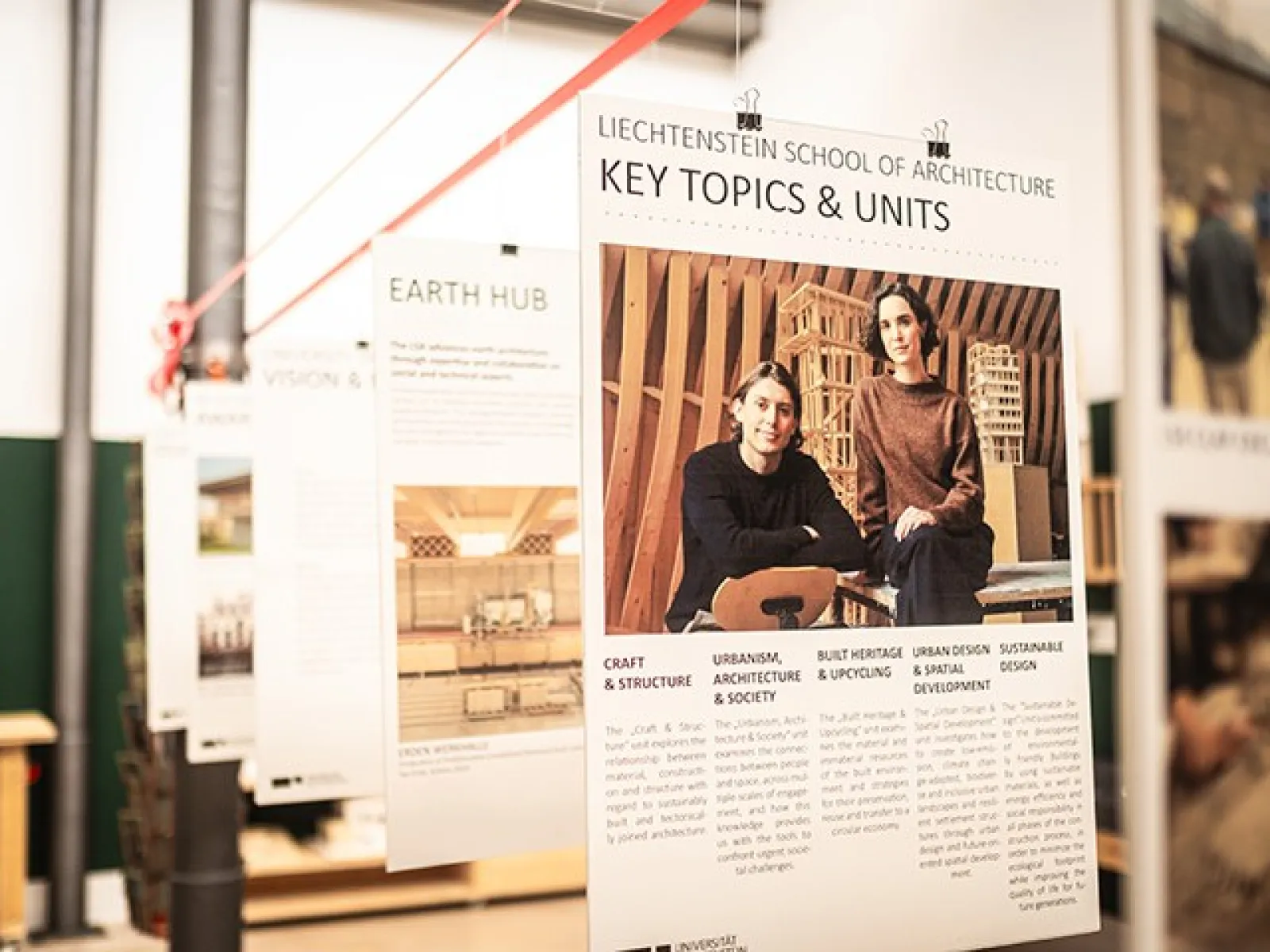
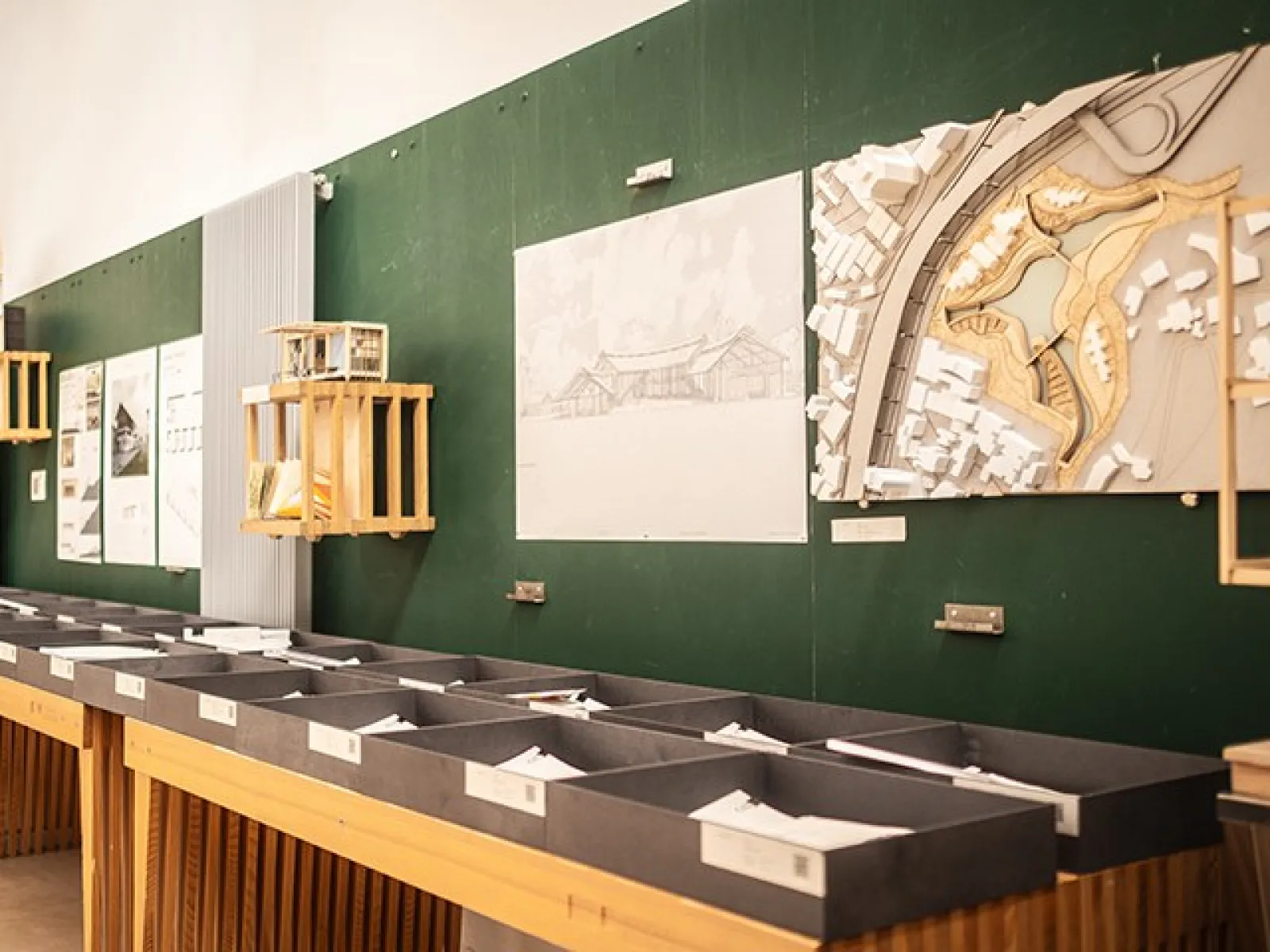
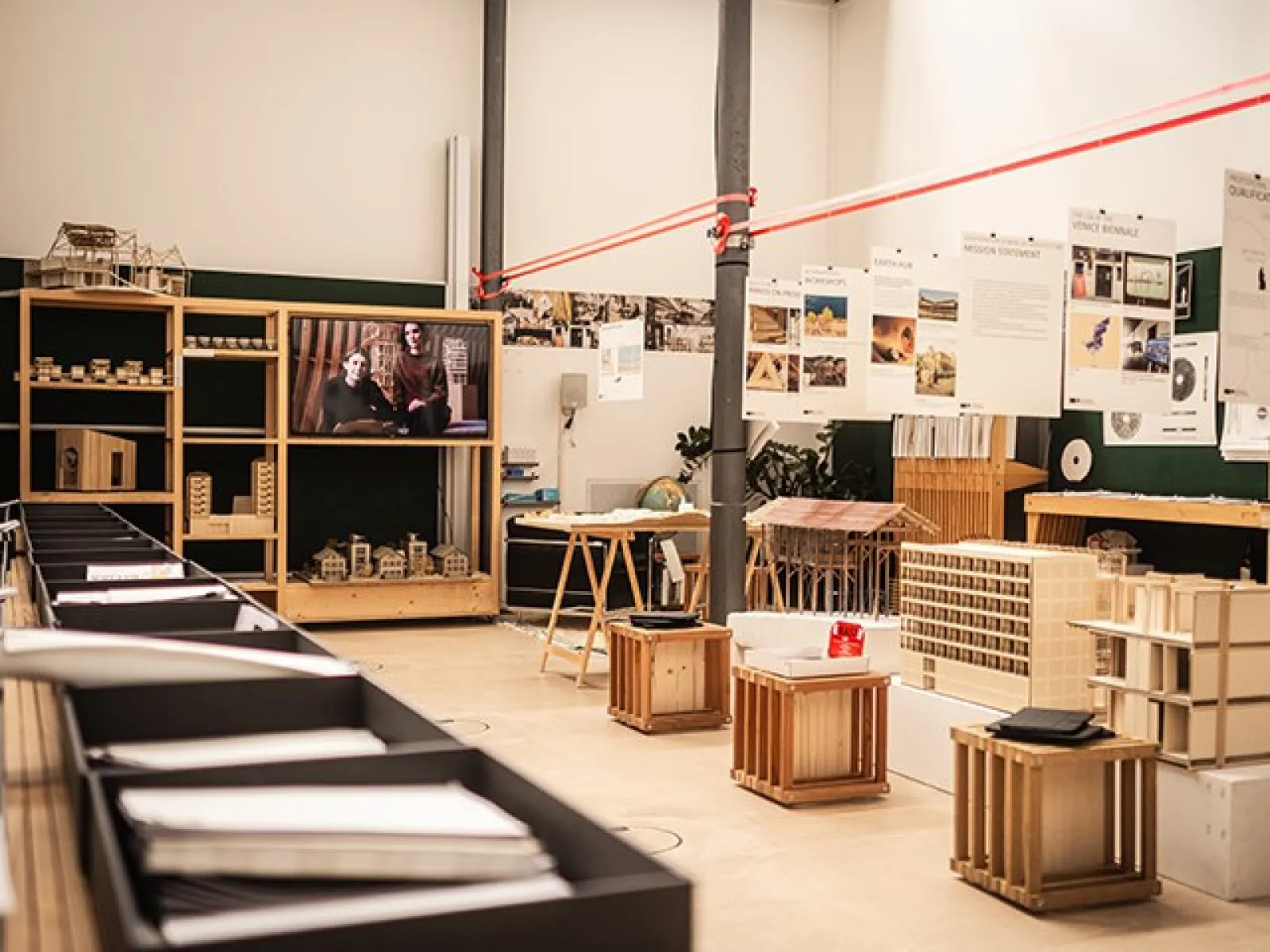
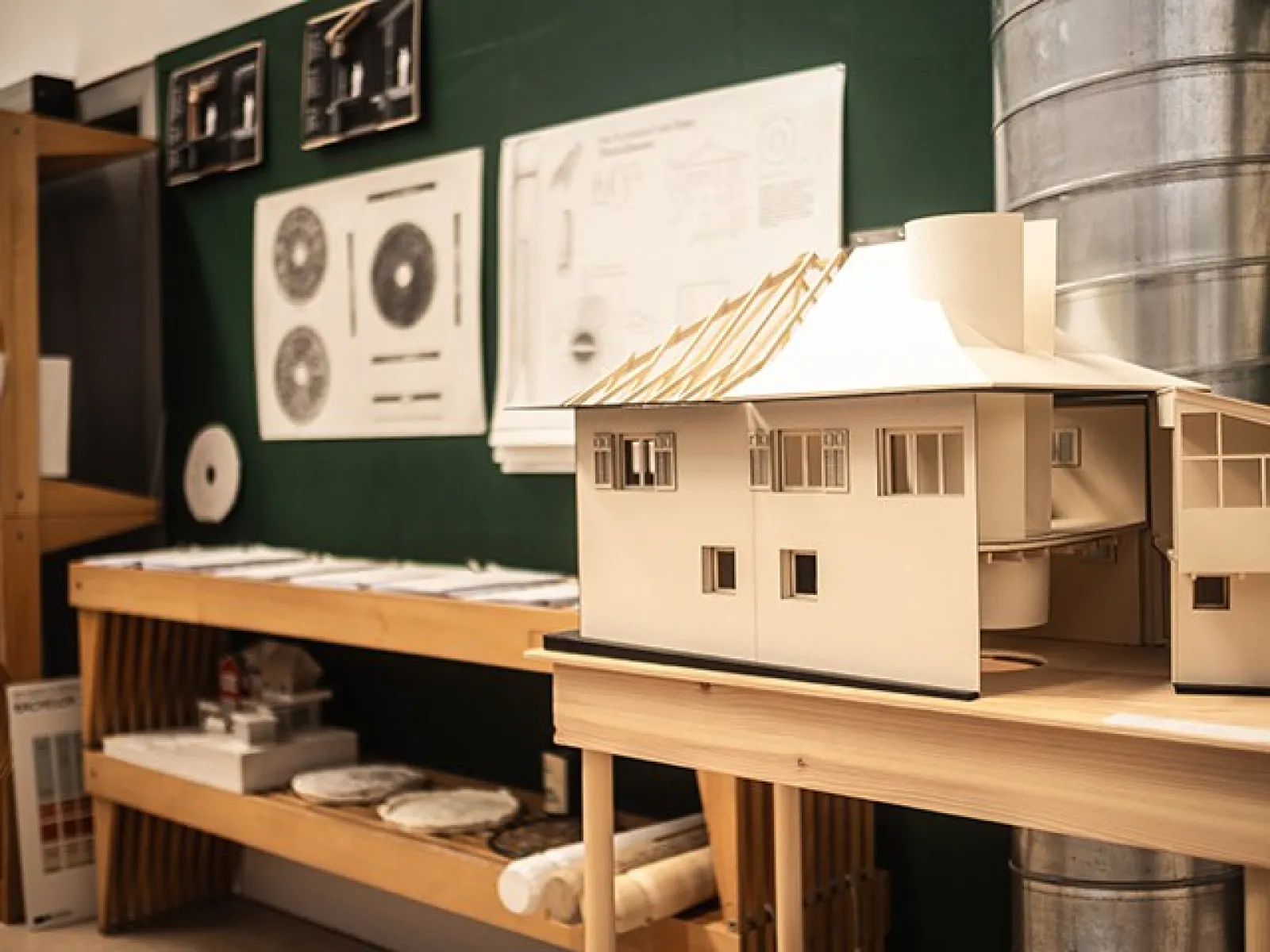
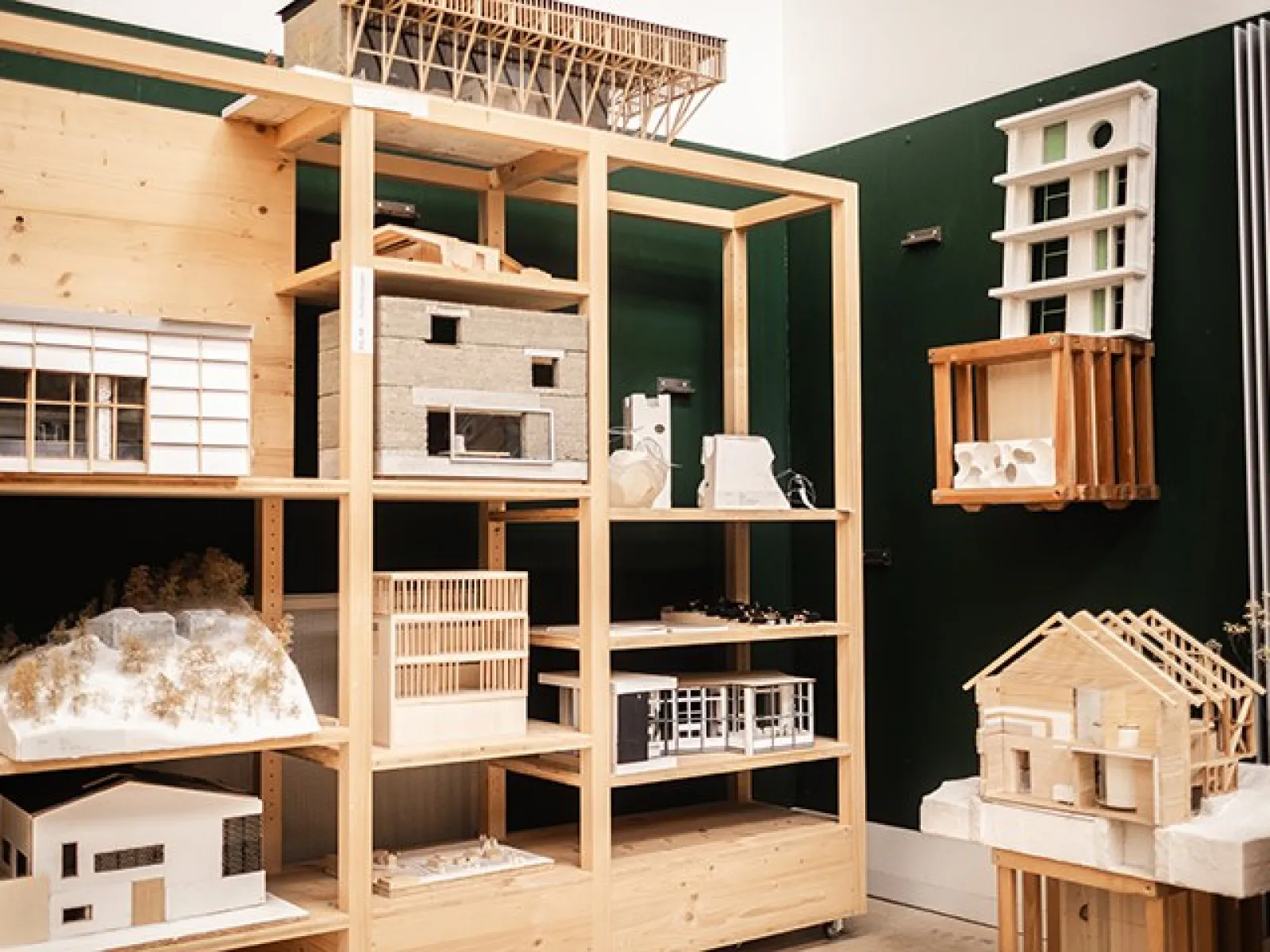
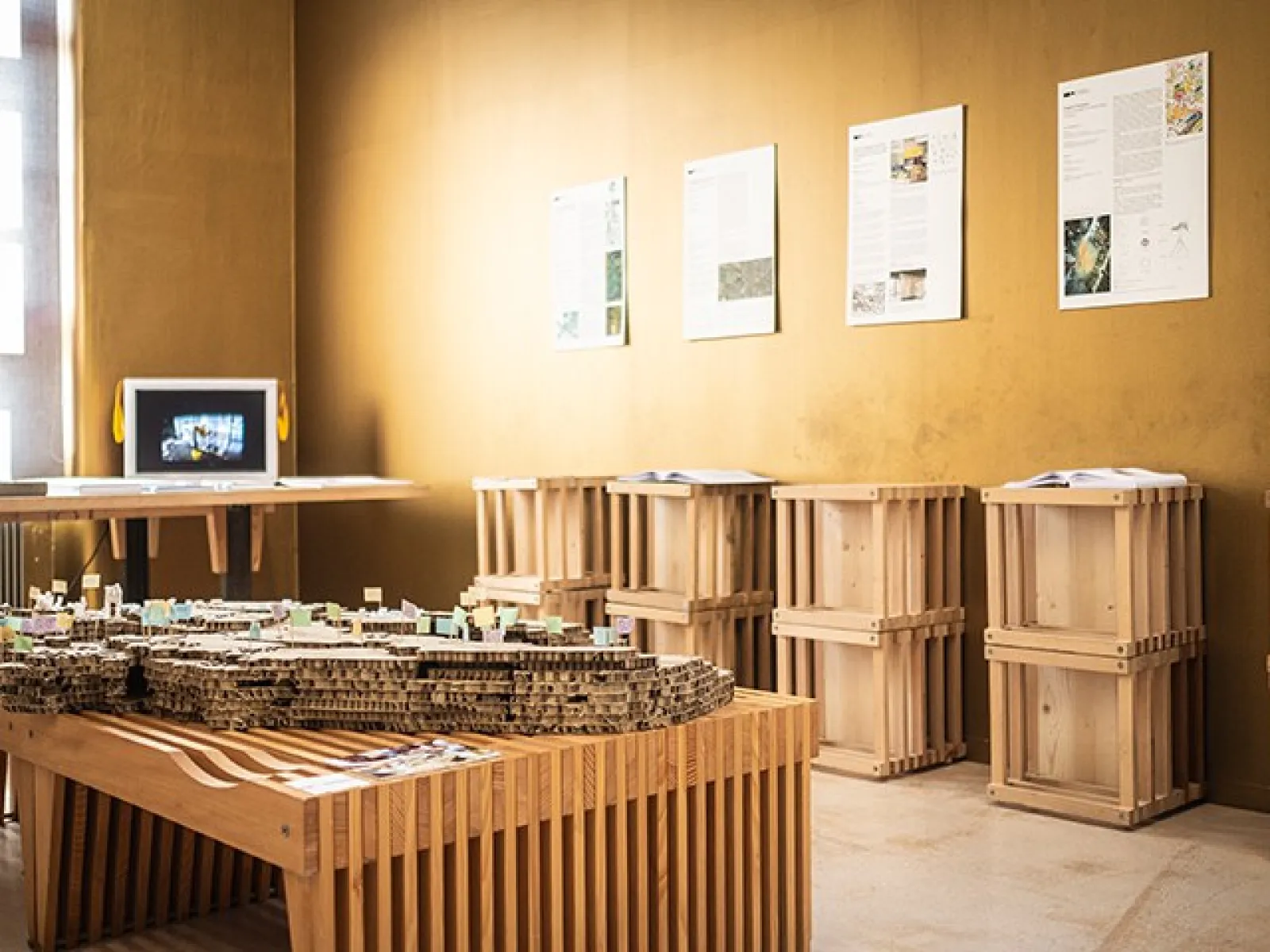
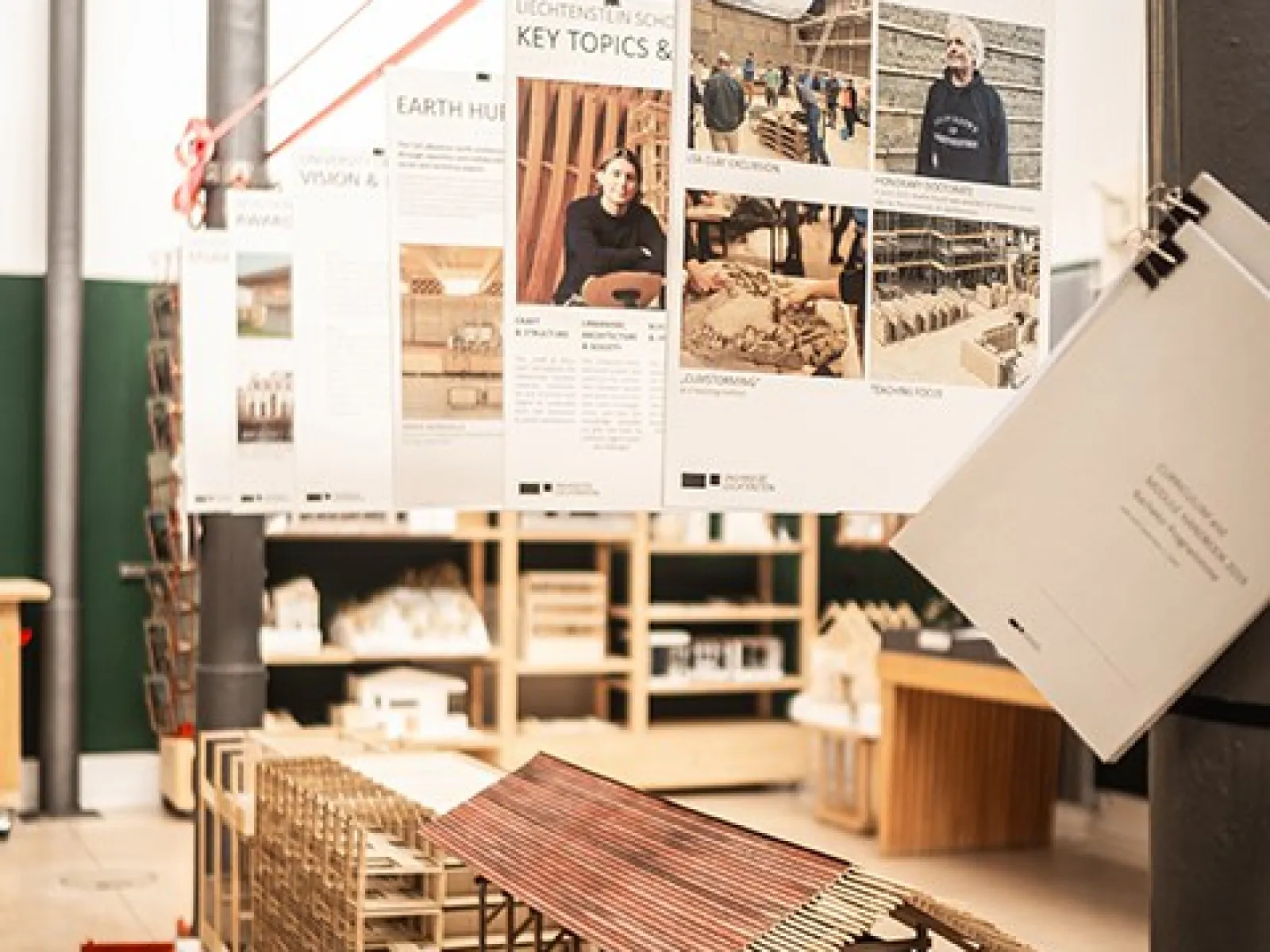
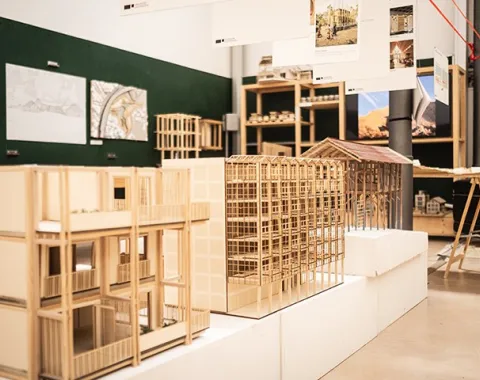
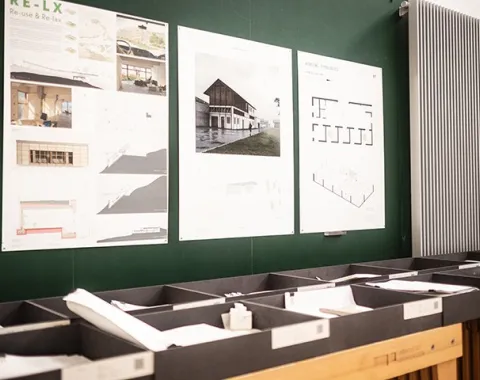
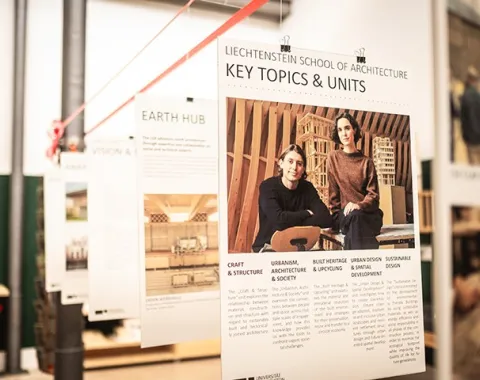
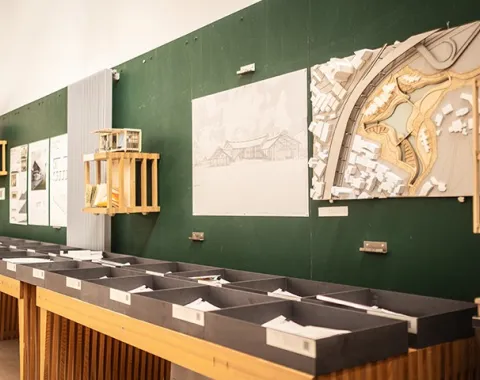
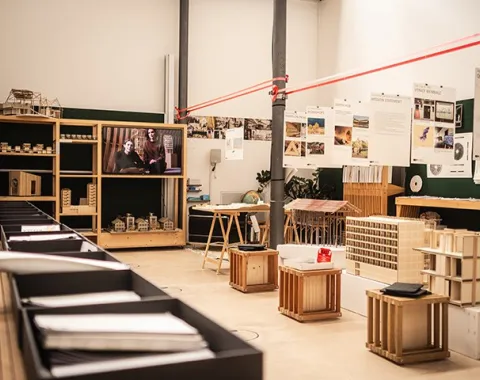
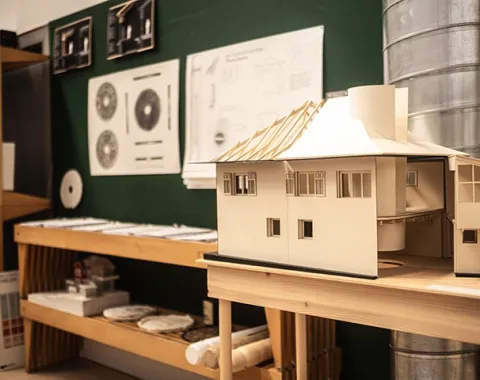
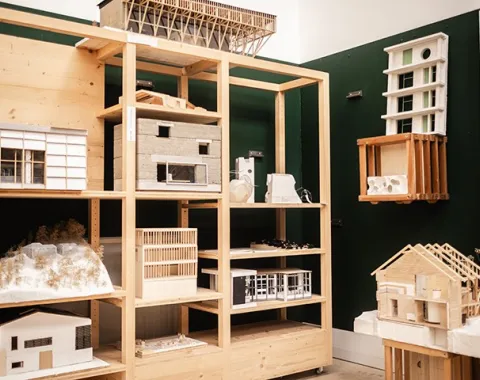
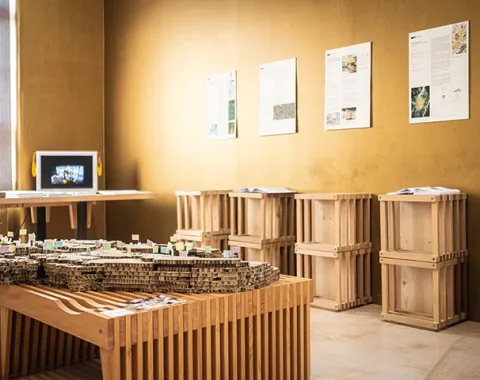
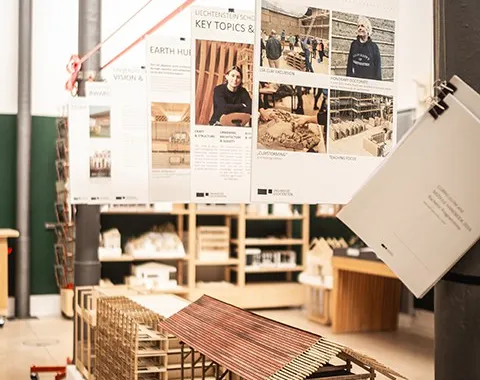
Architektur-Studienraum mit Modellen und Plakaten. Verschiedene Architekturmodelle aus Holz und Papier sind auf Tischen ausgestellt. An den Wänden hängen Plakate mit Informationen zu Projekten und Themen. Der Raum ist hell und modern gestaltet.

The field of architecture is currently changing at a rapid pace. In the face of increasing global challenges, both academics and practitioners have to deal with the climate crisis, demographic change, unequal social development and the failures of the existing built environment. To meet these challenges, students pursuing a degree in architecture today need more diverse skills than ever.


Since 1st September 2024, the new BSc and MSc Architecture curricula have been in effect. The updated programmes place a strong emphasis on sustainability, equipping the next generation of architects to tackle current and future challenges, such as climate change. With innovative course content and practical projects, students are being prepared to shape the built environment in a responsible and future-oriented way.


Curriculum of the Bachelor's degree programme in Architecture 


Curriculum of the Master's degree programme in Architecture 


"Yesterday, the focus was on optimizing what already existed, reducing consumption and emissions. Today, it is understood that construction must leave no footprint. From now on, we need buildings that help to compensate for the damage caused. New buildings must absorb more pollutants than they produce and generate more energy than they consume. New architecture is climate-positive."
Daniel Stockhammer, LSA Dean 


Architektur-Studienraum mit Modellen und Plakaten. Verschiedene Architekturmodelle aus Holz und Papier sind auf Tischen ausgestellt. An den Wänden hängen Plakate mit Informationen zu Projekten und Themen. Der Raum ist hell und modern gestaltet.

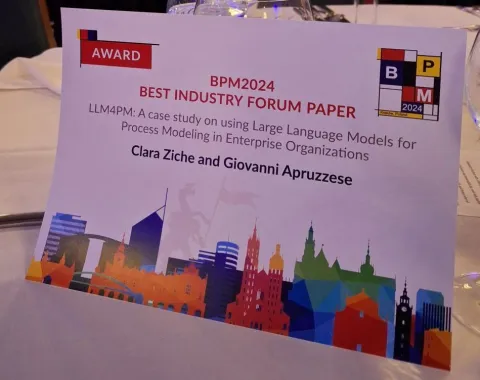
Master's thesis honored with BPM2024 BEST INDUSTRY FORUM Paper Award

Master's thesis honored with BPM2024 BEST INDUSTRY FORUM Paper Award

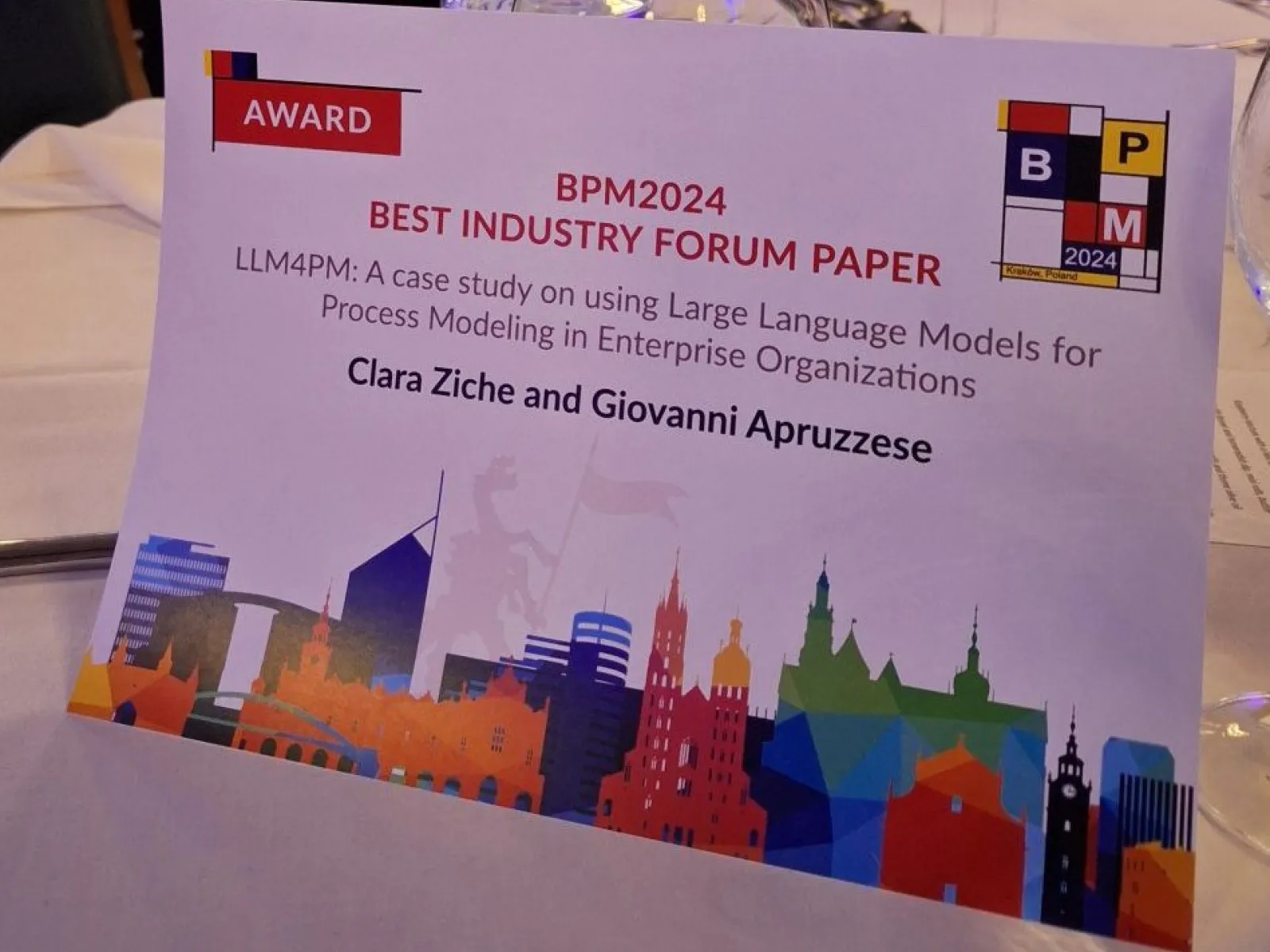
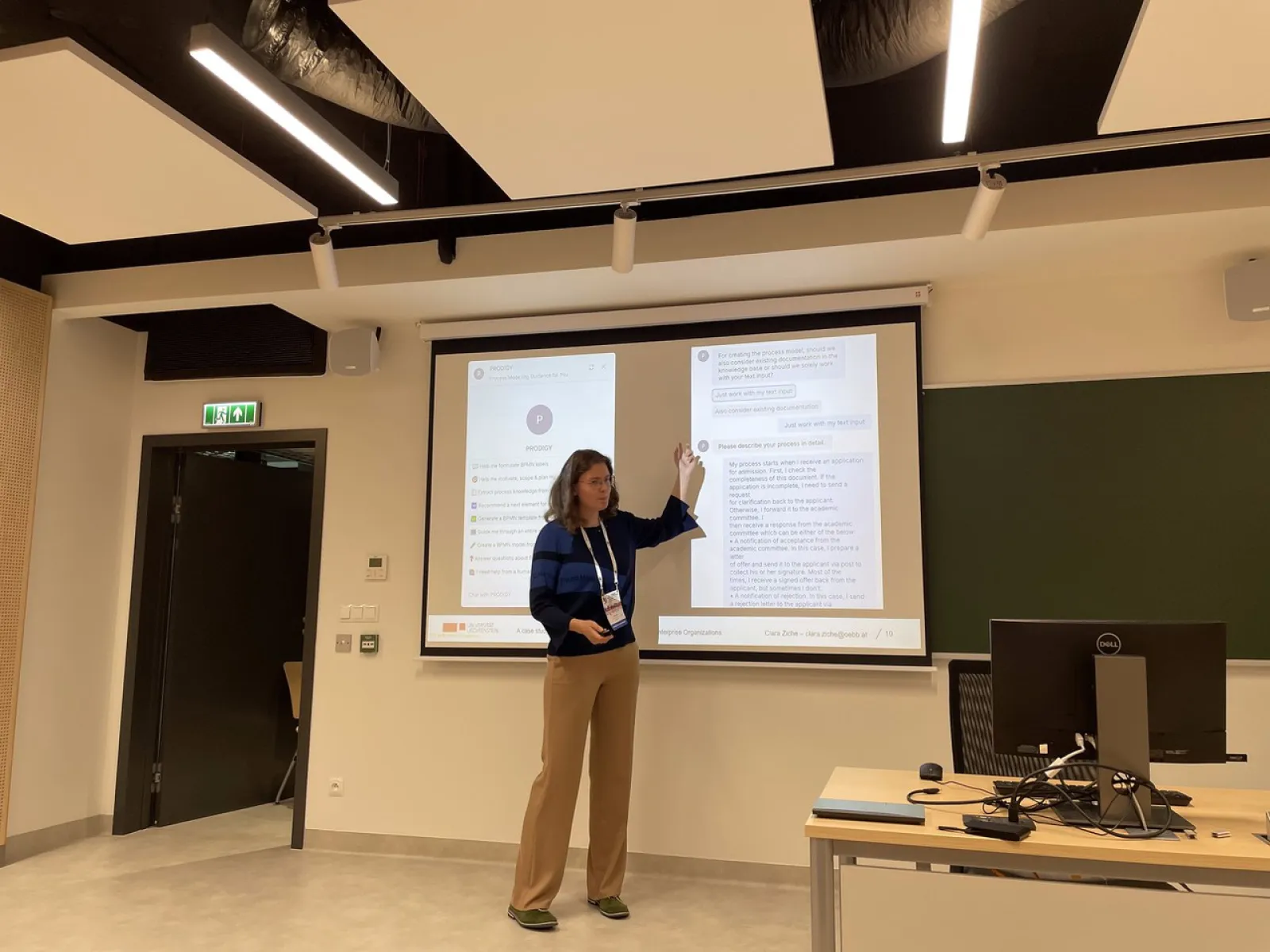
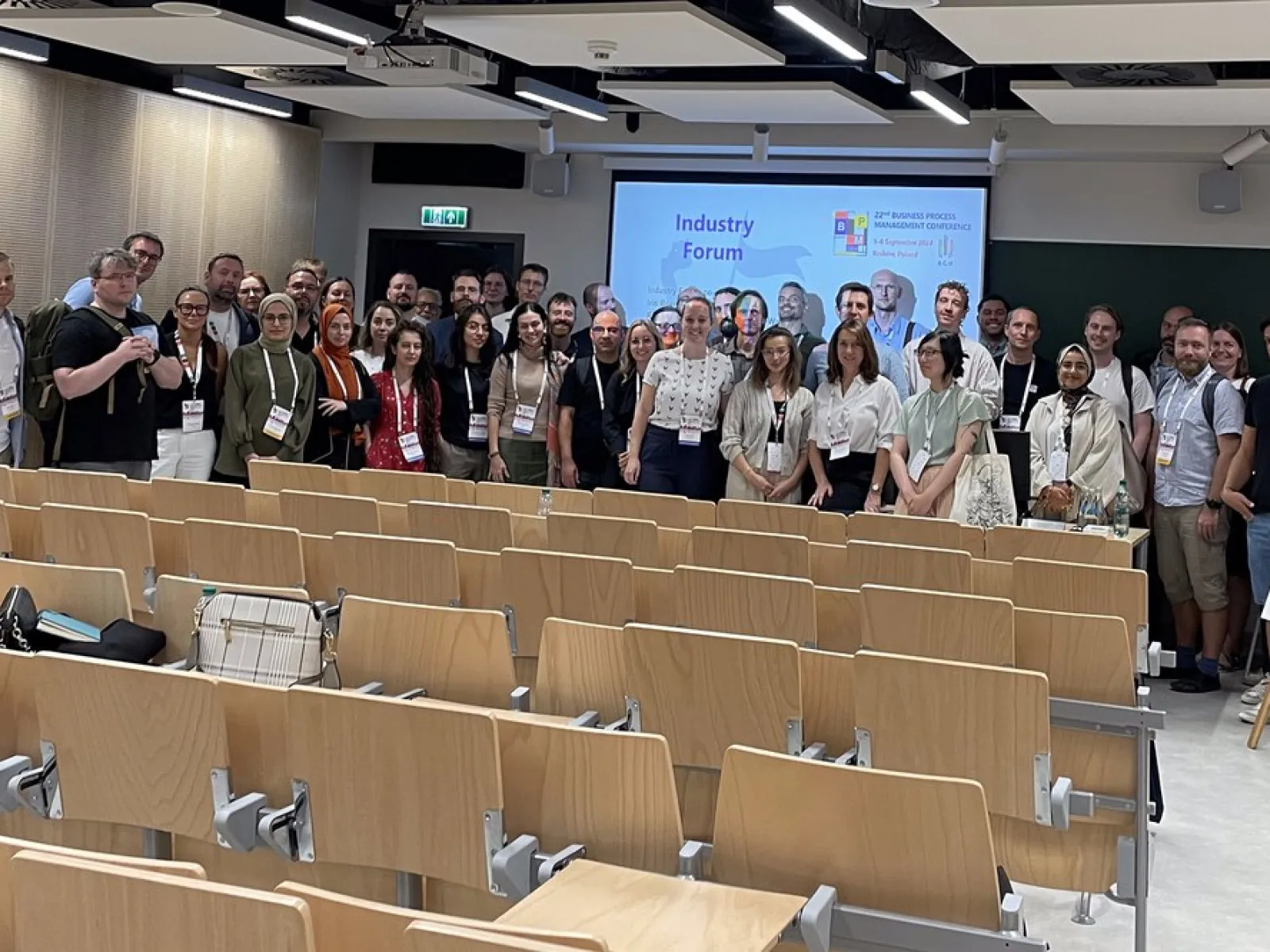
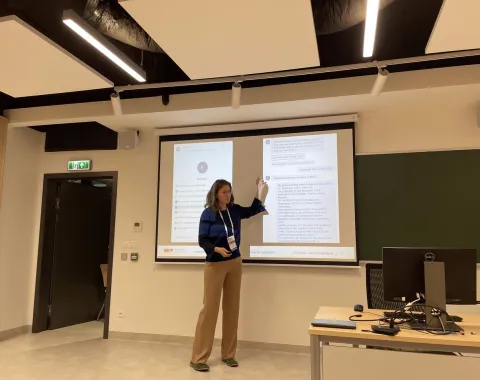
Clara Ziche completed her degree in Information Systems at the graduation ceremony in September 2024. Her master's thesis «A case study on using Large Language Models for Process Modeling in Enterprise Organizations» was not only accepted at the BPM conference in Krakau, Polen, but also received the BPM2024 BEST INDUSTRY FORUM Paper Award.


Since 2003, the International Conference on Business Process Management is the premier conference for researchers and practitioners in the field of Business Process Management. 


Clara Ziche stated: “The University of Liechtenstein was the perfect place to combine work and study, i.e. to work in industry and obtain an academic degree at the same time. The Information Systems discipline in particular benefits from close collaborations with companies; and companies benefit from interactions with research institutions.


At the University of Liechtenstein, I was trained in scientific methods and in the current state of research in the field of Business Process Management (BPM). This enabled me to contribute from my perspective as a BPM practitioner and submit a paper to the academic BPM conference.”
 

Two LSA Projects Shortlisted for the Swiss Arc Award 2024

Two LSA Projects Shortlisted for the Swiss Arc Award 2024

'Swiss Arc Award 2024' prominent im Vordergrund. Modernes Design, das Architektur und Innovation symbolisiert.

Two projects from the Liechtenstein School of Architecture have been nominated for the Swiss Arc Award 2024 and made it onto the shortlist. The projects "Reallabor Pro Bono – Design for the Common Good" and "Entrepôt – Building Repair, Reuse, Relocate" are in the spotlight. Both initiatives reflect the university’s commitment to sustainable architectural practices and social responsibility. They highlight the importance of renovation, reuse, and ecologically responsible design in the field of architecture.


The award ceremony will take place on 23 October 2024 at Trafo Baden.


More information about the nominated projects can be found [here].


'Swiss Arc Award 2024' prominent im Vordergrund. Modernes Design, das Architektur und Innovation symbolisiert.

Outstanding Artist Award for Martin Mackowitz

Outstanding Artist Award for Martin Mackowitz

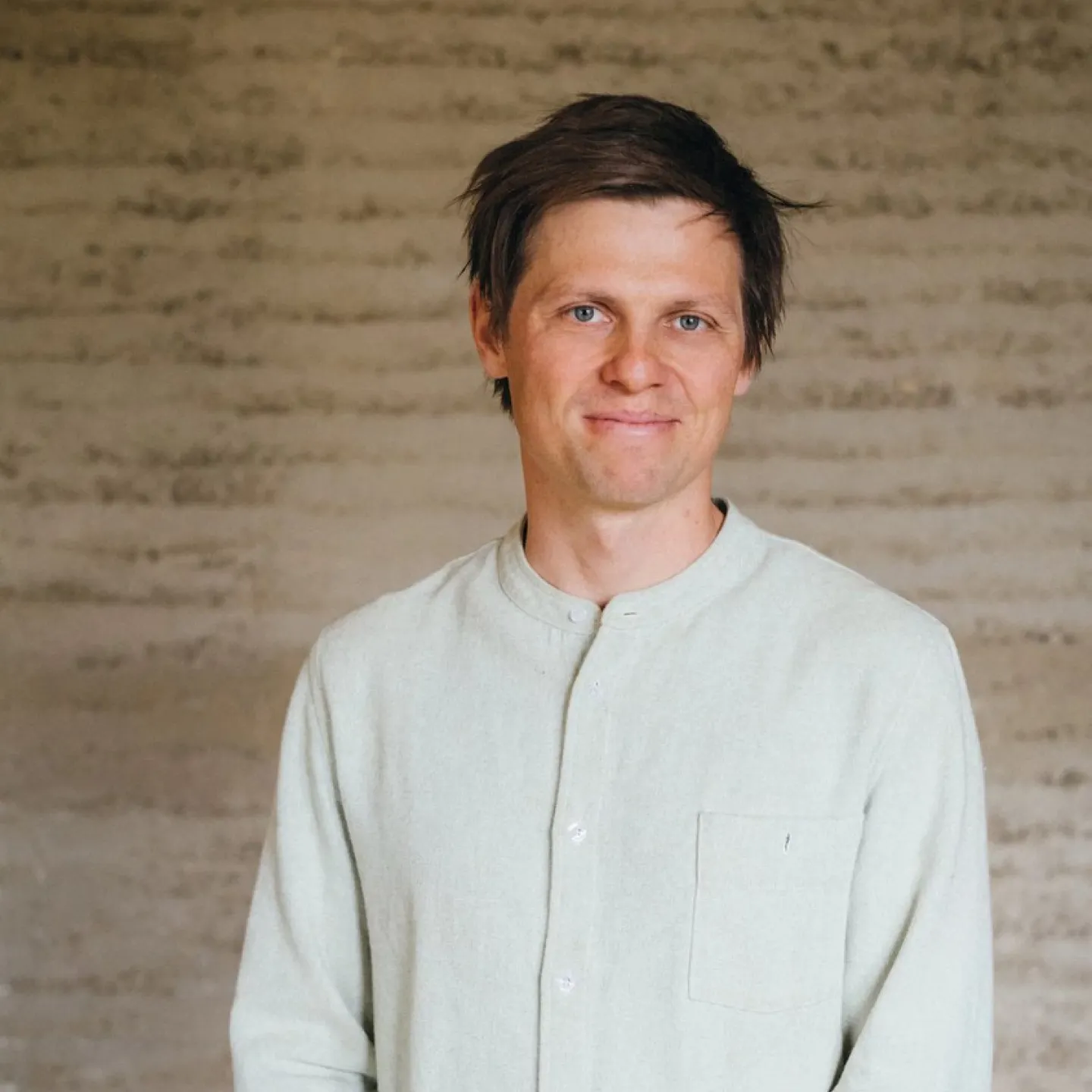
Auf dem Bild ist Martin Mackowitz, Hochschuldozent an der Liechtenstein School of Architecture zu sehen.

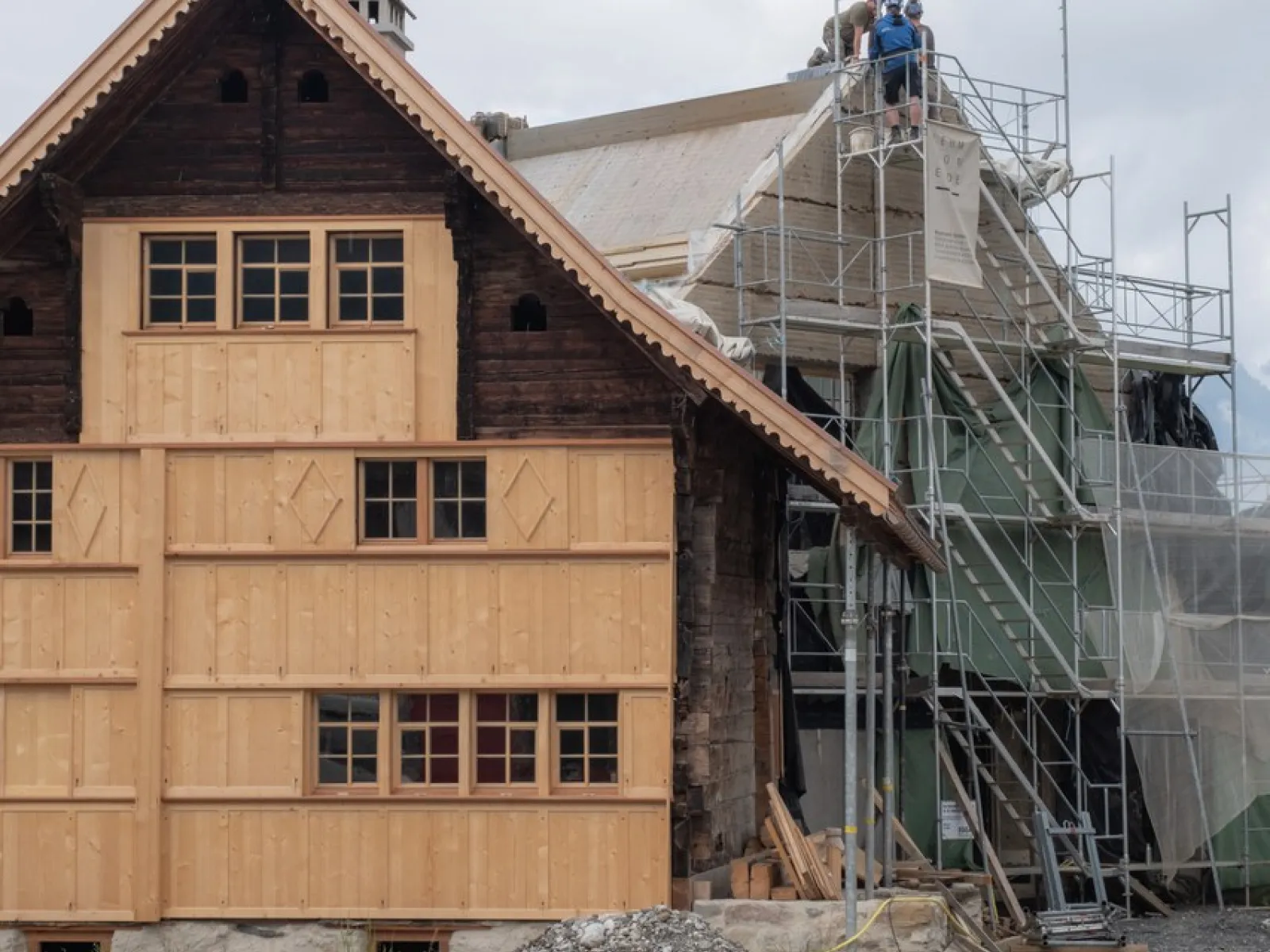
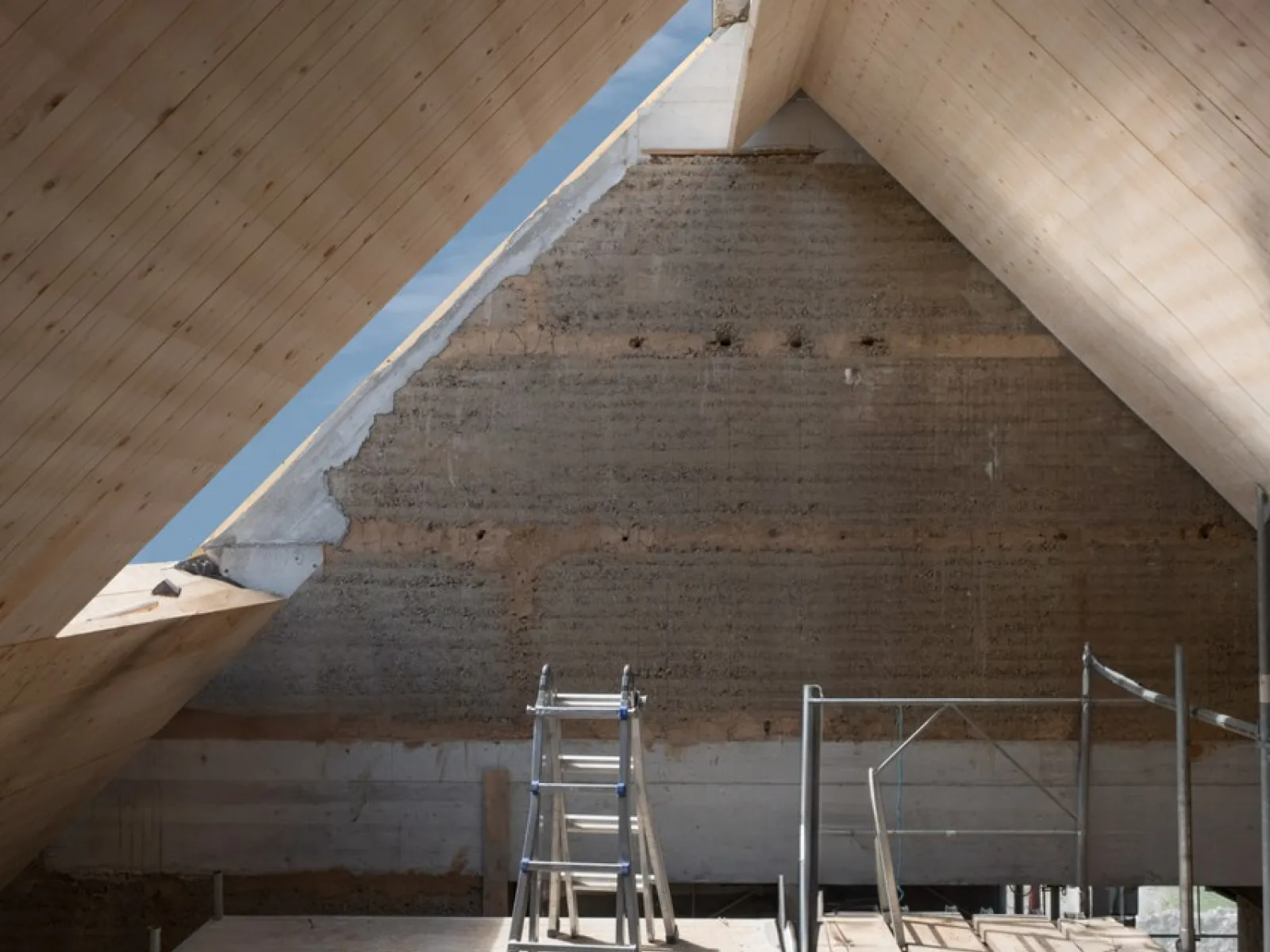
Martin Mackowitz, senior lecturer at the Liechtenstein School of Architecture, was honoured with the "Outstanding Artist Award 2024" in July for his work in the category of "Experimental Trends in Architecture." Mackowitz is renowned for his innovative approach to clay and ecological construction. His projects focus on concepts such as renovation, deconstruction, and circular building practices, all aimed at fostering positive social transformation. He is a member of "Lehm Ton Erde," founded by Martin Rauch, and co-founder of "Erden Studio" and "Lehmit." Additionally, he is a co-initiator of the newly established Earth Hub at the University of Liechtenstein.


This award recognises Mackowitz’s contributions to architecture that embrace not only aesthetic but also social and environmental dimensions, as well as his commitment to promoting sustainable building practices. Congratulations on this well-deserved recognition!


For more details, visit the website of the Austrian Federal Ministry for Arts, Culture, Civil Service, and Sport.


Auf dem Bild ist Martin Mackowitz, Hochschuldozent an der Liechtenstein School of Architecture zu sehen.

Erasmus Days Event at the University of Liechtenstein

Erasmus Days Event at the University of Liechtenstein

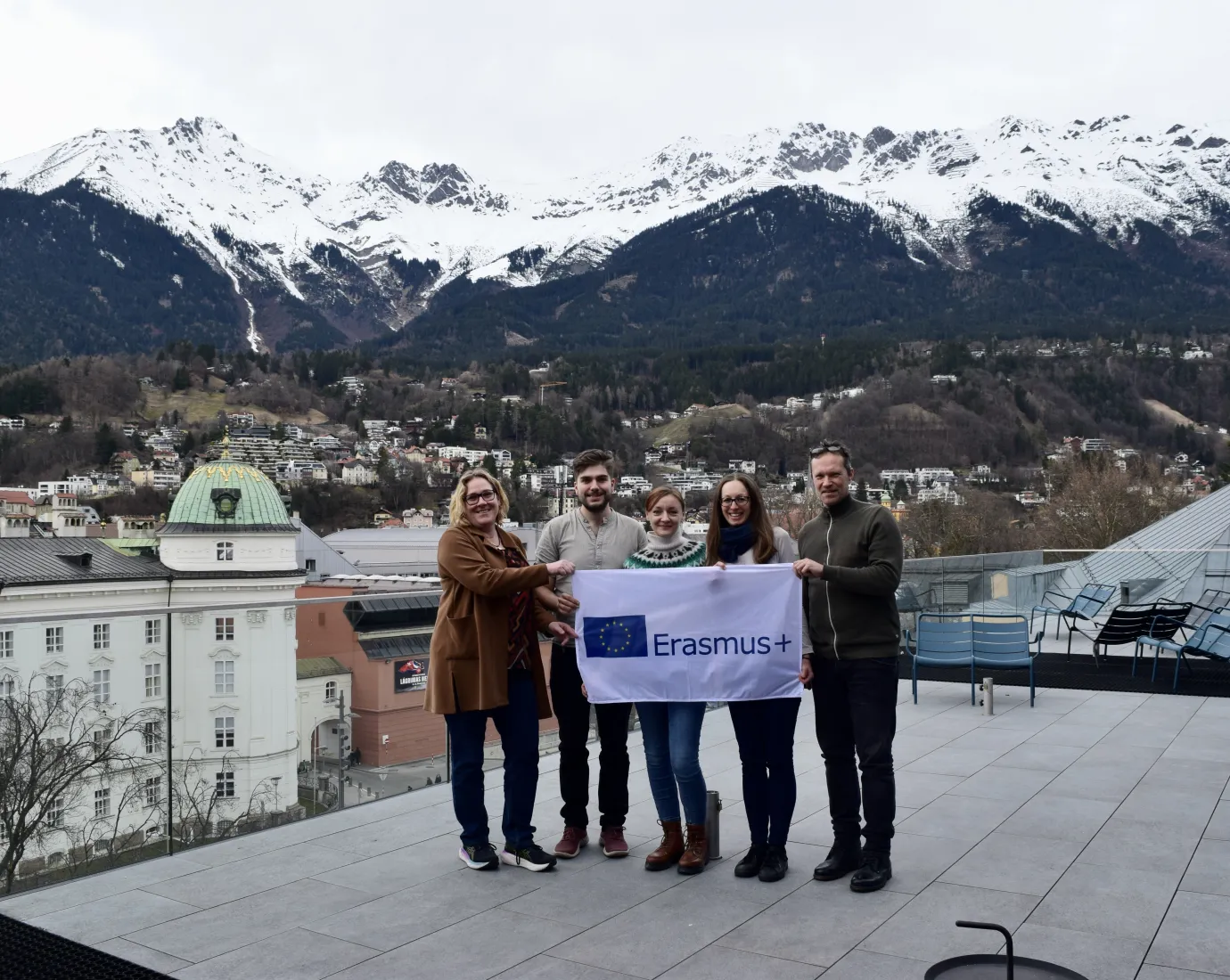
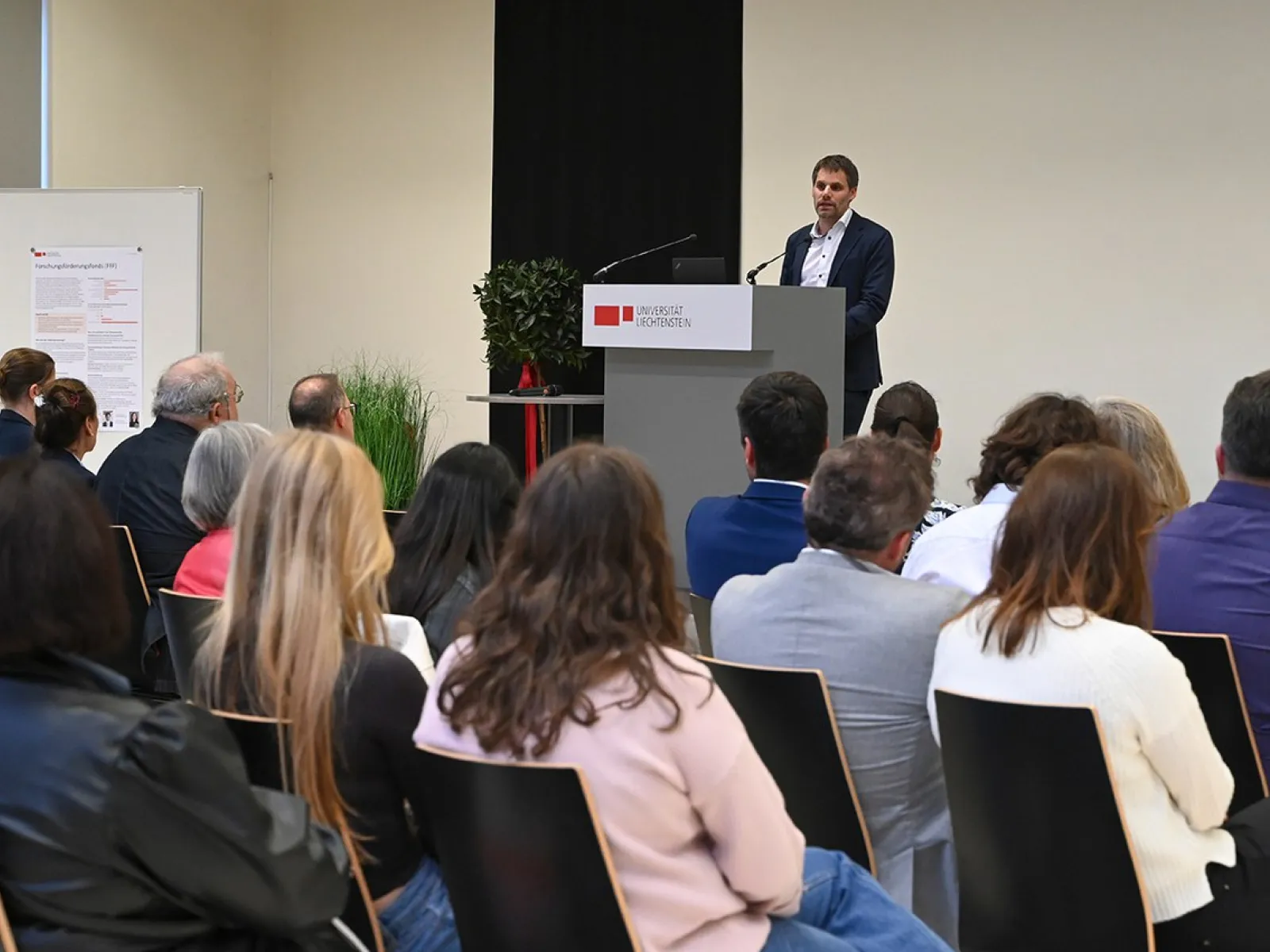
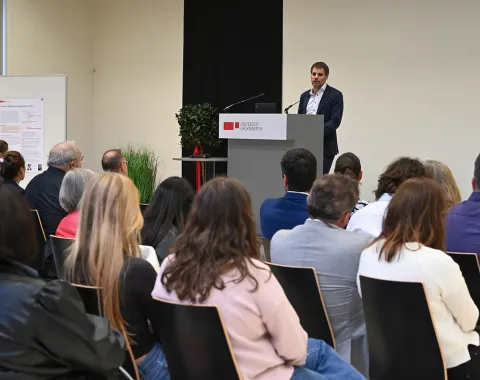
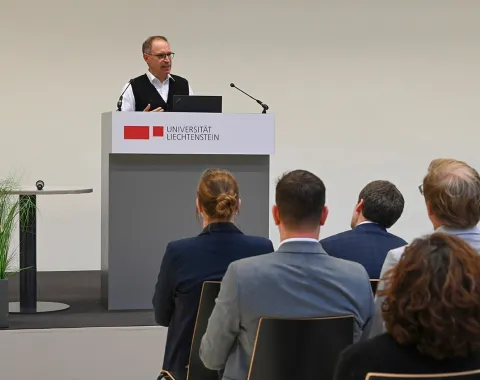
As part of the Erasmus Days week, the University of Liechtenstein, in collaboration with the Agency for International Educational Affairs (AIBA), hosted an inspiring event on 17 October 2024 dedicated entirely to international educational cooperation.


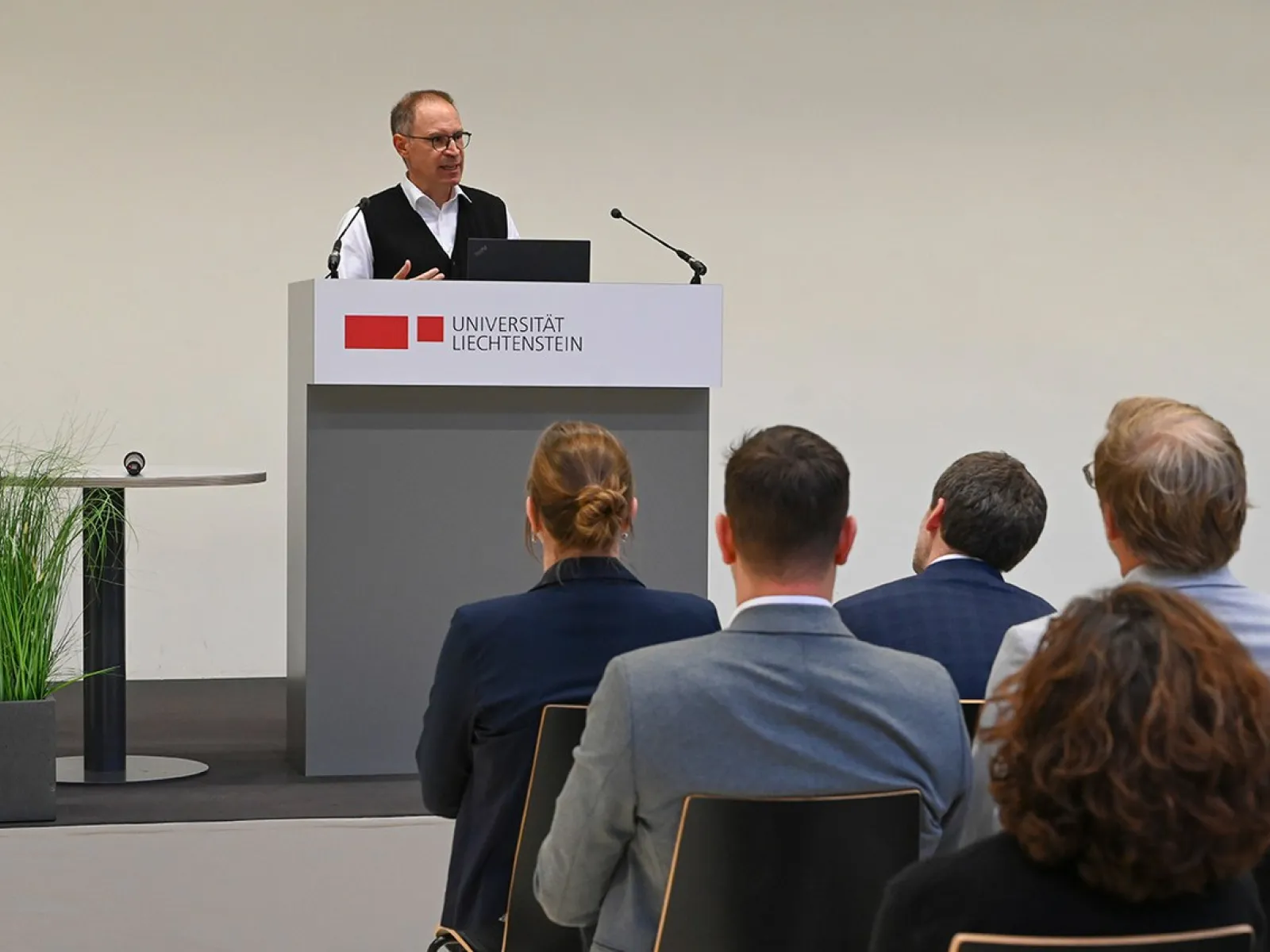
The Erasmus Day at the University of Liechtenstein began with two opening speeches: Dr. Christian Frommelt, Rector of the University of Liechtenstein, and Dr. Stefan Sohler, Head of the Agency for International Educational Affairs, both emphasized the outstanding importance of the Erasmus+ programme for Liechtenstein. They particularly highlighted the fruitful collaboration between the university and AIBA, which enables students and researchers to access valuable international exchange opportunities.


One of the highlights of the day was the presentation of ten projects that showcased a wide range of diverse and innovative ideas. The projects clearly demonstrated the breadth and potential of the Erasmus+ programme.


Around 50 participants attended the event, which featured both informative contributions and a convivial networking opportunity during the closing reception. Numerous stimulating conversations revealed a strong interest in further cooperation and new project ideas – perhaps even laying the groundwork for the next Erasmus initiatives.


Overall, the event was a great success, underscoring the crucial role that the Erasmus+ programme plays for Liechtenstein. We already look forward to next year’s Erasmus Days and are excited about the future projects that will emerge.


Welcome Timothy Allen and Ronan Crippa to the University of Liechtenstein!

Welcome Timothy Allen and Ronan Crippa to the University of Liechtenstein!

Since September 1, 2024, the two young architects Timothy Allen and Ronan Crippa have been enriching the team at the Liechtenstein School of Architecture as practical lecturers in the Foundation Studio of the Bachelor’s programme in Architecture.


Both rooted in the Rhine Valley, they not only run their architecture firm in Grabs but are also actively committed to promoting architectural culture in their home region. With passion, they dedicate themselves to topics such as renovation and reuse, ecology and CO2 reduction, as well as sensitive urban development – with a focus on construction, atmosphere, and cultural engagement in architecture.


Their approach? They love to experiment with materials and construction, always in search of new ways to make architecture vibrant and sustainable. It is no surprise that they are already gaining considerable attention in the architectural world: In September 2024, Allen + Crippa were awarded the “Wild Card #7” by the magazine Hochparterre, a renowned competition for architects under the age of 40. This award secures them a place in the selective competition for the Spichermatt housing estate by Logis Suisse AG in Stans – an important milestone on their exciting journey.


We are delighted to welcome these two innovative minds to the University of Liechtenstein and look forward to the impulses they will bring to teaching and practice!


RIBA Re-validation Successfully Achieved at All Programme Levels

RIBA Re-validation Successfully Achieved at All Programme Levels

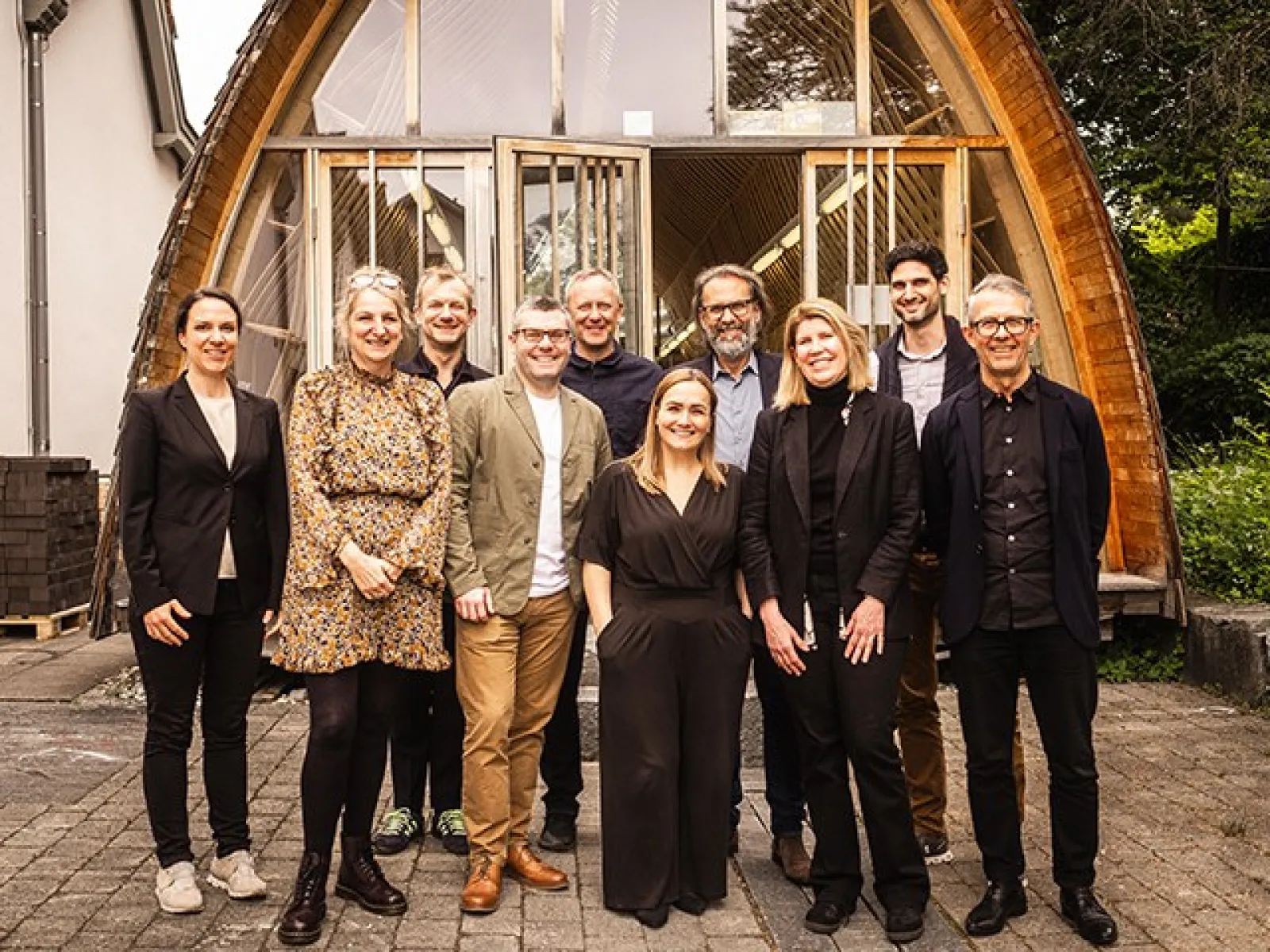
The Liechtenstein School of Architecture (LSA) first obtained RIBA (Royal Institute of British Architects) validation for its Bachelor's, Master's, and Doctoral programme in 2018. Now, the LSA has reaffirmed its excellence with a highly successful re-validation in 2024.


The Liechtenstein School of Architecture remains one of the few institutions worldwide to have earned RIBA validation at all programme levels. 


RIBA evaluates architecture schools worldwide, and its validation is regarded as a mark of quality and a quality assurance instrument. It also serves as an opportunity for self-reflection and the critical examination of ongoing processes.  


On-site Programme Evaluation 


The RIBA reviewers are professors from leading architecture schools in the United Kingdom. In June of this year, a team of six reviewers, along with representatives from the RIBA agency, visited the University of Liechtenstein for a two-day comprehensive evaluation of the architecture programmes. In addition to detailed documentation, the reviewers assessed students' final projects, models, portfolios, and the doctoral theses from the research groups.  


Enthusiastic about the programme and the school  


In their final report, the RIBA reviewers expressed enthusiasm for the Liechtenstein School of Architecture. They described it as a uniquely inspiring environment that offers students an outstanding educational experience and praised the self-reflective quality strategy that culminates in the new curriculum. The revised curriculum (starting date in September 2024) was also critically examined and deemed highly forward-looking, addressing the relevant challenges of sustainable architecture practice and excellently integrating theory and practice. 


“The Liechtenstein School of Architecture may be small, but its quality and approach are on par with the best,” emphasized the RIBA reviewers.  


A Seal of Quality at an International Level 


The Dean of the School of Architecture, Prof. Dr. Daniel Stockhammer, explains: “The RIBA validation confirms the high quality of our architecture programmes based on international criteria. We are proud to receive such positive feedback from the expert panel six years after the initial validation.” 


Moreover, architecture students at the University of Liechtenstein benefit from the RIBA validation, as they can obtain the designation RIBA Part 1 for the Bachelor's degree and RIBA Part 2 for the Master's degree in addition to their qualifications. This gives them a significant advantage in entering the job market and gaining recognition for their degrees from other architecture schools across Europe and globally. 
 

War is a Dead End – A "Traffic Sign of Justice" at the University of Liechtenstein

War is a Dead End – A "Traffic Sign of Justice" at the University of Liechtenstein

As part of the initiative "Traffic Signs of Justice", the University of Liechtenstein hosted a series of lectures and a standing lunch on Wednesday, 16 October 2024.


In collaboration with Benjamin Kuchelmair, an alumnus of the University of Liechtenstein, the sign “War is a dead end” was acquired, officially unveiled, and inaugurated. Kuchelmair explained: “Just like in road traffic, some paths inevitably lead to a dead end with no way forward. Let us seize the opportunity together to make a U-turn and decisively take the path of peace through cooperation, rather than remaining alone in a dead end.”


Dr. Christian Frommelt, Rector of the University, examined the topic of war from a political science perspective: “The 'Democratic Peace' – the insight that democracies do not go to war with one another – is regarded as the only empirical law in the otherwise unpredictable realm of international relations. It is therefore crucial to protect democracies and support institutions that promote democracy.”


The designs for the "Traffic Signs of Justice" were created by artist Johannes Volkmann together with children and youth from nine different countries. The signs were produced in large numbers to be featured in artistic projects across Europe. They are intended to highlight the values of our open and free society.


Initiated by Gaudenz Ambühl, the “Liechtenstein Concept” was developed to enable broad involvement of all interested initiatives and institutions throughout the country. The goal is to establish the “Traffic Signs of Justice” as permanent installations in public places such as town halls, schools, businesses, or churches across Liechtenstein, embedding them sustainably in the public consciousness. The sign “War is a dead end” will have a permanent location on the campus of the University of Liechtenstein.


Insight into Research and Erasmus+ Projects

Insight into Research and Erasmus+ Projects

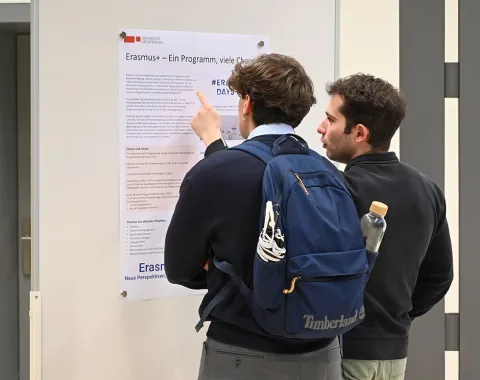
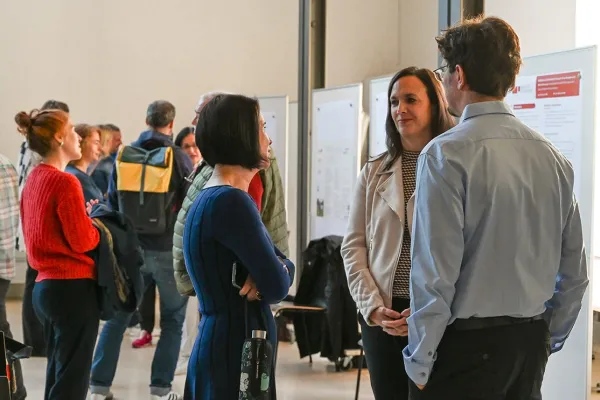
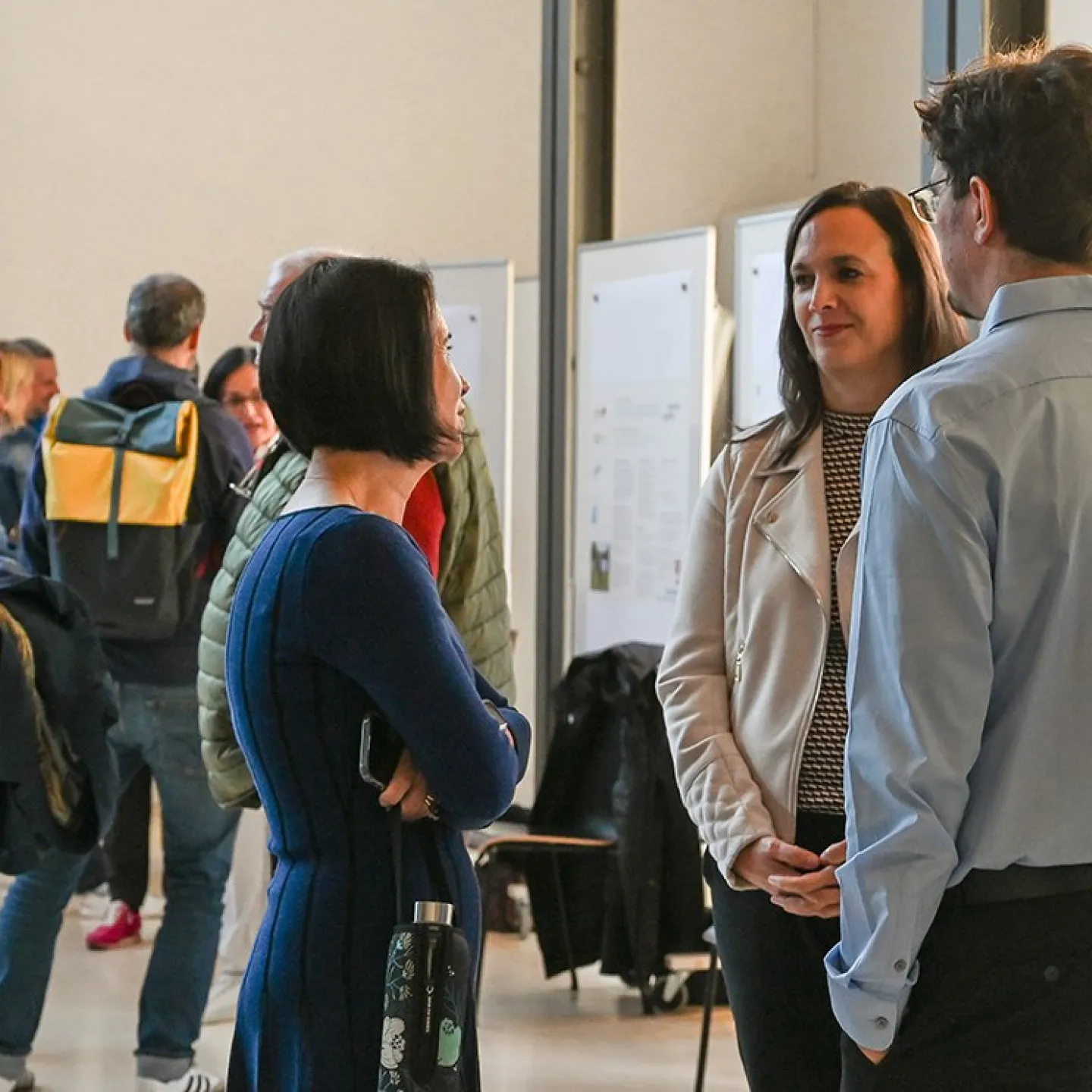
Menschen stehen in einem Auditorium der Universität Liechtenstein und unterhalten sich vor Ausstellungstafeln. Die Atmosphäre ist lebhaft, und die Veranstaltung scheint gut besucht zu sein.

On Thursday, October 17, the University of Liechtenstein warmly invites the public to an exciting event showcasing a variety of interesting projects supported by the Erasmus+ programme and the University’s Research Promotion Fund. The event will take place from 5:00 to 6:30 p.m. in the auditorium of the University of Liechtenstein.


As part of the annual Erasmus+ Days, various projects funded by the Erasmus+ programme in Liechtenstein will be presented. This programme offers citizens, students, researchers, and businesses across Europe the opportunity to study, work, receive training, and develop new ideas across borders. In 2024, a total budget of 5.42 million euros is available to support such projects in Liechtenstein.


At the same time, researchers at the university will take the opportunity to present projects supported by the Liechtenstein Research Promotion Fund (FFF). Since 2002, the FFF has supported innovative research projects and scientific excellence with an annual funding volume of 1 million Swiss francs. The current funding period runs until 2026.


Visitors to the event can look forward to a wide range of fascinating topics. One project, for example, enables participants to explore the world of investment management through a playful approach, with a special focus on sustainable investments. Another project demonstrates how so-called micro credentials can be used to recognise skills in vocational education and training. The topic of mobility will also be explored from various perspectives.
 

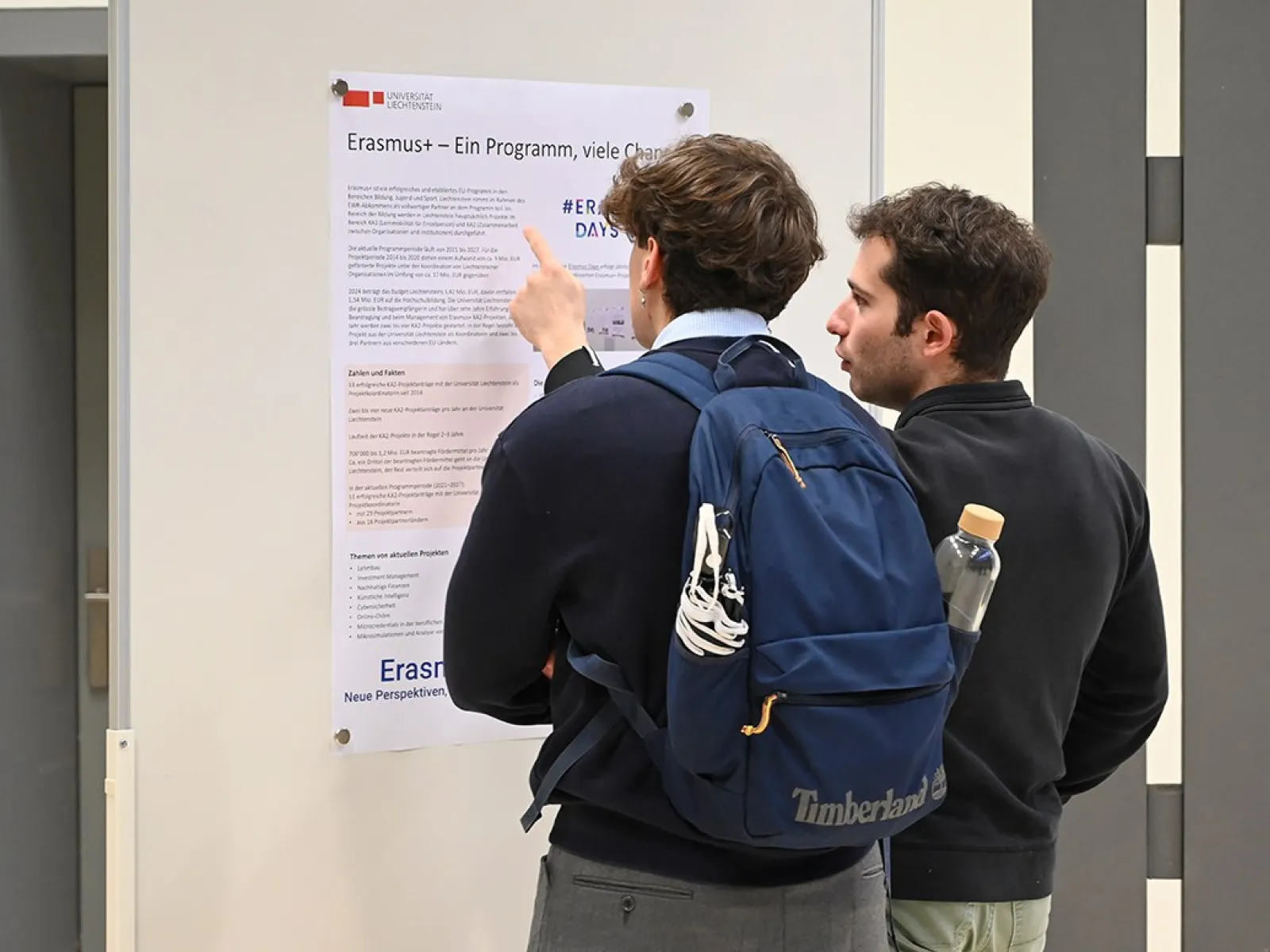
The event begins at 5:00 p.m. with a series of presentations. From around 5:45 p.m., attendees will have the opportunity to engage directly with project leaders during a poster presentation and learn more about the various initiatives. The evening will be accompanied by an apéritif.
 

Attendance is free of charge, but registration is requested for organizational purposes: [Register here]. Come along and discover what’s happening in research and education in Liechtenstein!


Menschen stehen in einem Auditorium der Universität Liechtenstein und unterhalten sich vor Ausstellungstafeln. Die Atmosphäre ist lebhaft, und die Veranstaltung scheint gut besucht zu sein.
Subscribe to