Skip to Main Content

University of Liechtenstein and Palmary Foundation establish the Thematic Lab for Mathematics & Statistics
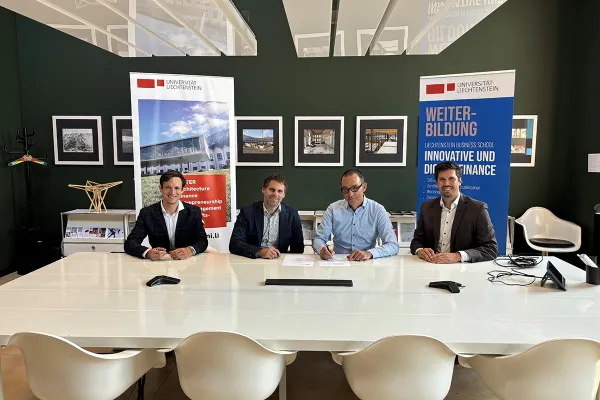
University of Liechtenstein and Palmary Foundation establish the Thematic Lab for Mathematics & Statistics

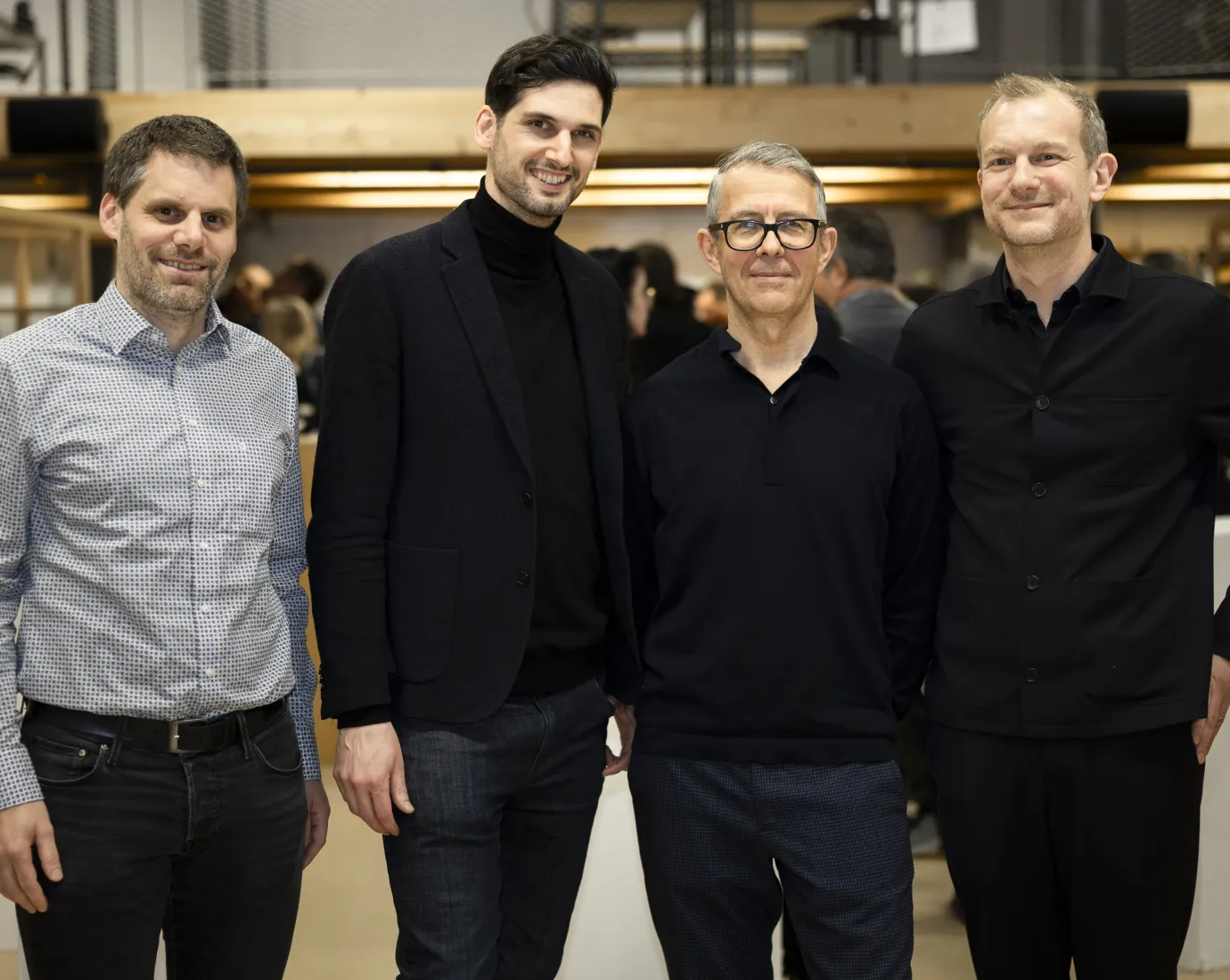
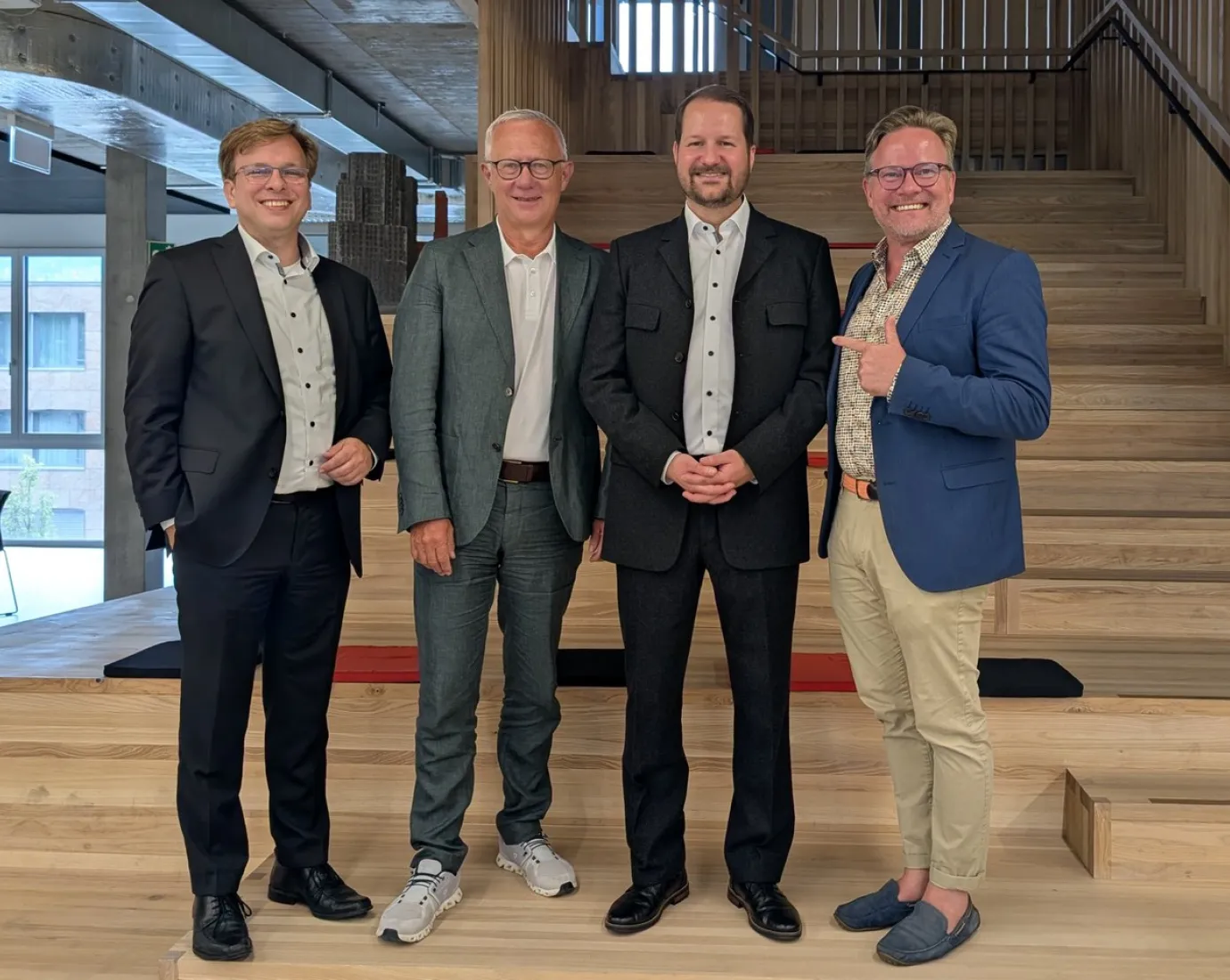
Vier Männer sitzen an einem Tisch in einem modernen Konferenzraum der Universität Liechtenstein. Im Hintergrund sind Banner mit dem Logo der Universität und Informationen zur Weiterbildung sichtbar.

The University of Liechtenstein is pleased to announce the establishment of the new Thematic Lab for Mathematics & Statistics (LMS). The Lab is being established with the support of the Palmary Foundation and will be a central component of teaching and research in the field of mathematics and statistics at the University of Liechtenstein for the next three years.


Goals and tasks of the theme lab


The Thematic Lab for Mathematics & Statistics pursues several important goals that are intended to strengthen both the academic excellence and the scientific visibility of the University of Liechtenstein:


  1. Strengthening teaching and scientific expertise: a central goal of the LMS is to significantly strengthen the field of mathematics and statistics within the University of Liechtenstein. The Lab will help to increase human resources and teaching capacities in these areas. Through a strategic orientation in teaching, students should acquire a sound and practice-oriented understanding of mathematical and statistical methods that they can use in their further academic and professional careers.
  2. Promotion of young scientists: The LMS will serve as a catalyst for the development of young scientists. It will provide a platform on which young talents can deepen and further develop their research. In particular, prizes will be awarded for Bachelor's and Master's theses with a mathematical or statistical focus in order to promote and give visibility to outstanding scientific achievements.
  3. Creation of a contact point for specialist questions: Another aim of the LMS is to establish a central contact point for specialist questions in the field of mathematics and statistics at the university. This contact point will be available to both students and academic staff and will help to solve complex mathematical and statistical issues that arise in teaching and research.
  4. Increasing academic visibility: By organizing events such as award ceremonies for outstanding theses and research projects, as well as actively participating in other university events such as the Children's University, the LMS will help to increase the visibility and reputation of the University of Liechtenstein as a leading academic location. The award ceremonies will take place on the university's premises and offer an excellent opportunity to put scientific successes at the center of public attention.
  5. Integration into the regional and international scientific landscape: The LMS will play an important role in networking and collaboration with other scientific institutions and research initiatives both in Liechtenstein and internationally. Through the exchange of knowledge and cooperation with other institutions, the Lab will contribute to establishing the University of Liechtenstein as a central authority in the scientific community.


Structure and management


The Palmary Foundation provides annual funding of CHF 50,000 to enable the work of the LMS. This support underlines the joint commitment of both partners to the promotion of mathematics and statistics in academic education and research. The Lab is located at the Chair of Innovative and Digital Finance of Assoc. Prof. Dr. Martin Angerer and is operationally managed by Dr. Wolfgang Schadner, Ass.


Outlook


The agreement between the University of Liechtenstein and the Palmary Foundation is initially valid for three years, starting on September 1, 2024. Both partners are aiming for long-term cooperation in order to continue the successful work of the lab beyond this period.
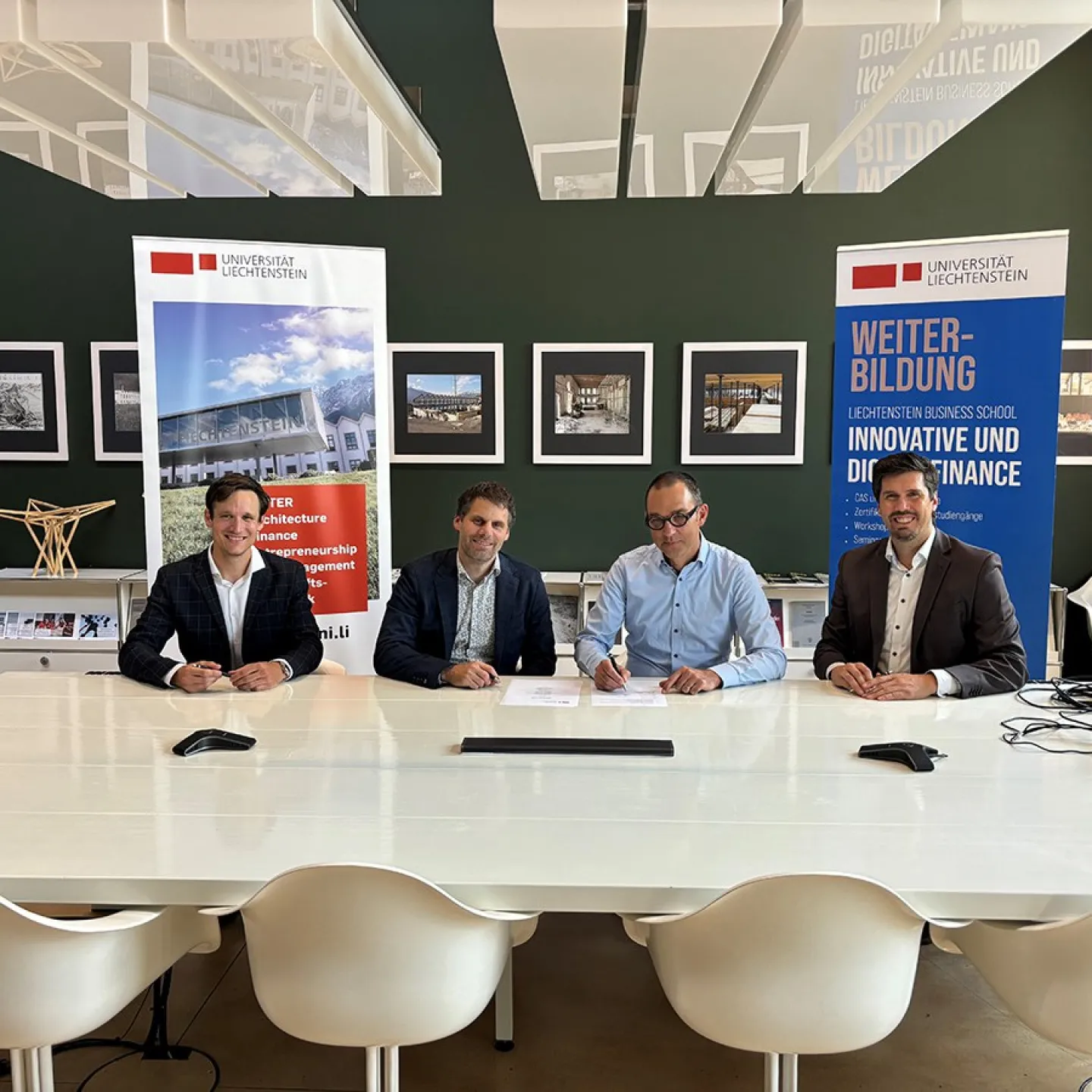
 

Vier Männer sitzen an einem Tisch in einem modernen Konferenzraum der Universität Liechtenstein. Im Hintergrund sind Banner mit dem Logo der Universität und Informationen zur Weiterbildung sichtbar.

New Partnership for the Benefit of the Community

New Partnership for the Benefit of the Community

Eine mobile Holzbar, dekoriert mit Lichterketten, steht im Freien bei Nacht. Mehrere Personen stehen links neben der Bar und unterhalten sich. Die Szene vermittelt eine gemütliche und einladende Atmosphäre.

The Stiftung Lebenswertes Liechtenstein and the University of Liechtenstein will be working together over the next three years as part of the “Pro Bono” teaching format to make a joint commitment to society.


The term “pro bono” means for the benefit of the public; as part of pro bono projects, students from the University of Liechtenstein work with partner organizations on charitable projects. The aim of the partnership with the Stiftung Lebenswertes Liechtenstein is to make the students' pro bono projects more visible, to better network organizations (associations, municipalities, etc.) from society and students and to award prizes to successful projects.


Students at the University of Liechtenstein are committed to social and ecological sustainability


In the “Pro Bono” teaching format at the University of Liechtenstein, architecture and business students cooperate with organizations from the field to make their environment more sustainable. The aim of this collaboration is to develop and implement innovative solutions that have a positive impact on society and the environment.
The projects not only promote the practical training of students, but also raise their awareness of the importance of sustainable and social practices. This initiative demonstrates how transdisciplinary collaboration and the engagement of young people can make concrete progress towards a more sustainable future for Liechtenstein and the region.


Since the module was introduced five years ago in the architecture degree courses and a year ago in the Bachelor's degree course in Business Administration, almost 100 project ideas have already been initiated and implemented worldwide. From Liechtenstein and neighboring countries to South America, Africa and Asia, all project ideas have in common that they are specifically designed for implementation in cooperation with regional organizations and make a contribution to the common good. There are virtually no limits to creativity: The projects range from upcycling workshops to the temporary revitalization of a vacant industrial site, the construction of an exhibition pavilion and the strengthening of technical skills among senior citizens.
 

Moving forward together


Social cohesion is a focal point of the work of the Stiftung Lebenswertes Liechtenstein. It supports initiatives and projects that strengthen the community and promote a society in which everyone is accepted, has equal rights and can participate in a self-determined manner. The partnership with the University of Liechtenstein makes it possible to achieve this goal by supporting “Pro Bono” student projects that offer sustainable and innovative solutions to social challenges.
As part of the University of Liechtenstein's Open Day on September 7, the joint partnership and selected pro bono projects will be presented in the new Ebaholz University building. This will take the form of an exhibition of pro bono projects and the serving of drinks by “con voi” - a mobile bar developed and implemented by Simon Egger for the Neuraum association as part of the pro bono project.


Eine mobile Holzbar, dekoriert mit Lichterketten, steht im Freien bei Nacht. Mehrere Personen stehen links neben der Bar und unterhalten sich. Die Szene vermittelt eine gemütliche und einladende Atmosphäre.

Danish Embassy Honors Alumnus

Danish Embassy Honors Alumnus

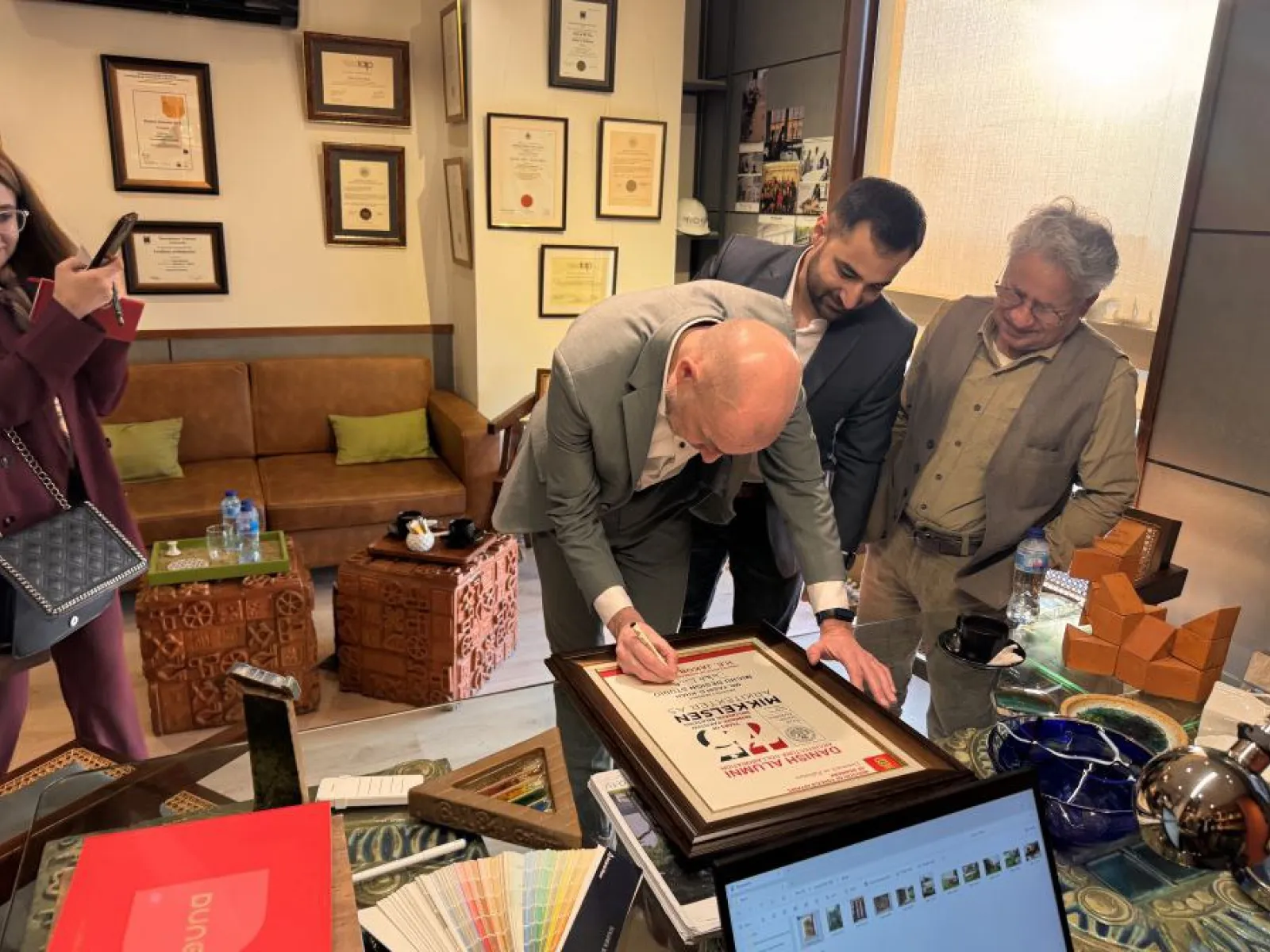
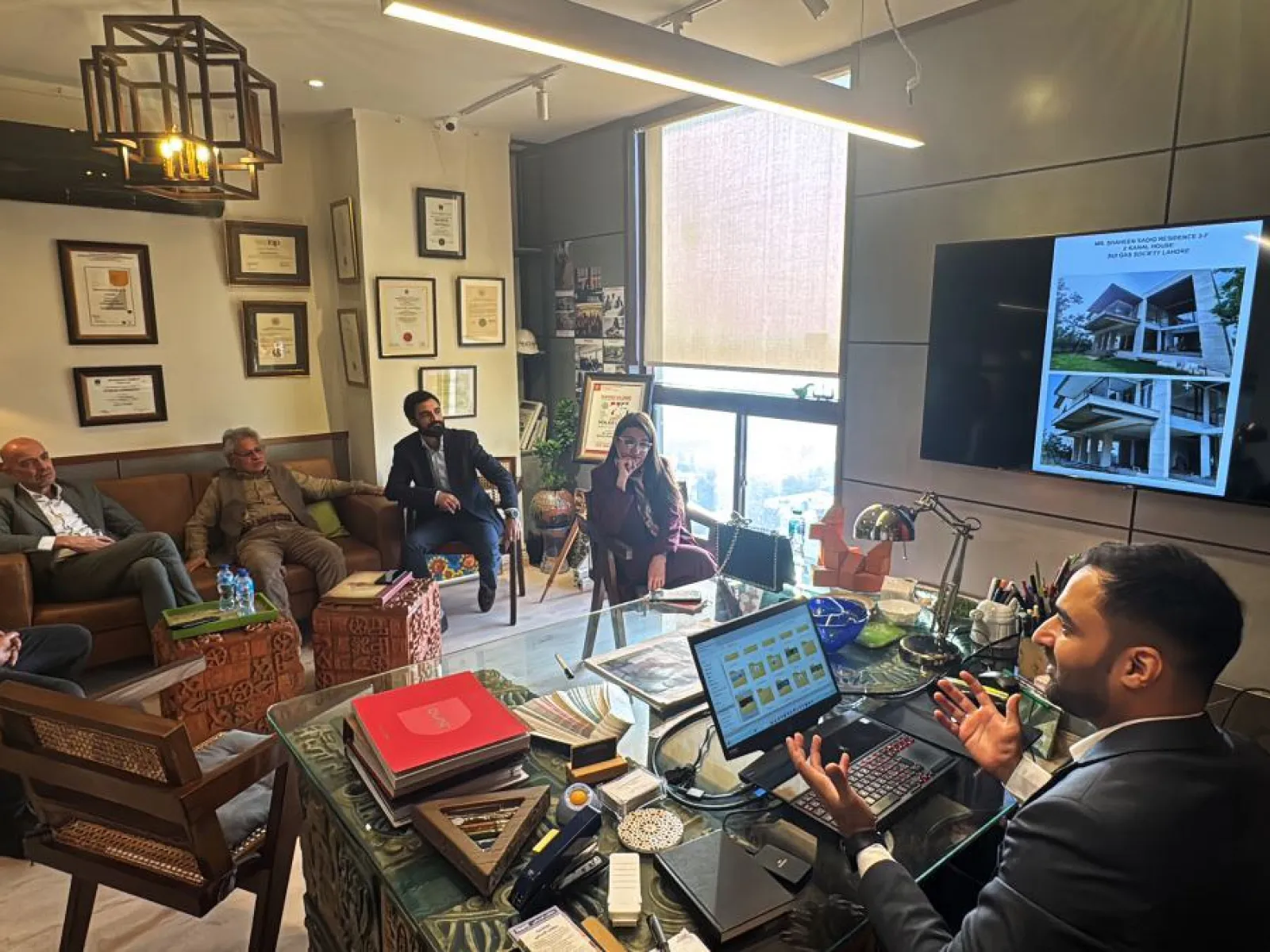
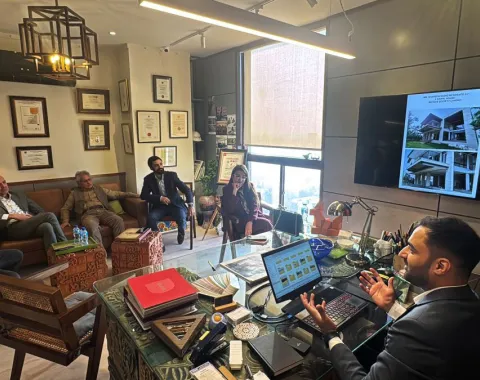
We are pleased to share that our alumnus, Fasih D. Khan, has recently been awarded for his sustainable architecture collaboration by the Ambassador of Denmark to Pakistan, H.E. Mr. Jakob Linulf. Fasih graduated in 2015 with a Master’s degree in Architecture (MSc Arch) from the University of Liechtenstein, specializing in Sustainable Urban Design.


During his studies, Fasih had the opportunity to participate in an Erasmus exchange program at the Royal Danish Academy of Architecture (KADK) in Copenhagen, where he further honed his architectural skills. One of his projects, developed during his time in Denmark, received recognition at the World Architecture Festival (WAF) in Singapore in 2014. Additionally, his design for a chair, created at KADK, was featured at the Milan Furniture Fair under the theme ‘Morphology – Stick and Padding’, part of a special exhibition celebrating Danish design.


After completing his studies, Fasih worked with Mikkelsen Arkitekter AS in Copenhagen before returning to Pakistan, where he continues to contribute to the field of architecture and design. His journey highlights the value of international exchange and cross-cultural learning in shaping the future of architecture.


For more details, visit the Danish Embassy's social media pages:


Congratulations to Ar. Fasih D. Khan on this achievement. 


Jan vom Brocke Ranks 21st in the List of the Most Research-Intensive Economists

Jan vom Brocke Ranks 21st in the List of the Most Research-Intensive Economists

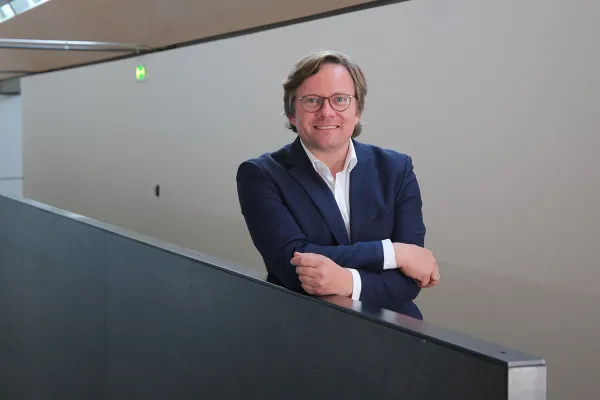
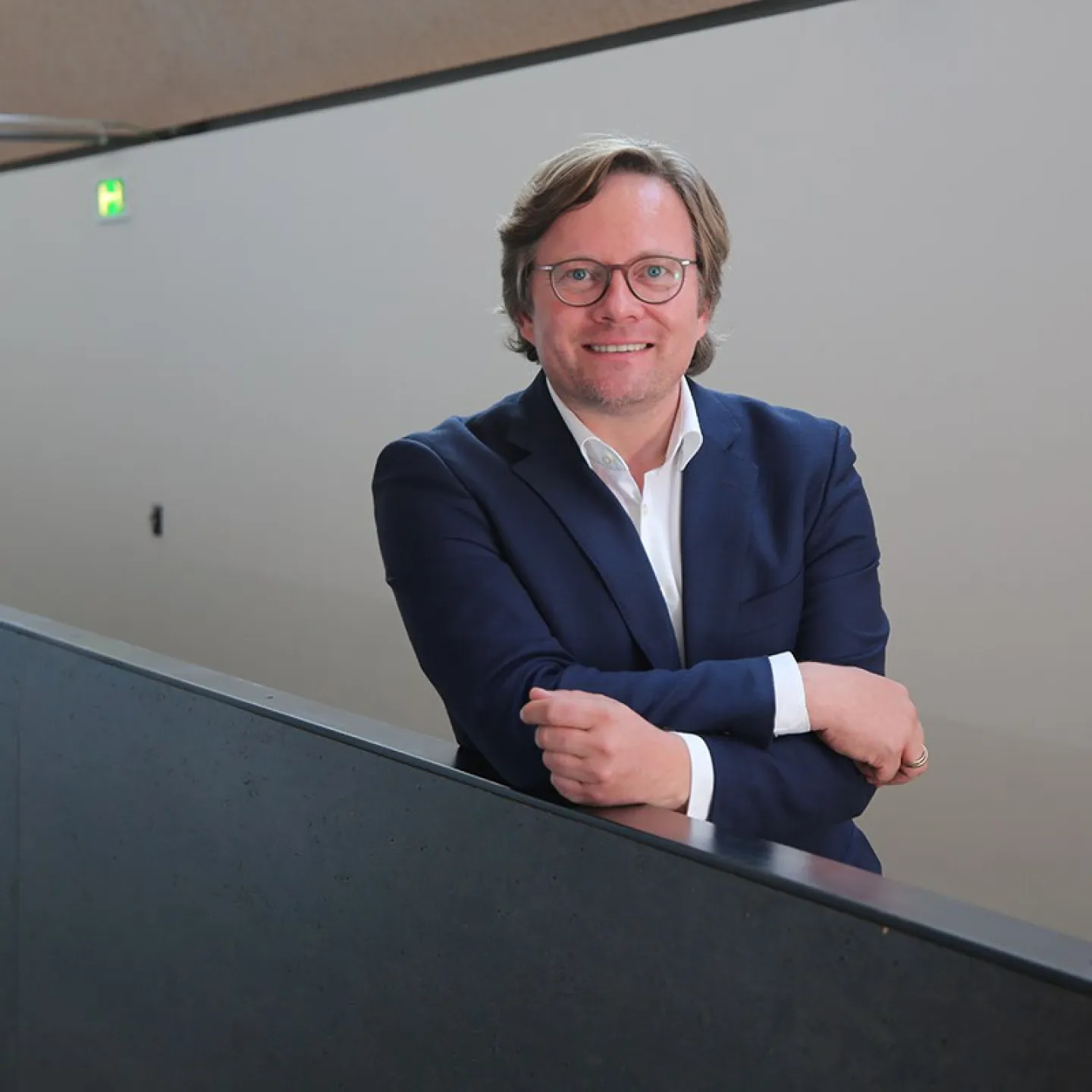
Ein Mann in einem blauen Anzug lehnt lächelnd an einem Geländer in einem modernen Gebäude.

Dr. Jan vom Brocke, Visiting Professor at the University of Liechtenstein, ranks 21st in the current list of the most research-intensive economists from Germany, Austria, and Switzerland published by the German business magazine Wirtschaftswoche.


The academic ranking, compiled by the KOF Swiss Economic Institute at ETH Zurich for Wirtschaftswoche, evaluates publications by business economists between 2020 and 2024 who are affiliated with university chairs, Fraunhofer Institutes, and Max Planck Institutes in Germany, Austria, and Switzerland. To determine the rankings, economists analyzed contributions from nearly 860 business administration journals worldwide. Books were not included in the evaluation, but peer-reviewed journal articles that had been accepted but not yet published were counted.

 

The bibliometric web portal Forschungsmonitoring, operated by the KOF Swiss Economic Institute at ETH Zurich, served as the data source. The reference date was August 1, 2024.


Ein Mann in einem blauen Anzug lehnt lächelnd an einem Geländer in einem modernen Gebäude.

First Alumni Chapters Opened in DACHLI-Region

First Alumni Chapters Opened in DACHLI-Region

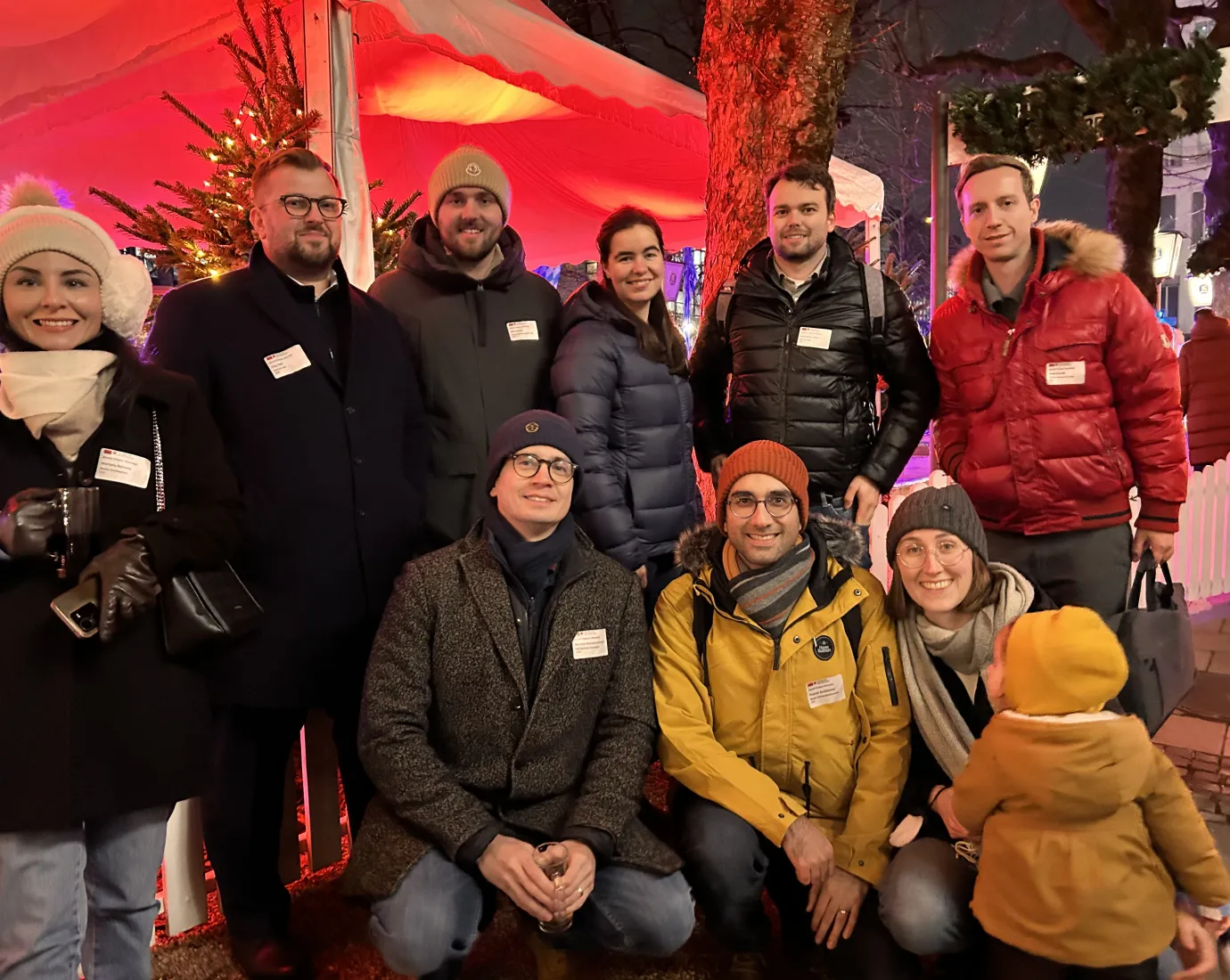
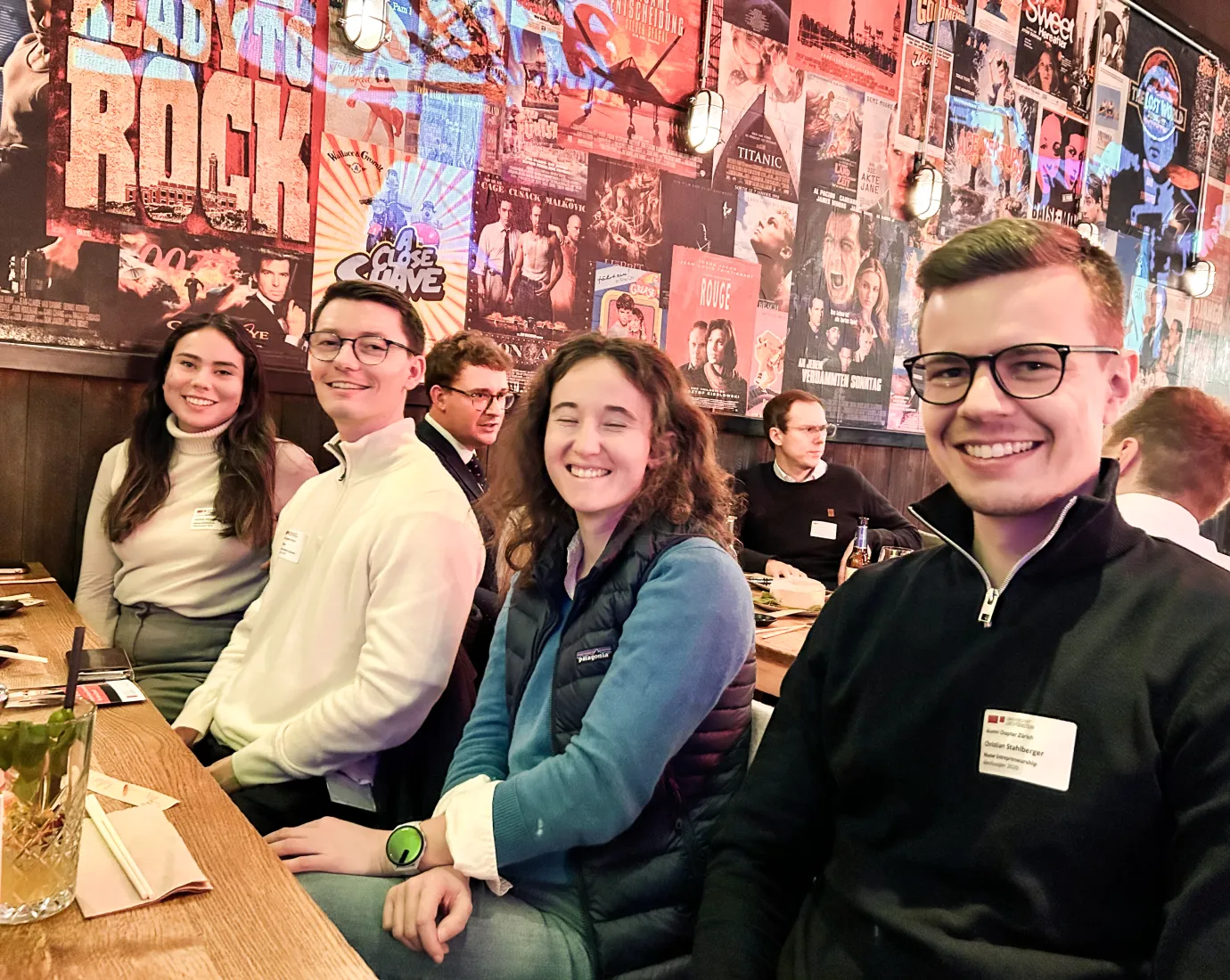
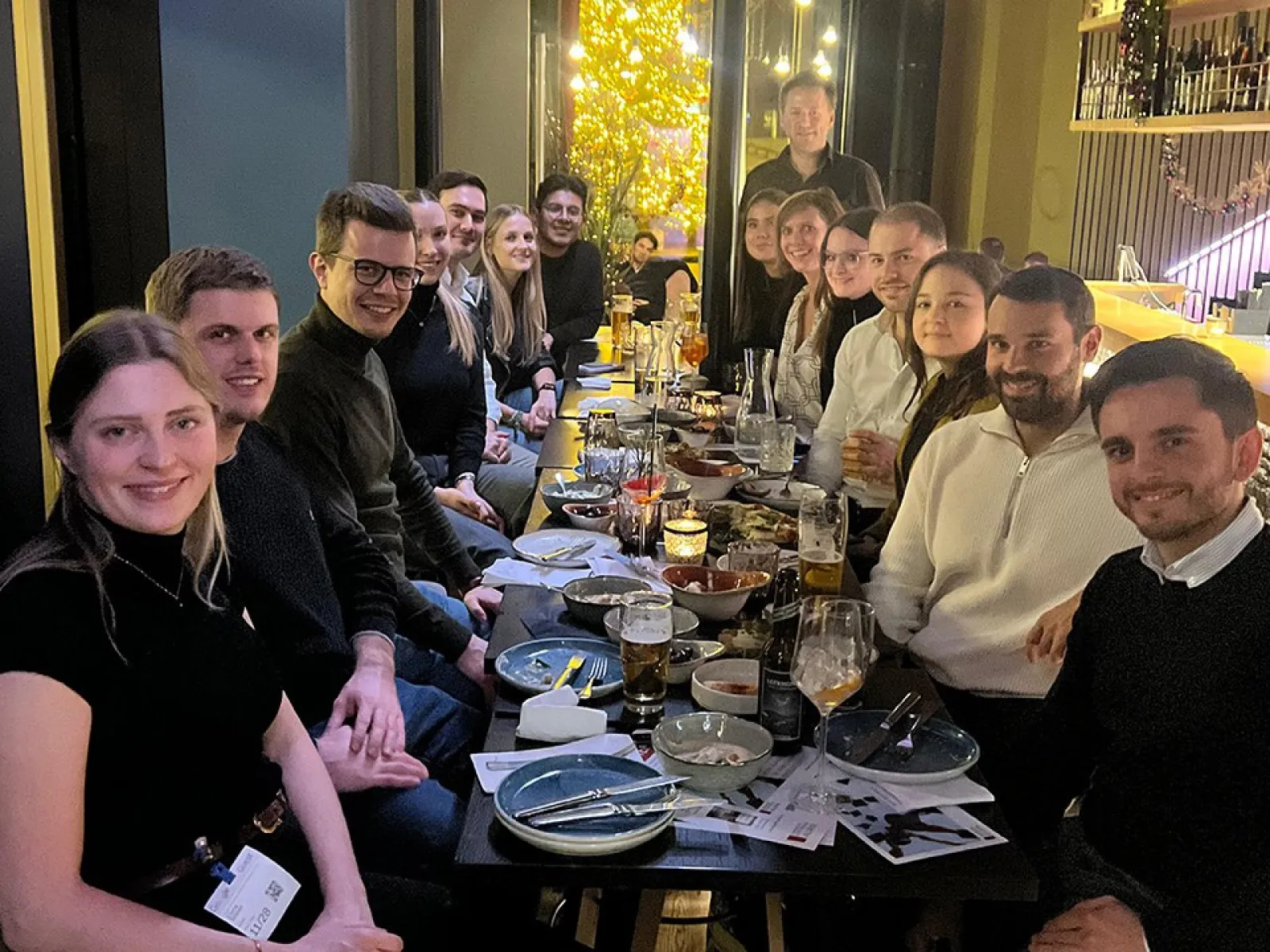
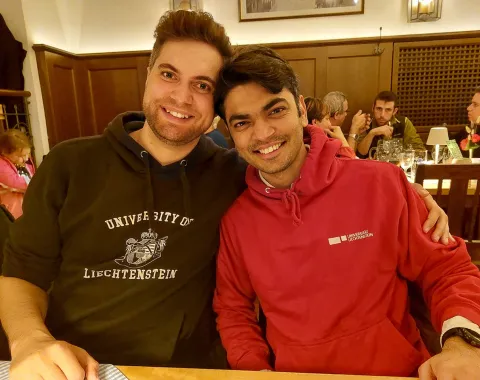
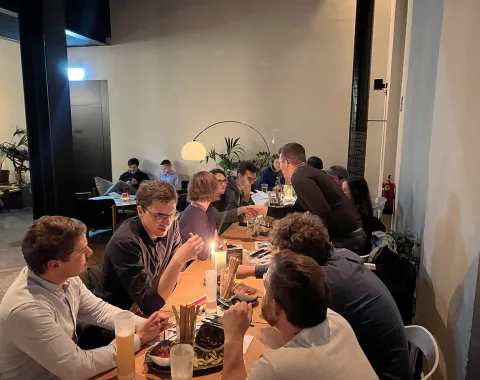
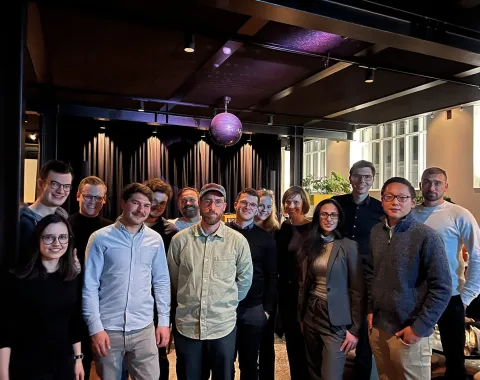
With the new chapters, the University of Liechtenstein offers its alumnae and alumni the opportunity to stay in touch with their alma mater and its graduates. In 2024, four chapters were opened in Liechtenstein, Vorarlberg, Munich and Zurich and the next meetings for 2025 have already been scheduled.


Alumni chapters are groups of alumnae and alumni in a city or region who meet regularly to make contacts and network. By setting up alumni chapters, the University of Liechtenstein's network can also grow and remain active where the graduates live and work, in their everyday lives and in their vicinity.


Chapter openings in 2024


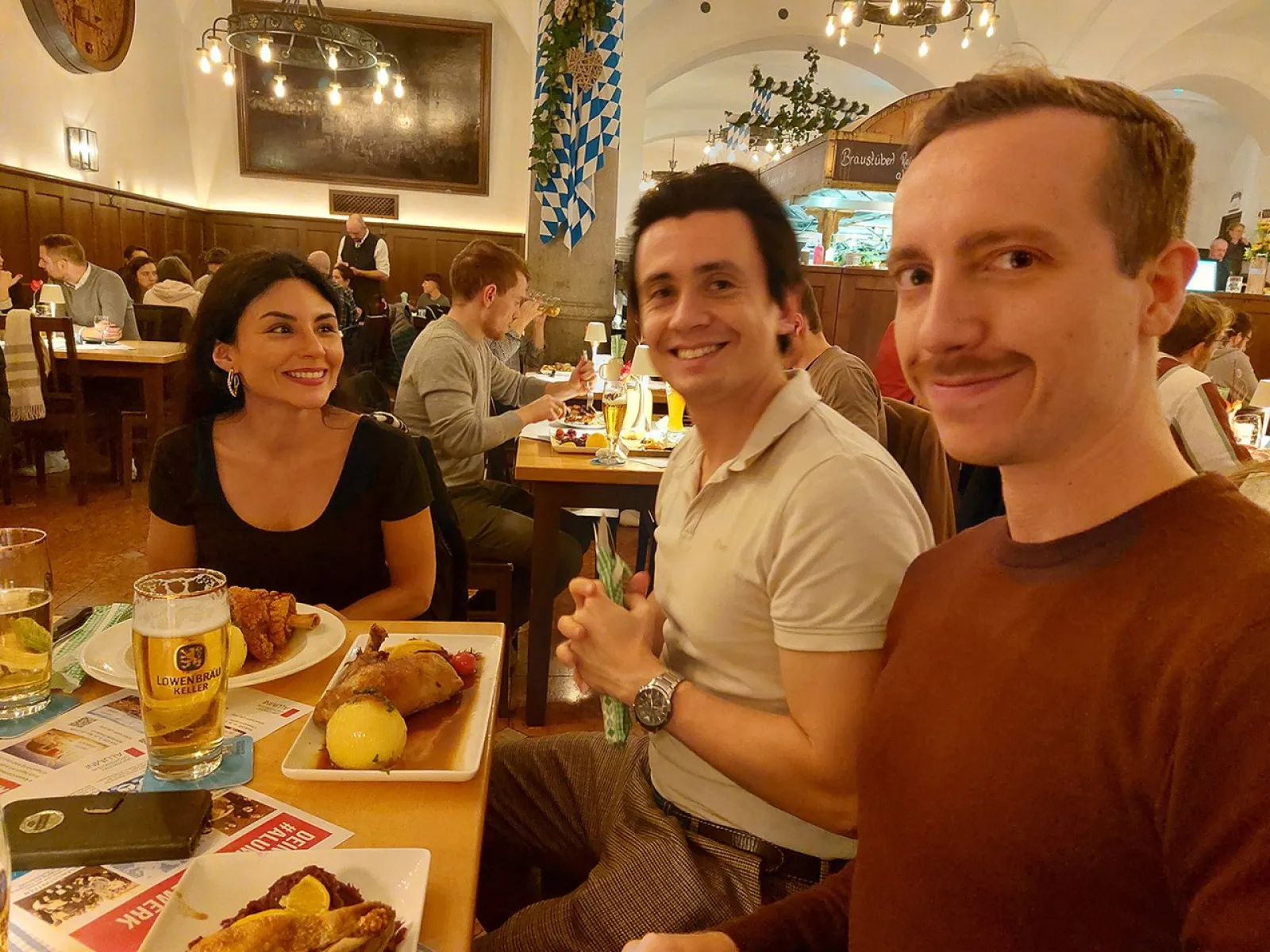
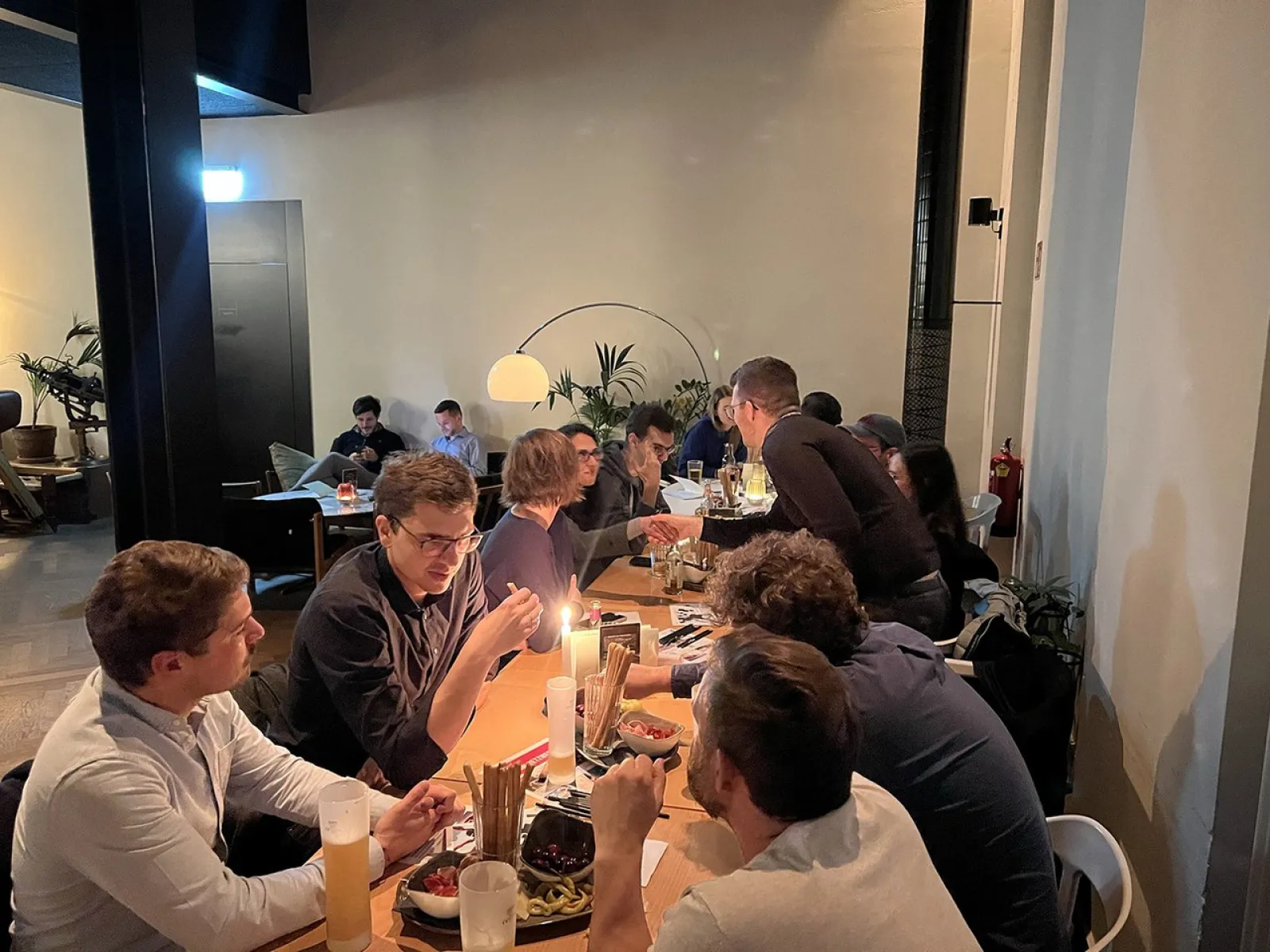
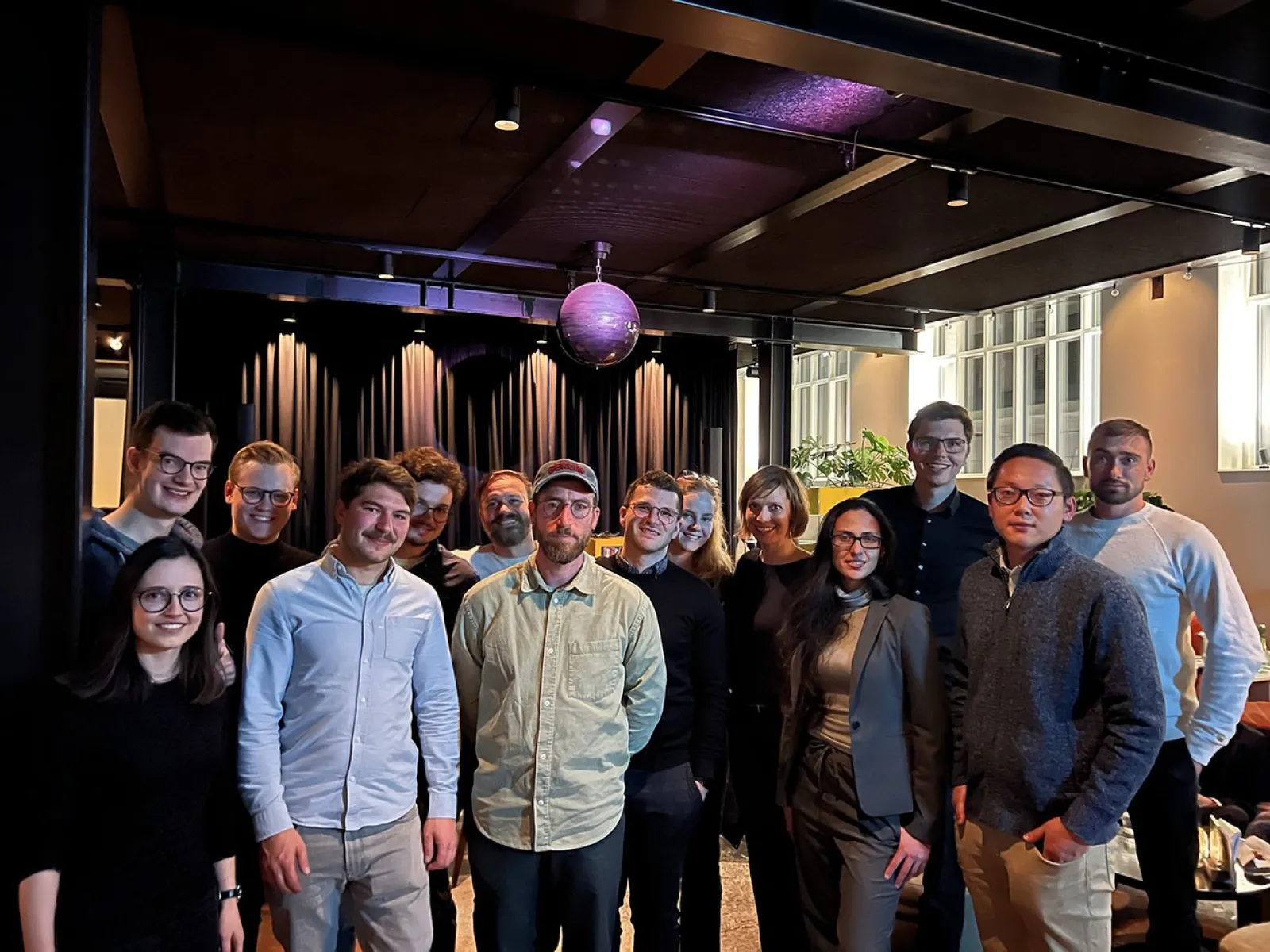
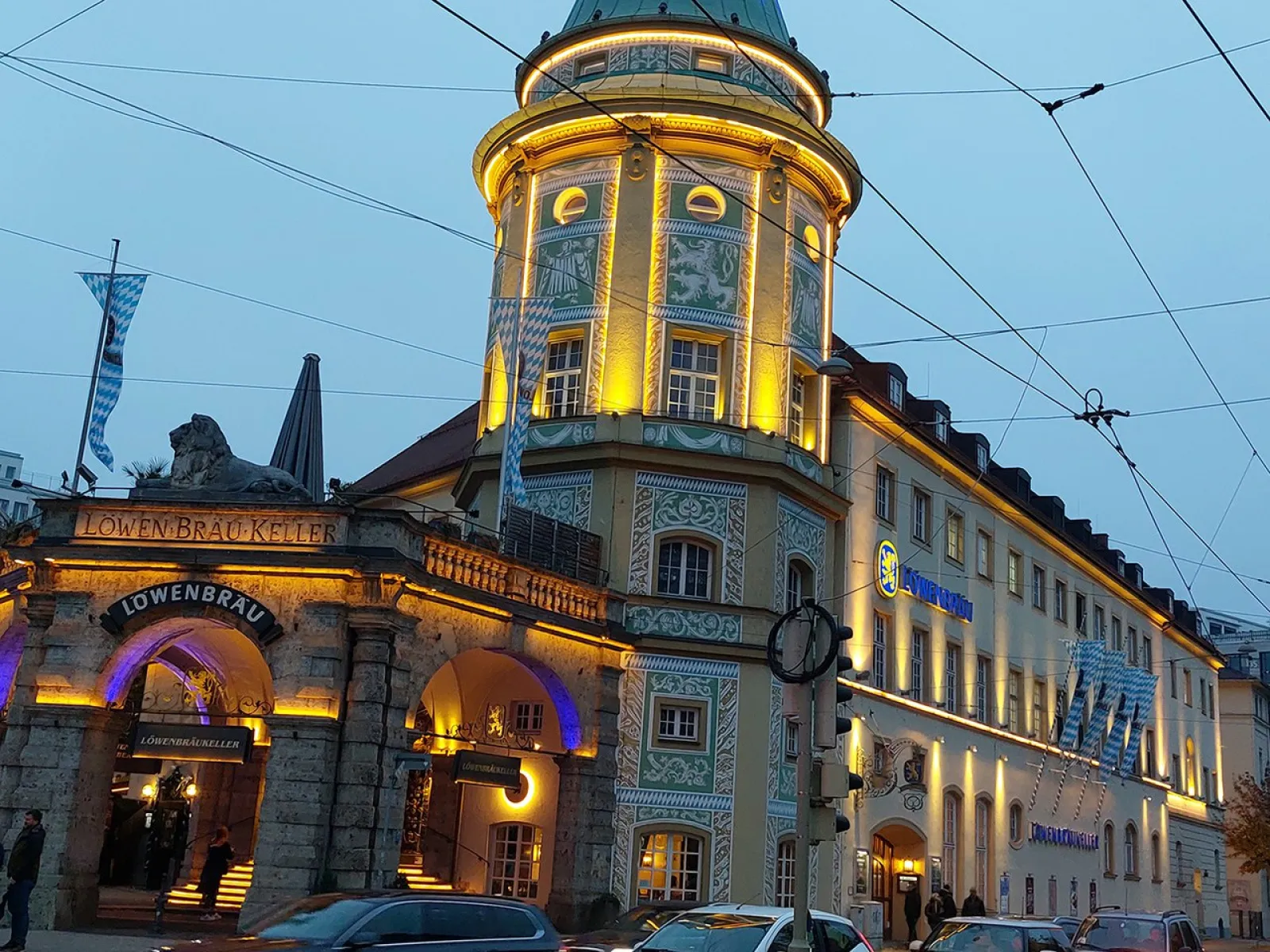
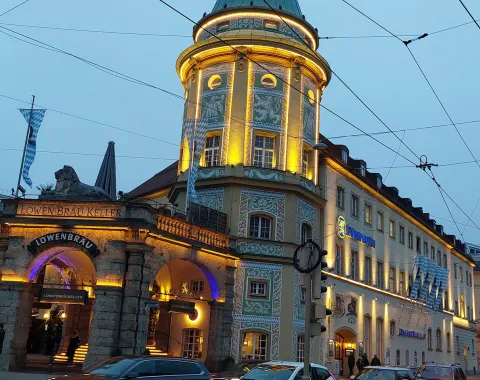
In the winter semester of 2024, the first four chapters were opened in the German-speaking four-country corner. At Scanaua in Schaan, the Jahnhalle in Feldkirch, the YNOS Kitchen Bar in Zurich and the Löwenbräukeller in Munich, interested alumni were able to refresh old acquaintances and make new contacts in a relaxed atmosphere.


Ideas such as company visits or guest speakers are just as conceivable in the future as cross-chapter meetings. Together with the alumni officer at the University of Liechtenstein, Simone Brandenberg, the alumnae and alumni present at the openings have, however, initially decided on uncomplicated and everyday meetings once a quarter. 


Alumni commitment as ambassadors


There are already 5 to 7 people per chapter who are interested in taking on the role of chapter ambassadors and who would like to actively support further planning and implementation. And above all, help to spread the chapters and other alumni offers in their personal networks in order to invite other alumnae and alumni into the growing network. 


Planning for 2025


Further meetings have already been scheduled for the first quarter of 2025 - interested alumni and alumnae are cordially invited, but also students, lecturers and employees who would like to use the chapters for a reunion and exchange with the graduates.


Open to all alumni


Of course, all graduates of the University of Liechtenstein are cordially invited to use the new offers for alumni. Ideas, requests and suggestions are always welcome via alumni@uni.li. And the new alumni channels are available for networking with one another: Website, community, LinkedIn und WhatsApp.


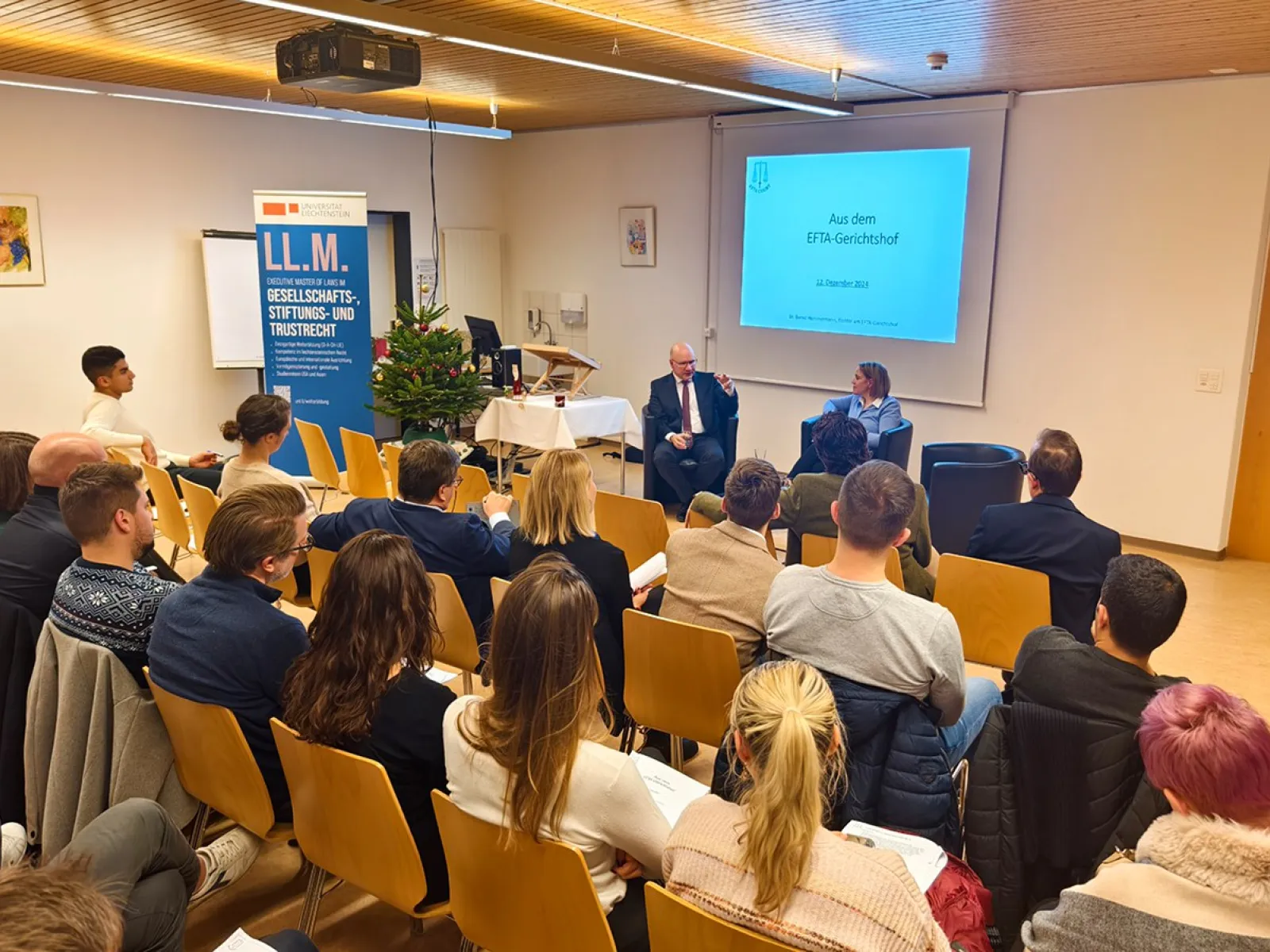
30 Years of the EFTA Court – Thematic Evening of the Executive Master of Laws (LL.M.) in Corporate, Foundation and Trust Law

30 Years of the EFTA Court – Thematic Evening of the Executive Master of Laws (LL.M.) in Corporate, Foundation and Trust Law

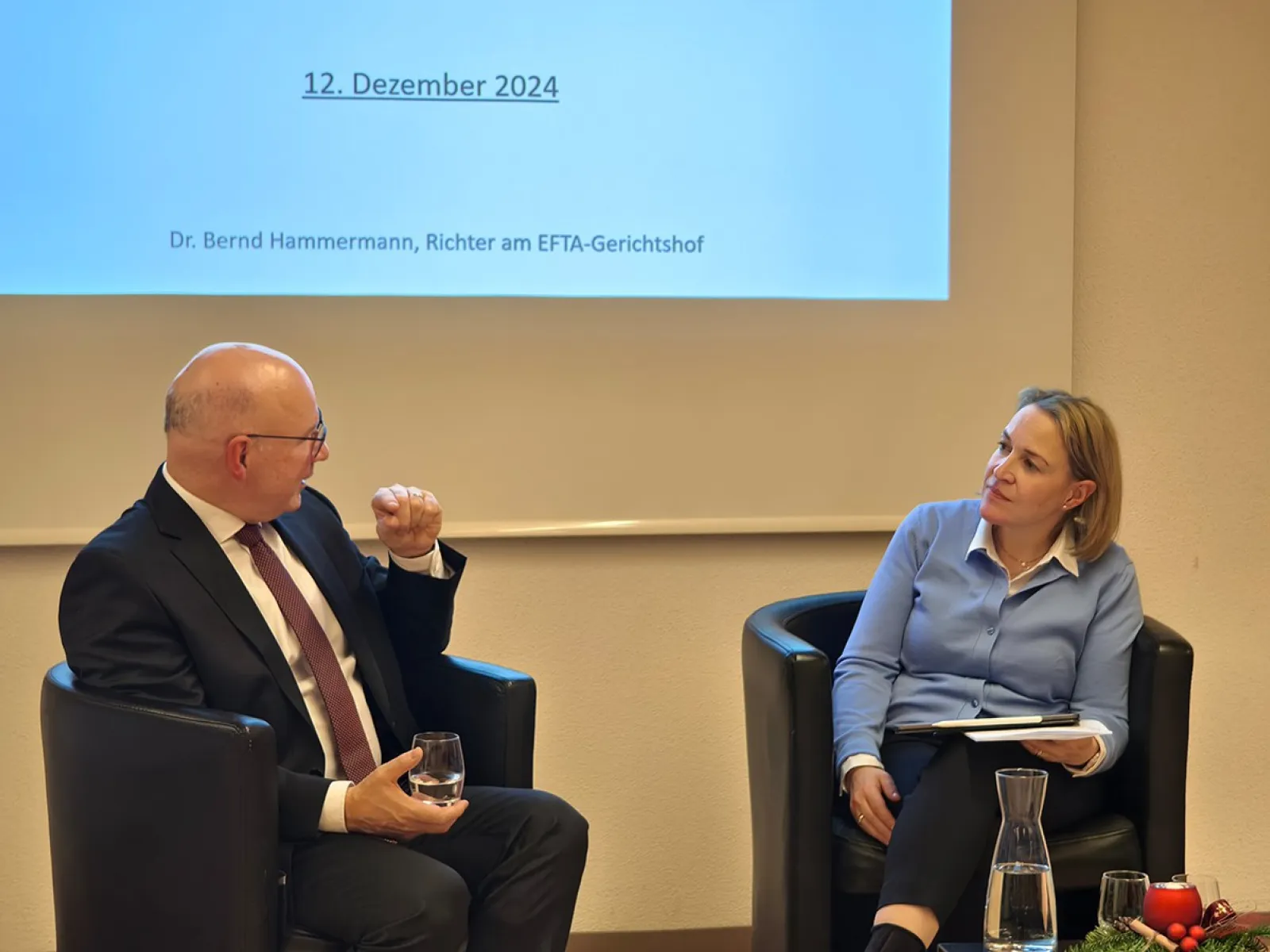
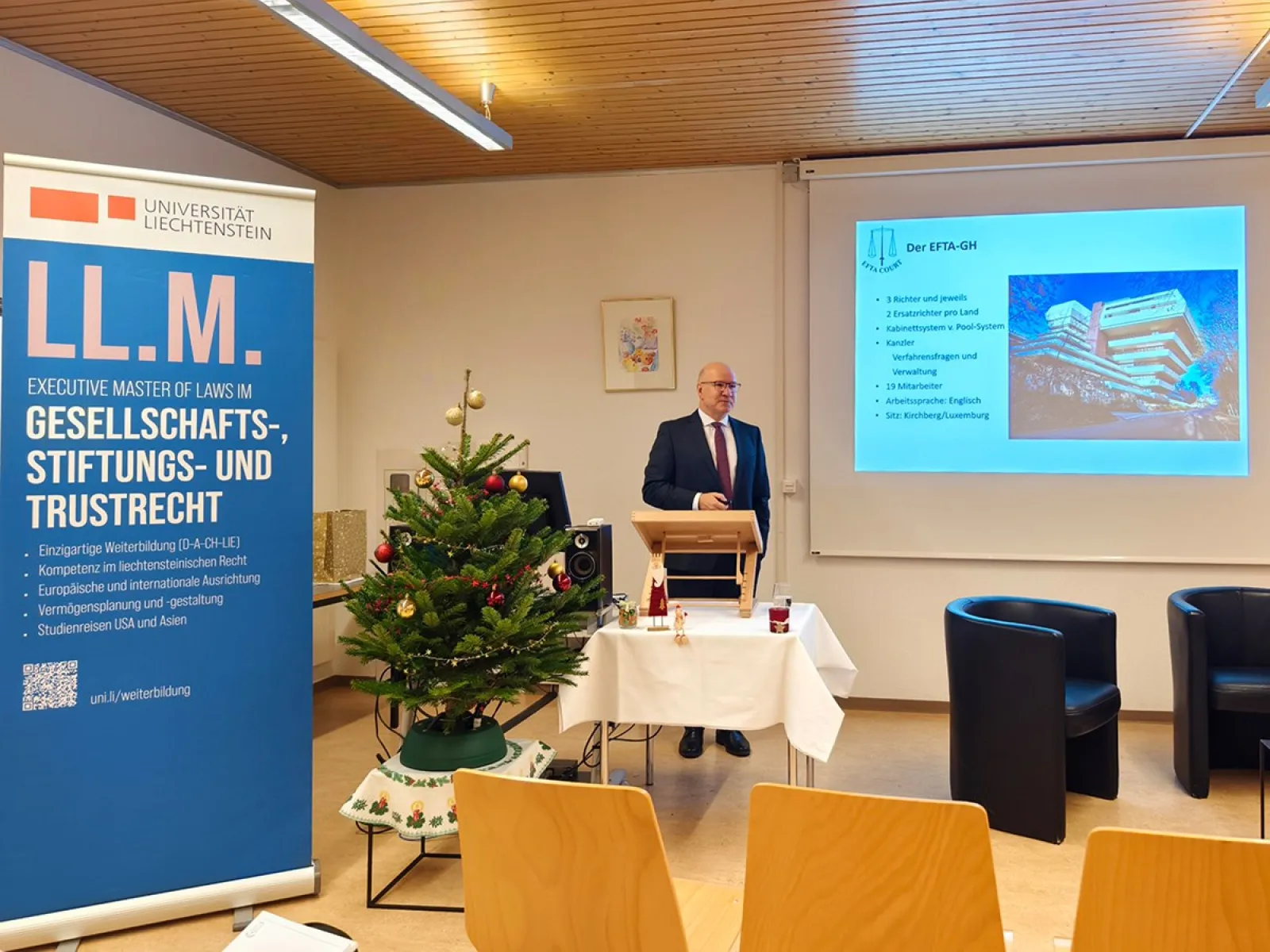
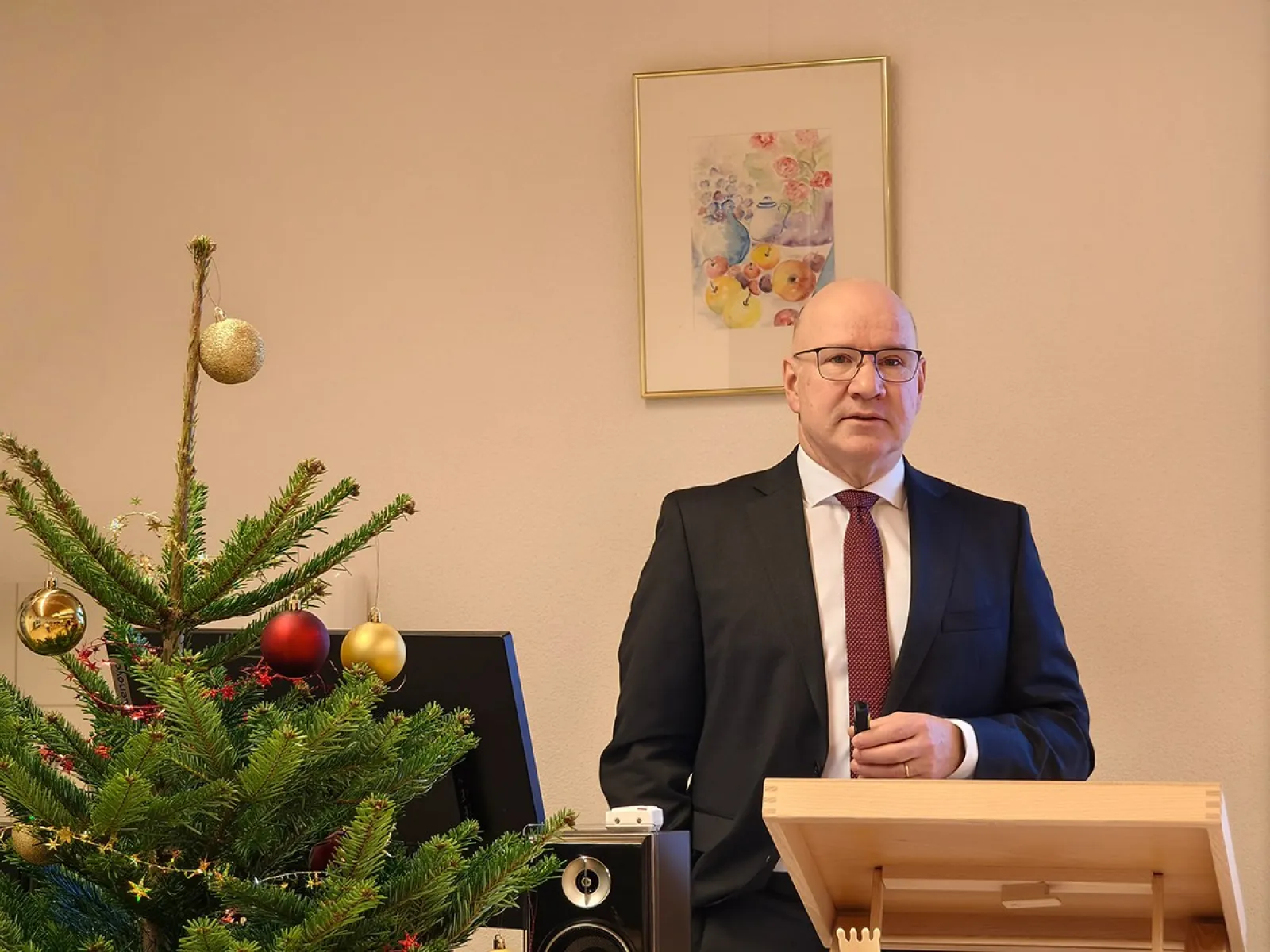
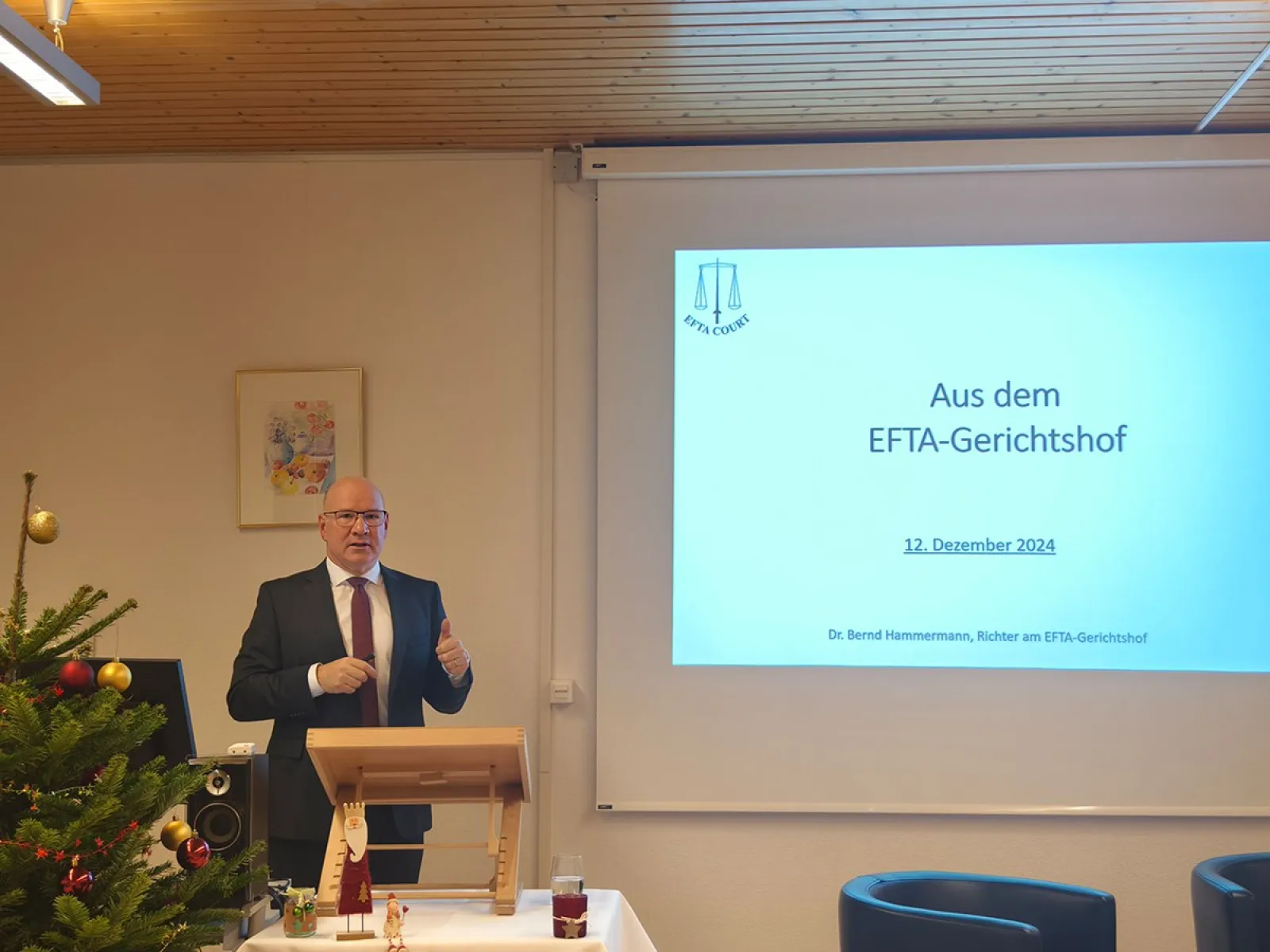
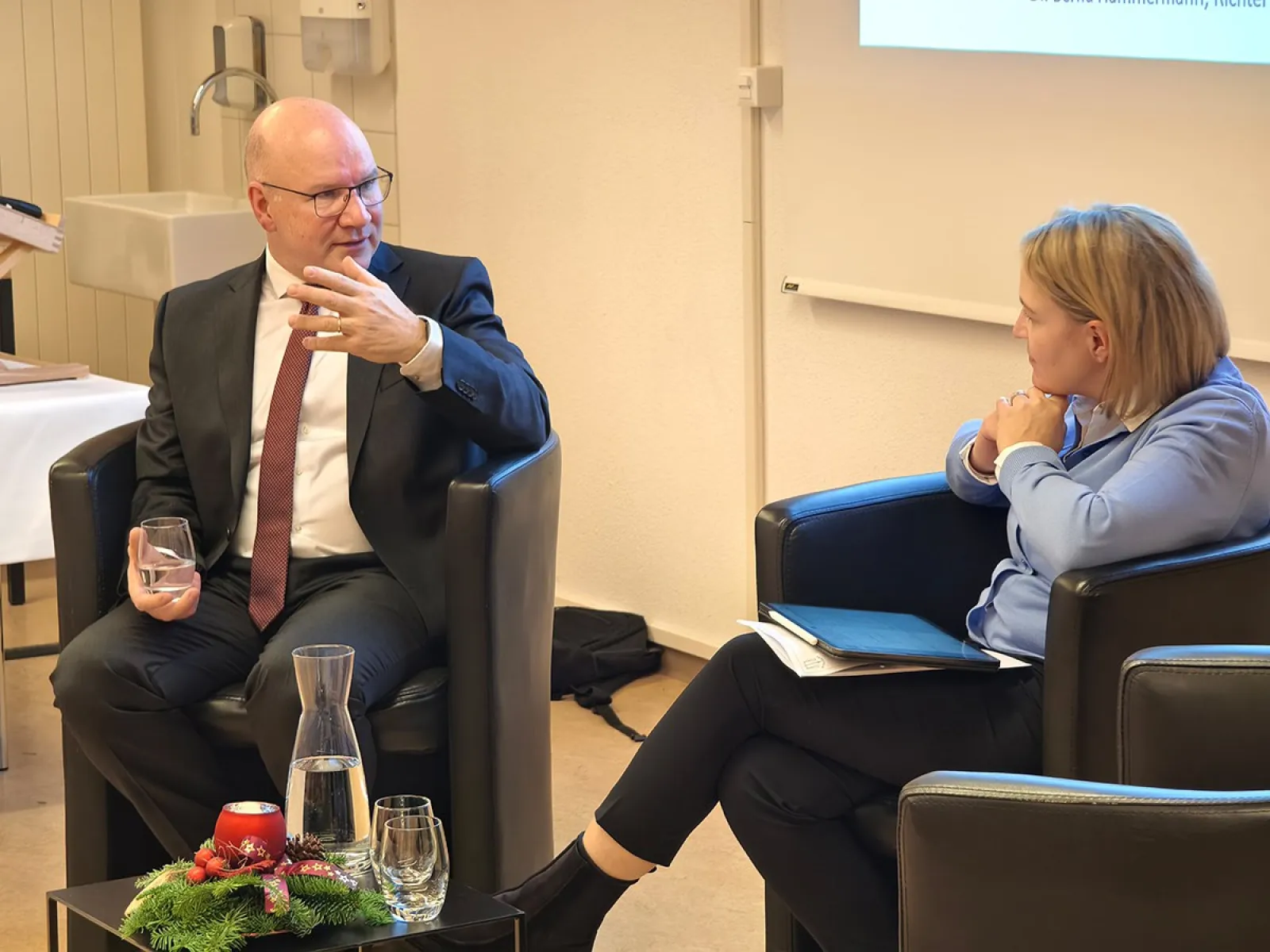
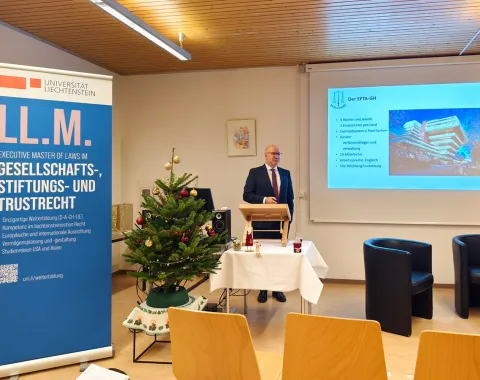
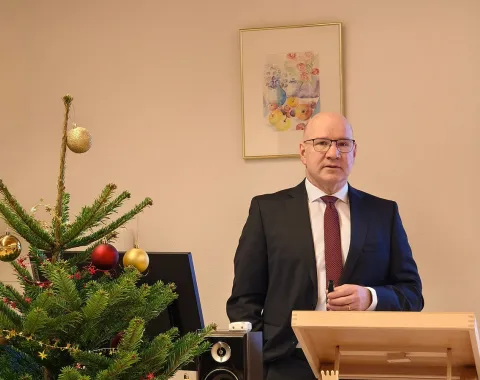
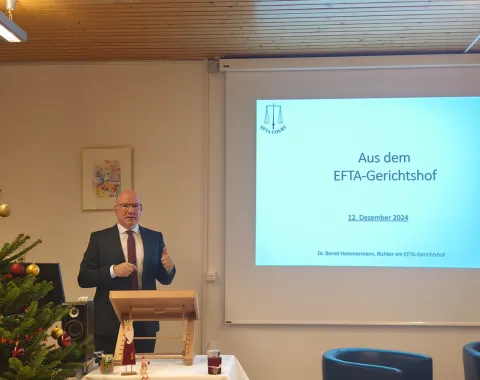
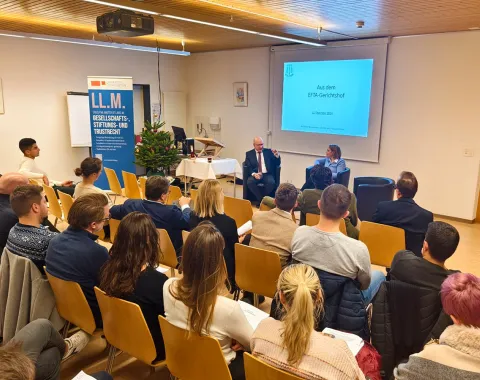
On 12 December 2024, the Chair of Corporate, Foundation and Trust Law, as part of the Executive Master of Laws (LL.M.) program of the same name, hosted a thematic evening titled “Insights from the EFTA Court.” Around forty participants took the opportunity to gain exclusive insights into the workings of the court from Dr. iur. Bernd Hammermann, Judge at the EFTA Court appointed by the Principality of Liechtenstein.


The EFTA Court was established in 1994 on the basis of the EEA Agreement to ensure the uniform application of EU law in Liechtenstein, Iceland, and Norway. Thus, this year marks the 30th anniversary of the EFTA Court.


The EFTA Court is a supranational court based in Luxembourg. It corresponds to the Court of Justice of the European Union for matters concerning the EEA/EFTA member states (Liechtenstein, Iceland, Norway) and consists of one judge from each of these three countries.


In his lecture, Dr. iur. Bernd Hammermann provided an overview of the EFTA Court, focusing in particular on its internal organizational structure, the various types of legal proceedings, as well as current case statistics and court figures. He also addressed the structure of court rulings, the canon of interpretation that judges must adhere to, and the impact of precedents and fundamental rights. The core of his presentation, however, centered on selected decisions with relevance to Liechtenstein. He succinctly summarized the facts of these cases for the audience and subsequently discussed their legal implications.


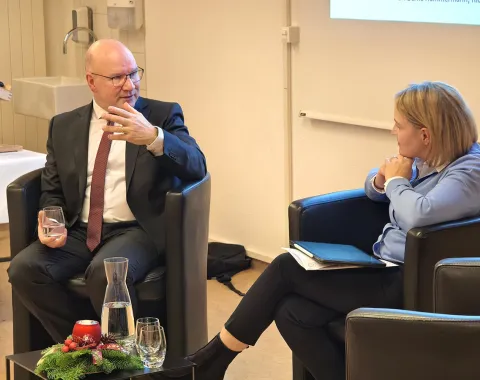
The in-depth analysis of case law was particularly well received by the audience and led to a lively discussion following the lecture. The evening concluded on a festive note with mulled wine and roasted chestnuts.


Thematic Evening “Cyber Resilience Today: The DORA Implementation Act”

Thematic Evening “Cyber Resilience Today: The DORA Implementation Act”

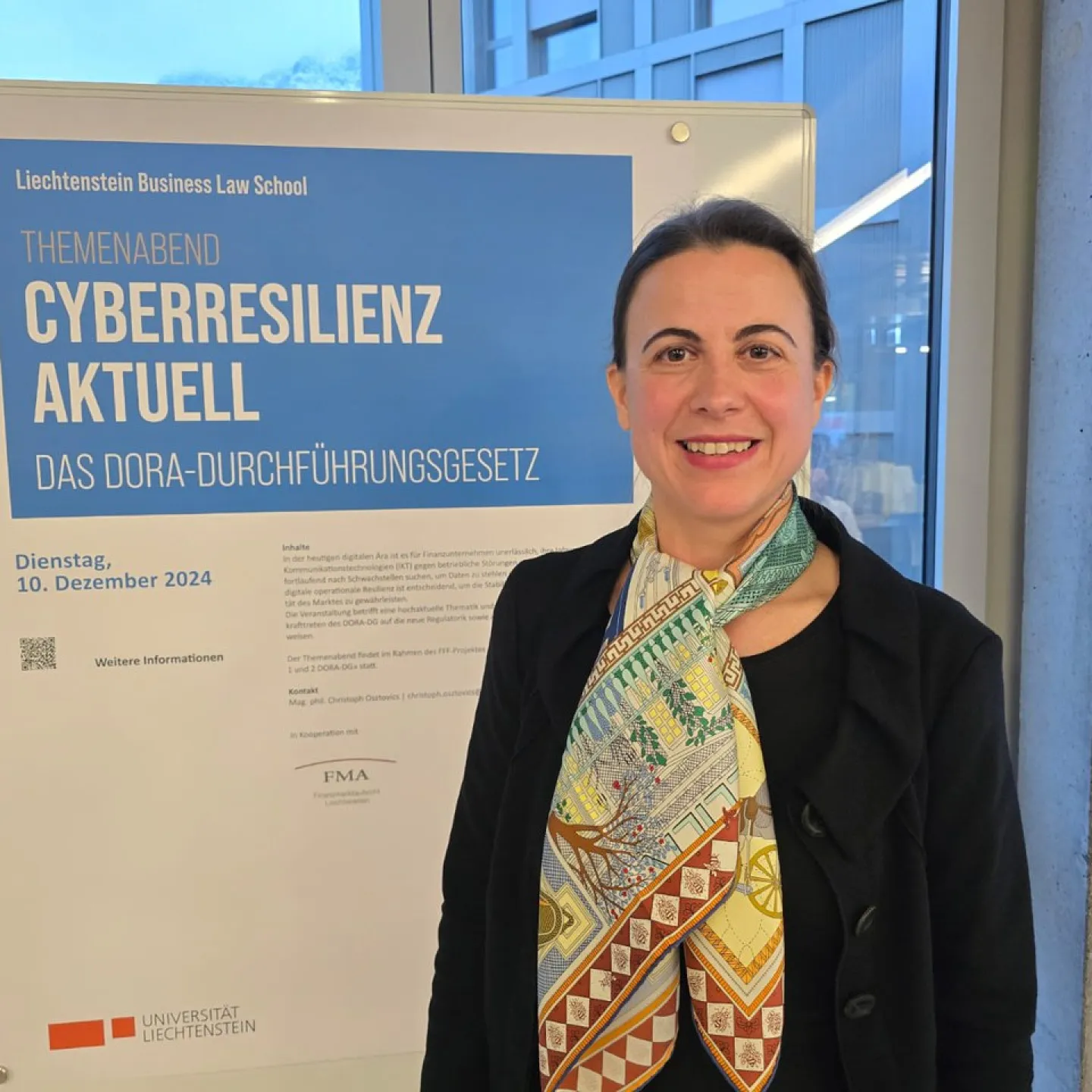
Frau steht lächelnd vor einem Plakat der Liechtenstein Business Law School. Das Plakat kündigt den Themenabend „Cyberresilienz aktuell: Das DORA-Durchführungsgesetz“ an, der am 10. Dezember 2024 stattfindet.

On 10 December 2024, the Chair of Economic Criminal Law, Compliance and Digitalization at the Liechtenstein Business Law School hosted the thematic evening “Cyber Resilience Today: The DORA Implementation Act.” The event was part of this year’s economic criminal law FFF project.


On Tuesday, 30 January 2024, the Liechtenstein government adopted the consultation report concerning the enactment of a law to implement Regulation (EU) 2022/2554 on digital operational resilience in the financial sector (the Digital Operational Resilience Implementation Act; DORA-DG) and the amendment of further legislation. DORA will apply to financial intermediaries in the EU as of 17 January 2025. In Liechtenstein, the EEA-DORA-DG was discussed in its second reading on 5 December 2024 and passed by the Parliament, with anticipated entry into force on 1 February 2025.


The Rector of the University, Dr. Christian Frommelt, welcomed the attendees and emphasized the importance of digitalization as a key focus in university research and teaching. He also reported on initial results from the second national survey on digitalization, which he presented at the 2024 Digital Day in Vaduz.


Following that, Michael Valersi, Head of the Cybersecurity Coordination Office in the Principality of Liechtenstein, introduced the work of the Coordination Office, which serves as a central contact point for all matters relating to cyber risks. He pointed out that the incident reporting form should be used by companies to report security incidents.


In the first expert lecture, Mathias Bartel, Supervisory Specialist in the Asset Management and Markets division at the Financial Market Authority Liechtenstein (FMA), gave an introduction to DORA, addressing its challenges and practical implementation in detail.


Finally, Prof. Dr. Konstantina Papathanasiou, LL.M., discussed the criminal law relevance of cyber resilience, particularly focusing on Article 9 DORA-DG, which outlines the criminal provisions. The emphasis was on explaining cybercrime, the requirements of intent and negligence, as well as the risks related to corporate liability.


The event received over 100 registrations and welcomed numerous participants from financial services companies, government authorities, and law firms in the university’s new auditorium at the Ebaholz campus. The evening concluded with a relaxed networking reception.


Frau steht lächelnd vor einem Plakat der Liechtenstein Business Law School. Das Plakat kündigt den Themenabend „Cyberresilienz aktuell: Das DORA-Durchführungsgesetz“ an, der am 10. Dezember 2024 stattfindet.

Children's University: Fundraising as a Profession – Can You Buy Help? A Behind-the-Scenes Look at Fundraising

Children's University: Fundraising as a Profession – Can You Buy Help? A Behind-the-Scenes Look at Fundraising

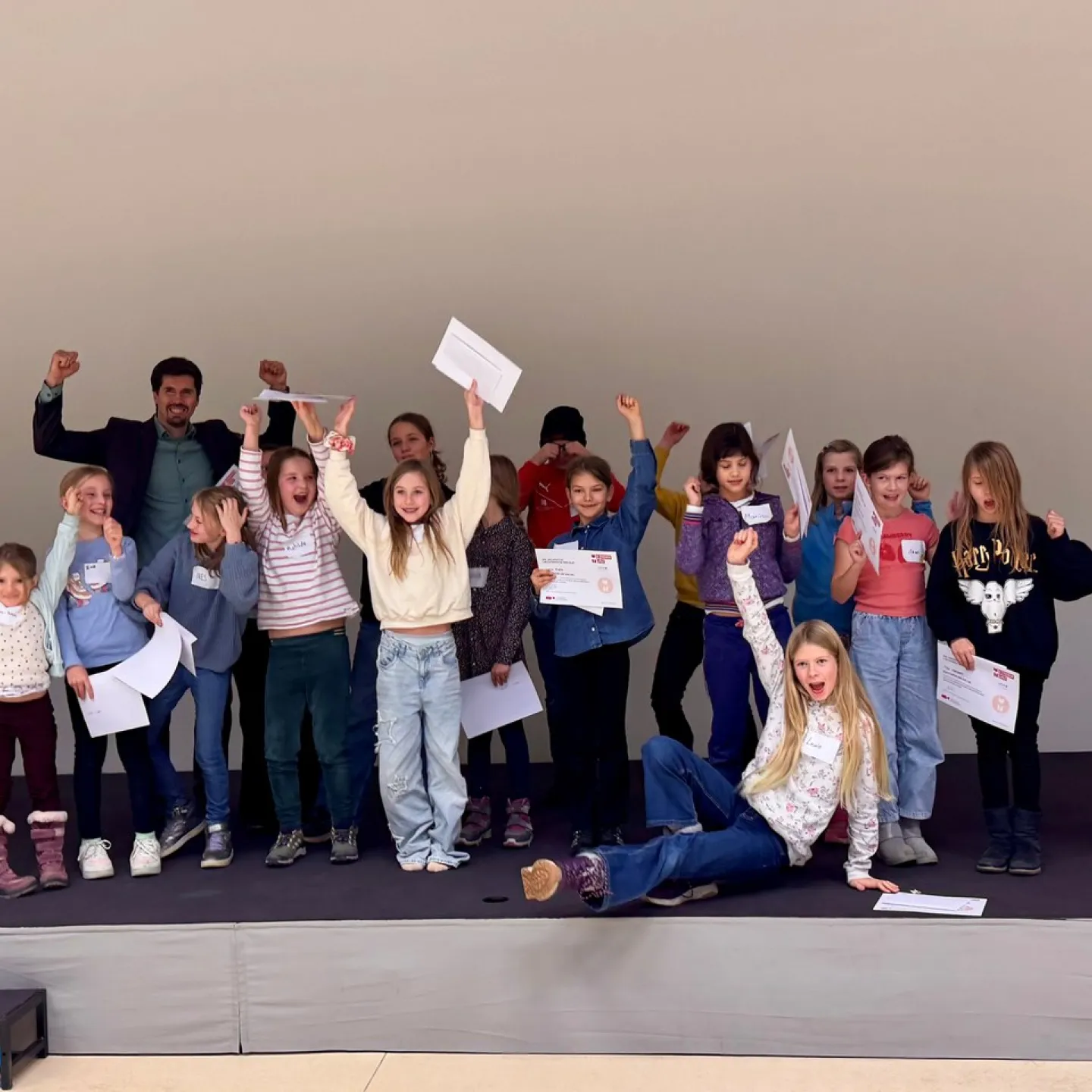
Eine Gruppe von Kindern und einem Erwachsenen steht auf einer Bühne und hält stolz Zertifikate hoch. Die Kinder wirken fröhlich und begeistert. Sie nehmen an einem Fundraising-Workshop an der Universität Liechtenstein teil.

On Wednesday, 4 December 2024, the Individual Fundraising team from UNICEF Switzerland and Liechtenstein gave children aged 8 to 12 a special look into their everyday work – which isn’t so everyday – at the University of Liechtenstein.


With fun and creativity, the children immersed themselves in the exciting world of fundraising. Together, they explored the question: What is fundraising and how does it work? In interactive workshops, the children playfully discovered why fundraising is so important and learned how to develop their own fundraising ideas. They not only learned the meaning of solidarity, but were also inspired to make the world a little better with their own ideas.


Accompanying Program for Adults: The Art of Fundraising


While the children honed their fundraising skills, parents received an informative insight into the world of charitable giving. Ariane Buffat, Senior Fundraiser and Manager Young Generation, explained how nonprofit organizations like UNICEF raise funds and which strategies are most effective. Participants learned how fundraising works, why it is so important, and which methods have proven successful.

Eine Gruppe von Kindern und einem Erwachsenen steht auf einer Bühne und hält stolz Zertifikate hoch. Die Kinder wirken fröhlich und begeistert. Sie nehmen an einem Fundraising-Workshop an der Universität Liechtenstein teil.

Master's Thesis Honored with the Bendura Bank Award 2024

Master's Thesis Honored with the Bendura Bank Award 2024

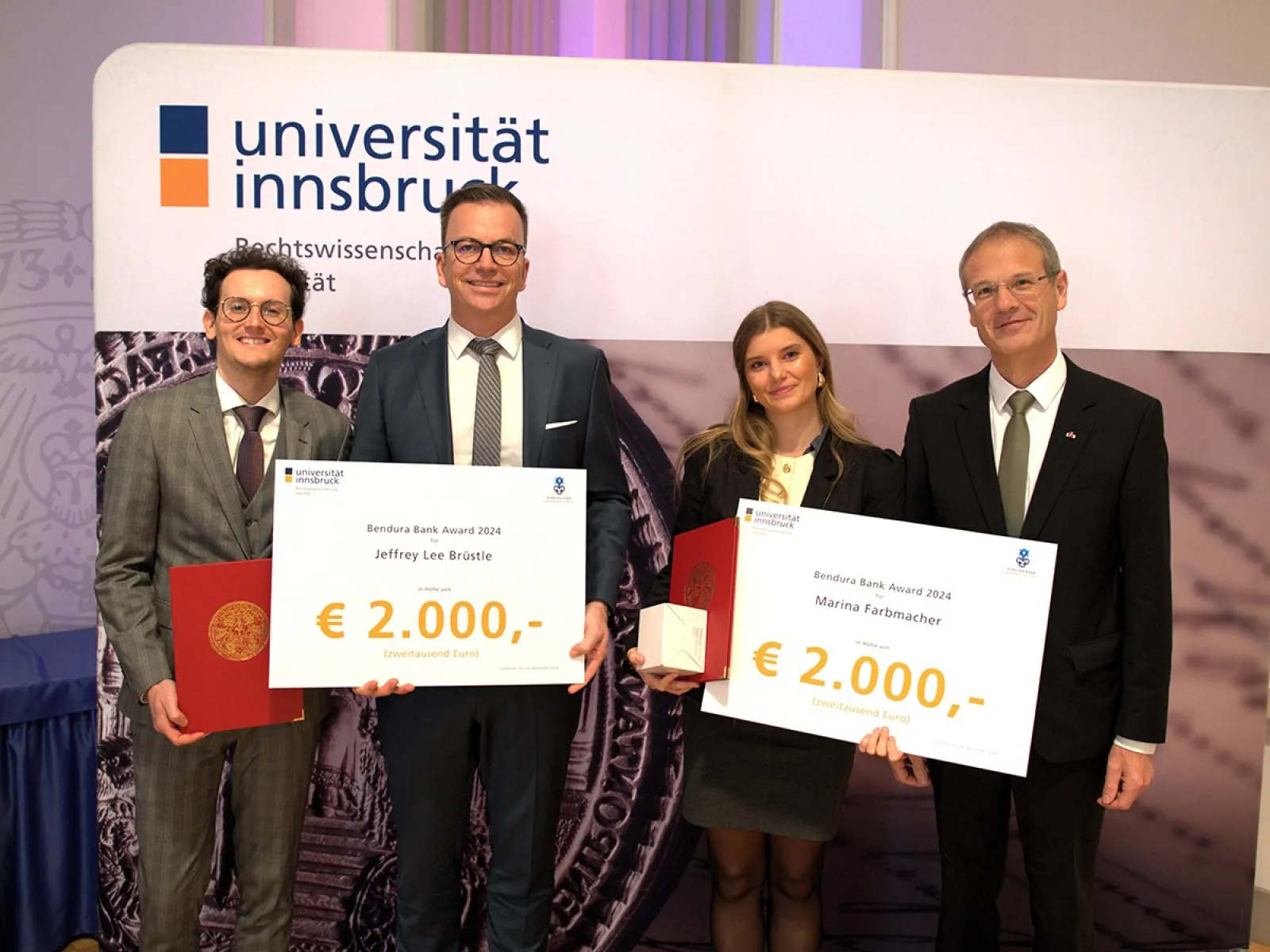
As part of this year’s Faculty Day of the Faculty of Law at the University of Innsbruck, Jeffrey Lee Brüstle, research associate at the Chair for Corporate, Foundation, and Trust Law, received the prestigious Bendura Bank Award 2024 for his master’s thesis, approved in 2021. This award is presented annually by the Faculty of Law in cooperation with Bendura Bank AG to recognize and promote outstanding master’s theses in business law.


The ceremonial award ceremony took place on November 29, 2024, in the grand hall of the University of Innsbruck. Jeffrey Lee Brüstle, LL.B. LL.M. LL.M., had the honor of briefly presenting his thesis entitled “Interpretative Issues of the CISG” to a professional audience. The award was then formally presented by Univ.-Prof. Dr. Walter Obwexer, Dean of the Faculty of Law, and Dr. Markus Federspiel, CEO of Bendura Bank AG.


“The Bendura Bank Award encourages students of the Master’s Program in Business Law to write theses that provide valuable insights both for academia and legal practice. My thesis is particularly aimed at practitioners, discussing on the one hand the methods of interpretation under the CISG and on the other, addressing the issue of the so-called ‘homeward trend’ of national courts,” explained Jeffrey Lee Brüstle.


The CISG (United Nations Convention on Contracts for the International Sale of Goods) is considered the most significant unification treaty in private international law to date. It has been ratified by 97 countries—including the Principality of Liechtenstein—and provides substantive law for cross-border sales contracts. To achieve as global a scope as possible, some substantive weaknesses had to be accepted as part of a harmonized compromise. As a result, the CISG frequently uses vague legal terms such as “reasonable” or “appropriate.” The autonomous interpretation of these terms presents considerable challenges for national courts of the contracting states, particularly the Austrian Supreme Court.


Forward-looking Perspectives: Artificial Intelligence: Hype or Sustainable Transformation? – A Successful Insight into the Financial World of Tomorrow

Forward-looking Perspectives: Artificial Intelligence: Hype or Sustainable Transformation? – A Successful Insight into the Financial World of Tomorrow

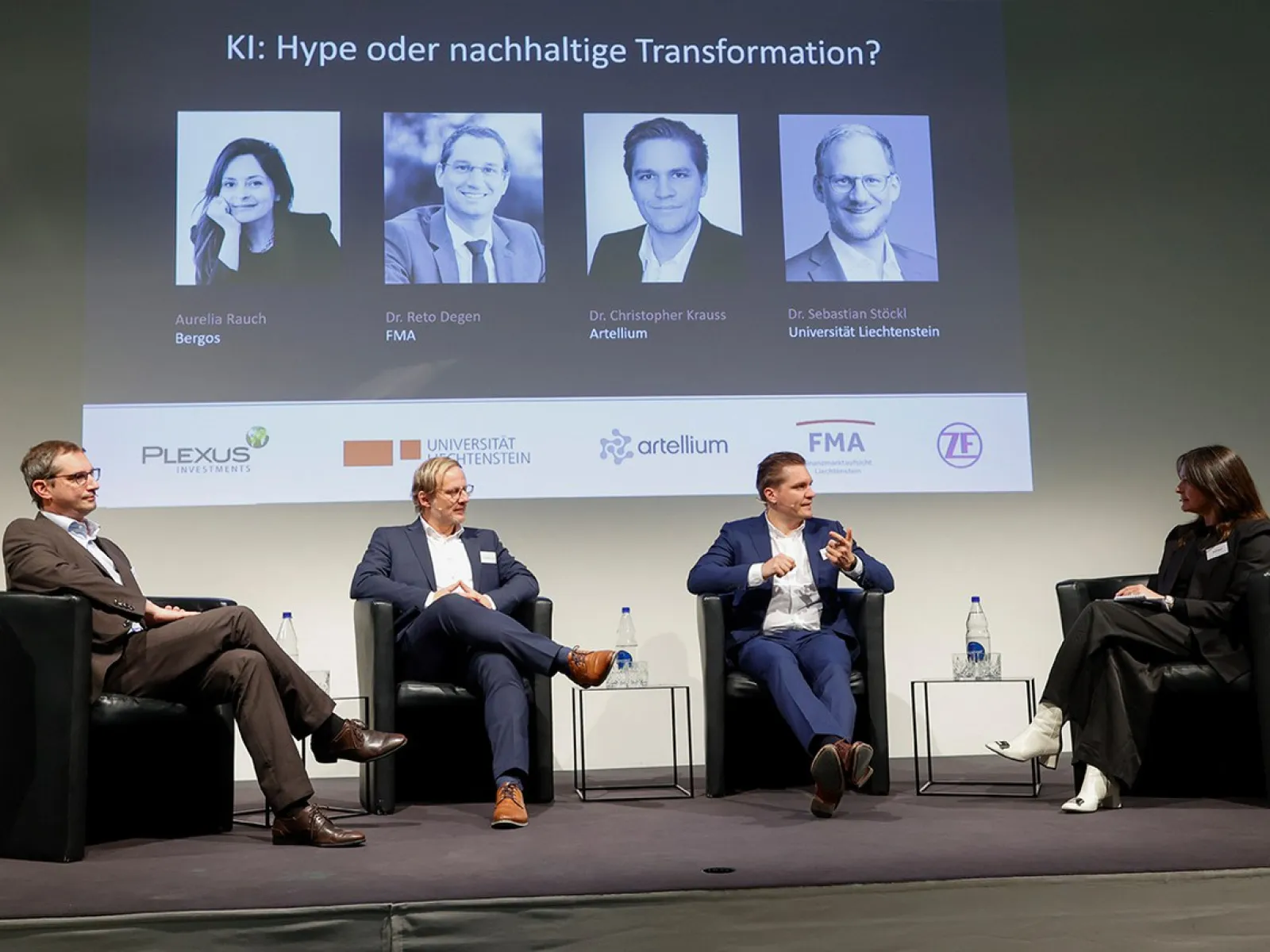
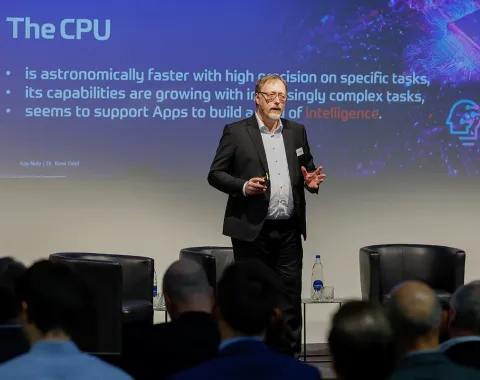
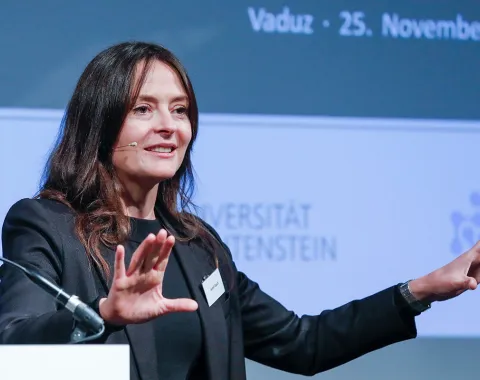
On November 25, experts from the regional financial sector, academics and interested parties gathered at the University of Liechtenstein for the conference “Artificial intelligence: hype or sustainable transformation?”, a collaboration between Assistant Professor Dr. Sebastian Stöckl and the Liechtenstein Business School with PLEXUS Investments, led by CEO Günter Jäger. Aurelia Rauch from Bergos led through the afternoon.


The numerous presentations by renowned experts offered a deep insight into the ongoing development of artificial intelligence (AI) in finance.


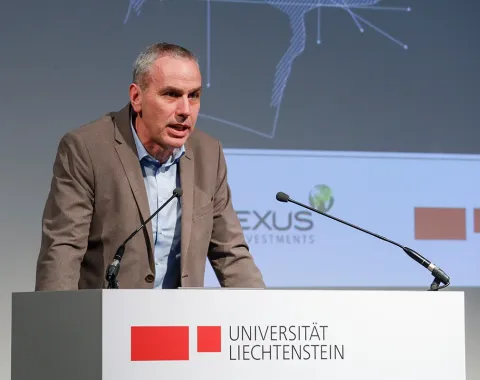
The Dean of the Liechtenstein Business School, Prof. Dr. Michael Hanke, opened the conference with a short speech in which he emphasized the importance of the topic of artificial intelligence for the University of Liechtenstein. He emphasized how important it is to offer the topic in education and training and to actively contribute the university's expertise to practice through knowledge transfer and targeted research.


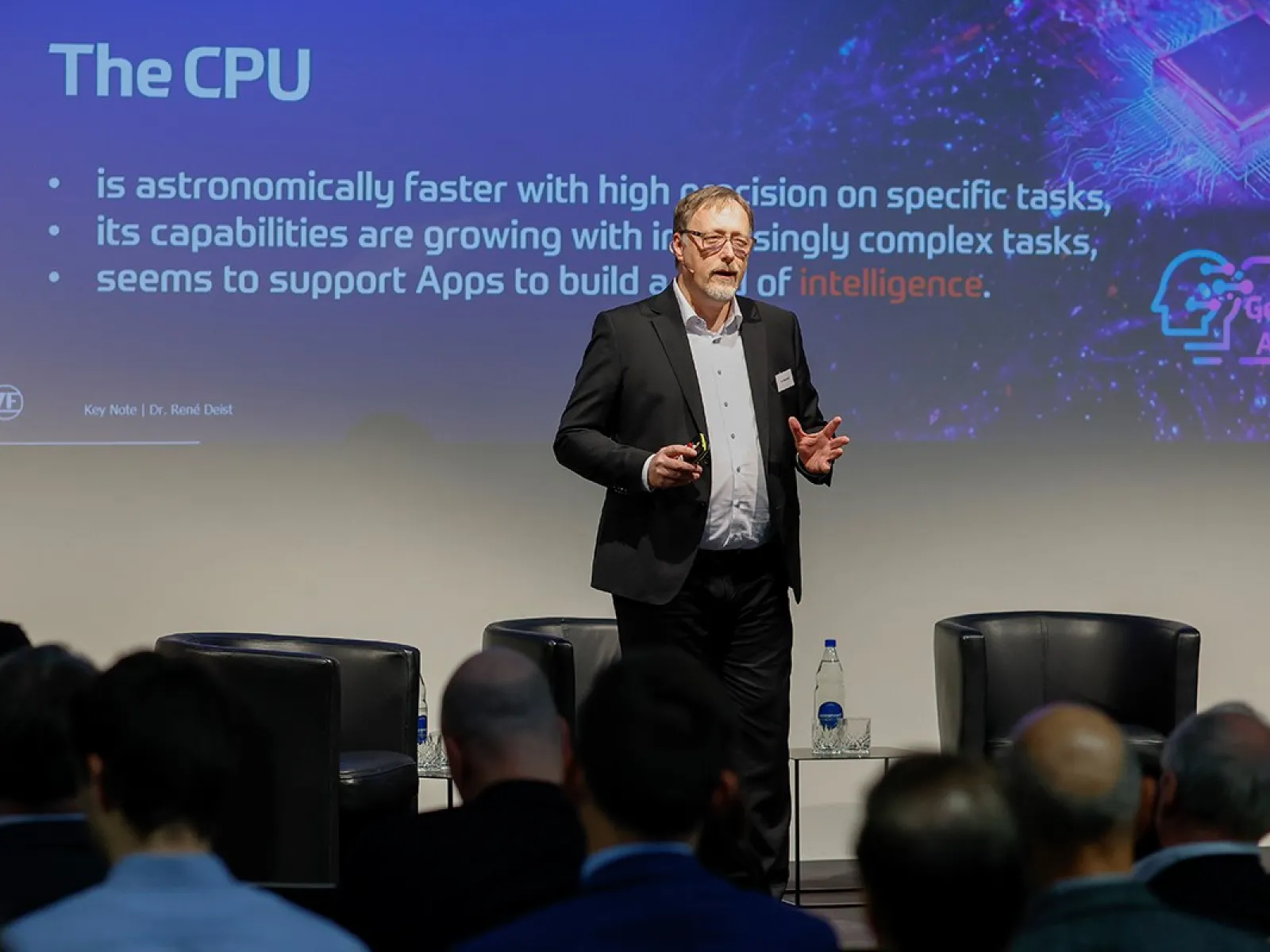
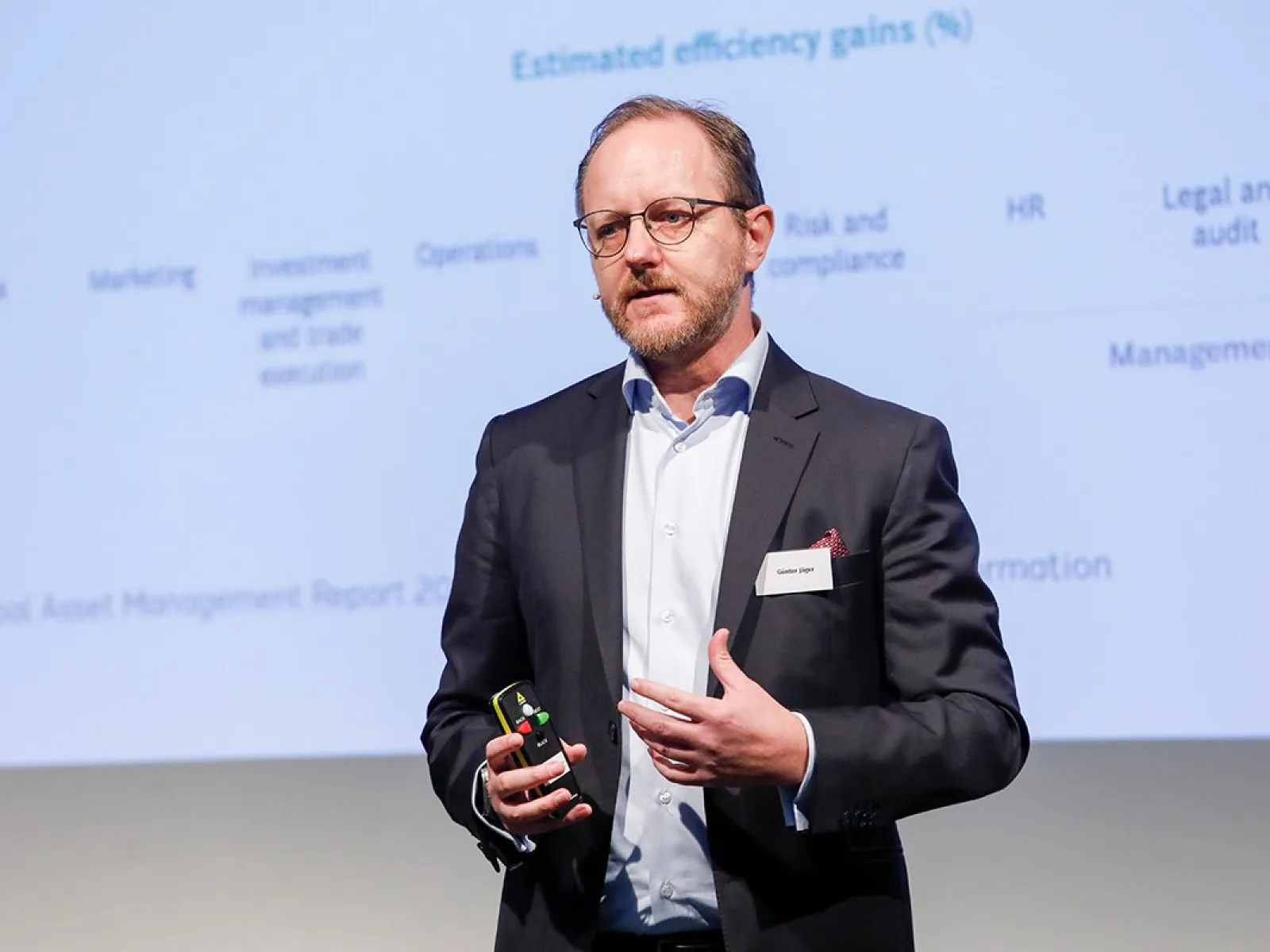
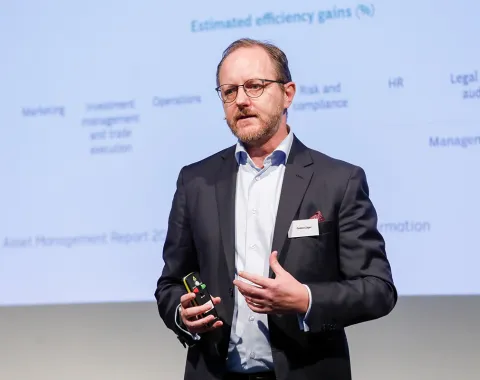
In his opening presentation Dr. René Deist from ZF Friedrichshafen provided  a fascinating insight into the rapidly advancing field of generative AI. Following the opening presentation, Günter Jäger from PLEXUS Investments shed light on the potential of AI in asset management. Jäger emphasized the dynamic development with the words: “Artificial intelligence in finance is less hype than transformation. And it will significantly change the industry at an increasing pace.”


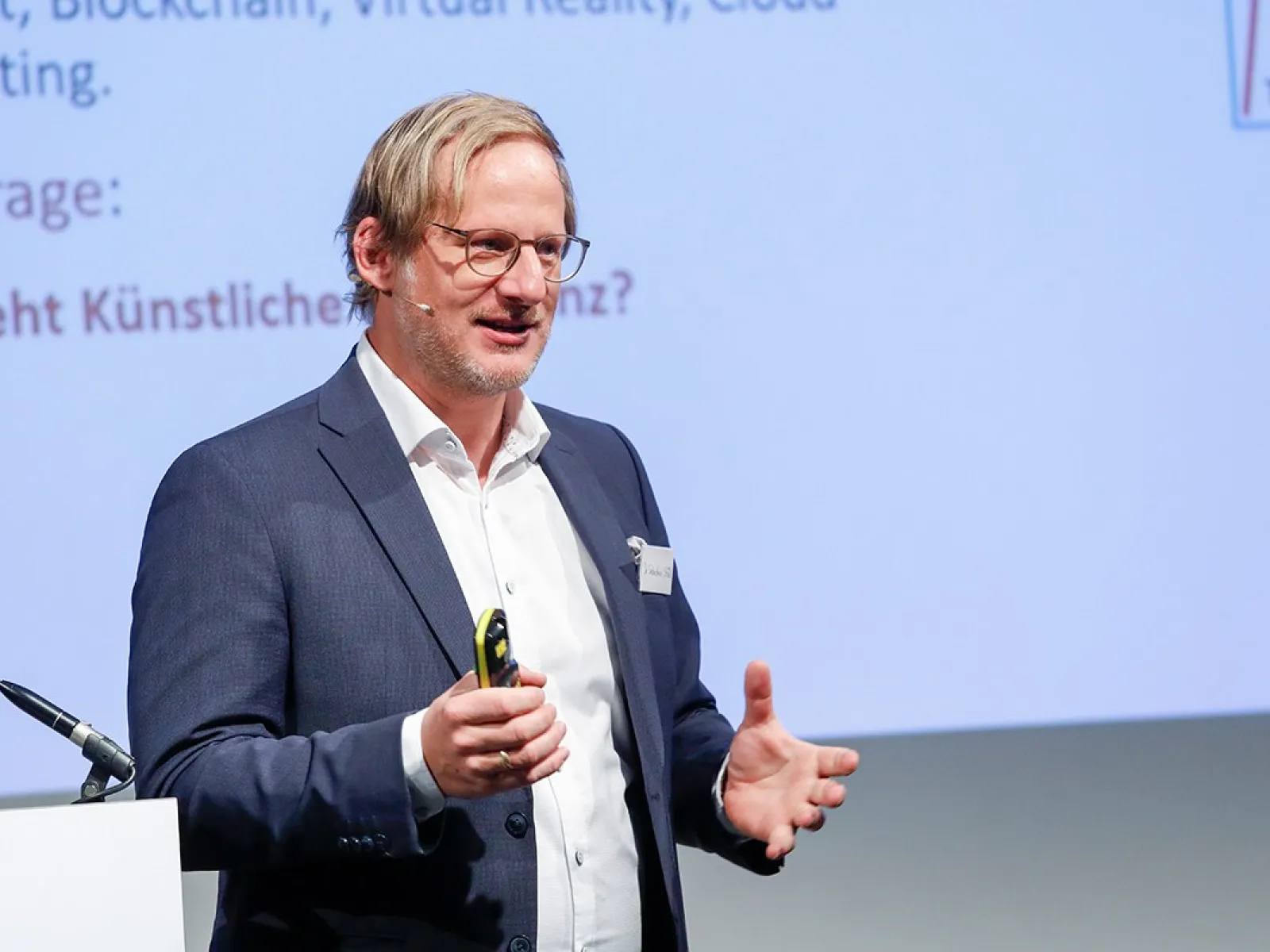
Assistant Professor Dr. Sebastian Stöckl from the University of Liechtenstein continued the afternoon by emphasizing in his presentation that AI is not just hype, but is already having a transformative effect on industries such as finance and services, while also highlighting the challenges that need to be overcome in order to exploit its full economic potential. Dr. Christopher Krauss from Artellium then gave an exciting presentation on how AI-based stock selection works, focusing in particular on the importance of the human factor.


Finally, Dr. Reto Degen from the Liechtenstein Financial Market Authority discussed the future European regulation of AI and provided an insight into the use of AI among financial intermediaries.


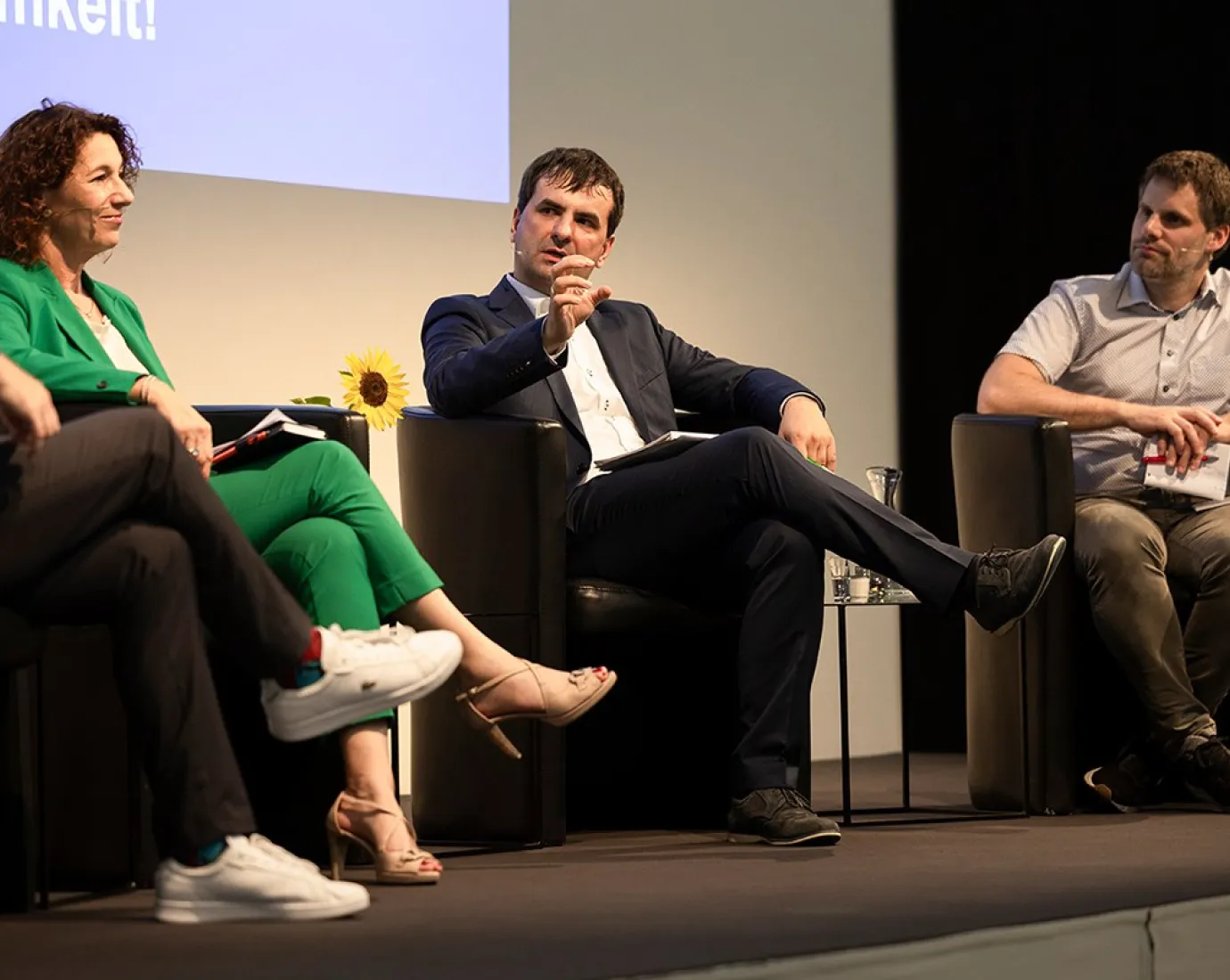
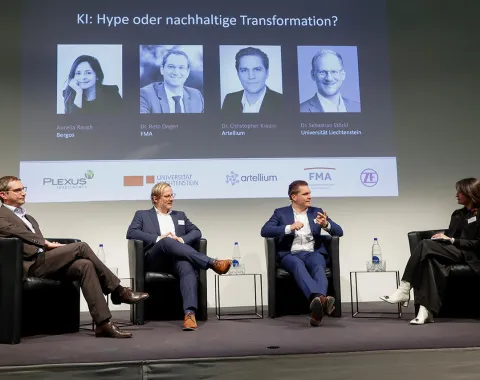
A highlight of the day was the dynamic panel discussion “AI - hype or sustainable transformation”, in which renowned experts such as Dr. Reto Degen, Dr. Christopher Krauss and Ass.-Prof. Dr. Sebastian Stöckl shared their perspectives.


The concluding networking aperitif not only offered participants the opportunity for an informal exchange, but also provided space for further discussions on the fascinating connection between investment and artificial intelligence. Assistant Professor Dr. Sebastian Stöckl from the Liechtenstein Business School was delighted with the outcome: “We are delighted with the positive response to the conference and the great interest in the topic of artificial intelligence, not only in the financial sector. In view of this success, we are pleased to announce that we are already planning next year's conference to continue this exciting format.”


Subscribe to