Skip to Main Content

Strong Interest in the Fifth Intensive Course on "International Sanctions Law"

Strong Interest in the Fifth Intensive Course on "International Sanctions Law"

Strong Interest in the Fifth Intensive Course on "International Sanctions Law"

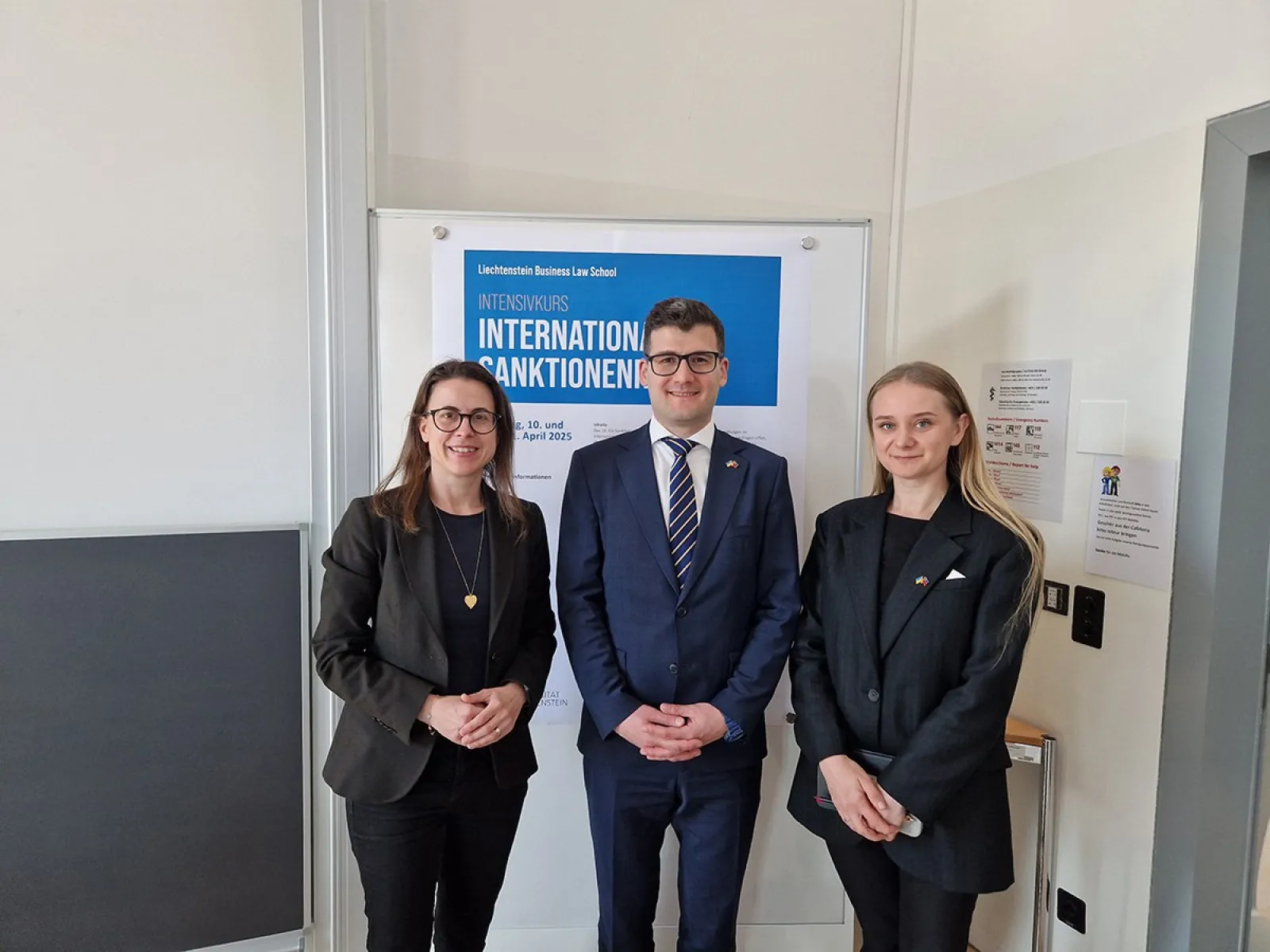
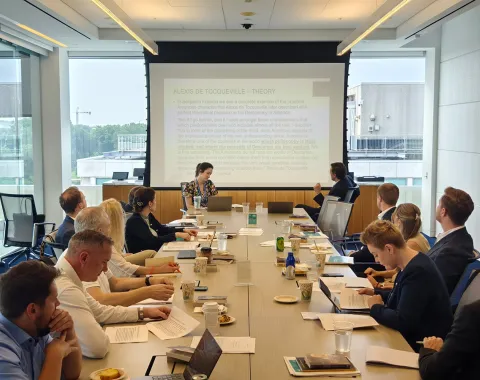
On 10 and 11 April 2025, the Professorship for Economic Criminal Law, Compliance and Digitalisation held the intensive course on "International Sanctions Law" for the fifth time.

After welcoming the speakers and participants, Prof. Dr. Konstantina Papathanasiou, LL.M., introduced seven lectures that addressed various aspects of international sanctions law.

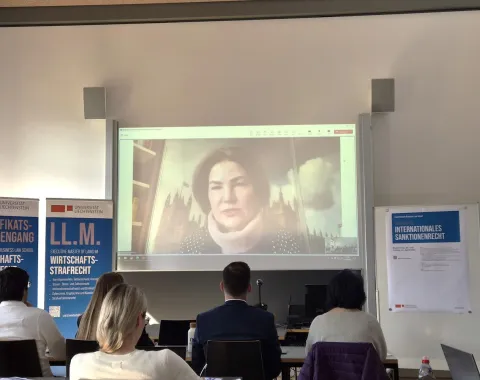
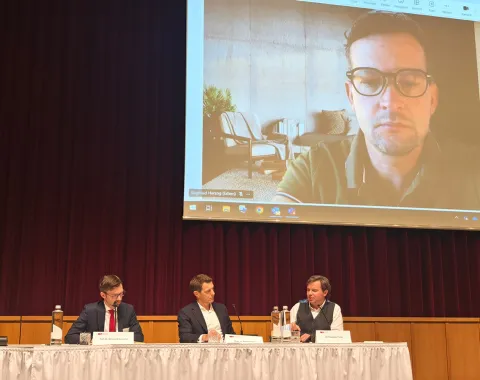
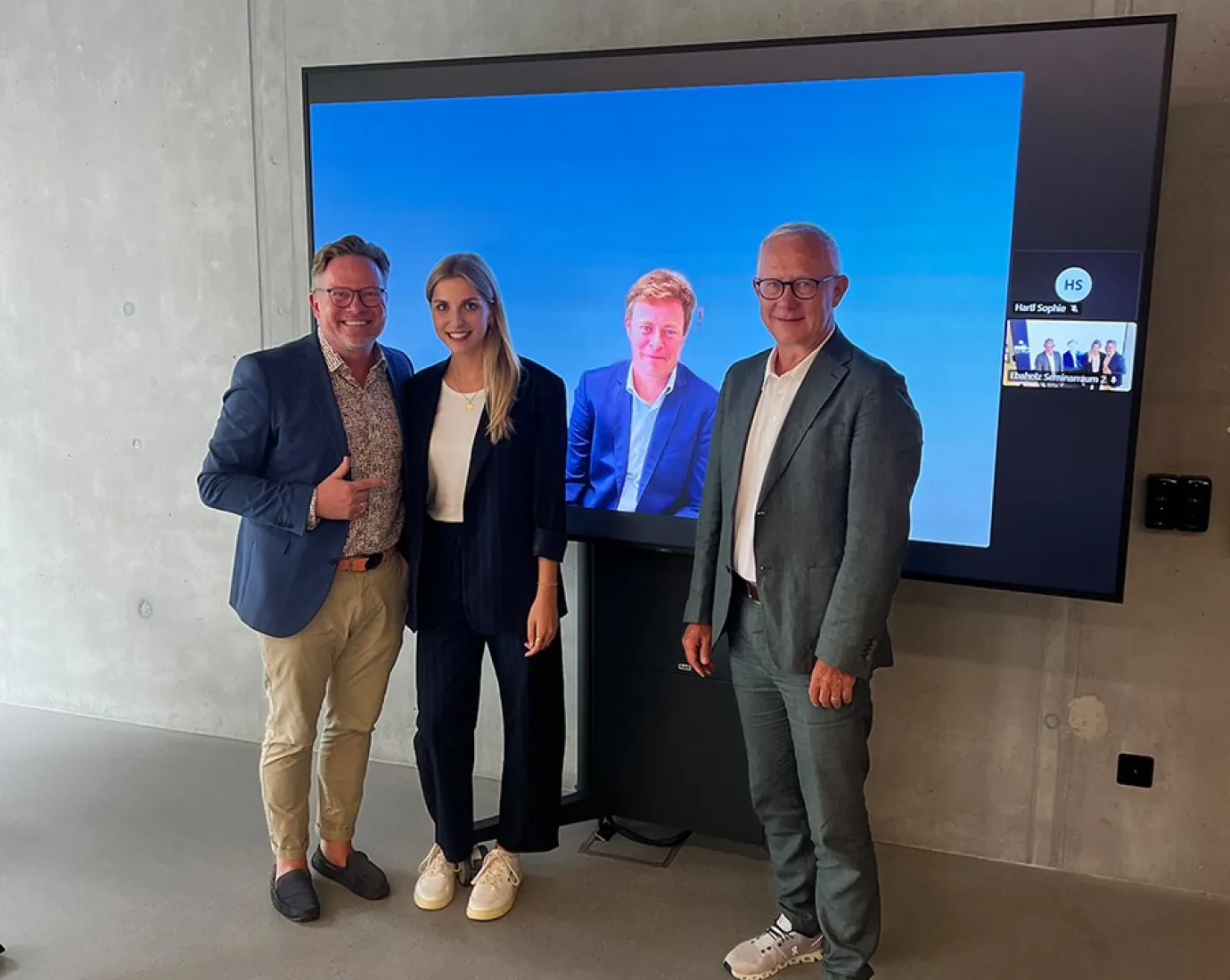
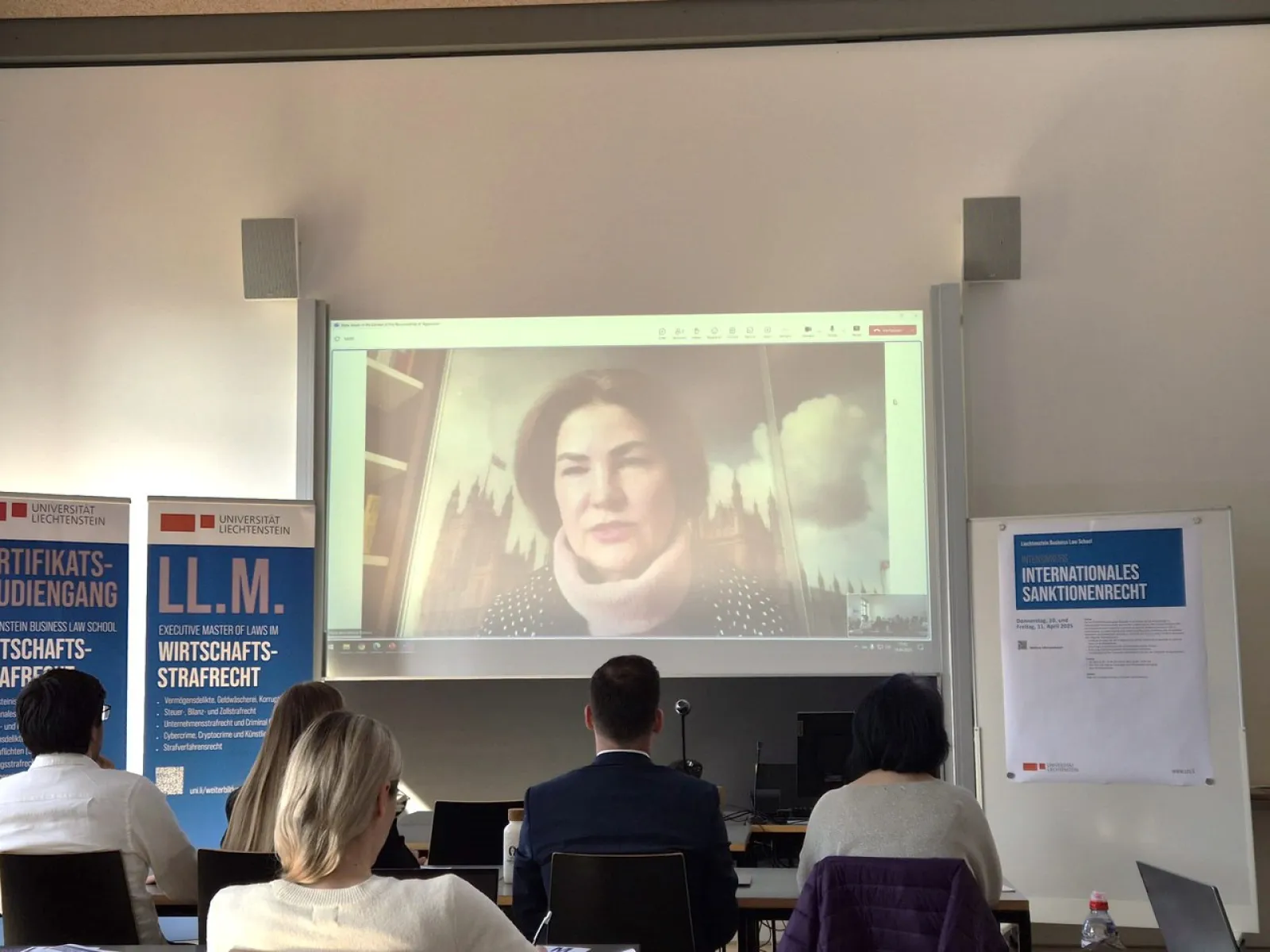
The course began with a keynote by Prof. Dr. Iryna Venediktova, Extraordinary and Plenipotentiary Ambassador of Ukraine to the Swiss Confederation and the Principality of Liechtenstein, who joined live from Ukraine. Her lecture titled "States’ Assets in the Context of Responsibility for Aggression: Legal Limits of Immunity and Prospects for Its Reconsideration" was also attended by representatives from the Ukrainian Embassy in Bern.


Den Abschluss bildeten Sandra Willers und Martin Griesmyar (Financial Crime Prevention, LGT Vaduz), die über die Bedeutung und den Geltungsbereich internationaler Sanktionen referierten – mit besonderem Blick auf die Beziehungen zwischen der EU und den USA sowie deren Auswirkungen auf liechtensteinische Banken.


Das grosse Interesse der zahlreichen Teilnehmenden bestätigte erneut die Relevanz und Aktualität dieses komplexen Themenfelds sowie den Bedarf nach regelmässigem fachlichem Austausch. Der nächste Intensivkurs findet am 6. und 7. November 2025 statt.

Anna Heringer Awarded the Max Beckmann Prize of the City of Frankfurt

Anna Heringer Awarded the Max Beckmann Prize of the City of Frankfurt

Honouring visionary architecture with natural materials


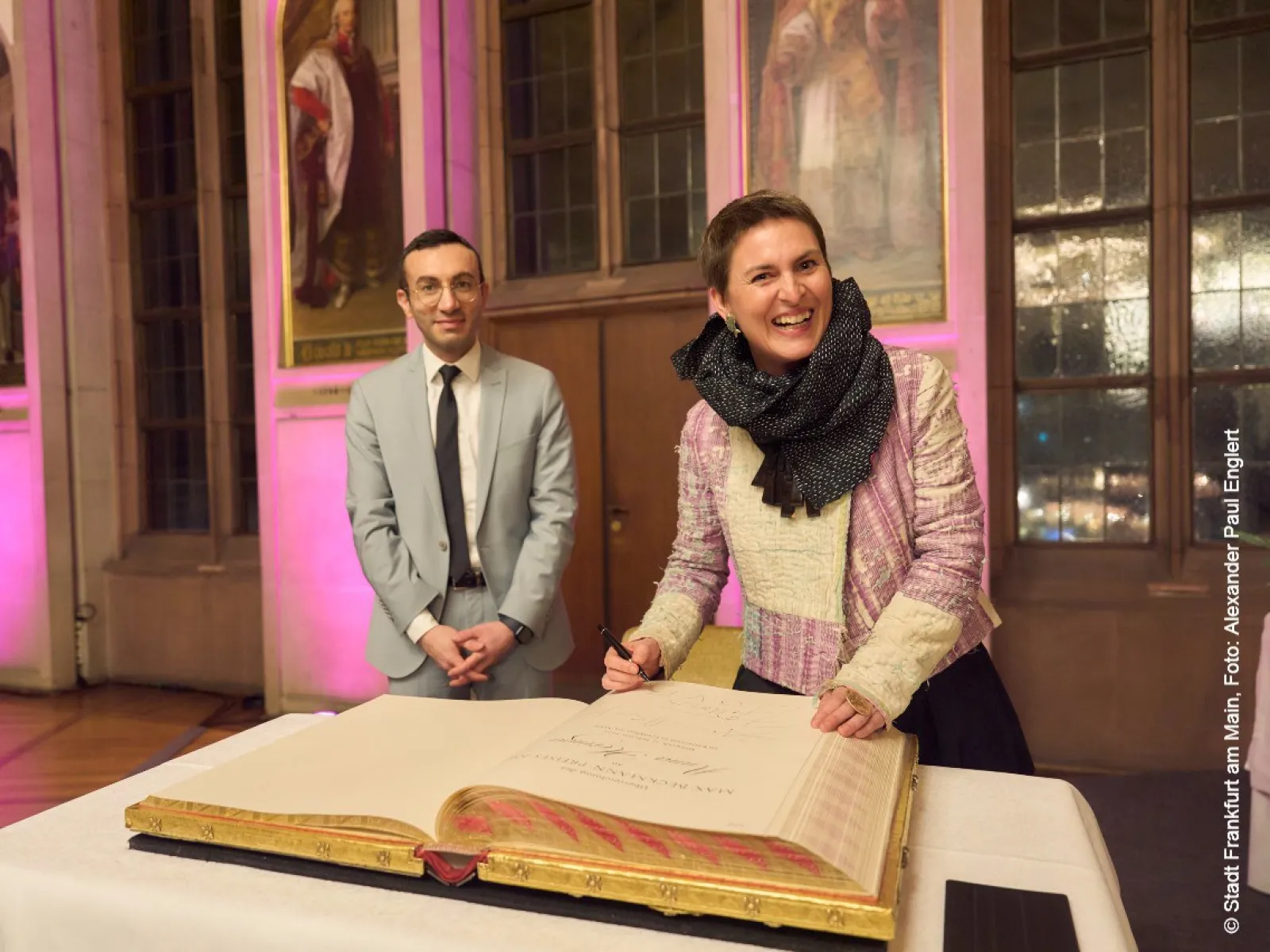
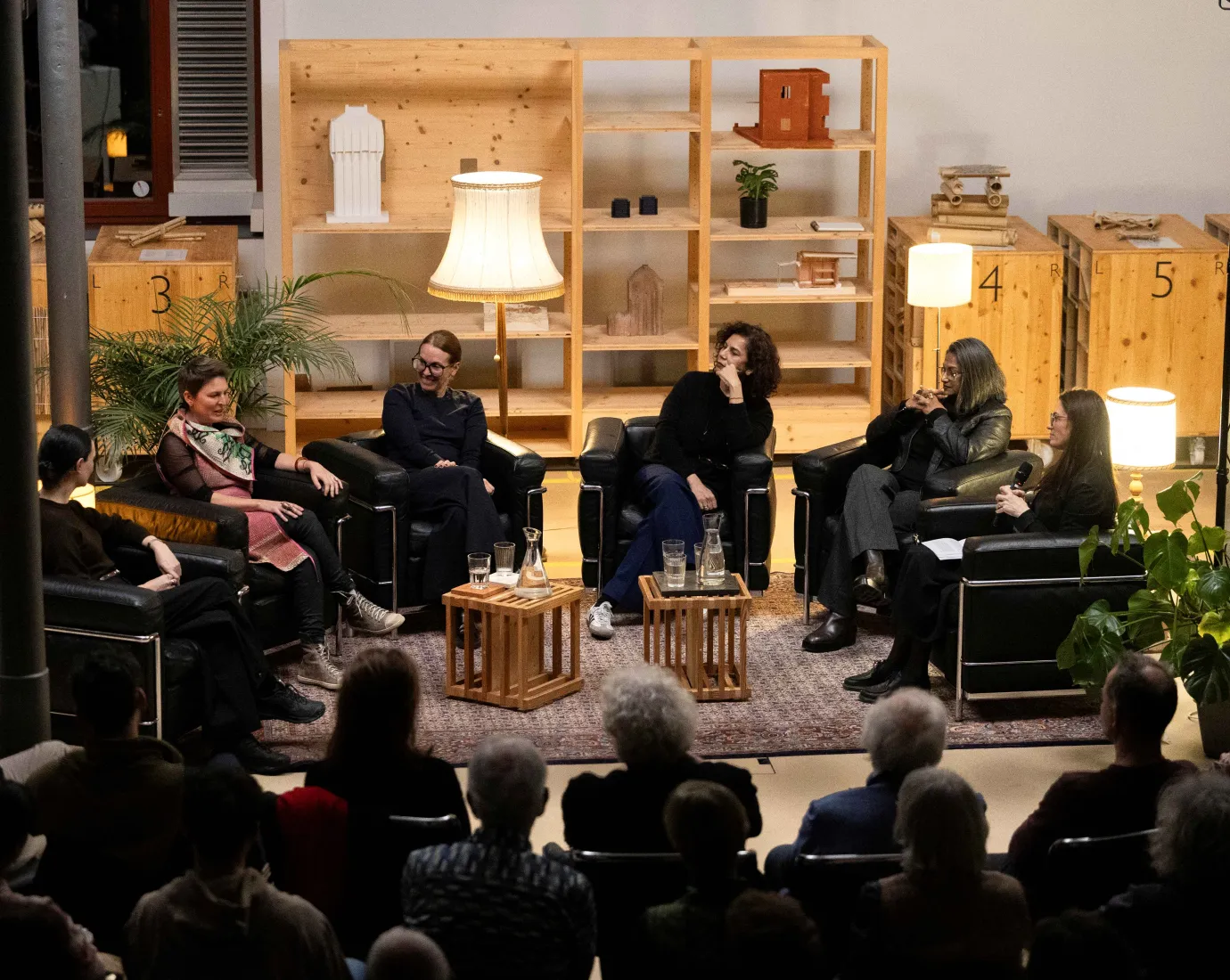
The Liechtenstein School of Architecture is pleased to announce that Practice Professor Anna Heringer has been awarded the prestigious Max Beckmann Prize by the City of Frankfurt am Main. The city honours her outstanding commitment to socially just, culturally rooted, and ecologically sustainable architecture. The prize is endowed with EUR 50,000.


Anna Heringer is internationally renowned for her projects using natural building materials such as earth and bamboo. Her work bridges traditional construction techniques with contemporary design, powerfully demonstrating how architecture can contribute to positive social and environmental transformation.


As a Practice Professor at the University of Liechtenstein, Anna Heringer brings this philosophy directly into her teaching—encouraging and inspiring students to take responsibility within a global building context.


We extend our warmest congratulations on this well-deserved recognition!

Exchange on the Latest Practice-Relevant Developments in the Field of Compliance

Exchange on the Latest Practice-Relevant Developments in the Field of Compliance

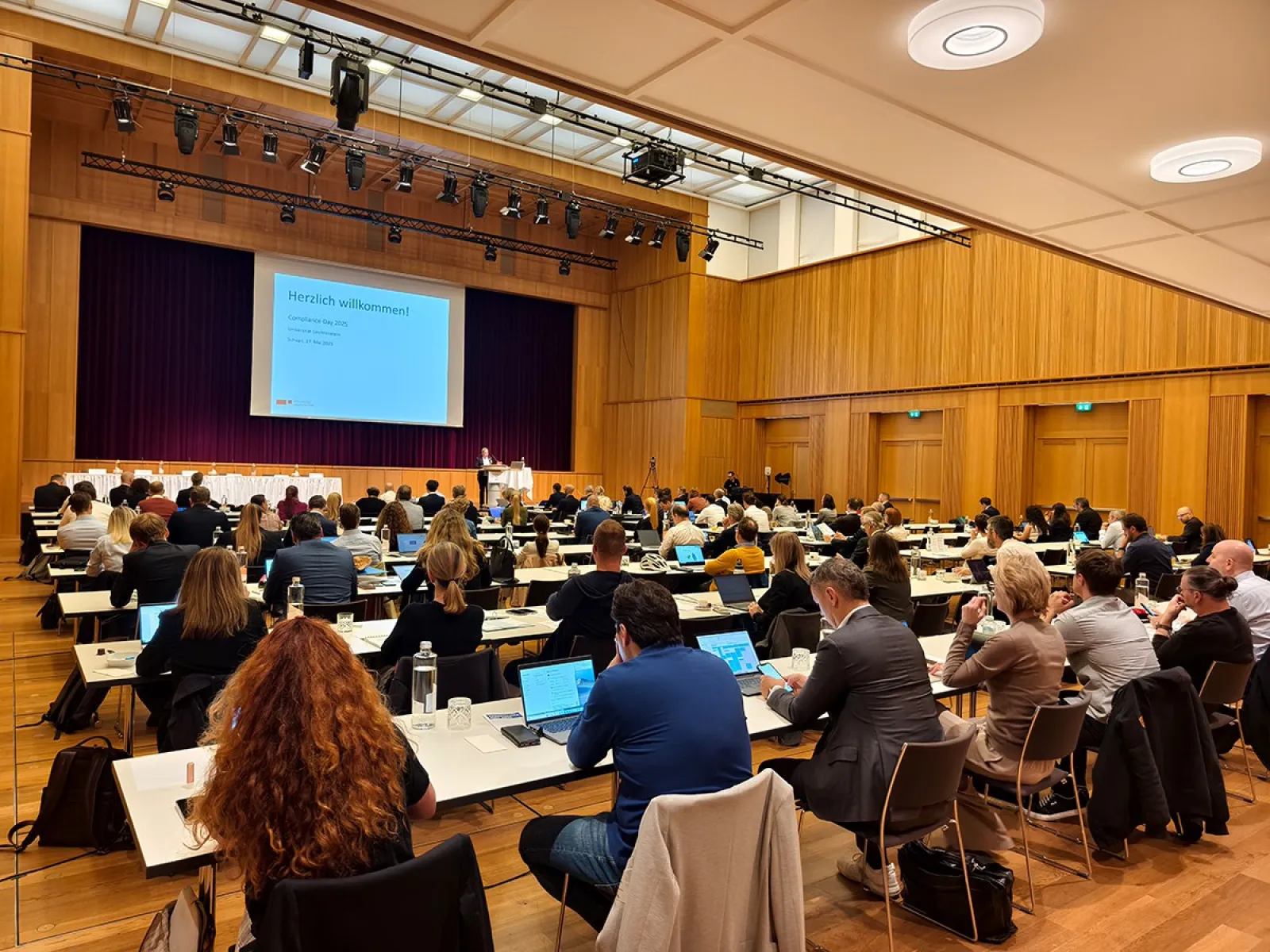
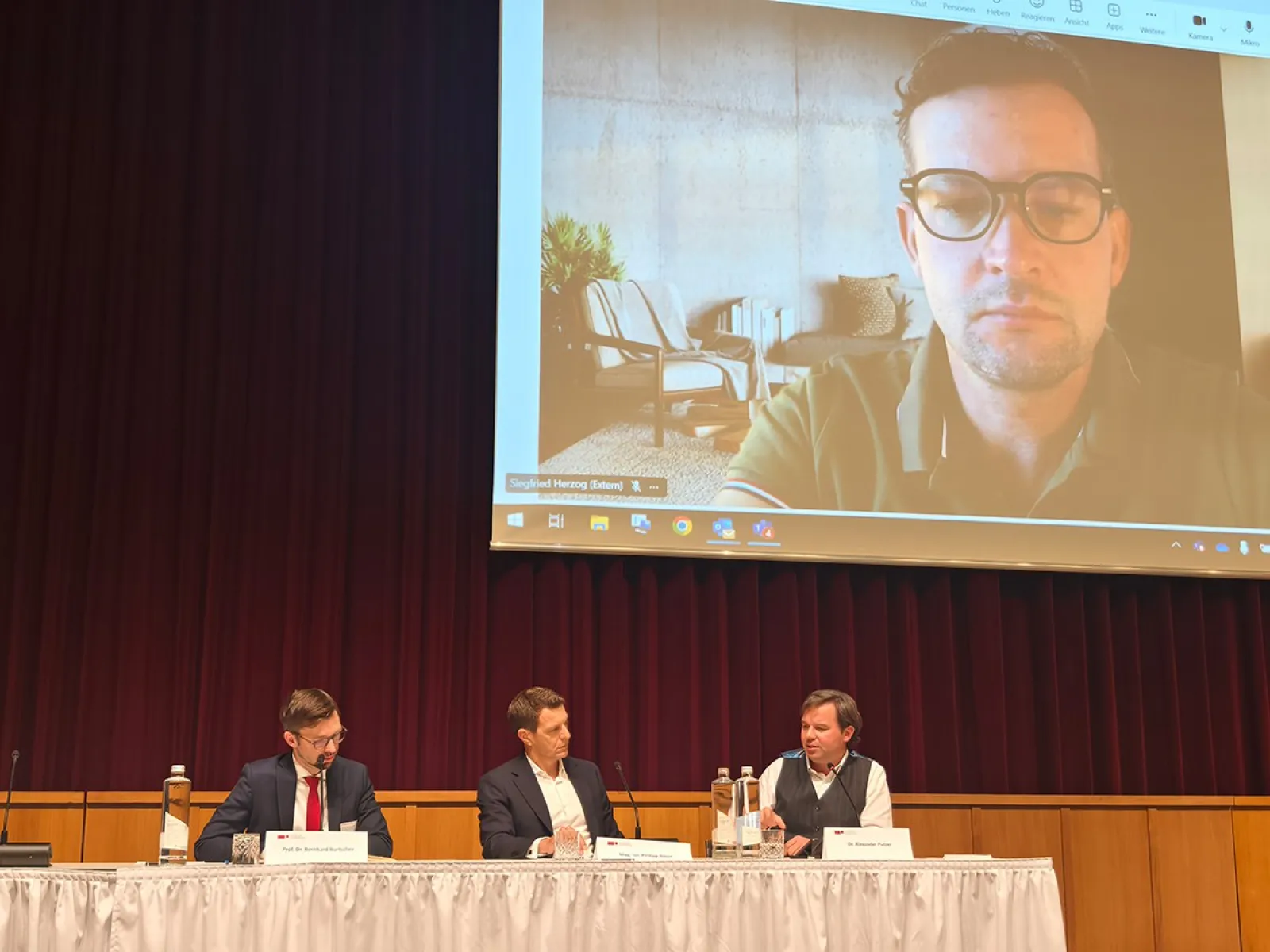
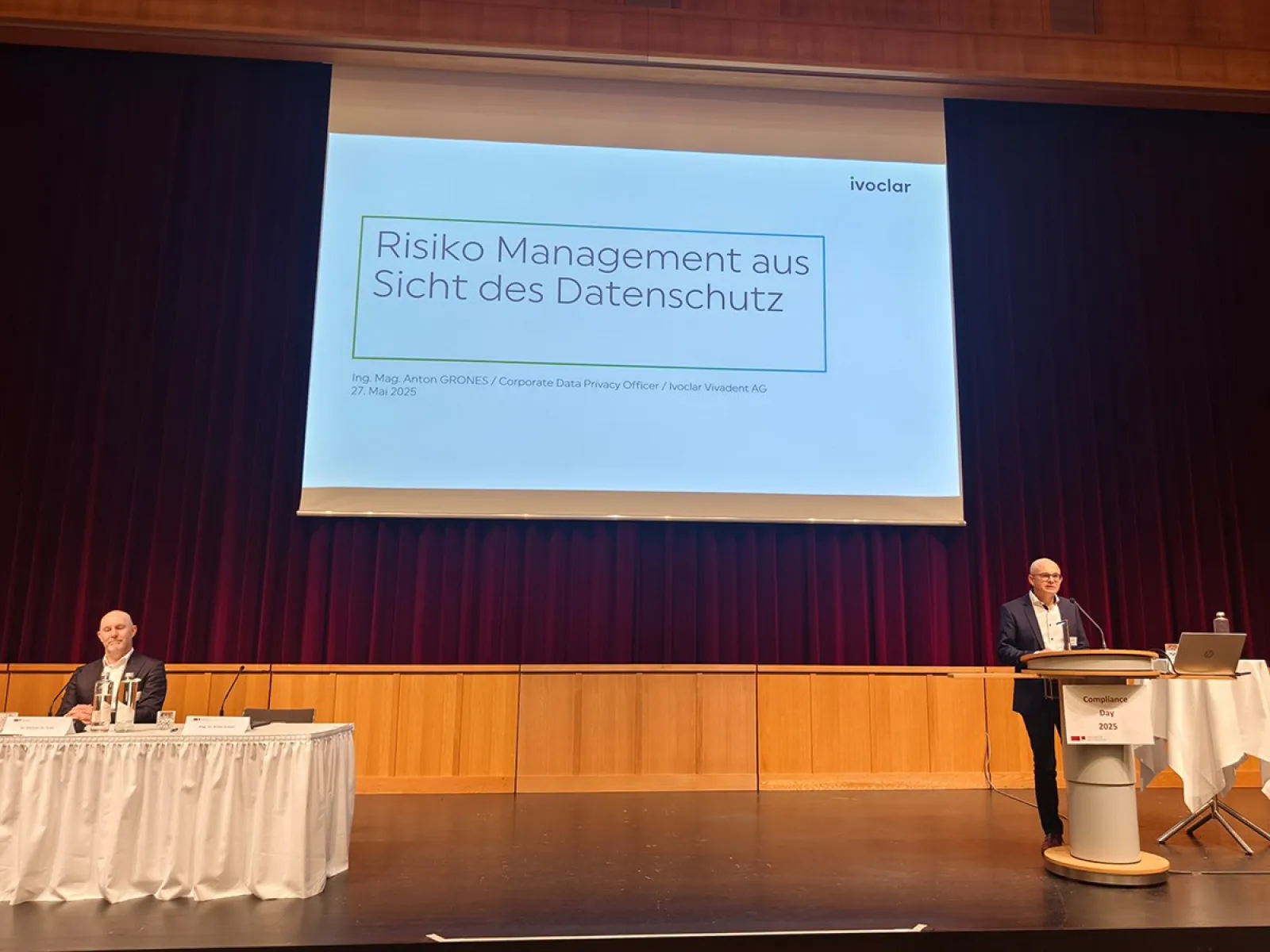
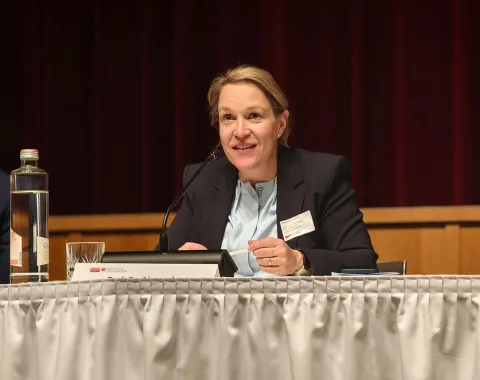
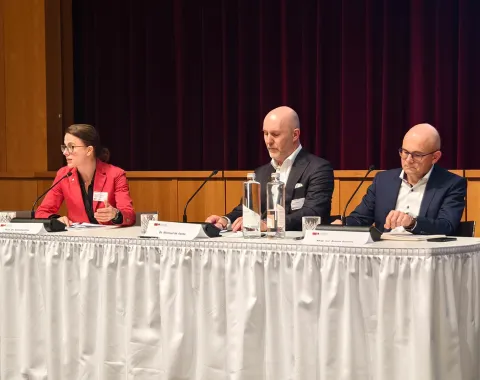
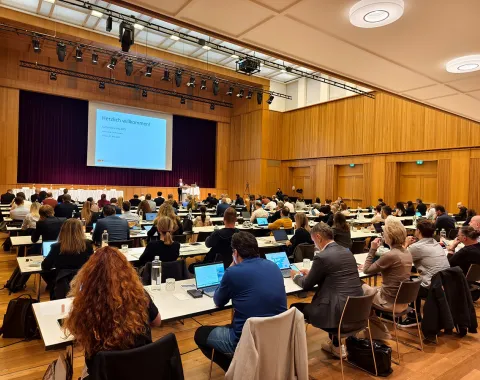
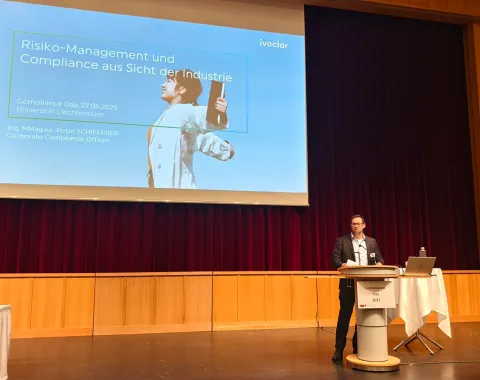
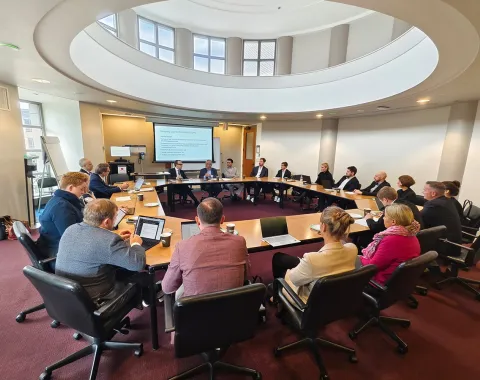
On 27 May 2025, the Professorships for Company, Foundation and Trust Law; Banking and Financial Market Law; and Economic Criminal Law, Compliance and Digitalisation hosted the Compliance Day 2025. Around one hundred professionals from the legal, business, and industrial sectors filled the SAL (Saal am Lindaplatz) to exchange insights on the latest practice-relevant developments in compliance.


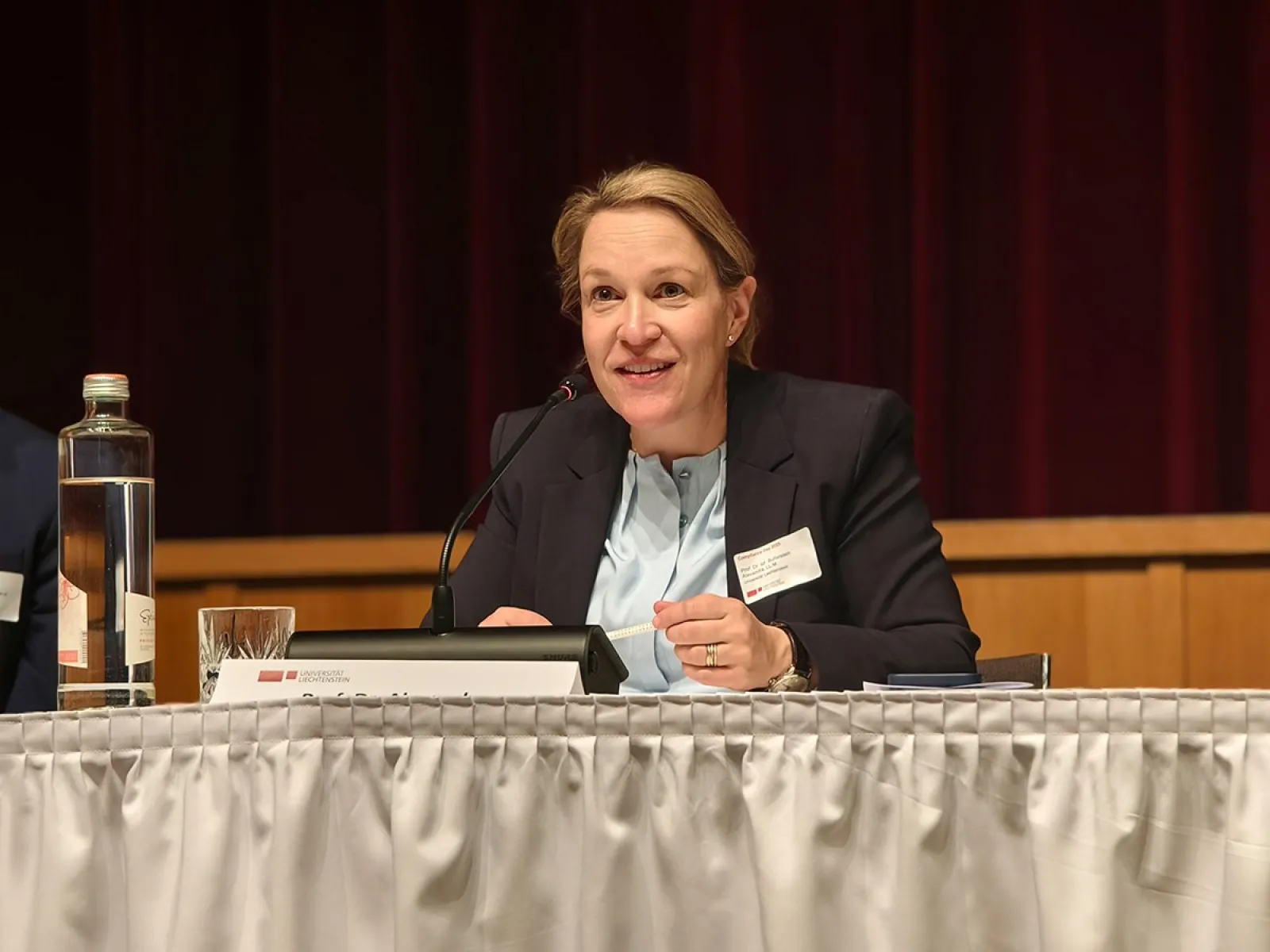
In her welcome address, Prof. Dr. Alexandra Butterstein, LL.M., Dean of the Liechtenstein Business Law School and Chair of the Professorship for Company, Foundation and Trust Law, emphasised the growing demands placed on compliance officers. With ever-increasing regulatory requirements, continuing education formats such as Compliance Day, the Certificate Programme for Compliance Officers, and the Intensive Course on Criminal Law and Corporations are becoming ever more relevant. She expressed her gratitude to the speakers, as well as the Liechtenstein Institute of Professional Trustees and the Financial Market Authority (FMA) Liechtenstein for their contributions to specific thematic blocks.


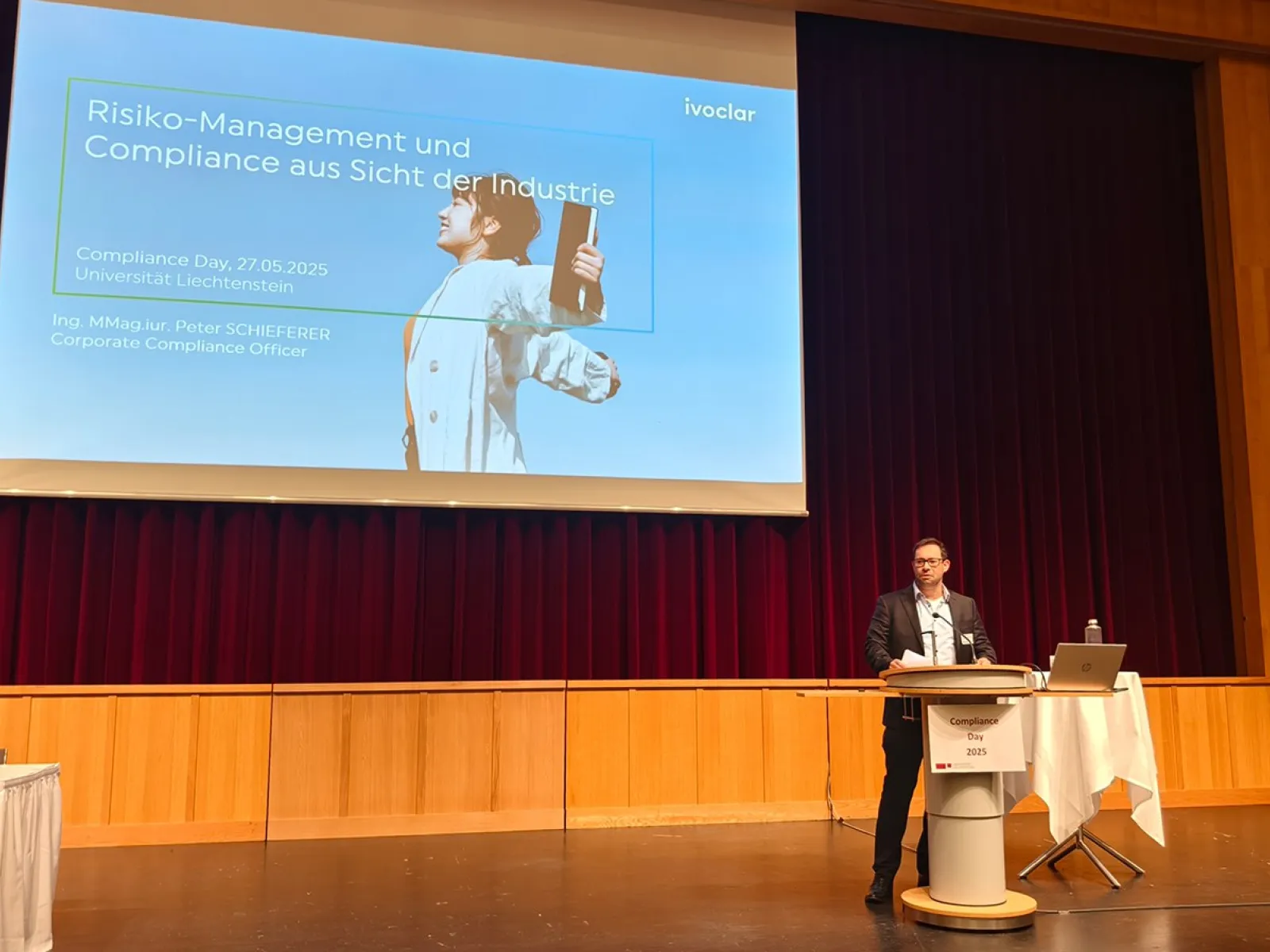
The morning session, moderated by Prof. Butterstein, focused on embedding compliance into operational processes. Dr. Christian Wind illustrated how risk controls can be integrated into value creation without sacrificing efficiency. MMag. Peter Schieferer followed with practical case studies on how industrial companies deal with classic compliance risks, such as inadequate IT security. Stephan Gebauer argued that rules alone are insufficient to ensure ethical behaviour—personal commitment and acceptance of constraints are equally essential.

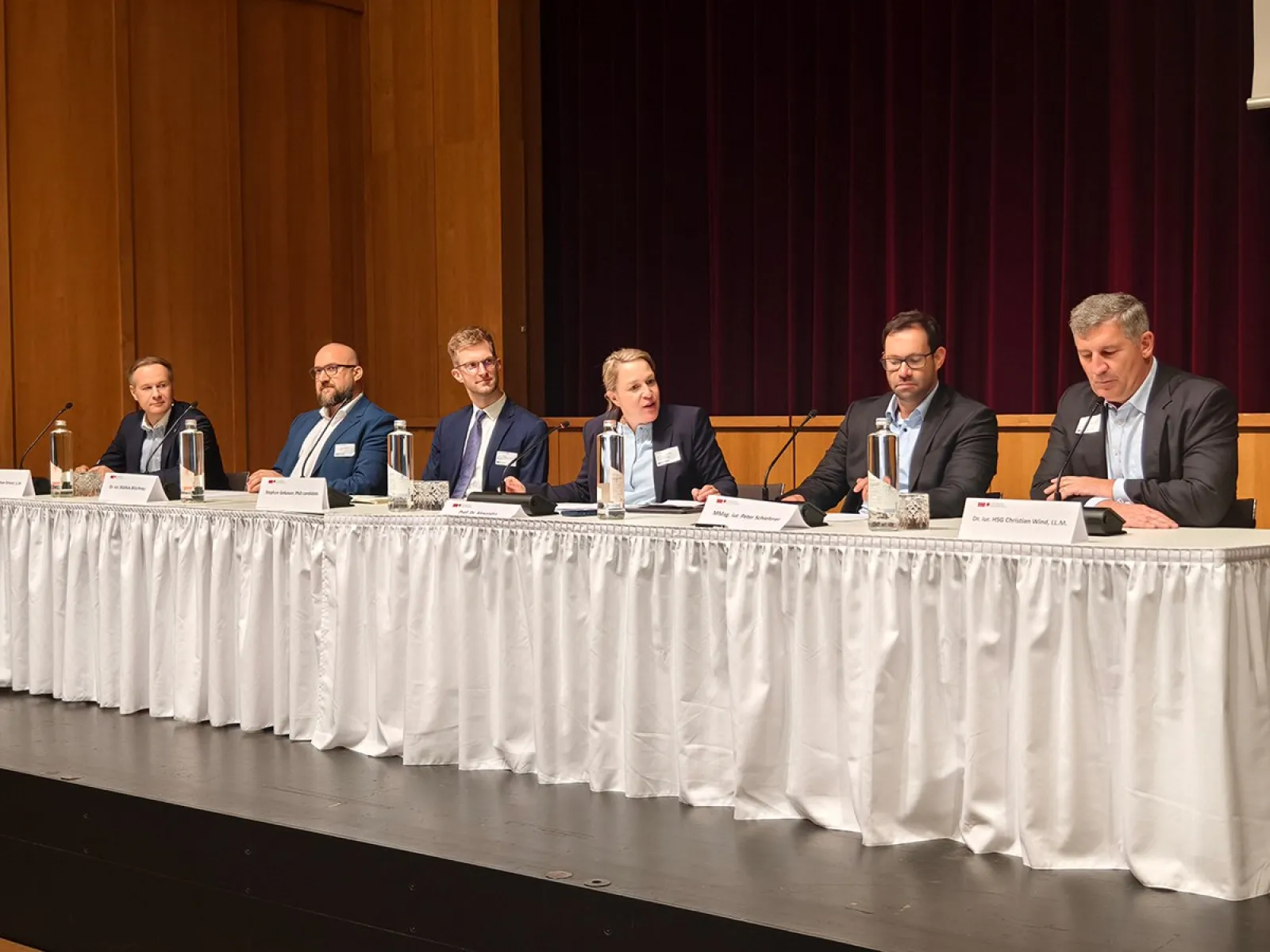
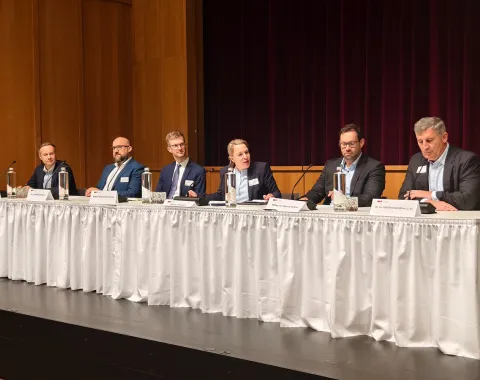
The session concluded with a focus on compliance and risk prevention: Dr. Mathias Bitschnau explained reporting requirements under Article 17 of the Liechtenstein Due Diligence Act (SPG), and Dr. Stephan Ochsner addressed the growing complexity of international sanctions and their legal implementation. A panel discussion offered space to revisit and deepen the key topics addressed in the morning.


After the networking lunch, Prof. Dr. Bernhard Burtscher, Chair of the Professorship for Banking and Financial Market Law, moderated the afternoon block on financial markets. Under his lead, Dr. Alexander Putzer outlined the reform of Liechtenstein’s Banking Act, focusing on the role of compliance, the compatibility of advisory and supervisory duties, and challenges of adopting foreign regulations.

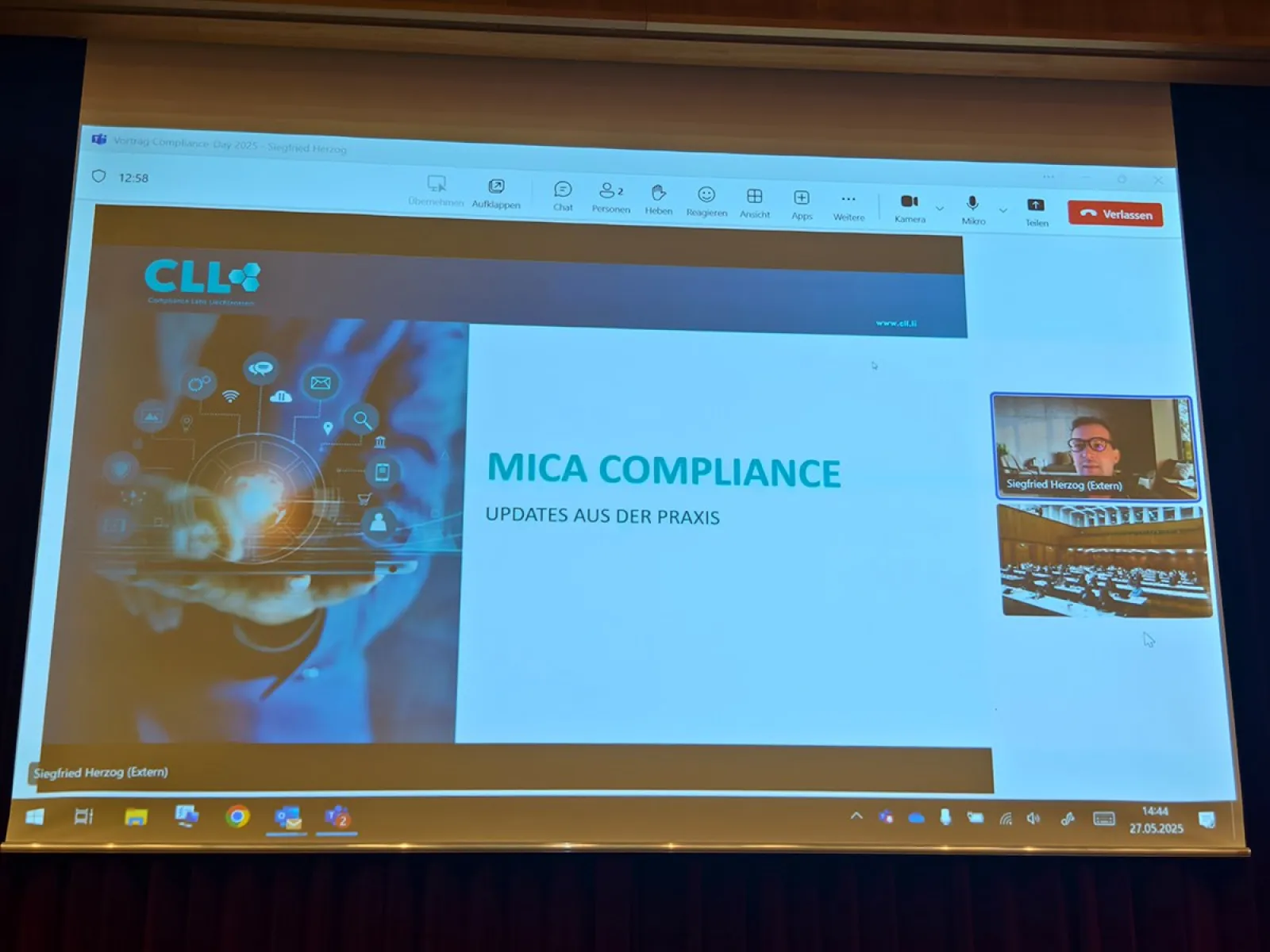
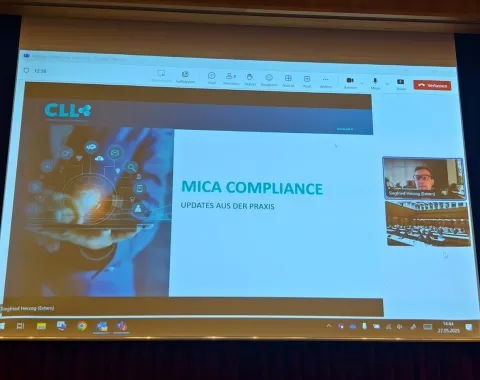
Mag. Philipp Röser presented the upcoming AML Regulation, including new reporting obligations, the protection of money laundering officers, and difficulties in identifying beneficial owners. Dr. Siegfried Herzog provided insights into the implementation of MiCAR, the relevance of the Transfer of Funds Regulation (TFR), transparency requirements, and handling of stablecoins. The subsequent discussion centred on one key question: How can institutions manage regulatory complexity?


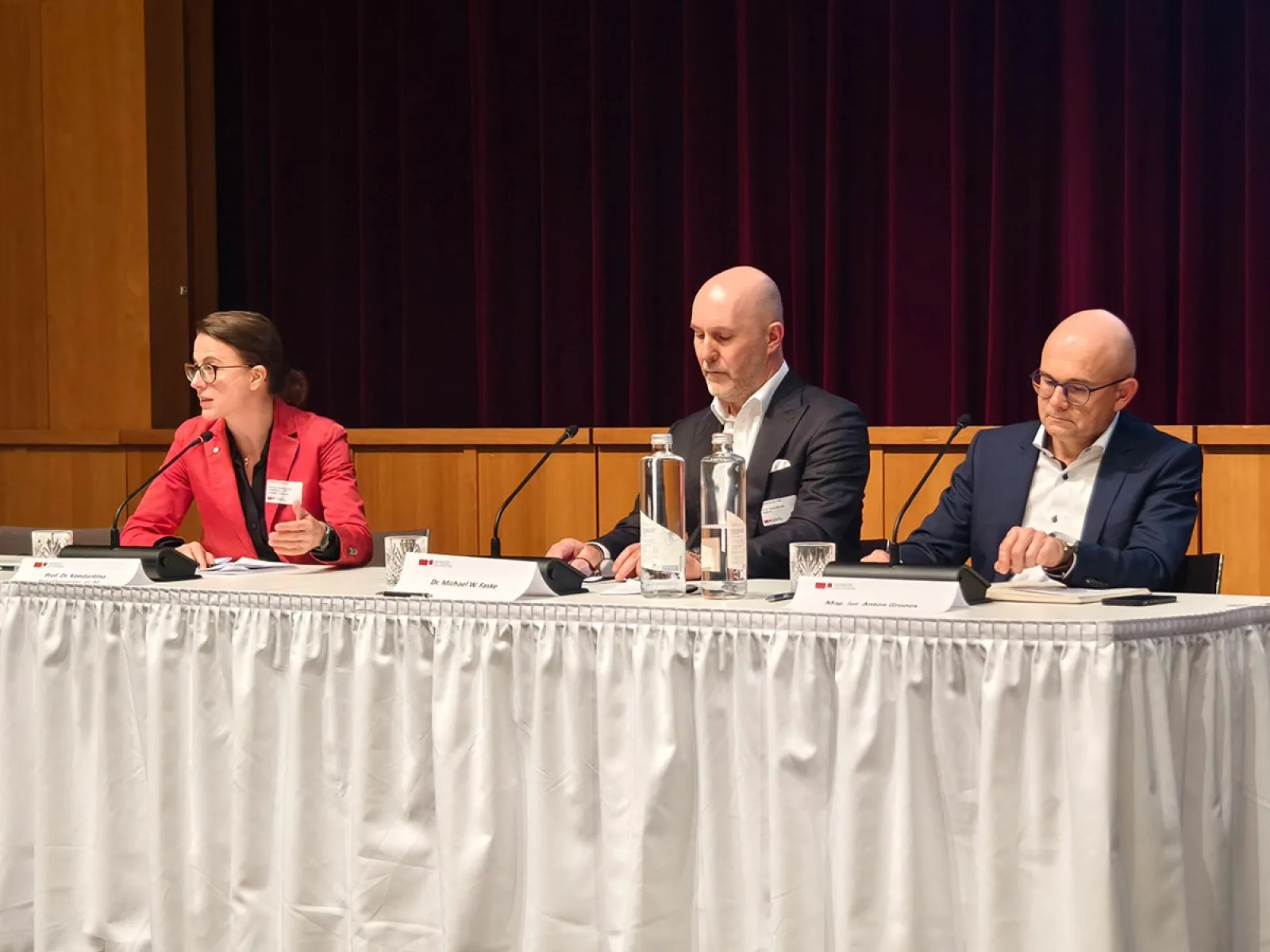
The final thematic block, moderated by Prof. Dr. Konstantina Papathanasiou, Chair of the Professorship for Economic Criminal Law, Compliance and Digitalisation and Chair of the Senate at the University of Liechtenstein, addressed the digitalisation of compliance frameworks. She highlighted recent legislative developments in the EU and Liechtenstein, including DORA, NIS II, and the Cybersecurity Act.

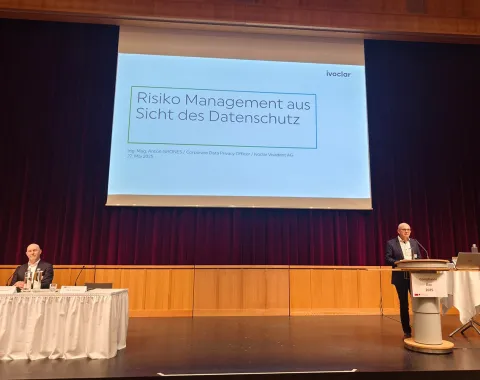
Mag. Anton Grones, a lawyer and technology expert, explored the role of data protection within globally integrated risk management systems, including references to the AI Act. In the final presentation, Dr. Michael Faske addressed the specific challenges of internal investigations in the digital era, with a focus on generative AI tools such as ChatGPT. Participants engaged actively in the final Q&A session to explore the afternoon’s topics in greater depth.


In her closing remarks, Prof. Papathanasiou thanked all speakers and attendees on behalf of the organising chairs. She warmly invited participants to future events at the University of Liechtenstein. The day ended with an informal networking reception, where discussions continued in a relaxed setting, new contacts were made, and future collaborations were initiated.

The unanimous conclusion: Compliance Day once again confirmed its role as a key dialogue platform in the DACHLI region. The next edition is scheduled for spring 2026 and will once more offer hands-on insights for sustainable compliance management.

Visiting Professor at the University of Liechtenstein becomes President of the World Association for Information Systems

Visiting Professor at the University of Liechtenstein becomes President of the World Association for Information Systems

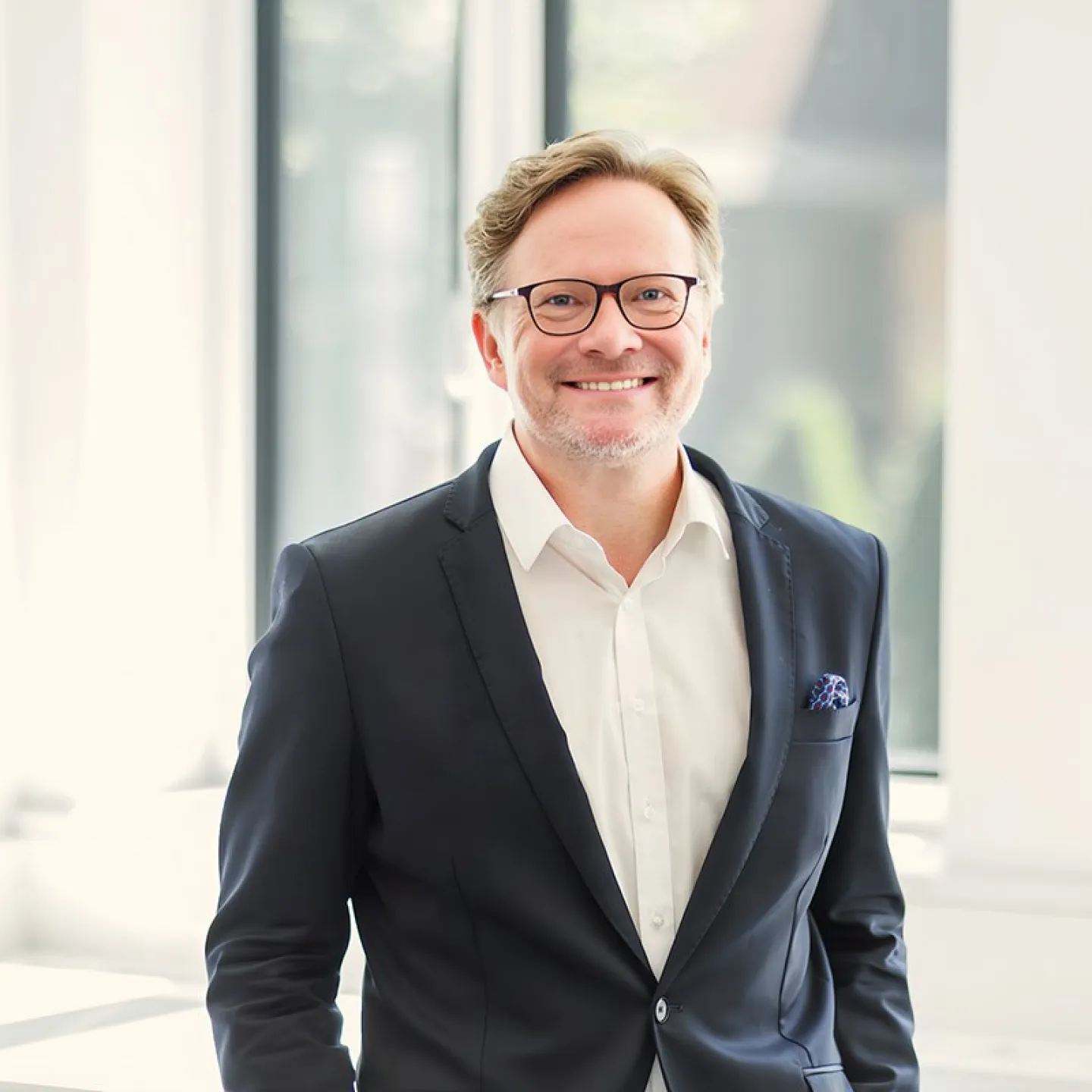
Ein lächelnder Mann in einem Anzug steht vor einem hellen Fenster.

Prof. Dr. Jan vom Brocke, Visiting Professor at the Liechtenstein Business School of the University of Liechtenstein, has been elected as the next President of the international Association for Information Systems (AIS), the world association for research and teaching in information systems.


Founded in 1994, the non-profit Association for Information has members in over 100 countries with locations in North and South America, Europe, the Middle East and Africa as well as the Asia-Pacific region. The association publishes prestigious journals, organizes conferences and promotes exchange between individuals and organizations that are world leaders in the research, teaching, practice and study of information systems.
Jan vom Brocke will lead the international association as its 32nd president for three years from July 1, 2025. He is only the third president from the DACHLI region, after Claudia Loebecke (University of Cologne, 11th AIS President) and Helmut Krcmar (Technical University of Munich, 20th AIS President).
“I am delighted about the trust placed in me and the opportunity to help shape the Association. As President, I would particularly like to work towards further increasing the contribution of business informatics to socially and economically relevant challenges,” says Jan vom Brocke.
Jan vom Brocke held the Hilti Chair of Information Systems from 2007 to 2023, was Head of the Institute of Information Systems from 2018 to 2022 and was Vice Rector of the University of Liechtenstein between 2012 and 2018. He is co-founder of the discipline “Process Science”, which uses digital traces and AI methods to analyze and design processes in business and society.

Ein lächelnder Mann in einem Anzug steht vor einem hellen Fenster.

Prof. Dr. Konstantina Papathanasiou Delivers Welcome Address at the 50th Anniversary Celebration of the Onassis Foundation

Prof. Dr. Konstantina Papathanasiou Delivers Welcome Address at the 50th Anniversary Celebration of the Onassis Foundation

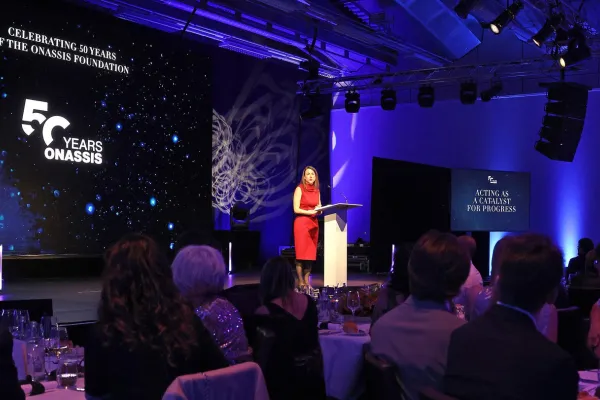
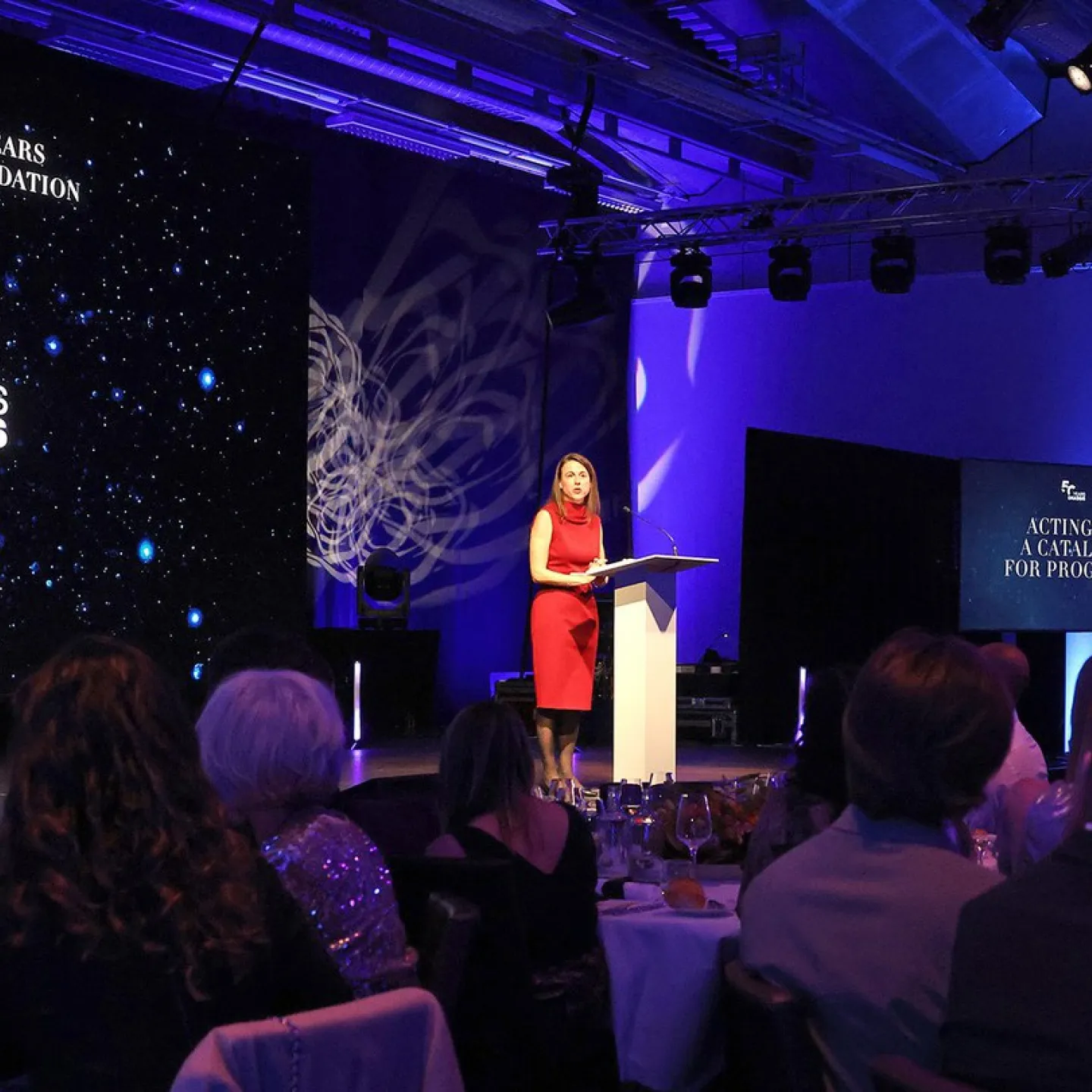
Eine Rednerin in rotem Kleid steht an einem Podium auf einer Bühne, umgeben von Publikum. Im Hintergrund ist eine Leinwand mit der Aufschrift "Celebrating 50 Years of the Onassis Foundation" zu sehen. Die Veranstaltung findet in einem festlich beleuchteten Raum statt.

On the evening of Friday, 16 May 2025, Prof. Dr. Konstantina Papathanasiou, LL.M., had the honour of delivering a welcome address as part of the 50th anniversary celebrations of the Onassis Foundation.
 

In her speech, she emphasised the profound influence the foundation has had on both her personal and academic journey.


Thanks to a doctoral scholarship awarded by the Onassis Foundation, she was able to pursue her decision to begin a PhD at Heidelberg University (Ruprecht-Karls-Universität) in 2008/2009—an important milestone in her path toward personal fulfilment and academic growth.

Eine Rednerin in rotem Kleid steht an einem Podium auf einer Bühne, umgeben von Publikum. Im Hintergrund ist eine Leinwand mit der Aufschrift "Celebrating 50 Years of the Onassis Foundation" zu sehen. Die Veranstaltung findet in einem festlich beleuchteten Raum statt.

Kick-off for Erasmus+ project “SocioEcoHoods”: Together for sustainable neighborhoods

Kick-off for Erasmus+ project “SocioEcoHoods”: Together for sustainable neighborhoods

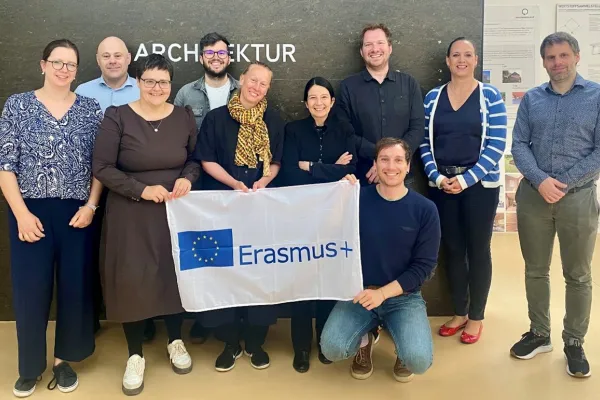
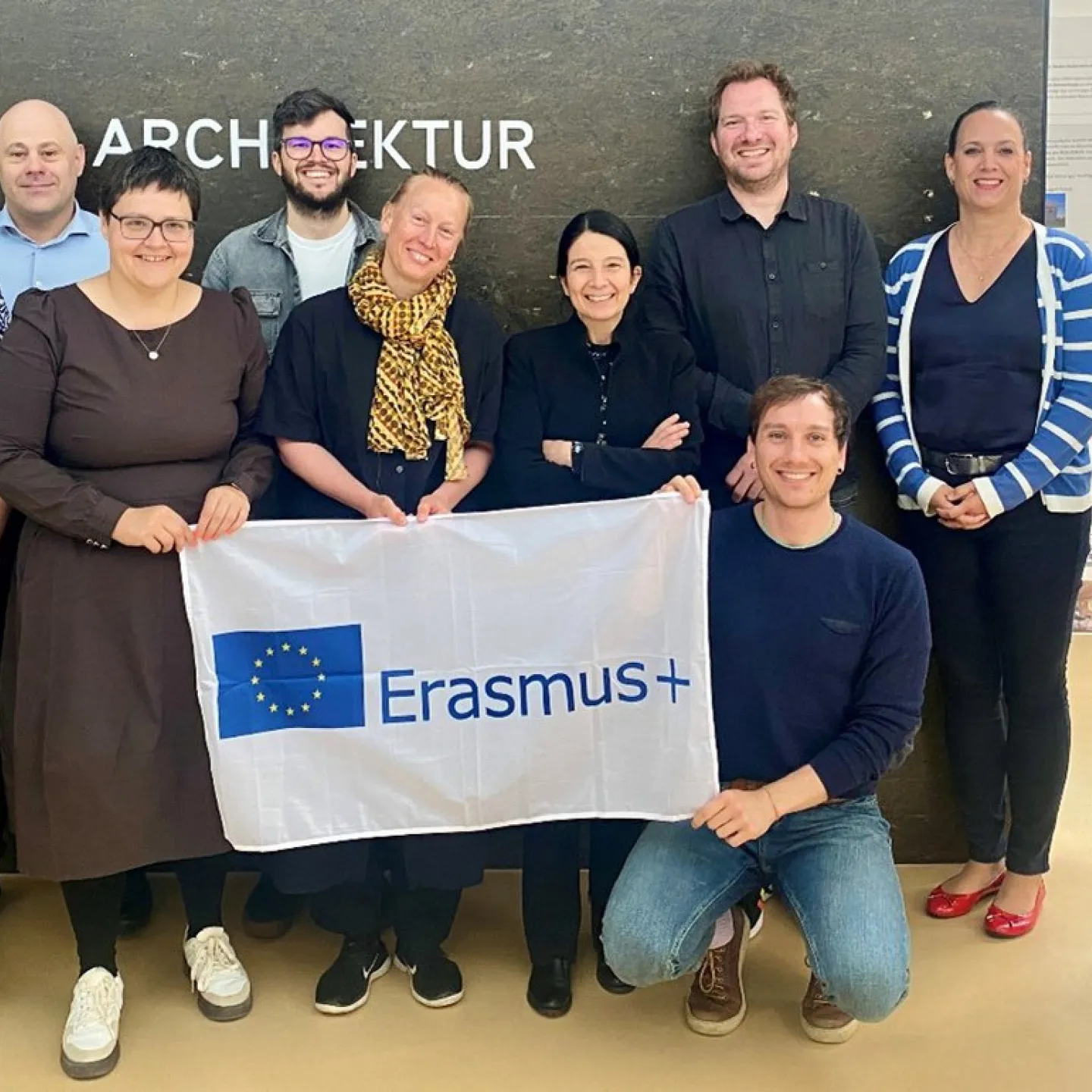
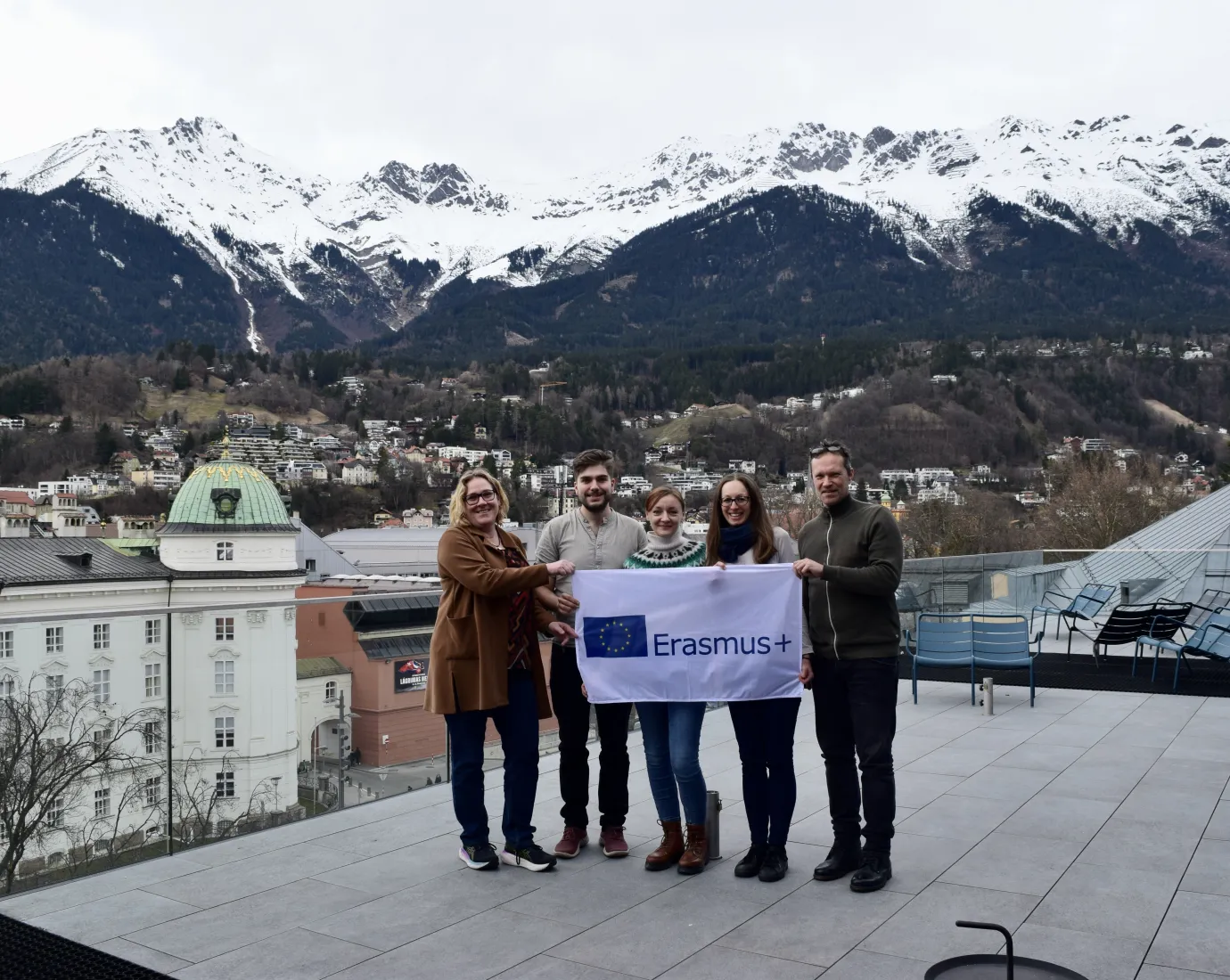
Gruppe von zehn Personen steht vor einer Wand mit dem Schriftzug "Architektur" und hält ein Erasmus+ Banner. Sie lächeln in die Kamera.

The European Erasmus+ project “SocioEcoHoods”, which is led by the Liechtenstein School of Architecture and its staff members Cornelia Faisst and Johannes Herburger, was officially launched with a kick-off meeting in Vaduz. The aim is to promote civic engagement, social participation and sustainable urban development in neighborhoods in four European cities through inter- and transdisciplinary learning.


The project is based on the objectives of the EU Leipzig Charter and the New European Bauhaus Compass. The focus is on combining research, teaching and practice to promote the socio-ecological transformation of urban spaces. Innovative teaching formats are intended to provide new impetus for sustainable neighborhood development - always in close exchange between science, students and local stakeholders.


Each partner institution is responsible for its own work package that combines research and teaching. Applied teaching and research formats such as real-world laboratories, workshops and case studies are planned at the respective locations. The project will conclude with an international conference that will create space for exchange, reflection and networking.


In Liechtenstein, the focus is on local neighborhoods in collaboration with Offene Jugendarbeit Vaduz - Camäleon and Streetwork Liechtenstein. Together with young people, students and experts, participatory planning approaches are being tested in the local context.


The project involves the University of Liechtenstein (LI), the University of Münster (DE), the Bergen School of Architecture (NO) and the University of Genoa (IT). Under the title “SocioEcoHoods - Teaching for the Socio-Ecological Transformation of Neighborhoods: An Inter- and Transdisciplinary Approach”, multi-day workshops with students will take place at all partner universities until the end of the project in 2027.


In the long term, the project contributes to the implementation of European sustainability goals, strengthens local planning skills and promotes social participation through new forms of learning and design.

Gruppe von zehn Personen steht vor einer Wand mit dem Schriftzug "Architektur" und hält ein Erasmus+ Banner. Sie lächeln in die Kamera.

Study Trip of the Executive Master of Laws (LL.M.) in Company, Foundation and Trust Law to the United States

Study Trip of the Executive Master of Laws (LL.M.) in Company, Foundation and Trust Law to the United States

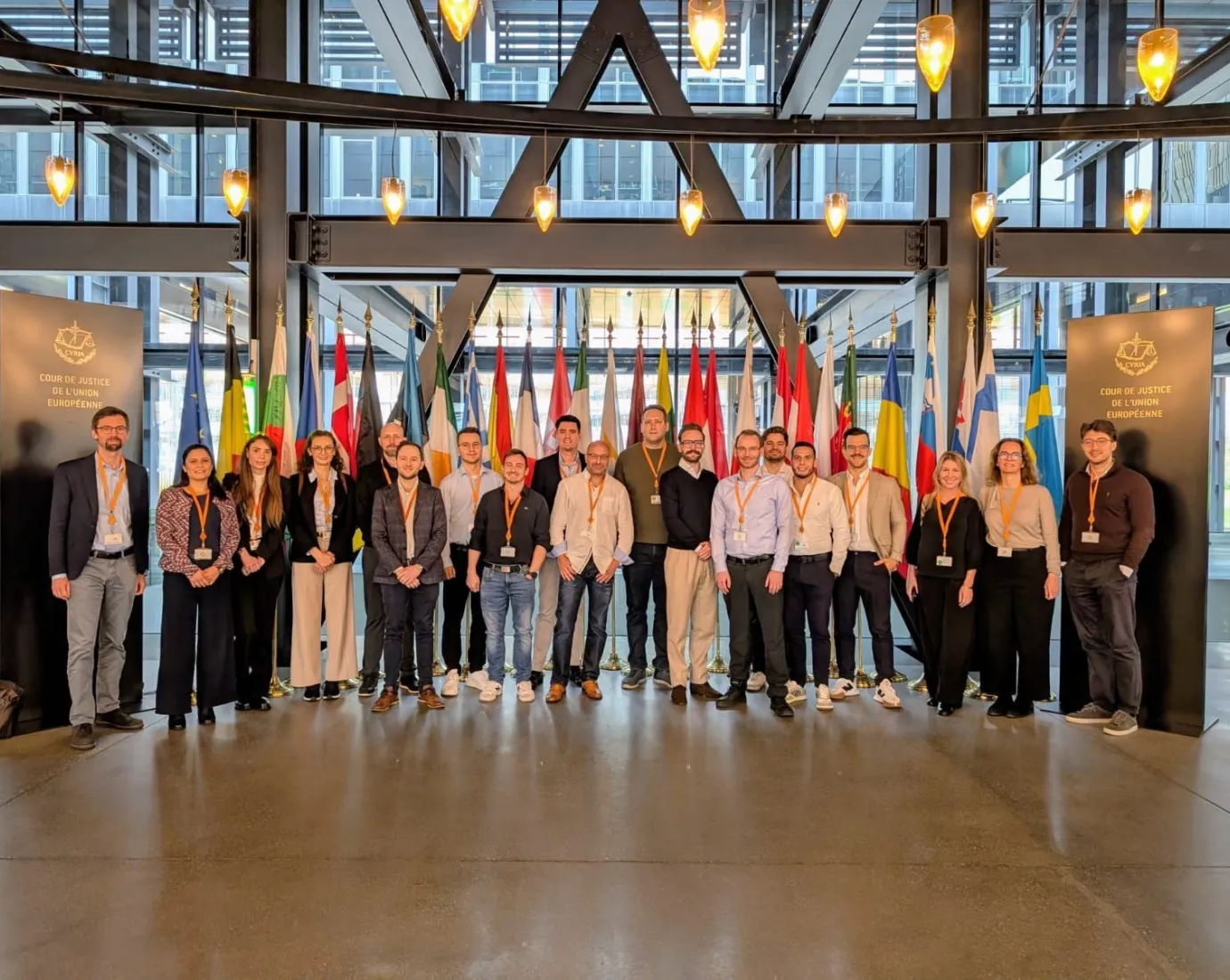
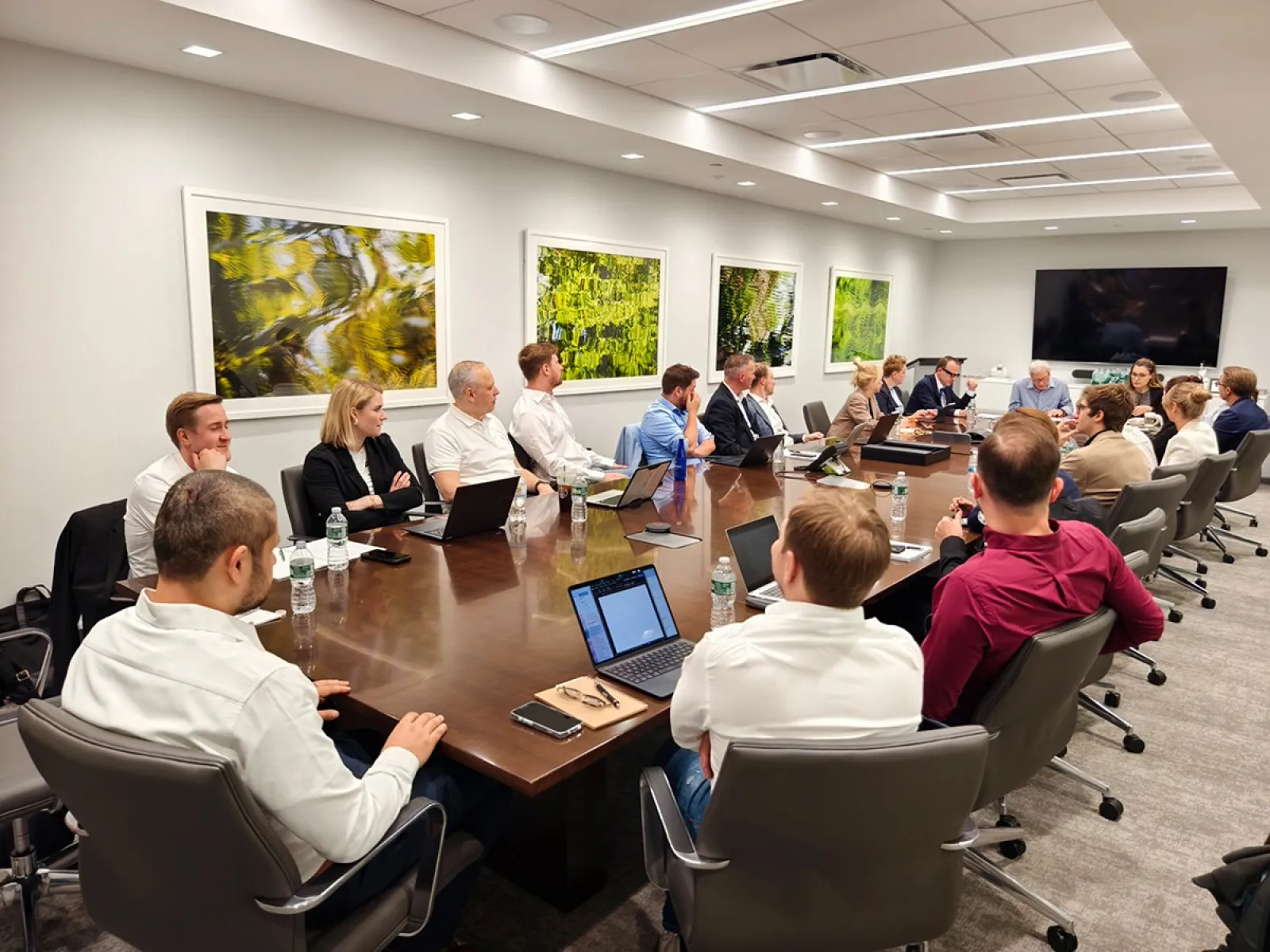
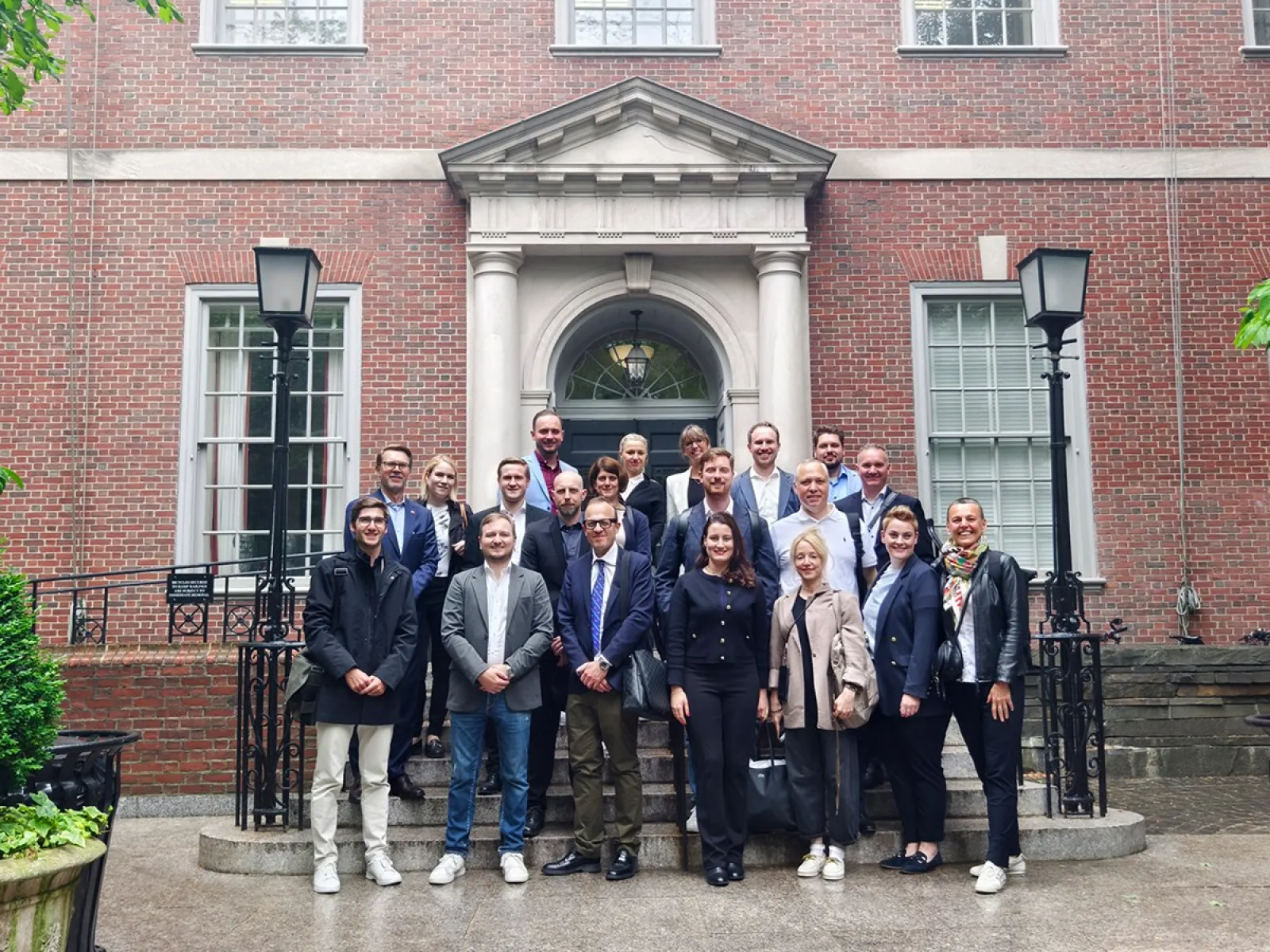
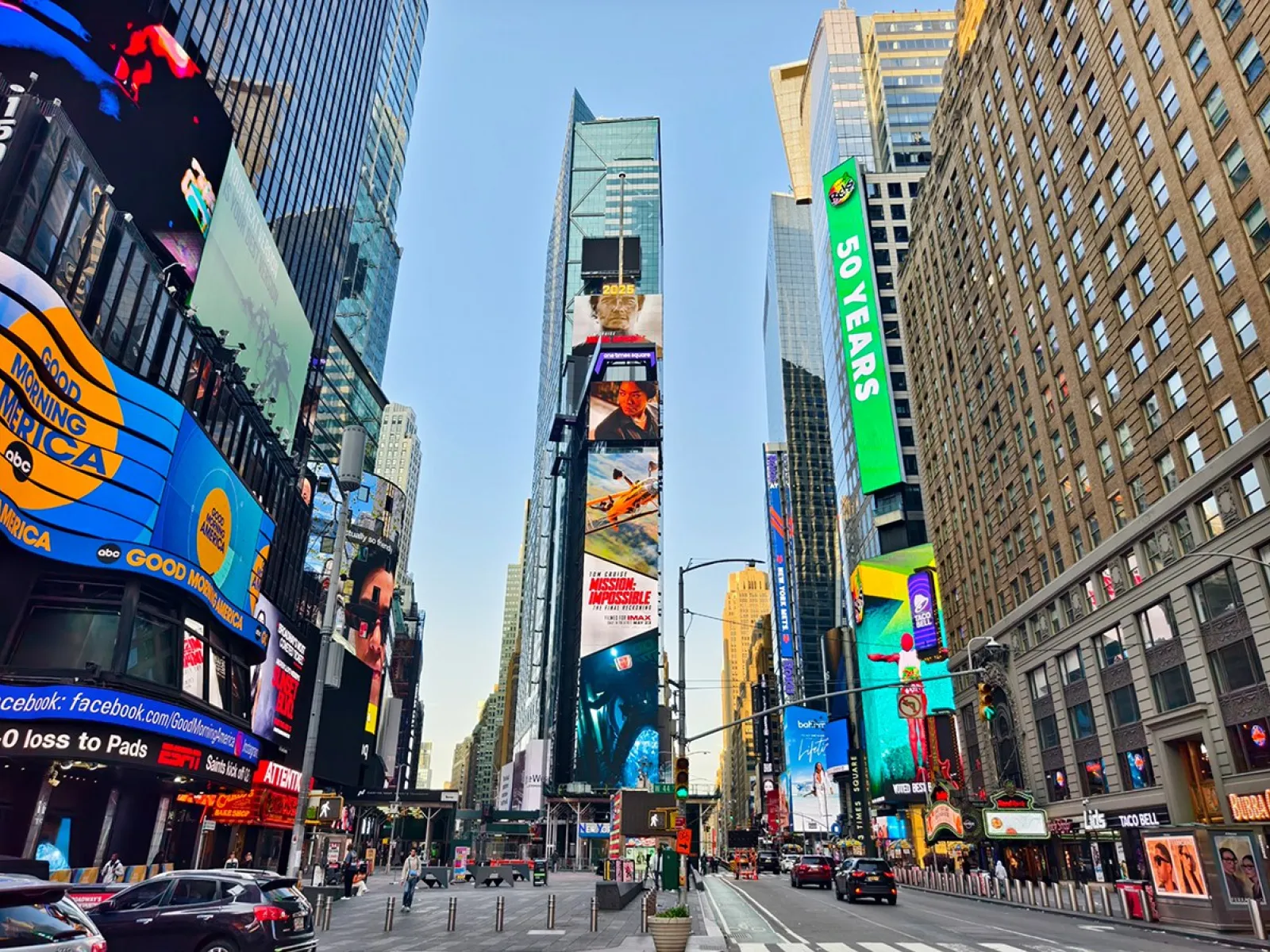
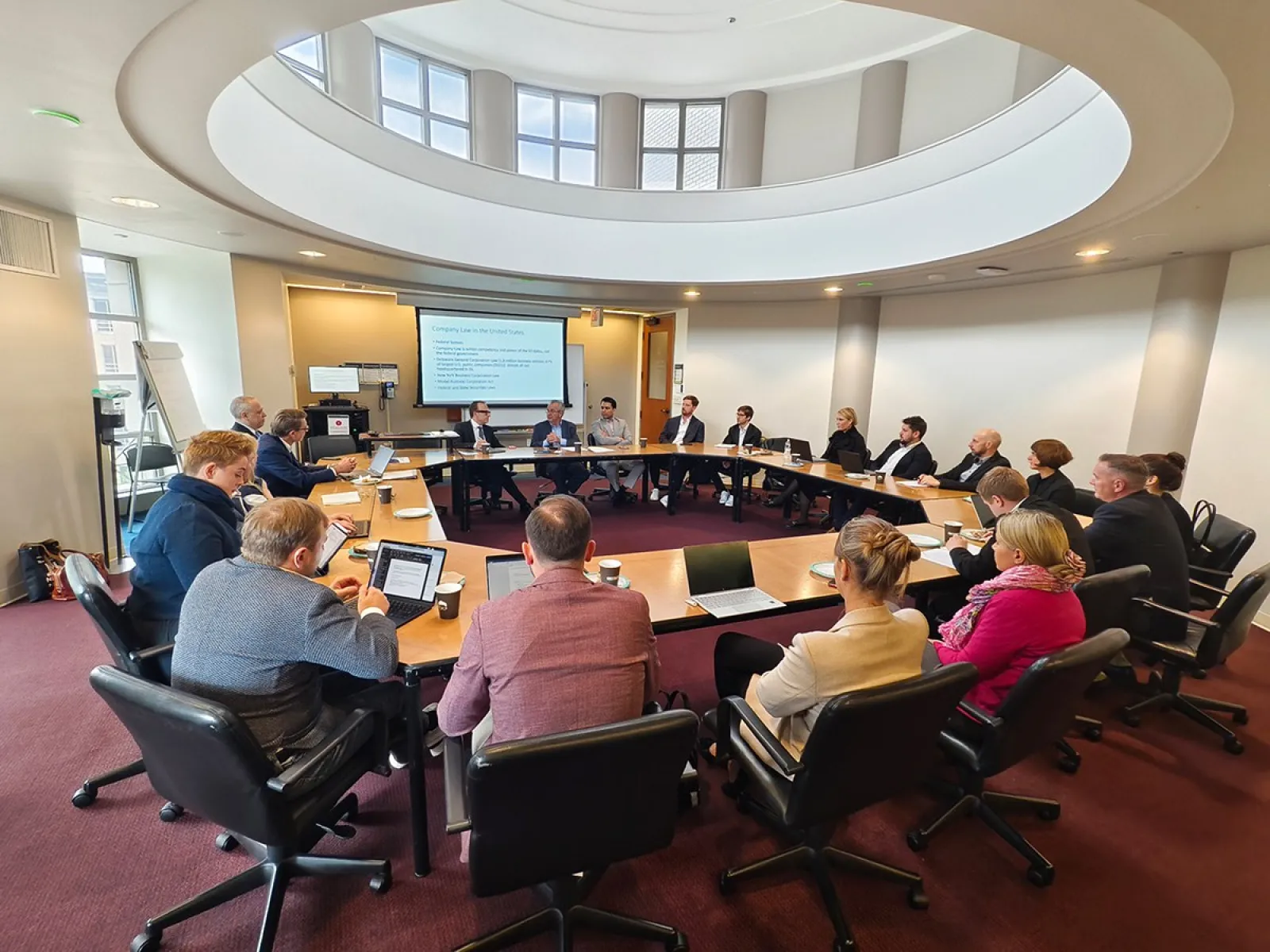
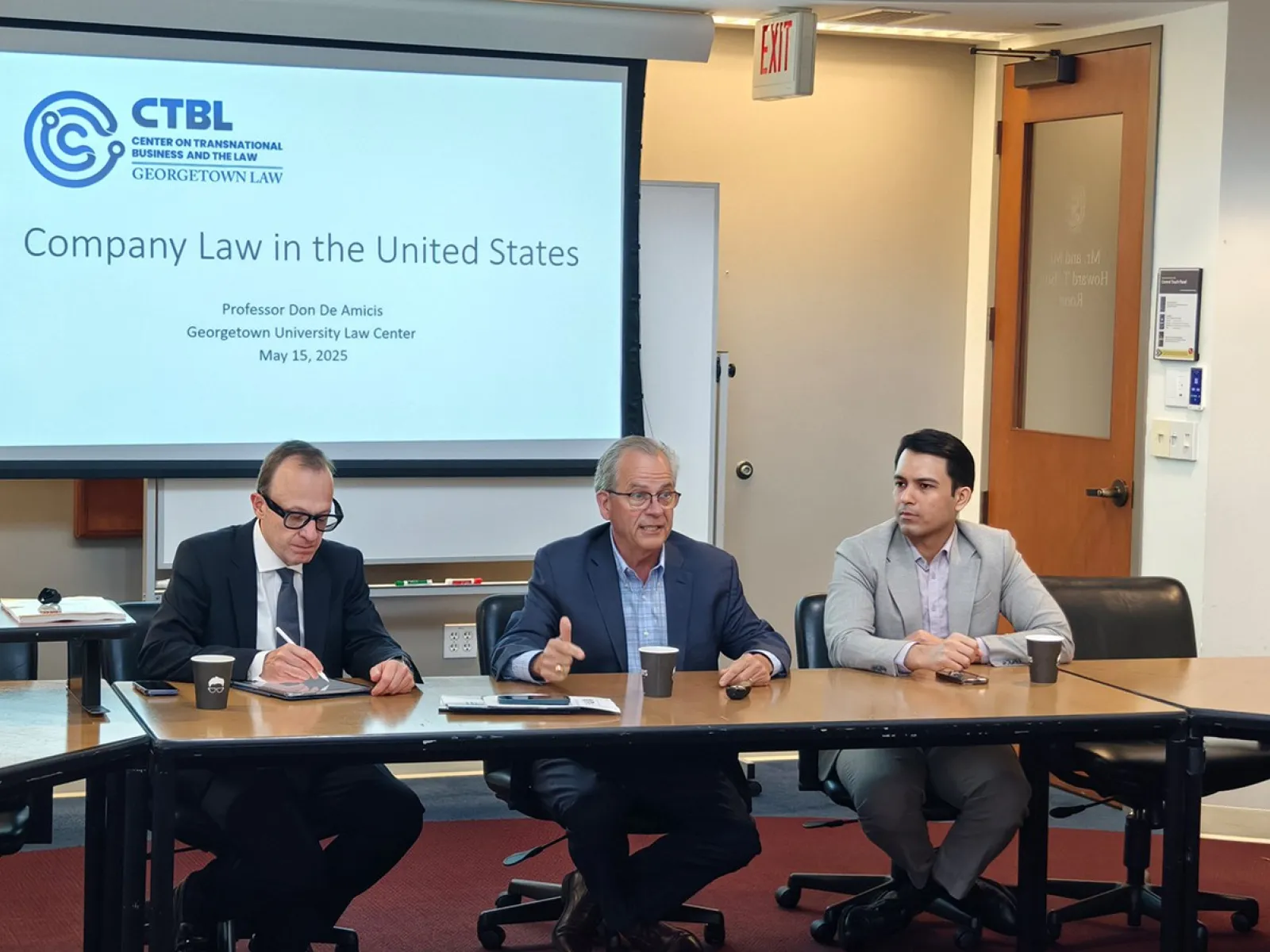
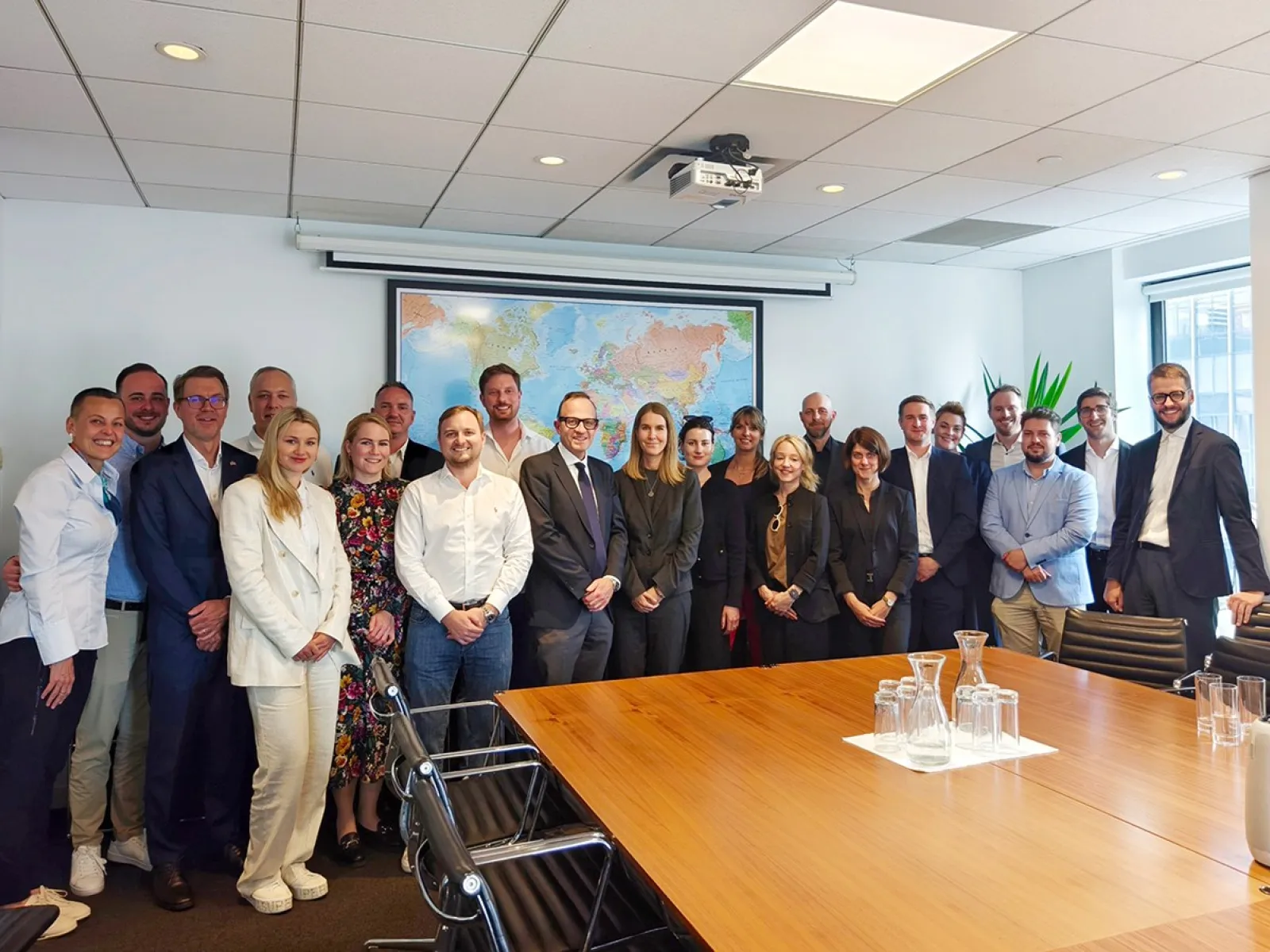
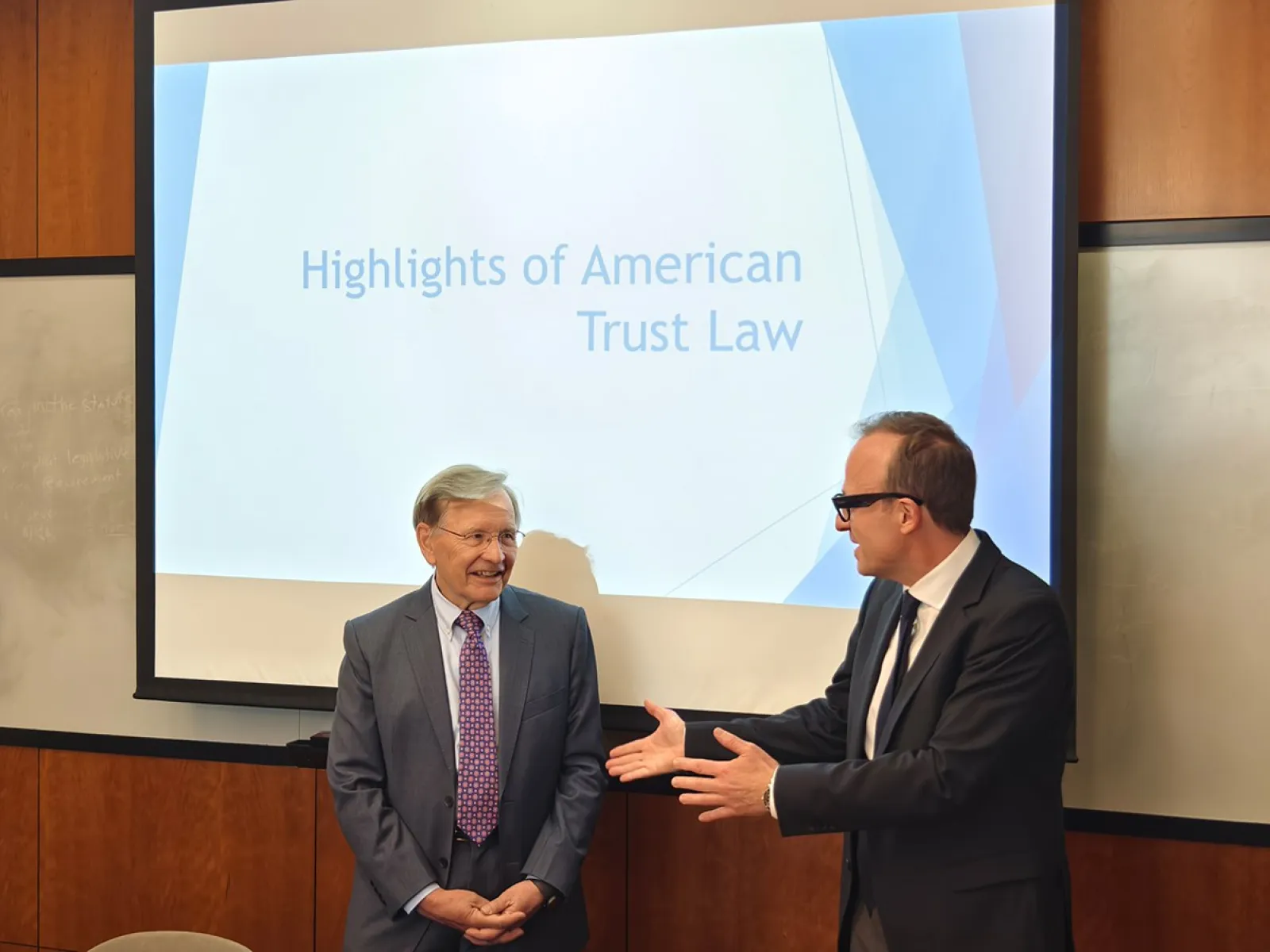
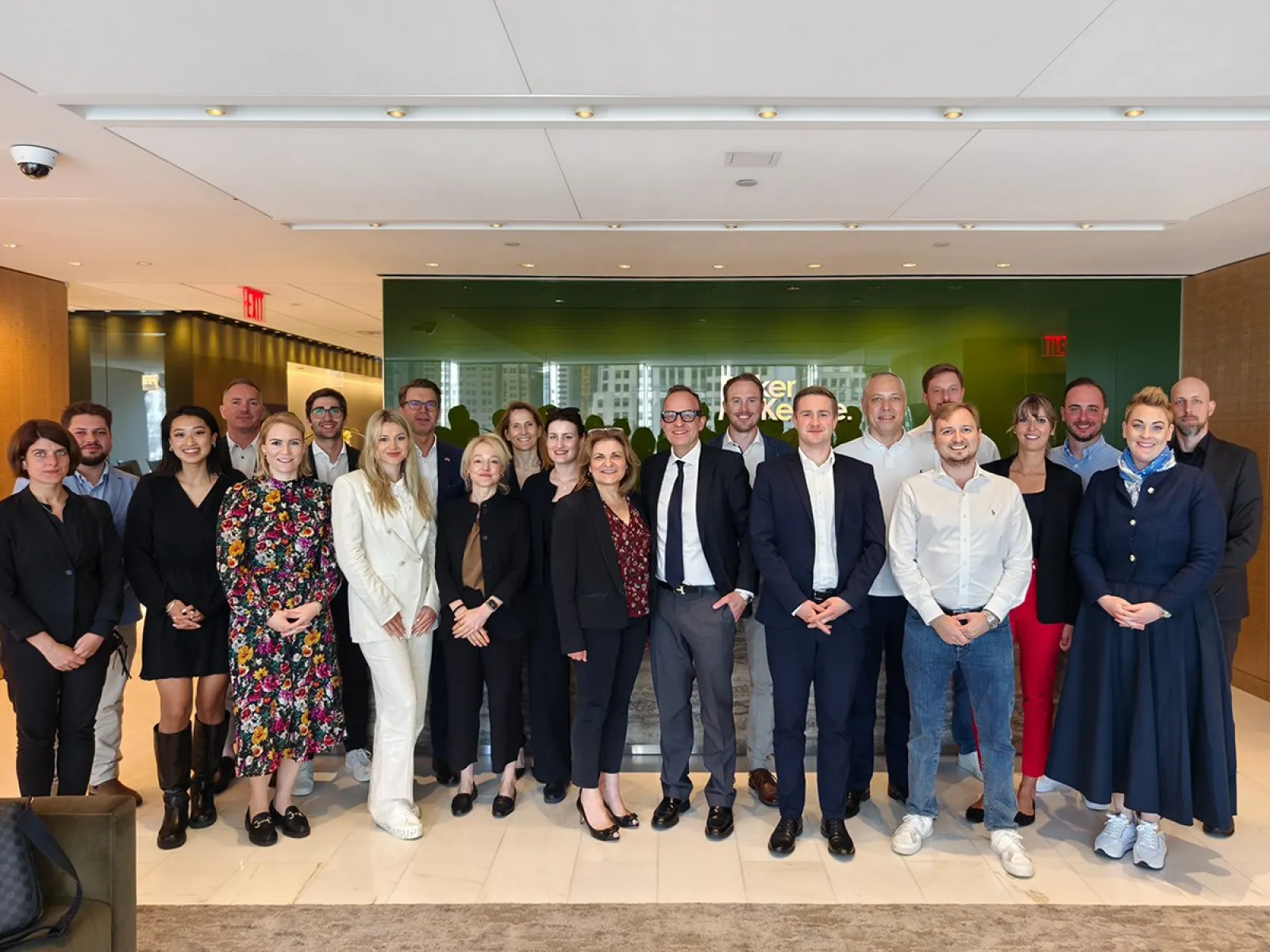
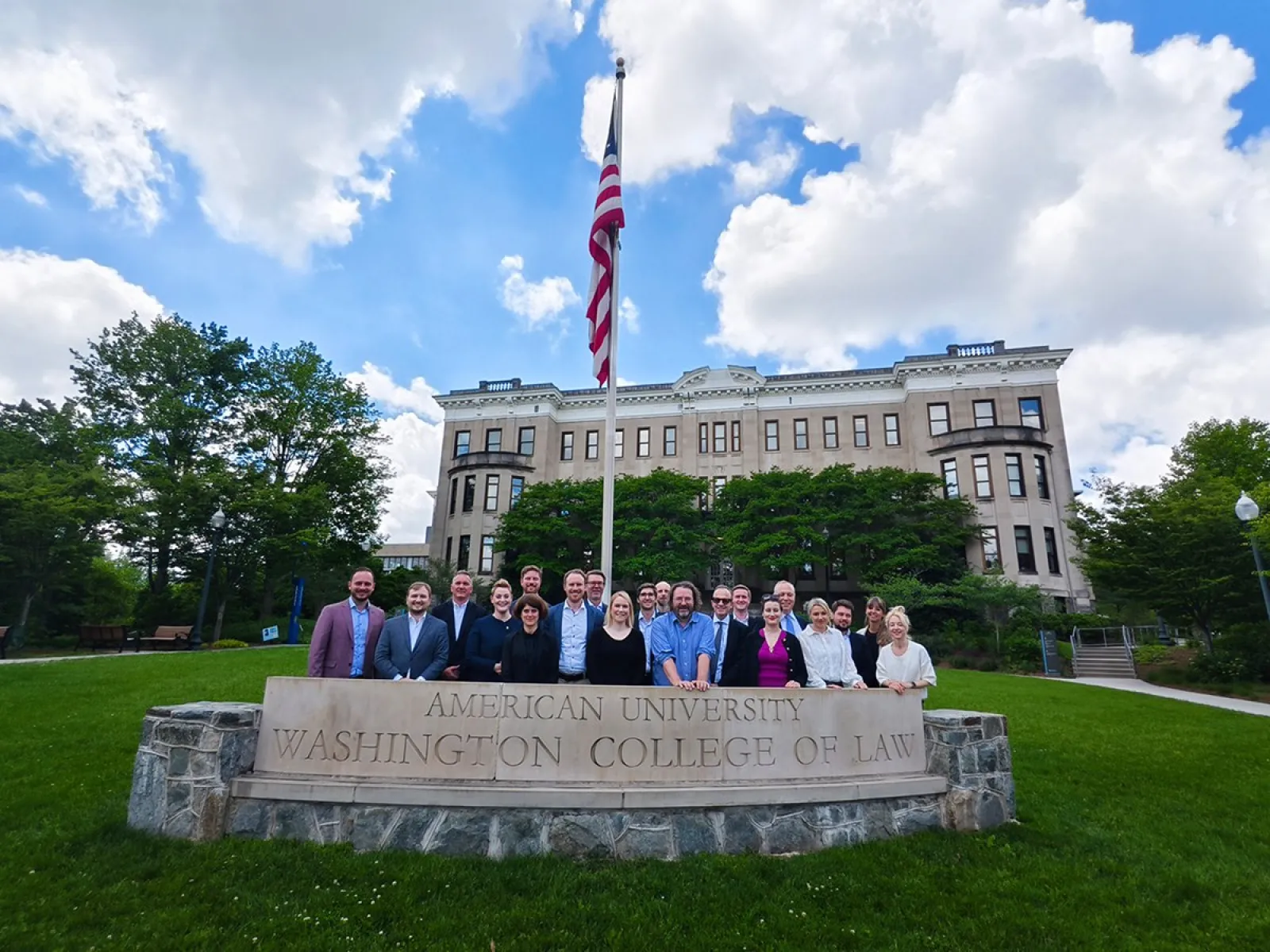
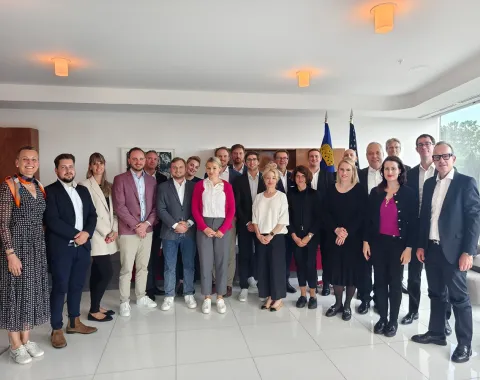
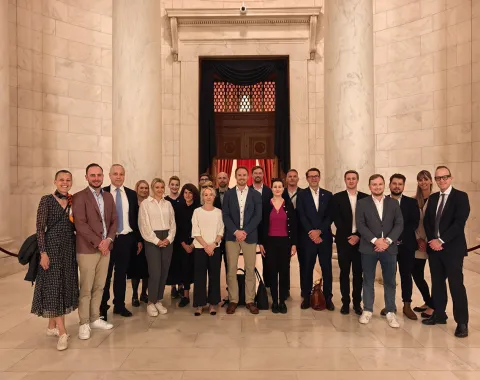
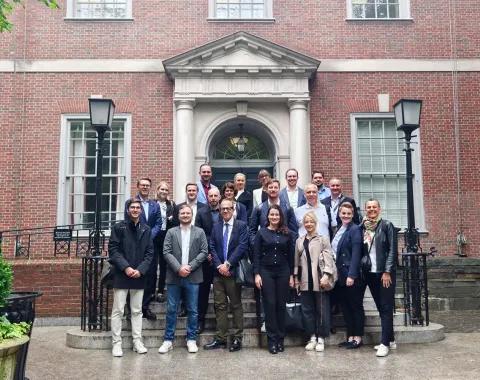
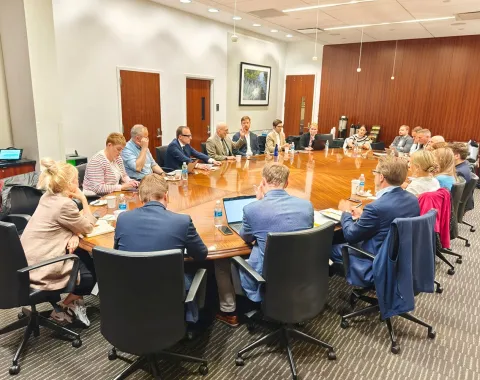
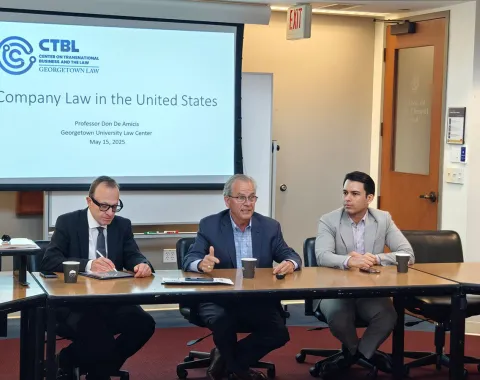
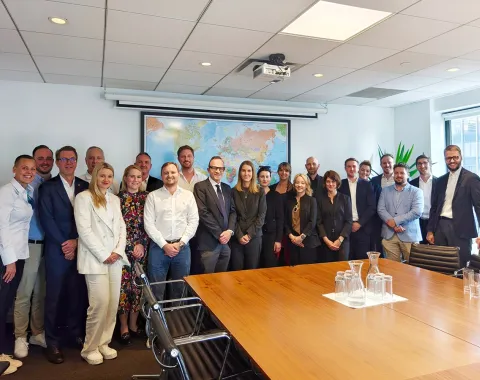
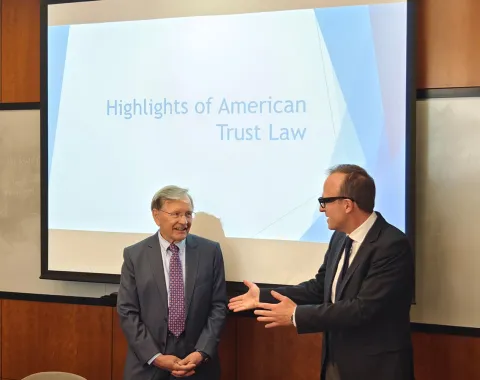
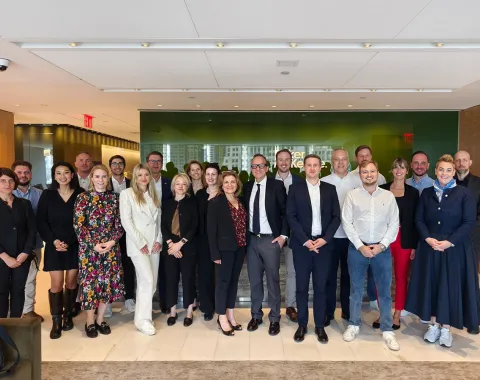
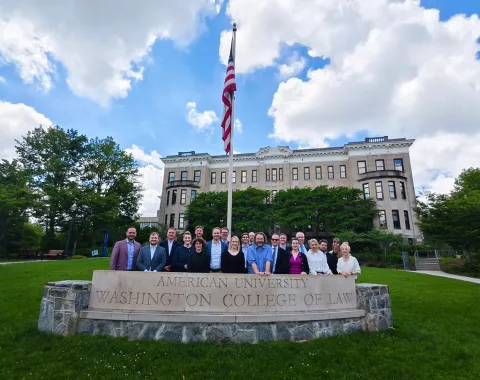
From 11 to 17 May 2025, the students of the Executive Master of Laws (LL.M.) in Company, Foundation and Trust Law undertook a nearly week-long study trip to New York and Washington, D.C.


Under the academic direction of Prof. Dr. Alexandra Butterstein, LL.M., and Prof. Dr. Francesco A. Schurr, the students gained in-depth insights into U.S. trust and corporate law.


New York: Insights into U.S. Trust Law


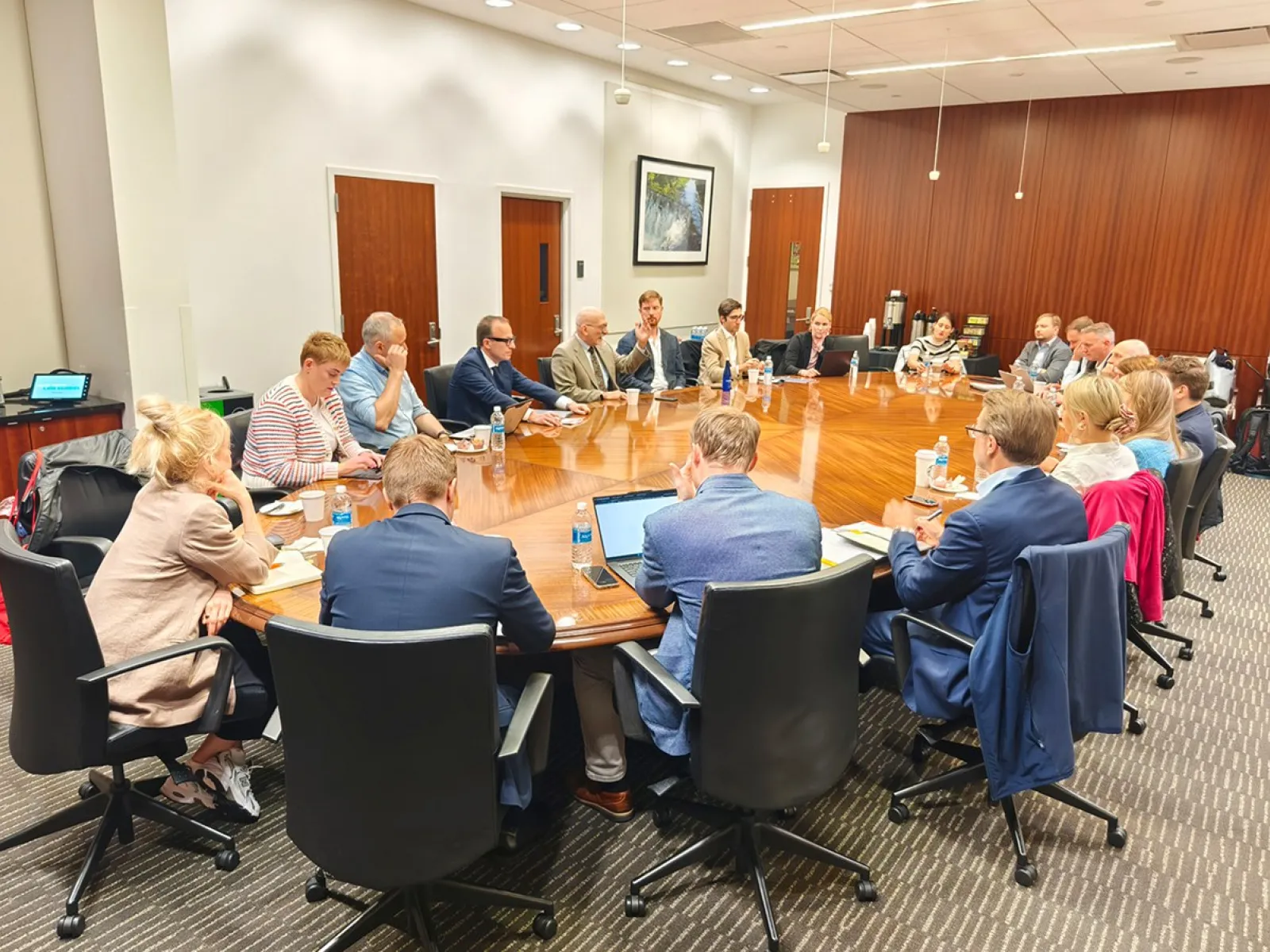
The study trip began in New York with a thematic focus on international wealth planning at Baker McKenzie and Schwartz Sladkus Reich Greenberg & Atlas LLP. At the prestigious law firm Katten Muchin Rosenman LLP, participants gained practical insights into U.S. trust structures for international clients. From an academic perspective, visits to the Cardozo School of Law, New York University School of Law, and New York Law School added significant value. A particular highlight was the visit to the Permanent Mission of the Principality of Liechtenstein to the United Nations, where Myriam and Noah Oehri provided an overview of the Mission’s work.


Washington, D.C.: Encounters with Law and Diplomacy


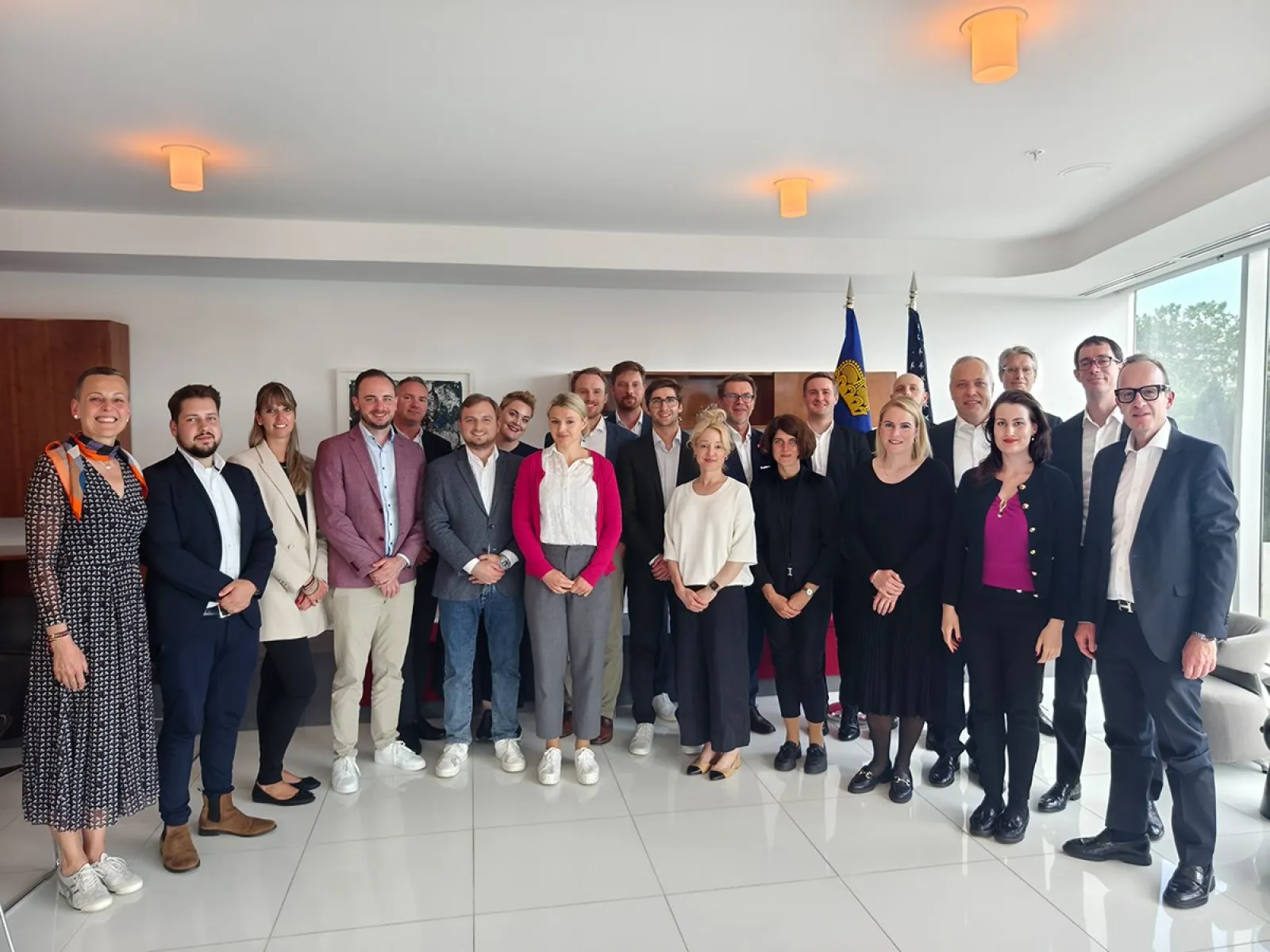
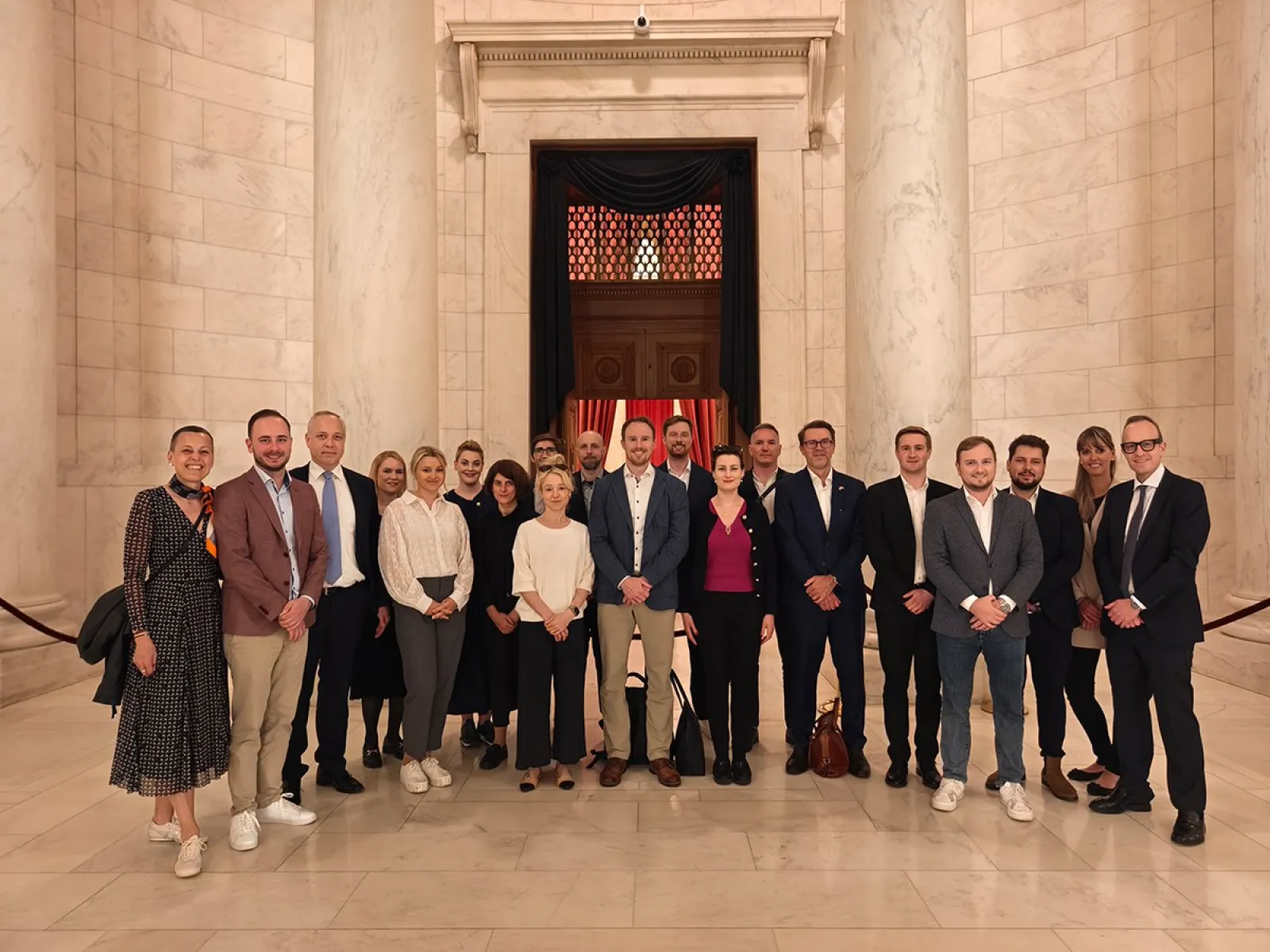
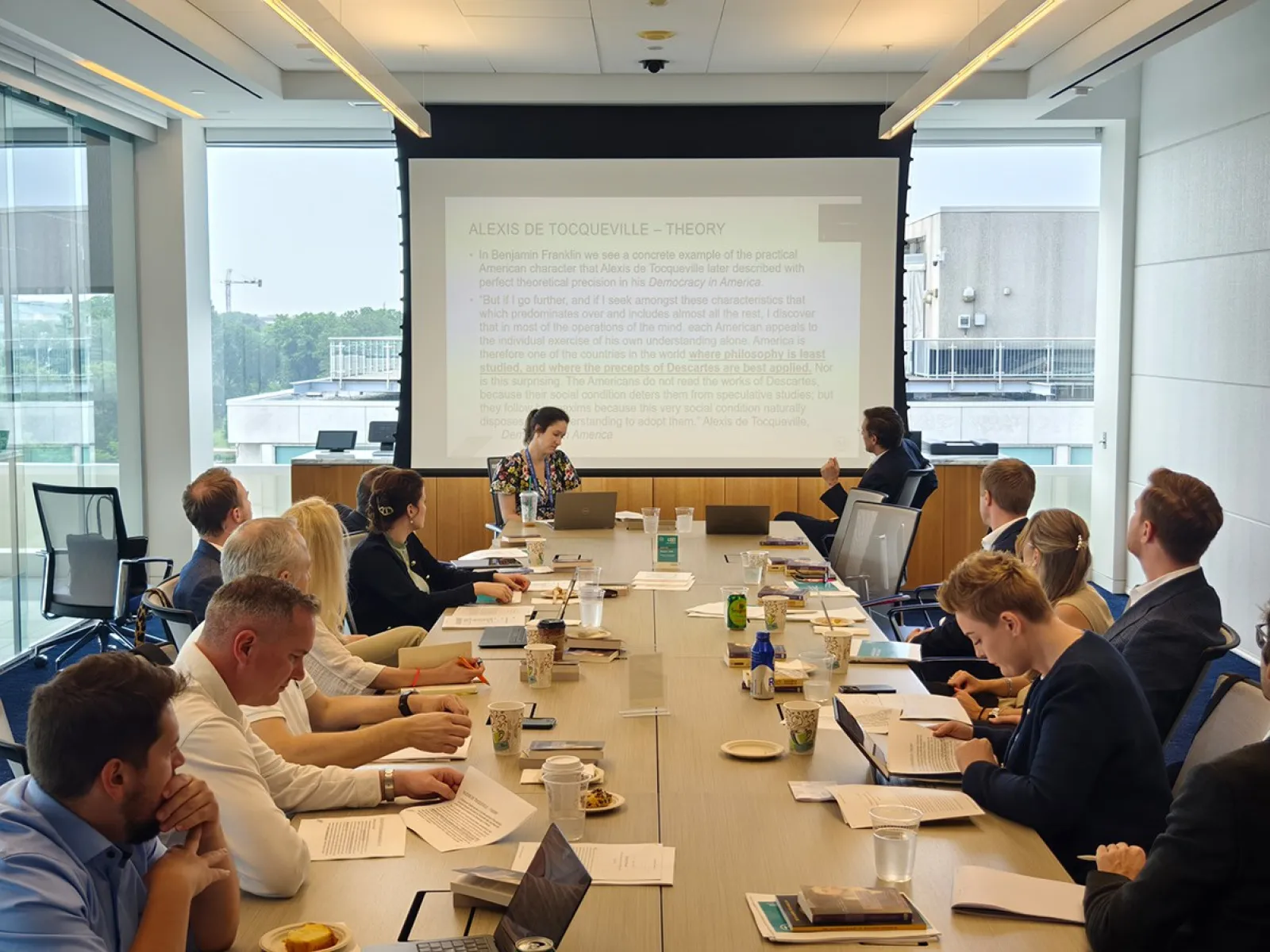
The second part of the trip took place in Washington, D.C., beginning with visits to Georgetown University and American University. Here, students engaged in workshops on legal approaches to wealth transfer. This was followed by a visit to the U.S. Supreme Court, including a guided tour of the court and a courtroom lecture. The day concluded with a visit to the Embassy of Liechtenstein in Washington, D.C., where Ambassador Georg Sparber welcomed the group.

To round off the trip, current challenges in private wealth structuring were discussed during a session at the law firm McDermott Will & Emery LLP. Overall, the study trip offered participants a unique opportunity to link theoretical knowledge with practical experience while expanding their international networks and professional expertise.

Recap of the Intensive Course “Tax Criminal Law”

Recap of the Intensive Course “Tax Criminal Law”

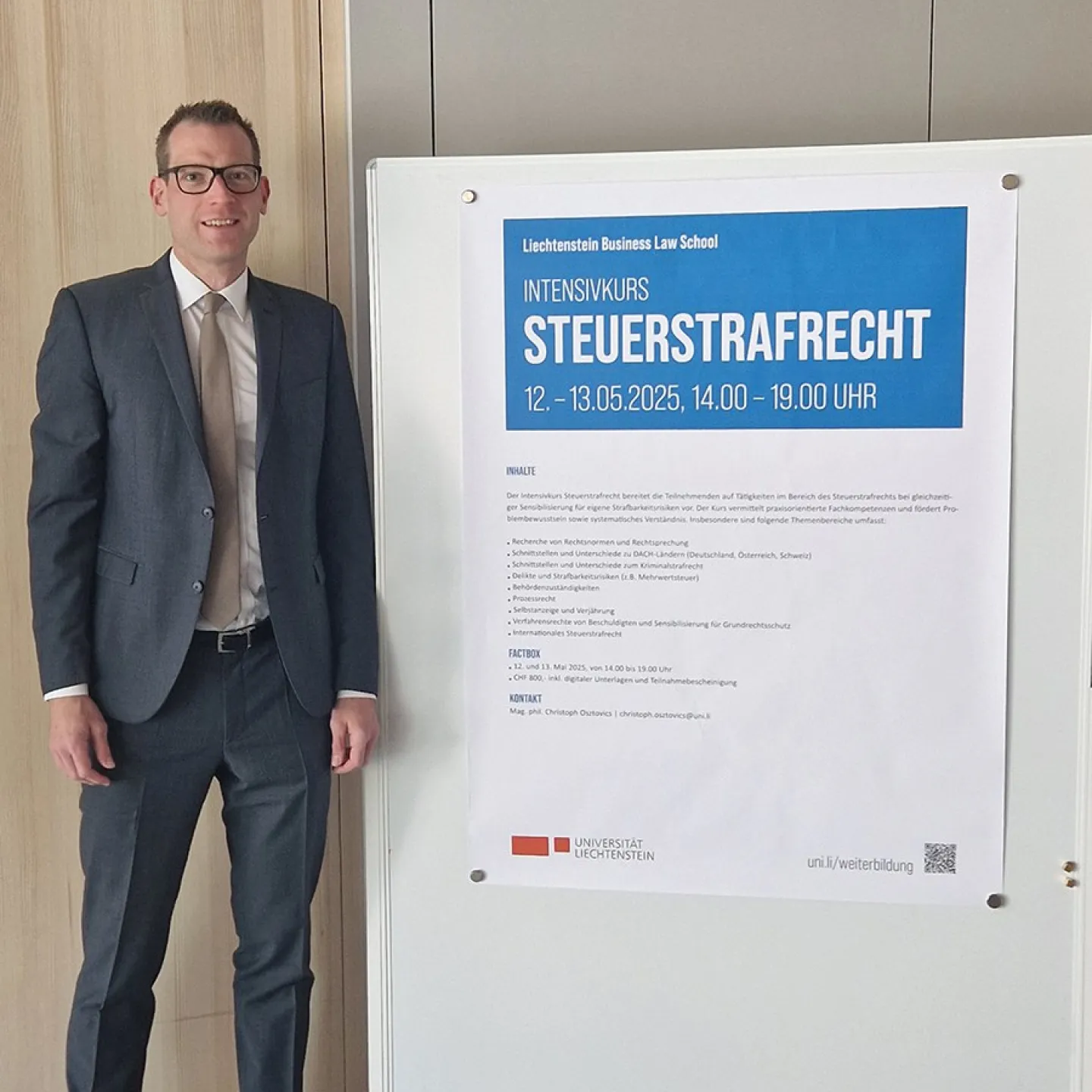
Ein Mann in Anzug steht neben einem Plakat, das den Intensivkurs „Steuerstrafrecht“ der Universität Liechtenstein ankündigt. Das Plakat enthält Informationen zu Datum, Uhrzeit und Inhalten des Kurses.

On 12 and 13 May 2025, the Professorship for Economic Criminal Law, Compliance and Digitalisation conducted the intensive course “Tax Criminal Law”.


The sheer scale of tax-related crime illustrates the topicality and practical relevance of this field: The so-called tax gap refers to the difference between the taxes that should be collected under the law and those that are actually paid. It also includes losses resulting from criminal conduct. Studies for Austria, for instance, suggest a tax gap of up to CHF 15 billion in 2021—around 8% of total expected revenue. The European Union’s VAT gap for 2020 was estimated at around CHF 90 billion—roughly 9% of total expected VAT revenue. Approximately one-quarter of this shortfall is said to be directly attributable to VAT fraud.


Tax criminal law is a classic cross-disciplinary field: the two demanding legal domains of tax law and criminal law go hand in hand, yet differ significantly in character. Practical work in tax criminal law therefore requires a solid foundation in both. Procedural issues can be particularly complex, as there is no unified code of procedure comparable to the Liechtenstein Code of Criminal Procedure. This presents challenges, particularly from the perspective of the fundamental rights of the accused.


The course focused on teaching the fundamentals of tax criminal law within the broader regulatory framework. Solving legal problems in practice requires a “toolbox.” The most important tools include basic skills in legal methodology, awareness of legal issues, and systematic understanding. Dr. Günther Schaunig, postdoctoral assistant at the Professorship for Economic Criminal Law, Compliance and Digitalisation, provided these foundations and structured insights to help participants make sense of the fragmented legal framework. The course then delved into key topics such as VAT-related offences and procedural law, which is especially relevant in legal defence practice. Prof. Dr. Konstantina Papathanasiou, LL.M., concluded the course with a session on corporate criminal liability.

Ein Mann in Anzug steht neben einem Plakat, das den Intensivkurs „Steuerstrafrecht“ der Universität Liechtenstein ankündigt. Das Plakat enthält Informationen zu Datum, Uhrzeit und Inhalten des Kurses.

Congratulations to Jonas Bokstaller on Defending his Doctoral Thesis with Distinction

Congratulations to Jonas Bokstaller on Defending his Doctoral Thesis with Distinction

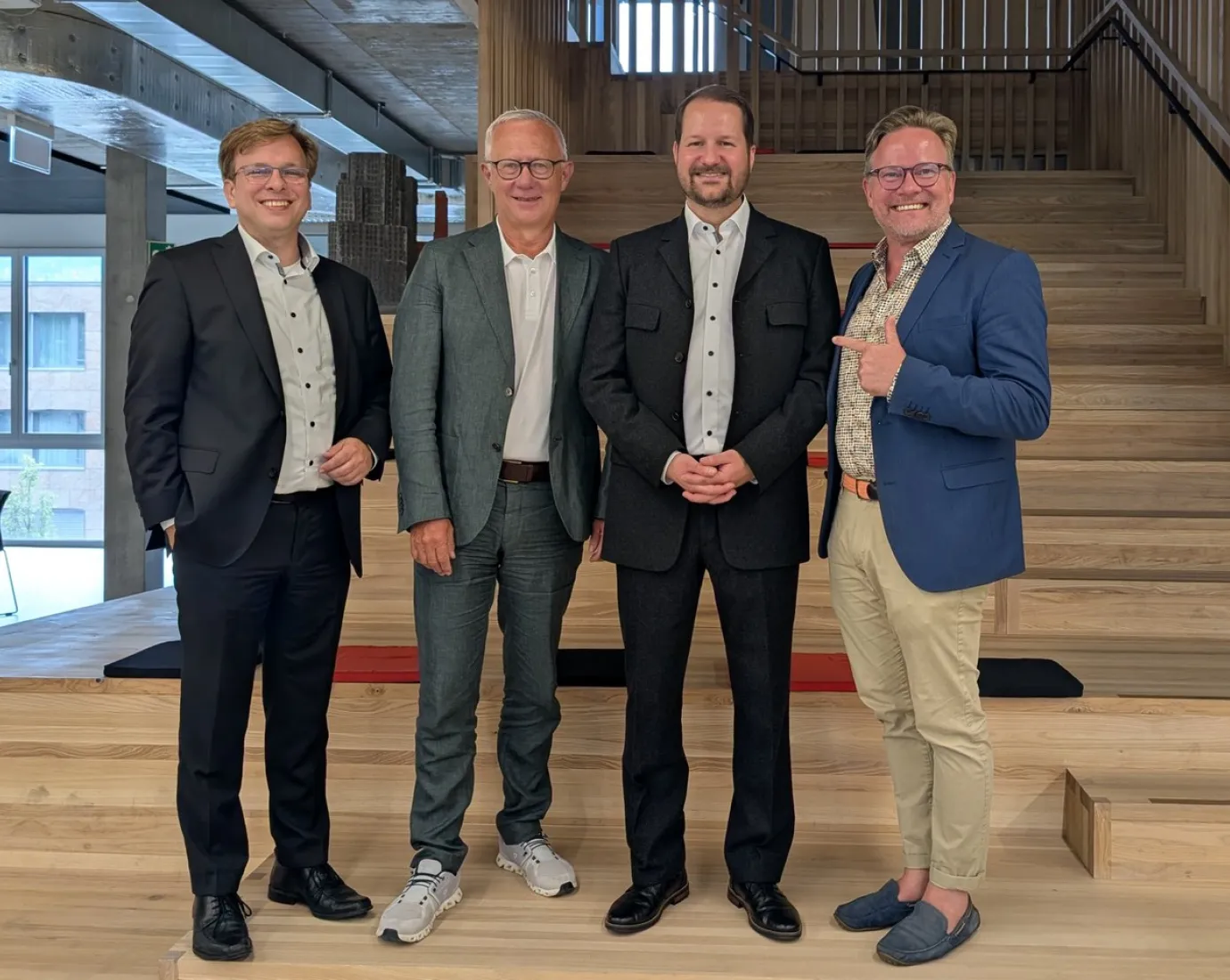
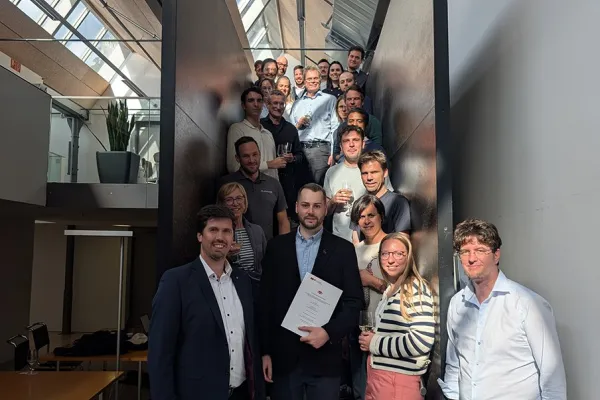
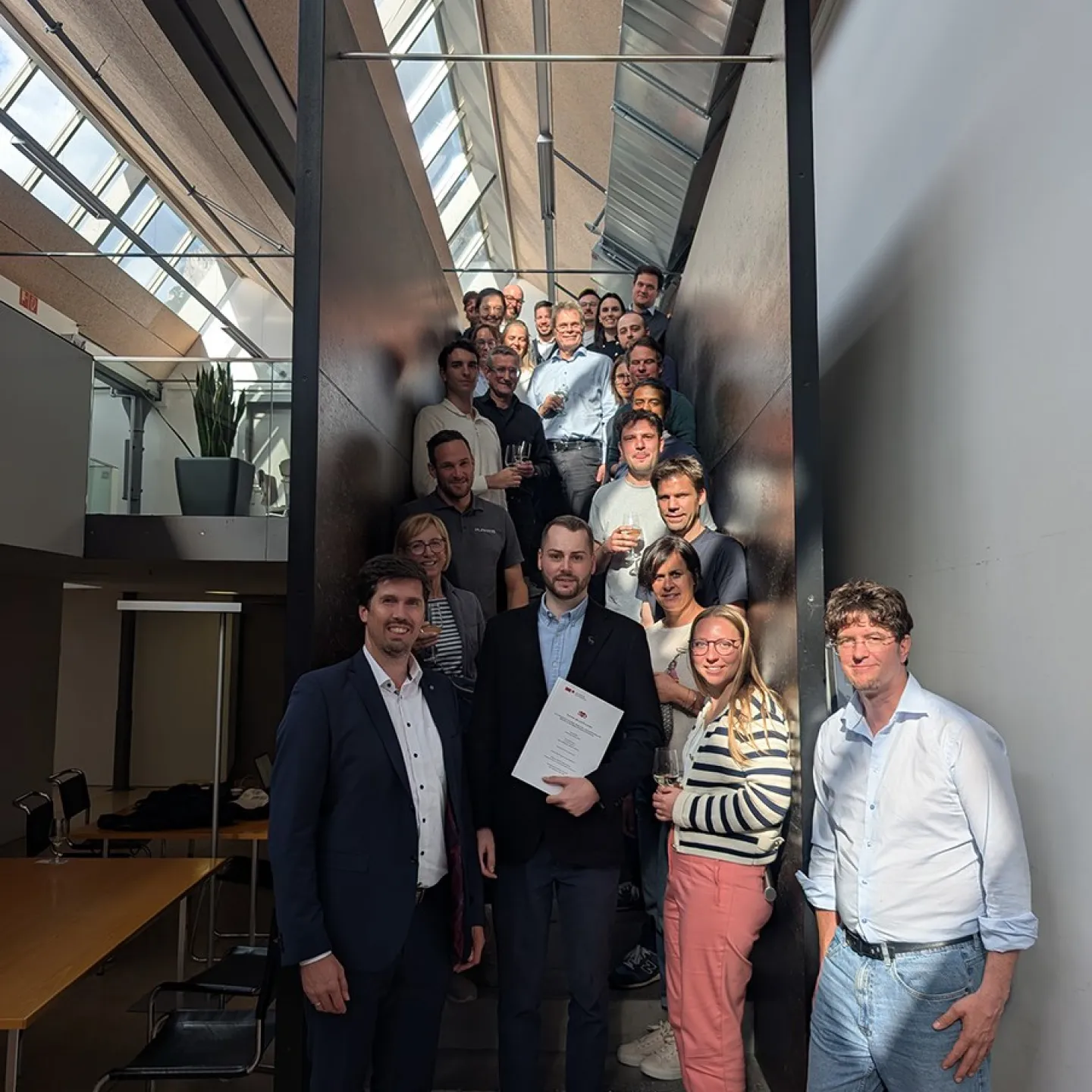
Eine Gruppe von Menschen steht auf einer Treppe in einem modernen Gebäude. Im Vordergrund hält eine Person ein Dokument in der Hand, umgeben von lächelnden Kollegen. Die Szene ist gut beleuchtet durch ein Oberlicht.

The University of Liechtenstein warmly congratulates Jonas Bokstaller on successfully defending his doctoral thesis with the highest distinction. Jonas, a native of Liechtenstein, was supervised by Assoc. Prof. Dr. Johannes Schneider and co-mentored by Prof. Dr. Jan vom Brocke and Prof. Dr. Simon Lux. His dissertation was developed in close collaboration with Hilti, once again highlighting the excellent partnership between the University of Liechtenstein and regional industry.


The research focuses on the development of a platform to monitor, predict, and maintain the health of batteries powering Internet of Things (IoT) devices. The work emphasises the importance of long-term maintenance for battery-powered IoT systems and demonstrates how IoT functionality can be used to transmit battery health data to the cloud.


The study centres on small, energy-efficient IoT devices, where usage and battery data are primarily collected using counters. It explores the feasibility of using only low-frequency usage data to track, predict, and maintain battery health. Furthermore, the dissertation discusses the integration of capacity-based State of Health (SoH) with data-driven SoH models. The ultimate goal is to ensure up-to-date and reliable information on battery health at all times.


We sincerely congratulate Jonas Bokstaller on this outstanding achievement and wish him continued success in his future endeavours!

Eine Gruppe von Menschen steht auf einer Treppe in einem modernen Gebäude. Im Vordergrund hält eine Person ein Dokument in der Hand, umgeben von lächelnden Kollegen. Die Szene ist gut beleuchtet durch ein Oberlicht.

Alumni with a Clear Stance

Alumni with a Clear Stance

Eva Lässer and Michael Fenk create meaningful in-between spaces


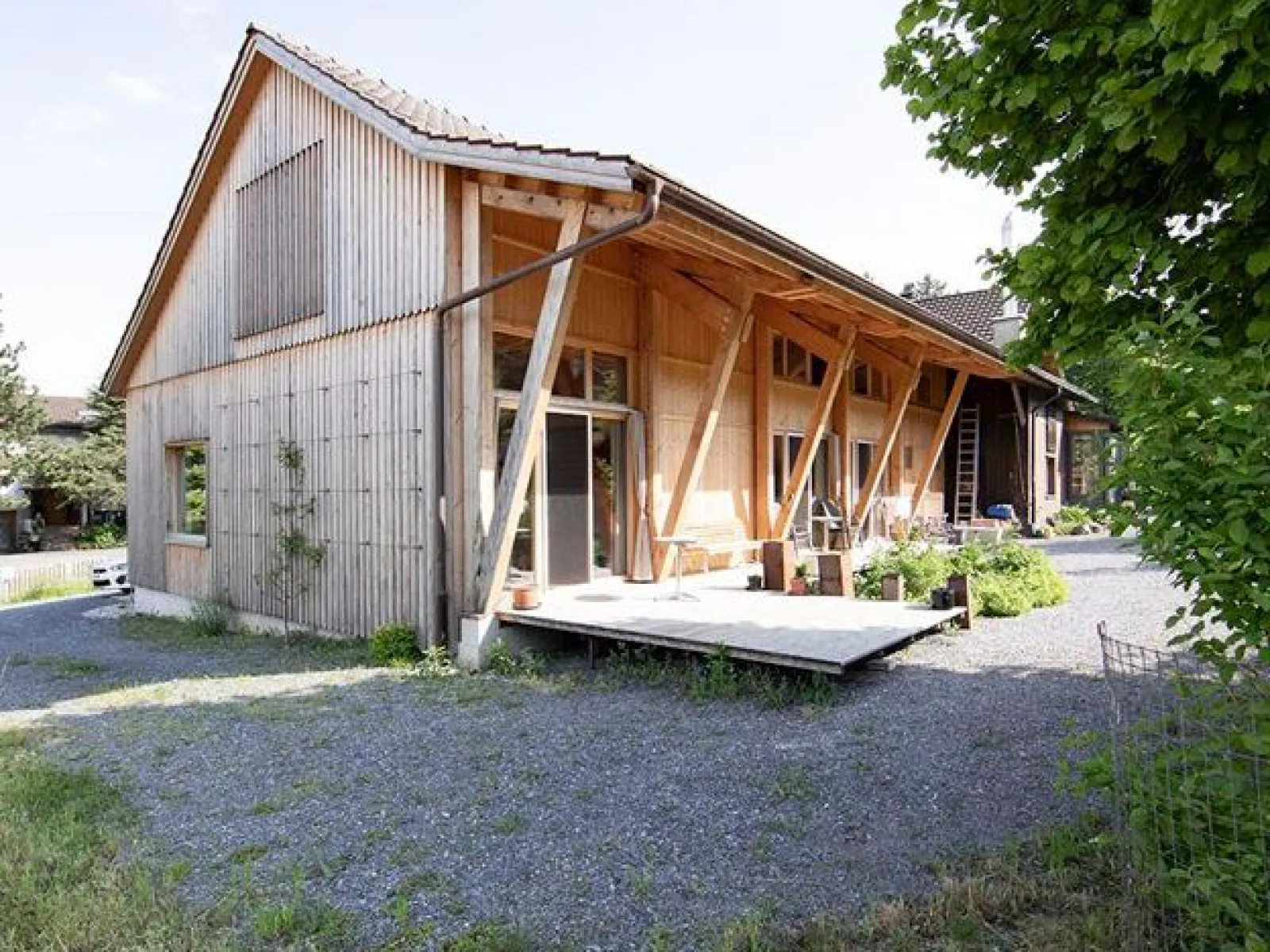
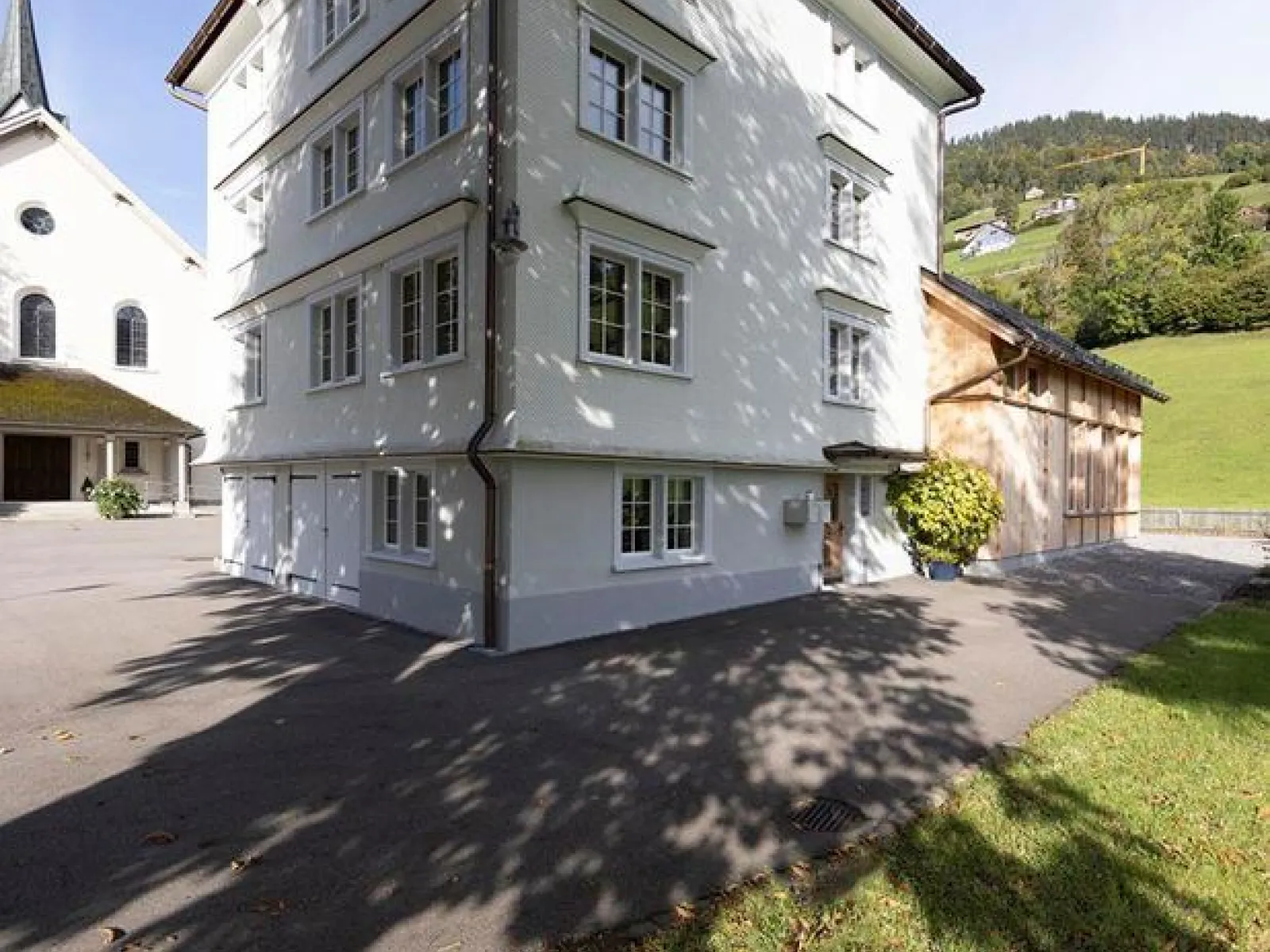
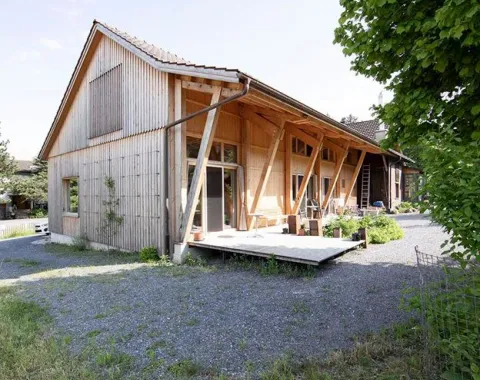
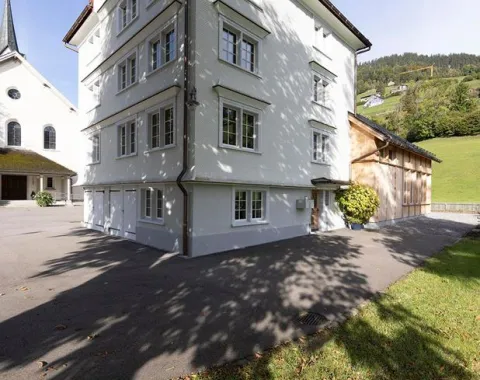
In the heart of the rural St. Gallen Rhine Valley, Eva Lässer and Michael Fenk run EMM Architekten, an architectural practice focused on sharpening the eye for what truly matters: contextual, pared-back, and enduring architecture. Both graduated in Architecture from the University of Liechtenstein and now contribute a distinctive attitude to the built environment, deliberately engaging with marginal and in-between spaces.


Building with awareness for what often goes unnoticed


As architects working in the rural St. Gallen Rhine Valley, they have specialised in regional fringe issues: houses outside zoning areas, listed buildings, and construction using – primarily local – timber. Although there is significant building activity in their region, these topics often take a back seat to individual interests and financial return.


In contrast, they interpret architecture and its surroundings as a collective entity. When it comes to the necessary and qualitative densification of village contexts, they consider in-between spaces to be just as important as the buildings themselves. They aim to understand existing structures and preserve their inherent qualities. It is precisely these specific and precise responses that enable buildings to stand the test of time.


„Not everything that counts can be measured.“
– Eva Lässer & Michael Fenk


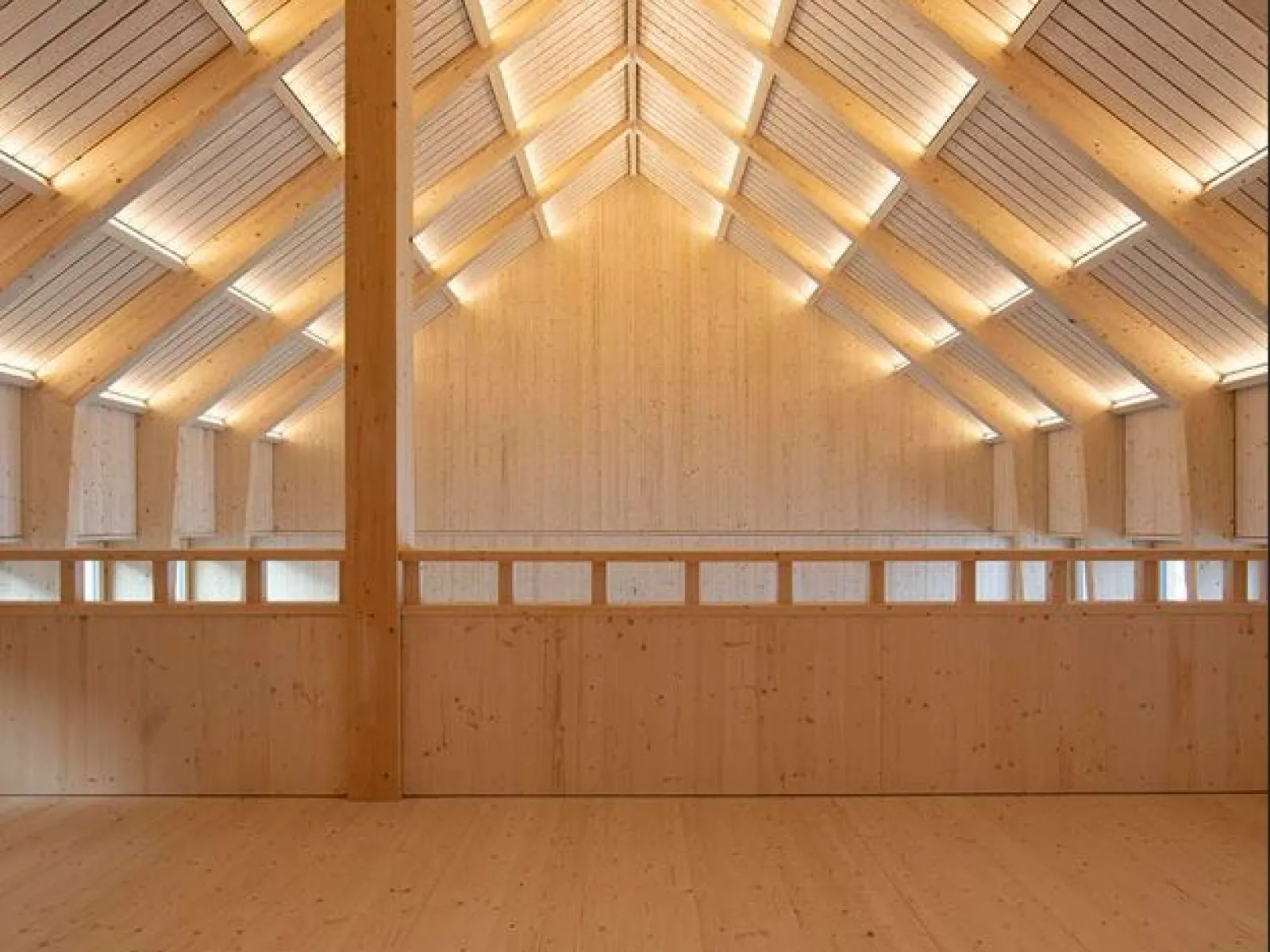
Achieving this requires not only architects like them, but also committed clients, sustainable materials, and skilled craftsmanship. EMM Architekten consciously pursue reduction – taking the time to weigh up needs, planning, and execution: quality over quantity. By using local and natural building materials – especially wood and clay – they aim to create liveable spaces and a pleasant indoor climate. At the same time, these materials have the capacity to evolve and age gracefully – the ideal basis for ensuring a building retains its value in the future.


Professional background at a glance


Michael Fenk
After completing an apprenticeship as a structural draughtsman along with a technical baccalaureate, he studied architecture at the University of Liechtenstein – alongside practical experience in an architectural office. This was followed by positions at Archraum in Altstätten, the founding of EMIL Fotografie in Hinterforst, and later the establishment of EMM Architekten. Today, he is part of the management team and contributes his expertise to three local heritage and planning commissions (Oberriet, Balgach, Thal).


Eva Lässer
After a commercial apprenticeship and a design-focused baccalaureate, she too went on to study architecture in Vaduz. Following a stay abroad in New Zealand and practical experience in offices such as bbarchitektur (Rorschach) and Archraum (Altstätten), she joined EMM Architekten and is now co-owner. In addition to her design work, she also serves on competition juries.


Their advice to current architecture students at the Liechtenstein School of Architecture


Michael Fenk:

„Get practical experience as early as possible – it helps with your studies and opens up new perspectives.“


Eva Lässer:

„Versatility pays off – those who think outside the box and bring a range of interests to the table not only broaden their horizons but also expand their career opportunities.“


Alumni-Porträt: Eva Lässer (BA 2013) and Michael Fenk (BA 2012)
Owners and Executive Management, EMM Architekten, Hinterforst (SG)


More information about the firm:
www.emm-architekten.ch


Photo Credit: EMM Architekten, EMIL Fotografie

Subscribe to