Skip to Main Content

Final Presentation – Module 9 Case Studies, LL.M. in Economic Criminal Law

Final Presentation – Module 9 Case Studies, LL.M. in Economic Criminal Law

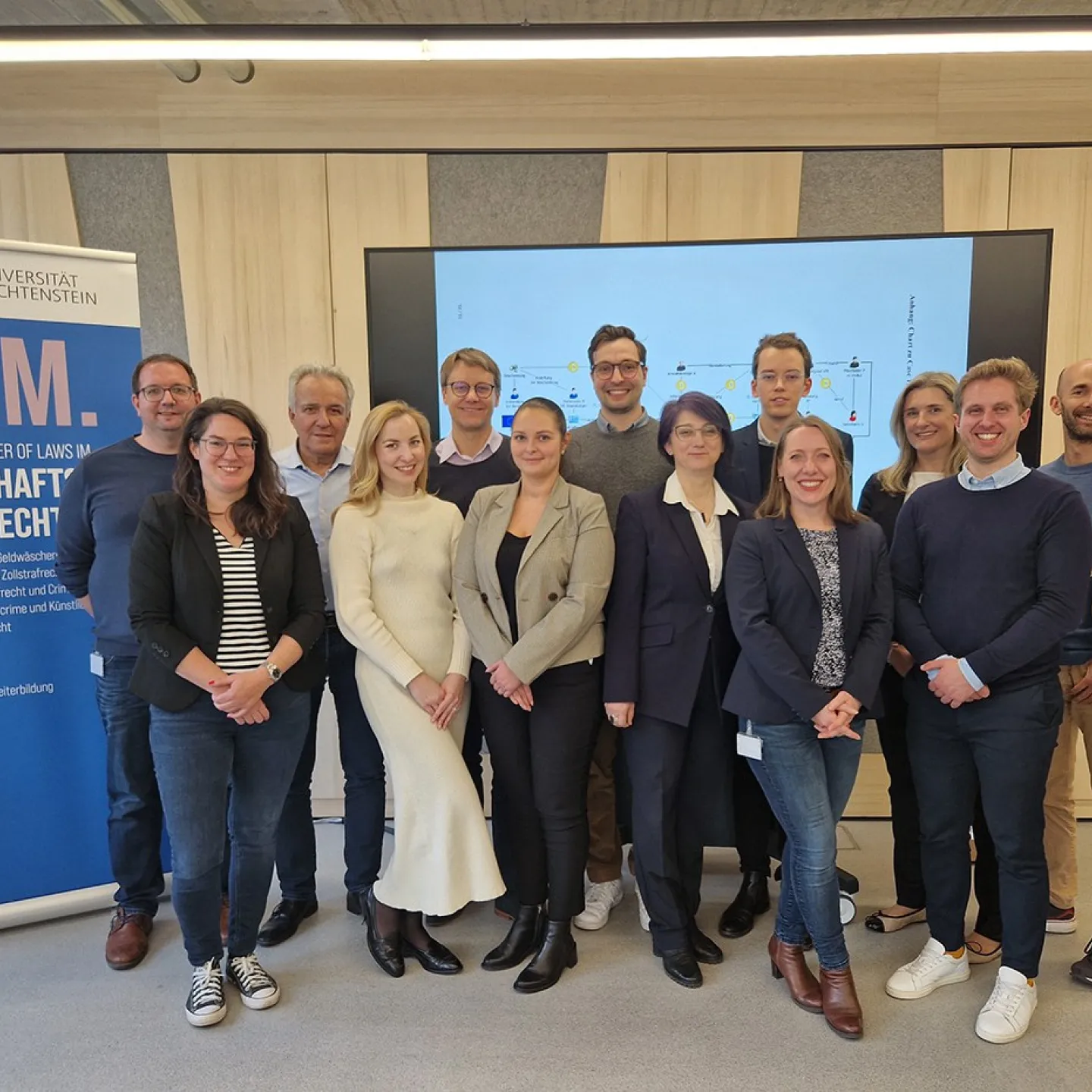
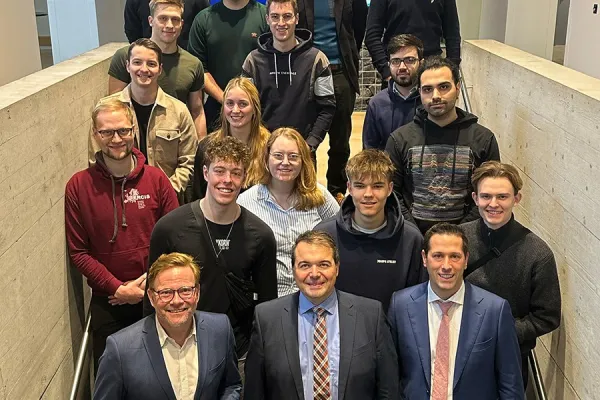
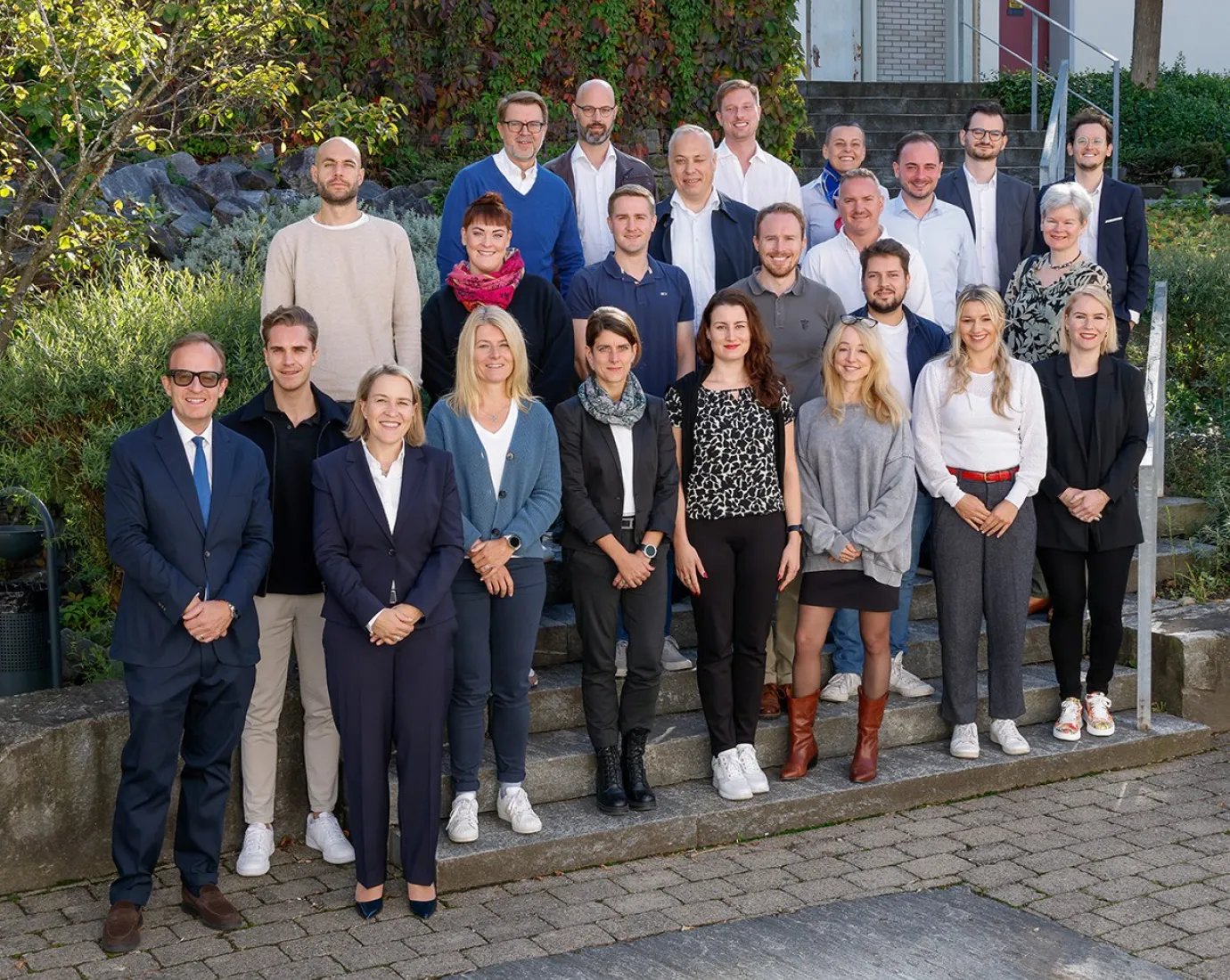
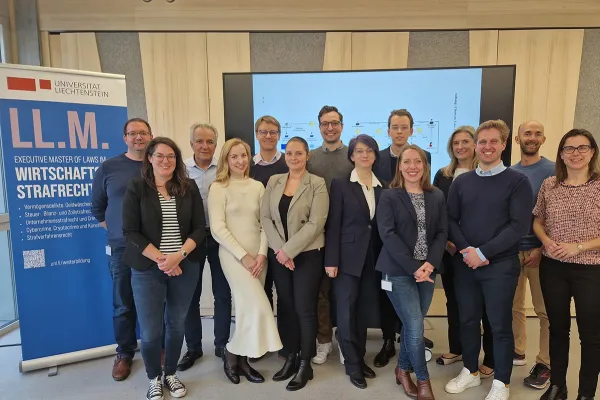
Gruppenfoto von Studierenden und Dozenten des Executive Masters of Law im Wirtschaftsstrafrecht an der Universität Liechtenstein. Im Hintergrund ein Bildschirm mit Präsentationsfolie und ein Roll-up mit Informationen zum Studiengang.

On Friday, 24 January 2025, the final presentations for Module 9 (Case Studies) took place for the first time as part of the inaugural cohort of the Executive Master of Laws (LL.M.) in Economic Criminal Law.


The students, working in three groups, presented a comprehensive case scenario that reflected the wide-ranging content of the programme and demonstrated the extensive knowledge they had acquired.


These presentations marked an important milestone in the programme, as the students impressively showcased the competencies they had developed throughout their studies and successfully applied their legal expertise to practice-oriented case studies.


The presentations were evaluated internally by Prof. Dr. Konstantina Papathanasiou, LL.M. and Dr. Jonas Divjak, as well as externally by Univ.-Prof. Dr. Severin Glaser and Dr. Alexander Amann, LL.M., to whom we extend our sincere thanks for their valuable support!

Gruppenfoto von Studierenden und Dozenten des Executive Masters of Law im Wirtschaftsstrafrecht an der Universität Liechtenstein. Im Hintergrund ein Bildschirm mit Präsentationsfolie und ein Roll-up mit Informationen zum Studiengang.

Workshop: Future of Business Education in the Age of AI

Workshop: Future of Business Education in the Age of AI

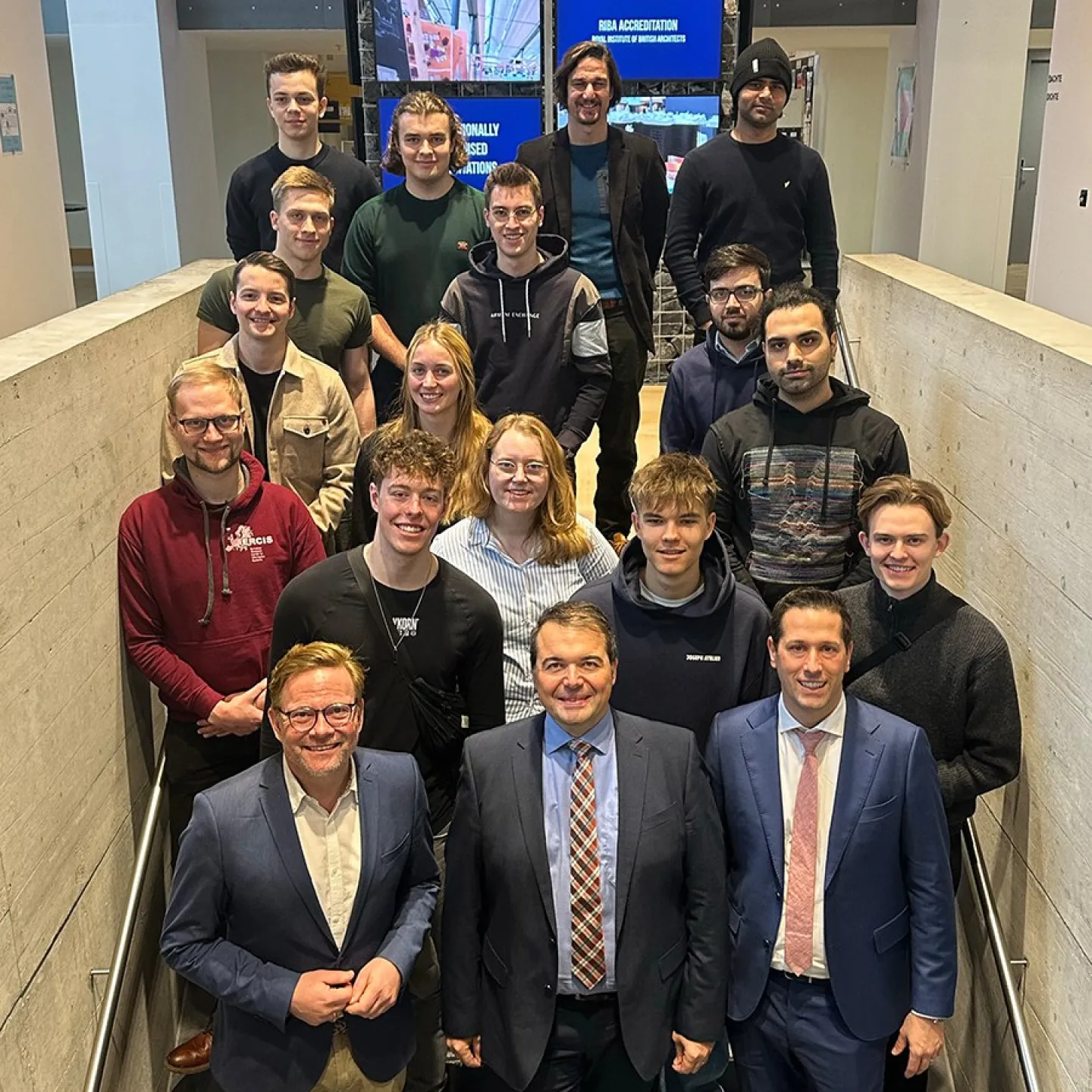
Gruppe von Studierenden und Lehrenden steht auf einer Treppe in einem modernen Gebäude der Universität Liechtenstein, lächelnd in die Kamera. Im Hintergrund sind Bildschirme und eine Steinwand zu sehen.

On January 15, 2025, the workshop on “The Future of Business Education in the Age of AI” took place at the University of Liechtenstein at the invitation of Assoc. Prof. Dr. Benjamin van Giffen, Associate Professor for Information Systems and Digital Innovation, in collaboration with Prof. Dr. Jan vom Brocke, Professor of Information Systems at University of Münster and Director of the European Research Center for Information Systems (ERCIS), as well as Guest Professor at the University of Liechtenstein.


Around 15 students from the University of Münster and the Hasso Plattner Institute (Potsdam) as well as lecturers from the University of Liechtenstein came together at this event for a lively exchange. The students had the opportunity to enter a discussion with Prof. Dr. Jan vom Brocke, Assoc. Prof. Dr. Benjamin van Giffen, Dr. Michael Gau, Senior Scientist focusing on AI-based design and innovation, and Dr. Bernd Schenk, Academic Director of the Bachelor Programme of Business Administration, and thus gain important insights together.


The discussion focused on current issues such as the impact of AI on students' academic and personal lives, the skills required for an AI-driven future such as critical thinking, ethics, leadership and technical AI skills, and how universities can balance the teaching of technical AI skills with these required skills. Furthermore, the role of faculty in supporting personalized, AI-driven and customized learning experiences as well as the use of AI in teaching and learning activities and the resulting impact on learning outcomes were questioned.


This formed important insights such as the changes in the relationship between students as learners and teachers as educators, as well as the emphasis on traditional face-to-face interaction and innovative AI-driven approaches. The core values in education such as the importance of critical thinking, ethics and leadership remain paramount even in a high-tech learning environment. Of great benefit are the didactic innovations that students and teachers can identify to further develop teaching methods to integrate AI tools while maintaining personal engagement in learning.

Gruppe von Studierenden und Lehrenden steht auf einer Treppe in einem modernen Gebäude der Universität Liechtenstein, lächelnd in die Kamera. Im Hintergrund sind Bildschirme und eine Steinwand zu sehen.

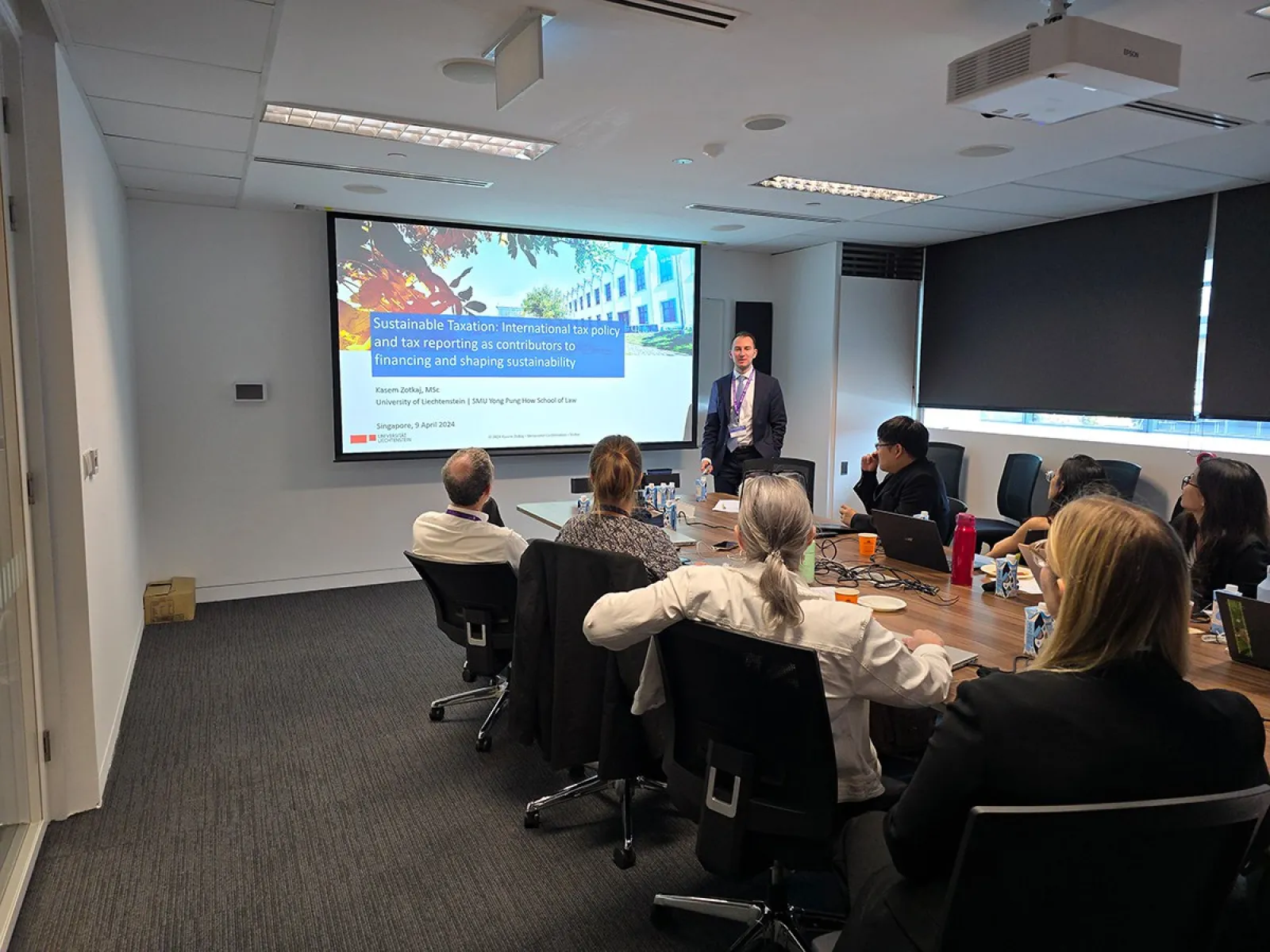
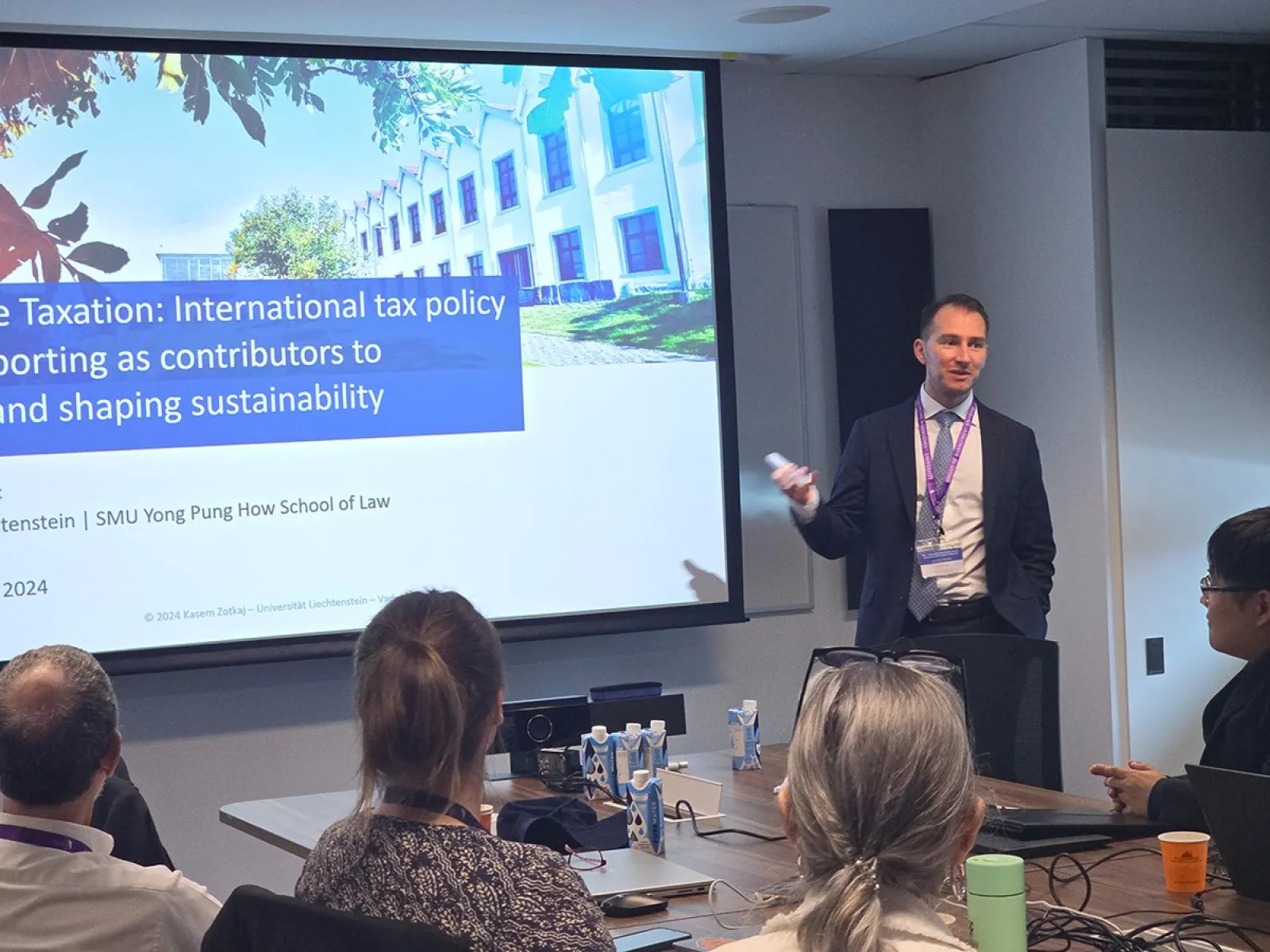
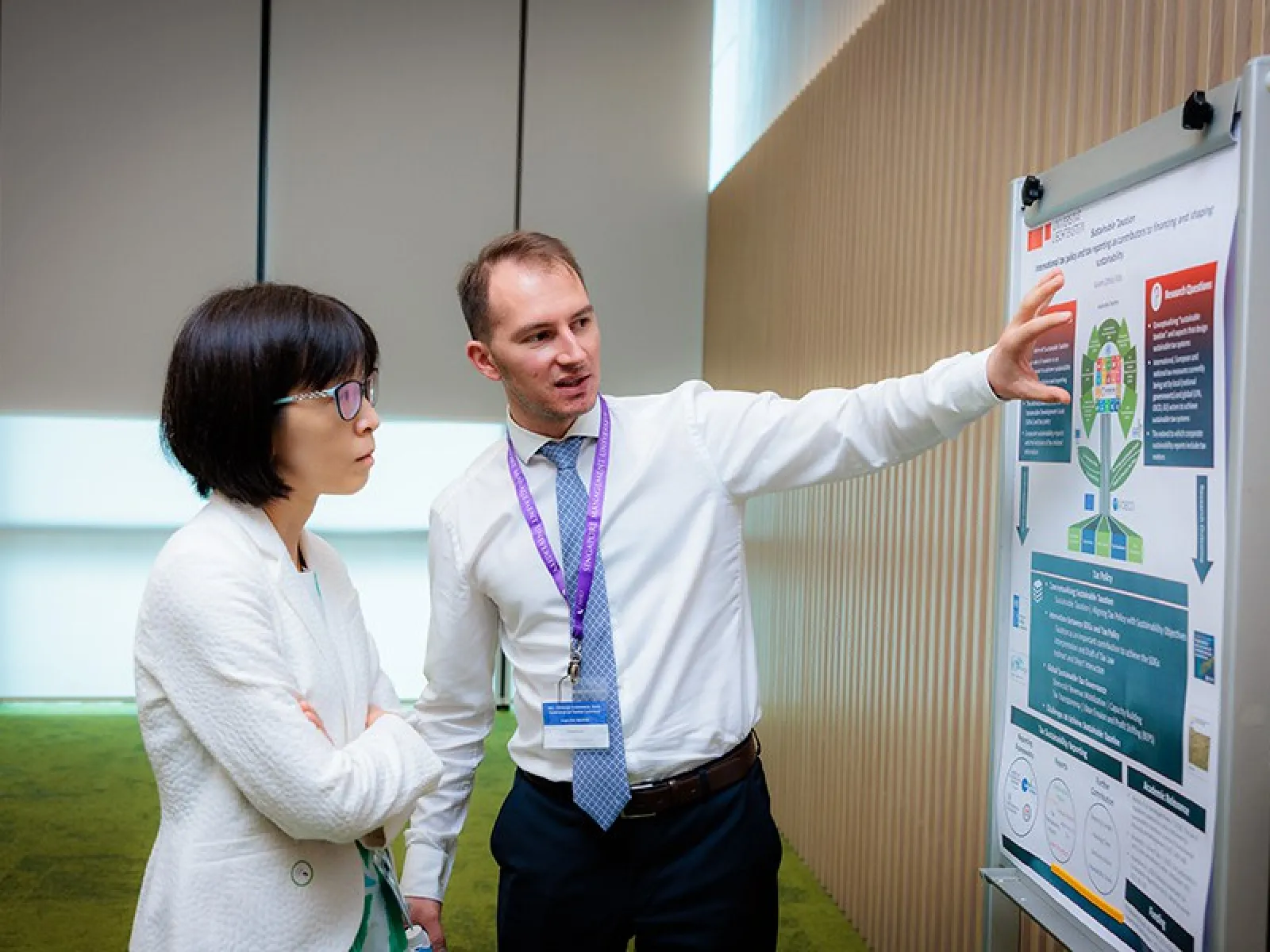
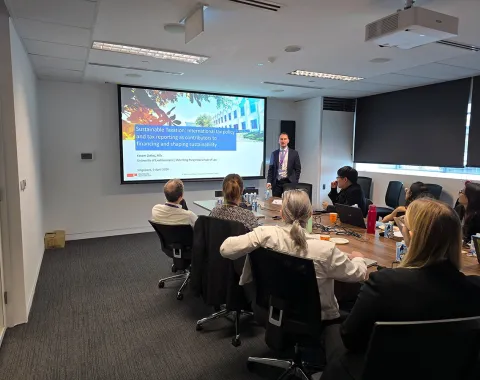
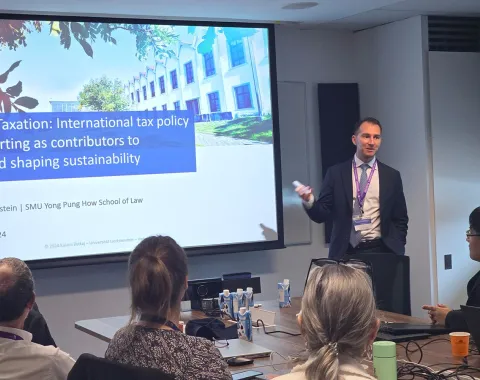
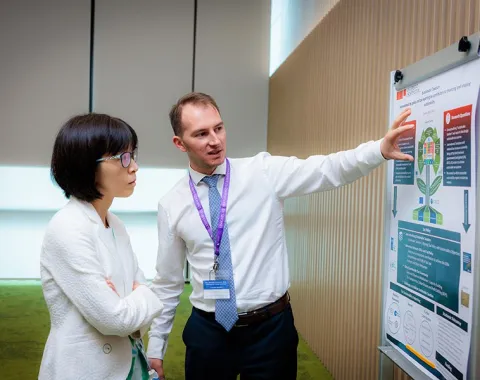
Sustainable Taxation – Kasem Zotkaj’s Research Sheds Light on a Timely Topic

Sustainable Taxation – Kasem Zotkaj’s Research Sheds Light on a Timely Topic

The connection between sustainability and taxation is gaining increasing attention in research and policy-making. This is not just about designing tax systems that are fairer and more environmentally friendly, but also about understanding how taxation can contribute to achieving global sustainability goals.


In his latest publication, featured in the ABDC A-ranked eJournal of Tax Research, Kasem Zotkaj, PhD candidate at the Liechtenstein Business Law School, explores these pressing issues. His research helps clarify the concept of sustainable taxation and examines its role in fostering sustainable development.


The concept of sustainable taxation is still relatively new and lacks a precise definition. According to Kasem Zotkaj’s analysis, it carries the risk of being influenced by moral subjectivity, which poses challenges for both taxpayers and policymakers. To address this, he conducted a conceptual analysis to identify the fundamental characteristics of sustainable taxation. His findings show that sustainable taxation goes beyond merely generating revenue. It must also promote behavioral changes and contribute to aligning ecological, social, and economic goals.


A key focus of the research is the interaction between tax policy and the United Nations Sustainable Development Goals (SDGs). This interaction can be divided into two dimensions:
Indirect Support: Tax policy can support the SDGs by promoting domestic resource mobilization. This means that effective tax systems can provide more funding for education, healthcare, or infrastructure - essential components of sustainable development.
Direct Support: A direct connection exists when tax laws are designed to go beyond revenue collection and explicitly pursue regulatory objectives. Examples include environmental taxes aimed at reducing carbon emissions or tax incentives for sustainable investments.
These two dimensions align with the core objectives of taxation: revenue generation and behavioral regulation. Zotkaj’s analysis provides a deeper understanding of these interactions and evaluates how tax policy can effectively contribute to sustainability.


Sustainable taxation is a topic that affects everybody — whether as taxpayers, policymakers, or researchers. Kasem Zotkaj’s work underscores the importance of clearly defining this concept and using it as a tool for sustainability. His research is a valuable contribution to the ongoing debate about the role of tax policy in a changing world.


Link: https://www.unsw.edu.au/content/dam/pdfs/business/acct-audit-tax/research-reports/ejournal-of-tax-research/2024-12-ejournal-tax-research-v22-n3/2024-12-eJTR-the-concept-of-sustainable-taxation-v22-n3.pdf

Three Fascinating Insights into the World of AI and Digitalization

Three Fascinating Insights into the World of AI and Digitalization

In recent months, researchers from the university have delivered groundbreaking presentations offering valuable insights into the challenges and opportunities of artificial intelligence (AI) and digitalization.


These contributions highlight the profound impact of AI and innovative technologies on our lives and work — whether through AI-powered price negotiations, the analysis of technological trends, or the promotion of digital skills at the local level.


The following section provides an in-depth look at three outstanding contributions.


Price negotiations with artificial intelligence: opportunities and challenges


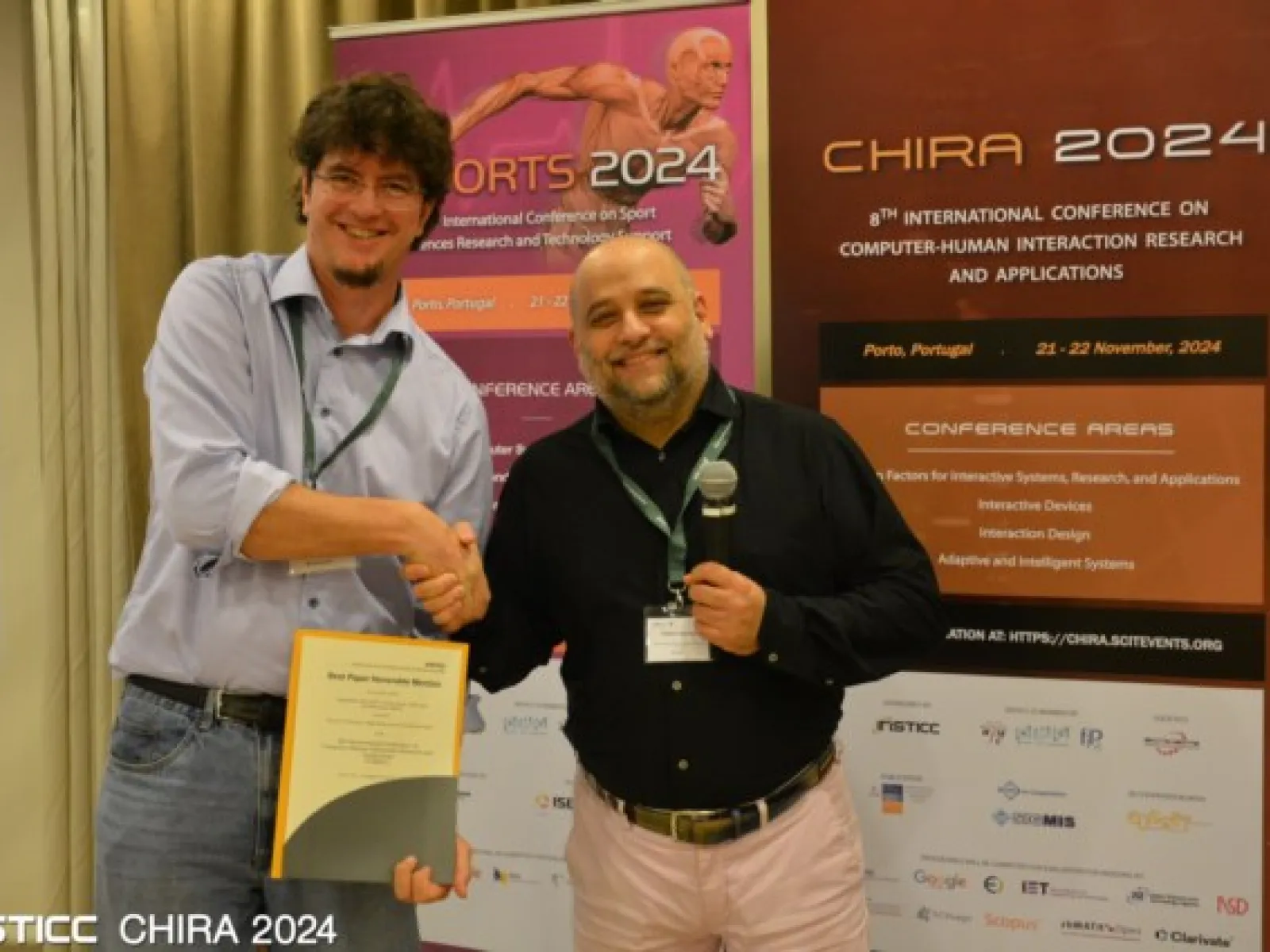
How does artificial intelligence like ChatGPT negotiate with humans? A study led by Johannes Schneider showed that AI sometimes struggled with reasoning, fell for clever tricks ("prompt hacks"), but also employed a typical strategy of making small concessions. It offered wildly different deals depending on how skilled the human negotiator was. This means there's a big gap in how well people know how to "talk" to AI effectively. The paper won the best paper runner-up (i.e., 2nd place) at the 8th International Conference on Computer-Human Interaction Research and Applications (CHIRA).


New Approaches to Predicting Technological Trends Through Job Postings


Marie Scheuffele and Prof. Dr. Leo Brecht presented their research at the ISPIM Innovation Conference 2024 in Tallinn, showcasing how online job postings related to AI can be used to identify technological convergence and fusion at an early stage. The presentation provided an overview of current theories on technological convergence and described a keyword-based analysis of job postings. An innovative interpretive approach differentiates between technological fusion and convergence. This research aims to help companies and decision-makers better prepare for technological developments in the field of artificial intelligence.


Experience Digitalization Up Close at the 3rd Café Digital in Feldkirch


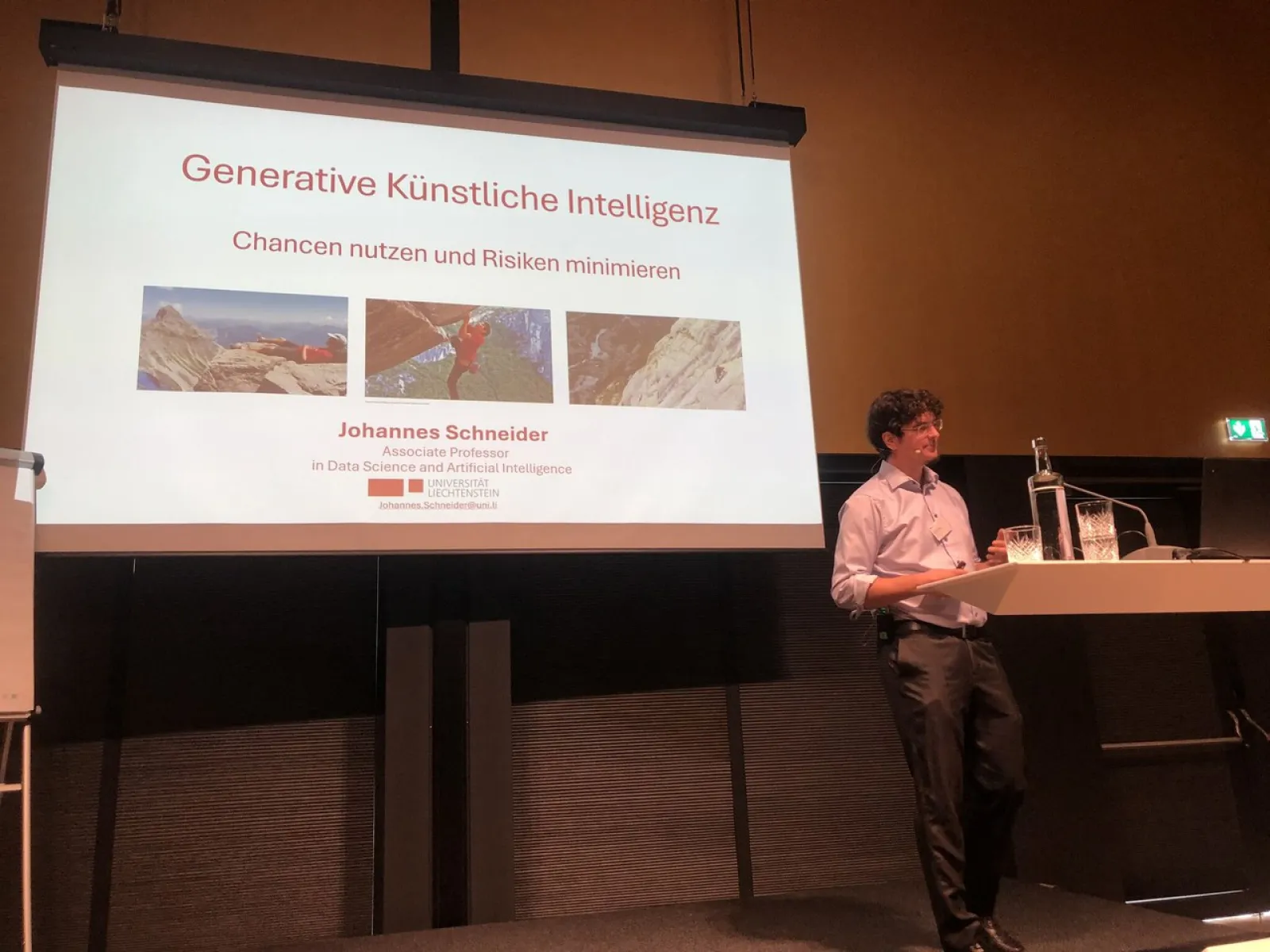
On November 20, 2024, the Montforthaus in Feldkirch attracted over 200 digital enthusiasts, including government employees from Vorarlberg and Liechtenstein. A highlight of the event was the lecture by Prof. Johannes Schneider, who compellingly explored the opportunities and risks of generative AI. Another standout was the presentation on “Feldi,” a chatbot project led by Alexander Maurer and developed for the city of Feldkirch.


Start of Erasmus+ Project "Crafting Clay – Exploring Circularity with Local Earth"

Start of Erasmus+ Project "Crafting Clay – Exploring Circularity with Local Earth"

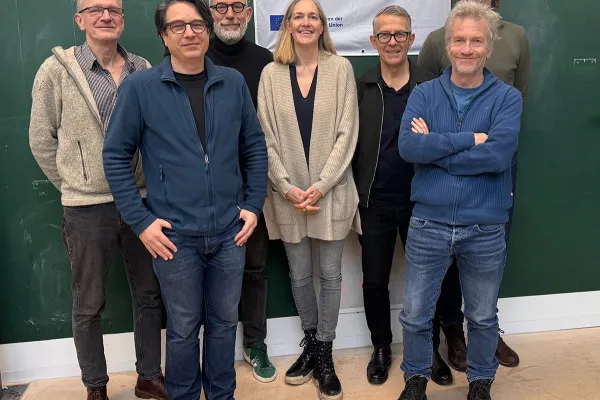
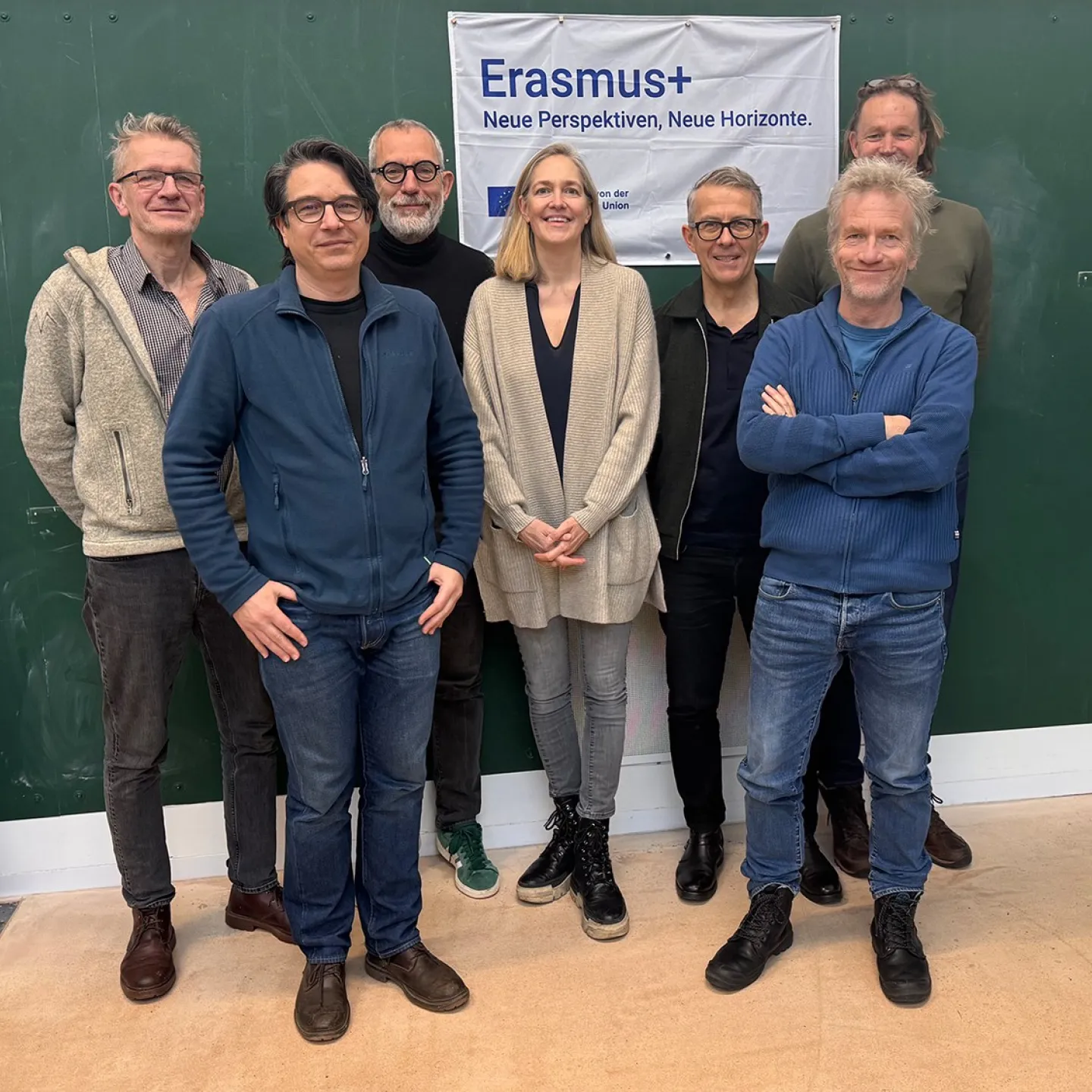
Eine Gruppe von acht Personen steht vor einem grünen Hintergrund. Sie lächeln in die Kamera. Im Hintergrund hängt ein Banner mit der Aufschrift "Erasmus+ Neue Perspektiven, Neue Horizonte".

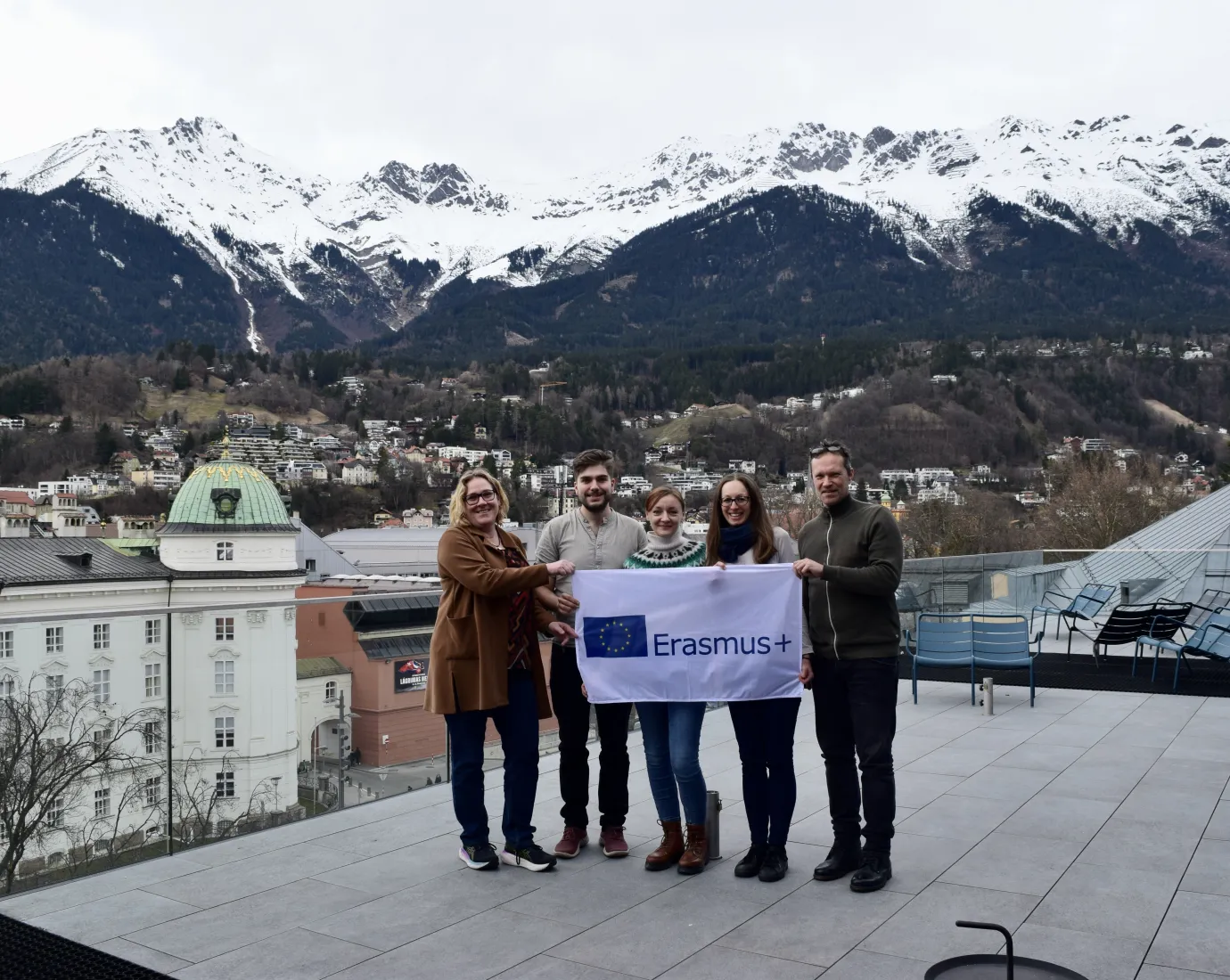
The project consortium, consisting of four European architecture schools, met at the University of Liechtenstein for the kick-off meeting of the three-year Erasmus+ project “Crafting Clay - Exploring Circularity with Local Earth”, which is funded by the AIBA with 400,000 Euros.


The project deals with the investigation of clay as a building material, the traditional use of which has been forgotten in the past. With modern mechanical processes, it is now possible to produce clay techniques in combination with other materials that were previously produced exclusively by hand. In this context, existing technical and craft traditions and aspects of earth building are considered and analyzed in order to learn from existing buildings and draw lessons for the future.
Against the backdrop of climate change and the need for resource-conserving construction, this subject area enables the establishment and redefinition of alternatives in the construction industry and thus enriches the European discourse on the intelligent, sustainable and resource-conserving use of materials in the long term. Through these different approaches in combination with practical expertise from the construction industry, the project creates a unique and enriching basis for new knowledge in the European context, both in the academic world and for construction practice.


The four universities involved in the partnership, University of Liechtenstein, KU Leuven (BE), Academie van Bouwkunst (NL) and NTNU Trondheim (NO), are addressing this topic and discussing and evaluating it in fundamentally different technical and cultural ways. The three-year project is being coordinated by Dr. Carmen Rist-Stadelmann and Prof. Urs Meister from the Department of Craft & Structure at the School of Architecture at the University of Liechtenstein. Upon completion, the results will be presented to the public at a symposium, on the websites of the respective partner universities and in a publication by Park Books Verlag, Zurich.

Eine Gruppe von acht Personen steht vor einem grünen Hintergrund. Sie lächeln in die Kamera. Im Hintergrund hängt ein Banner mit der Aufschrift "Erasmus+ Neue Perspektiven, Neue Horizonte".

Building Education

Building Education

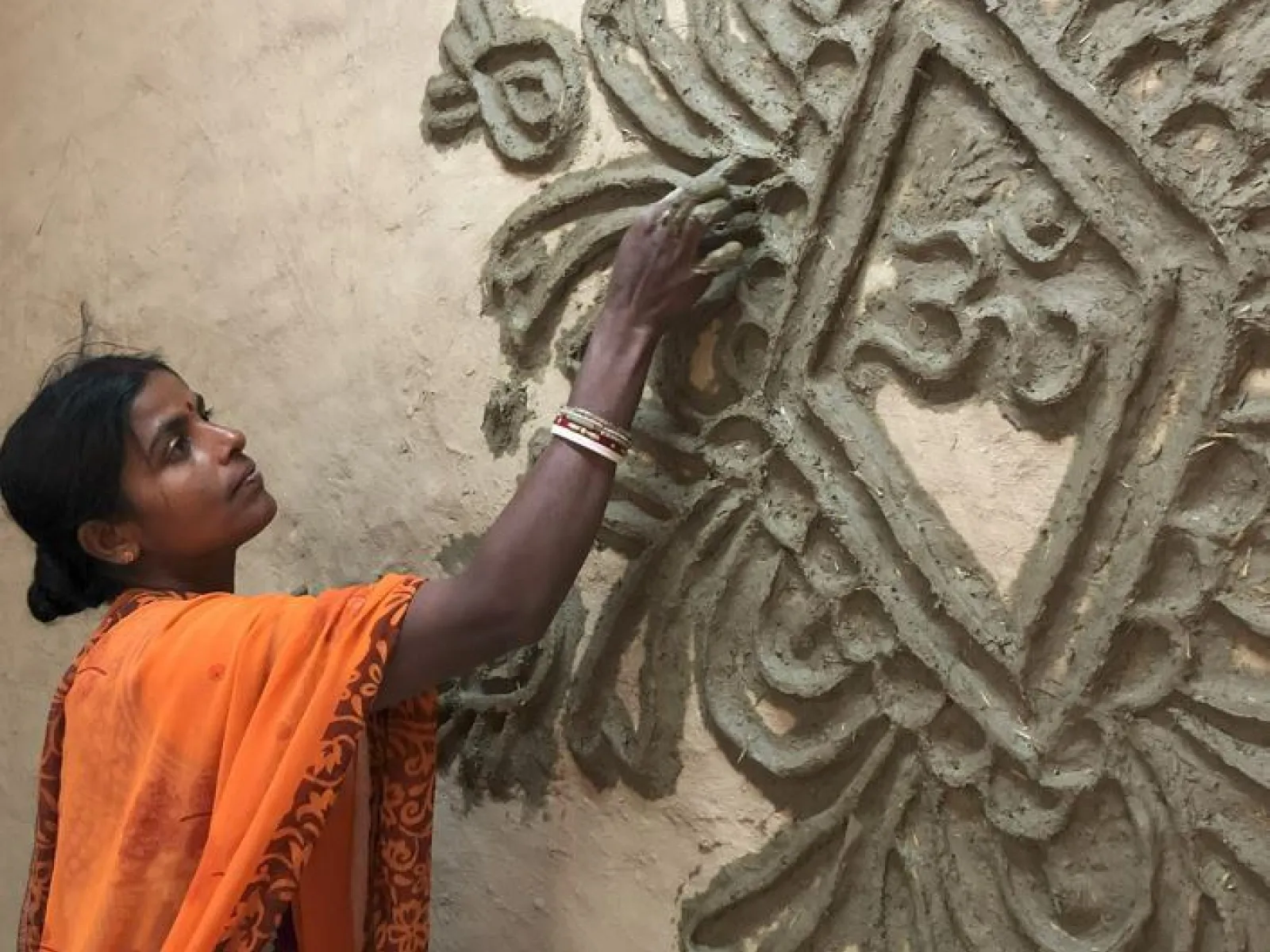
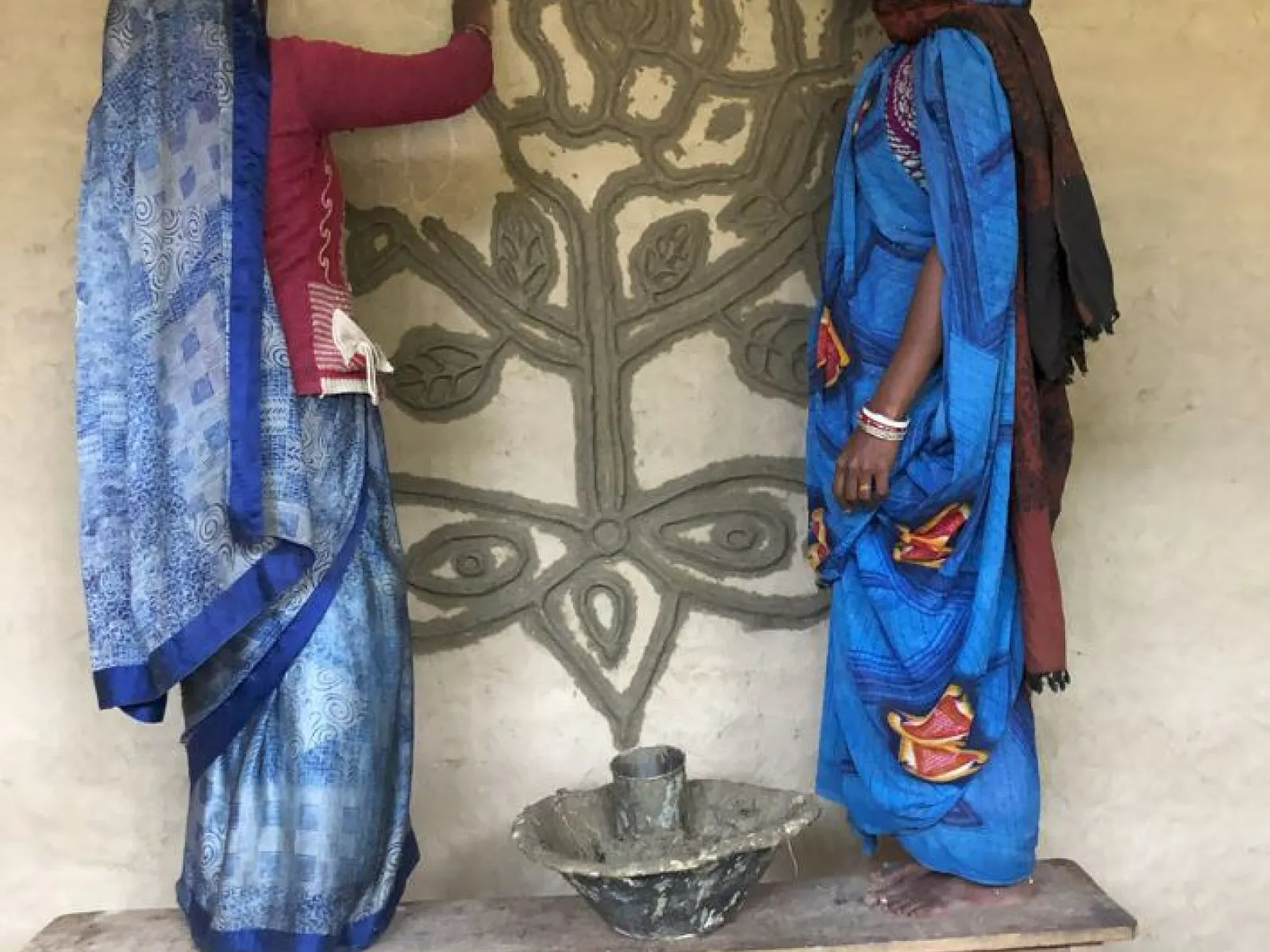
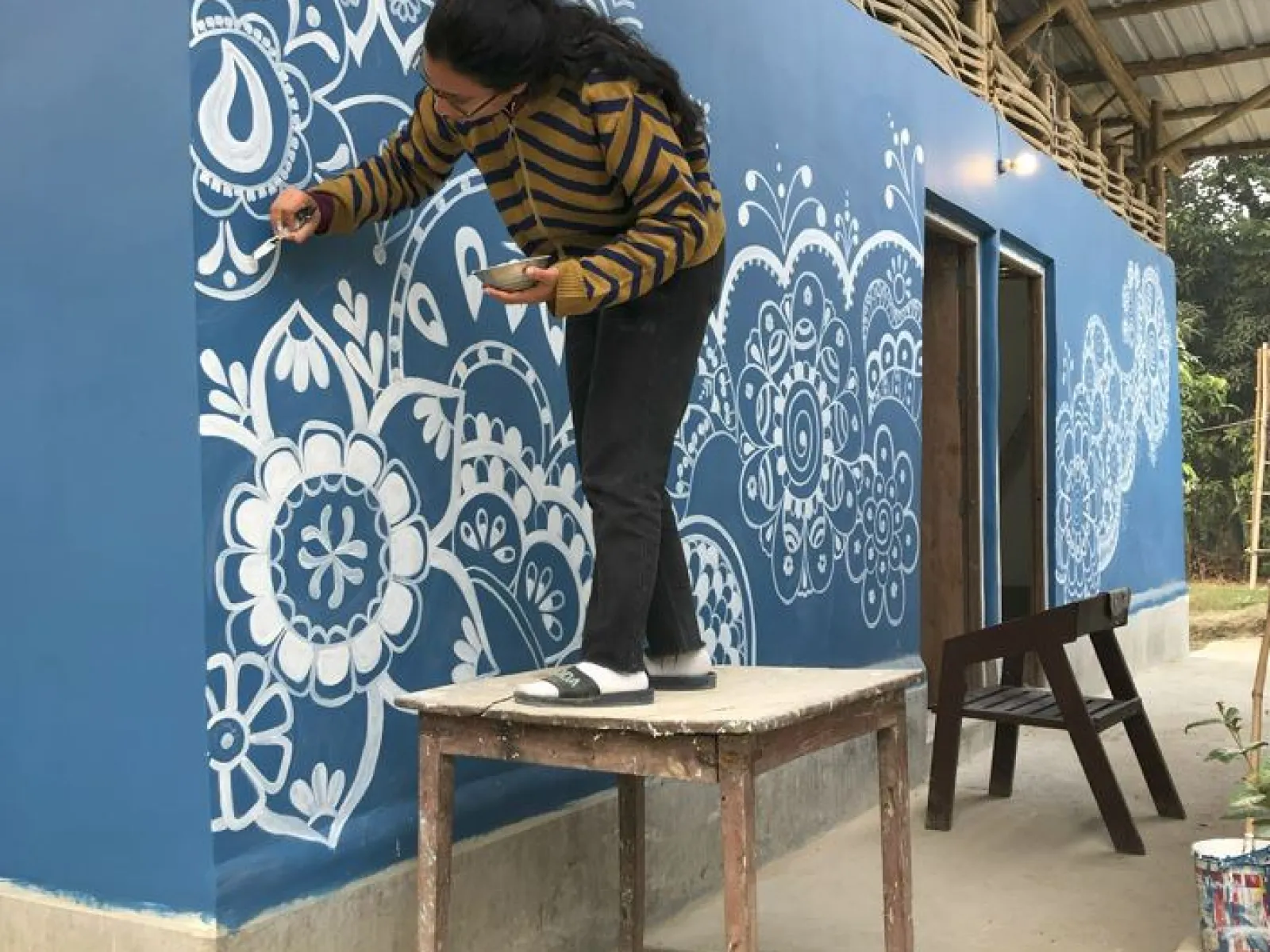
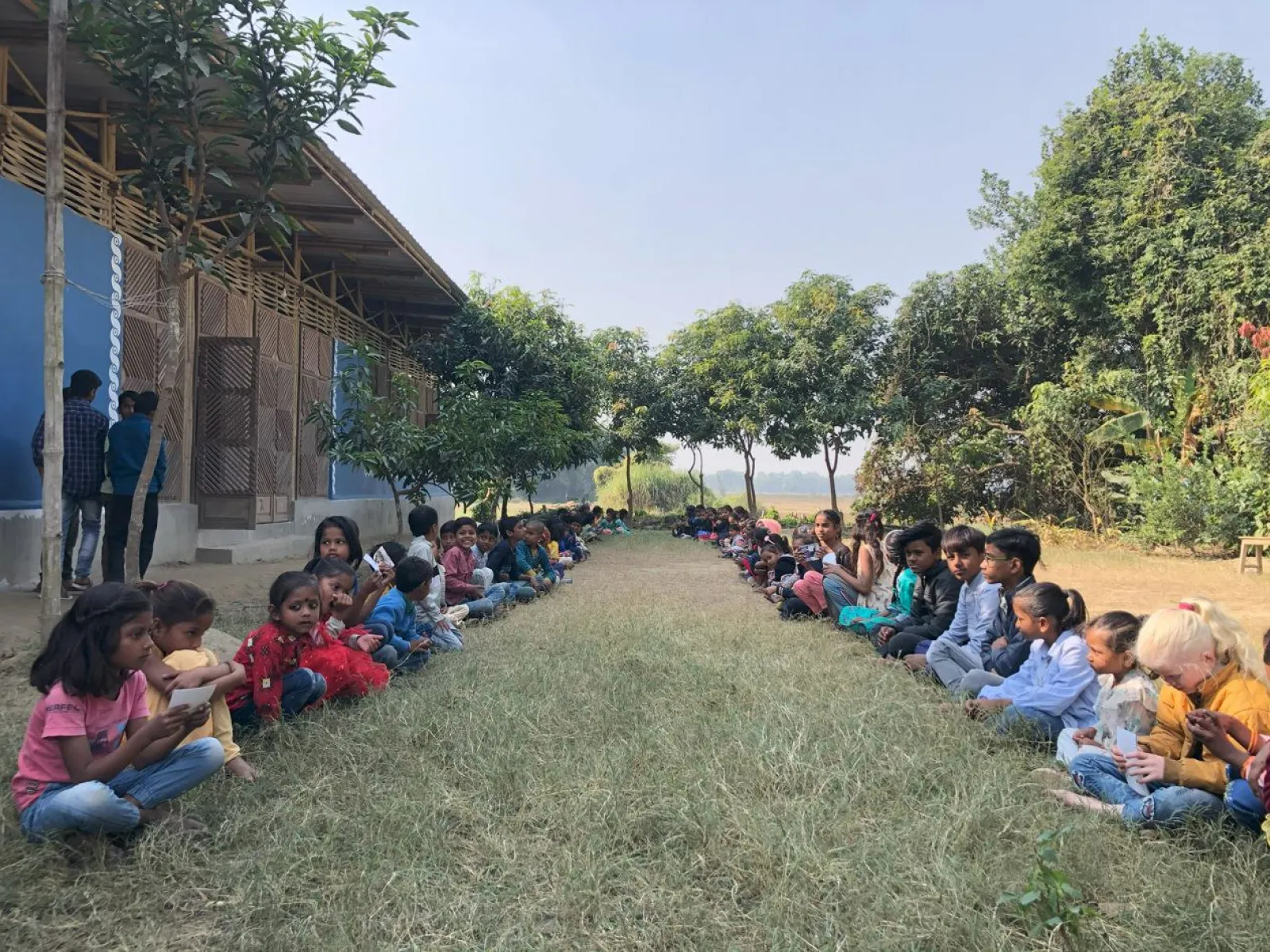
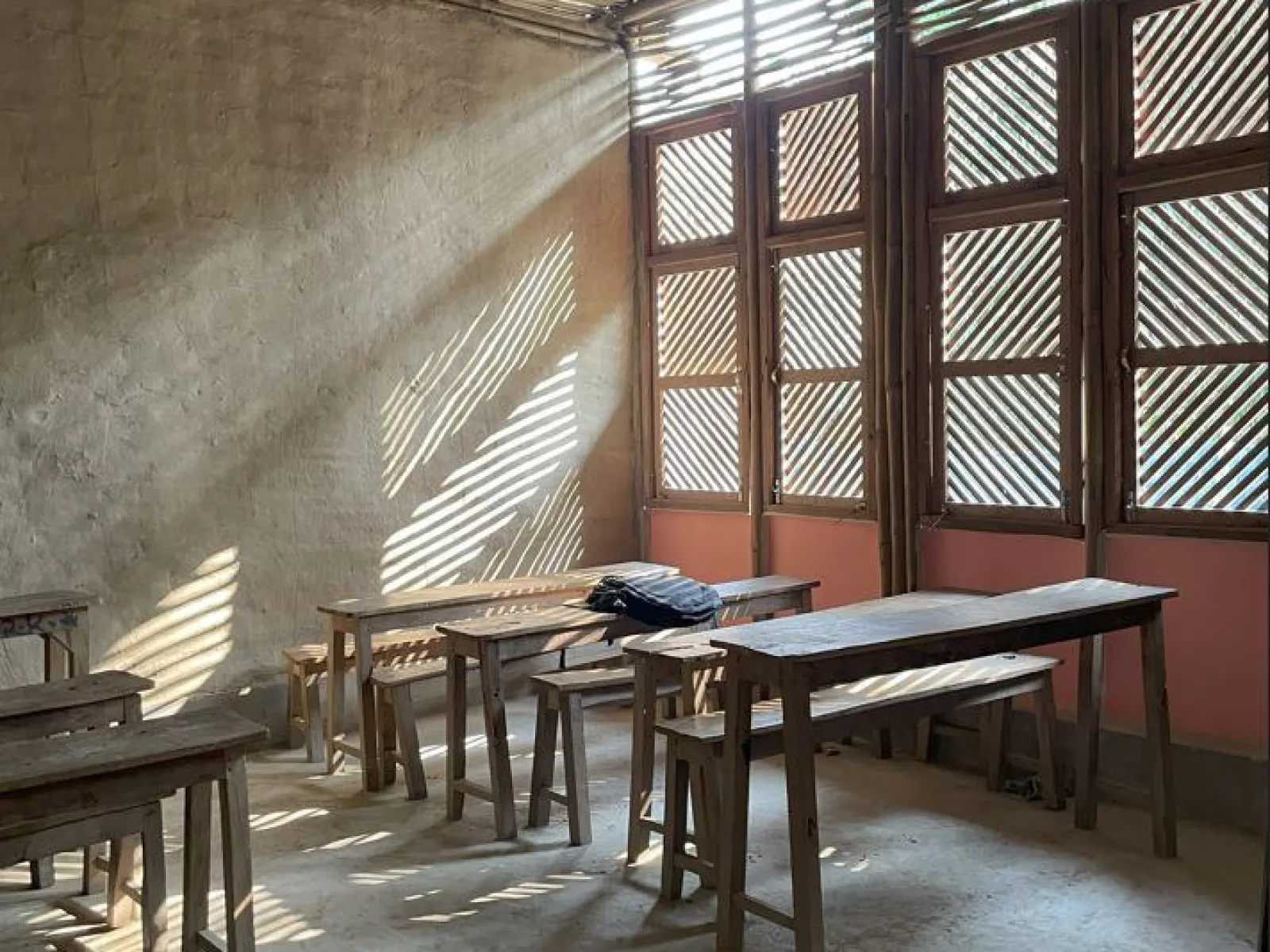
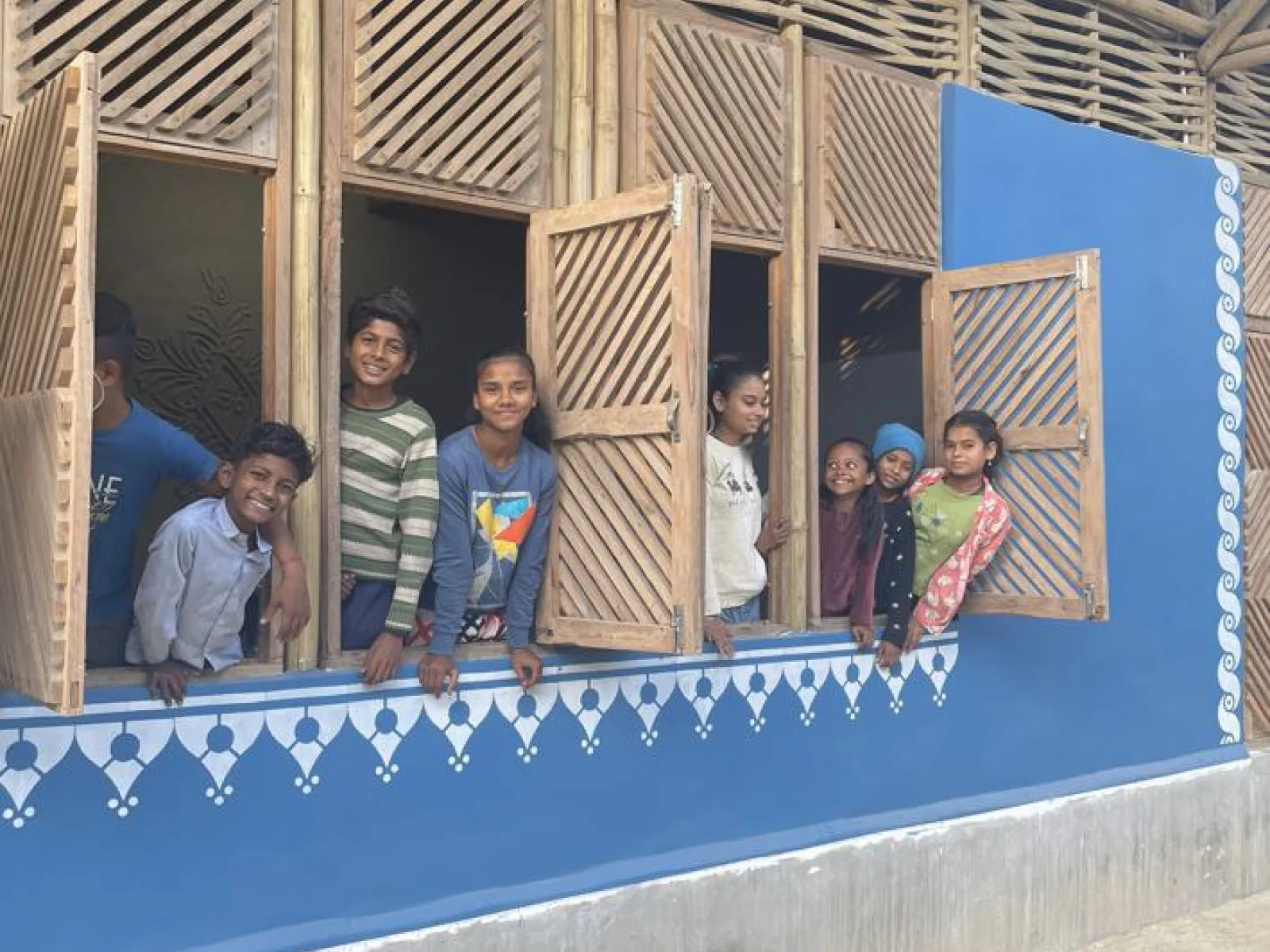
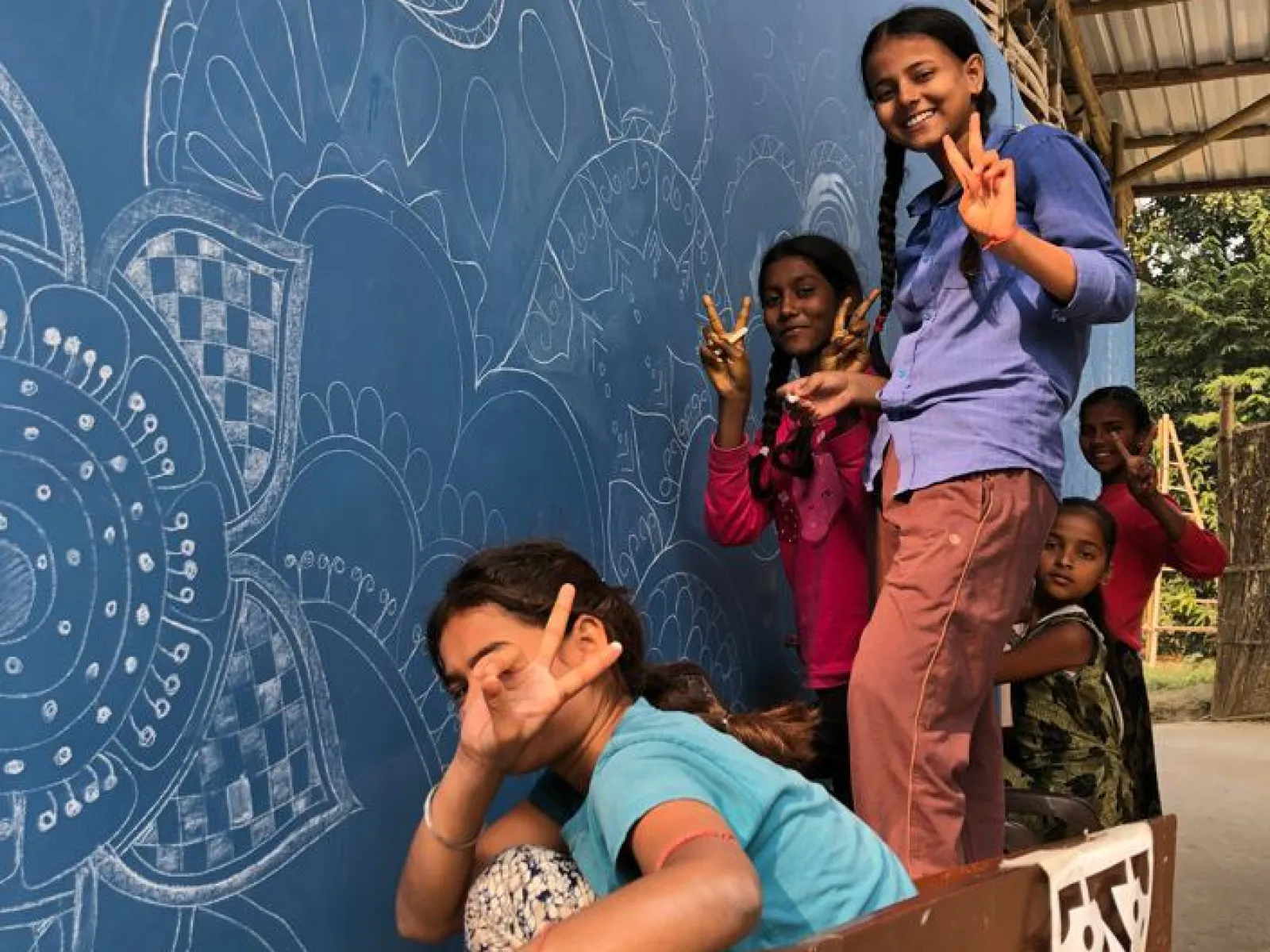
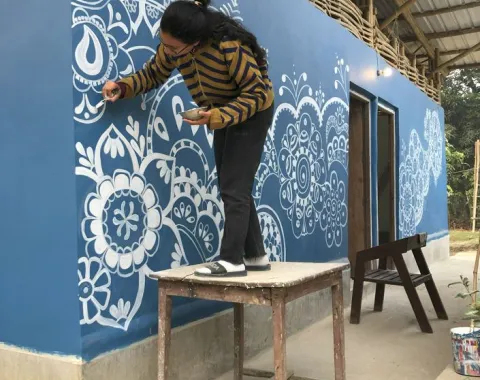
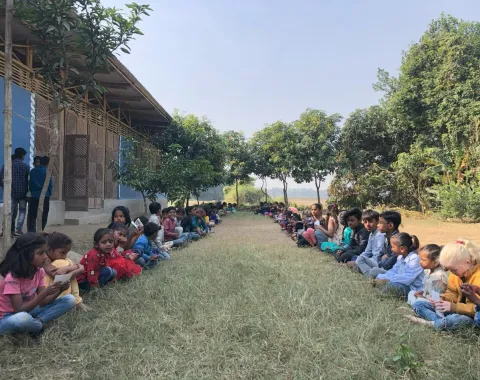
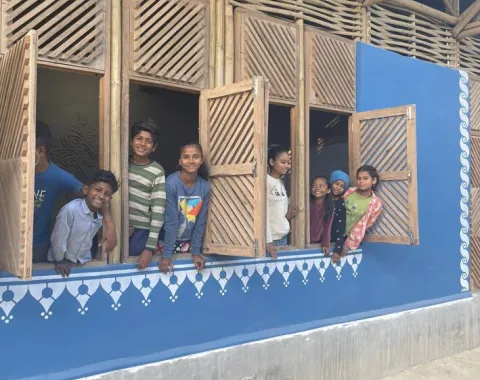
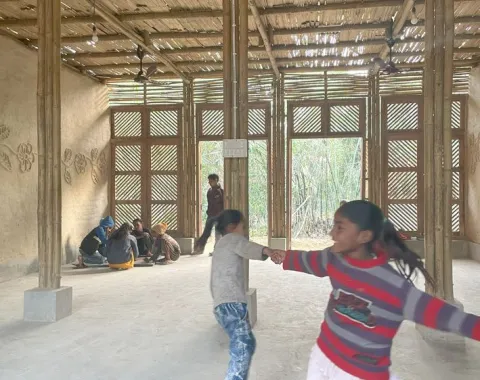
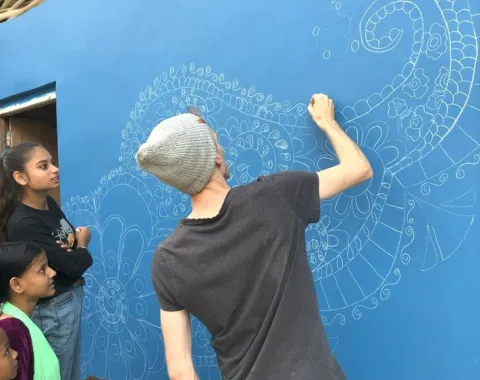
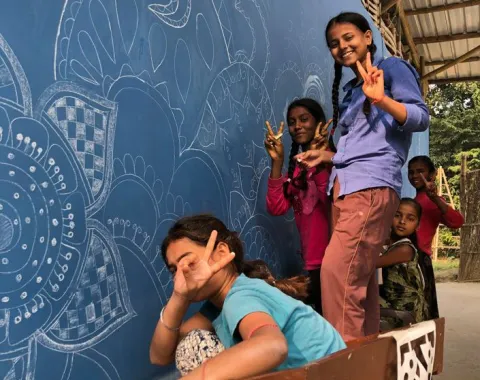
Alumna Isha Dhingra and PhD student Daniel Haselsberger are currently in the Indian state of Bihar to complete an important initiative: the construction of a school that began the year before last. Together with the schoolchildren and local villagers, they are now putting the finishing touches on the building.


Through their work on-site, Isha and Daniel aim not only to construct a school but also to create access to education – a step that will profoundly and sustainably impact the lives of many children and families.


This project demonstrates what can be achieved through dedication and collaboration. Education builds the future – and here, it is taking shape through collective effort.


More about the project: A school in India

Mention at the Piranesi Award 2024

Mention at the Piranesi Award 2024

Modell eines architektonischen Projekts mit zwei Gebäuden, umgeben von kahlen Bäumen. Das linke Gebäude hat ein geneigtes Dach, während das rechte ein Flachdach aufweist. Kleine Figuren und Fußspuren sind auf dem Boden sichtbar, was eine menschliche Präsenz andeutet.

The Piranesi Award, presented as part of the Piran Days of Architecture, is one of the most prestigious architectural awards in Central Europe. Since its inception, it has annually recognised outstanding projects by students and architects from across Europe. The aim of the award is to promote innovative architectural ideas characterised by quality, contextual sensitivity, and visionary approaches.


The Liechtenstein School of Architecture is delighted to announce that student Antonia Trager has received a "Mention" at the Piranesi Award 2024. Her project, “La mucca podolica”, developed under the supervision of Alberto Alessi and Anna Lohs, impressed the international jury with its design and innovative approach.


This year, a total of 39 student submissions from 21 European architecture schools were evaluated.


We warmly congratulate Antonia on this outstanding achievement.


For more information about the competition and the awardees, visit the official website: PIDA 2024.

Modell eines architektonischen Projekts mit zwei Gebäuden, umgeben von kahlen Bäumen. Das linke Gebäude hat ein geneigtes Dach, während das rechte ein Flachdach aufweist. Kleine Figuren und Fußspuren sind auf dem Boden sichtbar, was eine menschliche Präsenz andeutet.

The recent Educational Journey of the Master's programme in Innovative Finance to Singapore was truly transformative!

The recent Educational Journey of the Master's programme in Innovative Finance to Singapore was truly transformative!

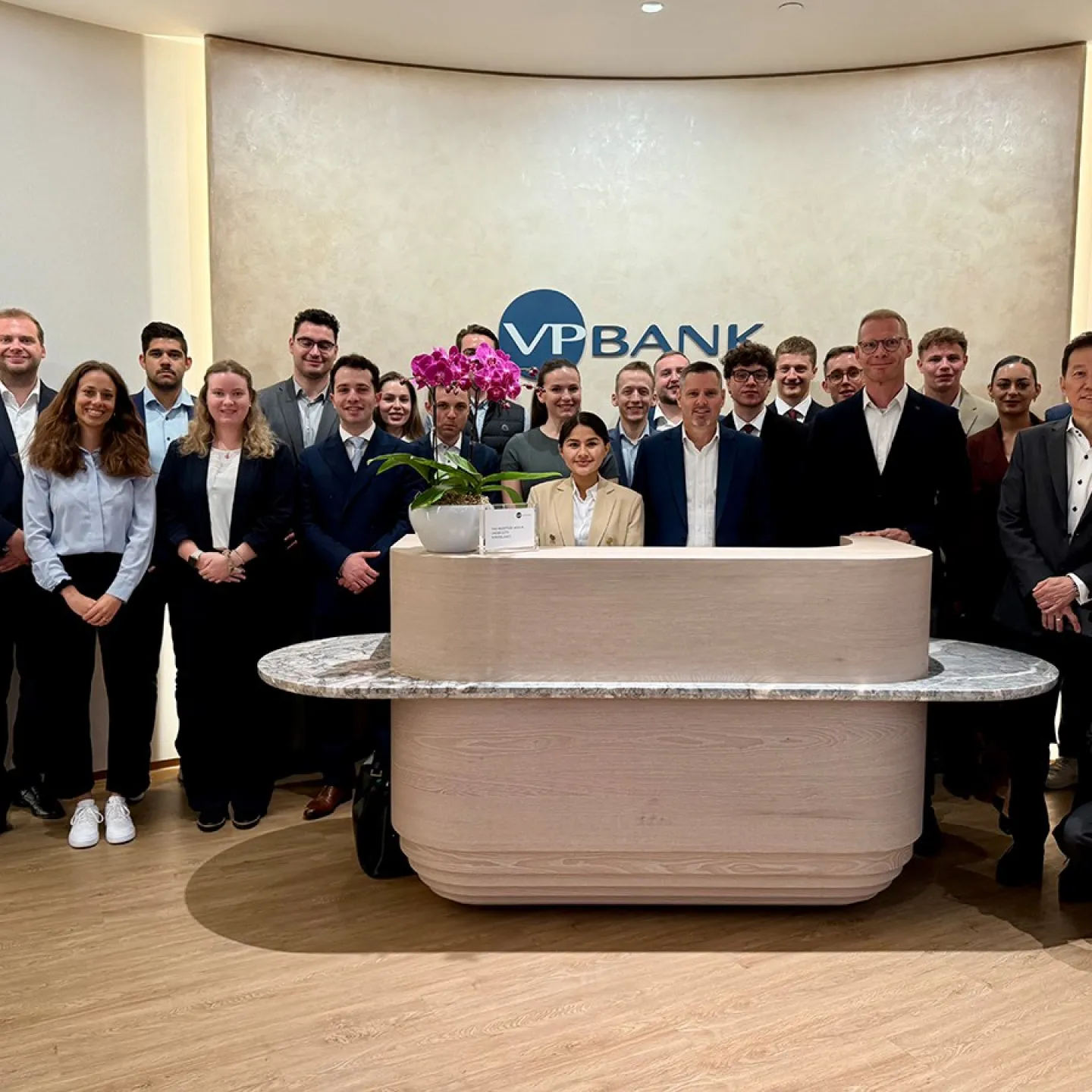
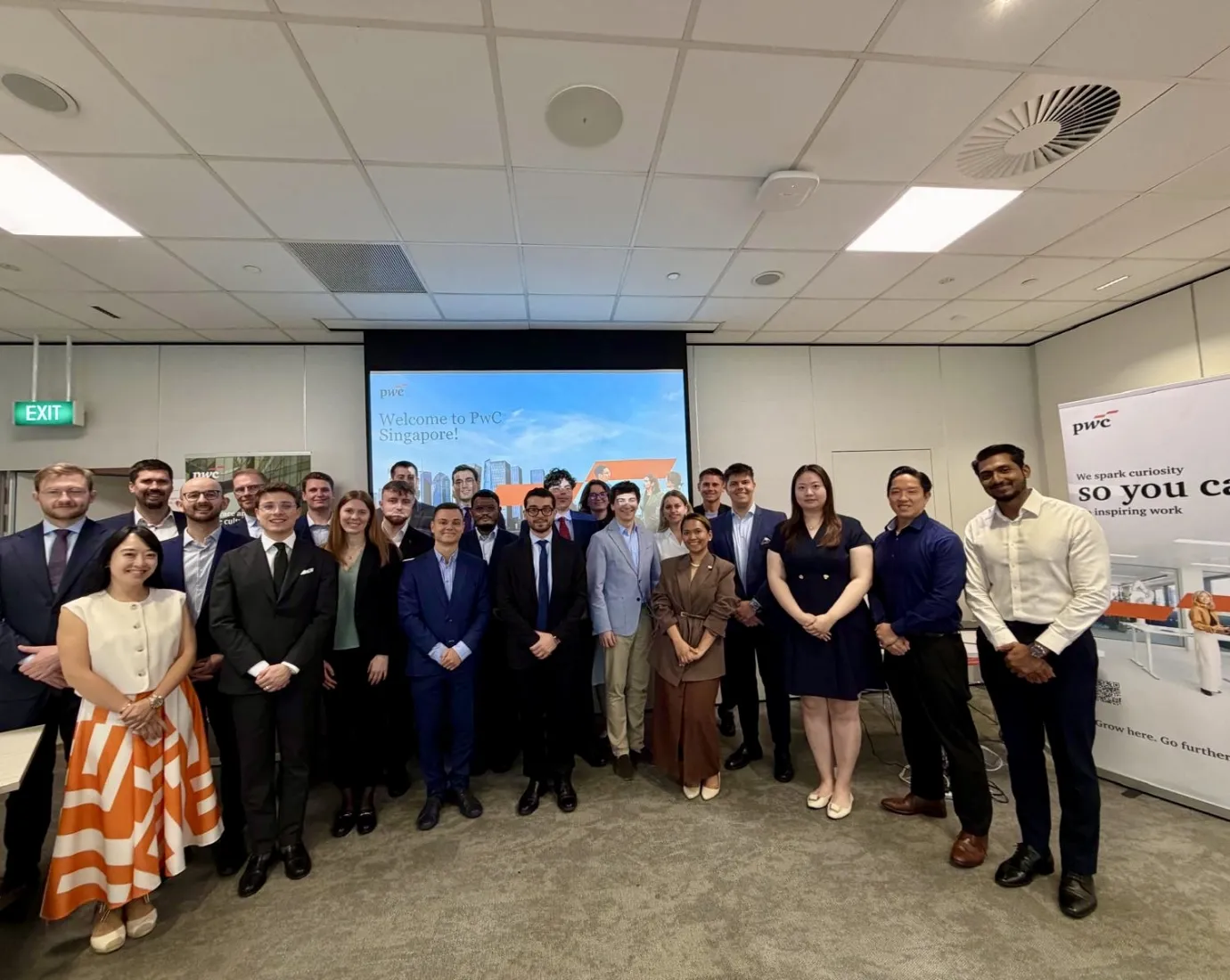
Gruppe von Studierenden und Fachleuten in formeller Kleidung steht in der Lobby der VP Bank. Im Hintergrund ist das Logo der Bank sichtbar. Die Szene vermittelt eine professionelle und lernorientierte Atmosphäre.

This year, the programme explored Southeast Asia - a region experiencing rapid economic growth and playing an increasingly strategic role in global finance. This trip was more than just an academic excursion; it was an eye-opening experience that reshaped how students view wealth management and the evolving financial landscape in Asia.


Throughout the week, students engaged with leading institutions across the finance sector. From exploring alternative assets at Alta Group and gaining market insights at CGS International Securities Singapore to learning about relationship-driven strategies at VP Bank Asia and blended finance solutions at LGT Private Banking - each session enriched their understanding from multiple angles.


They also gained valuable insights from Equanimity® (Blockchain) Holdings Pte. Ltd., Raffles Family Office, Julius Baer, and Deutsche Bank, highlighting how traditional and modern finance converge in Singapore. The visit to the Monetary Authority of Singapore (MAS) provided a comprehensive overview of regulatory frameworks, digital currency initiatives, and financial transformation in the region.


At Orbis Advisory, PwC Singapore, and SGX Group, students explored the elements that position Singapore as a global financial hub. They were also honored to be hosted by the Honorary Consul Gerald Ong and members of the Embassy of Switzerland in Singapore, which emphasized the importance of diplomacy in international finance.


Each visit contributed uniquely to the richness of the journey, offering insights that expanded the learning and sparked meaningful reflection.

Gruppe von Studierenden und Fachleuten in formeller Kleidung steht in der Lobby der VP Bank. Im Hintergrund ist das Logo der Bank sichtbar. Die Szene vermittelt eine professionelle und lernorientierte Atmosphäre.

Graduation Ceremony of the Certificate Program in Fiduciary Services

Graduation Ceremony of the Certificate Program in Fiduciary Services

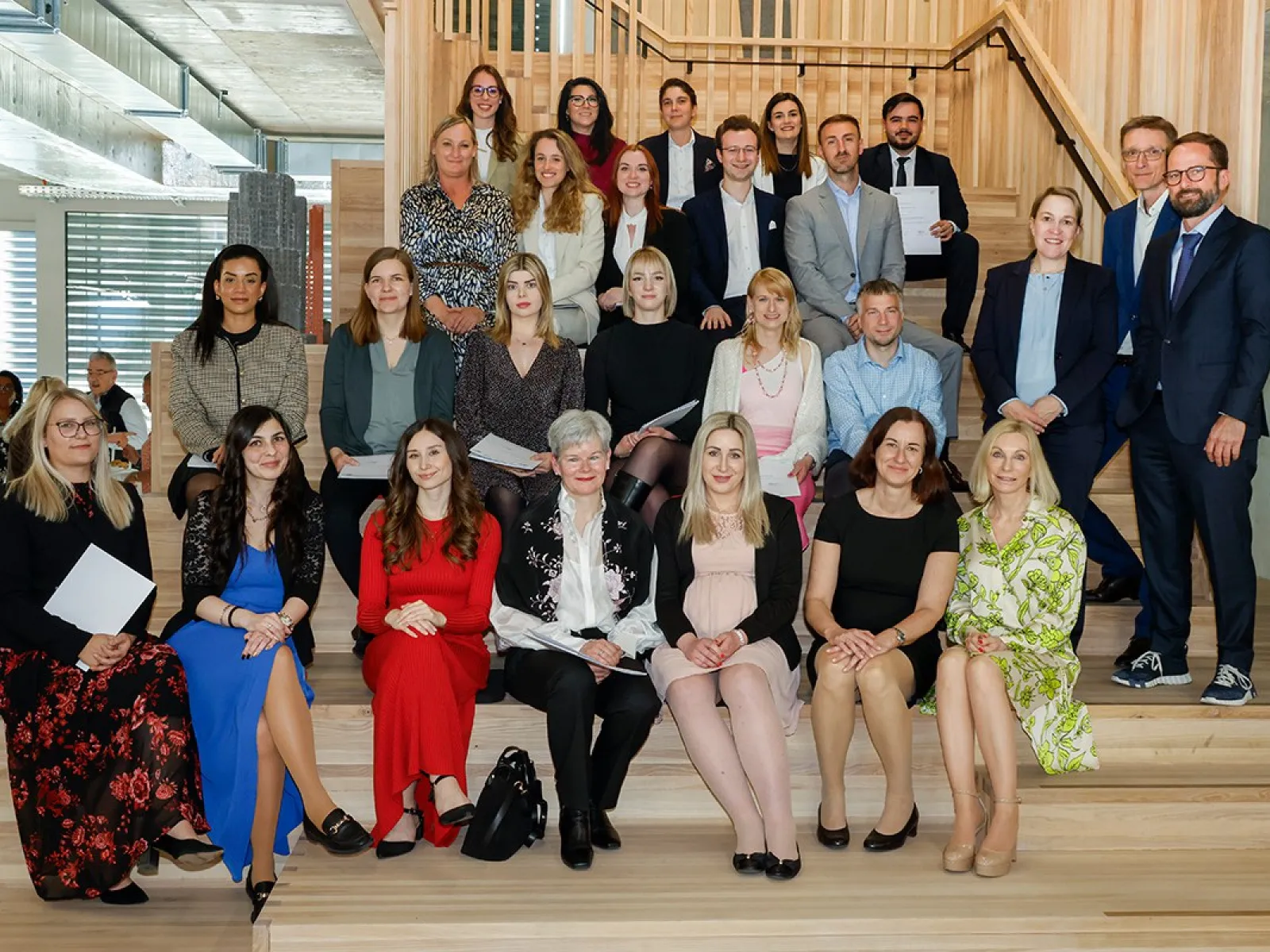
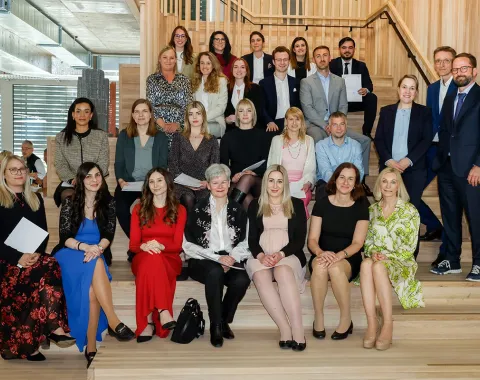
On 10 April 2025, the University of Liechtenstein bid farewell to 29 graduates of the Certificate Program in Fiduciary Services during a festive ceremony. These emerging professionals will now contribute their expertise to strengthening Liechtenstein's financial centre.


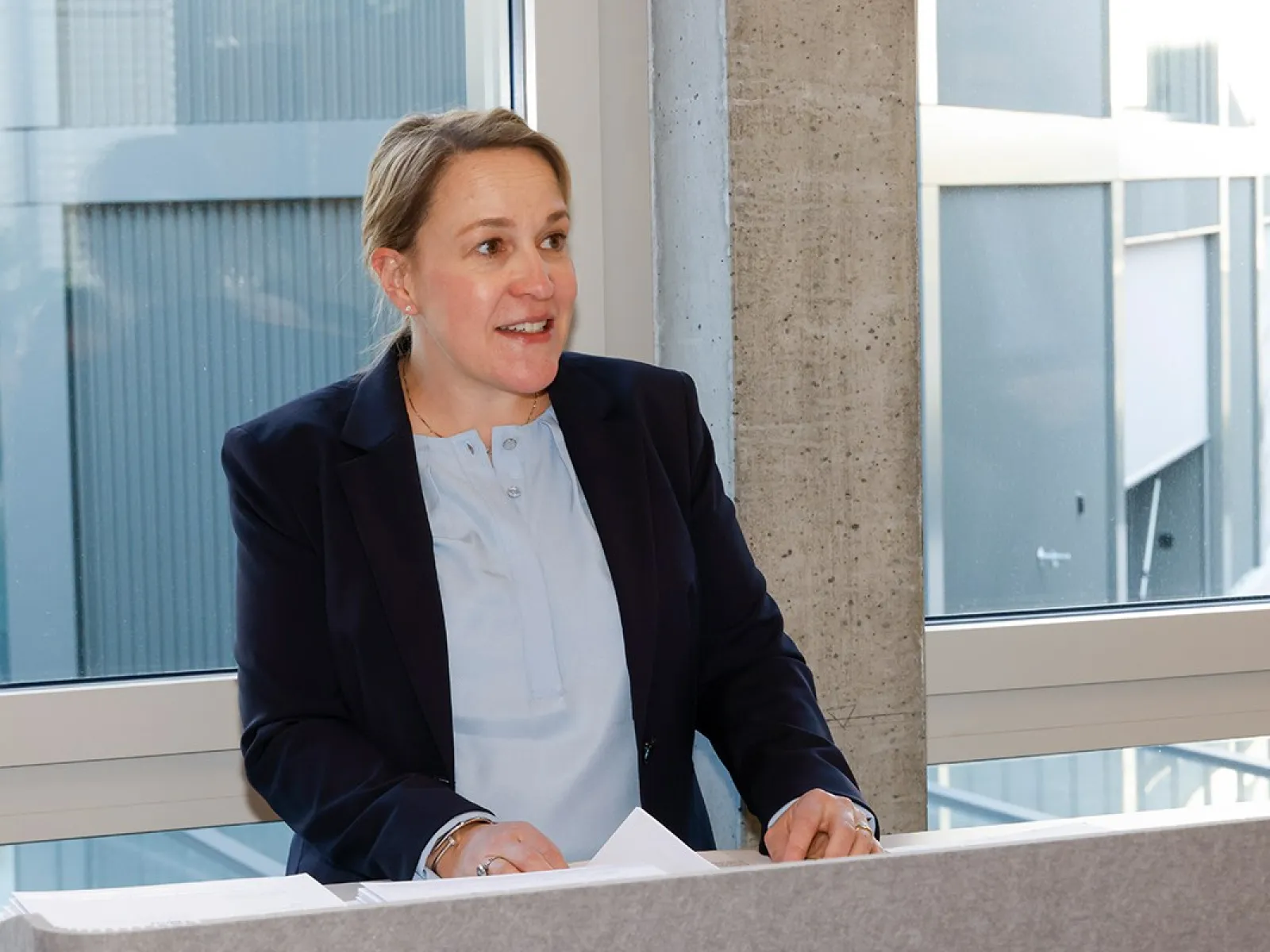
Prof. Dr. iur. Alexandra Butterstein, LL.M., Dean of the Liechtenstein Business Law School, welcomed the graduates and emphasized in her commencement address the growing importance of qualified fiduciary professionals in today’s increasingly complex international financial landscape. She then awarded the certificates in recognition of the students’ achievements and congratulated them on their successful graduation.


Award for Outstanding Academic Achievement


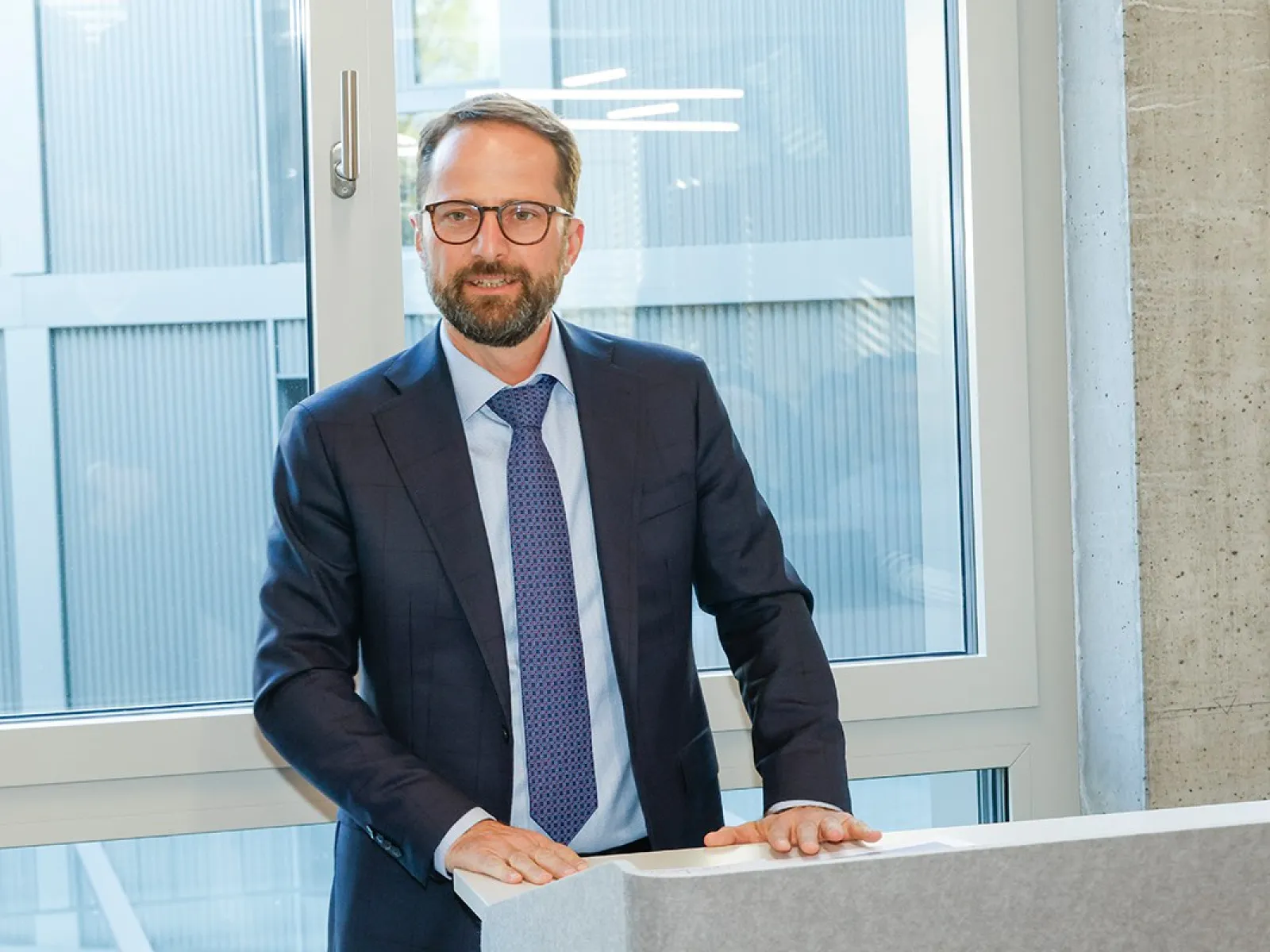
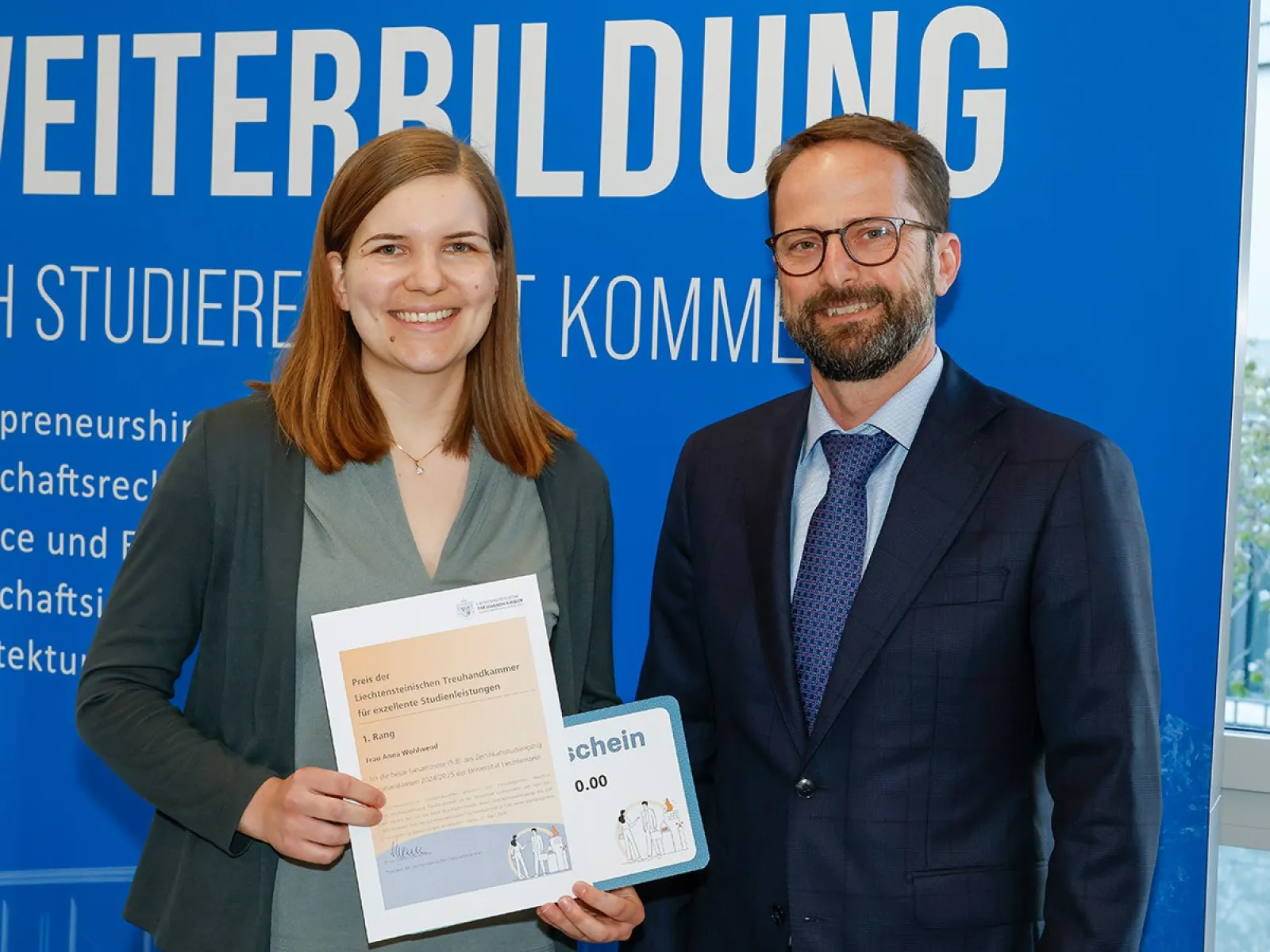
A highlight of the ceremony was the presentation of the Liechtenstein Institute of Professional Trustees and Fiduciaries Award. Dr. Stefan Wenaweser, President of the Institute, presented the prize to Anna Wohlwend, who graduated with top honors. This award reflects the long-standing and successful collaboration between the University of Liechtenstein and the Liechtenstein Institute of Professional Trustees and Fiduciaries.


Most of the graduates will continue their academic journey by enrolling in the advanced Diploma Program in Fiduciary Services at the University of Liechtenstein, further deepening their expertise. Prof. Dr. iur. Alexandra Butterstein, LL.M. and Dr. Stefan Wenaweser wish all graduates continued success in both their academic and professional careers.

Fathers as Breadwinners, Mothers as Caregivers? New Study Exposes Harmful Gender Roles

Fathers as Breadwinners, Mothers as Caregivers? New Study Exposes Harmful Gender Roles

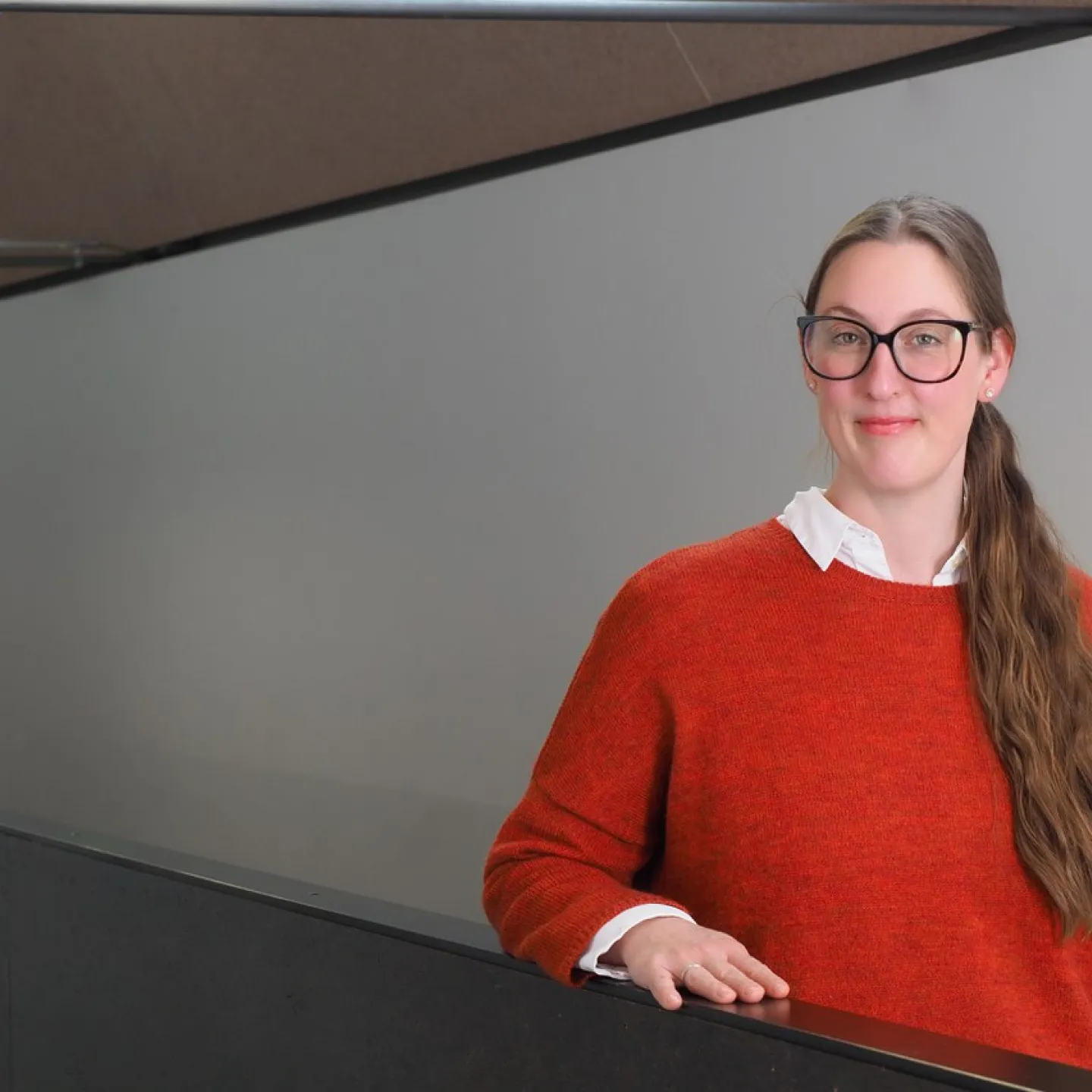
Eine Person mit Brille und langem Haar steht in einem modernen Gebäude und trägt einen roten Pullover. Sie lächelt leicht und lehnt sich an ein Geländer.

Why does true gender equality in the workplace often remain an unattainable goal? A new study reveals that deeply ingrained ideas about motherhood and fatherhood significantly influence family roles, ultimately disadvantaging women in their careers.


Associate Professor Dr. Lindsay Howe from the University of Liechtenstein, along with researchers from the University of Cardiff and the Institute for Voluntary Action Research, examined how entrenched gender roles shape everyday life for families in South Africa – with surprising findings.


The study, based on focus groups, ethnographic research, and innovative data collection using "Volunteered Geographic Information" (VGI), found that many people – regardless of gender – still perceive fathers primarily as "breadwinners." As a result, many fathers fulfill their parenting duties only in brief moments between professional obligations. The researchers call this phenomenon "parenthetical parenting," which further reinforces existing inequalities.


What makes this particularly concerning is that the gap between ideal and reality affects families across all social classes. While many fathers aspire to take a more active role in parenting, societal and economic structures often prevent them from doing so. At the same time, the bulk of caregiving responsibilities still falls on mothers – with far-reaching consequences for their professional development.


Published in the renowned journal The Professional Geographer, this study builds on previous research by the authors. In a Time Magazine article (https://time.com/6249410/secret-tax-women-time/), they explored the hidden costs women bear due to caregiving responsibilities. The new findings now highlight that the issue is not just about mothers but also the challenges faced by fathers who wish to be more involved.


One thing is clear: As long as these traditional gender roles persist, true equality will remain elusive. However, the study’s insights could pave the way for a fairer distribution of work and caregiving responsibilities.


More about the study: https://www.uni.li/de/forschung/forschungsaktivitaeten/veroeffentlichungen/publikationen/@@publication_detail/9837.67

Eine Person mit Brille und langem Haar steht in einem modernen Gebäude und trägt einen roten Pullover. Sie lächelt leicht und lehnt sich an ein Geländer.
Subscribe to