Skip to Main Content

New Deputy Chairman Elected to the Senate

New Deputy Chairman Elected to the Senate

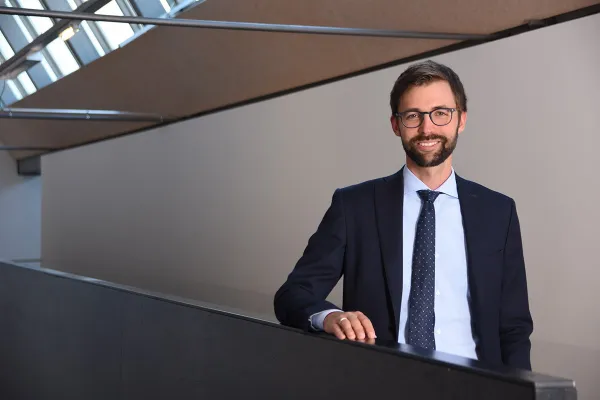
Ein Mann in Anzug und Krawatte steht lächelnd in einem modernen Gebäude mit schrägen Decken und großen Fenstern.

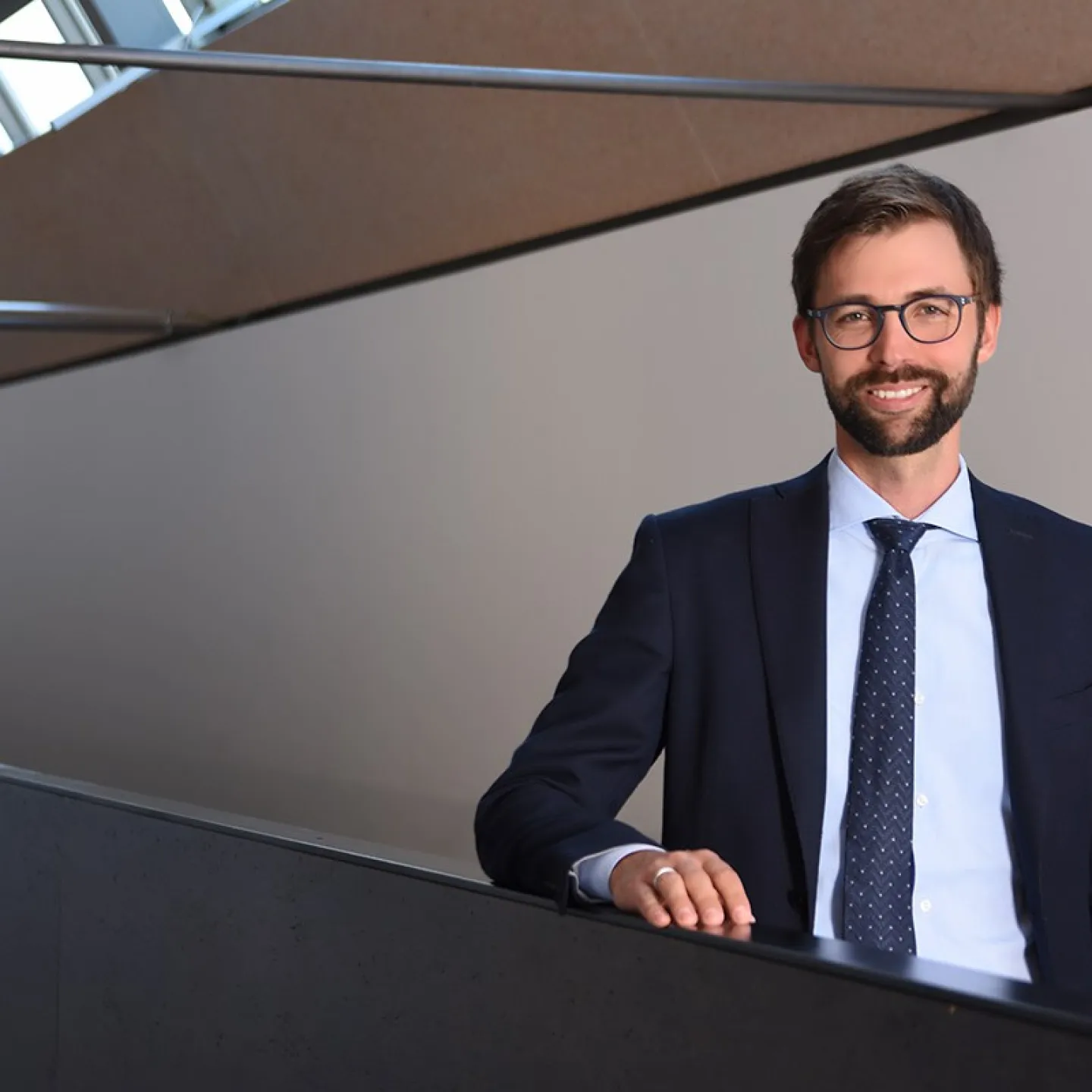
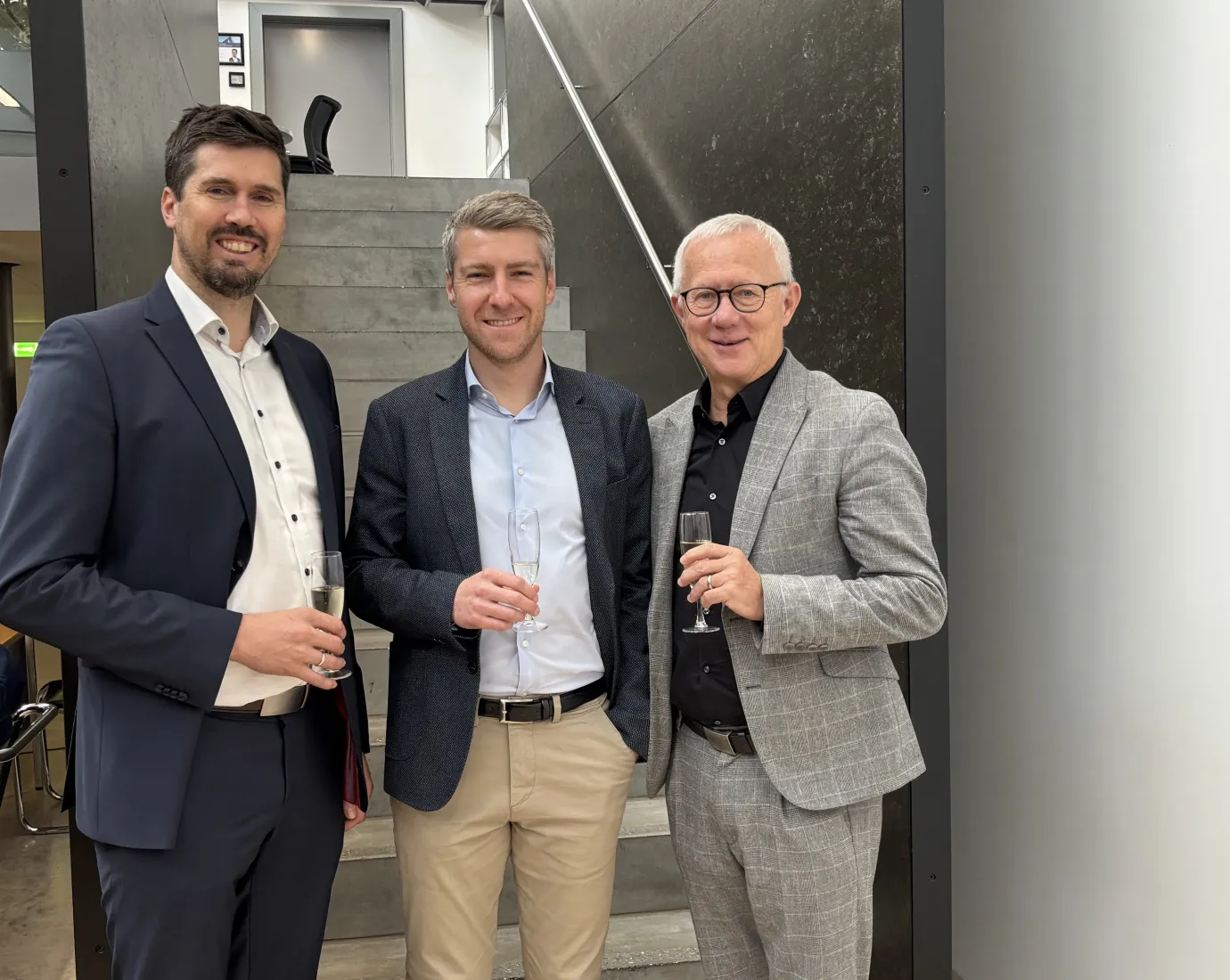
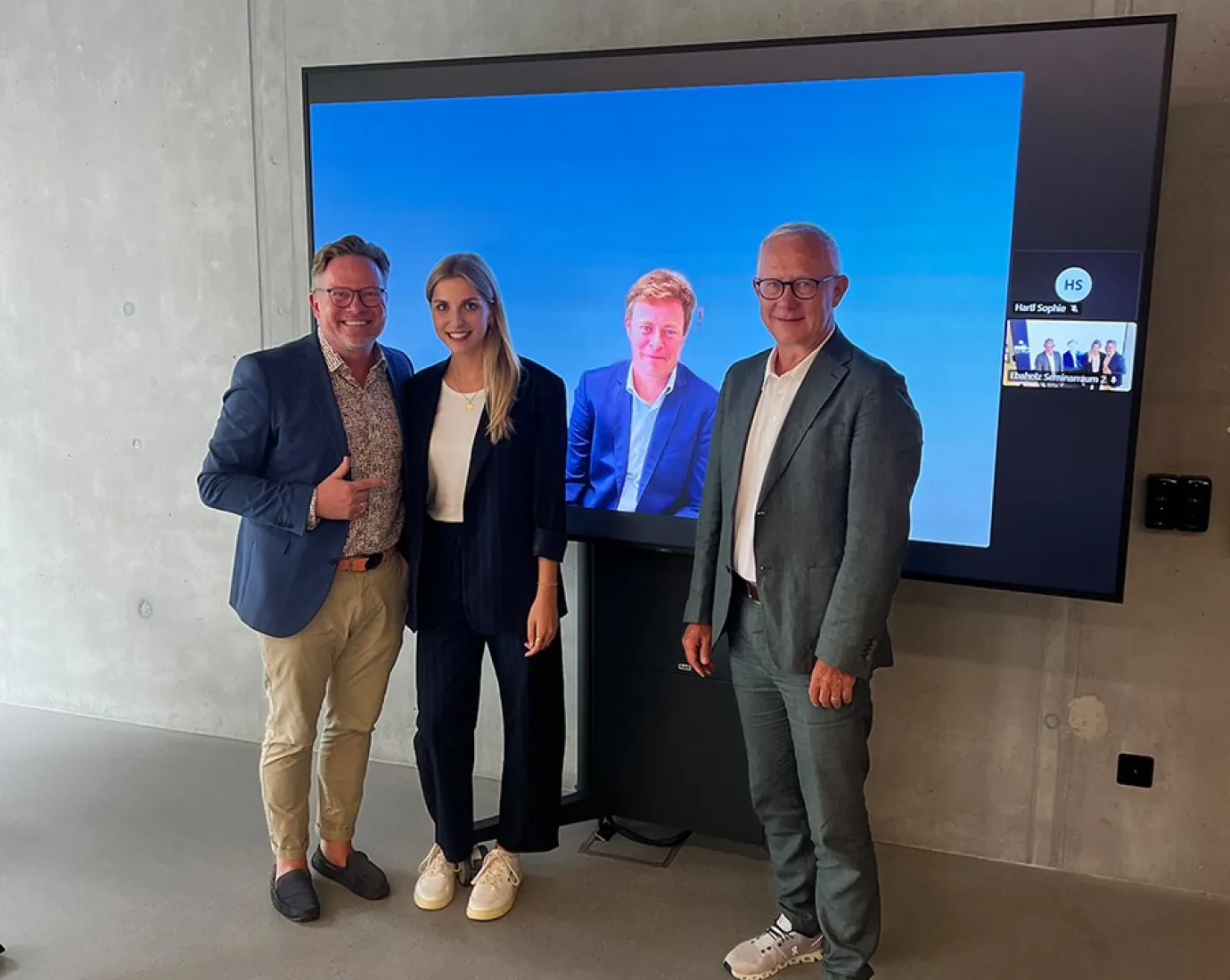
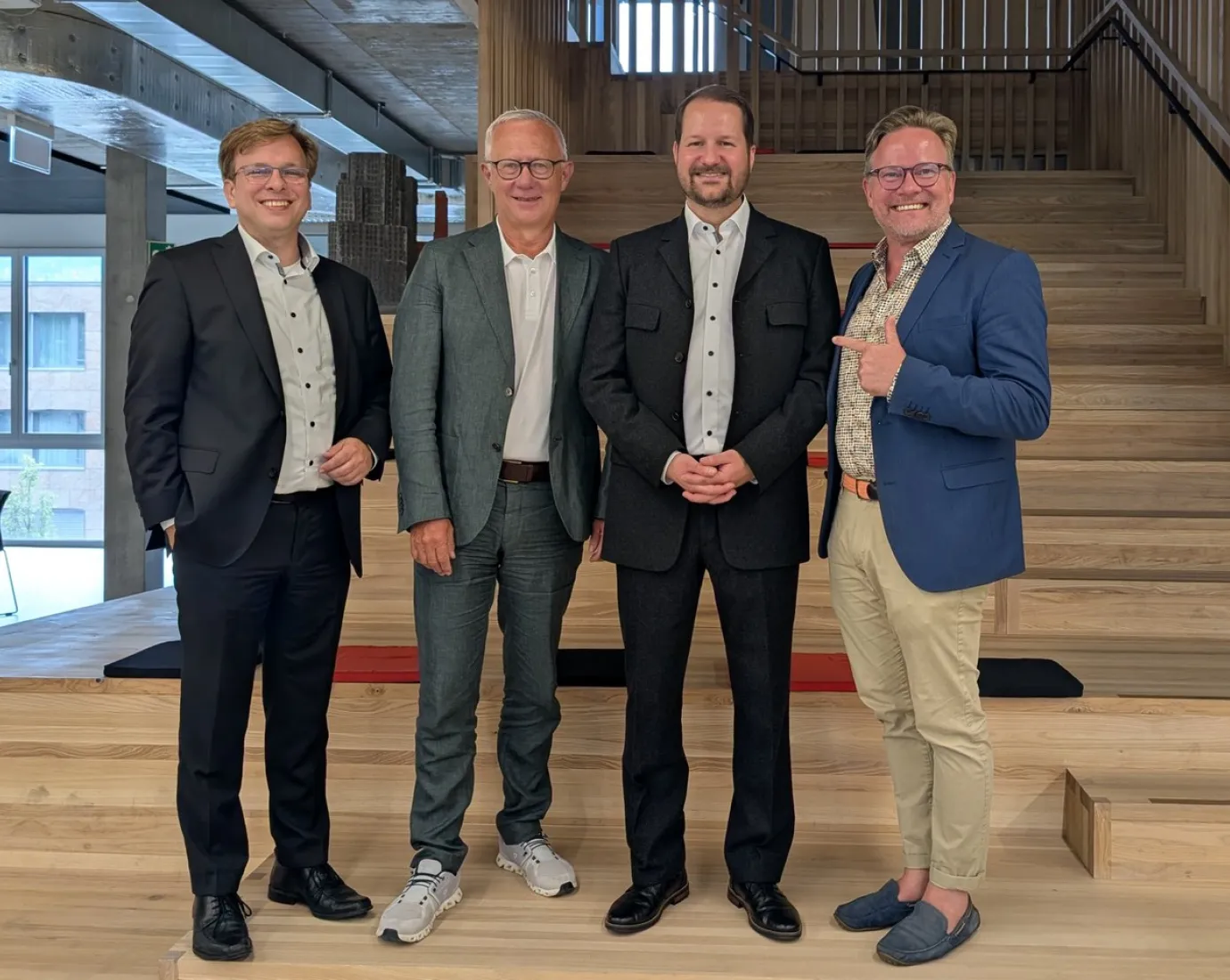
Prof. Dr. Bernhard Burtscher was elected Deputy Chair of the Senate of the University of Liechtenstein on Wednesday, 2 July 2025, with 20 valid votes and 1 invalid vote. He succeeds Prof. Dipl. Arch. ETH Urs Meister, who has reached the end of his term of office.

Ein Mann in Anzug und Krawatte steht lächelnd in einem modernen Gebäude mit schrägen Decken und großen Fenstern.

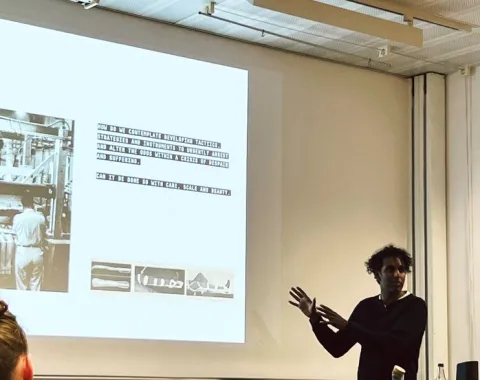
Guest Lecture by Antonia Trager at Bauhaus-University Weimar

Guest Lecture by Antonia Trager at Bauhaus-University Weimar

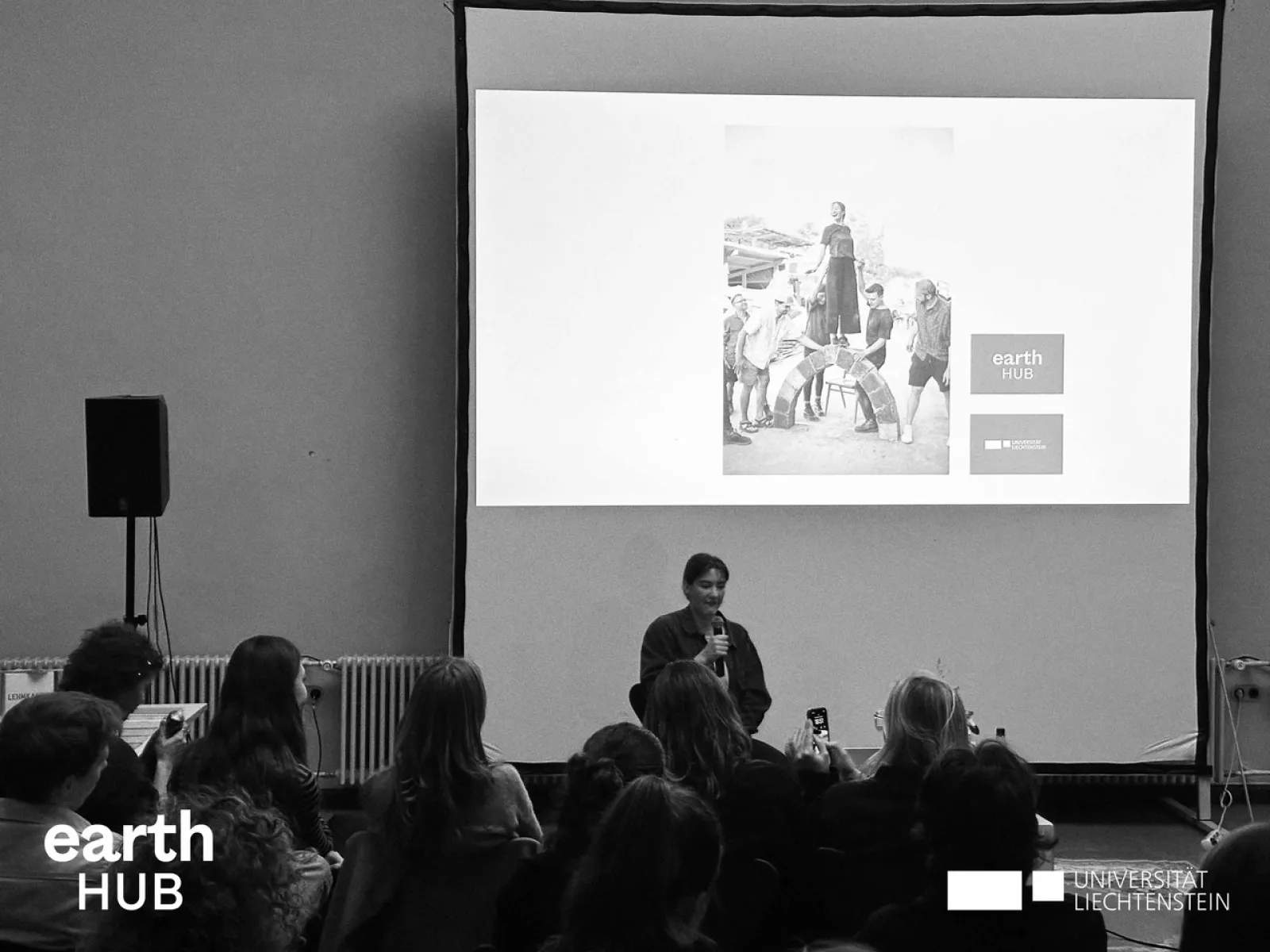
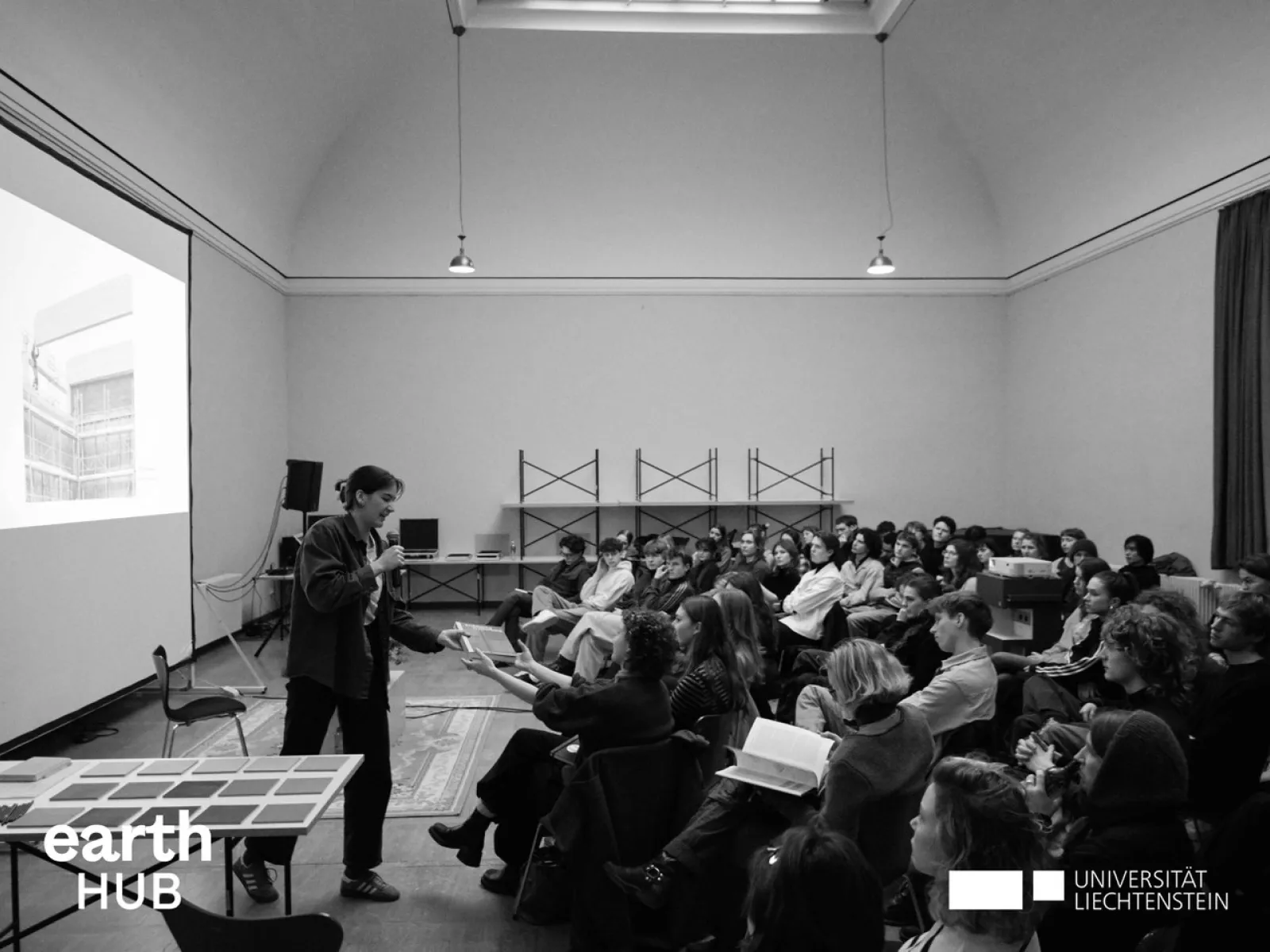
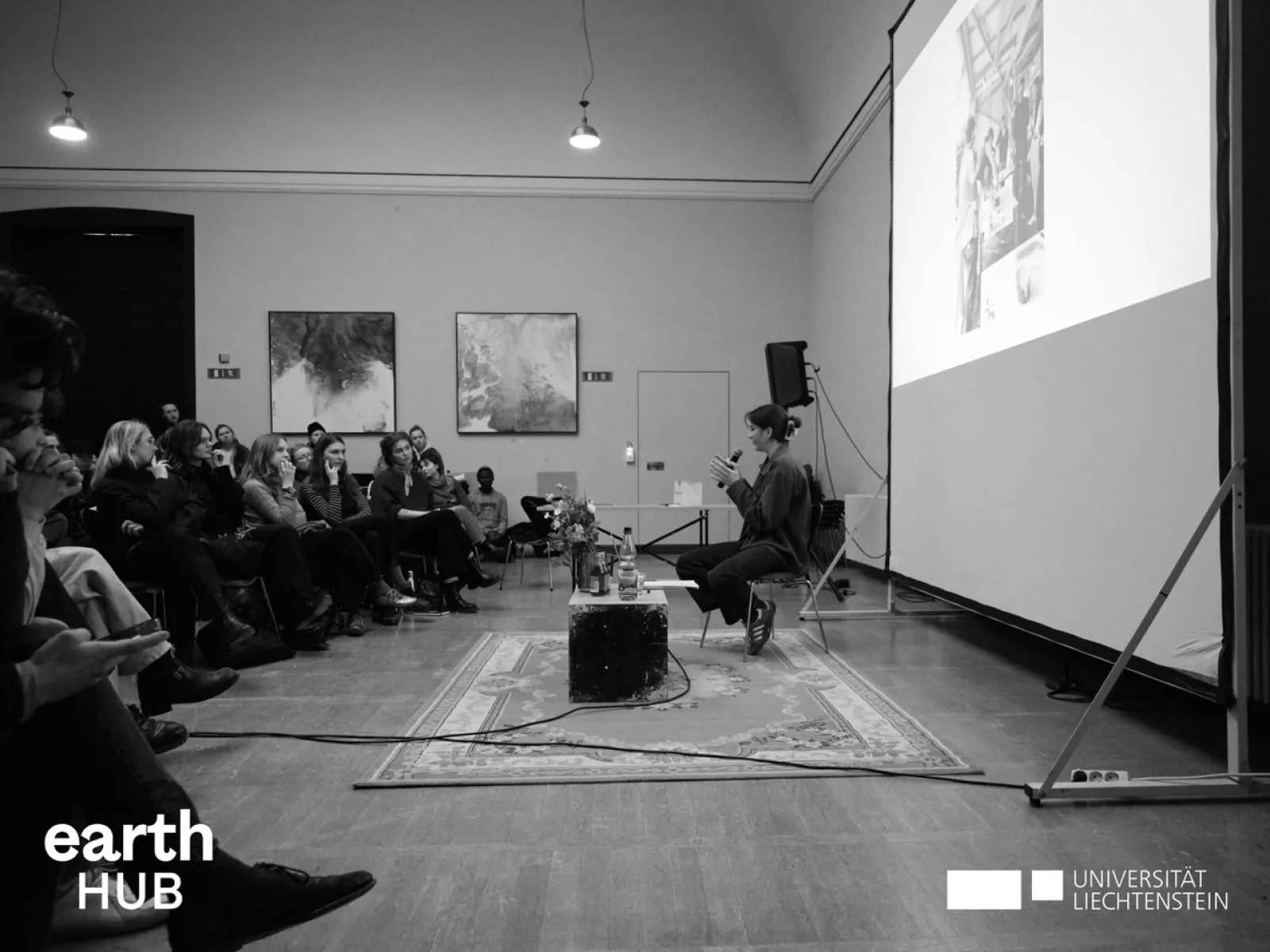
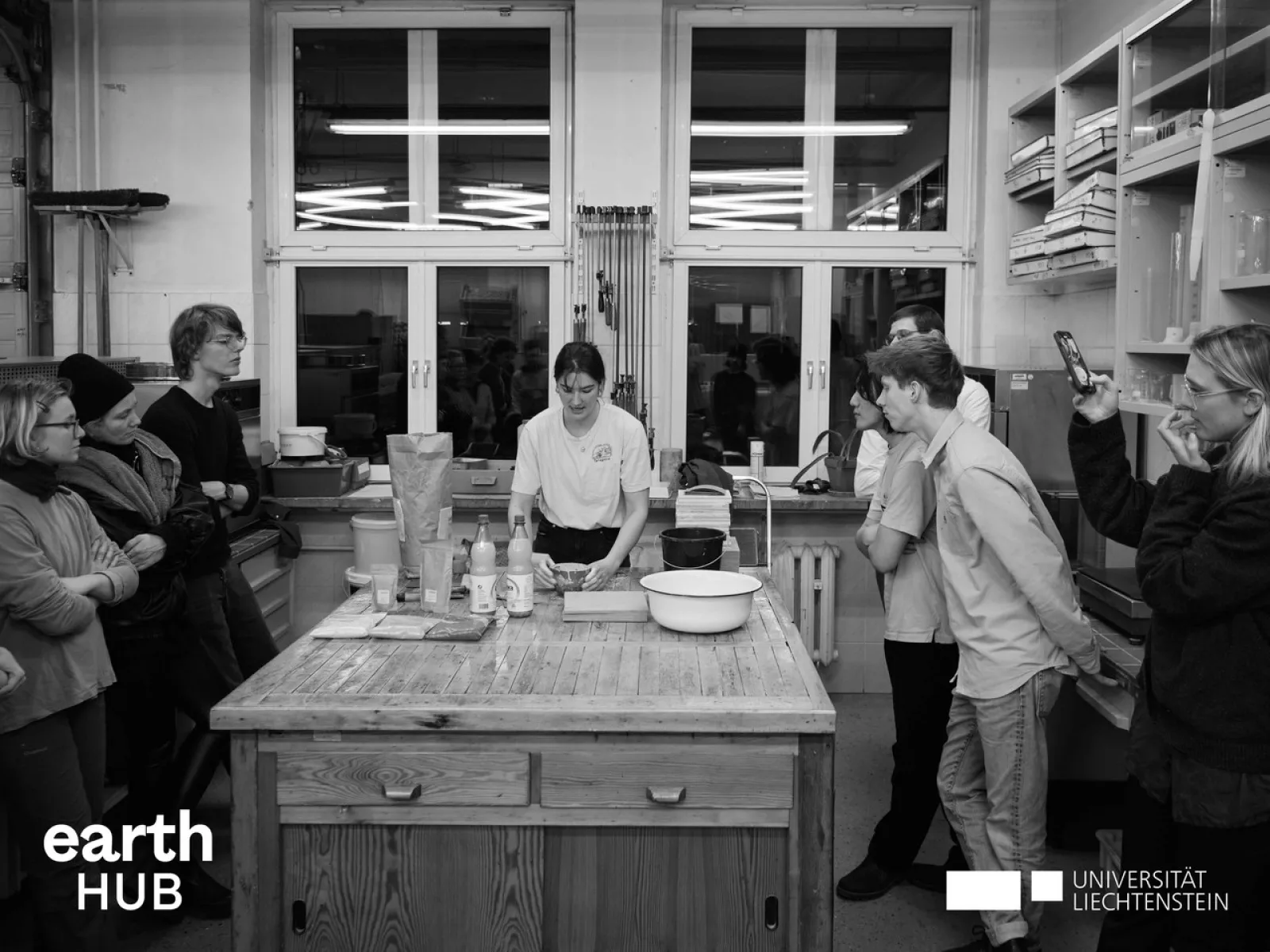
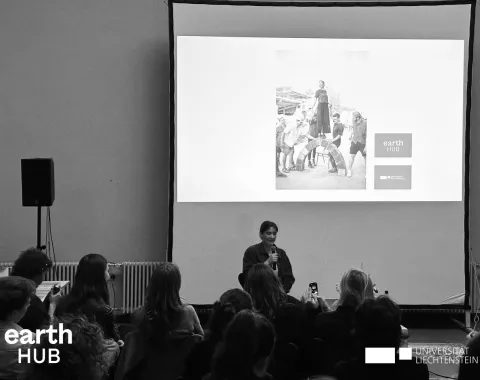
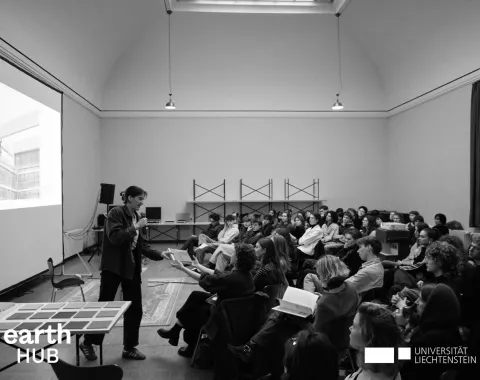
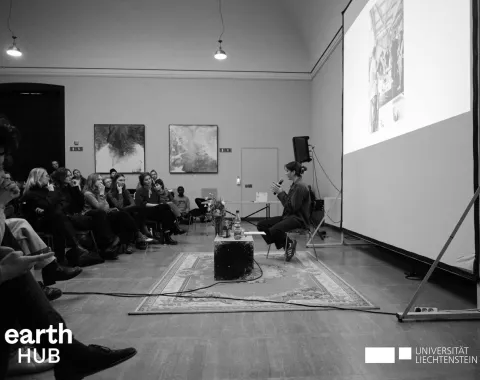
In January 2025, Antonia Trager, a student assistant and Master's student at the University of Liechtenstein, delivered a guest lecture at Bauhaus-University Weimar. The invitation was extended as part of the university-wide lecture series Tomorrow’s Menu, organised by horizonte.


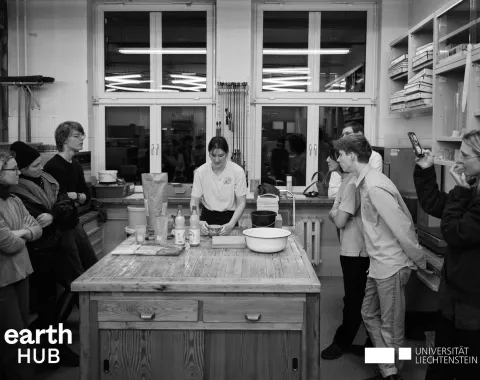
In her dual role, Antonia Trager spoke on behalf of the company Lehm Ton Erde as well as the earth HUB at the University of Liechtenstein. Her lecture focused on the philosophy and sustainable possibilities of earthen construction—particularly the material clay casein.


The event attracted great interest: both the lecture and the subsequent workshop were fully booked. Participants had the opportunity to experiment with the material themselves and engage in an in-depth exploration of the properties and applications of sustainable building materials.


The company Lehm Ton Erde was founded by Martin Rauch, who has been combining traditional craftsmanship with innovative technologies in earthen construction for over 30 years. His main focus is on rammed earth techniques, which enable resource-efficient building with a high standard of design quality. In recognition of his outstanding contributions to this field, Martin Rauch was awarded an honorary doctorate by the University of Liechtenstein in 2023.


Through this guest lecture and workshop, an important contribution was made to the discussion on sustainable building, fostering an exciting exchange between research, practice, and education.

Architecture by Dessert with Atelier Auf’strich

Architecture by Dessert with Atelier Auf’strich

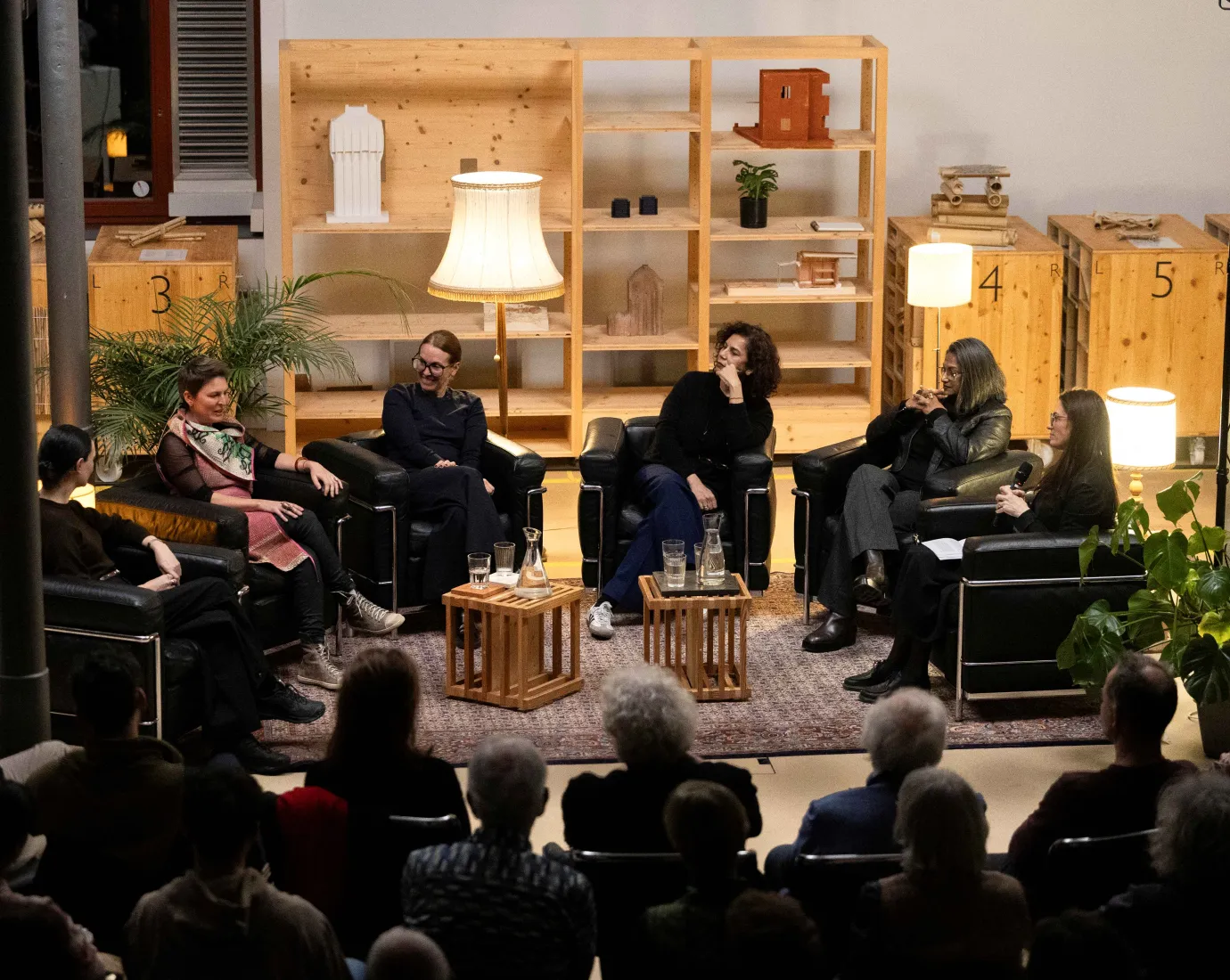
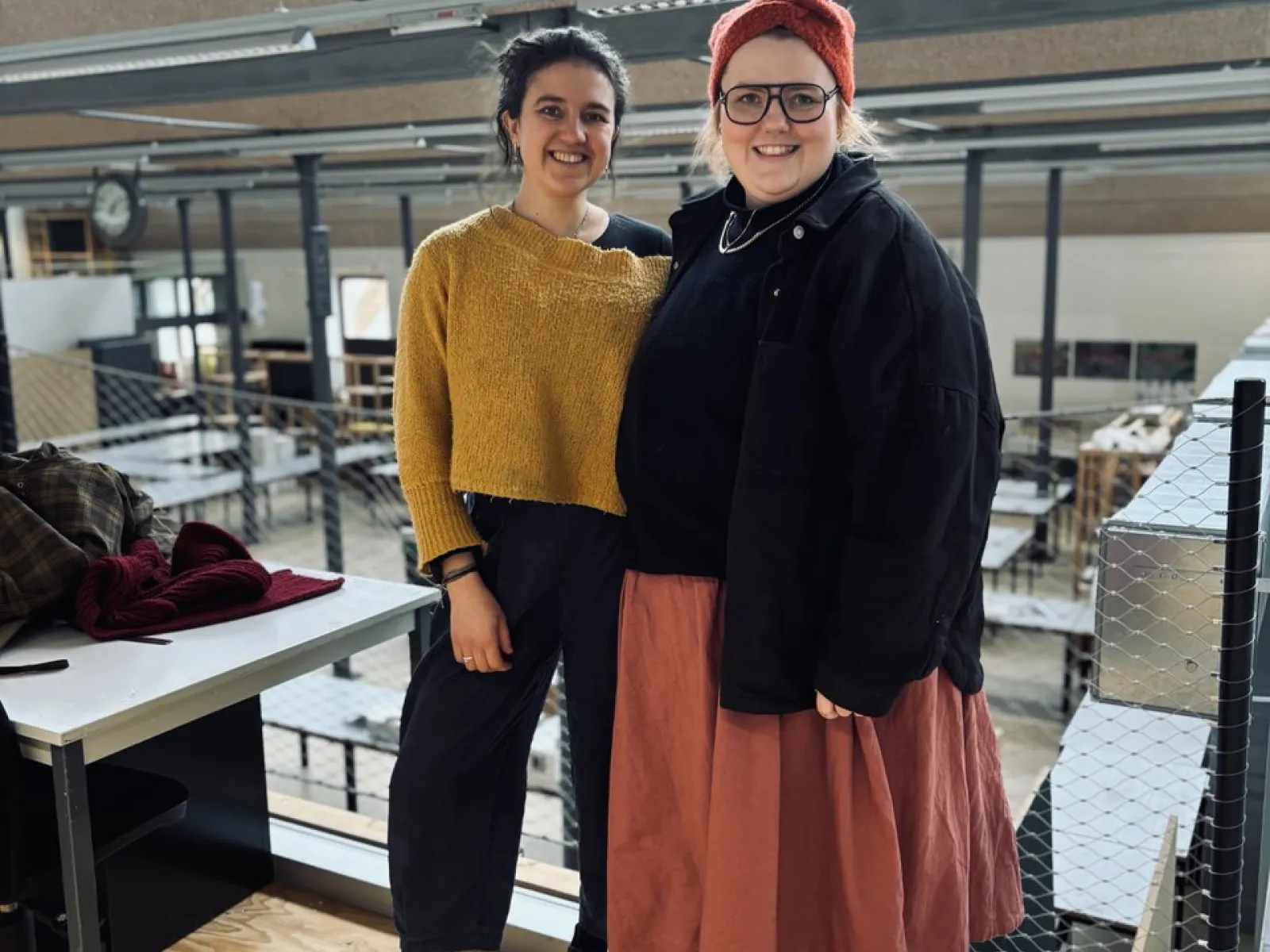
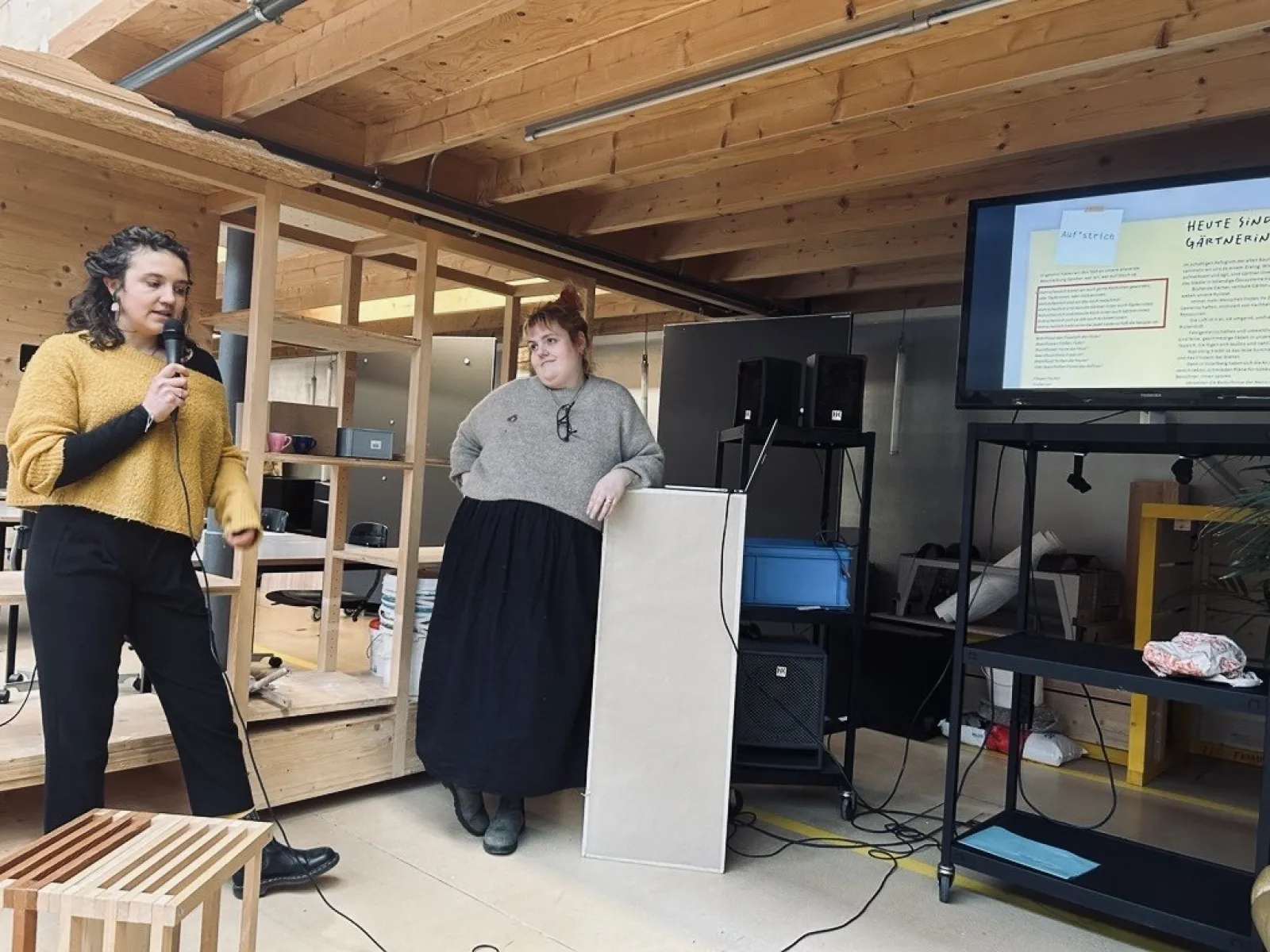
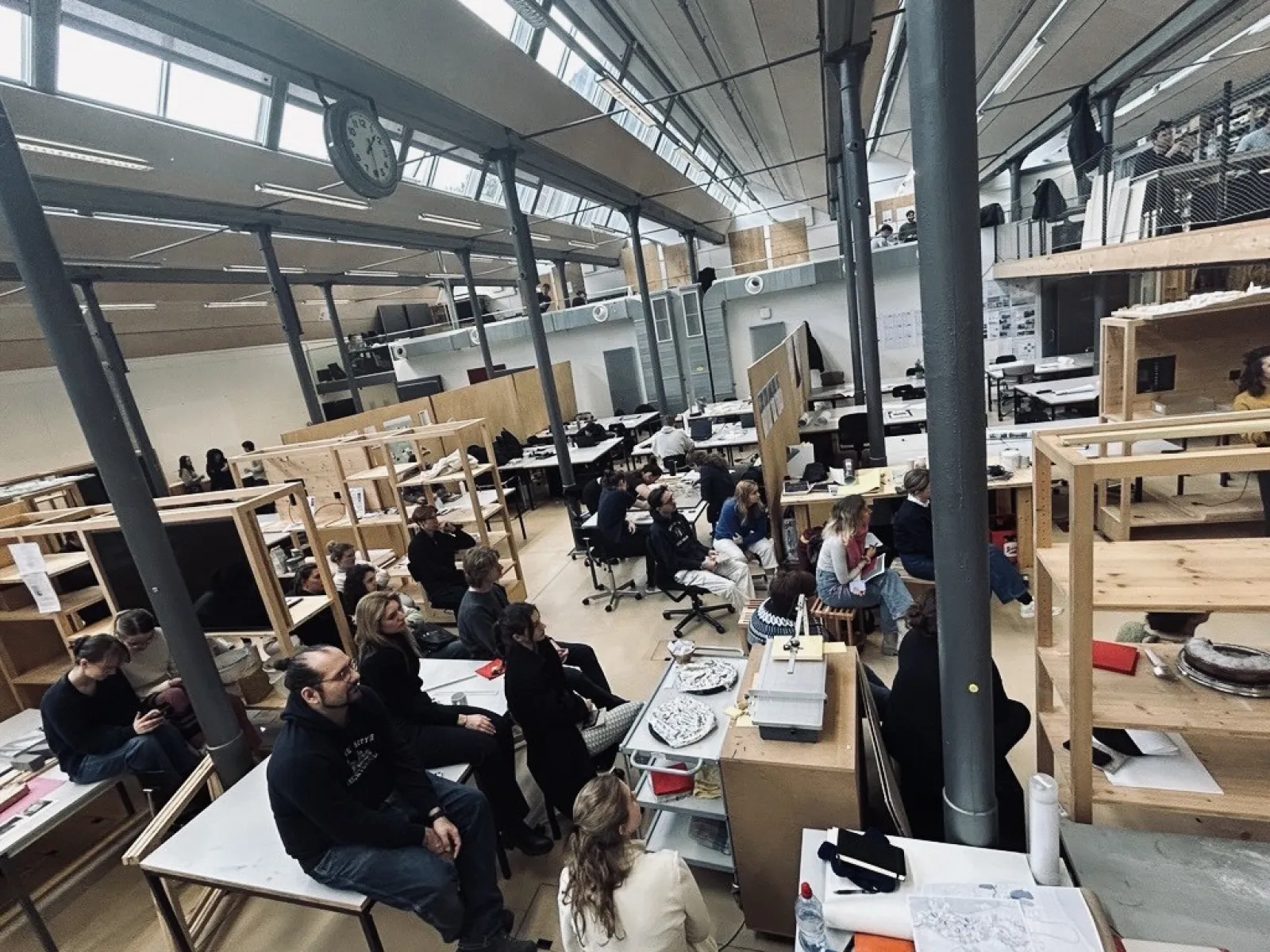
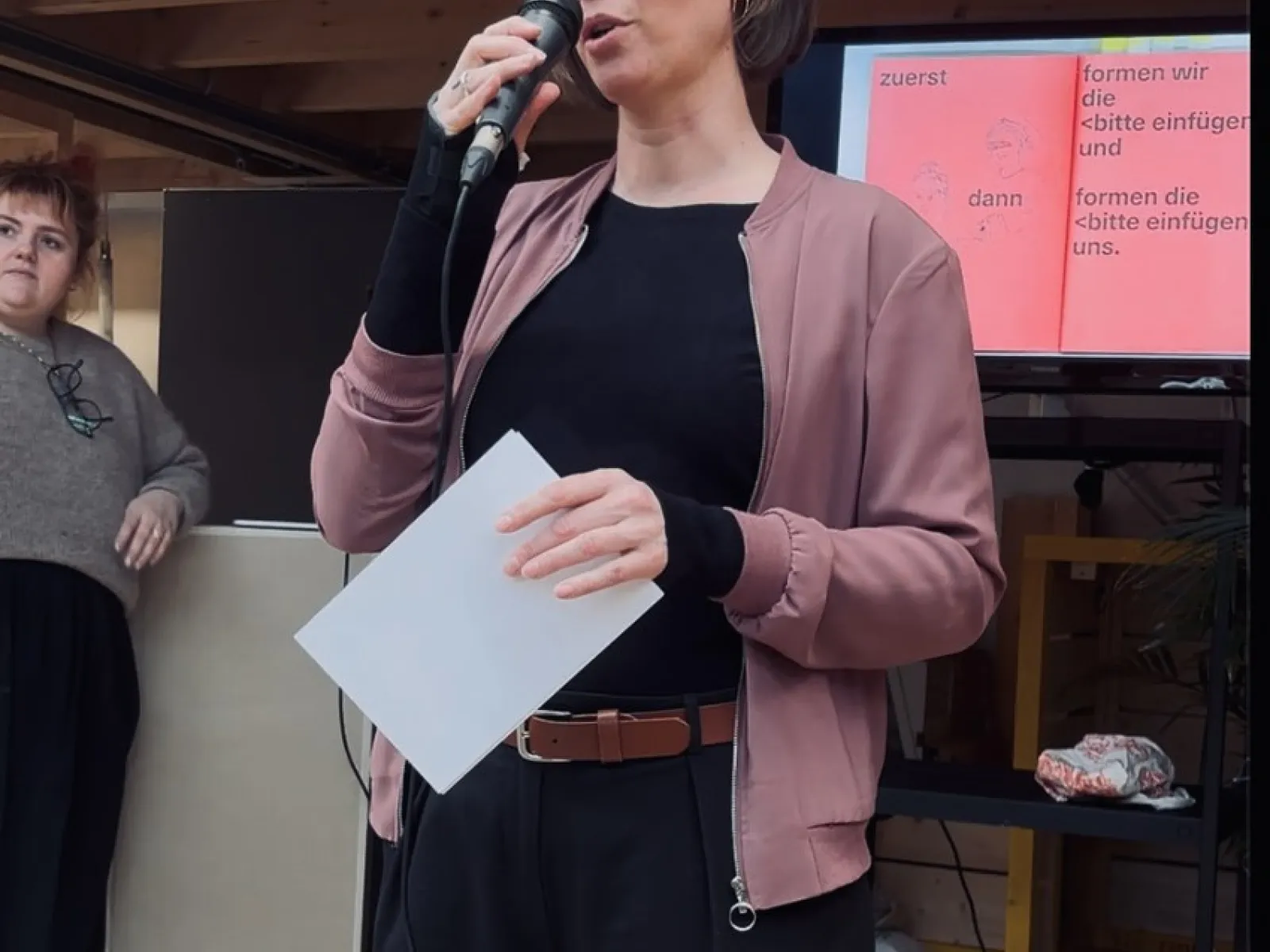
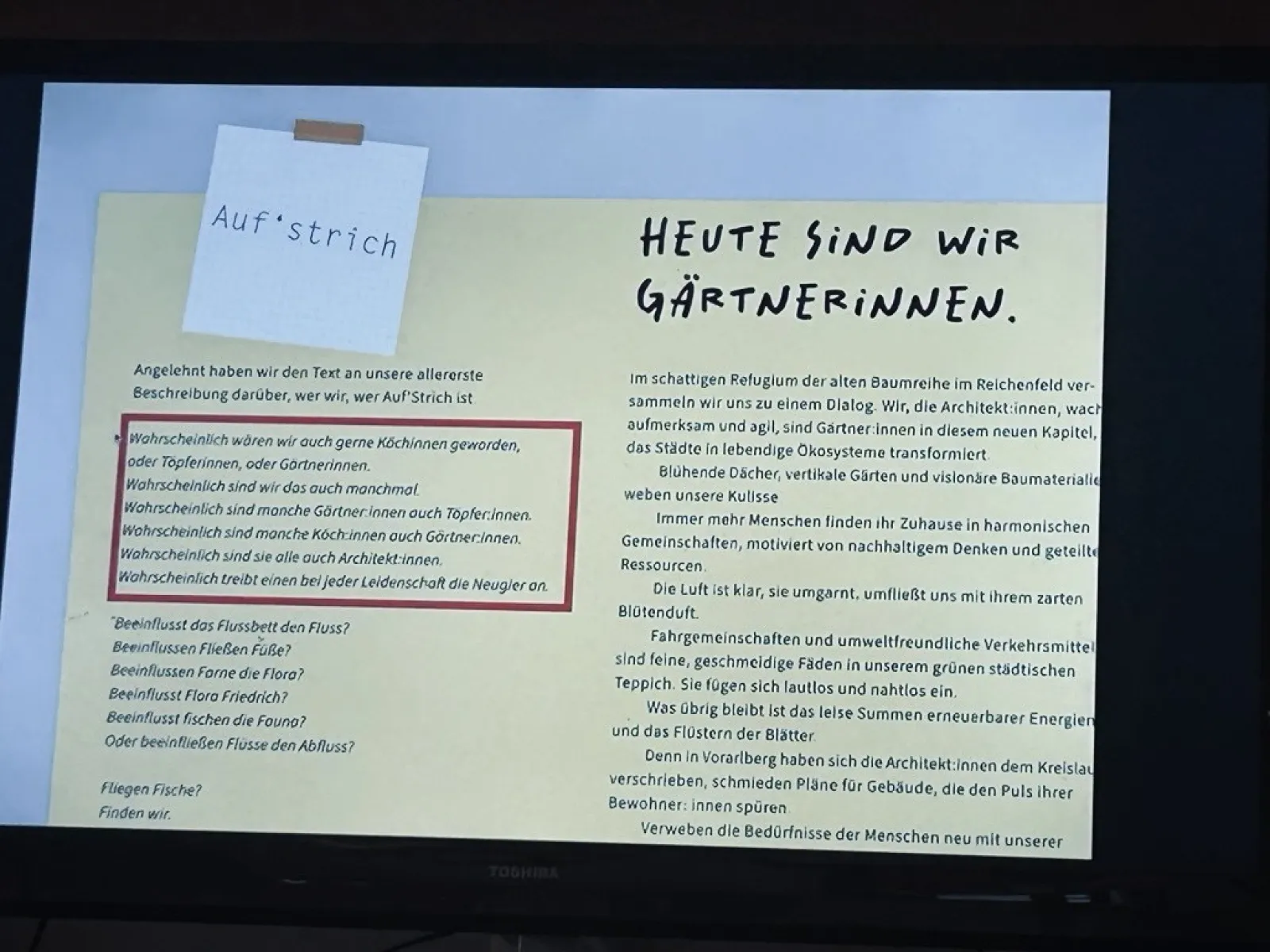
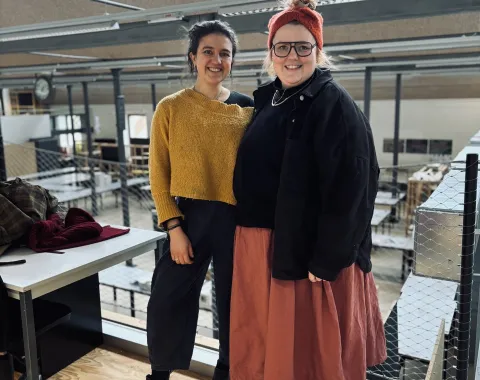
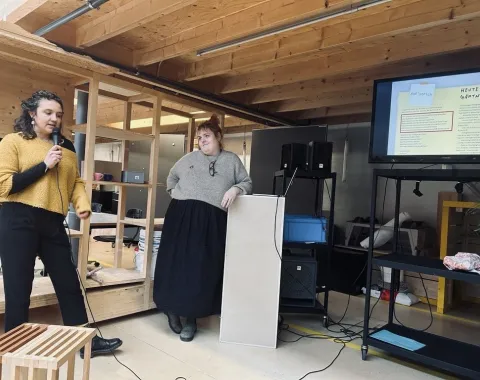
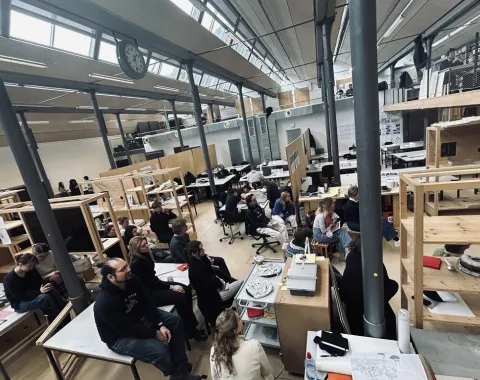
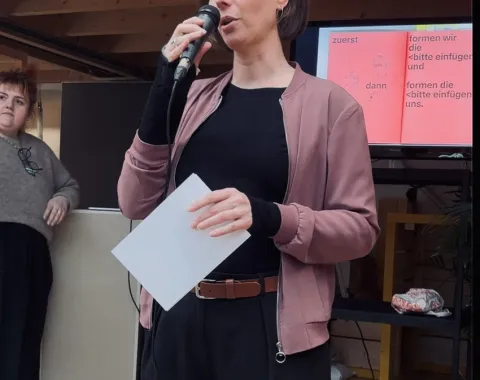
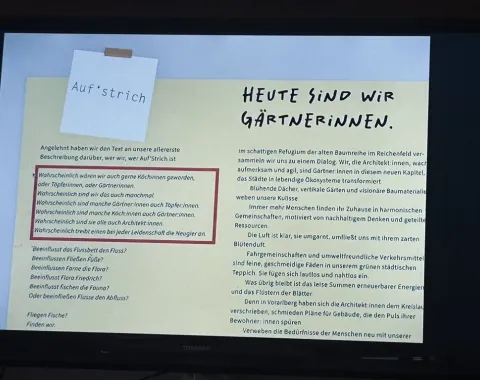
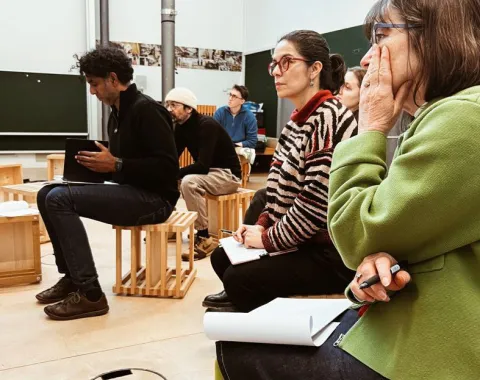
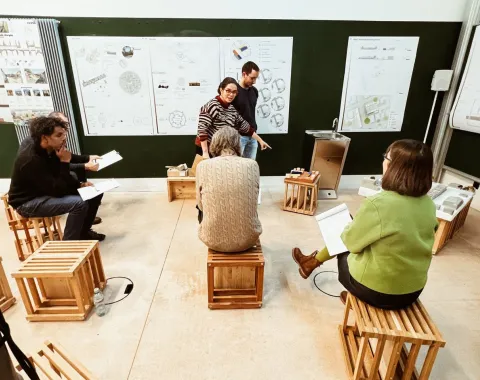
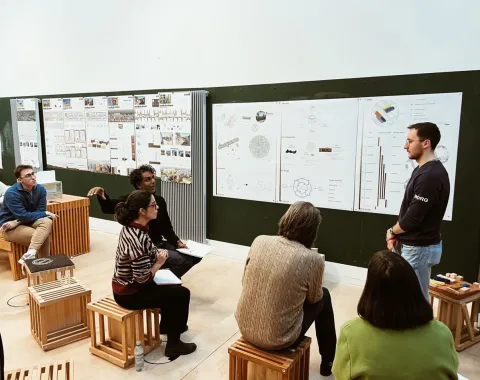
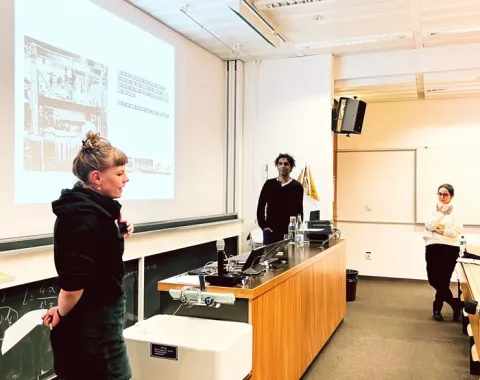
On February 20, 2025, another "Architecture by Dessert" event took place at the Liechtenstein School of Architecture. Atelier Auf’strich, represented by our alumnae Franziska Möhrle and Valerie Rainer, captivated students with fascinating insights into their creative projects and innovative approaches to rethinking the built environment.


The two architects shared their perspectives on spatial development processes and their fresh approach to architecture, bringing new ideas to the discipline. Participants had the opportunity to learn about their concepts and be inspired by their passion for new design possibilities.


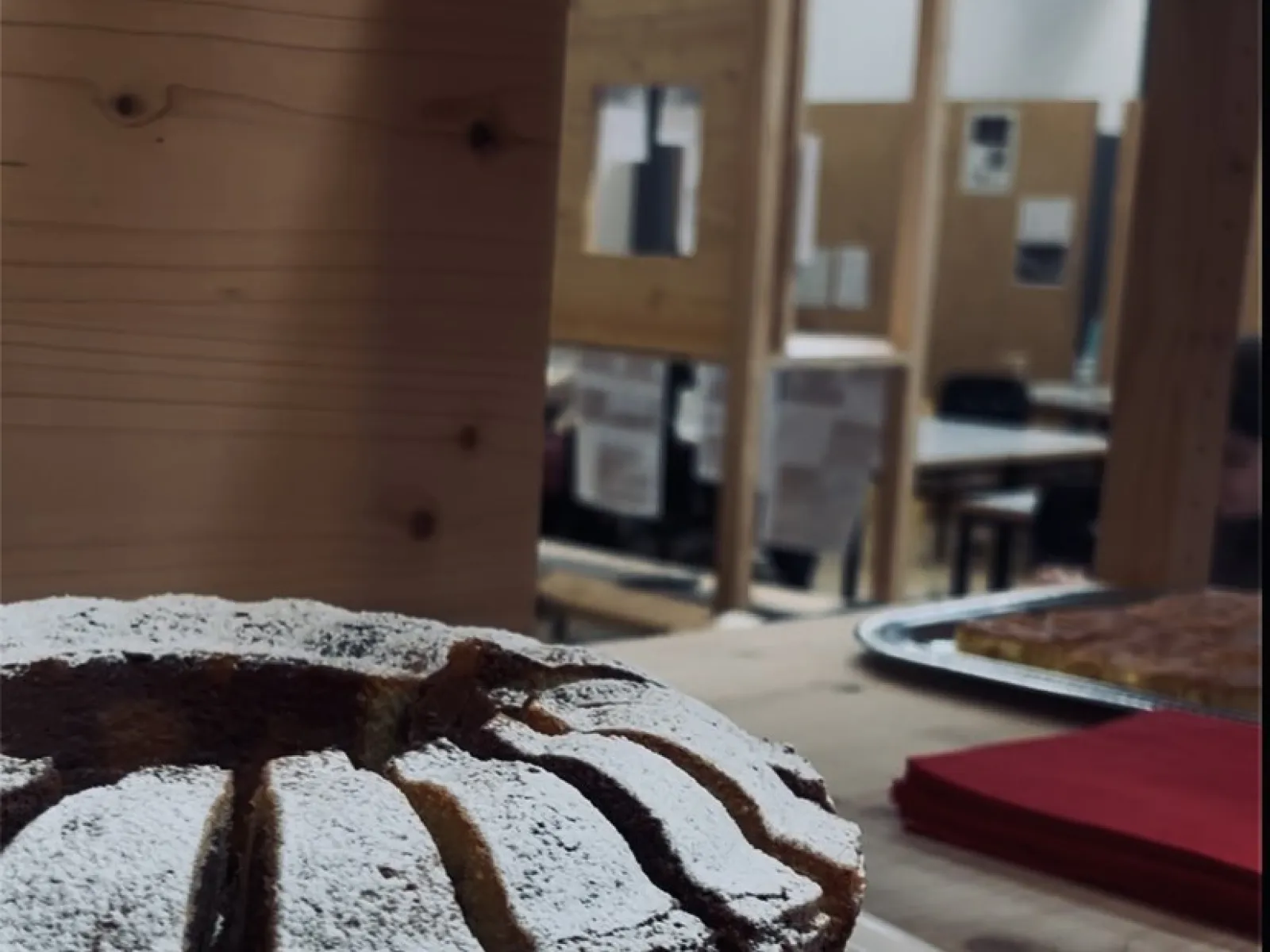
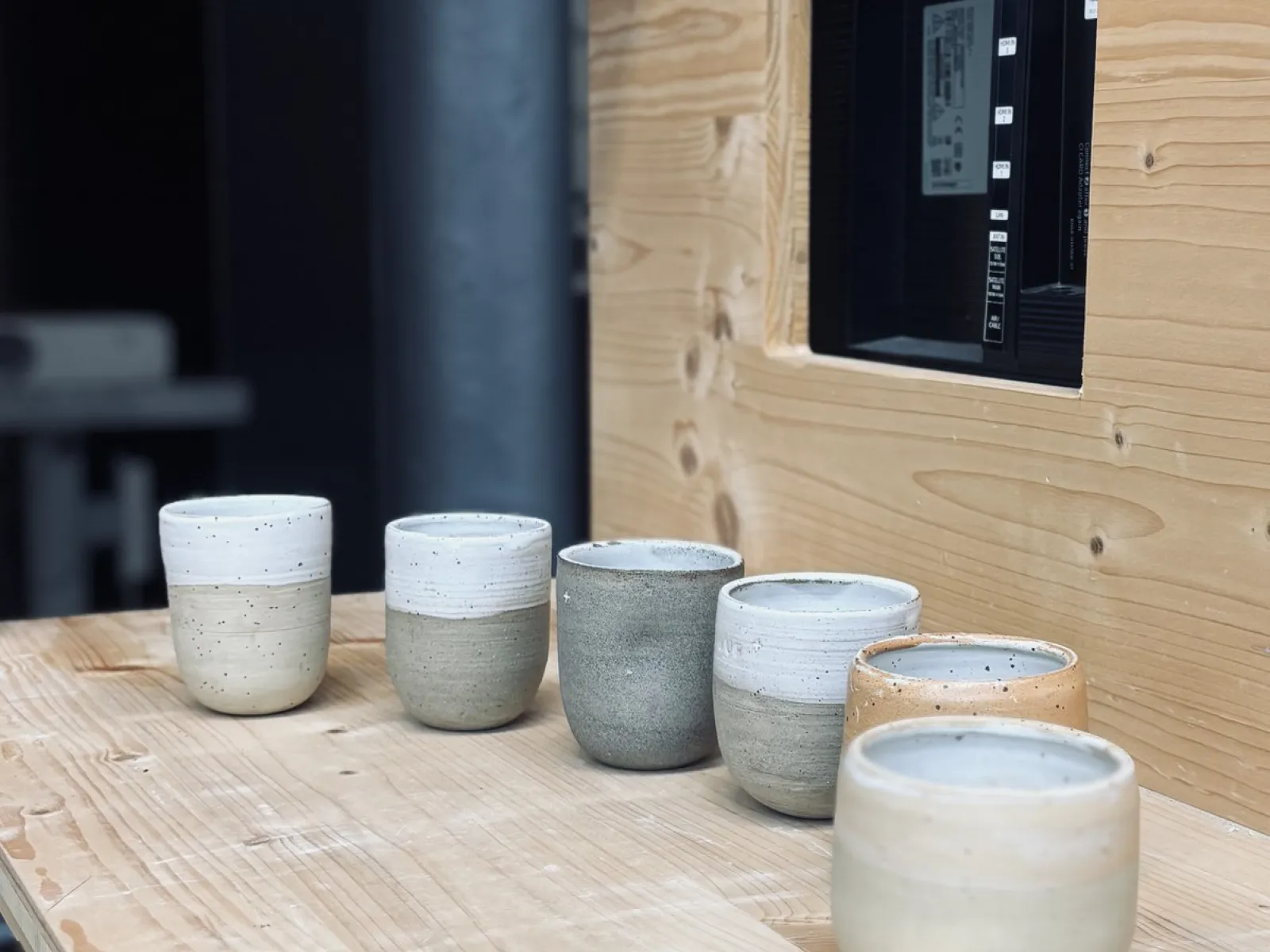
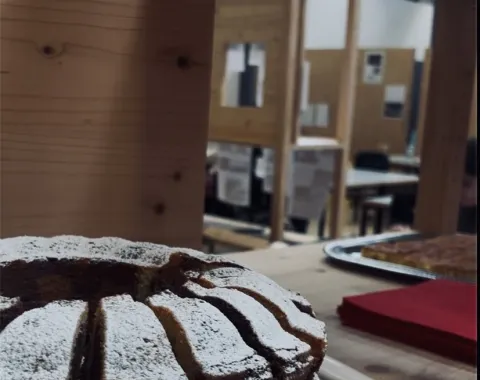
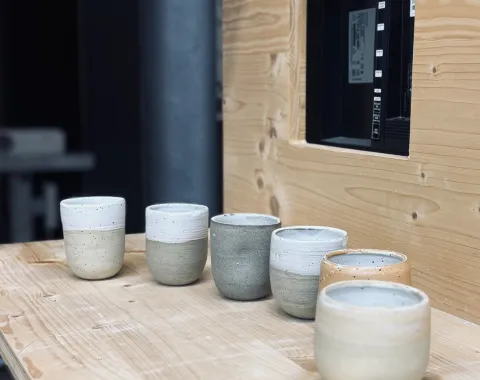
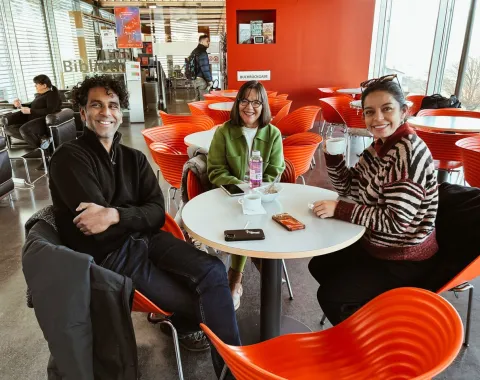
Another highlight of the event was the homemade cake by Kirsten Steinhofer. Additionally, two hand-crafted Auf’strich mugs were raffled among the attendees.


The Liechtenstein School of Architecture sincerely thanks Franziska Möhrle and Valerie Rainer for their inspiring contribution, as well as all students for their participation.


The next Architecture by Dessert will take place on Thursday, March 13, 2025, where Postdoc Wolfgang Schwarzmann will provide insights into his work.

Jason Rüesch: Successful Cross-Country Skier and Committed Student

Jason Rüesch: Successful Cross-Country Skier and Committed Student

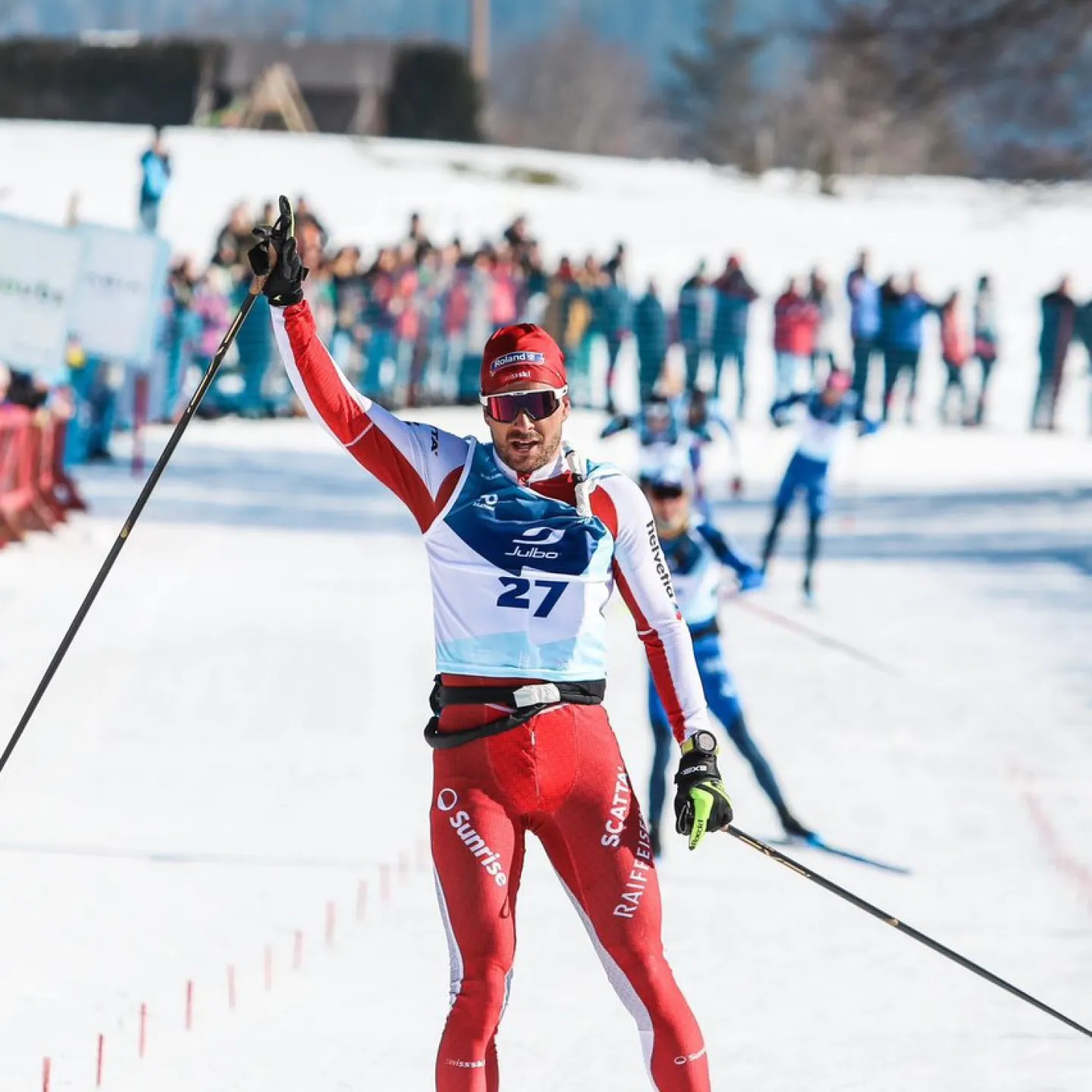
Langläufer überquert bei sonnigem Winterwetter als Sieger die Ziellinie eines Langlaufrennens, trägt einen rot-weißen Rennanzug mit Startnummer 27, hebt den Arm zum Jubel – im Hintergrund jubelnde Zuschauer und schneebedeckte Landschaft.

The Swiss cross-country skier and student at the University of Liechtenstein Jason Rüesch has achieved remarkable success in the current season. As a member of the Swiss men's cross-country relay team, he surprisingly won the silver medal at the Nordic World Ski Championships in Trondheim!


At the World Cup in Les Rousses, the 30-year-old from Graubünden achieved 9th place in the 10 km freestyle, his best World Cup result to date. His previous personal best was a 15th place in the 15 km freestyle in Ulricehamn, Sweden.


In addition to his sporting achievements, Rüesch is also committed to academia. In September 2024, he began a Master's degree in Innovative Finance at the University of Liechtenstein. Despite the challenges of top-class sport, he has so far been able to successfully combine his studies with his career. “The compatibility of top-class sport and studies has worked well overall. Although I was rarely on site, I was able to engage with the material through regular exchanges with other students and literature research. Moodle was particularly helpful, as I could see what content was being covered at any time,” explains Rüesch.


Time management and discipline play a crucial role here. One example of this is his course in Financial Economics: “I was only able to be on site once and worked through the rest of the material on my own using the literature provided. The literature was challenging and sometimes difficult to understand, but it was still doable.” However, he admits that it was a challenge to rarely be on site. “You don't always know exactly what the focus of the exams is. Even if you study the material intensively, you sometimes lack a sense of which topics are particularly prioritized.”


Rüesch describes the first semester as a challenge, but one that was manageable with the right attitude and organization. For the second semester, he expects an even more difficult balance, as he will probably be on the road more often. “When things are going well athletically, I'll be traveling even more. Although there is time to study in the meantime, it is more difficult to be physically present at the university.”
Fortunately, he has been able to take all his exams on site so far, which may not always be possible in the future. “The athlete status helps me because I can minimize attendance times and postpone exams.” The regular exchange with the university and coordination with the Swiss-Ski Team make it easier for him to organize. The great support of the University of Liechtenstein, which helps him to successfully complete his studies with flexible learning models, digital resources and individual solutions, deserves special mention.
Despite all the challenges, Rüesch is happy to have taken on this double burden. “Combining top-class sport at the highest level with a Master's degree is demanding, but at the same time a valuable school of life that also prepares me perfectly for my career after sport.”


30-year-old Jason Rüesch was born in Davos and is a dual citizen of Switzerland and Canada. He speaks German, English and French and is a member of SC Davos. His career highlights to date include participation in the 2022 Winter Olympics in Beijing, three World Championships appearances with a 4th place in the relay and an 11th place over 50 km, as well as a 2nd place and a 3rd place with the relay in the World Cup.
With his determination and discipline, Jason Rüesch sets standards at both sporting and academic level and serves as a role model for the successful combination of competitive sport and study. “I have big goals in sport as well as in my studies and I aim for the best conditions. That's why I opted for the Master's in Innovative Finance at the University of Liechtenstein. The flexible study structure and the intensive exchange enable me to combine my sporting career and academic ambitions in the best possible way.”

Langläufer überquert bei sonnigem Winterwetter als Sieger die Ziellinie eines Langlaufrennens, trägt einen rot-weißen Rennanzug mit Startnummer 27, hebt den Arm zum Jubel – im Hintergrund jubelnde Zuschauer und schneebedeckte Landschaft.

University of Liechtenstein Hosts Successful Symposium on the Future of Lifelong Learning

University of Liechtenstein Hosts Successful Symposium on the Future of Lifelong Learning

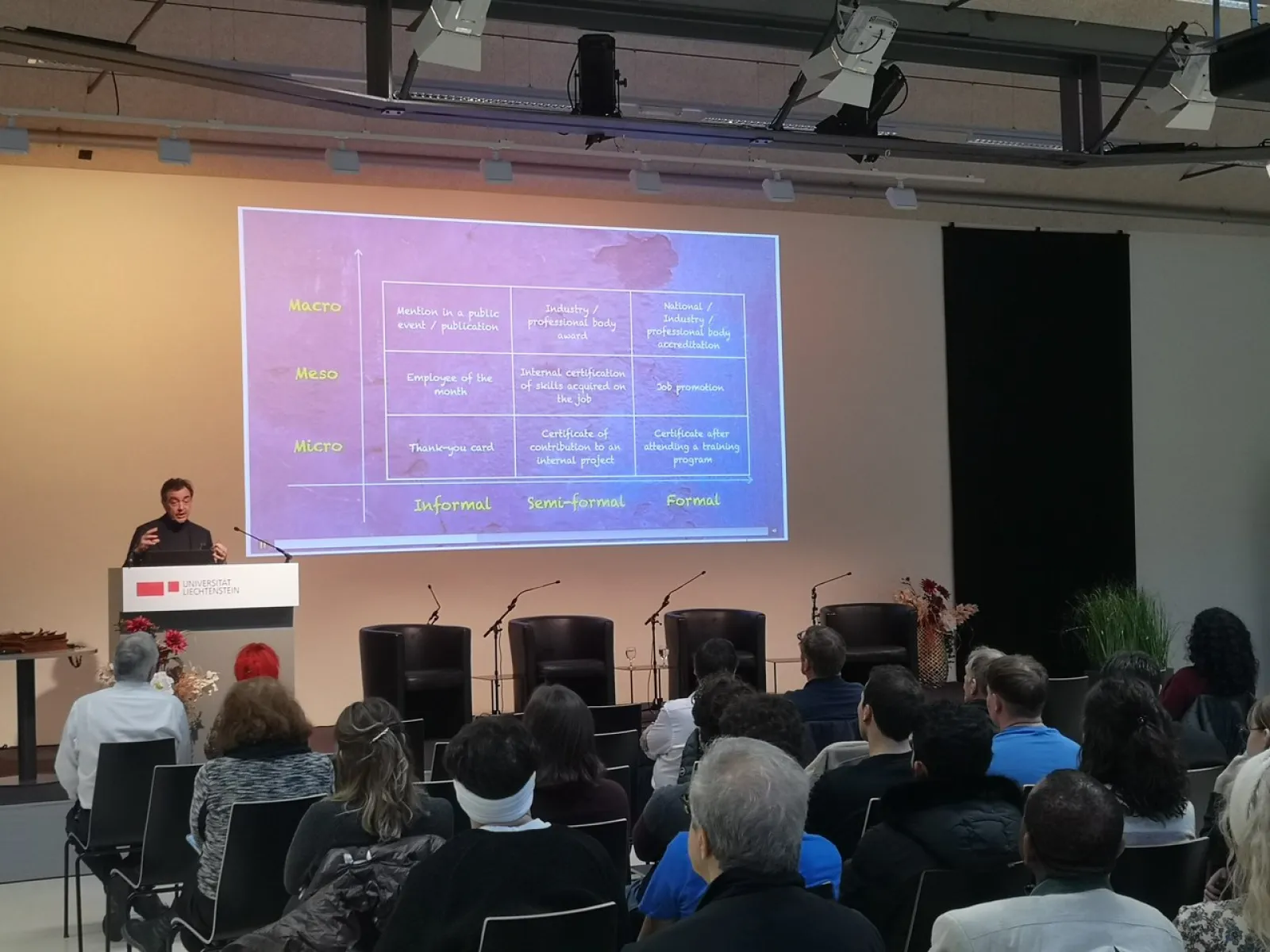
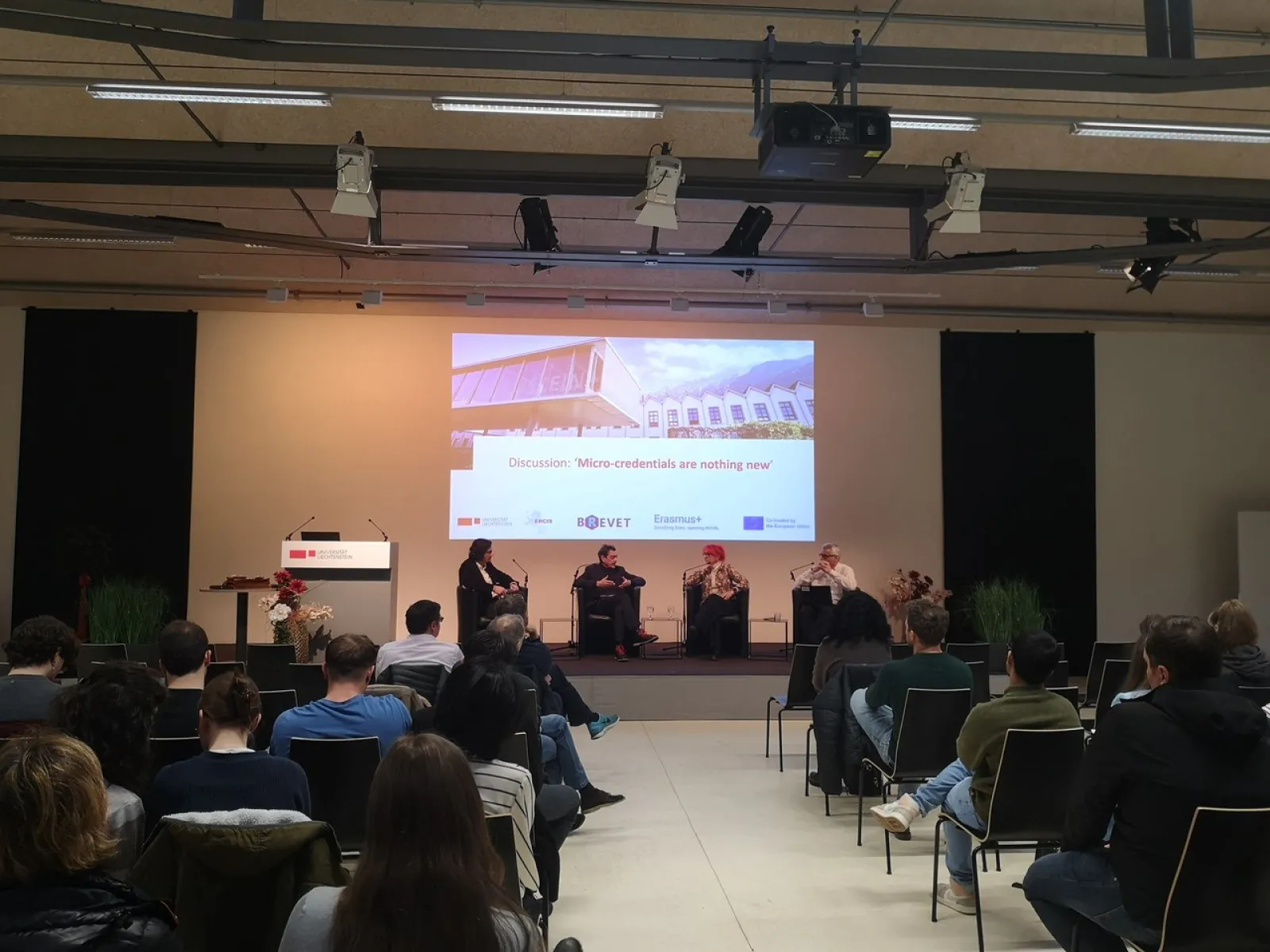
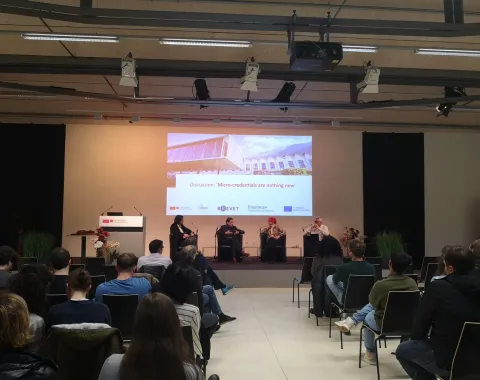
The University of Liechtenstein's symposium on "The Future of Lifelong Learning" held Monday evening, has been perceived as a success by attendees and organizers alike. The event brought together educational experts and community members to explore recent approaches to lifelong learning and recognition of prior learning (RPL).


The symposium featured a lineup of internationally renowned speakers who shared their insights with an audience of over 50 participants. Serge Ravet, President of Reconnaître—Open Recognition Alliance, shed light on how digital technologies are revolutionizing open recognition practices and learning across traditional boundaries.


Deb Carr, an expert in Technical Vocational Education and Training policy, provided compelling case studies from around the world, demonstrating how RPL frameworks are transforming educational systems globally. Her presentation resonated particularly with industry professionals seeking to bridge education-employment gaps.


Professor Patrick Werquin from CNAM Paris rounded out the expert panel with a thought-provoking analysis of how micro-credentials and national qualifications frameworks are responding to continuously changing workforce demands.


"The turnout exceeded our expectations," said Dr. Michael Gau and Gregor Kipping, scientists at the Department of Information Systems and Computer Science and organizer of the event. "The diverse audience—from university students to corporate leaders to educators in the VET sector—demonstrates the widespread interest in rethinking how we approach learning throughout our lives."


The symposium's interactive discussion session sparked conversations about implementing these innovative approaches within Liechtenstein's educational landscape. This symposium represents an important step toward embracing new paradigms in lifelong learning and recognition of skills that will benefit both individuals and the broader economy.

Studio Jozi at the Liechtenstein School of Architecture

Studio Jozi at the Liechtenstein School of Architecture

Bridging Global North and South: Rethinking Urbanization through Collaborative Design in Johannesburg


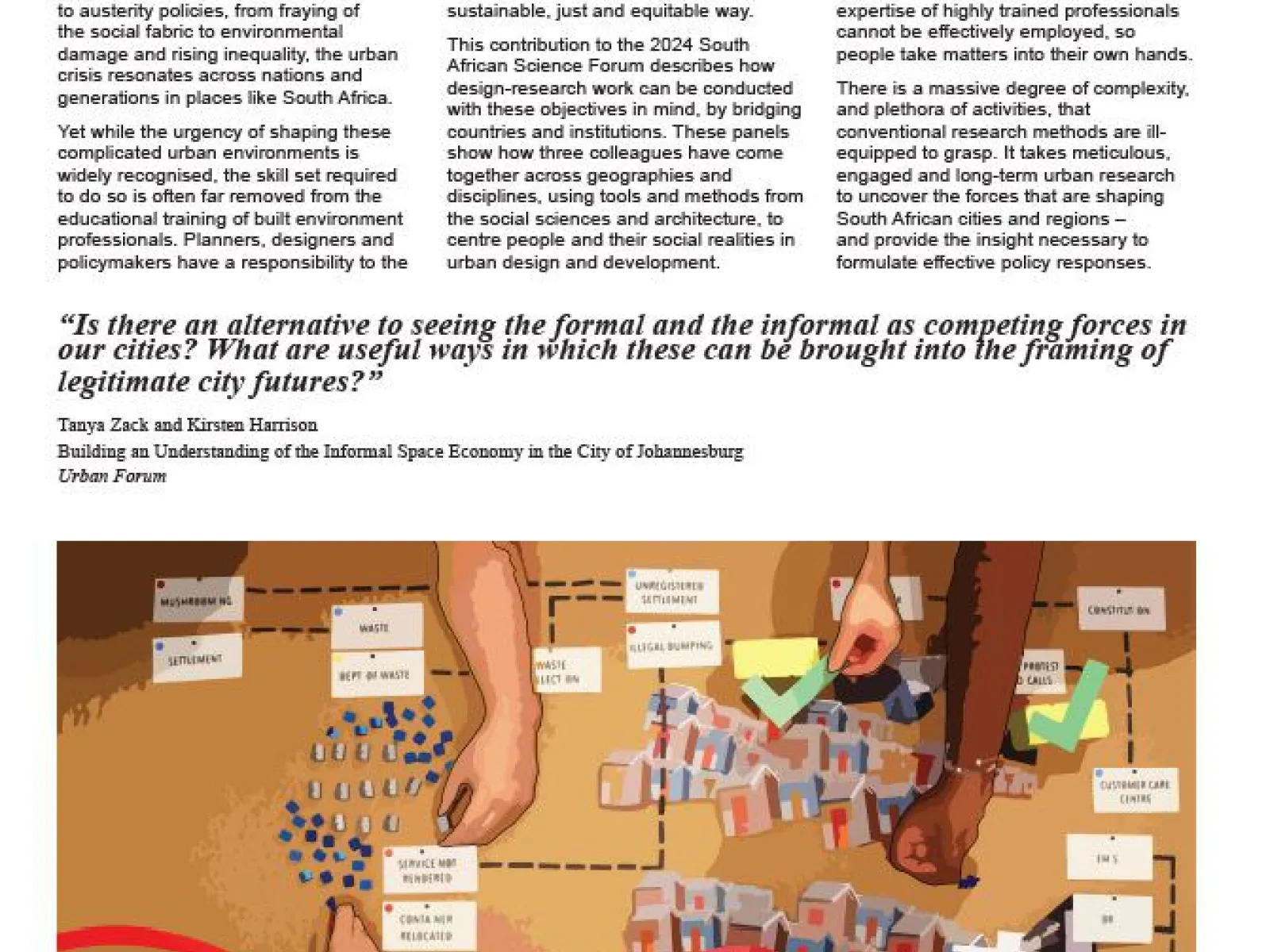
Contemporary African cities are experiencing rampant urbanization processes, occurring at unprecedented scales and speeds. Particularly since the 2020 pandemic, these phenomena have increasingly had a negative impact on urban life: from housing shortages to austerity policies, from fraying of the social fabric to environmental damage and rising inequality, the urban crisis resonates across nations and generations in places like South Africa.


Yet while the urgency of shaping these complicated urban environments is widely recognized, the skill set required to do so is often far removed from the educational training of built environment professionals. Planners, designers and policymakers have a responsibility to the citizens of this continent to respond to these critical conditions with appropriate and agile solutions. In Africa, as in so many other places around the globe, we must explore radical new tools, strategies and ways of thinking on how to address rapid urbanization with care and intentionality, in order to make African urban in a sustainable, just and equitable way.


One of the key issues we therefore face in our teaching, from South Africa to Liechtenstein, is transmitting the value of understanding broader social, political, and economic forces for design work, and developing the methods with which to assess this with and for students.


Johannesburg is a fascinating place from which to theorize: it has always been the “quintessential apartheid city” (known as) where urban poor are relegated on the urban scale as well as the national scale (homelands). Today, people’s options are constrained by the geography the city-region: colonial and apartheid legacies of spatial planning as well as market forces limit where people can live.


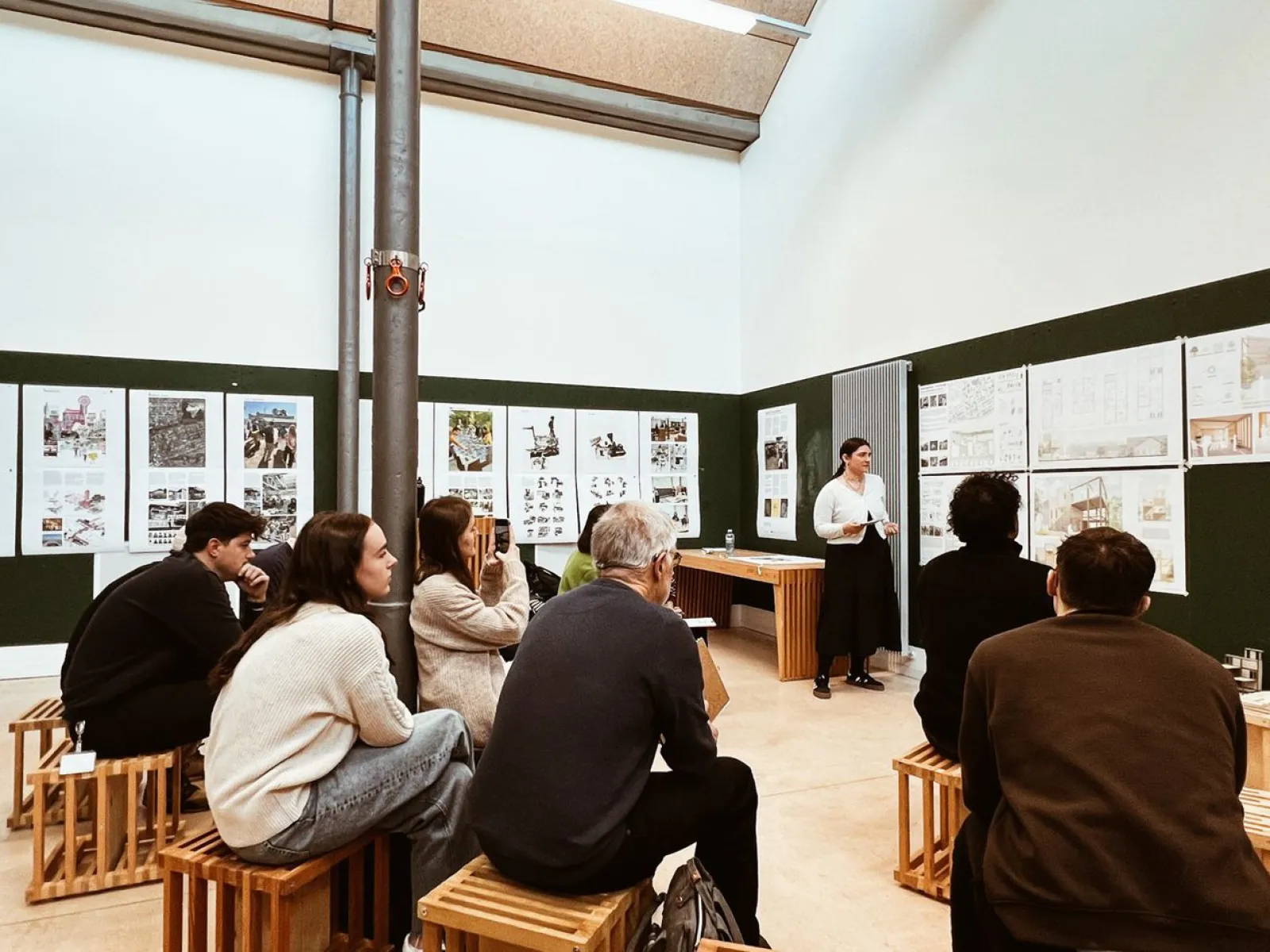
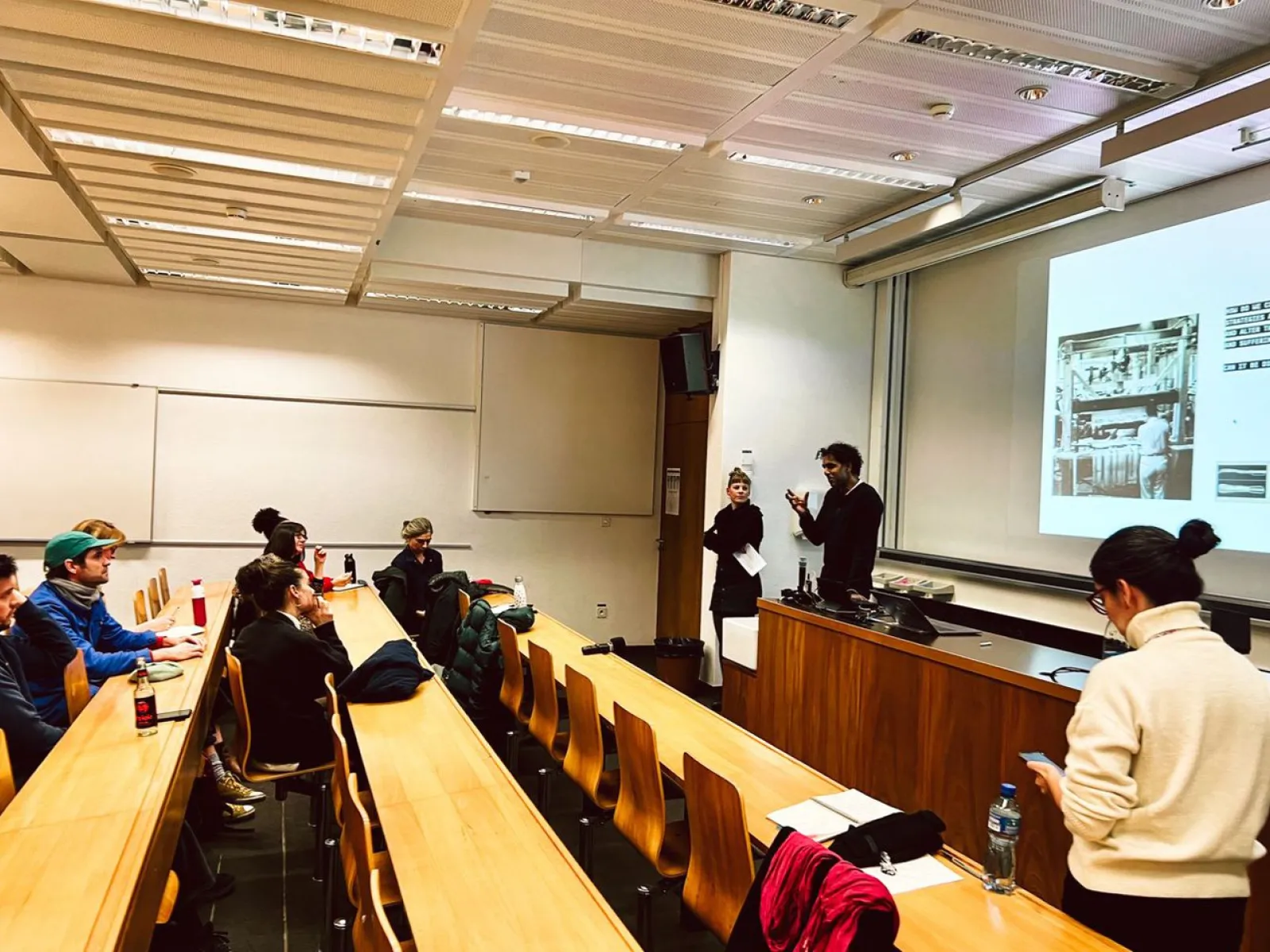
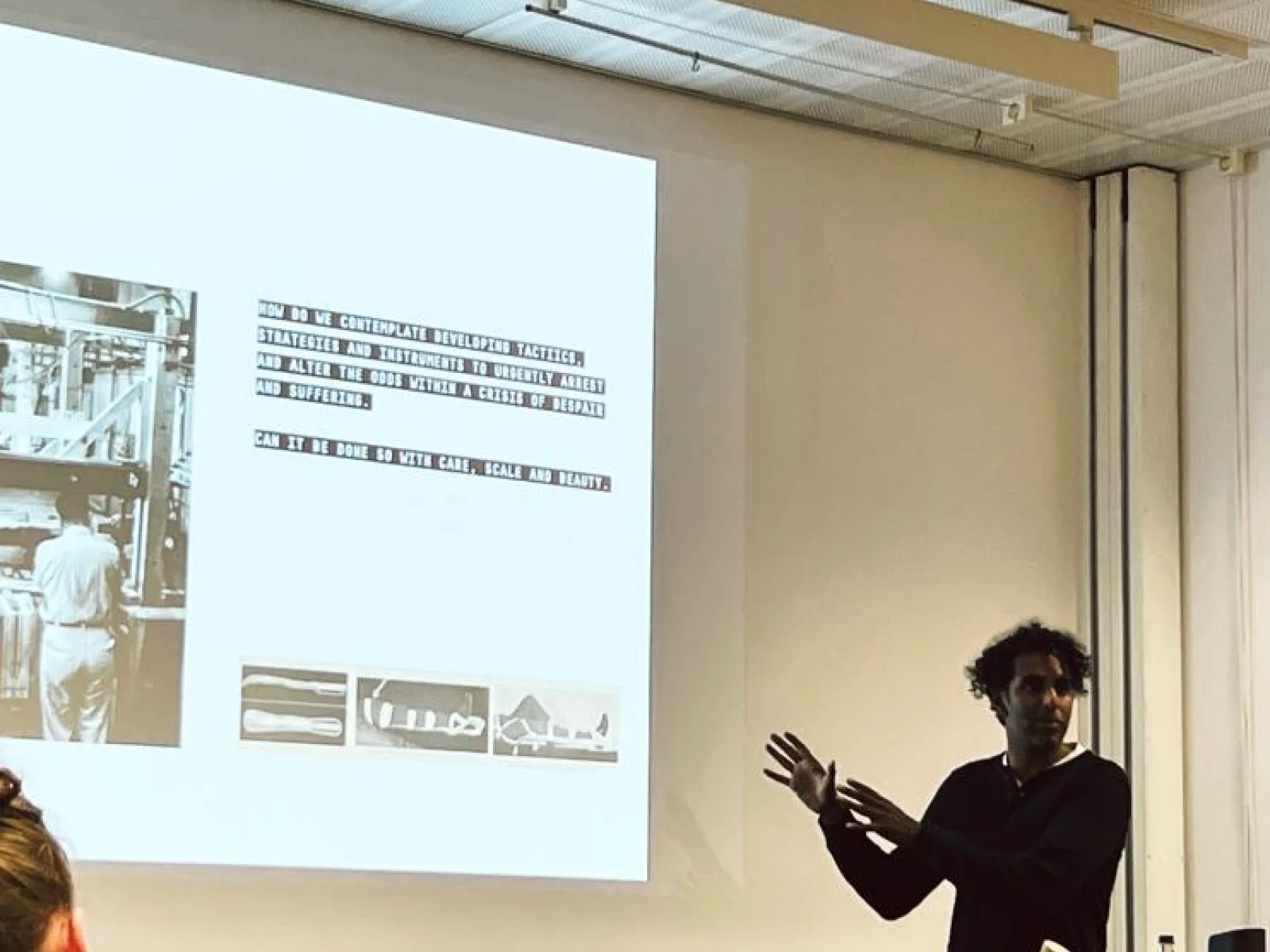
Each semester, Prof. Lindsay Blair Howe leads a design studio engaging with methods of urban research for the Liechtenstein School of Architecture (LSA). Once a year, in the fall, she brings a cohort of students to Johannesburg, in order to simultaneously advance research pursuits and the education of young, primarily European, architecture students. The expectation is for students to conceive of a project based on utilizing the qualitative, primarily ethnographic, research methods our posters describe.


The students are invited to participate in a “seminar week”, in which they travel from their home base in Vaduz, Liechtenstein, to Johannesburg, South Africa. They are expected to use urban research methods to grasp how people shape their own environments. For two semesters, we have engaged with the centrally-located neighborhood of Bertrams, east of the famous Ellis Park Stadium in central Johannesburg. “Makers Valley” was our particular focus for the 2023 and 2024 semesters that spanned across our collaboration. In this space, artists, practitioners, urban gardeners, carpenters, shoemakers, designers, and many others, live and work. We engaged with its evolving community culture, identifying forms of creativity, sharing, giving, learning, participation and positive change – and imagined how we might translate this into urban and architectural design.


Prof. Howe runs the studio with her long-term local collaborators Dr. Tanya Zack (University of the Witwatersrand) and Thireshen Govender (UrbanWorks Architecture & Urbanism), who have deep knowledge of Johannesburg from a policy, social and spatial perspective. As collaborators on this exercise, they provided a sharp framing of the site relative to the teaching outcomes. This specialist collaboration allowed the students to gain insightful knowledge very quickly, and allowed for a refined conversation as to what is possible within the architectural and urbanism tools available.


A network of other institutions and partners were also made available to complement existing insight, from local government officials to other researchers and academics, as well as artists and local people living on the site. Students were able to make sense of how the policy and institutional arrangements of the state inform lived realities in Bertrams. This experience collapsed the more traditional site of learning, instead expanding the classroom into boardrooms, streets, yards and kitchens. Collectively, as instructors, we argue that, in order to develop new methods and policies, we also need to invent new forms of teaching and research. Through this collaborative studio work, we identified a set of five tools that we think helps to bridge these gaps, through research and teaching and engaged scholarship: immersion, conversation, storytelling, data, and imagination.


In this way, as a team, we sought to bridge across what has become spoken about in the academy as the Global North and South. How we utilize methods of urban research not only to make theories about how the built environment around us is produced, but explore what that means for people, and how we can use these understandings to imagine a future together. As our exhibition that we produced together with the Embassy of Switzerland and Liechtenstein in South Africa, and the panel discussion we conducted as a conclusion to disseminate these two years of work culminating at the South African Science Forum (SFSA) in December 2024.


We aim to counter the tendency to treat “Africa” as an object of study, but not of knowledge production – which remains pervasive at universities of the West. The broader findings of the work we do together has also led us to question what we term the “myth of infrastructure”: the blanket provision of capital-intensive and globally-oriented projects. Instead, we purport conceiving of policies and programs through a deep understanding of people’s everyday lives and choices, which we find by observing how they navigate and negotiate the urban.


We believe that meaningful collaboration across the Global North and South is possible, if we base our methods and approaches in such everyday social realities. All of our findings pose a chance to make life better – or make life worse – for real people. Understanding people and places is therefore paramount to the successful implementation of development policies and programs, as is cross-cultural collaboration and interaction with students. It is only by coming together that we can tackle the most urgent problems of making an urban Africa, and everywhere else too.


“The relationship between the Global North-South has been fraught with tension due to its extractive and asymmetrical relationships favouring the Global North. The Bertrams studio is an important exercise in reconciling these tensions and working in a critical and sensitive manner around knowledge flows. It seeks to carefully position issues, histories and cultures between these extremes through a teaching studio seeking more reciprocity. 

The studio reconciles historical polarities in a nuanced, sensitive, and critical manner to explore new sites and terms of learning and engagement. 

As a co-tutor, I'm appreciative of the enthusiasm, curiosity and empathy that the students have engaged the subject matter. I trust this experience to a relatively wildly other world it will serve them well in their professional and personal lives. 

I would like to thank Prof. Lindsay Blair Howe for her commitment and care in creating this experience for students and partners. The work has been incredibly generative in asking more questions and prompting new enquiries.”

Thireshen Govender

UrbanWorks Principal & African Futures Institute (AFI) “Nomadic Studio” Tutor


“In the Bertrams studio, students embraced the opportunity to learn from a foreign context and to respond sensitively to the local conditions. This required careful listening and observation as well as acute spatial analysis and design. The outcomes they produced were of a very high standard and some were even masterful. Most importantly were their own words about the experience being 'inspirational', 'mind opening' and even 'life-changing'.”

Dr. Tanya Zack

University of the Witwatersrand

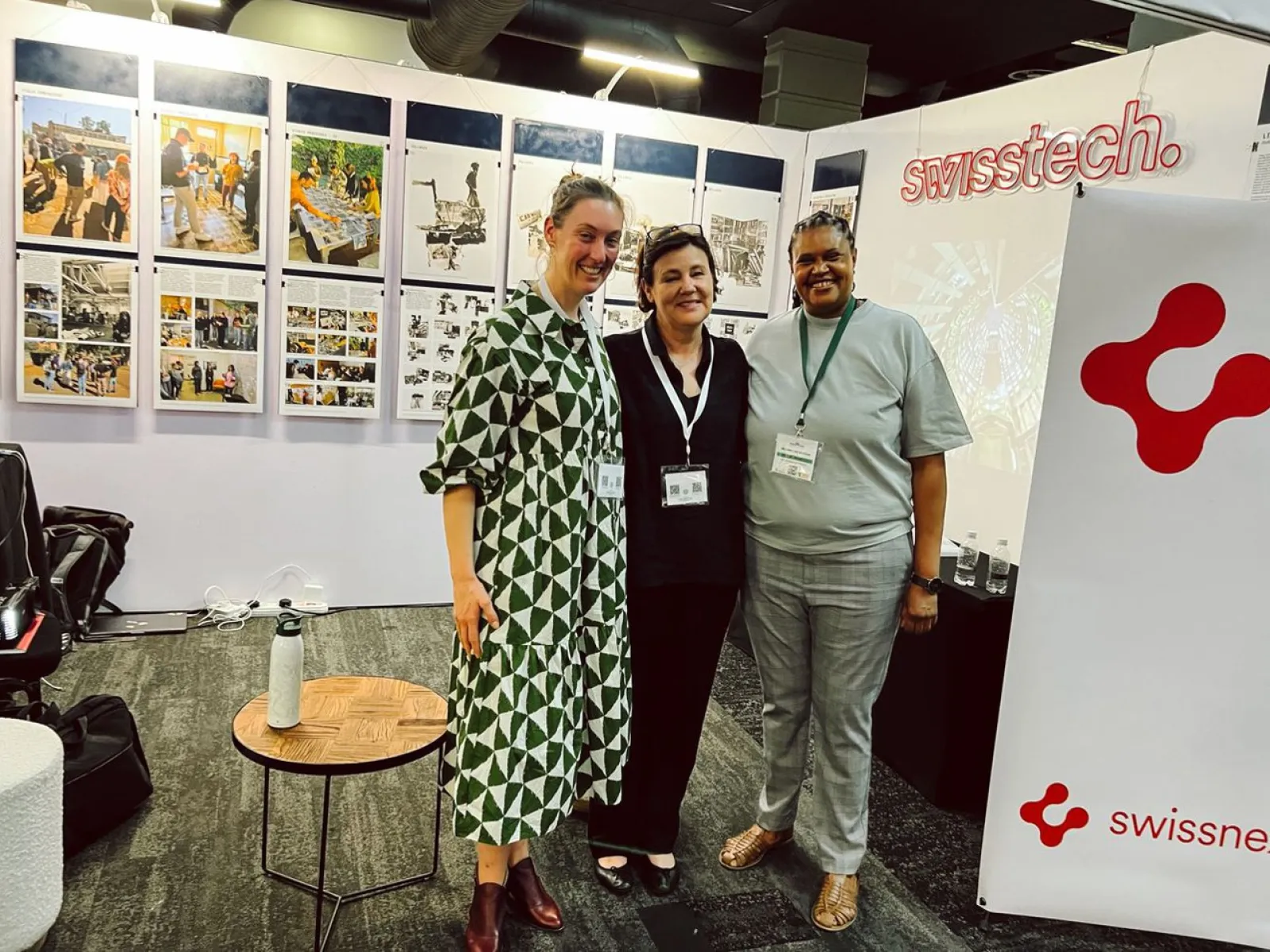
Science Forum South Africa (SFSA) Exhibition and Panel Discussion
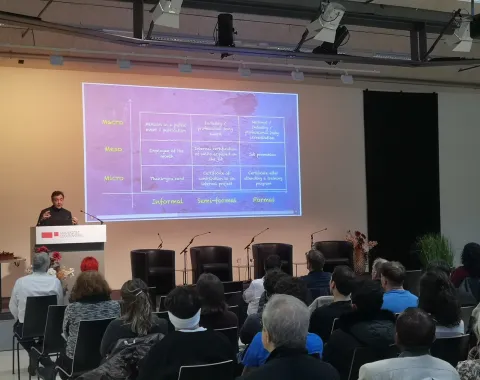
Science Forum South Africa (SFSA) Exhibition and Panel Discussion
"Making Urban Africa"


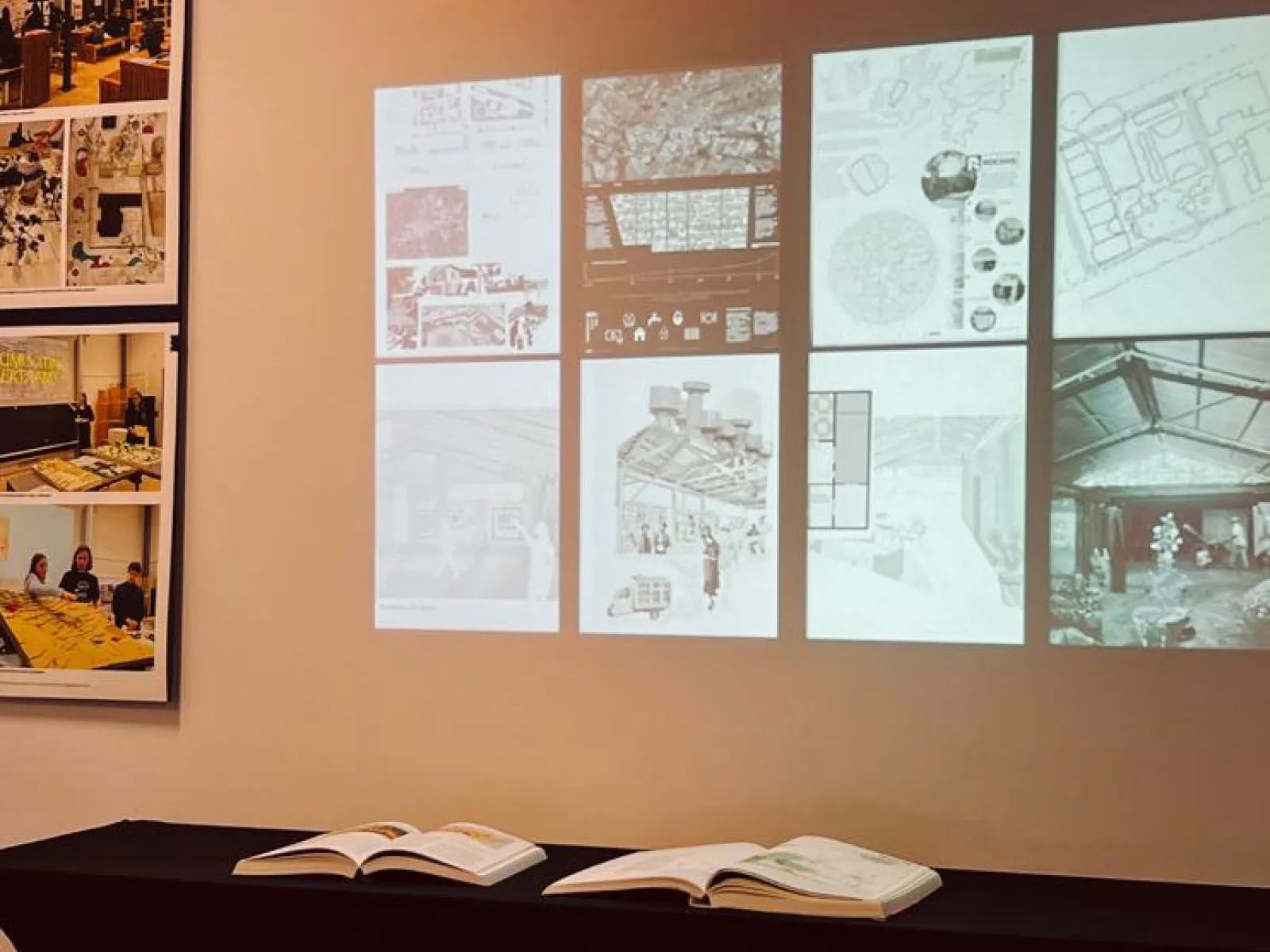
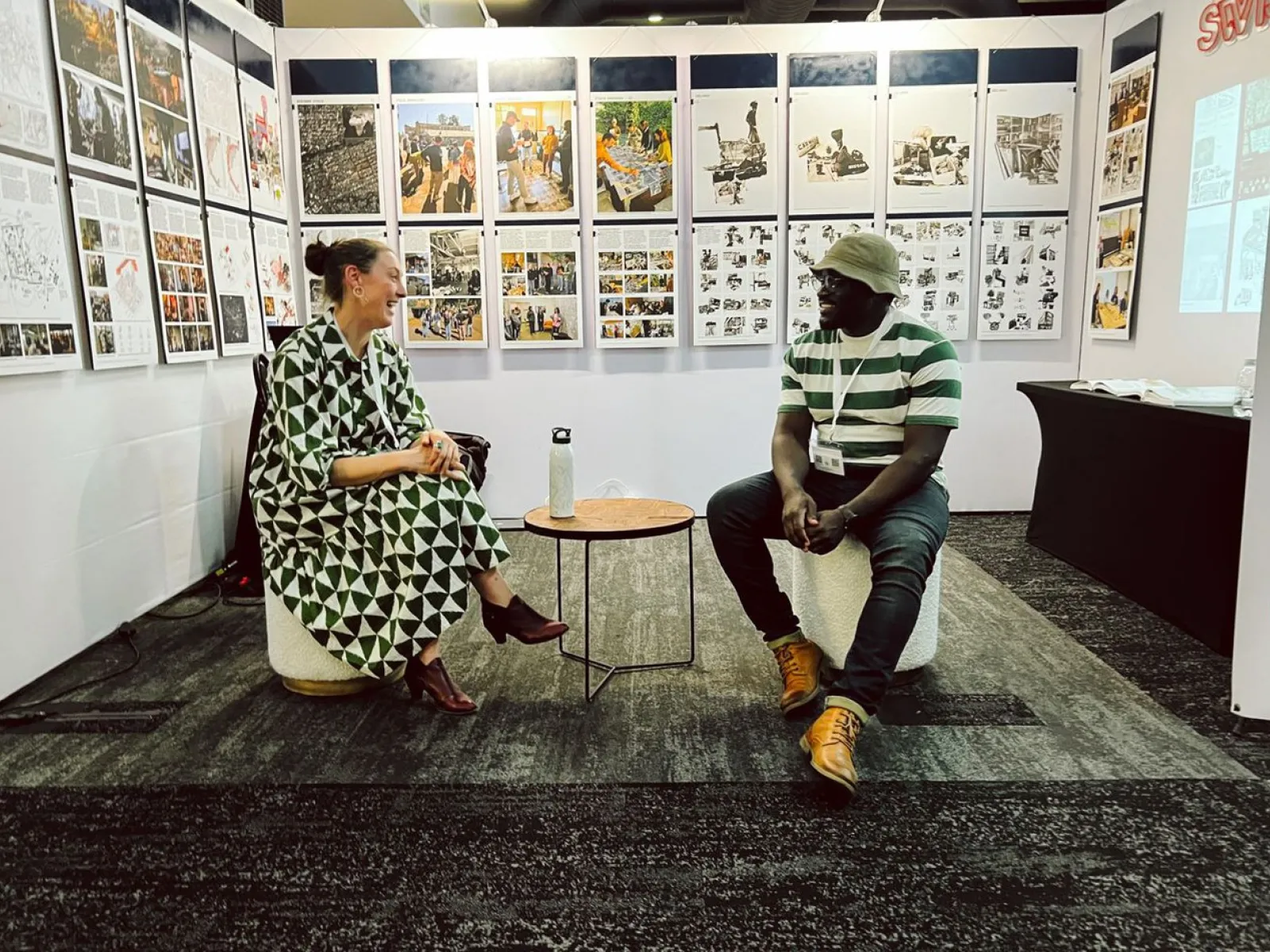
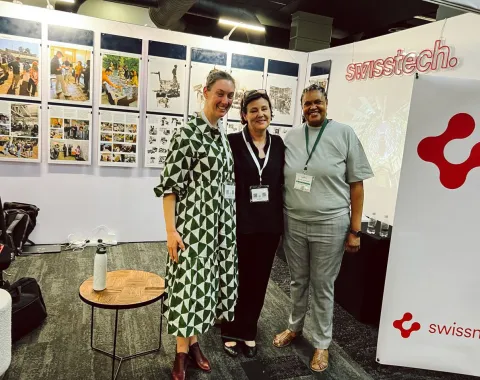
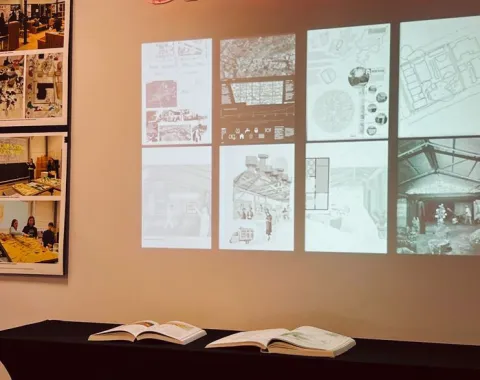
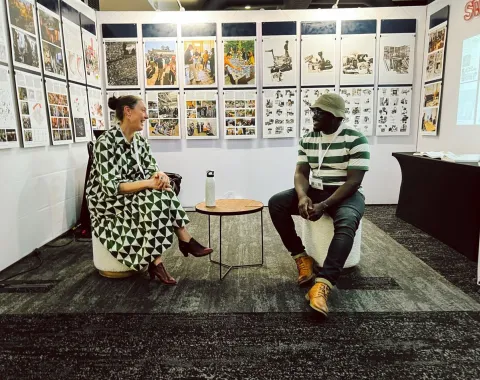
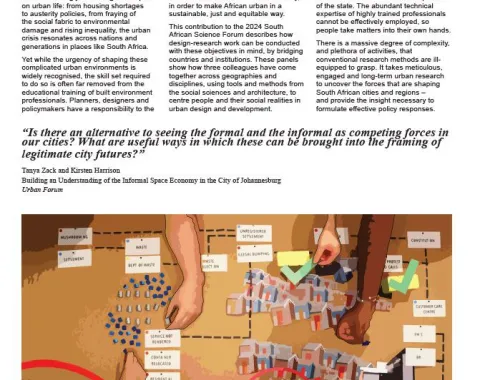
Our exhibition contribution to the 2024 South African Science Forum, entitled “Making an Urban Africa,” describes how design-research work can be conducted with the objectives outlined above in mind, by bridging countries and institutions. The exhibition panels detail how three colleagues have come together across geographies and disciplines, using tools and methods from the social sciences and architecture, to center people and their social realities in urban design and development through studio teaching work. This provided us a chance to present our shared pursuits with a very broad scientific audience, and was visited by the federal minister of the Department of Education, along with many other public-sector representatives across all tiers of government. The Embassy of Switzerland and Liechtenstein financed our exhibition and a corresponding panel discussion, including the original empirical research that contributed to this work and allowed our students to deeply engage with these important topics.
 

The panel discussion conducted by Prof. Howe, Dr. Zack, and Mr. Govender on 5 December 2024 was entitled: “Urban Research as a Policy Tool? Interrogating Infrastructural and Economic Development through Design-Science Approaches.” The brief for the panel was as follows:


“The African City of today is one of pronounced individuality and agency, marked by constant negotiation and the volatility of people’s social realities. And in South Africa, the challenges faced far outnumber the resources and capacities of the state. The abundant technical expertise of highly trained professionals cannot be effectively employed, so people take matters into their own hands. There is a massive degree of complexity, and plethora of activities, that conventional research methods are ill-equipped to grasp. It takes meticulous, engaged and long-term urban research to uncover the forces that are shaping South African cities and regions – and provide the insight necessary to formulate effective policy responses.”


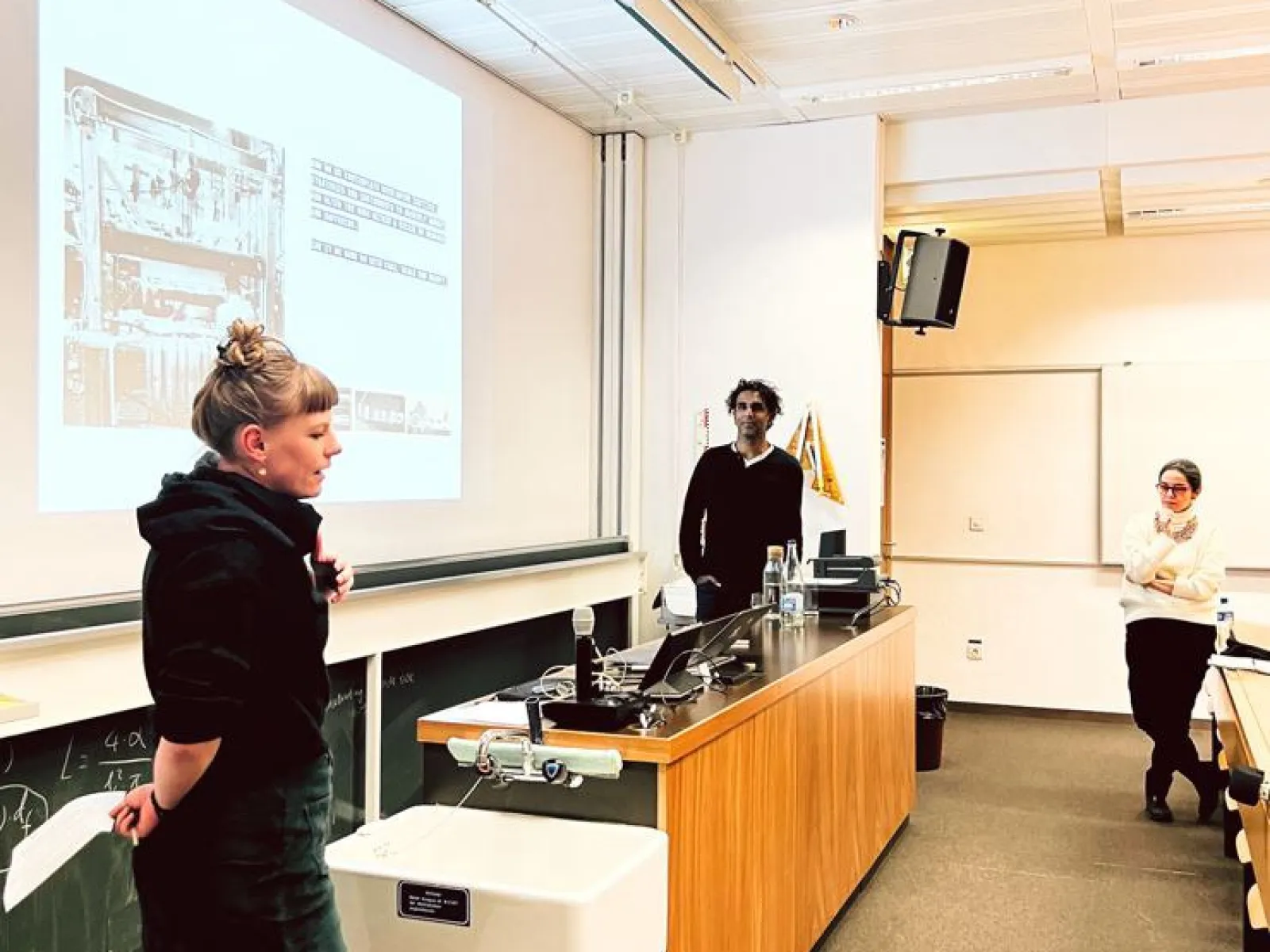
Each panelist connected to the five tools used in their common work to reflect upon this prompt. Prof. Howe was the first speaker, elaborating upon the theory of extended urbanization and showing why ethnographic findings from South Africa, and more specifically the “urban region” including Johannesburg and Pretoria, can have relevance for science and society and policy. Dr. Zack explained how skills like empathetic listening and storytelling are also key to understanding people and achieving better design outcomes. Finally, Mr. Govender discussed spatializing people and practices, including how implements the tools we have identified to formulate a basis for design work, as well as how to work in contexts of extreme volatility and where insurgent practices prevail. After a Q&A and public discussion, we presented our conclusions about how design work connects to policy recommendations, and new approaches to understanding how we ought to be imagining and making an urban Africa.


Public Events and Staff Exchanges


In addition to the Science Forum, the research and teaching pursuits of Studio Jozi were also presented to a scientific audience and broader public in the series of events run by urban publics Zurich (upZ). Prof. Howe co-founded this collective, along with three other professors in Zurich, in order to engage with questions of urban space, people, and activism (Prof. Hanna Hilbrandt (UZH), Prof. David Kaumann (ETHZ), and Prof. Philippe Koch (ZHAW)). Prof. Howe moderated a panel discussion between Mr. Govender, Dr. Katrin Hofer (ETHZ), and Prof. Dr. Catalina Ortiz (UCL Urban Lab) on 11 December 2024 at the ETH Zürich Hönggerberg Campus. This conversation is serving as a basis for a podcast forthcoming with the Urban Political Podcast (UPP) in May 2025. The podcast will engage with questions including public participation in urban development, state-citizen relationships, and the role of social infrastructure in contexts like the Global South, where the “urban polycrisis” we are experiencing globally is often particularly pronounced.


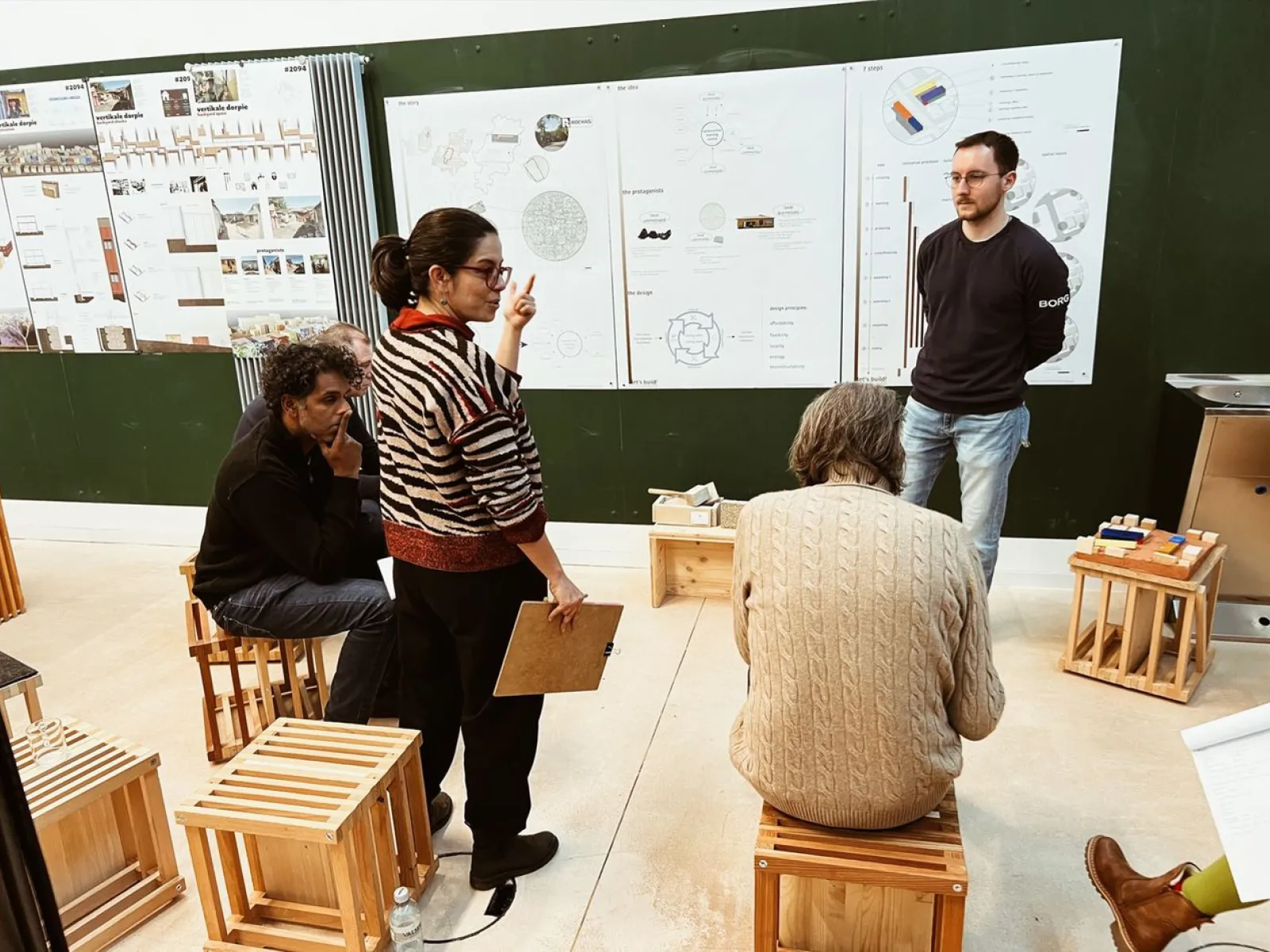
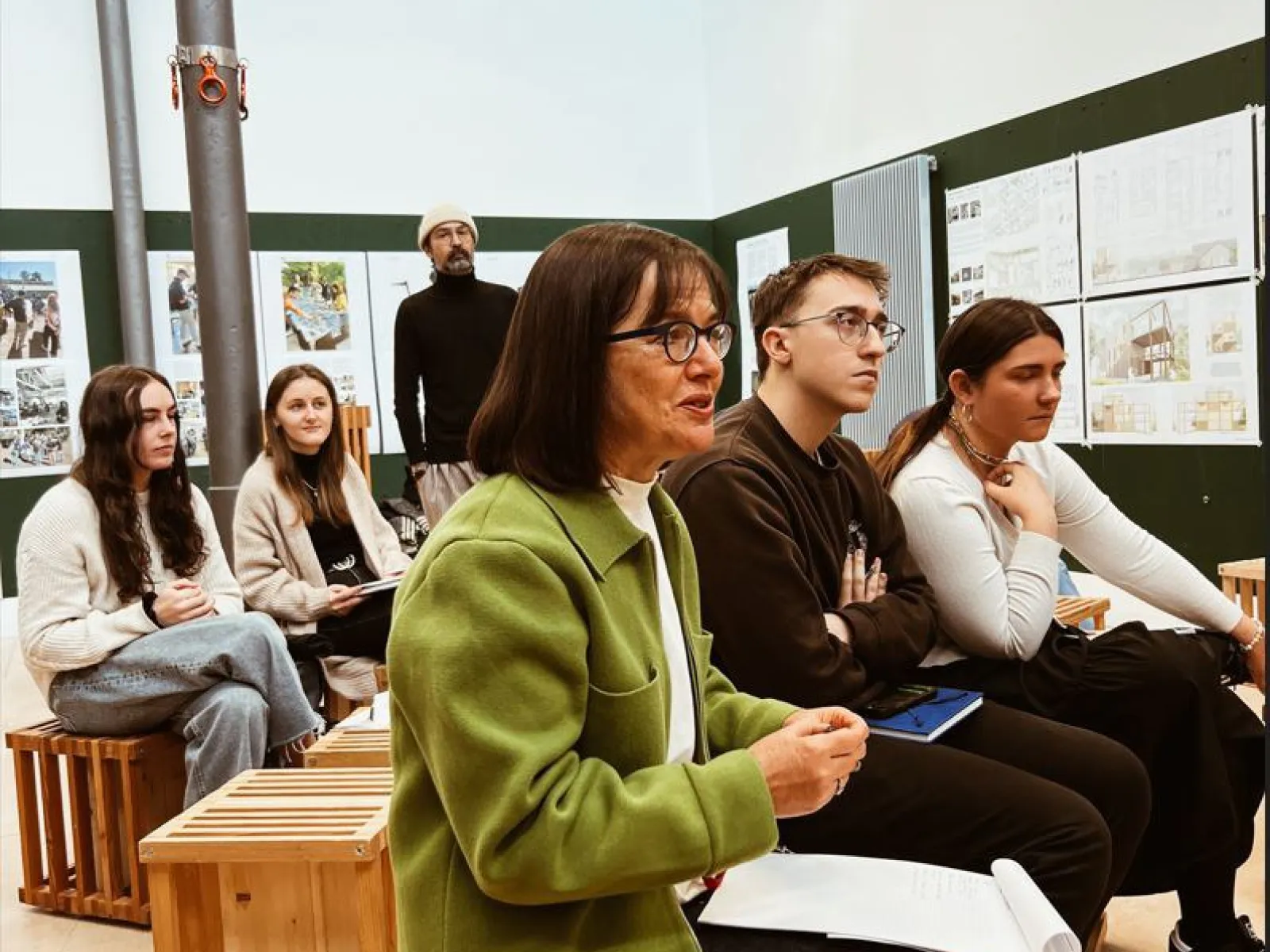
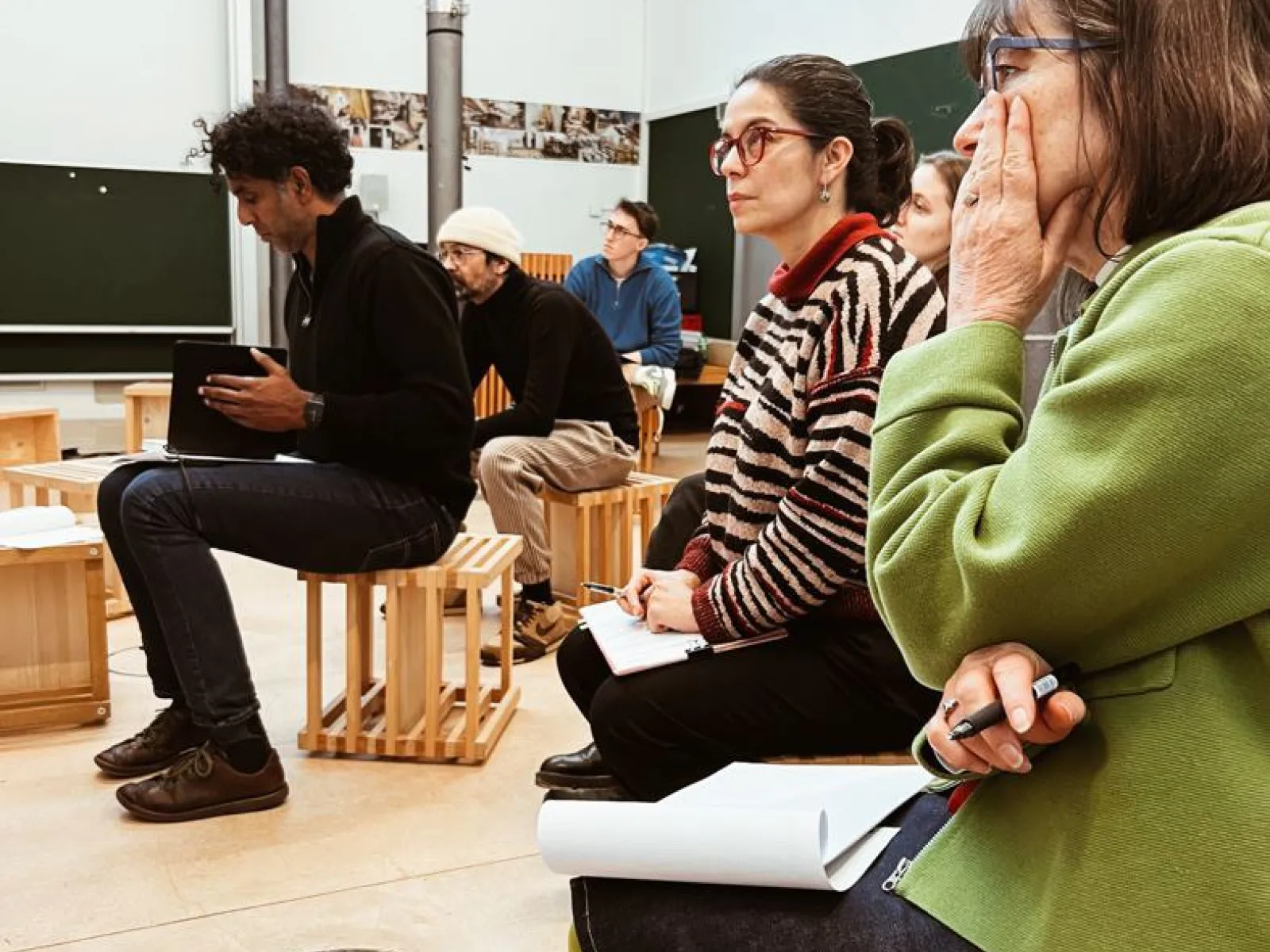
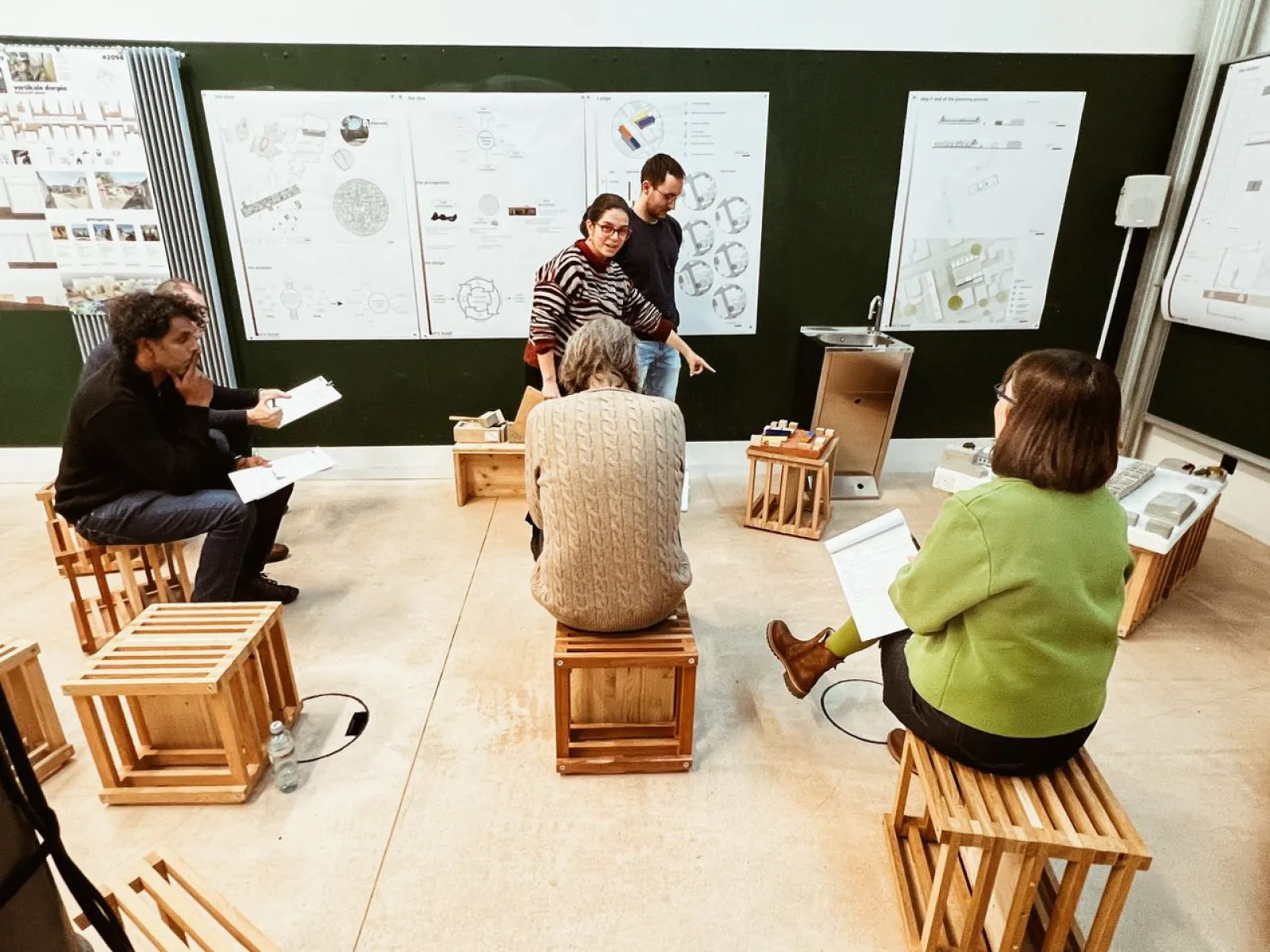
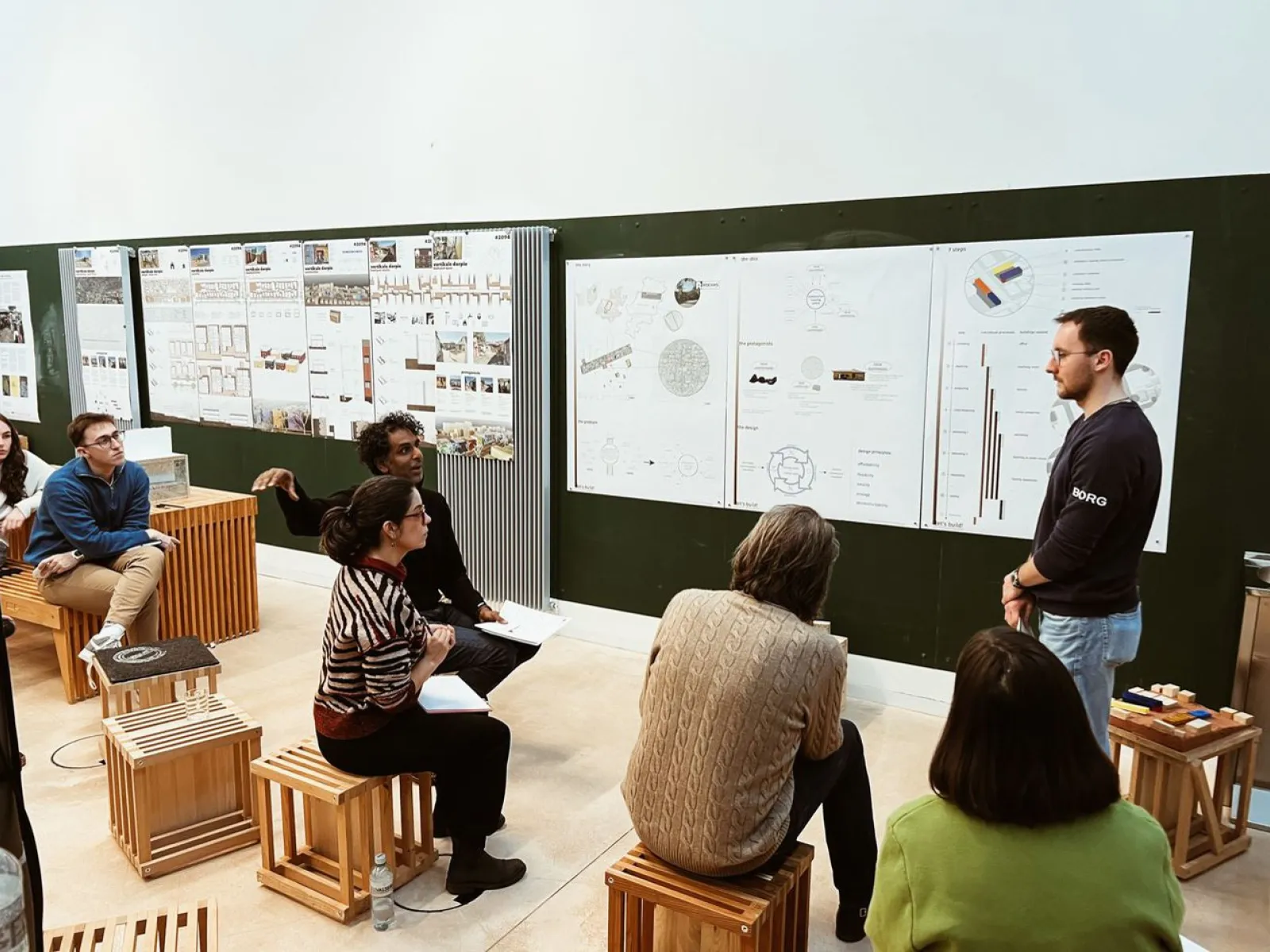
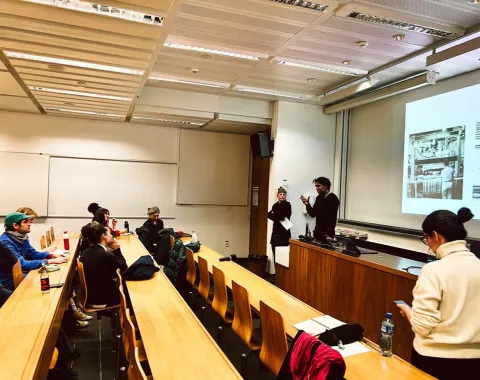
Finally, Dr. Zack, Mr. Govender, and Prof. Dr. Ortiz were invited to participate in the final reviews for Studio Jozi at the University of Liechtenstein on 12 December 2024. We would like to profoundly thank Mirjana Schädler and the International Office at the University of Liechtenstein who so generously gave their time to arrange visits through the ERASMUS+ Staff Exchange Program of which Uni Li is a part.

Successful visit by Ambassador Fazlı Çorman at the University of Liechtenstein

Successful visit by Ambassador Fazlı Çorman at the University of Liechtenstein

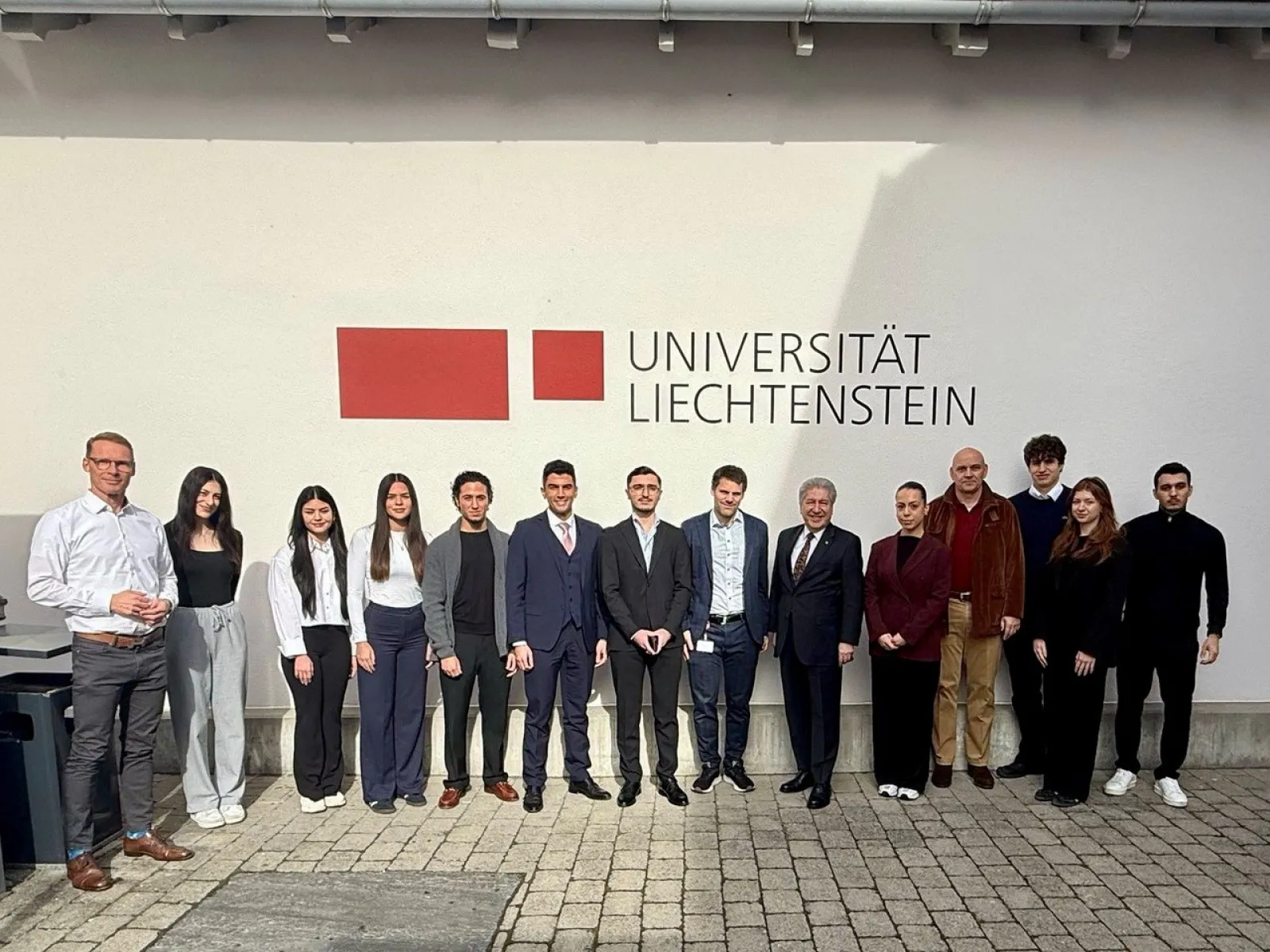
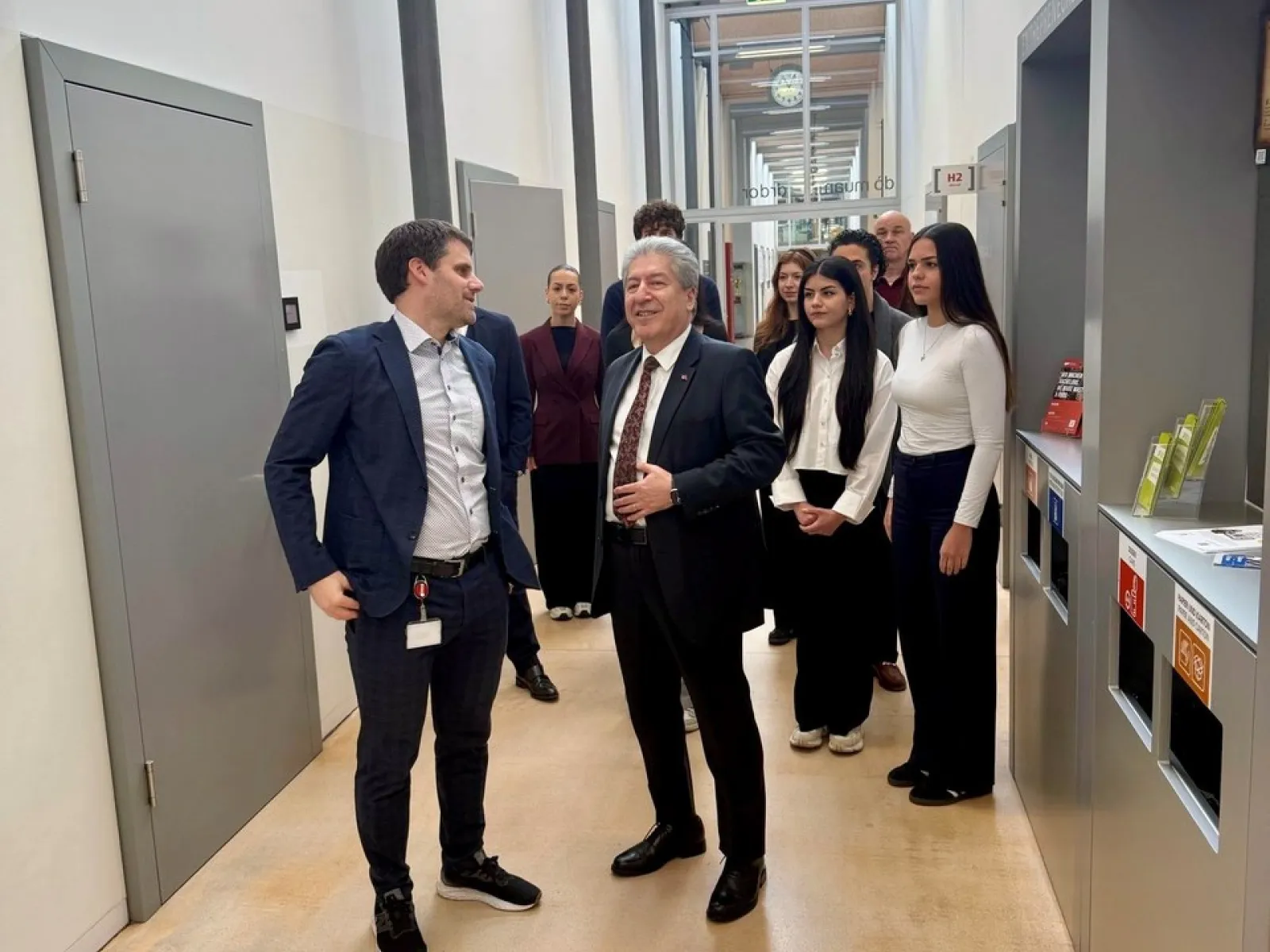
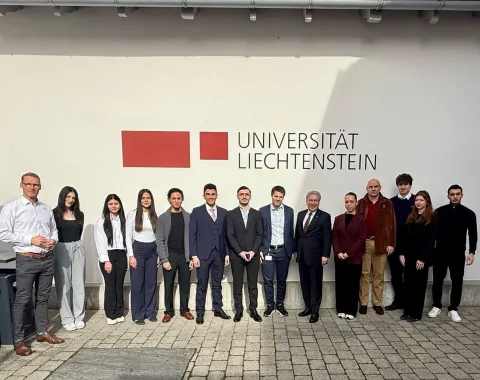
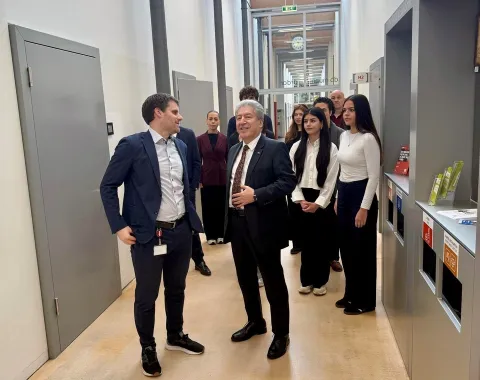
The University of Liechtenstein had the honor of receiving H.E. Fazlı Çorman, the Consul General of the Republic of Turkey in Zurich, on 24 February 2025. The visit was organized by Emre Dalmızrak, student of the Master's program in Innovative Finance. The focus was on economic, social and academic topics aimed at further deepening relations between the Turkish community and students at the University of Liechtenstein.


Ambassador Fazlı Çorman was warmly welcomed by Dr. Christian Frommelt, Rector of the University of Liechtenstein, as well as by Assoc. Prof. Martin Angerer, Patrick Krause and Philippe Schürmann, the Honorary Consul of Turkey in Liechtenstein. During the welcome, both sides emphasized the importance and appreciation of international cooperation and academic exchange.


Exchange with Turkish students


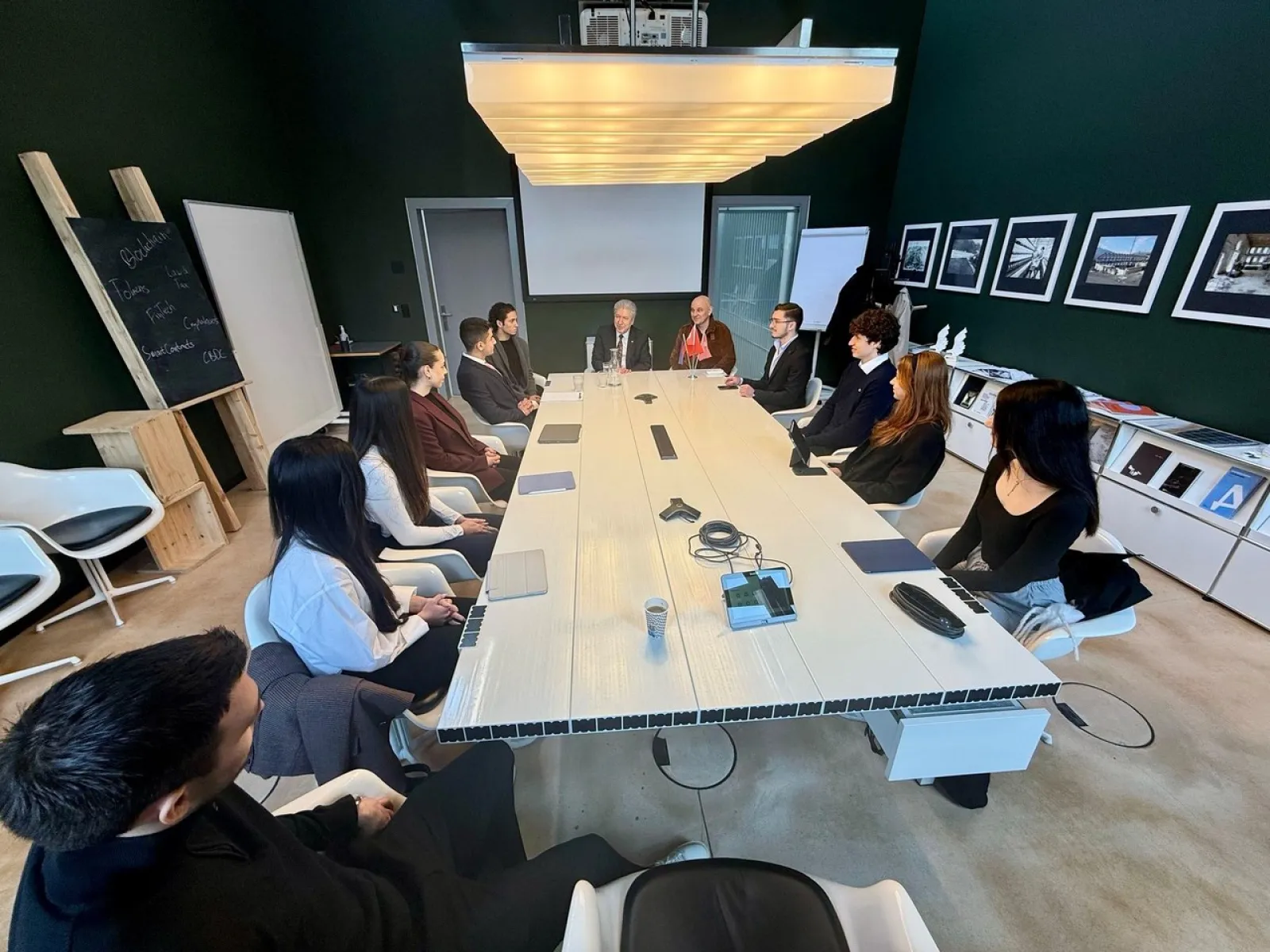
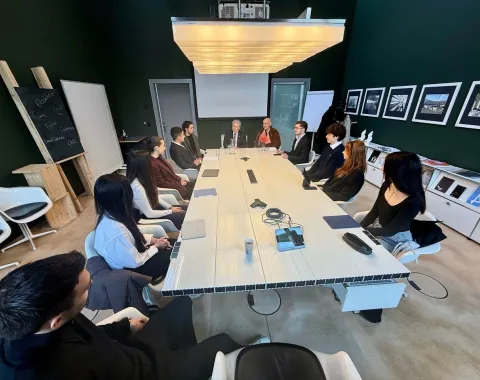
One of the highlights of the visit was the ambassador's discussion with students of Turkish origin at the university. He gave valuable advice on academic excellence, career opportunities and personal development. He also encouraged the students to use their education in Liechtenstein to build international careers.


The visit of Ambassador Fazlı Çorman and Honorary Consul Philippe Schürmann marked an important step towards deepening economic, social and academic relations between the Turkish community and the students of the University of Liechtenstein.

Sixth Cohort of the Certificate Programme “Compliance Officer” Launches with New Industry-Specific Module

Sixth Cohort of the Certificate Programme “Compliance Officer” Launches with New Industry-Specific Module

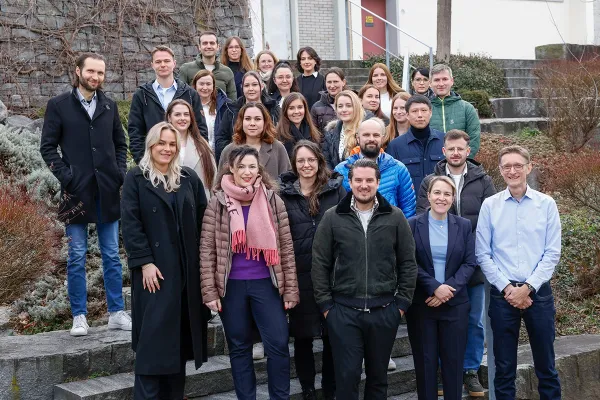
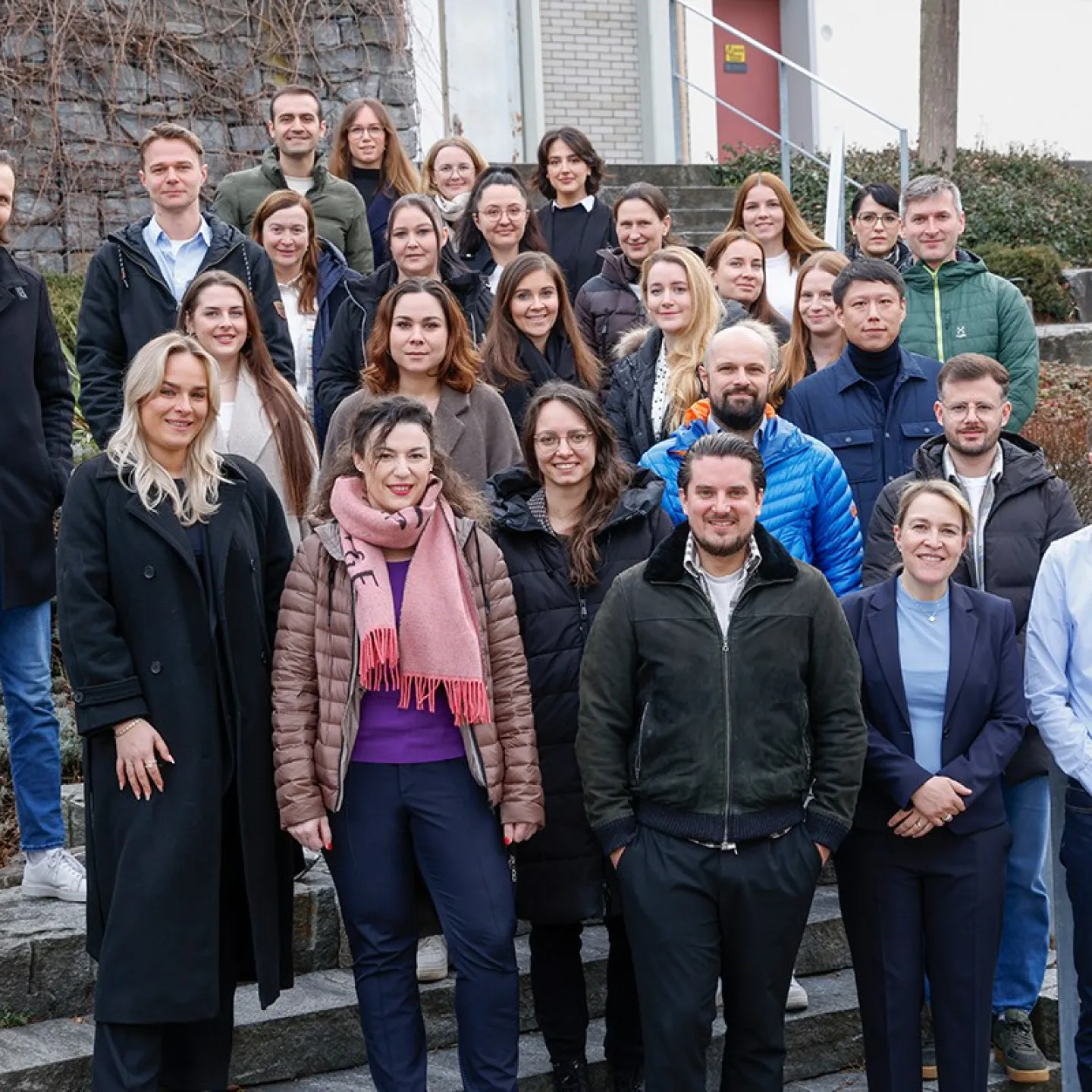
Gruppenfoto von Studierenden und Dozenten des Zertifikatsstudiengangs Compliance-Officer an der Universität Liechtenstein, aufgenommen auf einer Außentreppe. Die Gruppe lächelt in die Kamera, umgeben von winterlicher Vegetation.

On 11 February 2025, the University of Liechtenstein welcomed 26 new students to the sixth cohort of its Certificate Programme “Compliance Officer”, marking a successful programme start. Organised by the Professorship for Company, Foundation and Trust Law in cooperation with VP Bank AG, the programme has been expanded to include an innovative elective module offering in-depth insights into industry-specific compliance issues.


The programme, which is offered on a biennial basis, provides participants with comprehensive expertise in key areas such as corporate compliance, due diligence law, anti-money laundering, and IT and data protection law. Practice-oriented case studies and the VP Bank Award for Outstanding Achievement reflect the programme’s strong connection to real-world application.


A significant innovation is the new mandatory elective module, which allows students to specialise in compliance aspects relevant to specific industries. Areas of specialisation include banking and insurance, fund and asset management, industry, and fiduciary services.


As in previous years, VP Bank will again award the VP Bank Award for outstanding student performance as part of its longstanding cooperation with the University. The award includes a prize of CHF 5,000. To compete, participants work in teams to solve a complex case study, which is evaluated by a professional jury.y bewertet wird.


“The strong interest in the programme and the dedication of the participants confirm our approach of closely integrating theory and practice. With the new industry module and our successful partnership with VP Bank AG, we offer a programme that is ideally aligned with practical needs and the requirements of Liechtenstein’s financial centre. In doing so, we are preparing specialists to meet the growing demands in the field of compliance,” explains Prof. Dr. iur. Alexandra Butterstein, LL.M., Programme Director and Professor of Company, Foundation and Trust Law.

Gruppenfoto von Studierenden und Dozenten des Zertifikatsstudiengangs Compliance-Officer an der Universität Liechtenstein, aufgenommen auf einer Außentreppe. Die Gruppe lächelt in die Kamera, umgeben von winterlicher Vegetation.

BPM Winter-School in Sevilla

BPM Winter-School in Sevilla

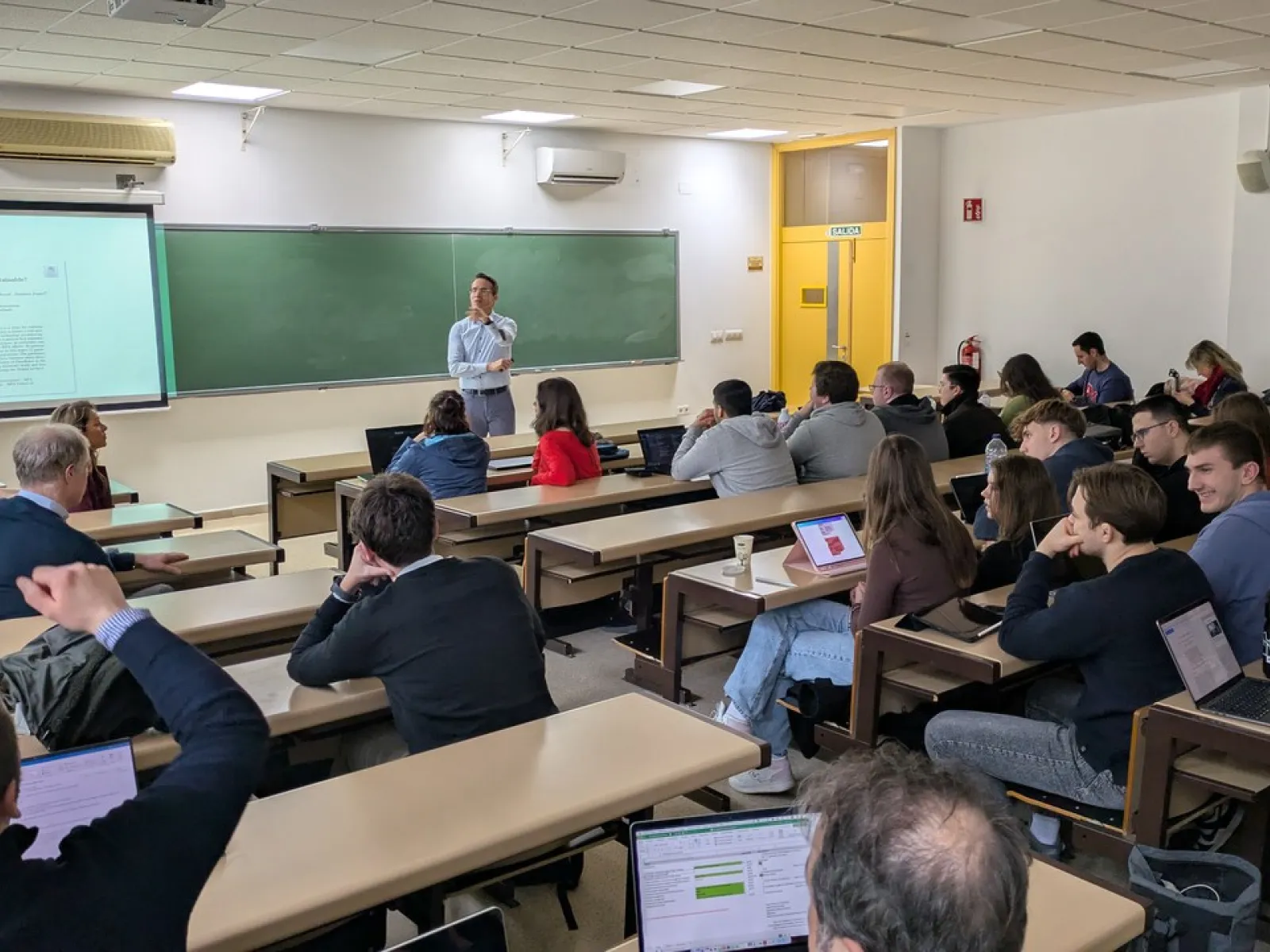
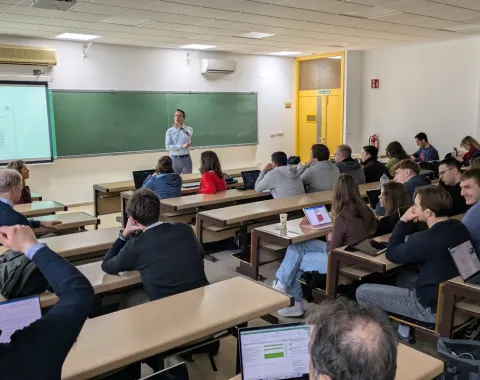
At the end of January, the BPM Winter School took place at the Universidad de Sevilla, in which seven students from the Bachelor of Business Administration course were able to participate. The students not only learned about the business aspects of Business Process Management (BPM), but also dealt with technical topics.


Lecturers from the Netherlands, Germany, Italy and Liechtenstein traveled to Seville to share their research interests with the students.


Prof. Dr. Jan vom Brocke, University of Münster and visiting professor at the University of Liechtenstein, introduced the general topic of process science. Other topics covered at the Winter School included the concept of workarounds in BPM, hyperautomation and the social impact of RPA implementation. On the more technical side, there was an outlook on how BPM can provide support in the future.


As BPM is above all an area that has a direct impact on practice, the experience of how processes can be supported by BPM systems was particularly valuable: in one of the slots, the students set up a fully-fledged process including interfaces to Slack and other online services using Camunda 8 - a very impressive achievement, as for many of them it was the first time they had come into contact with such a system.


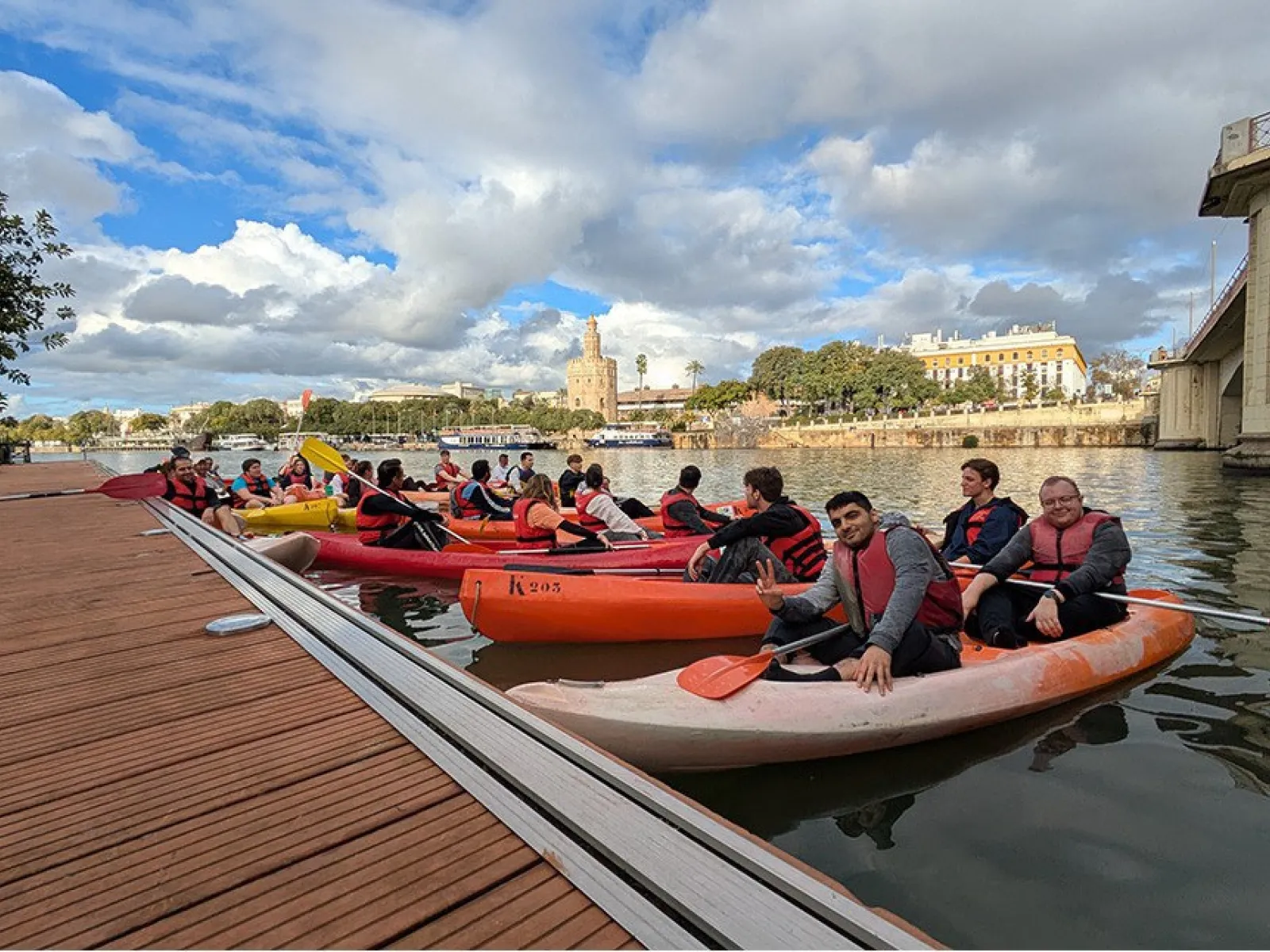
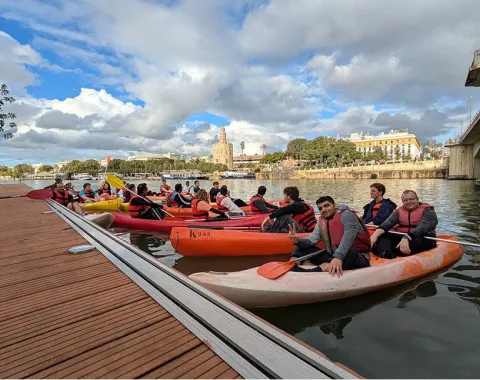
Konstantin Kudra, Bachelor student of Business Administration at the University of Liechtenstein, emphasized: “From my point of view, the highlights were the lectures on automation and robotics processes and programming. The kayaking was also fun and provided a change of pace. The two dinners together were really great.”


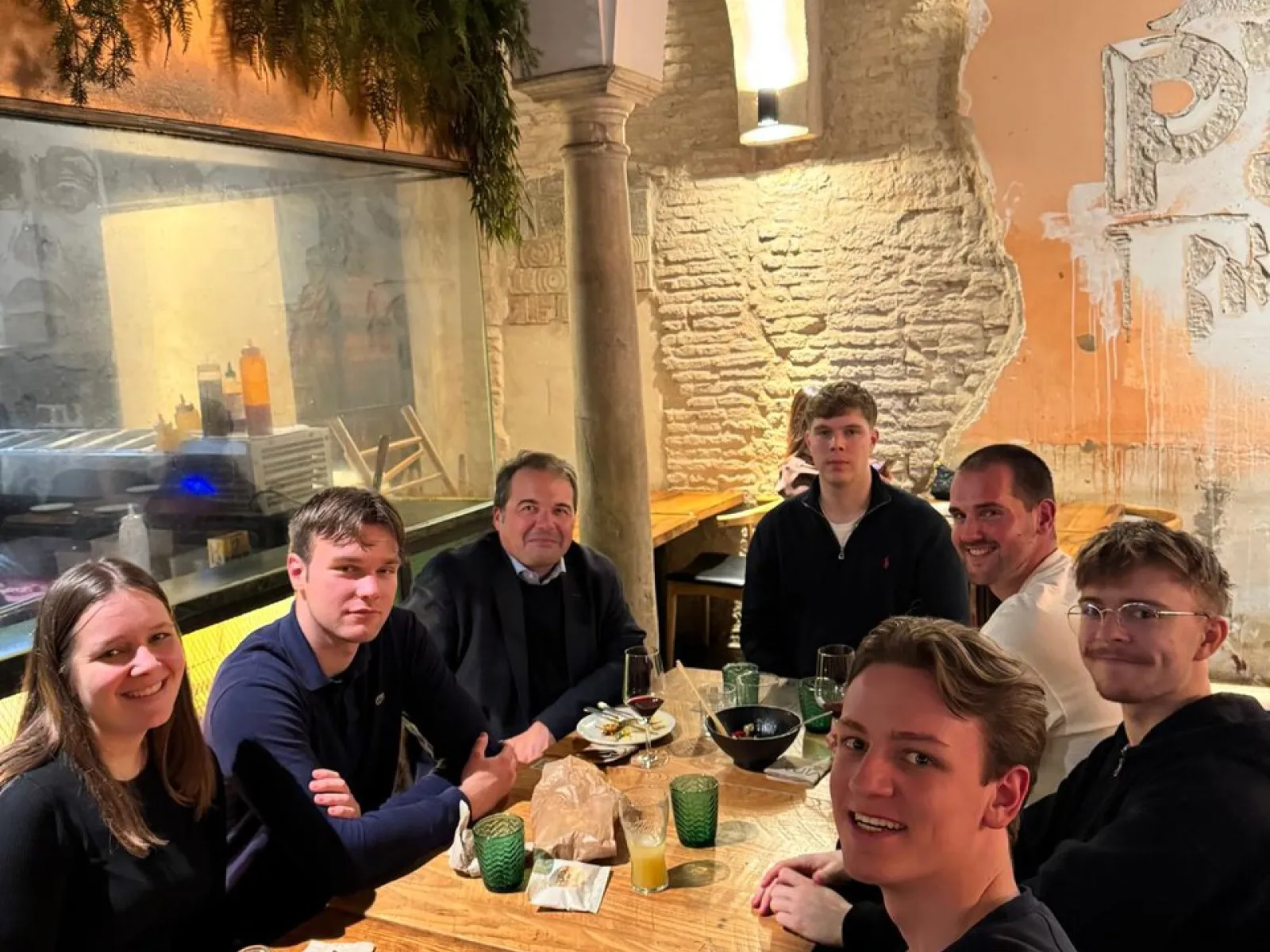
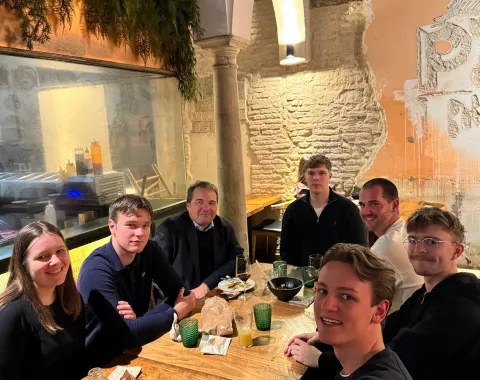
Another participant from the University of Liechtenstein, Tim Rotter, explained: “In addition to the exciting lectures, I particularly liked the fact that we also did a practical example using the Camunda 8 program, where we were allowed to model a BPMN workflow in teams. Another highlight of the Winter School for me was the location in Seville. Two joint dinners and a kayak tour were organized. We got on very well with each other and were able to make new contacts with participants from other universities. In retrospect, however, I would not recommend the ERCIS Winter School for students in their first semester.”


Clarissa Rixmann was also enthusiastic: “There were some highlights, including the lectures, in which we learned a lot about automation and robotics processes, among other things, and were also able to apply our theoretical knowledge in practice in another lesson. These lessons were very varied and I learned a lot of new things. I also really enjoyed kayaking and we were able to see the beautiful city from a different perspective. I would highly recommend the Winter School to other students.”


The week ended with a panel led by Dr. Bernd Schenk from the University of Liechtenstein, among others, to discuss any questions that remained unanswered.

Subscribe to